How to Apply for a Schengen Visa
Home » Trip Planning » How to Apply for a Schengen Visa
Planning a trip to Europe usually starts with deciding where to go, booking flights, and working out your itinerary. Depending on your passport, you may also need a Schengen visa before you travel.
There are a few things to sort out before you apply, including which country to apply through, what documents you need, and when to start.
Once you know how the process works, it’s much easier to plan around your trip.
What Is a Schengen Visa?
A Schengen visa allows travellers who need one to make a short visit to countries in the Schengen Area. It can cover holidays, visits to family or friends, business trips, and certain other short stays.
It’s one of the types of travel visas you may come across when planning an international trip. For a short stay, you can generally spend up to 90 days in the Schengen Area within any 180-day period, although your visa may allow fewer days.
There are currently 29 countries in the Schengen Area. Popular destinations include Italy, France, Spain, Portugal, Germany, Greece, and the Netherlands. Cyprus and Ireland aren’t part of the Schengen Area.
Who Needs a Schengen Visa?
The answer mainly depends on your passport. Travellers from certain countries need a Schengen visa for a short visit, while others can travel to the area without one.
There are exceptions, which is why it’s worth confirming the rules for your passport before starting an application. The European Commission has an official list showing which travellers need a visa for a short stay.
Which Country Should You Apply Through?
This part can be confusing when your itinerary includes more than one Schengen country. For a trip to only one country, you’ll normally apply through its consulate.
For a multi-country trip, apply through the country where you’ll spend the most time. When you’re staying the same number of days in each country, apply through the first Schengen country you’ll visit.
You’ll normally apply through the consulate responsible for the area where you live. In some places, an authorised visa centre handles applications for the consulate instead.
When to Apply for a Schengen Visa
You can apply up to 6 months before your trip. Applications generally need to be submitted at least 15 days before you travel.
I wouldn’t leave it until the last minute. Appointment availability can vary, and extra documents may be requested. Applying earlier gives you more time to deal with either without having to rush before your trip.
Documents You Need for a Schengen Visa
The exact list can vary depending on where you’re applying and the reason for your trip. However, you’ll usually need several documents for your application.
Passport
Your passport should be valid for at least 3 months after you plan to leave the Schengen Area. For a multiple-entry visa, it should remain valid for at least 3 months after you leave the last country on your trip.
Application Form and Photo
You’ll need a completed visa application form and a photo that meets the required standards. The consulate or visa centre handling your application will provide the current instructions.
Travel Medical Insurance
Travel medical insurance is required for a Schengen visa. It needs to cover emergency medical treatment, hospital care, and repatriation.
The exact requirements matter. Use the information provided by the consulate handling your application before buying a policy.
Accommodation and Finances
You’ll usually need to show where you’re staying and that you have enough money for the trip. You can also be asked for documents explaining the reason for your visit and showing that you plan to return home afterwards.
Biometrics
Fingerprints are normally taken when you submit your application. Certain travellers are exempt from this requirement. The consulate or visa centre will tell you what applies to your appointment.
How to Apply for a Schengen Visa
The process can vary slightly depending on the country handling your application, but the main steps are similar.
1. Confirm You Need a Visa
Start with your passport and the countries you’re visiting. The official EU information will tell you whether you need a Schengen visa for a short stay.
2. Work Out Where to Apply
Your itinerary determines which country should handle your application. For a multi-country trip, this will normally be the country where you’re spending the most time.
When your stays are equal, apply through the first Schengen country you’ll visit.
3. Get Your Documents Ready
Prepare your passport, application form, and photo. You’ll also need travel medical insurance and the supporting documents requested by the consulate.
Use its current checklist rather than relying on a general list online. Individual consulates can ask for additional documents.
4. Attend Your Appointment
Depending on where you’re applying, you’ll usually need to book an appointment with the consulate or an authorised visa centre.
Bring the requested documents with you, and be prepared to provide your fingerprints as part of the application process when required.
5. Pay the Visa Fee
You’ll pay the visa fee when you apply. An additional service fee may apply when an external visa centre handles the application.
6. Wait for the Decision
A Schengen visa application normally takes 15 days to process. It can take up to 45 days when more checks or additional documents are needed.
How Much Does a Schengen Visa Cost?
The standard fee is currently €90 for adults and €45 for children aged 6 to 12. Reduced fees apply to travellers from certain countries, and some applicants don’t have to pay the fee.
An authorised visa centre may also charge a service fee. The consulate or visa centre will have the current amount and payment details for your application.
Schengen Visa Processing Time
Most applications are processed within 15 days. In some cases, it can take up to 45 days when further checks or additional documents are needed.
This doesn’t include the time you may spend waiting for an appointment. Allow extra time in case the process takes longer than expected.
Understanding Your Schengen Visa
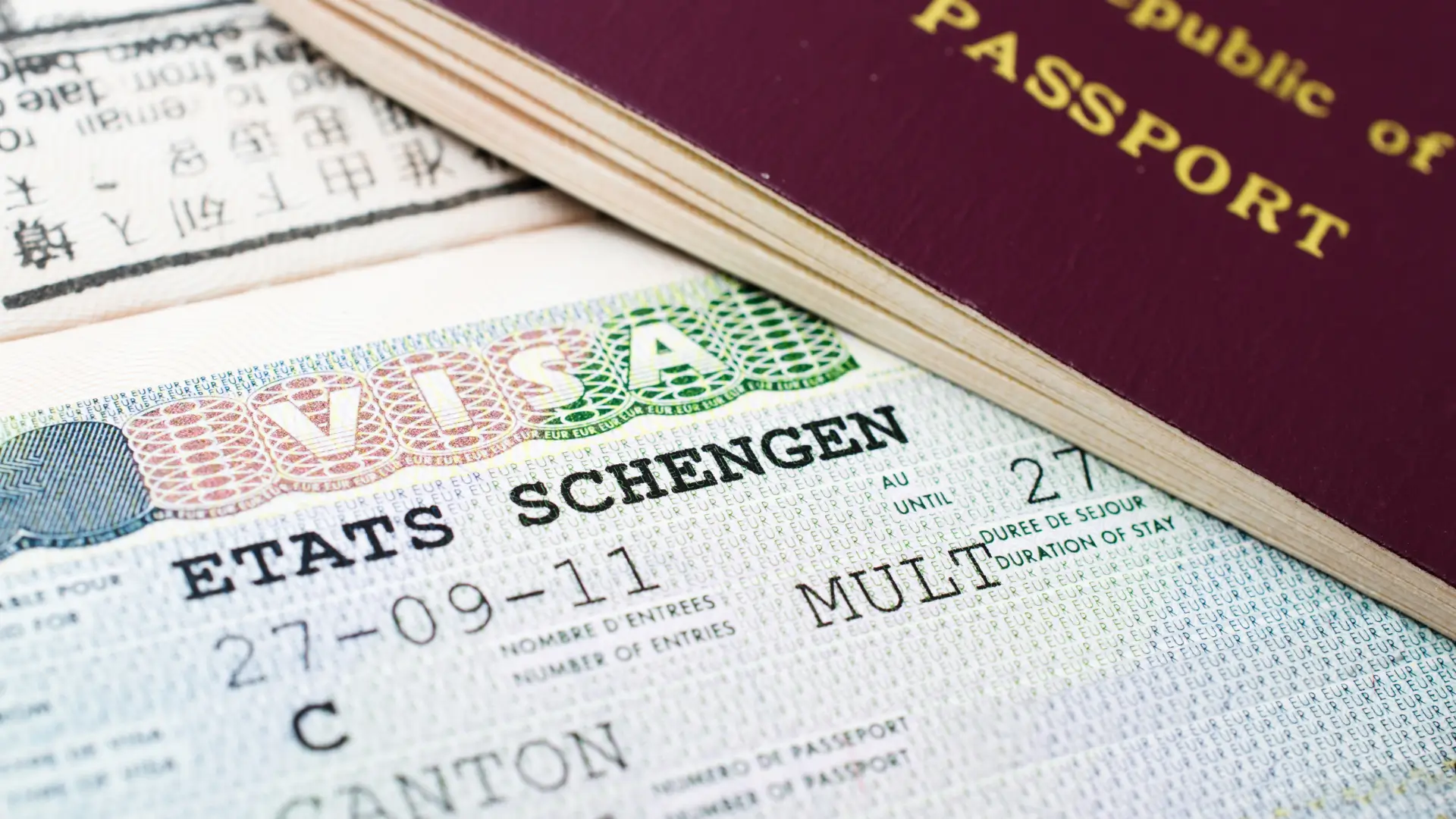
Once your visa is approved, take some time to read the details before your trip. Your visa will show how long you can stay in the Schengen Area and how many times you’re allowed to enter.
These details are important when planning your itinerary, especially if you’ll be visiting several countries.
How Long You Can Stay
A short stay in the Schengen Area is generally limited to 90 days within any 180-day period. Your visa may give you fewer days, though, and the length of stay shown on the visa is the one that matters for your trip.
Keeping track of your days can get confusing, especially when you’re travelling in and out of the Schengen Area. The European Commission has an official short-stay calculator that can help you work out how many days you have available.
Single-Entry Schengen Visa
A single-entry visa lets you enter the Schengen Area once. Once you leave, you can’t use that same visa to come back, even when there’s still time left before it expires.
This is worth remembering when you’re putting together a longer European itinerary. A side trip to a country outside the Schengen Area could mean you won’t be able to return on the same visa.
Multiple-Entry Schengen Visa
A multiple-entry visa lets you enter and leave the Schengen Area several times while it’s valid. You still need to stay within the number of days allowed on your visa and the 90/180-day limit.
This gives you more flexibility when your trip includes both Schengen and non-Schengen countries. You’ll find the number of entries allowed on the visa itself.
Travelling With a Schengen Visa
A Schengen visa can cover several countries during the same European trip. You don’t need a separate visa for every Schengen country you visit, provided your visa is valid for your trip, and you follow its conditions.
Before you leave, check the dates, number of days allowed, and number of entries shown on your visa. Keep your important travel documents with you as well, as having a visa doesn’t automatically guarantee entry when you arrive.
Applying for a Schengen Visa
Applying for a Schengen visa takes some preparation, but starting early makes the process easier to manage.
Work out which country should handle your application, prepare the documents requested by the consulate, and allow enough time for your appointment and the decision.
Official requirements may be updated over time. Refer to the latest information from the relevant authorities before you apply. Once everything is sorted, you can focus on planning the rest of your trip.

I love exploring new places and sharing the travel tips, food finds, and experiences that help you plan your next adventure.
Join the
Journey
Sign up for new itineraries, travel notes, and practical guides to help you explore the places I love most.
I love exploring new places and sharing the travel tips, food finds, and experiences that help you plan your next adventure.
Join the
Journey
Sign up for new itineraries, travel notes, and practical guides to help you explore the places I love most.