
Germany Travel Guide with Useful Travel Details
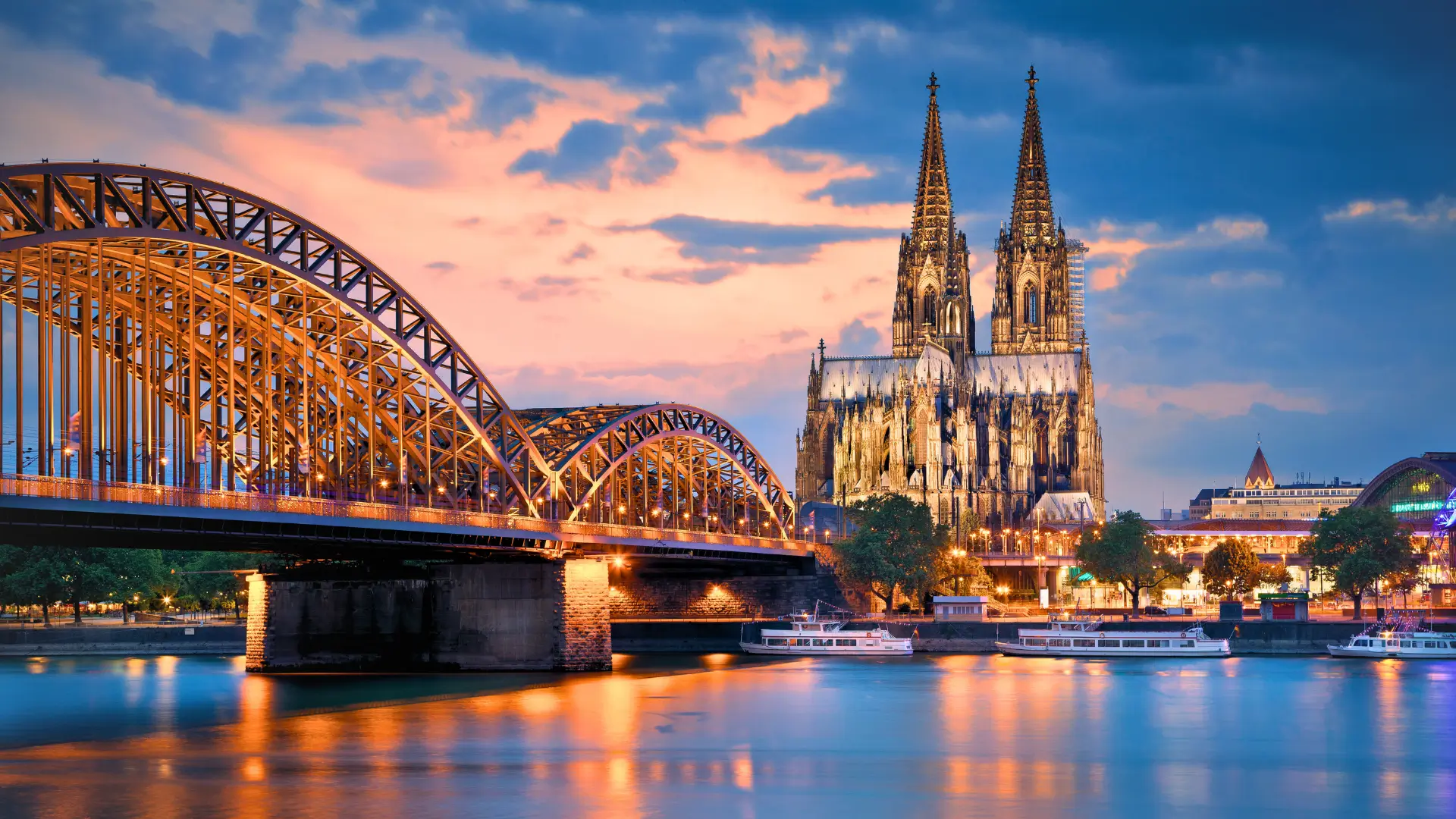
Germany is one of Europe’s key countries, known for its history, strong economy, and influence across the region. It borders nine countries and covers a wide range of landscapes, from northern coastlines and flat plains to forests and the Bavarian Alps in the south.
Berlin is usually the first stop, with its history, museums, and nightlife. Bavaria focuses more on alpine scenery, traditional towns, and castles like Neuschwanstein, while Munich centres around beer halls and events like Oktoberfest. Cities such as Frankfurt feel more modern, with a strong financial presence and a faster pace.
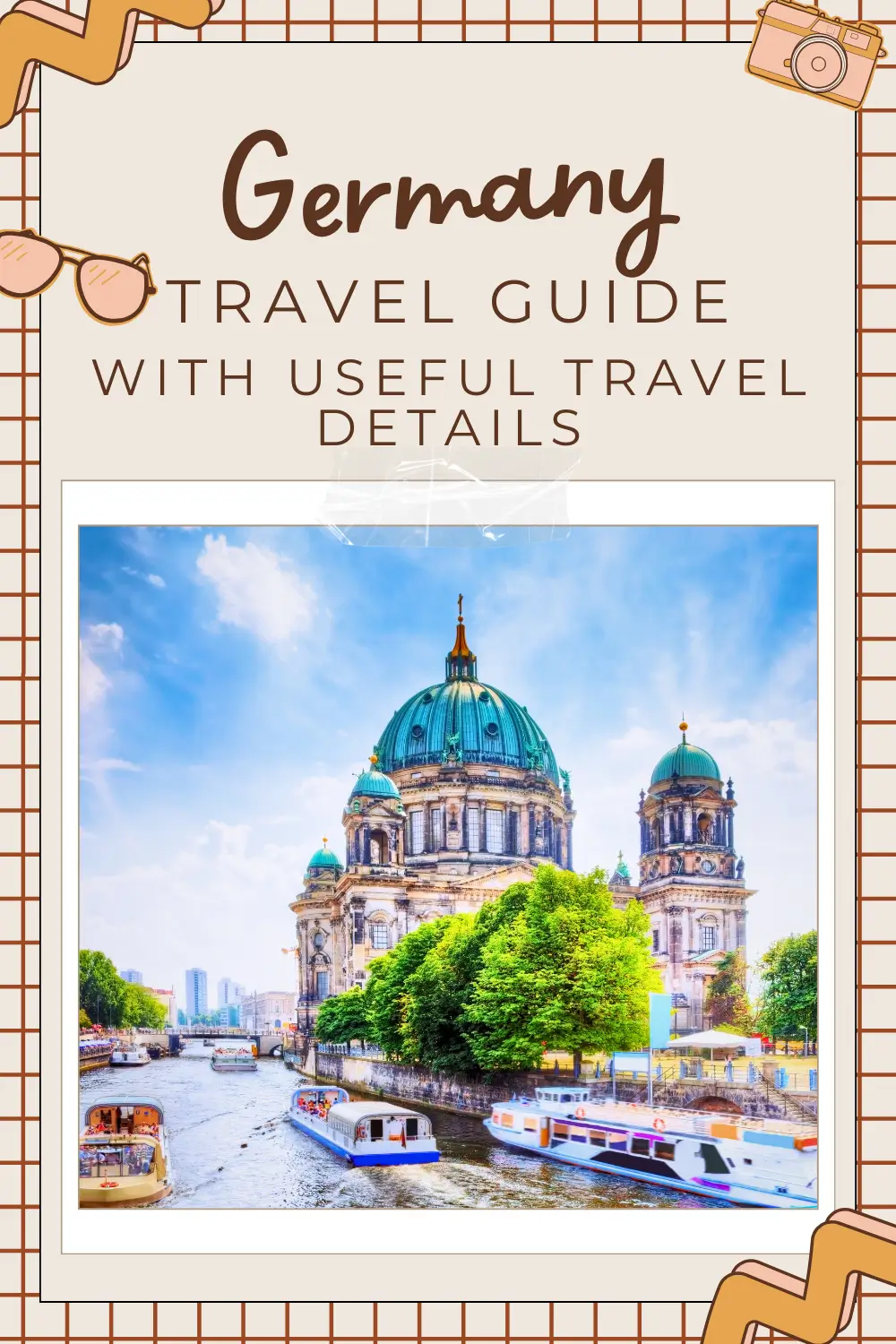
Getting around is straightforward, with an extensive rail network connecting major cities and smaller towns. Travelling between places like Heidelberg and Frankfurt doesn’t take long, which makes it easy to combine different stops in one trip.
Areas like the Black Forest and the Rhine are also easy to reach, with vineyards, small towns, and landmarks such as Cologne Cathedral along the way.
Did You Know?
- Germany has over 1,500 types of sausage, with strong regional variations across the country.
- Large sections of the Autobahn have no fixed speed limit, although an advisory speed of 130 km/h applies.
- Germany is home to over 20,000 castles, many dating back to the Middle Ages.
- Berlin has more than 1,700 bridges, which is more than Venice.
- The country has over 1,300 breweries, and its beer purity law dates back to 1516.
- Germany recycles around 65% of its waste, which is one of the highest rates in the world.
- There are more than 6,000 museums across Germany, which is one of the highest totals in Europe.
- Germany has over 400 zoos and animal parks, one of the highest totals in the world.
- There are over 200,000 km of hiking trails, with well-marked routes across forests and countryside.
- German is known for its compound words, with hundreds of thousands of words formed by combining smaller ones.
- The country produces around 6 million cars each year and remains one of the largest car producers globally.

I love exploring new places and sharing the travel tips, food finds, and experiences that help you plan your next adventure.
Join the
Journey
Sign up for new itineraries, travel notes, and practical guides to help you explore the places I love most.
Best Time to Visit Germany
May to September offers the easiest conditions for travel. Days are longer, and temperatures often sit around 20 to 24°C. Trains, attractions, and outdoor areas run on full schedules. July and August bring higher prices and more demand in cities and popular regions.
April to June and September to October give a better balance. Temperatures stay mild, and most places remain fully open. Travel feels easier to plan across cities and regions. Late September also includes Oktoberfest, which increases demand in Munich.
November to March brings colder weather and shorter days. December stands out for Christmas markets, especially from late November to Christmas. Many smaller towns slow down outside this period. Snow and winter conditions can affect travel times in some areas.
Germany At A Glance
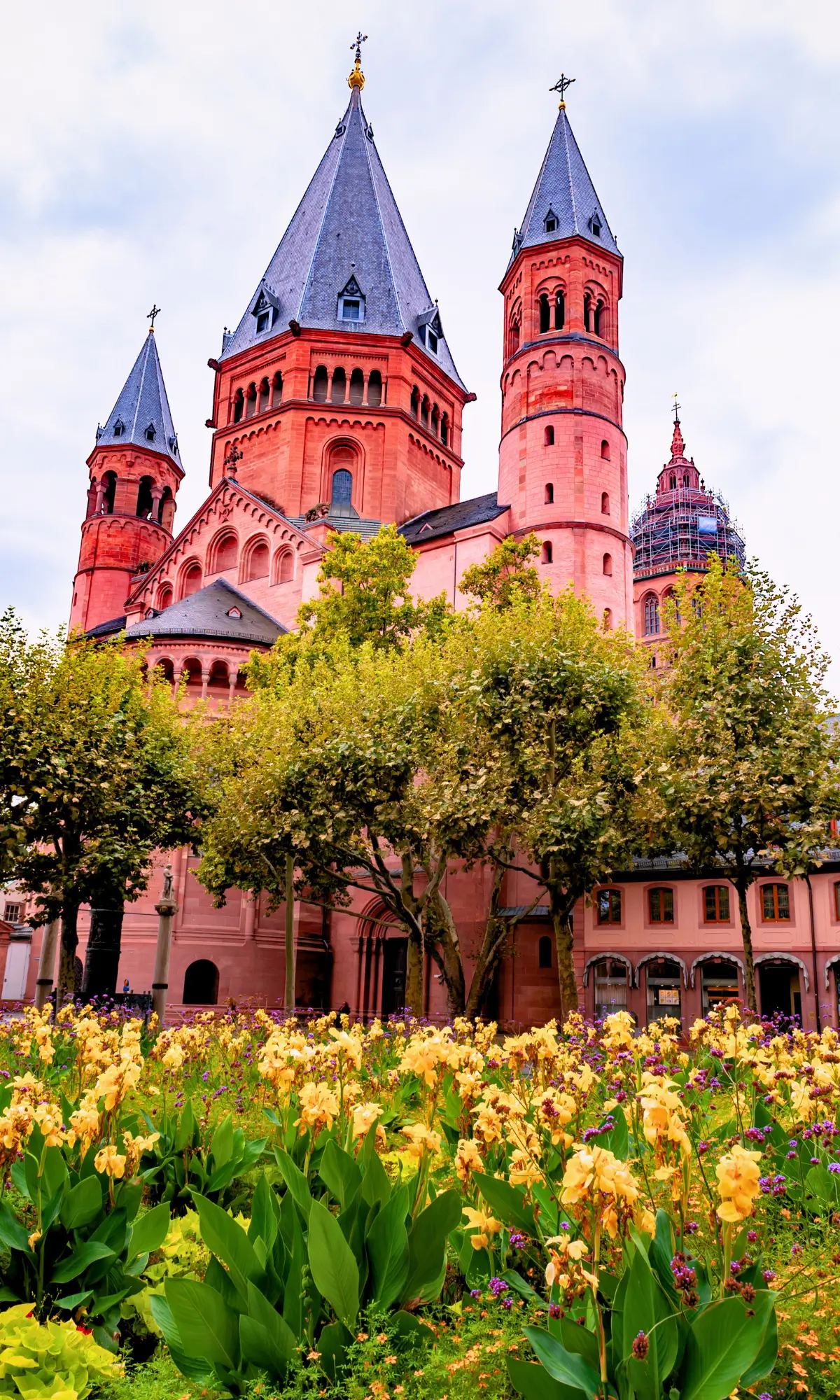

Language
German is the official language and people use it nationwide. You’ll hear English in cities and tourist areas, but less in smaller towns.

Currency and Costs
Euro (EUR). Approximate rate: 1 USD ≈ 0.90–0.95 EUR, though exchange rates fluctuate. Expect moderate costs overall, with higher prices in Munich, Frankfurt, and Hamburg.

Payments
Cards work in hotels, chain restaurants, and larger shops. Many places still prefer cash, especially bakeries, cafés, and smaller local spots.

Tipping
Tipping isn’t required, but people usually round up or leave around 5–10%. You’ll give it directly when paying, not leave it on the table.

Safety
Germany is very safe and easy to get around. Stay aware in busy areas like train stations and big events.

Connectivity
Mobile signal is strong in cities and towns. You may notice weaker connections on rural routes and some trains.
A Detailed Germany Itinerary
This 7-day route moves south from Berlin into Bavaria, ending in Munich. It follows a straight train line through the country, which keeps travel simple and avoids doubling back.
High-speed trains cover the longer distances, and regional connections handle shorter segments. The plan uses a small number of bases, which keeps the itinerary practical and reduces frequent hotel changes.
Day 1: Arrival in Berlin
Arrival into Berlin Brandenburg Airport, then transfer into Mitte. The area between Brandenburg Gate and Museum Island forms a straight stretch through the city, which makes it easy to settle in and explore without needing transport.
Suggested Stay: Hotel in Mitte near major transport links
Base: Berlin
Highlights
- Brandenburg Gate
- Reichstag building
- Unter den Linden
- Museum Island
Day 2: Berlin – Wall Sites Across the East
The route shifts toward the eastern side of Berlin, where several Wall sites line up across the city. These locations follow a clear north-to-south path, and you can move between them without crossing back through central districts.
Suggested Stay: Hotel in Mitte near major transport links
Base: Berlin
Highlights
- Berlin Wall Memorial
- East Side Gallery
- Checkpoint Charlie
- Spree river paths
Day 3: Berlin to Dresden
A direct train connects Berlin to Dresden in about 2 hours. Once in Dresden, the old town sits tightly around the Elbe River, and most landmarks fall within a short walk from each other.
Suggested Stay: Hotel in the historic centre near the Altstadt
Route: Berlin to Dresden
Highlights
- Elbe riverfront
- Dresden Old Town
- Frauenkirche
- Zwinger Palace
Day 4: Dresden to Nuremberg
The journey into Bavaria takes around 3 to 4 hours, usually with one connection. Nuremberg’s centre is enclosed by historic walls, and the main sights form a natural loop, which makes it easy to cover without planning a route in advance.
Suggested Stay: Hotel within Nuremberg Old Town
Route: Dresden to Nuremberg
Highlights
- City walls
- Main Market Square
- Nuremberg Old Town
- Imperial Castle
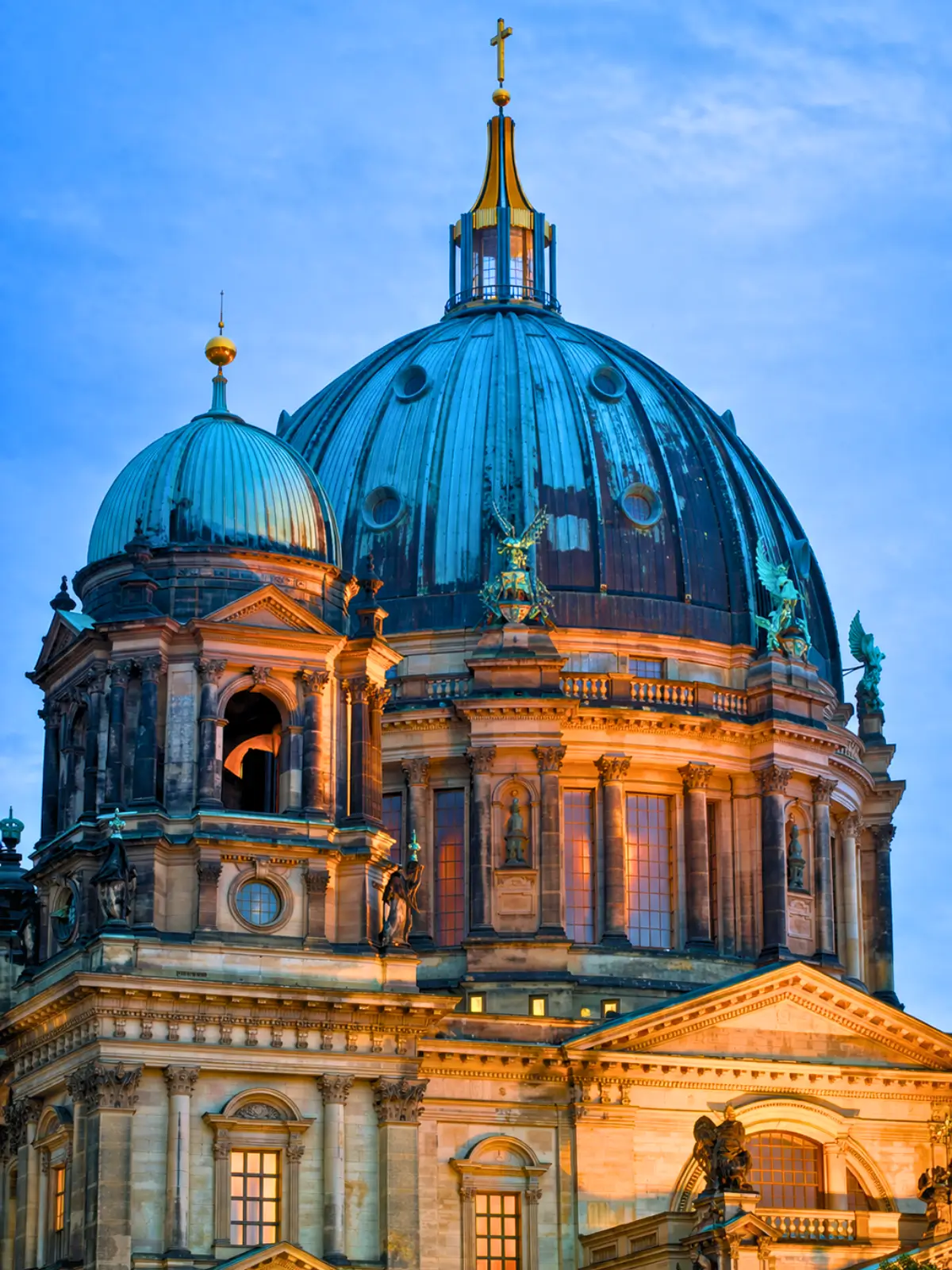
Day 5: Nuremberg to Munich
A high-speed train reaches Munich in about one hour. The city centre spreads out from Marienplatz, and most of the key areas sit within walking distance from this point.
Suggested Stay: Hotel in central Munich near Marienplatz
Route: Nuremberg to Munich
Highlights
- Marienplatz
- Old Town streets
- Viktualienmarkt
- Isar river
Day 6: Munich – From Centre to Park
Start in the historic centre, then move outward toward the English Garden. This route follows a steady direction across the city and avoids returning to the same areas.
Suggested Stay: Hotel in central Munich near Marienplatz
Base: Munich
Highlights
- Munich Residenz
- English Garden
- River paths
- Local cafés
Day 7: Munich to Bavarian Alps or Departure
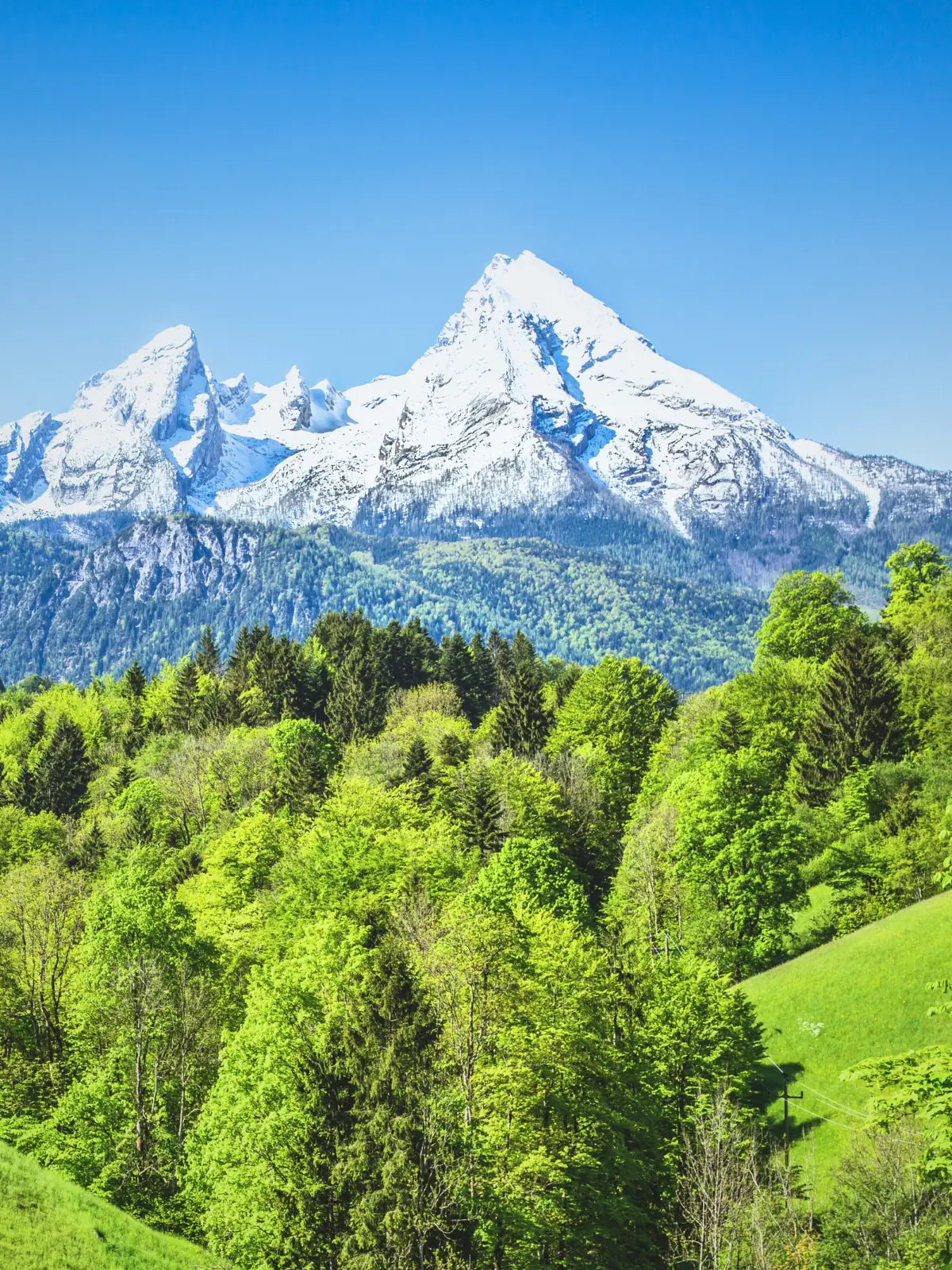
Head south toward the Alps if time allows. Trains to Füssen take about 2 hours each way and connect easily from Munich. If departure is earlier, staying within the city keeps the day simple.
Suggested Stay: Hotel near the airport or central Munich
Route: Munich departure
Highlights
- Bavarian Alps
- Neuschwanstein Castle area
- Munich skyline
- City centre

Things To Know Before Visiting Germany
1. Cash Still Plays A Big Role In Payments
Many places still prefer cash, even in busy areas like train stations and local cafés. Smaller shops often won’t accept cards, especially for low-value purchases. Carry small bills and coins because cash remains widely used for everyday spending.
2. Most Shops Close On Sundays
Most supermarkets and retail shops shut on Sundays across the country. Only bakeries, restaurants, and some station shops usually stay open. This can catch travellers off guard when they need groceries or essentials.
3. Public Toilets Usually Require Payment
Public toilets often charge a small fee, usually around €0.50 to €1, or about USD 0.55 to 1.10. You’ll often see attendants or coin-operated entry systems. Keep coins ready because card payments rarely work.
4. Restaurants Serve Bottled Water Instead Of Tap
Restaurants usually bring bottled water unless you specifically ask otherwise. You’ll need to be clear if you want still water rather than sparkling. Free tap water isn’t commonly offered, even in casual spots.
5. Bottle Deposits Are Added To Drinks
Many bottles and cans include a deposit added to the price. The deposit usually ranges from €0.08 to €0.25, or about USD 0.09 to 0.27 depending on the container.
You can return them to supermarket machines and get the money back straight away.
6. Supermarket Checkouts Move Quickly
Cashiers scan items quickly and keep the line moving. You pack your groceries after paying, not while items are scanned. If you’re not ready, the process can feel rushed straight away.
7. Popular Spots Fill Up Early
In busy places like lakes, beer gardens, or events, people arrive early to secure good spots. You’ll often see towels, jackets, or bags left on tables or chairs to signal someone is coming back, even if they’re not there yet.
This isn’t a formal rule, but it’s widely tolerated, and taking those spots can lead to awkward situations or direct confrontation.
How to Get There
Entry Requirements and Visa Rules
Germany follows Schengen rules. Many nationalities can stay for up to 90 days within a 180-day period without a visa.
Travellers from the UK, US, Canada, and Australia can enter for tourism. Longer stays or work need a visa or residence permit arranged in advance.
Passport Validity
Your passport needs at least 3 months’ validity beyond your departure date. It must also be less than 10 years old and have blank pages. Border officers check these details on arrival.
Main International Airports
Frankfurt Airport handles the most international traffic. It works as the main hub for long-haul routes. Munich Airport also runs major international flights, especially for southern Germany.
Berlin Brandenburg Airport serves the capital and mainly connects within Europe.
Flying Into Germany
Frankfurt is usually the easiest entry point. It has strong global connections and good links across the country.
Munich works well if you’re heading south. Berlin is a better fit for trips focused on the capital and nearby regions.
Ferry Connections
Northern ports connect Germany with Scandinavia and the Baltic region.
Arriving By Train From Neighbouring Countries
Germany connects well by train with nearby countries. Direct routes run between cities like Paris, Amsterdam, Vienna, and Zurich.
Many journeys are fast and straightforward. Trains often save time compared to short flights.
What to Expect
Ticket Validation Matters
Some regional tickets need to be stamped before boarding or right after entering.
Validation machines sit on platforms or inside vehicles and are easy to miss. An unstamped ticket is treated as invalid and fines are issued immediately.
No Entry Gates In Transport
Train stations and tram stops usually don’t have barriers. You’re expected to carry a valid ticket throughout your journey. Inspectors check at random and fines apply on the spot if something isn’t correct.
Seat Reservations Take Priority
Long-distance train tickets don’t always include a reserved seat. Displays above seats show reservation details for parts of the journey. You may need to move even if the train isn’t full.
Regional Differences Affect Plans
Opening hours, transport frequency, and food choices vary across regions. Bavaria often follows more structured routines, while Berlin feels more flexible. Planning becomes more important once you move between regions.
Trains Can Split Mid-Journey
Recycling Is Strictly Followed
Waste sorting is built into public spaces and transport areas. Bins are clearly separated into categories and people follow the system closely.
This structure affects how you dispose of waste throughout your trip.
Getting Around Germany
Trains for Long-Distance Travel
Trains are the main way to move between major cities in Germany. ICE and IC services connect places like Berlin, Frankfurt, and Munich, with journeys usually taking 3 to 6 hours.
Main routes run frequently, often every 30 to 60 minutes. Delays happen regularly, especially on busy lines, so allow extra time for connections.
Regional Trains for Smaller Towns
Regional trains connect smaller towns and areas beyond high-speed routes. They stop more often and take longer, especially on indirect journeys.
Services run well during the day but drop in frequency in the evening. You’ll often need to change trains when travelling between regions.
City Public Transport Networks
Cities use U-Bahn, S-Bahn, trams, and buses to cover most areas. Services run every few minutes on main lines during the day. Tickets usually work across all modes within the same zone.
Late-night options are more limited, though larger cities run extended services on weekends.
Long-Distance Buses for Budget Travel
Long-distance buses connect cities across Germany at lower prices than trains. Routes like Berlin to Munich can take 7 to 9 hours depending on stops.
Services run frequently on major routes but less often on smaller ones. This option works best if you’re flexible with time.
Domestic Flights for Longer Routes
Flights connect major cities such as Munich, Hamburg, and Berlin. A flight takes about 1 hour, but airport time adds to the total journey.
Trains often match or beat flight times on shorter routes. Flights make more sense for longer cross-country travel.
Car Rental for Flexible Travel
Driving works well in rural areas and regions with fewer rail connections. The Autobahn network links cities efficiently, though traffic and road works can slow things down.
Speed limits apply in many sections even without a universal cap. Parking in city centres can be limited and expensive.
Taxis and Ride-Hailing Options
Taxis are easy to find in cities and at major stations. Ride-hailing apps like Uber operate in larger cities but are less common elsewhere. Fares are higher than public transport, especially for longer distances. This option suits short trips or late-night travel.
Ferries and Local Water Transport
Ferries run in northern Germany and along rivers like the Elbe. They connect parts of cities such as Hamburg and nearby coastal areas. Services are reliable but limited to specific routes.
Ferries are useful for short crossings rather than long-distance travel.
Join the
Journey
Sign up for new itineraries, travel notes, and practical guides to help you explore the places I love most.

I love exploring new places and sharing the travel tips, food finds, and experiences that help you plan your next adventure.
