
Types of Travel Visas for International Travel
Home » Trip Planning » Types of Travel Visas for International Travel
Planning an international trip usually starts with flights, accommodation and an itinerary, but you may also need a visa.
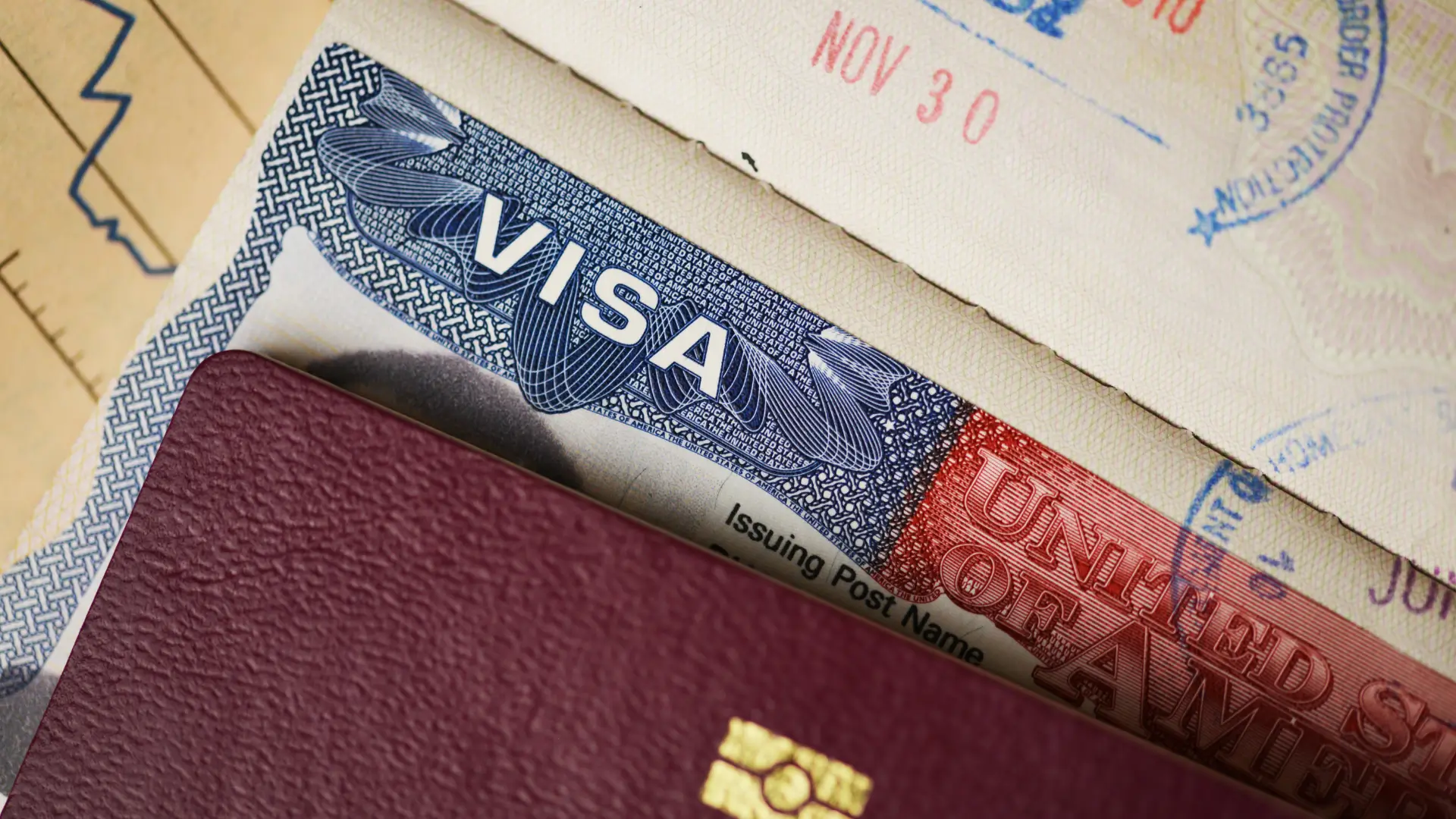
The type you need depends on your passport, destination, reason for travelling, and how long you plan to stay.
There are several types of travel visas, and the names can be confusing when you’re new to international travel. There’s even more to prepare for when it’s also your first time flying.
A tourist visa is very different from a work or student visa. Terms such as eVisa and visa on arrival refer to how you get the visa rather than why you’re travelling.
What Is a Travel Visa?
A travel visa gives you permission to enter a country for a particular reason and period of time. Not every traveller needs one, and the rules can be completely different depending on the passport you’re travelling with.
Visas also come with conditions. A tourist visa, for example, doesn’t normally give you permission to work, while a student or work visa has its own requirements.
This is why it’s important to identify the visa that matches your trip instead of applying based on the name alone.
Types of Travel Visas Based on Your Trip
The easiest place to start is with the reason you’re travelling. Holidays and business trips may require one type of visa. Studying or working overseas may require another.
Tourist Visa
A tourist visa is commonly used when you’re travelling to another country for a holiday or other leisure activities. Depending on the destination, it may also cover visits to family or friends. Official visa systems commonly group these activities under tourism or visitor categories.
Some countries use a broader visitor visa that covers tourism along with other permitted activities. The exact rules depend on the visa system of the country you’re visiting.
Your visa will state how long you’re allowed to stay and the conditions you need to follow. Tourist or visitor visas generally don’t allow employment, which requires the appropriate work permission.
Transit Visa
A transit visa can be required when you’re passing through a country on your way to another destination. This can apply even when you’re only changing planes.
Your passport and connection both matter here. Leaving the international transit area can change the requirements. Going through immigration or collecting and rechecking your luggage can also affect the transit rules.
Business Visa
A business visa can cover short trips for meetings and conferences. It may also cover negotiations and other approved business activities. However, it doesn’t normally give you permission to take a job in that country.
The distinction can be important when a trip involves more than attending meetings or events. Countries decide which activities they allow business visitors to carry out and when a work visa becomes necessary.
Student Visa
Travelling abroad to study can require a student visa. The requirements depend on the destination, type of course and length of your studies.
A short course may sometimes be allowed under another visa category. Longer programmes often require a dedicated student visa. There may also be rules covering work, attendance and how long you can remain in the country.
Work Visa
A work visa allows you to work in another country when you meet its immigration requirements. Countries often have several work visa categories depending on the job, length of employment and type of worker.
This isn’t the same as travelling for a business meeting or conference. If you’re travelling overseas to work for an employer, check the country’s work and immigration rules before travelling.
Other Visa Terms You'll Come Across
You’ll also see terms such as eVisa, visa on arrival, single entry and multiple entry when researching a trip. These don’t necessarily tell you why you’re travelling. They can describe how you get the visa or how you can use it.
eVisa
An eVisa is issued electronically through an online visa system. Depending on the country, you can complete most or all of the application online, although the requirements vary by destination.
eVisa refers to the format of the visa, not the reason for your trip. It can still be issued for tourism, business or another permitted purpose.
Visa on Arrival
Eligible travellers may be able to get a visa after arriving at their destination instead of applying before departure. This is known as a visa on arrival.
Not every traveller qualifies for a visa on arrival. Your nationality determines your eligibility, while the destination sets the documents and other requirements. These can include proof of onward travel or payment on arrival.
Single-Entry Visa
A single-entry visa normally allows you to enter once. After you leave, you may not be able to use the same visa to return, even when its validity date hasn’t passed.
This can matter on a multi-country trip. If you’re planning to leave a country and come back later in the same journey, the number of entries allowed on your visa becomes important.
Multiple-Entry Visa
A multiple-entry visa allows more than one entry during the period in which it’s valid, subject to the conditions of that visa. This can be useful when your itinerary takes you in and out of the same country or visa area.
It doesn’t give you unlimited time there. You’ll still have a maximum permitted stay and need to follow the conditions shown on your visa.
Schengen Visa
A Schengen visa isn’t a travel purpose like a tourist, student or work visa. It applies to short stays within the Schengen Area and can cover tourism, visits to family or friends, business and certain other purposes.
Travellers who need a Schengen visa can use it to visit countries within the Schengen Area, which currently includes 29 countries. The conditions depend on the visa issued.
Visa-Free Travel and Travel Authorisations
You won’t always need a visa to travel internationally. Visa-free entry may be available to travellers from certain countries. You still need to meet the destination’s entry requirements.
Visa-free travel can still come with an electronic travel authorisation requirement. It’s a separate entry requirement for certain visa-exempt travellers.
ETIAS is one example. Once it begins operating, visa-exempt travellers who are required to have one will need an ETIAS travel authorisation for short stays in 30 European countries.
How to Work Out Which Visa You Need
Your passport is the first thing that determines which entry rules apply to you. Two people can take exactly the same trip. Their visa requirements may differ because they hold passports from different countries.
The reason for your trip and how long you’re staying matter too. A holiday, business meeting, semester abroad, and overseas job can each have different requirements.
Countries you’re passing through can have their own visa requirements. Travellers may need an airport transit visa even when they aren’t planning to leave the airport. The rules depend on their passport and the country they’re passing through.
Before You Apply for a Travel Visa
Visa rules can change. The official immigration website is the best place to confirm the requirements for your passport and trip. You can also contact the destination’s embassy or consulate.
This is particularly important before paying an application fee or making bookings that depend on receiving the visa.
Take a close look at how long the visa allows you to stay and how many entries it gives you. The visa’s validity period and the number of days you’re allowed to remain aren’t always the same thing.
Application times also vary considerably. Some countries have online applications, while others require appointments, supporting documents, or biometrics.
Starting the process early gives you more time if additional documents or another appointment are needed.
Choosing the Right Visa for Your Trip
The visa you need depends on your passport, destination, reason for travelling and length of stay. Countries you pass through may have different visa requirements too.
These details can help you identify the right visa for your trip. Confirm the current requirements with your destination’s official immigration authority before applying or travelling.

I love exploring new places and sharing the travel tips, food finds, and experiences that help you plan your next adventure.
Join the
Journey
Sign up for new itineraries, travel notes, and practical guides to help you explore the places I love most.
I love exploring new places and sharing the travel tips, food finds, and experiences that help you plan your next adventure.
Join the
Journey
Sign up for new itineraries, travel notes, and practical guides to help you explore the places I love most.
