
A Better Way to Plan Your Trip to Portugal

Portugal is a captivating country on the Iberian Peninsula, known for its dramatic Atlantic coastline, sun-drenched hills, and a history shaped by maritime exploration. You’ll find sandy beaches, striking cities, rugged cliffs, and a strong food scene. Wine is easy to come across wherever you go.
It’s also easy to get around. Distances are short, and transport works well. Costs stay lower than in many Western European countries. It works well for both short trips and longer stays.
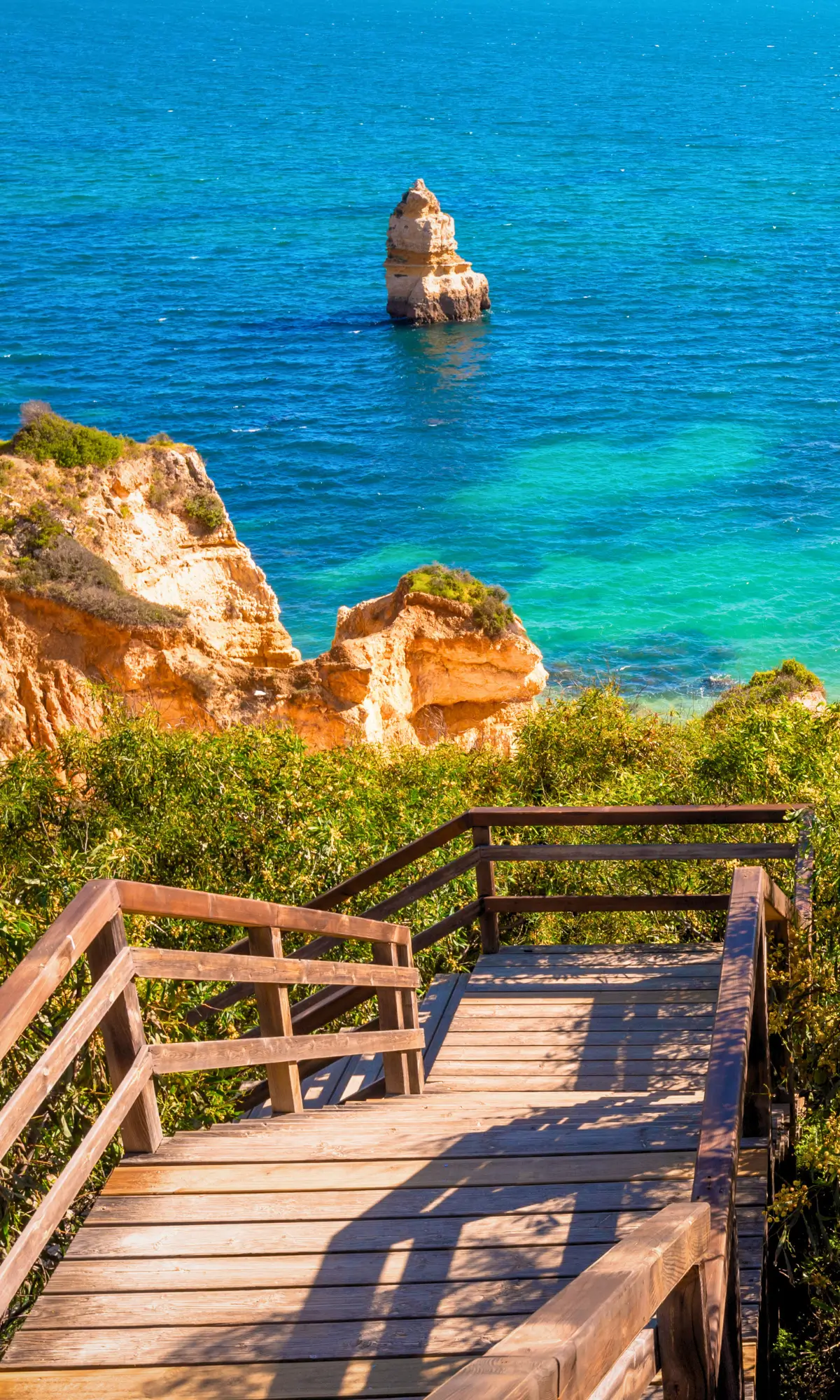
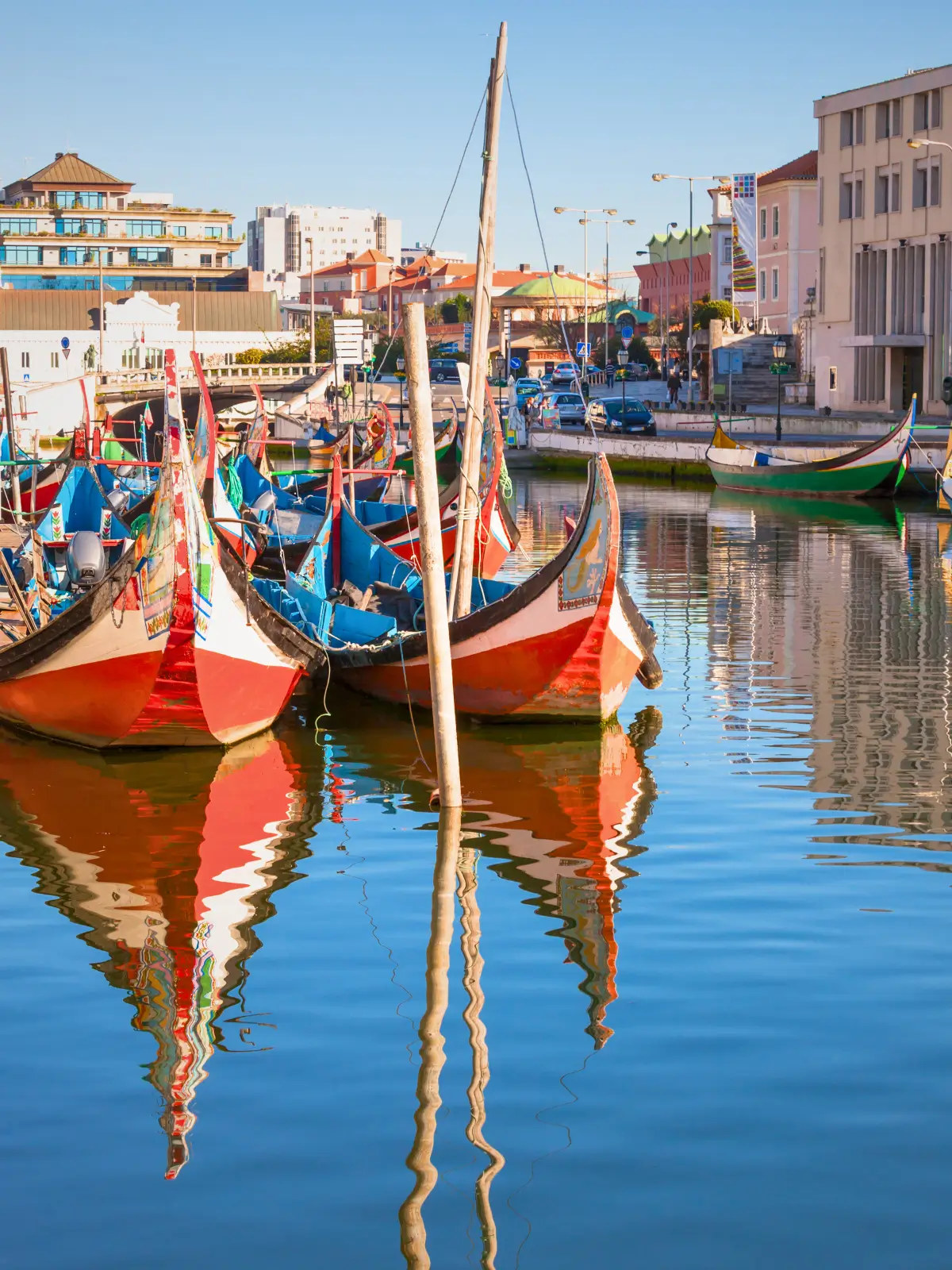
Lisbon gets most of the attention. The Algarve runs along the southern coast with beach towns. The Alentejo stretches inland with open landscapes. In the north, Porto, Aveiro, and Braga are close enough to connect in one route.
Did You Know?
- Portugal is one of the oldest countries in Europe, and its borders have stayed almost unchanged since the 13th century.
- Lisbon is older than Rome, with settlements going back to around 1200 BC.
- Portuguese is spoken by over 250 million people worldwide, so you’ll hear it far beyond Europe.
- The country produces around 50% of the world’s cork, which is why you’ll see it used in everything from wine stoppers to bags.
- Nazaré has recorded some of the largest waves ever surfed, with heights exceeding 26 metres.
- There are over 250 native grape varieties, which is unusually high for a country this size.
- Slavery was banned in mainland Portugal in 1761, and it wasn’t fully abolished across its empire until 1869.
- Its colonial empire lasted for nearly 600 years, so its influence still shows up across several continents.
- It’s the westernmost country in mainland Europe, with Cabo da Roca marking the edge.
- Electricity can reach very high renewable levels during peak periods, but it doesn’t stay that high year-round.
- The University of Coimbra was founded in 1290, and it’s still one of the oldest universities in Europe.

I love exploring new places and sharing the travel tips, food finds, and experiences that help you plan your next adventure.
Join the
Journey
Sign up for new itineraries, travel notes, and practical guides to help you explore the places I love most.
Best Time To Visit Portugal
The best time to visit Portugal is spring and early autumn, especially from March to May and September to October. You’ll get warm weather without the heat, and it’s easier to explore cities like Lisbon and Porto on foot. These months also mean fewer crowds, which makes planning smoother.
From June to August, summer brings hot temperatures and peak travel season. Beaches in the Algarve fill up fast, and prices rise across hotels and flights. It’s a good time for beach trips and festivals, but you’ll need to book early and expect crowds.
Between November and March, winter brings fewer tourists and lower prices. You’ll still get mild weather in cities, but rain is more common, and beach conditions aren’t ideal. It works well for sightseeing and relaxed trips without the peak season rush.
Portugal At A Glance

Language
Portuguese is the official language, and people speak it nationwide. Many locals also speak English, especially in cities, tourist areas, and major hotels.

Currency and Costs
Euro (EUR). Approximate rate: 1 USD ≈ 0.85–0.95 EUR, though exchange rates fluctuate. Expect moderate daily costs, particularly in Lisbon, the Algarve, and other popular destinations.

Payments
Hotels, restaurants, and larger shops accept credit and debit cards. Carry some cash for small cafés, taxis, and local markets.

Tipping
Tipping isn’t expected, and service isn't usually added to the bill. Extra tips for good service are appreciated but not required.

Safety
Portugal is generally safe for travellers. Take normal precautions in busy areas and tourist spots.

Connectivity
Mobile coverage is strong in cities and towns. Most hotels offer Wi-Fi, though access can be weaker in remote inland or rural areas.
A Detailed Portugal Itinerary
This 7-day route follows a straightforward northbound journey from Lisbon to Porto, keeping travel time controlled and avoiding long jumps across the country.
Lisbon acts as the starting base with a short day trip to Sintra, then the route continues north by train to Porto. Both cities are well connected, which keeps movement simple and limits hotel changes.
Day 1: Arrival in Lisbon
Settle into Lisbon and spend the day around the central districts. The streets between Alfama and Baixa connect easily, giving a clear introduction to the city without needing transport.
Suggested Stay: Hotel Lisboa Plaza – hotel in central Lisbon near Avenida da Liberdade
Base: Lisbon
Highlights
- Alfama district
- Baixa streets
- Commerce Square
Day 2: Lisbon – Belém and Riverside
Head west along the river, where several major landmarks are grouped within the same area. Getting there is quick, and moving between stops stays simple.
Suggested Stay: Hotel Lisboa Plaza – hotel in central Lisbon
Base: Lisbon
Highlights
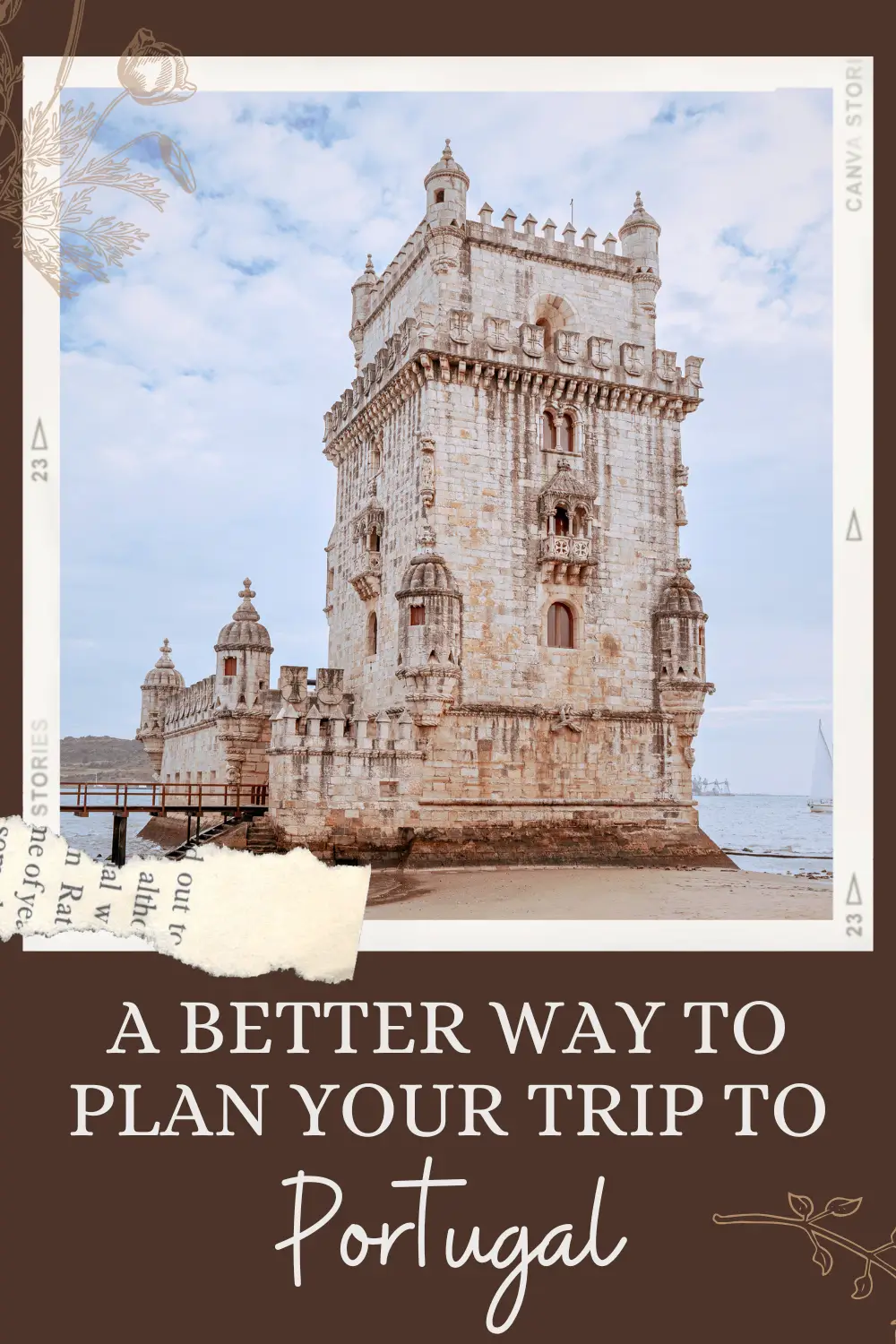
- Belém Tower
- Jerónimos Monastery
- MAAT museum
- LX Factory
Day 3: Sintra Day Trip
Leave the city for a day and head into the hills around Sintra. The setting changes noticeably, with palaces and viewpoints spread across higher ground and linked by local transport.
Suggested Stay: Hotel Lisboa Plaza – hotel in central Lisbon
Base: Lisbon
Highlights
- Pena Palace
- Moorish Castle
- Quinta da Regaleira
- Sintra town centre
Day 4: Lisbon to Porto
Travel north by train to Porto, with direct services taking around 3 hours. The route connects the two cities efficiently, making this the only longer transfer of the trip.
Suggested Stay: The House Ribeira Porto Hotel – hotel near the riverfront
Route: Lisbon to Porto
Highlights
- Douro riverfront
- Ribeira district

Day 5: Porto – Historic Centre
Spend time exploring the older parts of Porto, where streets, viewpoints, and key sites sit within walking distance of each other.
Suggested Stay: The House Ribeira Porto Hotel – hotel near the riverfront
Base: Porto
Highlights
- Dom Luís I Bridge
- Clérigos Tower
- São Bento Station
- Ribeira district
Day 6: Douro Valley Day Trip
Take a day trip out of Porto into the Douro Valley. The landscape shifts to vineyards and river views, with trains and tours connecting the region.
Suggested Stay: The House Ribeira Porto Hotel – hotel near the riverfront
Base: Porto
Highlights
- Douro Valley viewpoints
- Peso da Régua
- Pinhão
- Vineyard terraces
Day 7: Porto and Departure
Use the remaining time to stay within Porto before departure. Short distances between areas make it easy to explore without needing to plan around transport.
Suggested Stay: The House Ribeira Porto Hotel – hotel near the riverfront
Base: Porto
Highlights
- Port wine cellars
- Gaia riverfront
- Local markets
- City viewpoints

Things To Know Before Going to Portugal
1. Table Starters Are Added By Default
Restaurants often place bread, olives, or cheese on the table as part of a “couvert.” It feels like a welcome gesture, but anything you touch gets added to the bill. Prices change depending on the place, and tourist areas tend to charge more.
Nothing gets explained unless you ask. If you don’t want them, send them back straight away to avoid extra costs.
2. ATM Machines Offer Different Exchange Rates
Independent ATMs often apply higher fees and unfavourable exchange rates. It’s easy to accept the suggested conversion without noticing the difference.
Selecting euros instead of your home currency avoids hidden markups. Using bank machines instead of standalone ones keeps withdrawals cheaper.
3. Toll Roads Use Electronic Systems
Some highways don’t have toll booths and rely entirely on electronic tracking. Driving through without preparation leaves no way to pay on the spot. Charges then get passed on through rental companies or online systems. Sorting this early saves time and avoids admin later.
4. Via Verde Lanes Require Registration
Fast lanes on toll roads only work with a registered electronic device. Entering them without one triggers automatic charges. At speed, they look similar to regular lanes. Staying in standard lanes or confirming your rental setup prevents extra fees.
5. Dinner Starts Later Than Expected
Dinner rarely begins before 7:30 pm, and locals usually eat closer to 8–9 pm. Showing up earlier can mean closed kitchens or limited menus.
It shifts how your day flows, especially if you’re used to earlier meals. A light snack in the afternoon helps bridge the gap.
6. Walking Distances Take Longer Than Expected
Historic areas are built on hills with cobbled streets, especially in Lisbon and Porto. Routes look short on a map but feel much longer on foot.
Steep climbs and uneven surfaces slow everything down. Planning fewer stops per day keeps things manageable.
7. Pickpocketing Targets Busy Tourist Areas
Busy routes like Lisbon’s tram lines see the most incidents. Keeping bags zipped and close to you reduces the risk without changing your plans.
How to Get There
Entry Requirements and Visa Rules
Portugal is part of the Schengen Area, and entry follows Schengen rules. Visa-free travellers can stay up to 90 days within a 180-day period, while others need a Schengen visa before arrival.
Border control may ask for proof of accommodation, return travel, or sufficient funds. Requirements depend on your nationality, and checks happen on arrival.
Passport Validity
Your passport must be issued within the last 10 years and remain valid for at least 3 months after your planned departure from the Schengen Area.
Airlines check these rules before boarding, and border control enforces them on arrival. You may be denied entry if your passport doesn’t meet the requirements.
Main Airports and Flight Routes
Porto Airport and Faro Airport also handle international flights, with Porto serving the north and Faro acting as the main entry point for the Algarve.
Arriving By Air From Europe
Flights run frequently from major European cities like London, Paris, and Madrid. Direct routes are common into Lisbon, while Porto and Faro often rely on short connections.
Air travel remains the fastest and most practical way to enter the country, especially for shorter trips.
Arriving From Spain By Land
Portugal shares a land border with Spain, and you can cross freely under Schengen rules. Trains, buses, and driving routes connect cities like Madrid, Seville, Lisbon, and Porto.
Travel times are longer than expected, and direct train options between the 2 countries remain limited.
Flights To Madeira and the Azores
Mainland Portugal does not have regular ferry connections to other countries or its islands. Flights from Lisbon and Porto connect to Madeira and the Azores throughout the day.
What to Expect
Train Travel Follows a North–South Corridor
Trains connect Lisbon, Coimbra, and Porto well, with fast and frequent services between these cities.
Routes outside this line are more limited, especially inland or across regions. You’ll often need buses or a car once you move away from the main corridor.
Sintra Visits Take Most Of The Day
The train from Lisbon is quick, but getting between palaces takes time due to queues and fixed bus routes. Sites sit across hills, and access isn’t direct. Even a short visit can take several hours once you factor in transport and waiting times.
Lisbon Trams Are Slow and Overcrowded
Historic trams run through narrow streets and get delayed by traffic. Popular routes like Tram 28 draw long queues and fill up fast. Using them as main transport can slow your day more than expected.
Algarve Travel Needs Extra Planning
Public transport runs across the region, but it doesn’t reach many beaches or smaller towns directly.
Train stations often sit outside town centres, which adds extra steps. A car makes it easier to move between places and saves time.
Coastal Areas Don’t Connect Seamlessly
Rail and bus routes don’t follow the full coastline or link every destination. Some beaches and towns need transfers or extra transport to reach.
You’ll need to plan routes in advance to avoid gaps in your itinerary.
Popular Attractions Use Fixed Transport Systems
Places like Sintra rely on set bus routes between landmarks. You can’t move freely between sites without following these systems. This shapes your timing and limits how flexible your visit can be.
City Layouts Limit Direct Movement
Historic centres use narrow streets and steep layouts, especially in Lisbon and Porto. Transport routes follow these streets instead of straight lines. Even short distances can take longer than expected.


Getting Around Portugal
Long-Distance Trains
Long-distance trains connect Lisbon, Coimbra, and Porto with fast and reliable service. Alfa Pendular trains cover Lisbon to Porto in about 2 hours and 50 minutes, while Intercidades trains run slightly slower.
This option works best for travel along the main north–south corridor, but routes don’t extend well into inland regions.
Regional Trains
Regional trains serve smaller towns and shorter routes, especially around Porto, Coimbra, and the Algarve. They run less frequently and take longer, with more stops along the way.
This works for slower travel, but schedules can limit flexibility if you’re moving between rural areas.
Metro, Trams, and City Buses
Lisbon and Porto both have metro systems that are efficient for getting around the city. Trams operate mainly in Lisbon’s historic areas, while buses fill in gaps across both cities.
Metro is the fastest option, while trams and buses can slow down due to traffic and narrow streets.
Long-Distance Buses
Bus networks cover routes that trains don’t reach, including inland towns and smaller cities. Companies like Rede Expressos run frequent services between major destinations.
Travel times are longer than trains, but buses often offer more direct routes in certain regions.
Domestic Flights
Flights connect Lisbon, Porto, and Faro, along with routes to Madeira and the Azores. Flight time between mainland cities is short, usually under an hour. Airports and transfers reduce the time advantage, so this only makes sense for longer distances or island travel.
Car Rental and Driving
Renting a car gives the most flexibility, especially in the Algarve, Alentejo, and Douro Valley. Highways are well-maintained, but many include toll systems that require planning.
Driving works best when visiting multiple stops that aren’t connected by train or bus.
Taxis and Ride-Hailing Apps
Taxis are widely available in cities and towns, with metered fares and reasonable pricing. Ride-hailing apps like Uber and Bolt operate in most urban areas. This is a convenient option for short distances or late-night travel when public transport is limited.
Ferries and Local Transport
Ferries operate across the Tagus River in Lisbon and connect nearby towns. They run regularly and offer a practical alternative to road routes. Outside Lisbon, ferry use is limited, but they remain useful in specific local areas.
Join the
Journey
Sign up for new itineraries, travel notes, and practical guides to help you explore the places I love most.

I love exploring new places and sharing the travel tips, food finds, and experiences that help you plan your next adventure.
