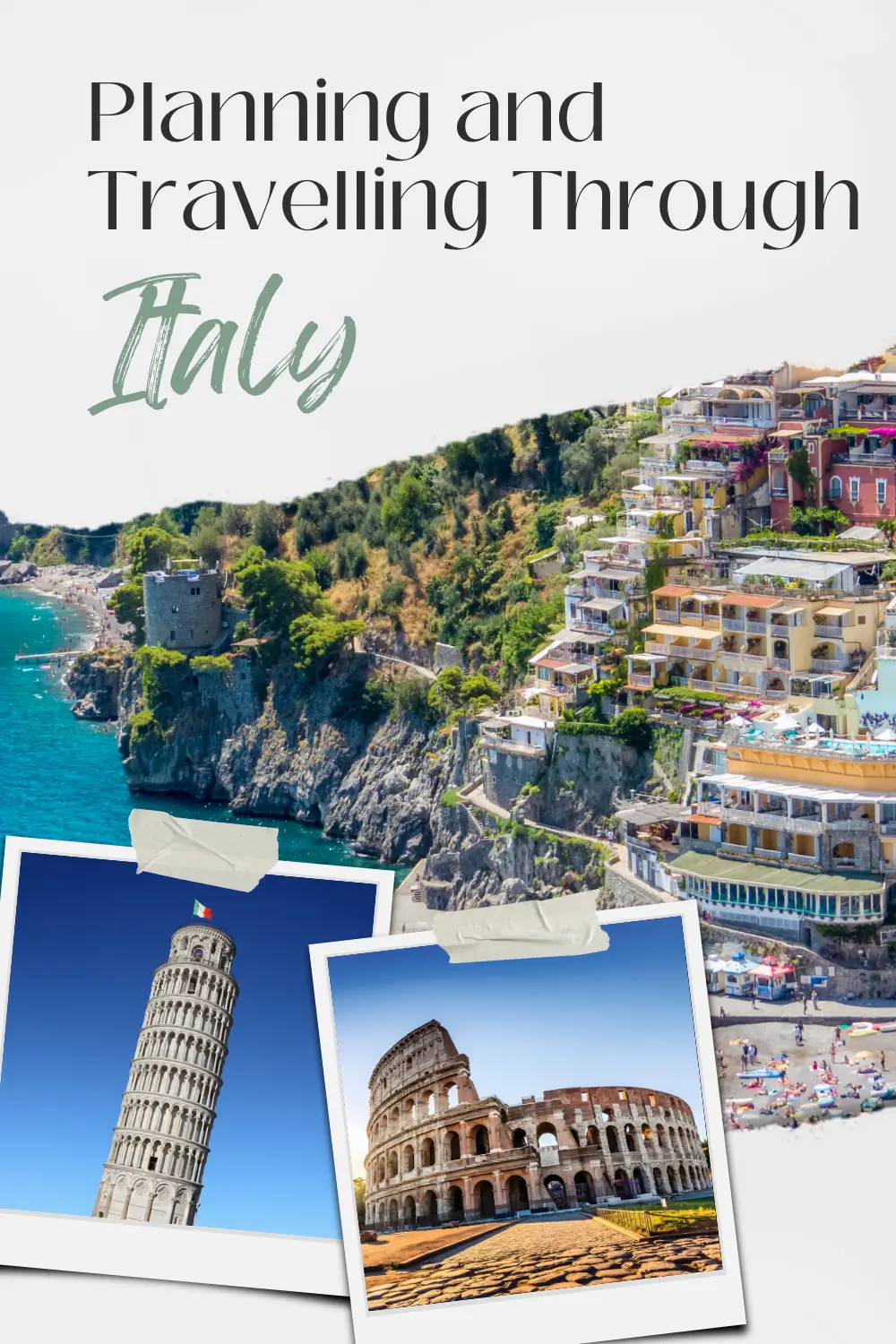

Planning and Travelling Through Italy
Italy is the kind of place people start talking about and then lose track of what they were saying. One city turns into another. Rome comes up, then Florence, then Venice, because Venice always finds its way in. Somewhere in between, there is food, a street, a view they can still see clearly years later. It never comes out tidy. It just sounds like too many good things trying to exist at the same time.
Did You Know?
- Italy is often described as being shaped like a boot, a comparison commonly used in geography and everyday language. Once you see it on a map, it is hard to unsee.
- Public drinking fountains in cities such as Rome provide free, drinkable water and have been part of everyday urban life for generations.
- Unification did not happen until the 19th century. Before that, the peninsula was divided into separate states and kingdoms, which helps explain the strong regional differences still seen today.
- Venice has no roads for cars. Movement happens on foot or by boat, which changes how the city feels and how days unfold.
- There are more than 300 different types of pasta, and many are strongly tied to specific regions rather than the whole country.
- Pizza, as it is known today, originated in Naples, where traditional Neapolitan pizza is protected by official standards.
Destinations
Best Time to Visit Italy
Italy is easy to visit most of the year, but the experience changes with the seasons. Spring (April to June) and autumn (September to October) are usually the most comfortable times, with mild temperatures and good conditions for sightseeing across the country.
Summer brings hot weather, especially in cities and the south, but it’s a great time for beaches and coastal areas. Inland cities can feel busy and warm, particularly in July and August.
Winter is quieter and cooler, with snow in the Alps, making it a good season for mountain travel and skiing in destinations such as Cortina d’Ampezzo. In much of central and southern Italy, winter stays mild and works well for city breaks without the crowds.
Italy at a Glance

Language
Italian is spoken nationwide. English is widely understood in major cities and tourist areas, but less common in smaller towns. A few basic Italian phrases go a long way and are usually appreciated.

Currency and Costs
Euro (EUR). Approximate rate: 1 EUR ≈ 1.05–1.10 USD. Costs vary by region, with larger cities and popular destinations more expensive than smaller towns and southern areas.

Payments
Visa and Mastercard are widely accepted, especially in cities. Contactless payment is common. Cash is still useful for small businesses, cafés, markets, and rural areas.

Tipping
Tipping is not expected. Service charges may already be included. Rounding up or leaving small change is appreciated but optional.

Safety
Generally safe for visitors. Be mindful of belongings in busy areas and use reliable transport, especially in cities.

Connectivity
Good mobile coverage across the country. Free Wi-Fi is common in hotels, cafés, and restaurants. Local SIM and eSIM options are easy to find.

A Detailed Italy Itinerary
This route moves steadily north through central and northern Italy, starting in Rome and ending in Venice. It keeps travel simple by following a clear line and using high-speed trains between major cities. Longer stays in each base reduce packing and constant movement, making the journey easier to manage.
The itinerary suits travellers who prefer walkable cities, reliable public transport, and a pace that leaves room to slow down.
Day 1: Arrival in Rome
Suggested Stay: Centrally located hotel or apartment near public transport
Base: Rome
Day 2: Rome Historic Centre
Suggested Stay: Same accommodation in Rome
Base: Rome
Highlights
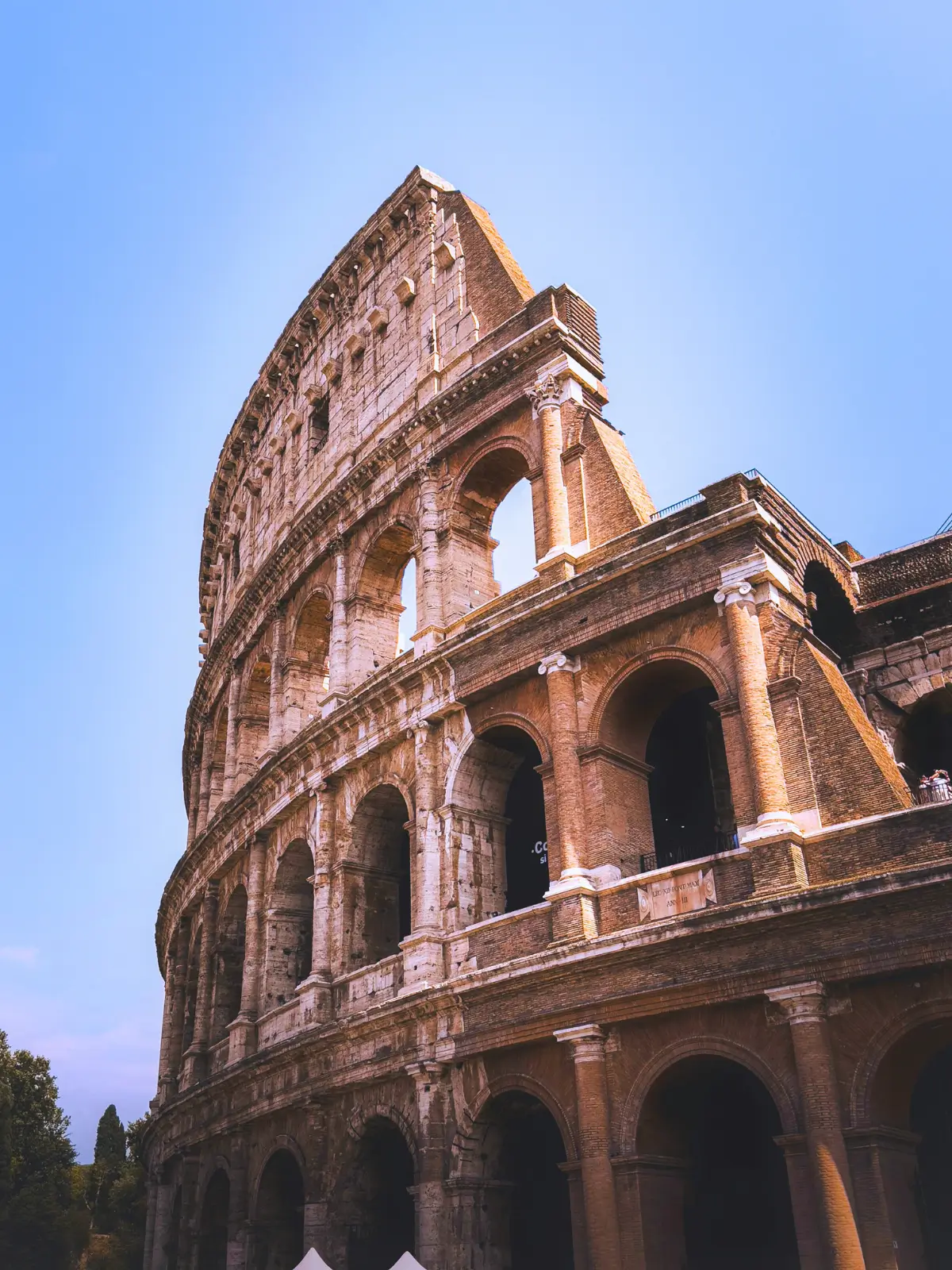
- Colosseum and surrounding ancient areas
- Roman Forum and nearby streets
Day 3: Rome Beyond the Centre
Suggested Stay: Same accommodation in Rome
Base: Rome
Highlights
- Vatican area and St. Peter’s Basilica
- Neighbourhoods outside the central districts
Day 4: Rome to Florence
Suggested Stay: Centrally located hotel or apartment within walking distance of the historic centre
Route: Rome to Florence
Day 5: Florence
Suggested Stay: Same accommodation in Florence
Base: Florence
Highlights
- Florence Cathedral area
- Central historic streets
Day 6: Florence and Surroundings
Suggested Stay: Same accommodation in Florence
Base: Florence
Highlights
- Colosseum and surrounding ancient areas
- Roman Forum and nearby streets
Day 7: Florence to Venice
Suggested Stay: Hotel or apartment within Venice’s historic areas
Route: Florence to Venice
Day 8: Venice
Suggested Stay: Same accommodation in Venice
Base: Venice
Highlights
- St. Mark’s Square and surrounding streets
- Central canal areas
Day 9: Venice Outer Districts or Lagoon Areas
Suggested Stay: Same accommodation in Venice
Base: Venice
Highlights
- Lagoon islands
- Less central Venetian neighbourhoods
Day 10: Departure
Suggested Stay: Same accommodation in Venice (if departing later in the day)
Route: Venice to onward destination
Things to Know Before Going to Italy
1. Restaurant Bills May Include Extra Charges
A coperto (cover charge) or service fee is common and listed on the menu. This is standard practice and not a tip. Always check the bill before adding anything extra.
2. Dinner Starts Later Than Expected
3. Museums and Trains Can Sell Out
4. Shops May Close Midday
5. Cash Is Still Useful
6. Asking for the Bill
7. Sundays Feel Different
How to Get There
International Flights
Entry Airports and Main Gateways
Regional and Overland Entry
Flying into a smaller regional airport can be a practical choice. It often suits region-focused itineraries and helps reduce backtracking.
Entry Requirements
What to Expect
Opening Hours and Closures
Restaurant Timing
Public Transport Validation
Water and Refilling Bottles
Walking and Footwear
Queues and Turn-Taking
Getting Around Italy
Trains
Italy has an extensive rail network connecting major cities and many smaller towns. High-speed trains make long journeys quick and comfortable, while regional trains cover shorter routes and less-visited areas.
Cars
Public Transport in Cities
Ferries and Boats
Taxis and Ride Services
Taxis are widely available in cities and tourist areas and are useful for short trips or airport transfers.
Ride services operate in some locations, but limited availability makes them unreliable as a primary transport option.
What to Pack
Join the
Journey
Sign up for new itineraries, travel notes, and practical guides to help you explore the places I love most.
I love exploring new places and sharing the travel tips, food finds, and experiences that help you plan your next adventure.