Your journey, beautifully planned.

Uruguay Travel Guide for Easy Trip Planning
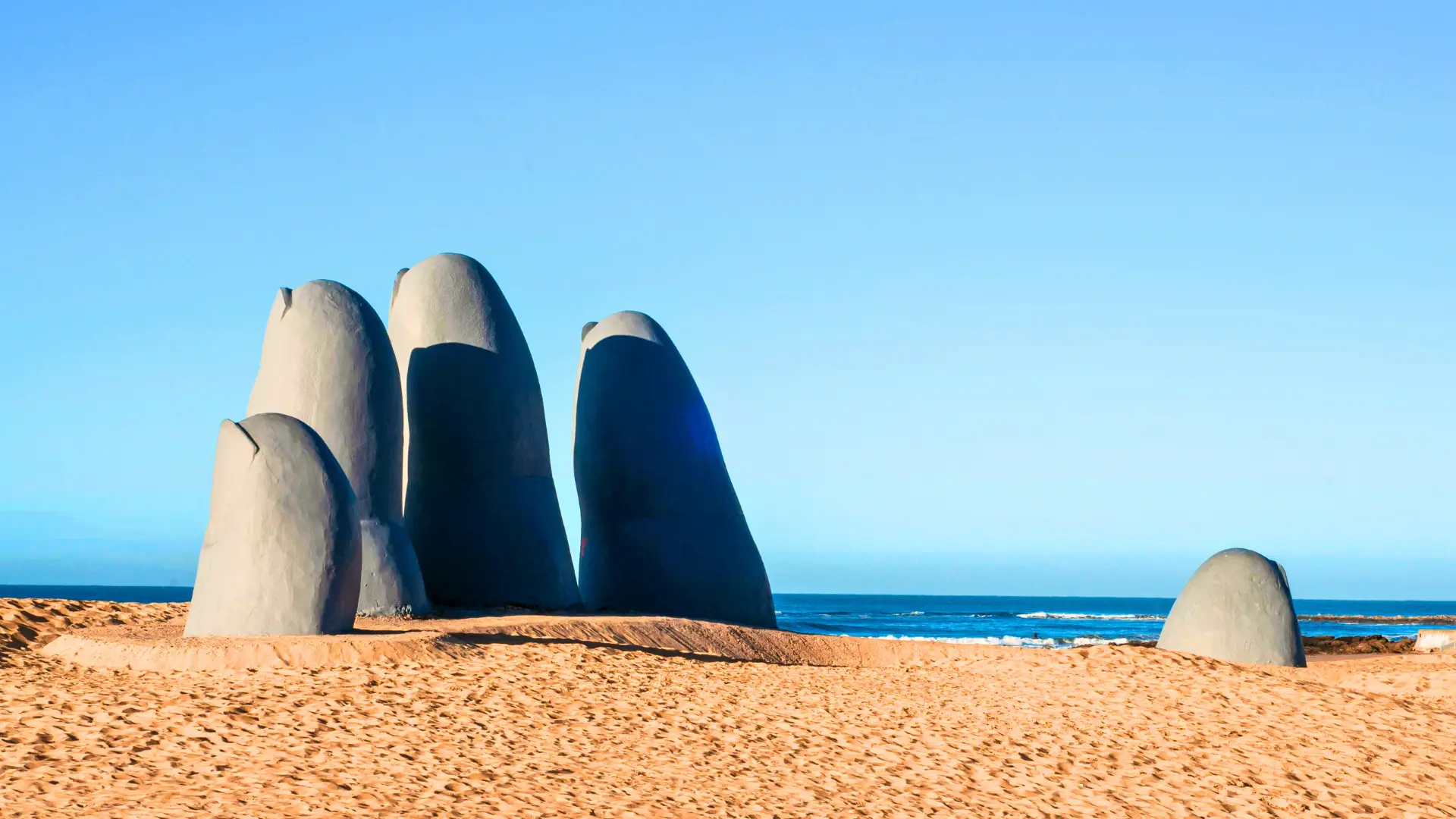
La Mano giant hand sculpture rising from the sand on Punta del Este beach.
Uruguay may be one of South America’s smaller countries, yet it offers plenty to explore. The country combines Atlantic beaches, historic towns, and relaxed coastal cities that are easy to get around. Montevideo blends ocean views with cafés and markets, while Colonia del Sacramento stands out with cobblestone streets and colonial architecture.
Along the coast, wide sandy beaches stretch for kilometres, and seaside restaurants serve fresh seafood and Uruguay’s well-known grilled meats. Punta del Este attracts summer crowds with beach clubs and nightlife, while smaller coastal villages and countryside vineyards provide quieter places to unwind.
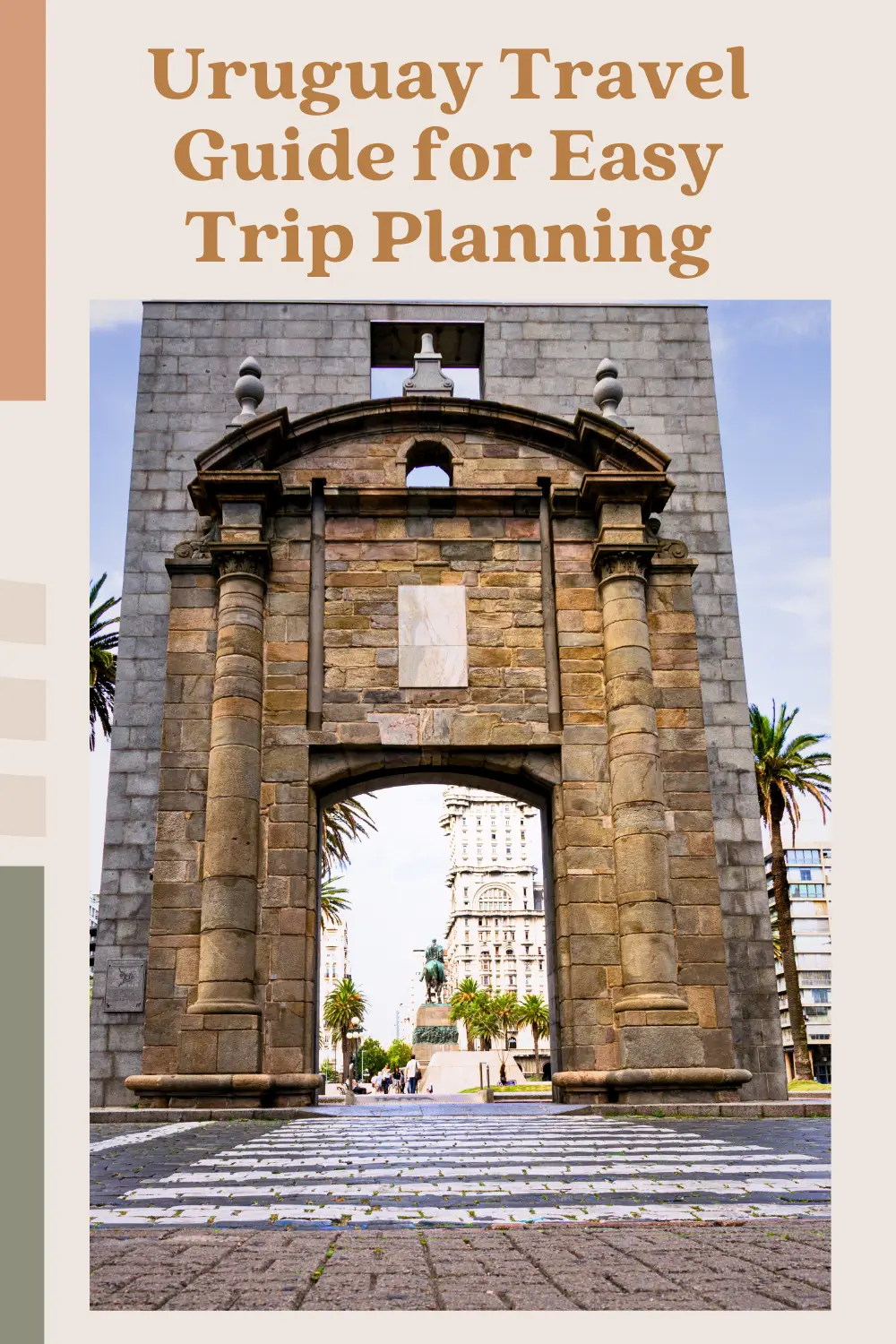
Montevideo Citadel Gateway (Puerta de la Ciudadela) historic stone arch entrance in Montevideo, Uruguay.
Short travel distances make it easy to explore different parts of the country. Visitors can walk along Montevideo’s rambla, wander historic neighbourhoods, or spend the day by the ocean without travelling far.

Did You Know?

  • Uruguay gave every public school pupil a free laptop through Plan Ceibal in 2007, becoming the first country to provide nationwide laptops and internet access in public schools.

  • A large share of Uruguay’s electricity comes from renewable sources such as wind, hydro, biomass, and solar power.

  • The national anthem of Uruguay is one of the longest in the world and lasts about 5 minutes when performed in full, although shorter versions are usually played.

  • In 2013, Uruguay became the first country in the world to fully legalise and regulate cannabis production and sales.

  • Cattle greatly outnumber people. Uruguay has roughly 12 million cows compared with about 3.5 million residents.

  • Football legend Luis Suárez comes from Uruguay, a nation that has won the FIFA World Cup twice (1930 and 1950).

  • The first FIFA World Cup in history took place in Montevideo in 1930, and Uruguay won the tournament.

I love exploring new places and sharing the travel tips, food finds, and experiences that help you plan your next adventure.

Join the
Journey

Sign up for new itineraries, travel notes, and practical guides to help you explore the places I love most.

Best Time to Visit Uruguay

The best time to visit Uruguay is from December to March. Summer brings warm weather and lively beaches. Coastal resorts such as Punta del Este attract large crowds. January and February are the busiest months. Visitors enjoy sunshine, festivals, and vibrant nightlife.
Travellers who prefer milder weather and fewer crowds should visit in spring (September to November) or autumn (March to May). These seasons offer comfortable temperatures. You can explore Montevideo, visit vineyards, and spend more time in the countryside without the peak season crowds.
Winter runs from June to August. The weather is cooler, and tourism is less busy during this period. Beaches are less appealing at this time. However, winter still works well for museums, cafés, and cultural attractions in the country’s main cities.
Warm Months Transitional Months Cool Months

Uruguay At A Glance

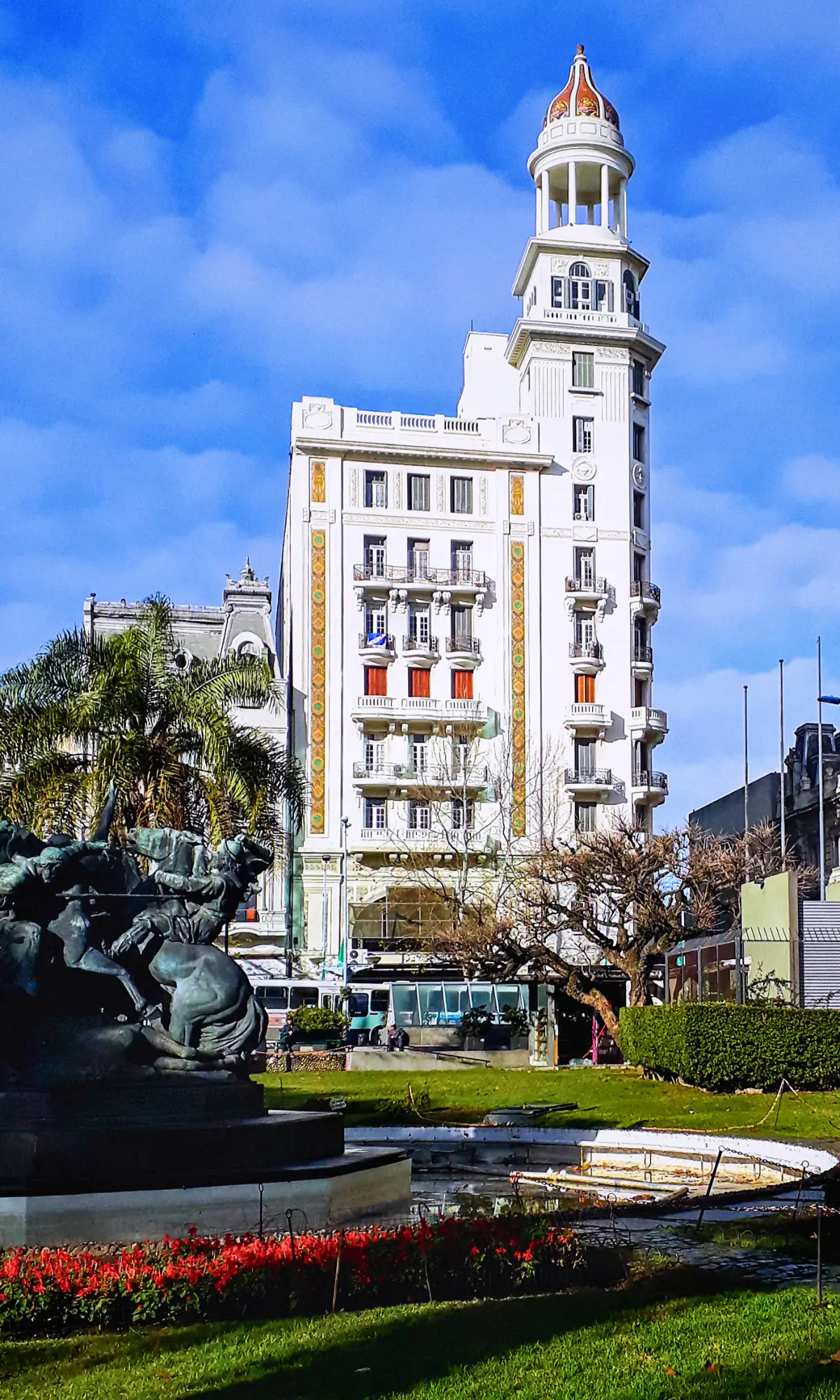
Palacio Salvo historic tower building in Montevideo near Plaza Independencia.
Language selection icon showing two speech bubbles with letter A and Chinese character.

Language

Spanish is Uruguay’s official language, and people speak it nationwide. Some English appears in tourist areas and major hotels.

Illustration of a money bag with dollar symbol next to stacked coins.

Currency and Costs

Uruguayan Peso (UYU). Approximate rate: 1 USD ≈ 38–40 UYU, though exchange rates change. Prices are higher in Montevideo and Punta del Este.

Mobile payment icon with credit card and phone showing confirmed payment

Payments

Most hotels, restaurants, and larger shops accept cards. Keep some cash for taxis, markets, and small businesses.

Hand holding a dollar sign and heart icon representing tipping.

Tipping

Tipping is customary. Many restaurants include a 10% service charge, though extra tips are optional.

Shield with checkmark and padlock as safety icon.

Safety

Uruguay is considered one of the safer countries in South America. Still take normal precautions in busy areas.

Wi-Fi connectivity icon for travel and accommodation.

Connectivity

Mobile coverage is reliable in cities and towns. Hotels and cafés usually offer Wi-Fi.

A Detailed Uruguay Itinerary

Uruguay is a relatively small country, so travelling between regions is straightforward. This route follows a simple path along the southern coast. It begins in Montevideo, continues to Colonia del Sacramento, and then heads east to Punta del Este. The order keeps the journey smooth and avoids unnecessary backtracking.
Most visitors travel between cities by long-distance bus, which is reliable and widely used across the country. Hiring a car can make coastal exploration easier, but it isn’t required. The itinerary limits accommodation changes so that several places can be explored comfortably from a few well-placed bases.

Day 1: Arrival in Montevideo

Arrival typically takes place at Carrasco International Airport, located about 30 minutes from the city centre.
Accommodation in neighbourhoods such as Pocitos, Punta Carretas, or Ciudad Vieja provides convenient access to restaurants, museums, and the waterfront promenade. The first day works best as a light introduction to the city.

Suggested Stay: Hotel or guesthouse in Pocitos, Punta Carretas, or Ciudad Vieja

Base: Montevideo

Highlights

  • Plaza Independencia
  • Gateway of the Citadel
  • Rambla of Montevideo
  • Ciudad Vieja streets

Day 2: Montevideo Districts

The second day focuses on Montevideo’s historic centre and nearby neighbourhoods. Most landmarks sit close together, which allows exploration on foot before continuing toward the waterfront districts later in the day.

Suggested Stay: Same as previous night

Base: Montevideo

Highlights

  • Mercado del Puerto
  • Teatro Solís
  • Palacio Salvo
  • Pocitos Beach promenade

Day 3: Montevideo to Colonia del Sacramento

Colonia del Sacramento lies about 2–3 hours west of Montevideo by bus or car. The town’s historic quarter is small and easily explored after arrival, with cobblestone streets and riverside viewpoints.

Suggested Stay: Boutique hotel or guesthouse within the historic district

Route: Montevideo to Colonia del Sacramento

Highlights

  • Barrio Histórico
  • Colonia Lighthouse
  • Calle de los Suspiros
  • Río de la Plata waterfront

Day 4: Colonia del Sacramento to Punta del Este

This day involves the longest journey of the itinerary. Travel from Colonia to Punta del Este usually takes around 5 hours by road or bus. Treat the day primarily as a transfer, with time to walk along the coast after arrival.

Suggested Stay: Hotel or apartment near Playa Mansa or the Punta del Este peninsula

Route: Colonia del Sacramento to Punta del Este

Highlights

  • Punta del Este harbour
  • Peninsula waterfront
  • Playa Mansa coastline
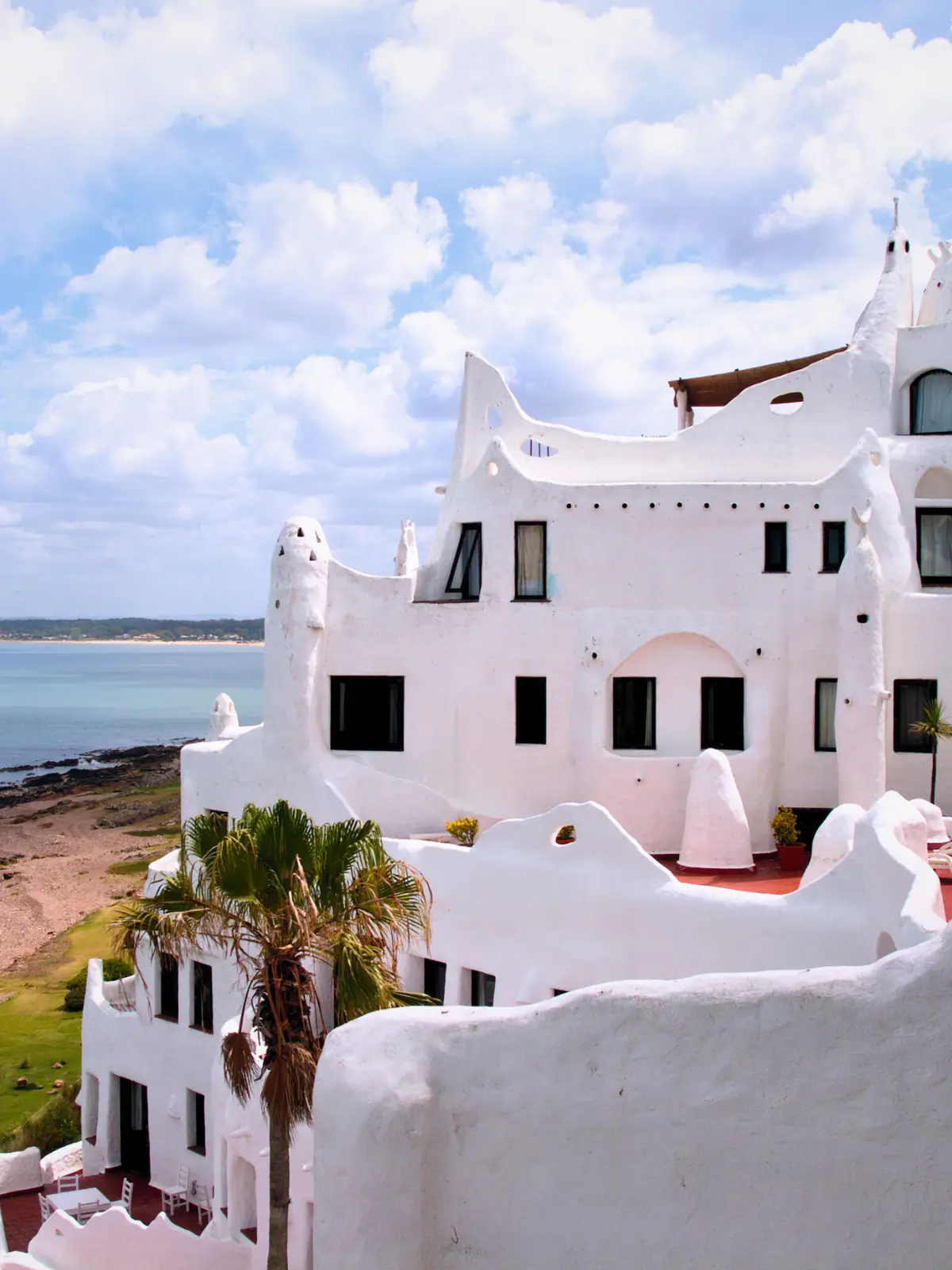
White stucco coastal building overlooking a quiet beach with soft clouds and calm sea in Uruguay.
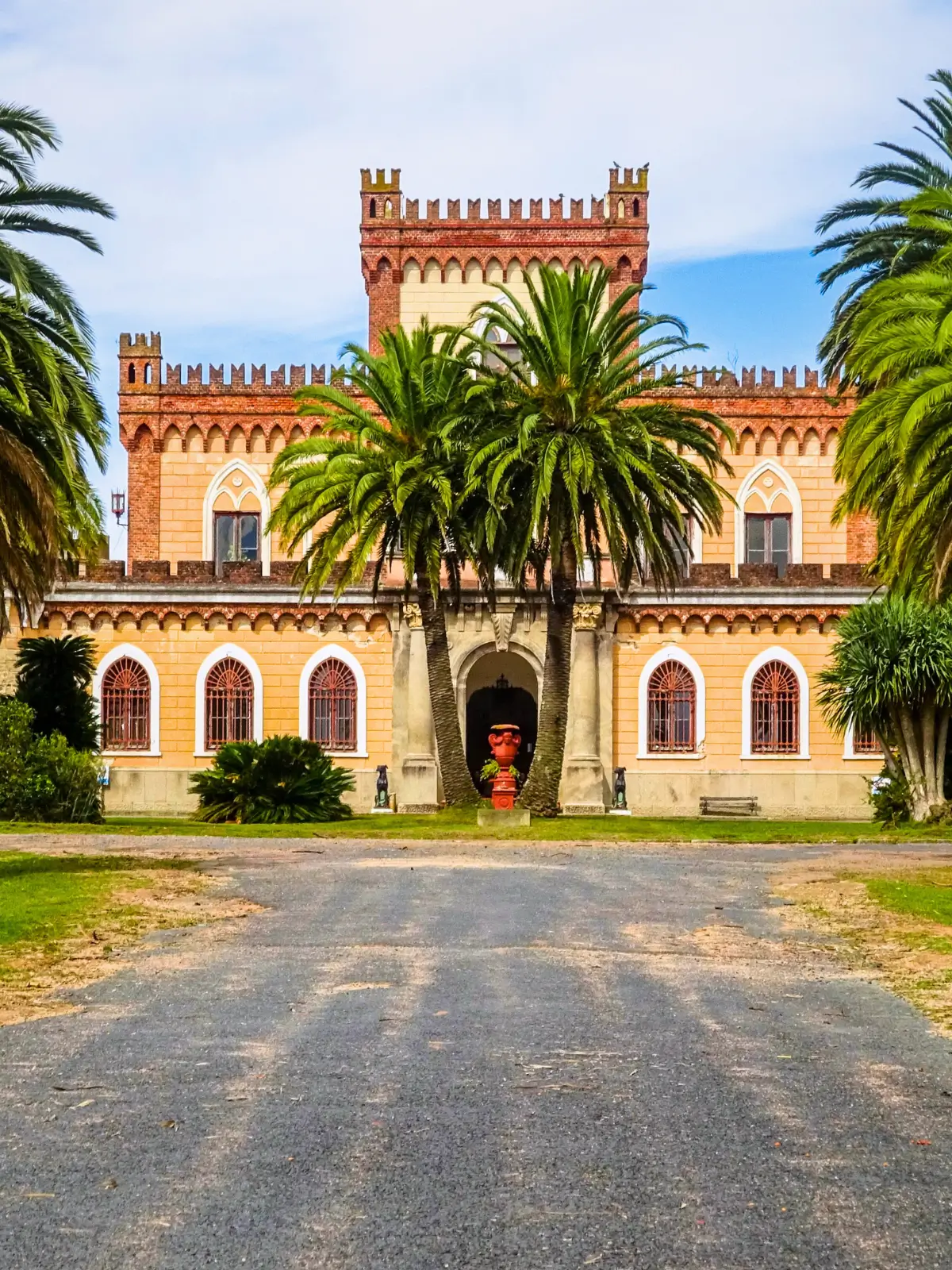
Castillo Pittamiglio historic castle style building surrounded by palm trees in Montevideo.

Day 5: Punta del Este and Peninsula Landmarks

The peninsula area forms the centre of Punta del Este and contains many of the town’s well-known landmarks. Beaches sit on both sides of the peninsula, with calmer waters on Playa Mansa and stronger Atlantic waves on Playa Brava.

Suggested Stay: Same as previous night

Base: Punta del Este

Highlights

  • La Mano sculpture at Playa Brava
  • Punta del Este Lighthouse
  • Playa Mansa promenade
  • Punta del Este marina

Day 6: José Ignacio and the Rocha Coast

Short coastal drives lead to smaller seaside communities east of Punta del Este. José Ignacio is a small village known for its lighthouse, beachfront restaurants, and low-rise buildings. The surrounding coastline includes lagoons, sand dunes, and wide Atlantic beaches.

Suggested Stay: Same as previous night

Base: Punta del Este

Highlights

  • José Ignacio Lighthouse
  • Garzón Lagoon bridge
  • Atlantic coastal landscapes
  • José Ignacio village

Day 7: Return to Montevideo and Departure

The final day returns to Montevideo. Buses and road transfers between Punta del Este and the capital usually take around 2 hours. Depending on flight schedules, there may be time for a short walk along the rambla before heading to the airport.

Route: Punta del Este to Montevideo

Highlights

  • Coastal views along the Rambla
  • Río de la Plata shoreline
  • Montevideo skyline on arrival
Beige washi tape strip with soft torn edges on a transparent background.

Things to Know Before Visiting Uruguay

1. January Is Peak Beach Season

January is the busiest beach month in Uruguay, especially in Punta del Este and other coastal resorts. Visitors from Argentina and Brazil flood the coast during this time.

This pushes hotel prices higher and fills accommodation quickly. If you’re travelling in January, book hotels and rentals well in advance.

2. Dinner Starts Late

Uruguayans usually eat dinner around 9 pm or later. Many restaurants don’t get busy until the evening, and some kitchens only open around 8 pm. Arriving at 6 pm may leave you with limited dining options. Some restaurants may not have their kitchens open yet.

3. Taxis Often Prefer Cash

Taxis in Montevideo sometimes accept cards, but cash is still common, especially outside the capital. Ride apps like Uber work in Montevideo, but they’re less reliable in smaller towns. Carry small bills to make short taxi rides easier.

4. Mate Is Part of Daily Life

Mate is more than a drink in Uruguay. It’s a long-standing tradition. This herbal tea is served in a small gourd and sipped through a metal straw. Locals often carry a thermos and mate gourd throughout the day.

5. The Coast Can Get Windy

Uruguay’s Atlantic coast can feel quite windy, even on sunny days. Temperatures may feel cooler near the ocean than inland. Bring a light jacket or windbreaker if you plan to spend time on the beach.

6. Smaller Shops May Close on Sundays

Many small neighbourhood shops close earlier on Sundays or open later in the day. Larger supermarkets and shopping centres usually stay open, especially in Montevideo.

7. Tap Water Is Generally Safe

Tap water is safe to drink in most cities, including Montevideo. Locals commonly drink it straight from the tap, although some travellers still prefer bottled water.

How to Get There

International Flights

Most international travellers arrive at Carrasco International Airport (MVD) in Montevideo, Uruguay’s main international gateway. The airport connects the country with major cities such as Buenos Aires, São Paulo, Santiago, Lima, Madrid, and Miami.

Montevideo also serves as Uruguay’s main travel hub. From there, travellers can easily continue to places like Punta del Este, Colonia del Sacramento, or José Ignacio by bus or car.

Entry Requirements

Uruguay sets its own immigration policies, and entry rules depend on your nationality. Uruguay allows visa-free tourist stays of up to 90 days for many nationalities.

Your passport usually needs to remain valid for the duration of your stay. Immigration officers may also ask for proof of onward travel or accommodation.

Arriving by Ferry

Travelling by ferry from Buenos Aires is one of the most popular ways to reach Uruguay. Regular ferry services connect Argentina with Colonia del Sacramento and Montevideo.
The journey takes about 1 hour to Colonia on fast ferries or 2–3 hours to Montevideo, depending on the route and service.

Arriving Overland

Uruguay shares land borders with Argentina and Brazil, and several crossings allow travellers to enter by road. International buses run regularly between Montevideo and nearby cities such as Buenos Aires, Porto Alegre, and Florianópolis.
Driving across the border is also possible, especially from Argentina via bridges over the Uruguay River.

What to Expect

Long Waterfront Promenades

Many cities have a rambla, a long waterfront walkway where locals walk, cycle, fish, and watch the sunset. Montevideo’s rambla stretches for over 20 km, and it’s one of the best places to experience everyday life. Expect locals sitting by the water, drinking mate, and enjoying the view.

A Strong Café and Bakery Culture

Uruguayans regularly stop at cafés and bakeries for coffee, medialunas (croissants), or pastries during the day. These places are common meeting spots, especially in the morning and late afternoon.

Big Love for Grilled Meat

Uruguay takes its asado (barbecue) seriously. Steakhouses called parrillas serve large portions of grilled beef, sausages, and other meats. Portions can be generous, so sharing dishes is common if you don’t want a huge meal.

Quiet Nights Outside Beach Resorts

Nightlife becomes lively in Punta del Este during summer, especially from December to February. In many other cities, evenings feel quieter. If you want late-night parties, Punta del Este or parts of Montevideo offer the most options.

Historic Towns That Feel Calm and Walkable

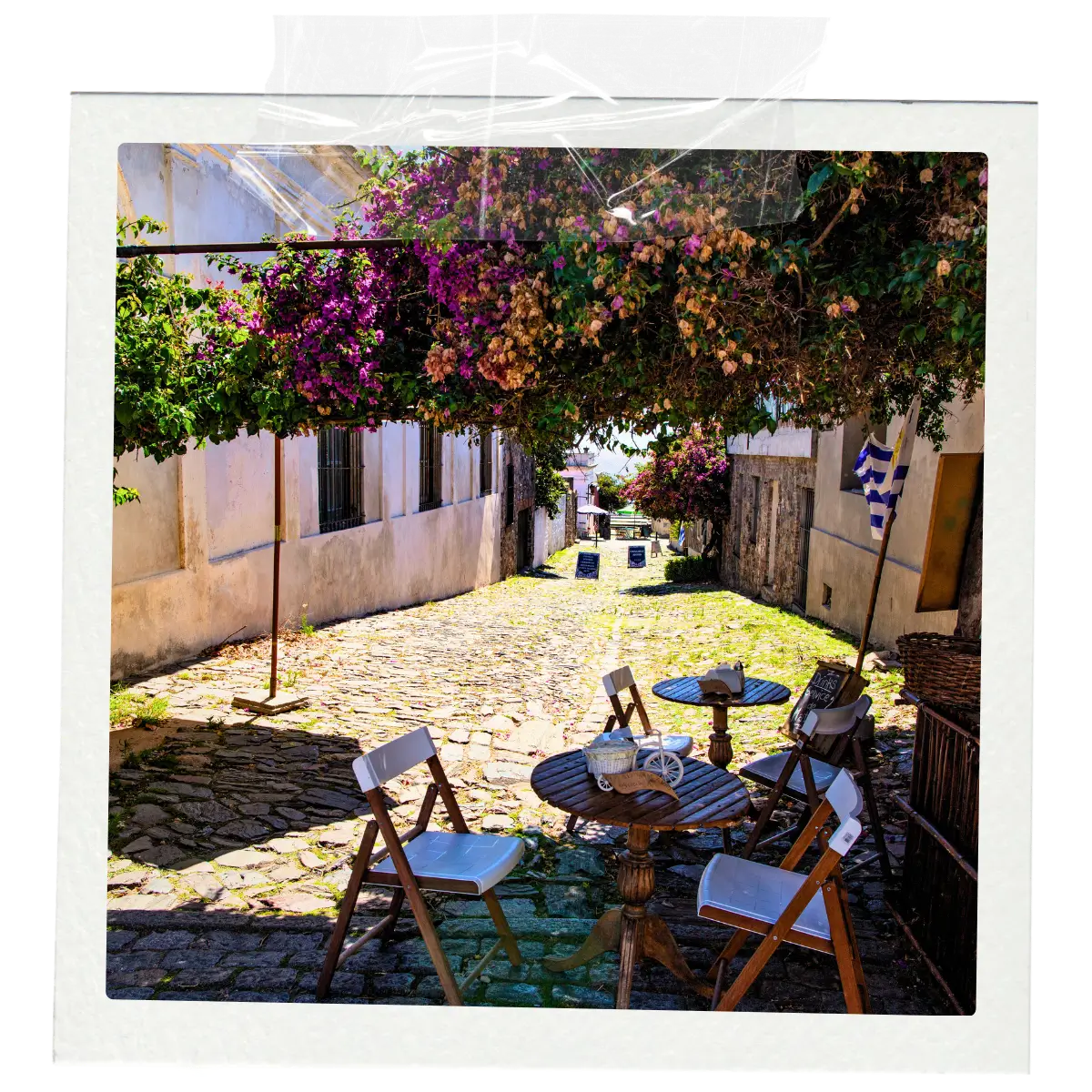
Places like Colonia del Sacramento feel small, calm, and easy to explore on foot. Cobblestone streets, colonial buildings, and small plazas give many towns a laid-back atmosphere. Walking often works better than driving in historic districts.

Easy Day Trips from Montevideo

Montevideo sits close to several popular destinations. Travellers often take day trips to Colonia del Sacramento, Punta del Este, or wine regions like Canelones. Distances are relatively short, which makes exploring different parts of the country easy.
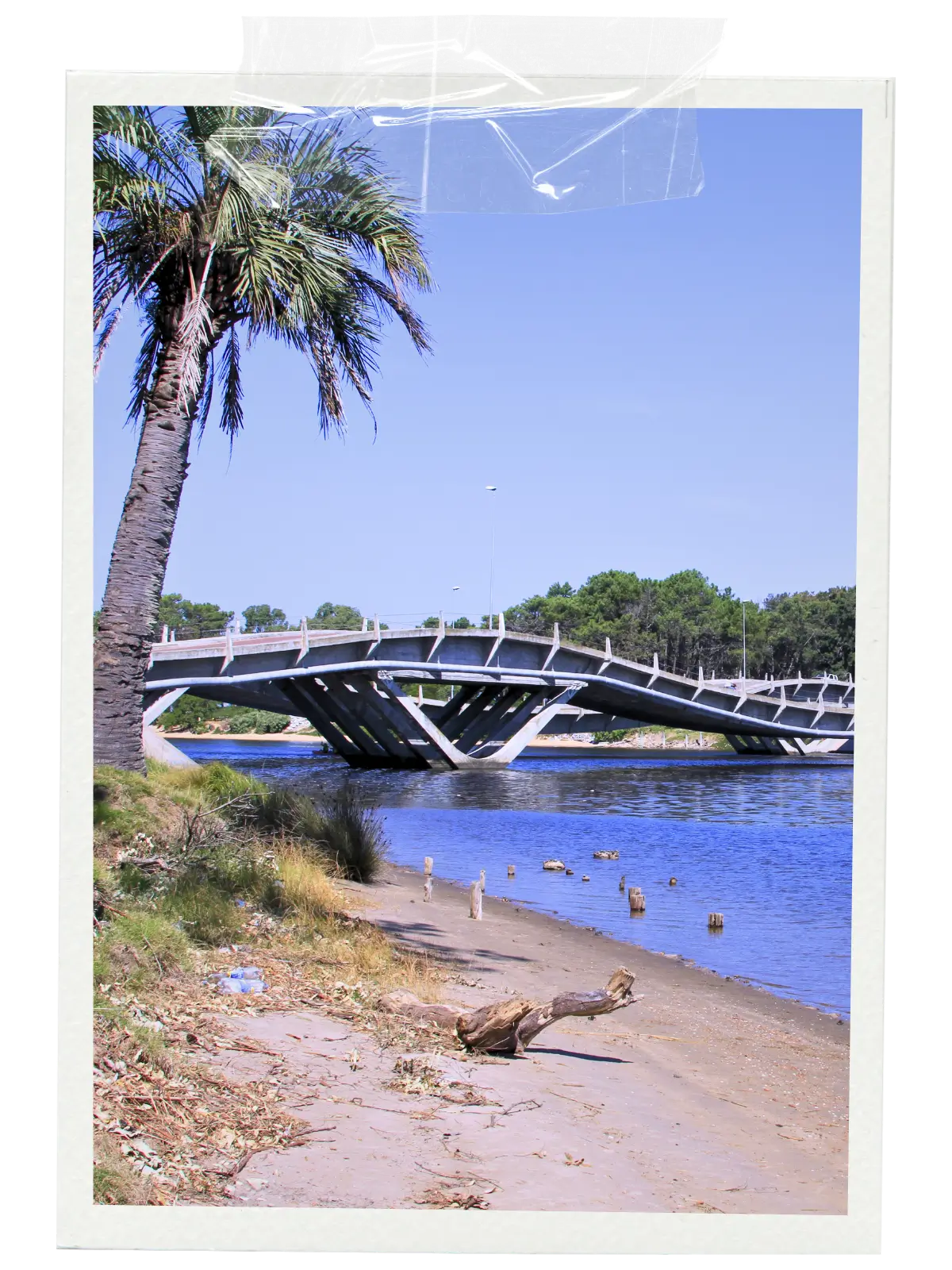
Modern curved bridge over a river with sandy shore and palm tree.
Outdoor café table on a cobblestone street in Colonia del Sacramento’s historic district, Uruguay.

Getting Around Uruguay

By Bus

Take the bus if you want the easiest way to travel around Uruguay. A reliable network connects Montevideo, Punta del Este, Colonia del Sacramento, and many smaller towns.
Buses run often between major cities. Seats are usually comfortable, and fares are affordable.

By Car

Rent a car if you want more freedom to explore. This works well along the coast or in rural areas.
Roads are generally in good condition. Distances between major destinations are fairly short.

By Taxi and Ride Apps

Use taxis for short trips around Montevideo and larger towns. Ride apps like Uber also operate in the capital. 

They provide another simple way to get around the city.

By Ferry from Argentina

Many travellers reach Uruguay by ferry from Buenos Aires. Regular services connect Argentina with Colonia del Sacramento and Montevideo.
The route offers an easy way to travel between the two countries.

By Bicycle or On Foot

Explore many areas on foot, especially in Montevideo neighbourhoods and Colonia del Sacramento’s historic centre. You can also walk or cycle along Montevideo’s rambla.
This long waterfront promenade is popular with locals.

Join the
Journey

Sign up for new itineraries, travel notes, and practical guides to help you explore the places I love most.

Portrait of Manu smiling against a neutral background.

I love exploring new places and sharing the travel tips, food finds, and experiences that help you plan your next adventure.

Leave a Comment

Your email address will not be published. Required fields are marked *

Scroll to Top
Ultimate packing checklist travel guide cover with tropical beach background.