South America Travel Guide
South America at a Glance
Number of Countries
South America consists of 12 independent countries. Travel conditions vary widely across the continent, shaped by landscape and history.
Best Time to Visit
South America is accessible year-round. Travel timing depends on location, with climate differences across high-altitude, tropical, and southern regions.
Ideal Trip Length
14 to 21 days works well for travel within a single country or region. 21 to 35 days allows time to experience multiple landscapes without rushing between long distances.
Top Experiences
Archaeological sites, mountain landscapes, rainforest regions, and historic cities are central to travel here. Coastal travel, food-focused journeys, and nature-based experiences are also common.
Languages
Spanish and Portuguese are the primary languages spoken. Indigenous languages remain active in many areas. English appears mainly in tourism-oriented settings.
Currency
Most countries operate with their own currency. Cash is widely used beyond major cities. Card payments are accepted in many hotels and urban businesses.
Why Travel to South America

Landscapes and Geography
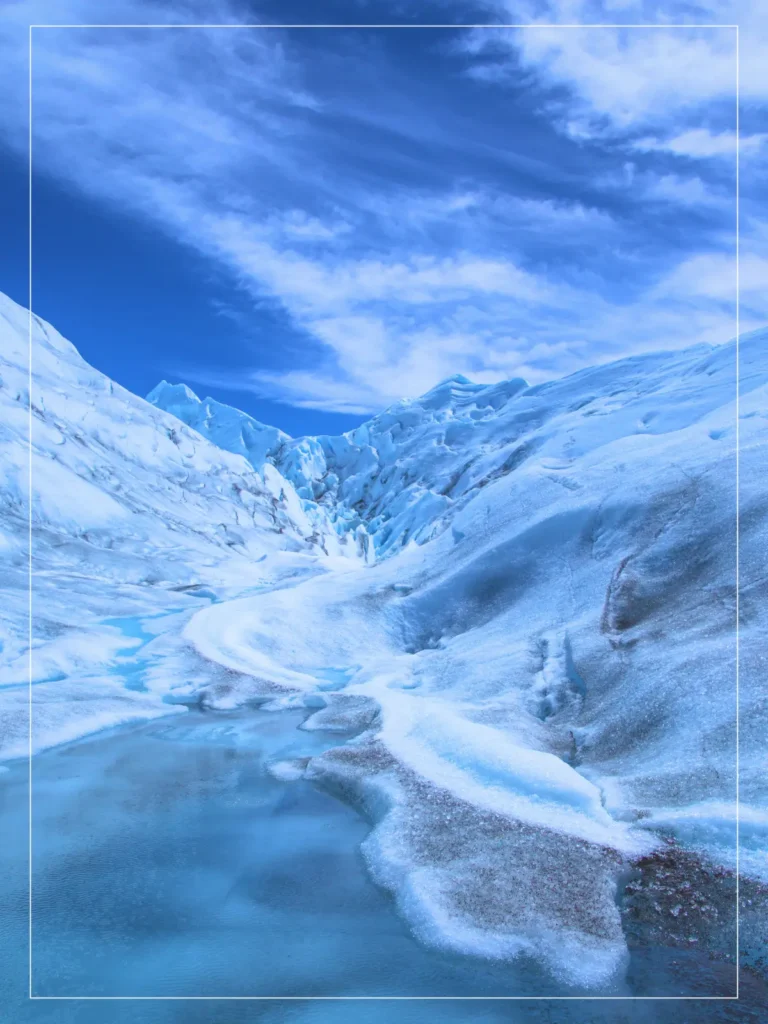
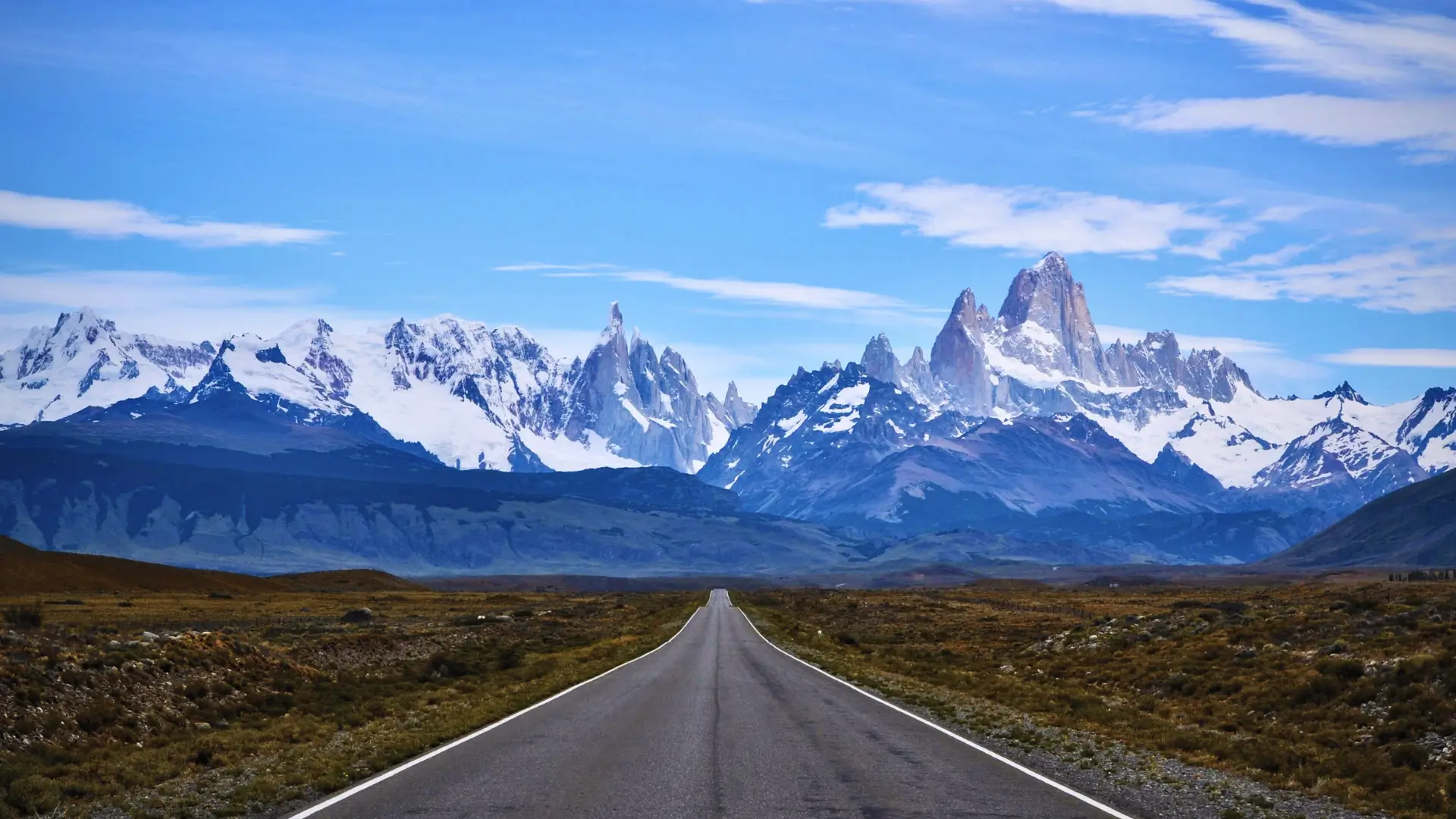
South America offers a wide range of environments within a single continent. Mountain ranges, rainforests, deserts, wetlands, and long coastlines all shape how travel unfolds.
It is possible to move between very different settings within one trip. High-altitude regions feel distinct from tropical lowlands, while southern areas follow entirely different seasonal patterns.
It is possible to move between very different settings within one trip. High-altitude regions feel distinct from tropical lowlands, while southern areas follow entirely different seasonal patterns.
Food and Regional Identity
Food in South America is closely connected to geography. Coastal areas focus on seafood and fresh produce. Highland regions rely more on grains, tubers, and preserved foods suited to elevation.
Meals are typically straightforward and filling. Many dishes reflect long-standing local habits rather than presentation or trend.
Everyday Life and Public Spaces
Daily life is easy to observe across the continent. Public spaces such as plazas, markets, and transport hubs are actively used throughout the day.
Short visits often provide insight into how people move through cities and towns. Travel here tends to feel integrated with local routines rather than separated from them.
History and Living Traditions
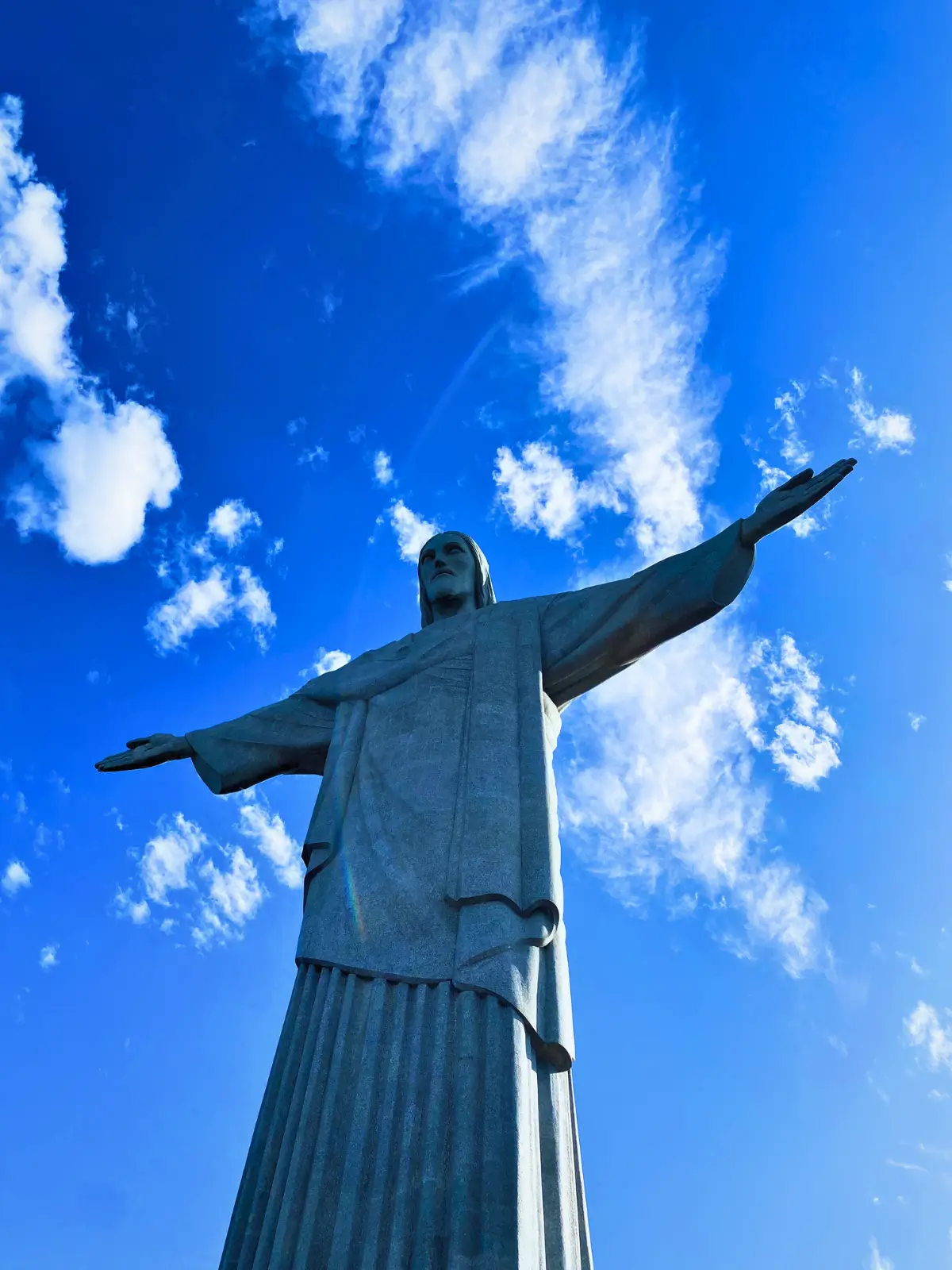
Indigenous cultures and colonial history remain visible across South America. Ancient sites, historic city centers, and rural traditions continue to shape present-day life.
Many customs are practical rather than staged. Agricultural cycles, local crafts, and community gatherings remain part of everyday experience.
Getting Around South America
Long-Distance Travel
South America covers a large geographic area, and travel times between regions can be significant. Flying is the most practical option for crossing long distances, especially between countries or distant parts of the same country.
Domestic flight networks are well developed in some regions, while more limited in others. Schedules and pricing vary depending on demand and location.
Bus Travel
Long-distance buses are a primary mode of transport across much of the continent. They connect major cities, smaller towns, and rural areas with varying levels of comfort.
Overnight routes are common on longer journeys. Services range from basic seating to fully reclining options, depending on the operator and route.
Road and Overland Travel
River and Water Routes
In parts of the continent, especially the Amazon basin, rivers function as transport corridors. Boats are used for passengers, goods, and everyday travel. Schedules may change based on seasonal water levels and weather conditions, making flexibility important.
Getting Around Cities
Public Transport
Taxis and Ride Services
Walking and Urban Layout
Alternative Urban Transport
Regions of South America
Andean Region
Stretching along the western edge of the continent, the Andes influence climate, culture, and travel patterns. Cities and towns here often sit at high elevations, affecting temperature and physical comfort.
The region includes significant archaeological sites, strong Indigenous traditions, and landscapes shaped by terraces and mountain agriculture.
Best travel conditions are generally during drier months, though temperatures remain cooler year-round.
Amazon Basin
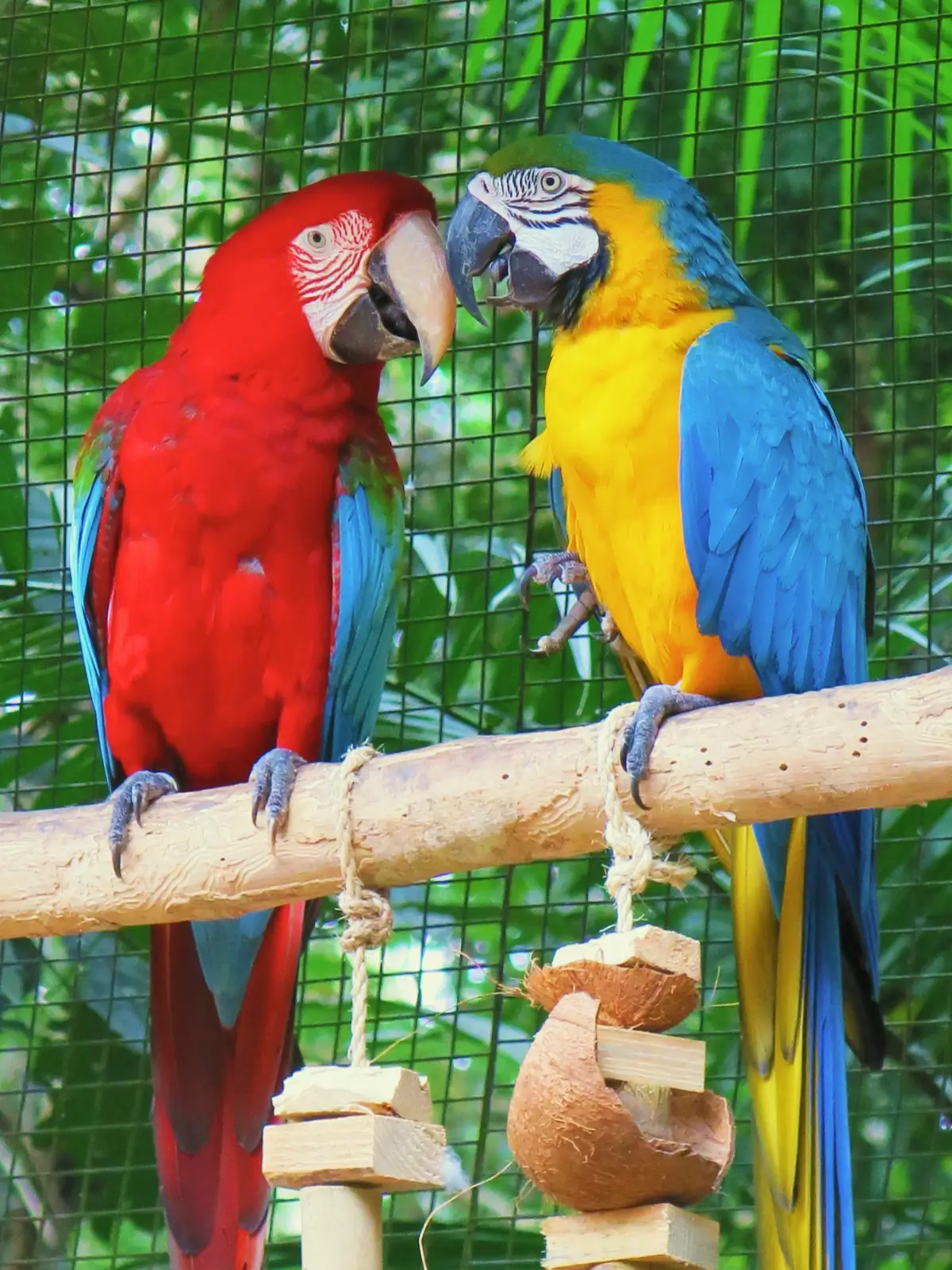
Covering a large portion of northern South America, the Amazon region is defined by rivers and forest. Travel often follows waterways rather than roads. Towns are spread out, and access can depend on boat schedules and seasonal conditions.
The climate is warm and humid throughout the year, with rainfall patterns affecting travel timing. This region suits travellers interested in ecology, river life, and remote environments.
Southern Cone
Argentina, Uruguay, and southern Brazil form the Southern Cone. This region includes temperate climates, large cities, agricultural plains, and coastal areas. Travel here often feels more urban-focused, with strong food and café cultures alongside access to countryside and coastline.
Seasonal changes are more pronounced, with summer and winter affecting travel choices.
Pacific Coast and Desert Regions
Chile’s long coastline and northern desert regions offer a mix of coastal cities, ports, and arid landscapes. Travel often follows a north-south axis.
Climate varies greatly, from dry desert conditions to cooler southern coastal weather.
This region is well-suited to travellers interested in geography, road travel, and varied environments.
Northern Caribbean-Influenced Region