Your journey, beautifully planned.

Everything You Need to Know When Travelling in Argentina

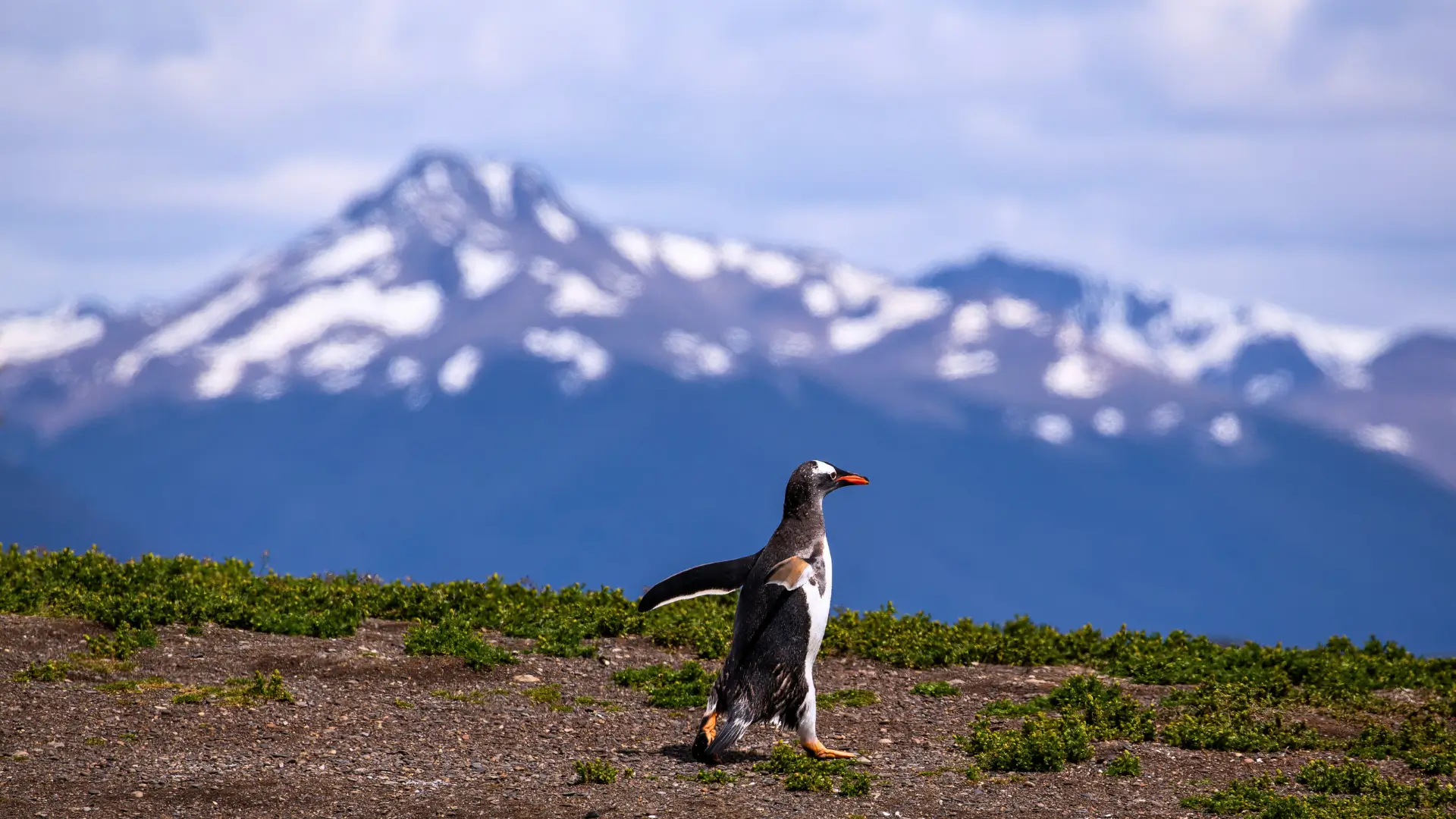
Penguin in Ushuaia, Argentina, with snow-capped mountains behind.
Argentina is a country made for slower travel and big journeys. It stretches from the warm north all the way down to Patagonia, with cities, farmland, mountains, and wide open spaces in between. Most visitors start in Buenos Aires, then travel south or west, depending on the kind of trip they want.
The size of the country shapes how travel works here. Places are spread out, and regions feel very different from one another. Trips are usually planned around a few key areas rather than trying to see everything at once.
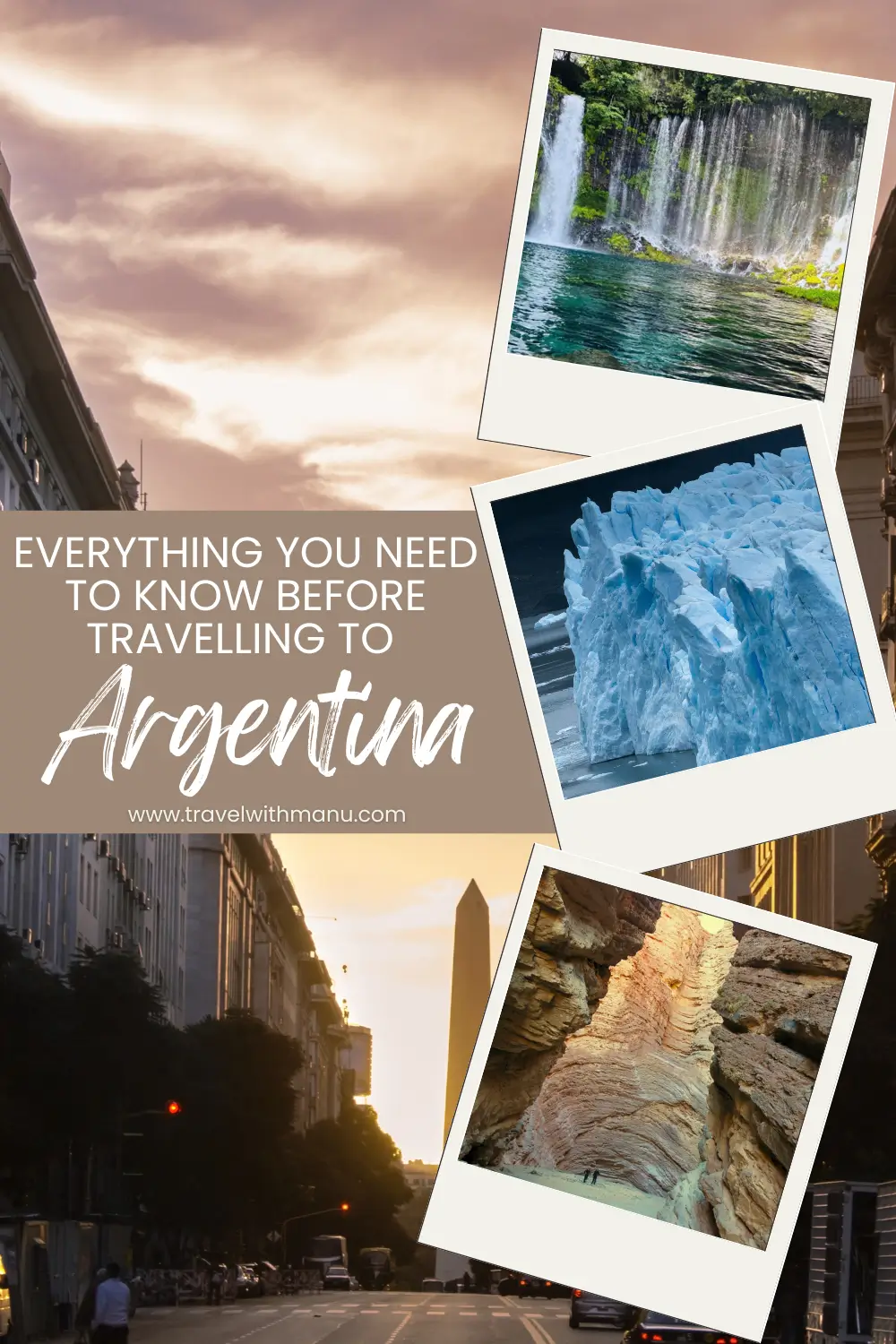
Travel collage showing different landscapes across Argentina.

Why Visit Argentina

Argentina is a good option for travellers who want both city time and wide open landscapes in one trip. Large cities offer walkable neighbourhoods, strong food culture, and a slower daily pace. Travel outside urban areas quickly shifts to long distances and open scenery.
The country works best when travel is focused on a small number of regions. This makes it easier to plan days around local areas rather than constant transport. Cities are easy to explore at a relaxed pace. Places like Patagonia focus more on nature, long roads, and time outdoors.

Did You Know?

  • Argentina is the eighth-largest country in the world, larger than Mexico and more than eight times the size of the United Kingdom.

  • Buenos Aires has more bookshops per person than any other city globally, a reflection of the country’s strong reading and publishing culture.

  • The country is home to Mount Aconcagua, the highest mountain in the Americas, reaching almost 7,000 metres above sea level.

  • Patagonia covers nearly a third of Argentina’s land area, yet only a small percentage of the population lives there.

  • Spanish spoken in Argentina sounds noticeably different, with pronunciation and rhythm shaped by large waves of Italian immigration.

  • Argentina has one of the highest beef consumption rates in the world, with long, social barbecues playing a central role in everyday life.

I love exploring new places and sharing the travel tips, food finds, and experiences that help you plan your next adventure.

Join the
Journey

Sign up for new itineraries, travel notes, and practical guides to help you explore the places I love most.

Beige washi tape strip with soft torn edges on a transparent background.

What to Pack

Best Time to Visit Argentina

Argentina is a year-round destination, but most travellers find September to November and March to May the easiest times to go. The weather is mild, crowds are lighter, and it’s comfortable for city exploring, wine regions, and getting outdoors without extremes.
If outdoor adventures are high on your list, December to February works well in Patagonia, with long days and good conditions for hiking. In contrast, cities like Buenos Aires and northern regions can feel hot and humid during this period, and prices are usually higher due to peak travel season.
Travelling between June and August is quieter and suits a different pace. It’s a good time for skiing in the south or visiting northern Argentina, where days stay dry and sunny, though some southern areas may have limited access due to winter weather.
Summer Autumn Winter Spring

Argentina at a Glance

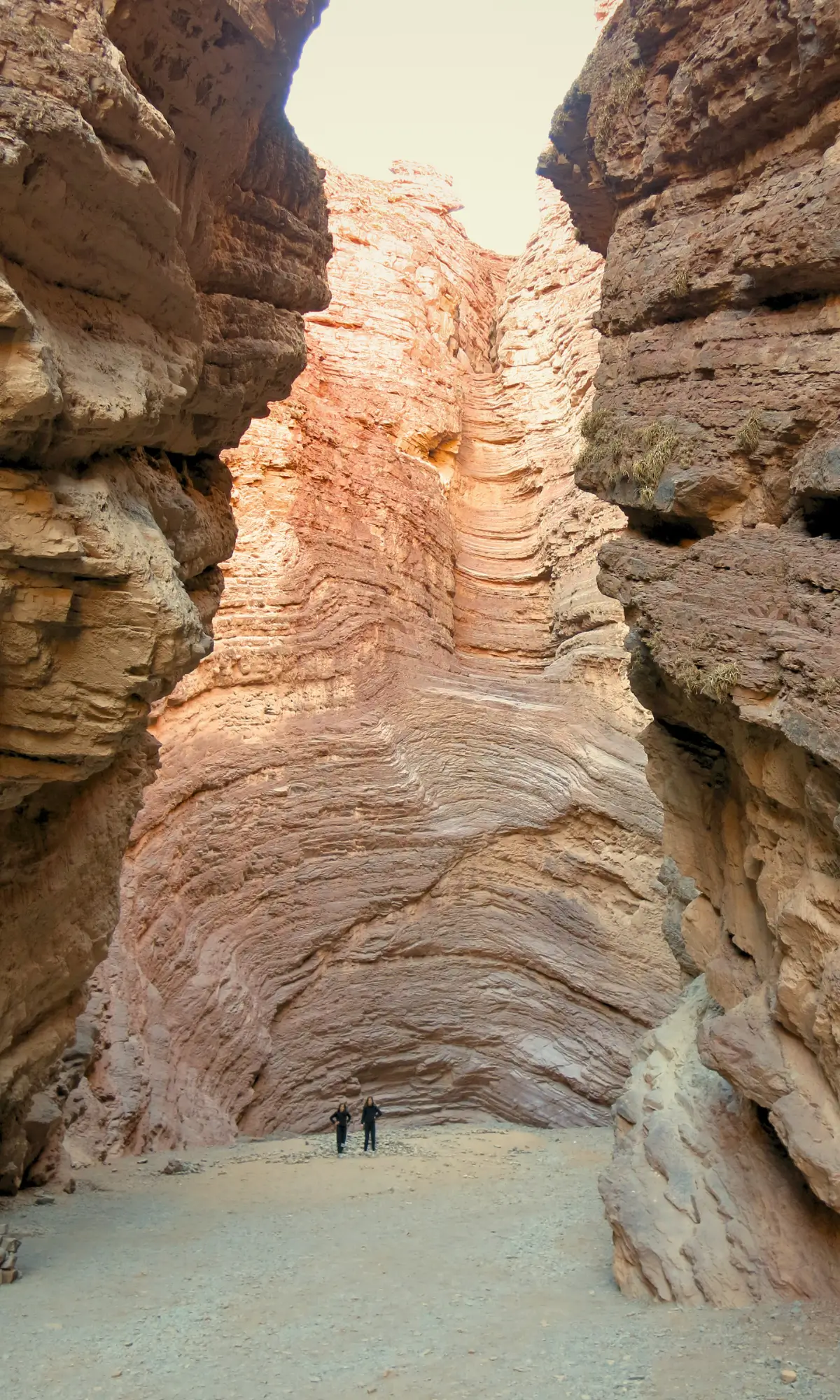
Two travellers standing inside a narrow canyon with layered red rock formations in Argentina.
Language selection icon showing two speech bubbles with letter A and Chinese character.

Language

Spanish is the official language across the country. English is commonly understood in Buenos Aires and major tourist areas, but less so in smaller towns and rural regions.

Illustration of a money bag with dollar symbol next to stacked coins.

Currency and Costs

Argentine Peso (ARS). Approx. 1 USD ≈ 850–1,000 ARS (rates fluctuate). Daily costs are often lower than in Europe, Australia, and North America, though prices change frequently.

Mobile payment icon with credit card and phone showing confirmed payment

Payments

Credit and debit cards are accepted in hotels, larger restaurants, and shops. Cash is still widely used, especially outside major cities, and is often preferred for smaller purchases.

Hand holding a dollar sign and heart icon representing tipping.

Tipping

Tipping is customary but modest. Around 5–10% is common in restaurants if service is not included. Small tips for hotel staff and guides are appreciated but not expected.

Shield with checkmark and padlock as safety icon.

Safety

Argentina is generally safe for travellers, though petty theft can occur in busy city areas and transport hubs.

Wi-Fi connectivity icon for travel and accommodation.

Connectivity

Mobile coverage is reliable in cities and towns, with free Wi-Fi common in accommodation and cafés. Local SIMs and eSIMs are easy to buy.
A Detailed Argentina Itinerary

This 10-day itinerary presents a clear way to experience Buenos Aires and Southern Patagonia in one trip. Time is shared between the capital and the south, with space to experience each place without constant movement.

Travellers following this route spend full days in each location rather than moving every day. The structure feels organised while still leaving room to slow down or adjust plans if time allows.

Day 1: Arrival in Buenos Aires

Arrive in Buenos Aires and keep the day light. Focus on settling in and getting oriented nearby after long-haul travel. A central location keeps movement simple and supports short walks only.

Suggested Stay: Hotel or serviced apartment in central Buenos Aires

Base: Buenos Aires

Highlights

  • Central neighbourhood streets
  • Local cafés and parks
  • Short orientation walks

Day 2: Buenos Aires Neighbourhoods

Spend the day exploring Buenos Aires by neighbourhood. Keep travel local and move mainly on foot or by short taxi journeys. This approach allows time to understand the city layout without crossing large distances.

Suggested Stay: Hotel or serviced apartment in central Buenos Aires

Base: Buenos Aires

Highlights

  • Historic inner districts
  • Residential areas
  • Public green spaces

Day 3: Cultural Buenos Aires

Use this day for cultural sites and slower exploration within the city. Stay focused on nearby areas to avoid long travel times. This creates a calm final day before moving south.

Suggested Stay: Hotel or serviced apartment in central Buenos Aires

Base: Buenos Aires

Highlights

  • Museums and galleries
  • Local markets
  • Architectural areas

Day 4: Buenos Aires to El Calafate

Treat this as a travel-focused day. Fly south to El Calafate and keep plans simple after arrival. Time is best used for settling in and preparing for the days ahead.

Suggested Stay: Hotel or lodge in El Calafate

Route: Buenos Aires to El Calafate

Highlights

  • Domestic flight south
  • Change in landscape
  • Evening orientation

Day 5: El Calafate and Surroundings

Spend the day close to El Calafate. Focus on nearby viewpoints and local areas rather than long excursions. This allows flexibility around weather and daylight.

Suggested Stay: Hotel or lodge in El Calafate

Base: El Calafate

Highlights

  • Lake landscapes
  • Local viewpoints
  • Town-based exploration
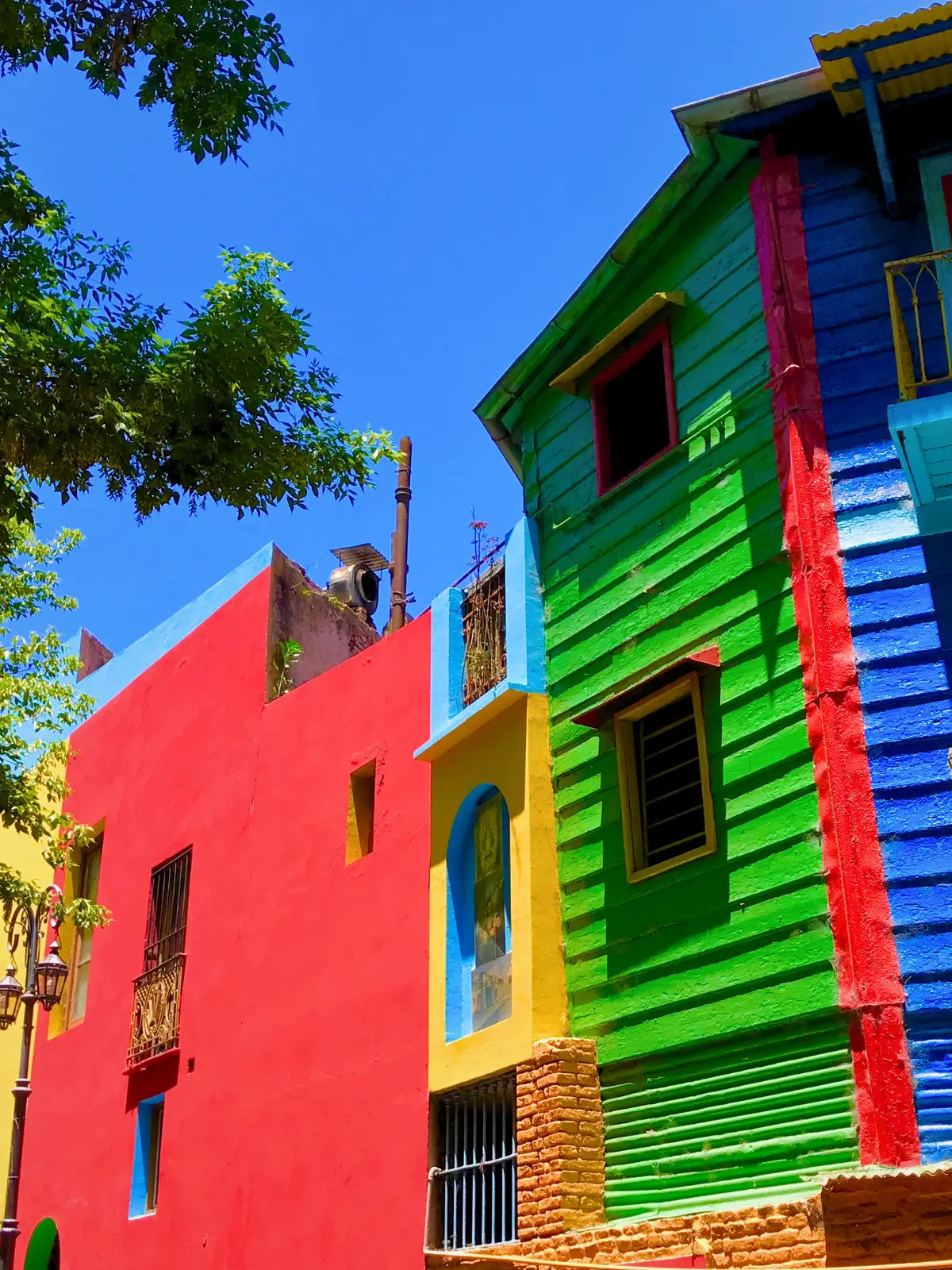
Brightly painted buildings along a street in La Boca, Buenos Aires.
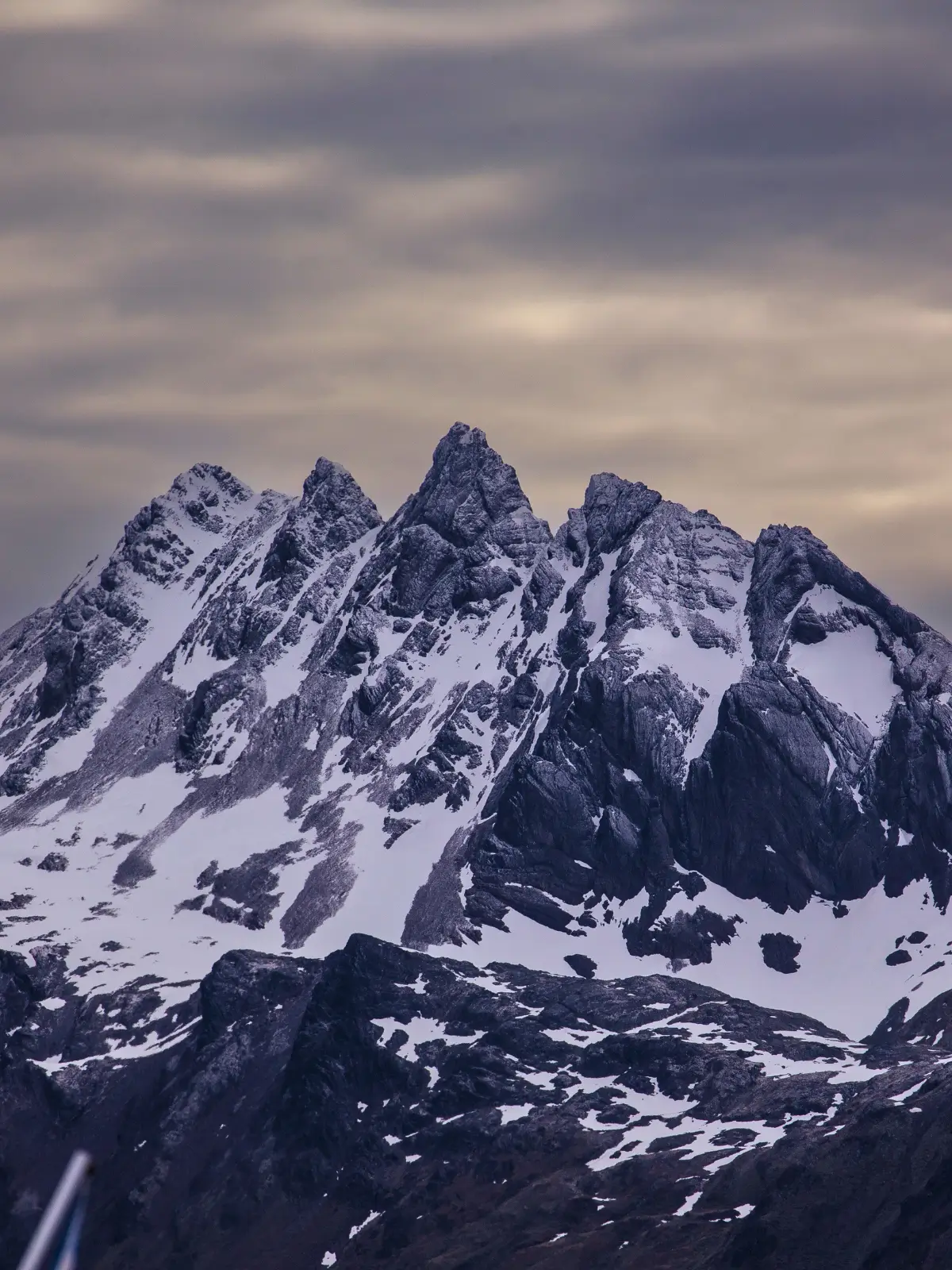
Snow-capped mountain peaks near Ushuaia in Tierra del Fuego, Argentina.

Day 6: Los Glaciares National Park

Dedicate the day to Los Glaciares National Park. Allow enough time for transport, walking routes, and viewing areas. Keep the schedule straightforward and unhurried.

Suggested Stay: Hotel or lodge in El Calafate

Base: El Calafate

Highlights

  • Glacial landscapes
  • Boardwalk paths
  • Viewing platforms

Day 7: El Calafate to El Chaltén

Travel by road to El Chaltén and treat the journey as part of the day. Limit activities after arrival and focus on settling into the new location.

Suggested Stay: Guesthouse or small hotel in El Chaltén

Route: El Calafate to El Chaltén

Highlights

  • Scenic road journey
  • Mountain approach views
  • Small-town setting

Day 8: El Chaltén Exploration

Use the day for local exploration around El Chaltén. Choose routes based on conditions and time available. Keep distances manageable and plans flexible.

Suggested Stay: Guesthouse or small hotel in El Chaltén

Base: El Chaltén

Highlights

  • Mountain trails
  • Valley landscapes
  • Short local walks

Day 9: El Chaltén to El Calafate to Buenos Aires

Plan this day around travel. Return to El Calafate by road, then fly back to Buenos Aires. Keep activities minimal and expect a full transfer day.

Suggested Stay: Hotel in Buenos Aires

Route: El Chaltén to El Calafate to Buenos Aires

Highlights

  • Regional road transfer
  • Domestic flight north
  • Evening arrival

Day 10: Departure or Onward Travel

Depart from Buenos Aires or continue to another region if time allows. Use the day according to flight schedules and onward plans.

Route: Buenos Aires to onward destination

Top 7 Things to Know Before Visiting Argentina

1. Exchange Rates Work Differently Here

Argentina uses more than one exchange rate, and the amount paid can depend on whether cash or cards are used. Rates can change quickly, so daily costs may not always line up with expectations.

2. Prices May Shift During Your Trip

Inflation affects everyday prices, and updates do not always happen at the same pace. Seeing different prices from one day to the next is common.

3. Flying Saves Significant Time

Distances between regions are large, and domestic flights are often the most practical way to move around. Travel plans usually revolve around flight schedules rather than road travel.

4. Patagonia Plans Depend on Weather

Strong winds and changing conditions can affect excursions and transport in the south. Flexibility helps, especially for outdoor activities.

5. Opening Hours Follow Local Rhythms

Shops and cafés often open later and may close in the afternoon. Sundays are quieter in many places, particularly outside large cities.

6. Paper Copies Are Still Useful

Printed tickets and confirmations are still widely used. Having physical backups can make transport and accommodation check-ins easier.

7. Meals Run Late

Lunch and dinner are served later than in many countries. Arriving too early can limit dining options, especially in smaller towns.
Beige washi tape strip with soft torn edges on a transparent background.

How to Get There

Flying to Argentina

Most trips to Argentina start with a long-haul flight. There are direct and connecting routes from Europe, North America, and other parts of South America. Travel times are long, so it helps to keep plans light on arrival.

Arriving in Buenos Aires

Buenos Aires is the main entry point for international flights. Most travellers land at Ezeiza International Airport, which handles long-distance routes. From here, it’s easy to continue on to other regions by domestic flight.

Other Entry Airports

Some travellers arrive through regional airports, especially when crossing from neighbouring countries. These routes are more limited and usually serve nearby regions rather than long-haul travel.

Entering by Land

Argentina shares borders with several South American countries, and crossing by bus or car is common in some areas. Travel times vary, and border crossings can be slow depending on the location and season.

Visas and Entry Rules

Many visitors can enter Argentina without a visa for short stays, depending on nationality. Passports usually need to be valid for the length of the trip. Entry rules can change, so it’s best to check before travelling.

What to Expect

Prices and Payments Can Feel Inconsistent

Prices may vary from place to place, even within the same city. Some businesses adjust prices frequently, and cash, card, and exchange rates do not always line up. It is normal to ask before paying and to double-check totals.

Conversations Happen Face to Face

Many arrangements are handled in person rather than online. Tour details, transport updates, and small changes are often shared directly rather than through email or apps. Checking plans locally is common.

Time Is Treated Flexibly

Appointments and departures may not run exactly on schedule. Waiting a little longer than expected is normal, especially outside major cities. Days tend to flow rather than follow tight timing.

English Is Unevenly Spoken

English is common in central Buenos Aires and main tourist areas, but usage drops quickly elsewhere. Simple Spanish goes a long way, especially in smaller towns and local businesses.

Food Is Social, Not Fast

Meals are rarely rushed. Tables are held for long periods, and cafés are places to sit rather than pass through. Eating out is more about time spent than speed of service.
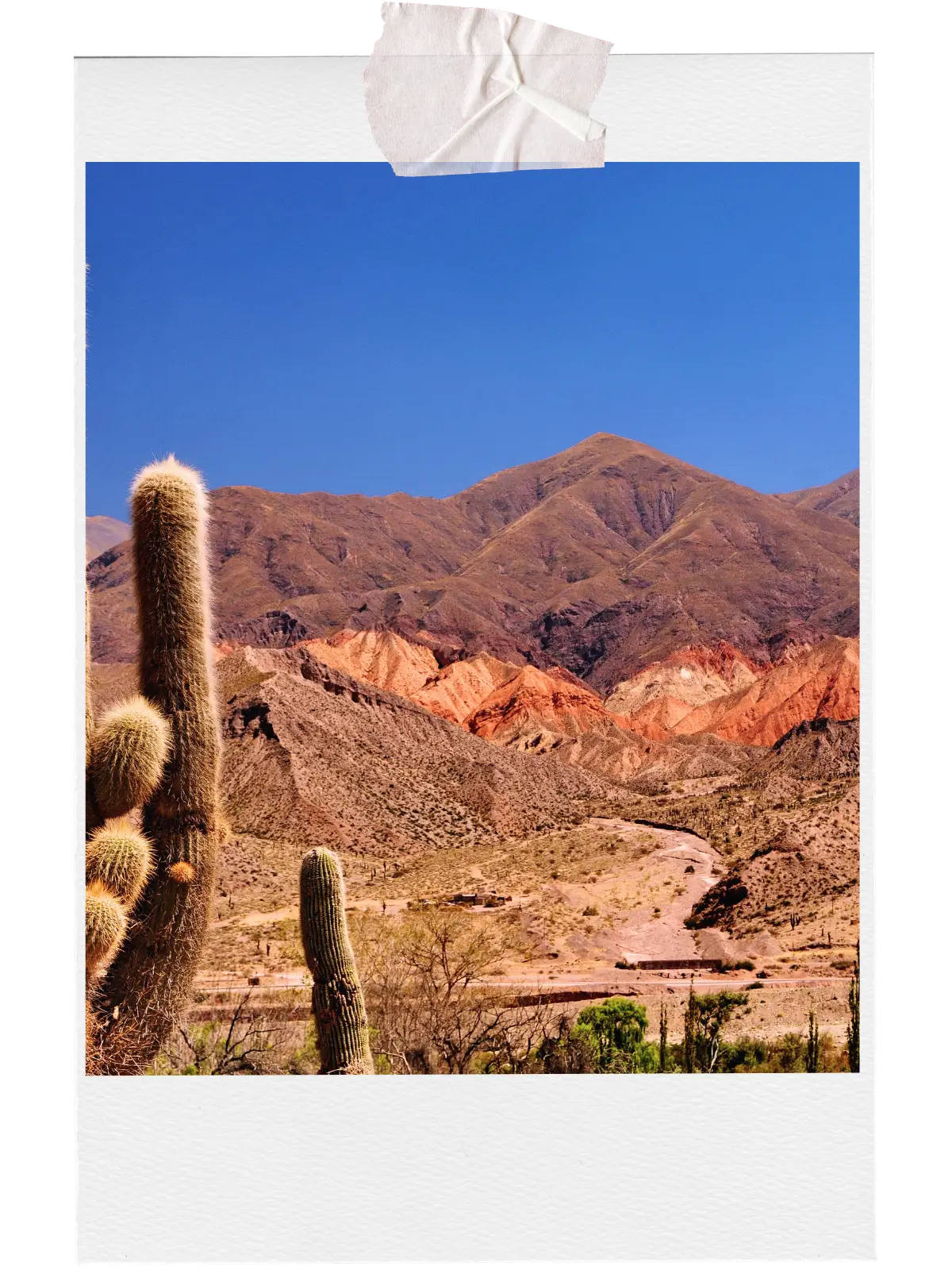
Coloured mountain landscape in northwest Argentina with desert terrain and tall cactus.

Getting Around Argentina

Domestic Flights

Argentina is a long country, and flying is the most practical way to move between regions. Flights are commonly used to travel between Buenos Aires, Patagonia, and the north. Travel days are best treated as full days, even on shorter routes.

Long-Distance Buses

Buses connect most cities and towns and are widely used for regional travel. Distances can be long, but services are frequent and cover areas not reached by flights. Overnight routes are common on longer journeys.

Car Hire

Car hire works well in specific regions such as Patagonia, wine areas, and rural landscapes. Roads are generally in good condition, though distances between towns can be large. Driving often becomes part of the experience outside major cities.

Trains

Train travel is limited and mainly used on a few local and commuter routes. It plays a smaller role in long-distance travel compared with buses and flights.

Public Transport

Buses, metro systems, and suburban trains operate in larger cities, with Buenos Aires offering the most extensive network. Public transport is widely used and affordable.

Taxis and Ride-Hailing

Taxis and ride-hailing services are common in cities and larger towns. They are useful for short trips, evenings, and airport transfers. Availability drops in smaller or remote areas.
Beige washi tape strip with soft torn edges on a transparent background.

What to Pack

Join the
Journey

Sign up for new itineraries, travel notes, and practical guides to help you explore the places I love most.

Portrait of Manu smiling against a neutral background.

I love exploring new places and sharing the travel tips, food finds, and experiences that help you plan your next adventure.

Leave a Comment

Your email address will not be published. Required fields are marked *

Scroll to Top
Ultimate packing checklist travel guide cover with tropical beach background.