Your journey, beautifully planned.

North America Travel Guide

Statue of Liberty illuminated at night with the New York City skyline and Brooklyn Bridge in the background.
North America covers approximately 24.7 million square kilometres, making it the third-largest continent by land area in global terms. In addition to its size, it contains 23 independent countries. These exist alongside numerous dependent territories administered under different political systems.
The continent is primarily formed by the North American landmass, which occupies the majority of the northern hemisphere west of the Atlantic Ocean. It is linked to South America by a narrow isthmus and is separated from Asia by the Bering Strait.
Climate zones range from Arctic conditions in the far north to tropical climates in southern and coastal regions. Between these extremes, extensive temperate zones are present across large areas of the continent. The majority of settlement and transport infrastructure is located within these zones.
North America’s scale strongly influences movement between locations across the continent. Long distances between population centres make air travel a central component of intercity movement. This also applies to international movement, particularly between major urban regions.
Land borders are clearly defined and regulated across national boundaries. These borders operate through formal crossing points with established documentation requirements and inspection procedures.

North America at a Glance

Statue of Liberty glowing at night against the New York City skyline.

Number of Countries

North America consists of 23 sovereign states, ranging from large federal nations to small island countries. Political systems and border controls vary widely across the continent.

Best Time to Visit

Seasonal conditions differ by latitude and elevation. Broadly, late spring and early autumn provide stable weather across many regions, while winter conditions dominate northern interiors.

Ideal Trip Length

Trips commonly range from 10 days to several weeks, depending on the number of regions visited. The continent’s size limits the feasibility of short multi-country itineraries.

Top Experiences

Experiences often centre on urban systems, natural reserves, and coastal zones. Movement between contrasting environments is a defining feature of travel here.

Languages

English, Spanish, and French are the primary working languages, alongside numerous Indigenous and regional languages. Multilingual administration is common in several areas.

Currency

Currencies include the US dollar, Canadian dollar, Mexican peso, and various Caribbean national currencies. Exchange systems and cash usage vary significantly between regions.

Why Travel to North America

Beige washi tape strip with soft torn edges on a transparent background.

Continental Scale and Distance

North America’s physical size affects all forms of travel planning. Journeys often prioritise specific regions rather than continental coverage. Infrastructure is dense in some corridors and sparse elsewhere.

Settlement and Urban Systems

The population is concentrated in coastal zones and temperate interiors. Large metropolitan areas function as transport and administrative hubs. Rural and remote regions operate under different access constraints.

Transport Networks and Connectivity

The population is concentrated in coastal zones and temperate interiors. Large metropolitan areas function as transport and administrative hubs. Rural and remote regions operate under different access constraints.

Borders and Administrative Structure

Borders are stable and formally managed. Visa regimes, customs procedures, and security checks shape cross-border movement. Internal travel within countries is generally unrestricted.

Institutional Culture

Cultural systems are expressed through legal frameworks, education models, and public services. These structures influence daily operations more than informal customs.

Regional Diversity and Governance

North America operates through multiple national and sub-national governance systems. Laws, regulations, and public services vary by country and region. This diversity shapes travel rules, infrastructure standards, and administrative processes.

Getting Around North America

Air Travel

Long-distance movement relies heavily on aviation due to the continent’s scale and the separation between major population centres. Domestic and international air networks connect urban regions across national borders. Air travel also supports access to remote and low-density areas where land routes are limited.

Rail Networks

Rail networks exist across much of North America but vary significantly in coverage, frequency, and function. Passenger rail plays a limited role outside specific corridors, while freight rail forms a core component of continental logistics. Network continuity differs by country and region.

Road Infrastructure

Road travel is extensive and supported by large highway systems linking cities, industrial areas, and border crossings. Private vehicles and long-distance coach services operate across these networks. Travel conditions and maintenance standards vary noticeably between regions.

Maritime and Coastal Transport

Maritime transport is relevant in coastal and island regions, particularly for freight and inter-island movement. Ferry services connect mainland and island communities where fixed links are not present. Port infrastructure varies by region and economic role.

Getting Around Cities

Public Transport

Urban public transport ranges from extensive metro and commuter rail systems to bus-dominated networks. Large cities often operate multi-line systems across metropolitan areas. Coverage and reliability differ widely by city and country, particularly outside central districts.

Walking

Central districts are often walkable, particularly in older cities with compact street layouts. Pedestrian movement is supported by dense land use and short block lengths. Urban sprawl limits walking in many metropolitan areas, where distances between destinations are greater.

Taxis and Ride-Hailing

Metered taxis and app-based ride services operate in most cities. Regulation and availability vary by jurisdiction.Metered taxis and app-based ride services operate in most cities. These services supplement public transport and private car use. Regulation, pricing, and availability vary by jurisdiction and local authority.
Mexican tacos filled with shredded meat and fresh herbs, served on corn tortillas with lime and salsa.

Regions of North America

Northern Arctic and Subarctic

This region includes northern Canada, Alaska, and Greenland. It covers vast areas with very low population density. Travel is shaped by extreme climate and seasonal light variation, alongside limited permanent infrastructure. Access is highly dependent on air routes and seasonal conditions. Some communities are reachable only at certain times of year.

Pacific Coast

Stretching from Alaska through western Canada and the United States to Mexico, this zone combines mountainous terrain with major urban centres. The population is concentrated along coastal plains and interior valleys. Transport corridors follow the coastline and key inland routes. Earthquake planning and weather systems influence infrastructure design and construction standards.

Central Interior

The continental interior consists of plains, plateaus, and extensive mountain ranges. These landscapes span multiple climate zones. Settlement is dispersed, with large distances between cities and service centres. Long road distances and low population density define travel patterns. Rail and road freight systems dominate movement across the region.

Eastern Seaboard

This densely populated corridor includes major urban and industrial centres. Settlement patterns are long-established. Cities are linked by layered transport networks that include rail, road, and air connections. Historical development supports higher public transport usage compared with other parts of the continent.

Mexico and Central America

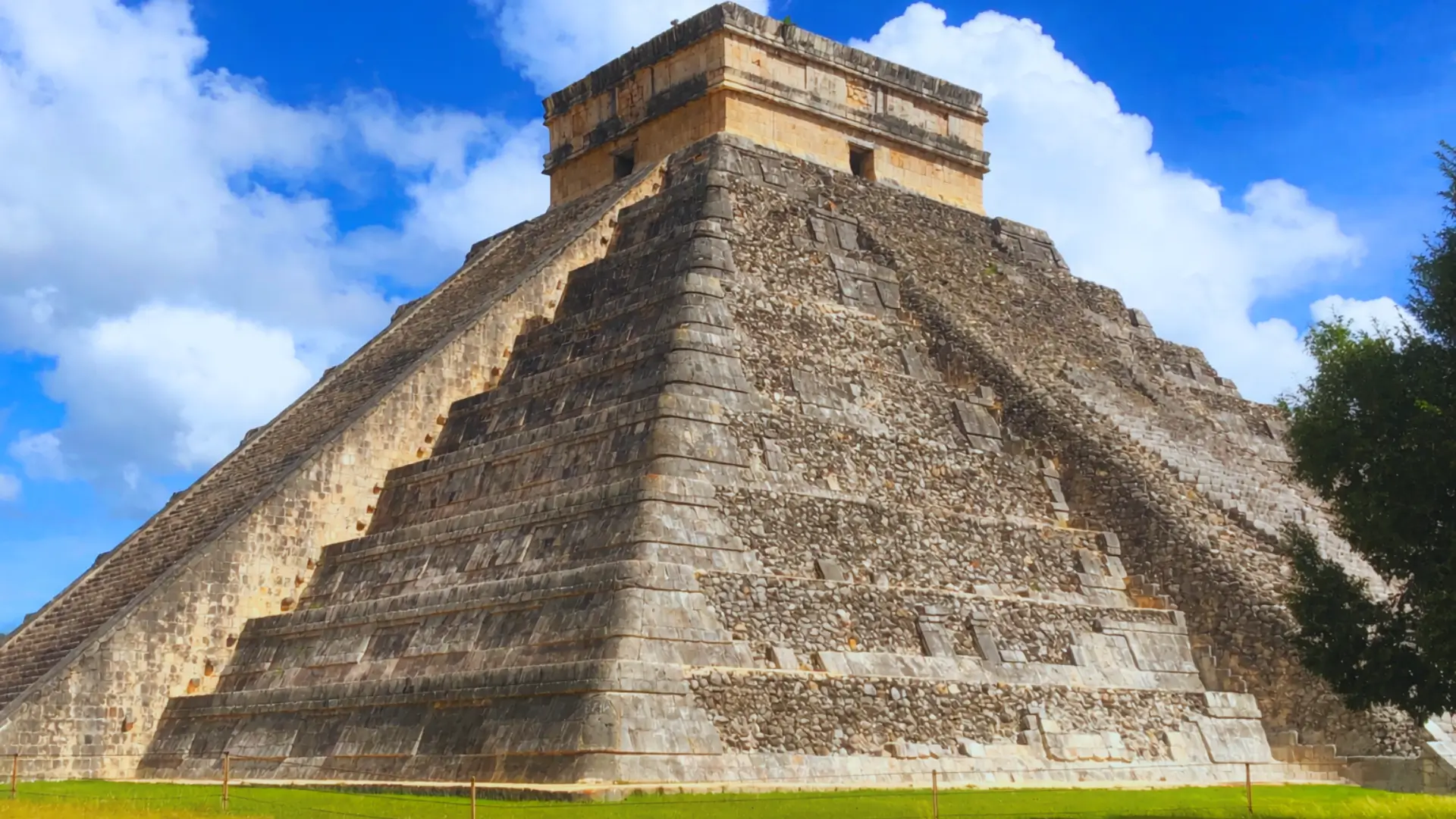
Southern North America transitions into tropical and mountainous terrain. Elevation and climate vary across relatively short distances. Population density is higher in urban and agricultural regions, with more limited transport redundancy. Shorter distances contrast with more complex road conditions. Border controls and varied infrastructure shape regional travel.

Caribbean

The Caribbean is composed primarily of island nations and territories. These are distributed across several seas. Travel relies on air and sea connections rather than continuous land routes. Seasonal weather systems, including hurricanes, strongly affect accessibility. Scheduling and transport reliability are also influenced.
Scroll to Top