Your journey, beautifully planned.

Exploring the Regions and Landscapes of Brazil

Toco toucan perched on a wooden railing near Iguazu Falls, Brazil, surrounded by tropical foliage.

Brazil takes up nearly half of South America, making it the largest country on the continent. With that scale comes variety. You’ll find long coastlines, dense rainforest, major financial centres, wetlands rich with wildlife, and historic towns all within one country.

Travellers can explore the Amazon, relax on Atlantic beaches, or experience the pace of São Paulo and Rio de Janeiro. Add football culture, regional cuisine, and world-famous events like Carnival, and Brazil offers something for almost every type of traveller.
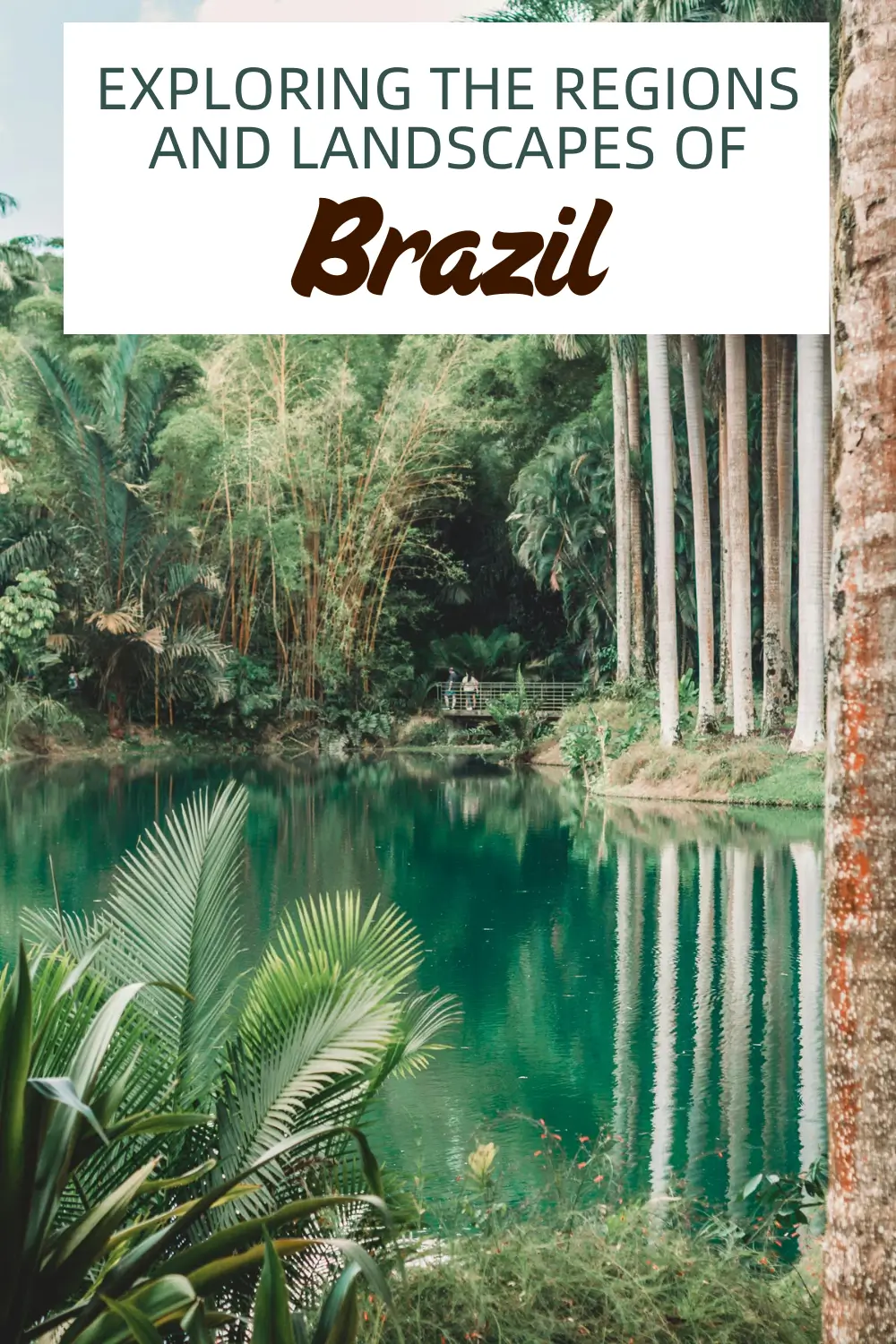
Rainforest landscape in Brazil with emerald lake and tall palm trees.
By the end of your trip, you’ll probably have a short list of places you didn’t get to see. That’s usually when people realise they’ve only seen one side of it.

Did You Know?

  • Brazil is slightly larger than the contiguous United States and ranks as the fifth-largest country in the world by land area.

  • Roughly 50–60% of Brazil’s territory is covered by the Amazon Rainforest, one of the most biodiverse regions on Earth.

  • Brazil is South America’s only Portuguese-speaking country, a result of its Portuguese colonial history.

  • Rio Carnival is widely recognised as the largest carnival celebration in the world. Millions of people participate each year.

  • Brazil has the largest population of Japanese descendants outside Japan. Most live in São Paulo.

  • The Amazon River releases such an enormous volume of freshwater into the Atlantic Ocean that it lowers ocean salinity for hundreds of kilometres offshore.

  • Thousands of airports and airstrips are spread across Brazil, and air travel plays a vital role in connecting distant regions.

  • Lençóis Maranhenses National Park looks like a desert at first glance, but seasonal rains transform the dunes into bright freshwater lagoons.

  • Iguazu Falls stretches nearly three kilometres wide and includes more than 250 individual waterfalls. It is significantly wider than Niagara Falls.

I love exploring new places and sharing the travel tips, food finds, and experiences that help you plan your next adventure.

Join the
Journey

Sign up for new itineraries, travel notes, and practical guides to help you explore the places I love most.

Beige washi tape strip with soft torn edges on a transparent background.

Tips for Travellers

English isn’t widely spoken outside major tourist areas. Learn simple phrases like “Obrigado/a” (thank you), “Quanto custa?” (how much?), and “Onde fica…?” (where is?) to make things easier.

Best Time to Visit Brazil

Brazil is in the Southern Hemisphere, so its seasons are opposite to Europe and North America. Summer runs from December to March, and winter runs from June to September.
If you prefer slightly drier and more comfortable weather in cities like Rio de Janeiro and São Paulo, the period from May to October is generally a good choice. This is also one of the best times to visit the Pantanal, as lower water levels make wildlife easier to spot.
February or early March is the time to visit if you want to experience Carnival in Rio. It is vibrant and unforgettable, but also crowded and more expensive. Accommodation fills quickly, so booking ahead is important.
Dry Season Wet Season Peak Rainfall Period

Brazil At A Glance

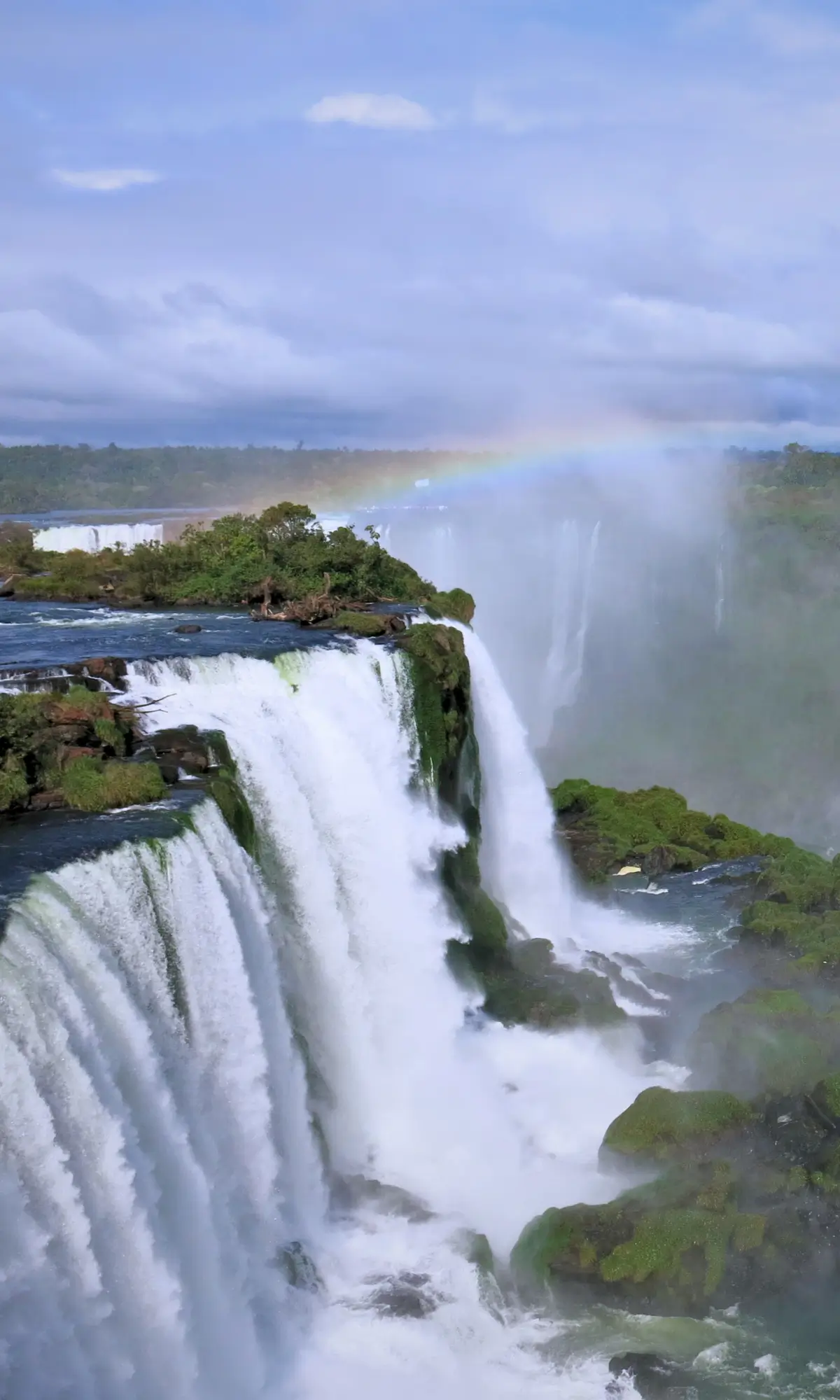
Iguazu Falls in Brazil with mist rising and a rainbow above the waterfall.
Language selection icon showing two speech bubbles with letter A and Chinese character.

Language

Portuguese is Brazil’s official language and is spoken nationwide. English is spoken in some tourist areas, but most daily communication takes place in Portuguese.

Illustration of a money bag with dollar symbol next to stacked coins.

Currency and Costs

Brazilian Real (BRL). Approximate rate: 1 USD is roughly 4.8 to 5.2 BRL, though exchange rates fluctuate. Expect moderate daily expenses, with higher costs in major cities and popular coastal destinations.

Mobile payment icon with credit card and phone showing confirmed payment

Payments

Hotels, restaurants, and larger shops accept credit and debit cards. Most travellers rely on cards for everyday purchases. Carry some cash for small vendors and local markets.

Hand holding a dollar sign and heart icon representing tipping.

Tipping

Tipping is customary. Many restaurants include a 10% service charge. Additional tips for excellent service are appreciated but not required.

Shield with checkmark and padlock as safety icon.

Safety

Safety levels vary by region. Exercise sensible precautions, particularly in busy urban areas and tourist districts.

Wi-Fi connectivity icon for travel and accommodation.

Connectivity

Mobile coverage is strong in cities and towns. Most hotels provide Wi-Fi. Internet access may be limited in remote regions, particularly in parts of the Amazon.
A Detailed Brazil Itinerary

This 9-day route focuses on south-eastern Brazil, beginning in Rio de Janeiro and continuing to Foz do Iguaçu. It keeps travel efficient, limits accommodation changes, and uses 1 domestic flight to connect the two regions.

Day 1: Arrival in Rio de Janeiro

Arrive in Rio and transfer to Copacabana or Ipanema. Both neighbourhoods offer strong transport connections, beach access, and easy reach to major landmarks. Keep the first afternoon relaxed.

Suggested Stay: Beachfront hotel or guesthouse in Copacabana or Ipanema

Base: Rio de Janeiro

Highlights

  • Copacabana promenade
  • Ipanema beachfront
  • Sunset views toward Sugarloaf Mountain

Day 2: Christ the Redeemer and Tijuca Forest

Visit Christ the Redeemer early to avoid crowds and haze. Combine this with nearby viewpoints in Tijuca Forest to reduce cross-city travel.

Suggested Stay: Same as previous accommodation near Copacabana or Ipanema

Base: Rio de Janeiro

Highlights

  • Christ the Redeemer (Corcovado)
  • Tijuca Forest viewpoints
  • Parque Lage
  • Lagoa Rodrigo de Freitas

Day 3: Sugarloaf and Guanabara Bay

Take the cable car up Sugarloaf Mountain for wide views over Rio and the bay. Spend time around Praia Vermelha or explore the small Urca district nearby.

Suggested Stay: Same as previous accommodation near Copacabana or Ipanema

Base: Rio de Janeiro

Highlights

  • Sugarloaf Mountain cable car
  • Praia Vermelha
  • Urca district
  • Views across Guanabara Bay

Day 4: Historic Centre and Santa Teresa

Explore Rio’s historic centre and the hillside neighbourhood of Santa Teresa. This day shifts the focus from beaches to culture and architecture.

Suggested Stay: Same as previous accommodation near Copacabana or Ipanema

Base: Rio de Janeiro

Highlights

  • Santa Teresa neighbourhood
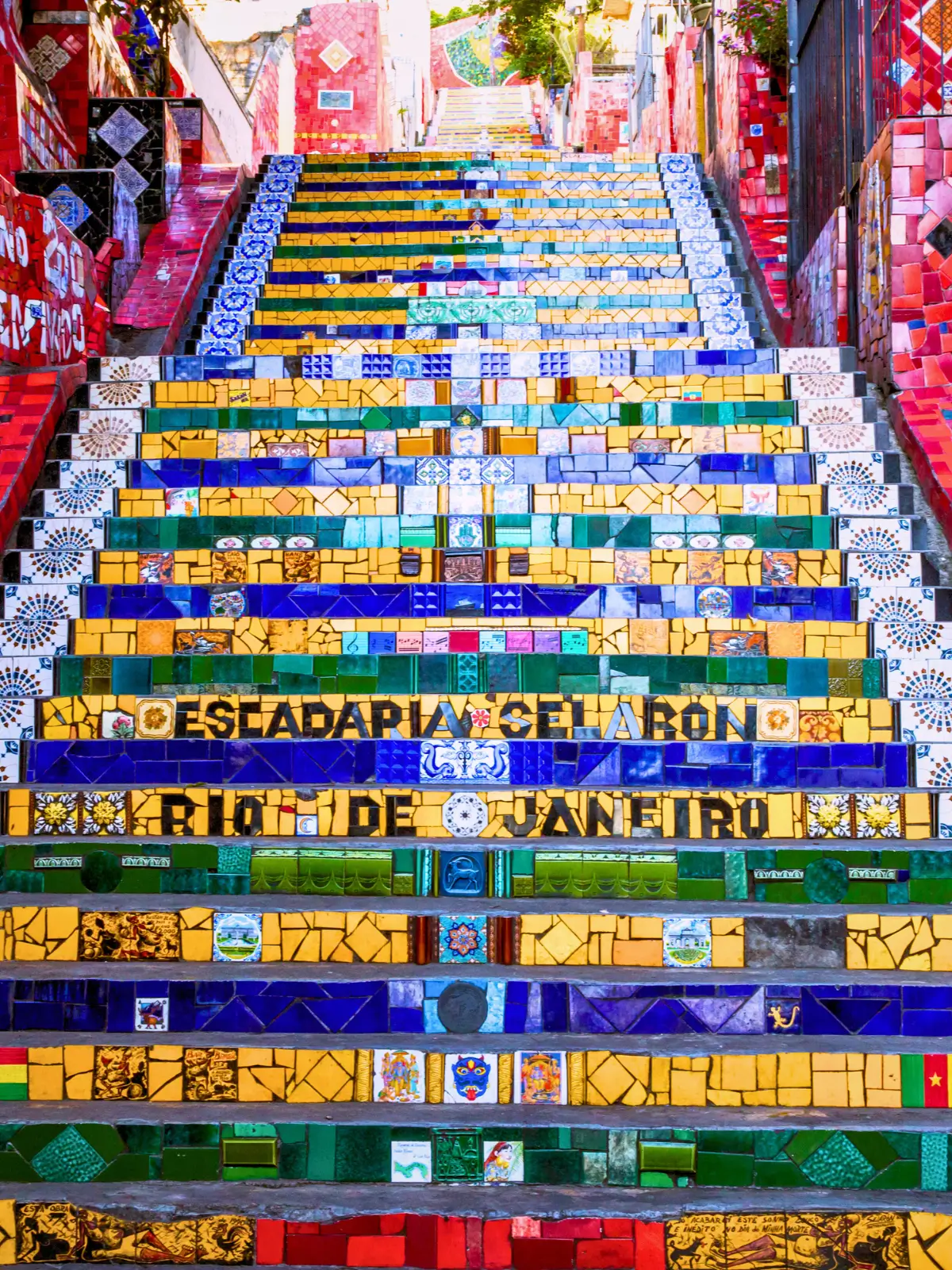
  • Selarón Steps
  • Municipal Theatre
  • Royal Portuguese Reading Room

Day 5: Rio de Janeiro to Foz do Iguaçu

Fly to Foz do Iguaçu, a journey of about 2 hours. Stay near the national park entrance to make the next morning easier.

Suggested Stay: Hotel or lodge near Iguazu National Park entrance

Route: Rio de Janeiro to Foz do Iguaçu

Highlights

  • Paraná countryside on arrival
  • Itaipu Dam (optional short visit)
Colourful tiled Selarón Steps in Rio de Janeiro, Brazil.
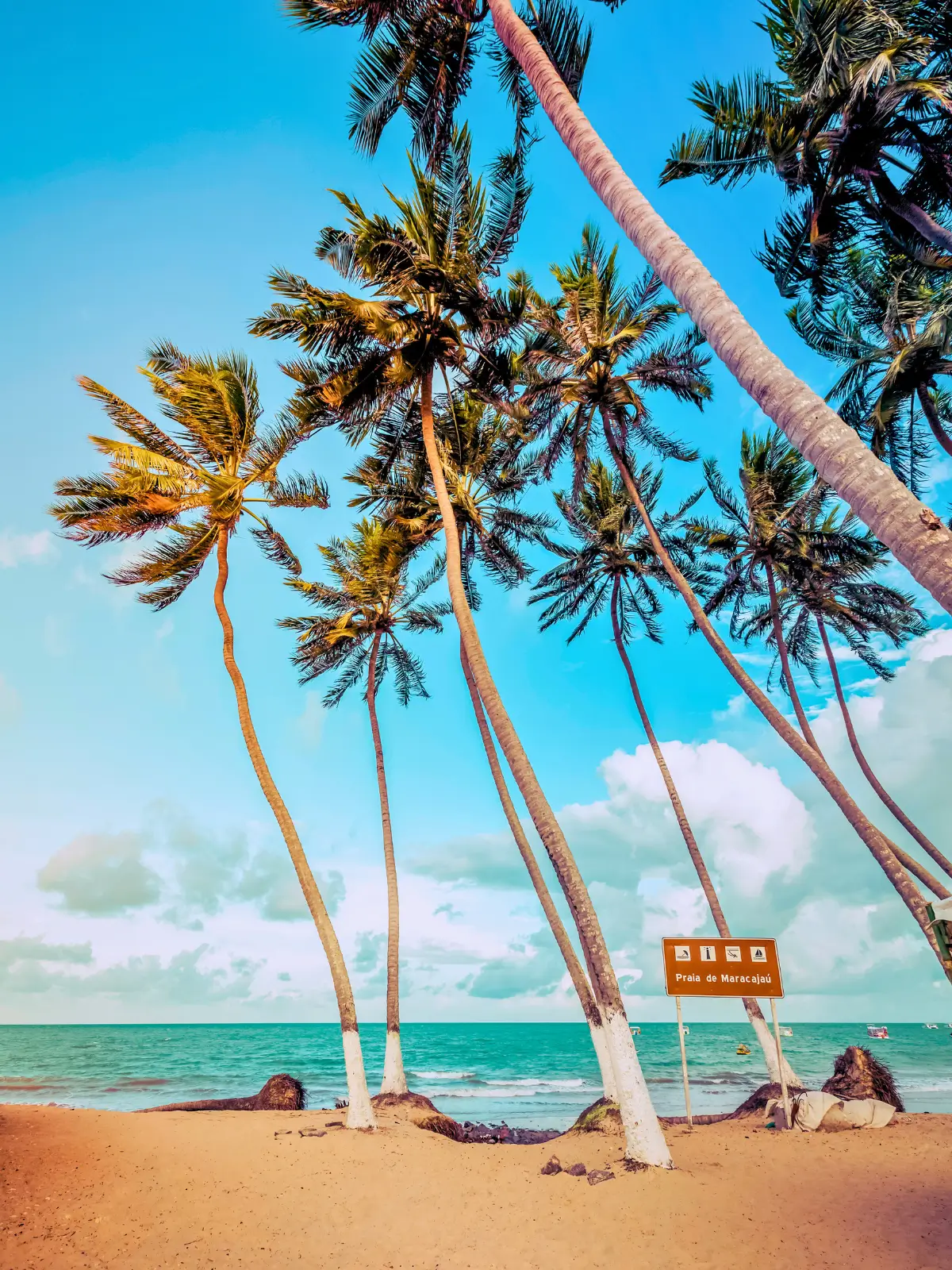
Palm trees leaning over the sand at Praia de Maracajaú in Brazil with turquoise sea and blue sky.

Day 6: Iguazu Falls – Brazilian Side

The Brazilian side provides broad panoramic perspectives and an organised pathway system. The route through the park is structured and manageable within a single day.

Suggested Stay: Same as previous accommodation near Iguazu National Park

Base: Foz do Iguaçu

Highlights

  • Iguaçu National Park
  • Panoramic views of Devil’s Throat
  • Waterfall walkways

Day 7: Iguazu Falls – Argentina Side (Optional)

Cross into Argentina for closer access to the falls and the main Devil’s Throat platform. Bring your passport and allow extra time for border formalities.

Suggested Stay: Same as previous accommodation near Iguazu National Park

Base: Foz do Iguaçu

Highlights

  • Upper circuit walkways
  • Train to Devil’s Throat platform
  • River gorge perspectives

Day 8: Return to Rio de Janeiro

A return domestic flight reconnects to Rio de Janeiro. This day should remain lightly planned to accommodate flight timings.

Suggested Stay: Hotel near airport or previous beach district

Route: Foz do Iguaçu to Rio de Janeiro

Highlights

  • Final aerial views of the falls region
  • Guanabara Bay on approach

Day 9: Departure from Rio de Janeiro

Departure via Galeão International Airport or Santos Dumont, depending on onward routing. Allow adequate time for airport transfers, as traffic can be unpredictable.

Route: Rio de Janeiro to onward destination

Highlights

  • Coastal skyline on departure
  • Final Atlantic views
Beige washi tape strip with soft torn edges on a transparent background.

Things To Know Before Going To Brazil

1. Keep Your Phone And Valuables Secure In Public

Phone snatching is common in busy areas, especially near beaches and city centres like Rio. Don’t stand near the road using your phone. Step inside a shop or café if you need to check directions. Use crossbody bags and keep valuables out of sight.

2. Use Ride Apps At Night Instead Of Walking

Even in tourist districts, don’t assume streets are safe after dark. In cities like Rio, neighbourhoods can change atmosphere quickly once it gets late. Use Uber or licensed taxis rather than walking between areas at night.

3. Watch For Pickpocketing During Big Events

Brazil loves football, concerts, and street celebrations. Large crowds gather fast. Keep your bag in front of you and avoid putting your phone in your back pocket. Stay aware during matches and major public gatherings.

4. Don’t Leave Belongings Unattended At The Beach

On beaches like Copacabana and Ipanema, theft often happens when people go swimming. Don’t leave your bag alone while you’re in the water. Take turns with someone or bring only what you truly need.

5. Be Careful With Street Vendors And Informal Sellers

Most vendors are friendly, but some use distraction techniques. Don’t feel pressured into buying something you didn’t ask for. Keep a polite but firm tone and move on if needed.

6. Don’t Rely On Timetables Being Exact

Public transport and long-distance buses don’t always run exactly on time. Traffic can also be unpredictable. Allow flexibility in your plans, especially when travelling to airports.

7. Respect Local Football Rivalries

Football is serious business in Brazil. Don’t wear rival team colours near stadiums on match day unless you know the atmosphere. It’s better to stay neutral if you’re unsure.

How to Get There

International Flights

Most travellers arrive at São Paulo Guarulhos International Airport, Brazil’s busiest international hub. Rio de Janeiro Galeão also receives long-haul flights and is popular for leisure travel.
Brasília and Recife handle some international routes as well, mainly from Europe and other parts of South America.
Airlines operate routes from Europe, North America, the Middle East, and across South America.
Fares rise during peak periods such as Carnival, New Year, and the Brazilian summer from December to March, so book early if travelling then.

Entry Requirements

Brazil sets its own immigration rules. Many nationalities can enter visa-free for tourism for up to 90 days, but this depends on your passport.
Some travellers must apply for a visa or electronic authorisation before departure. Always check the latest requirements before booking.
Your passport should usually be valid for at least six months beyond your arrival date. Immigration officers may ask for proof of onward travel and accommodation details.

Arriving From Neighbouring Countries

Brazil shares borders with every South American country except Chile and Ecuador. You can enter by road from Argentina, Uruguay, Paraguay, Bolivia, Peru, Colombia, Venezuela, Guyana, and Suriname.
Border crossings are generally straightforward, but some are remote, so check conditions and opening hours in advance.

What to Expect

A High Energy Atmosphere

Brazil feels lively from morning to late at night. Music plays in restaurants, conversations are animated, and cities rarely feel quiet. If you prefer calm environments, choose neighbourhoods carefully.

Warm And Expressive Social Interaction

People greet warmly and often stand closer during conversations than you might be used to. Friendly touch and animated gestures are normal. It’s social openness, not intrusion.

Strong Sun And Humid Conditions

Heat and humidity can drain energy quickly, particularly in coastal cities and the north. Take midday breaks, wear light clothing, and pace outdoor activities.

Visible Security In Everyday Spaces

Shopping centres, office buildings, and residential blocks often have guards or bag checks. This is routine in many cities and doesn’t signal immediate danger.

Casual Dress Most Of The Time

Daily clothing is relaxed and practical. Beachwear is normal near the coast. Only certain restaurants and clubs require smarter outfits.

Deep Passion For Football

Match days bring loud celebrations, packed bars, and strong emotions. Football conversations happen everywhere, from taxis to cafés.
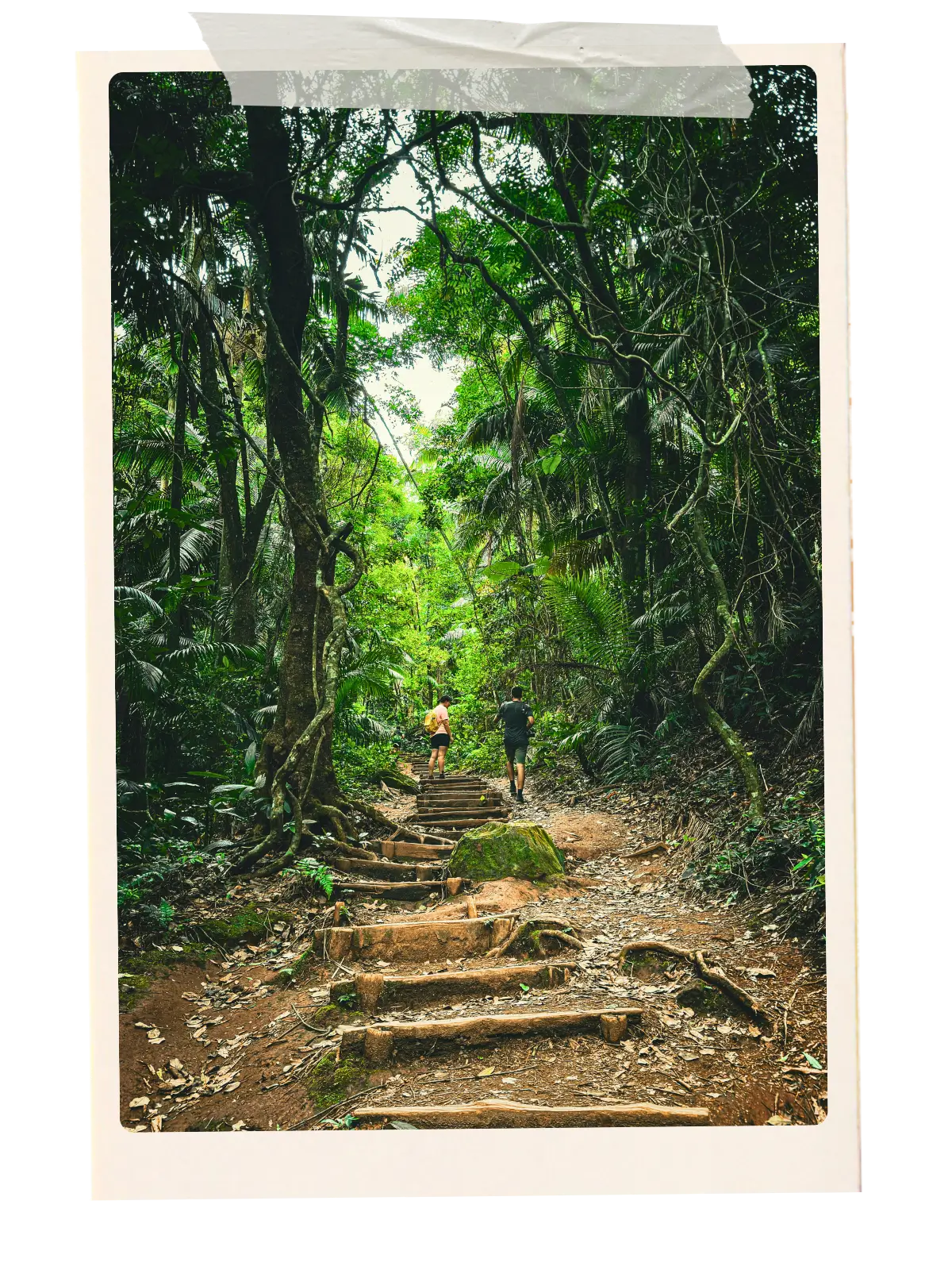
Hikers walking up wooden steps along a rainforest trail in Iguazu National Park, Brazil.
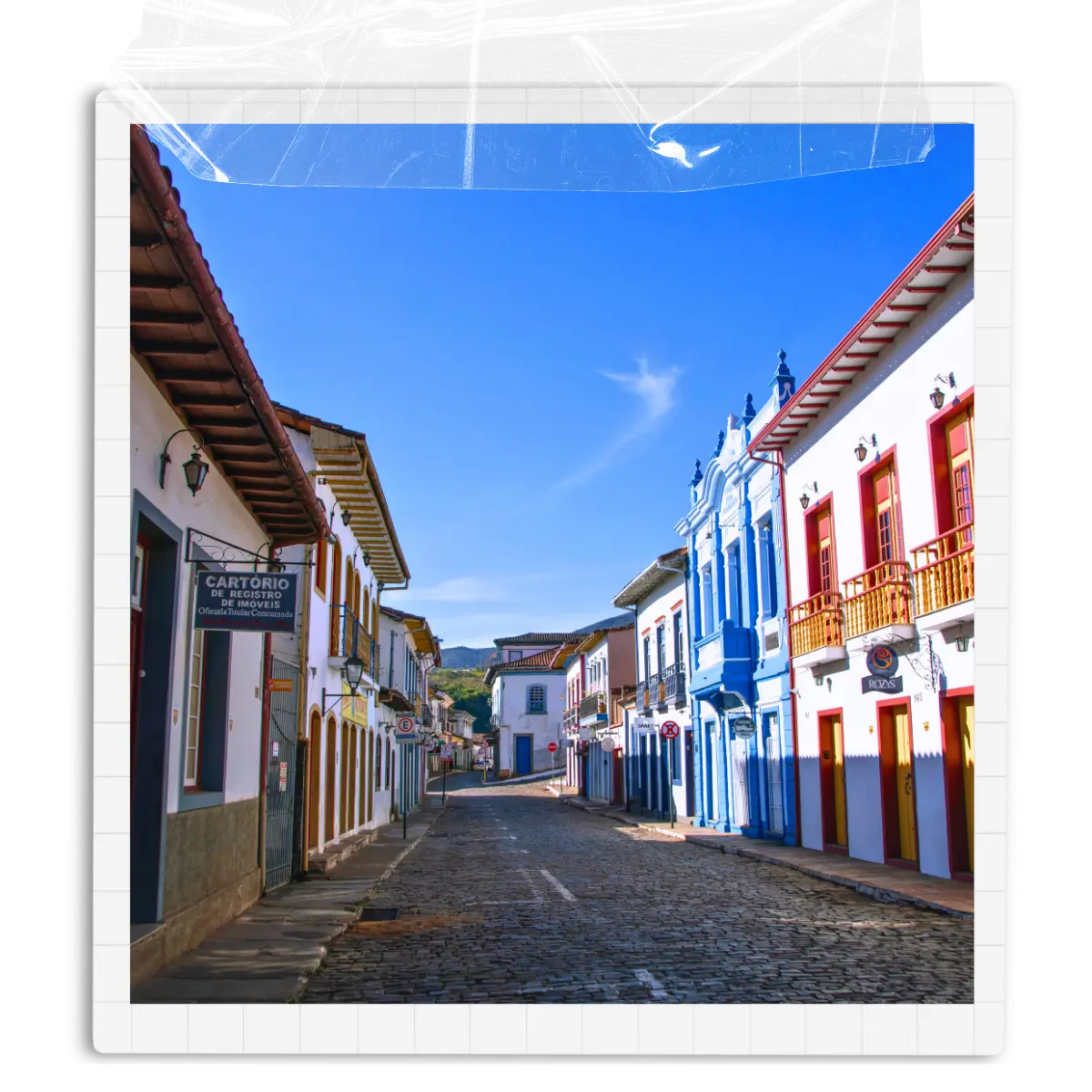
Colourful colonial buildings lining a cobbled street in Minas Gerais, Brazil.

Getting Around Brazil

Domestic Flights

Brazil is large, so flying is often the quickest way to move between regions. Airlines connect major cities like São Paulo, Rio de Janeiro, Brasília, Salvador, Recife, and Manaus.
If you plan to cover long distances, book flights early to secure better fares.

Long Distance Coaches

Coaches are widely used and surprisingly comfortable. Many offer reclining seats and overnight routes between cities. Journeys can be long, so check travel times carefully before booking.
Use reputable bus companies and buy tickets in advance during busy periods.

Metro Systems

Cities like São Paulo, Rio de Janeiro, Brasília, and Salvador have metro systems. They are generally efficient and affordable. Use them during the day to avoid heavy traffic.

Avoid peak rush hours if you prefer less crowded spaces.

Ride Apps And Taxis

Uber and other ride apps operate in most major cities. They offer transparent pricing and are often the easiest way to get around.
Licensed taxis are also available, but always use official ranks or book through your hotel.

Car Hire

Hiring a car makes sense if you plan to explore coastal routes, smaller towns, or remote areas. In big cities, traffic and parking can be stressful, so consider whether you really need one.

Boats And River Transport

In the Amazon region, boats are part of daily life. River boats connect remote towns and communities. Travel times can be slow, so plan accordingly and bring essentials for longer journeys.
Beige washi tape strip with soft torn edges on a transparent background.

Tips for Travellers

English isn’t widely spoken outside major tourist areas. Learn simple phrases like “Obrigado/a” (thank you), “Quanto custa?” (how much?), and “Onde fica…?” (where is?) to make things easier.

Join the
Journey

Sign up for new itineraries, travel notes, and practical guides to help you explore the places I love most.

Portrait of Manu smiling against a neutral background.

I love exploring new places and sharing the travel tips, food finds, and experiences that help you plan your next adventure.

Leave a Comment

Your email address will not be published. Required fields are marked *

Scroll to Top
Ultimate packing checklist travel guide cover with tropical beach background.