Your journey, beautifully planned.

Switzerland Travel Guide for Easy Trip Planning

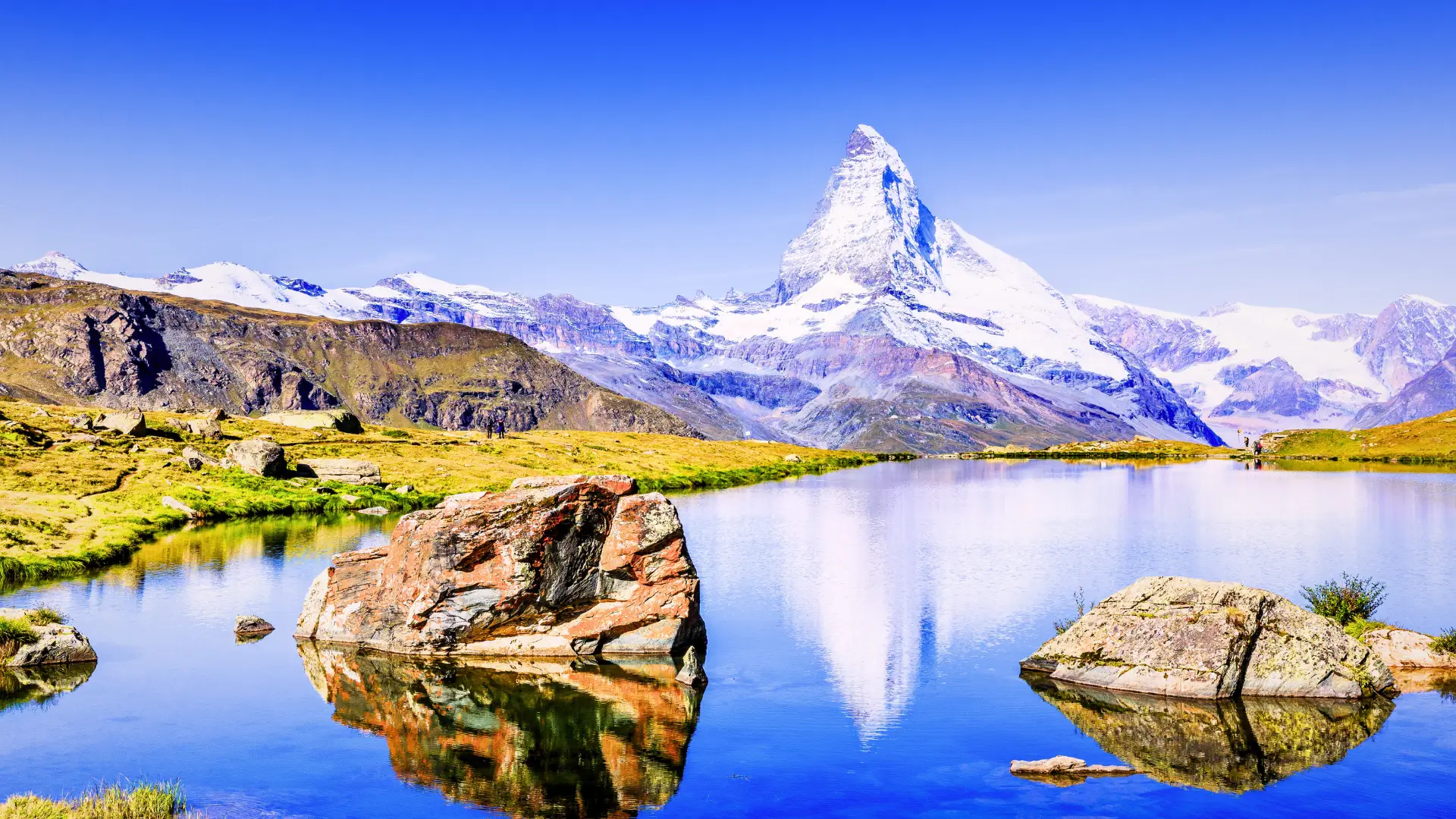
Matterhorn reflected in Stellisee lake near Zermatt with clear mountain views.

Switzerland is a small country in Central Europe, but it feels full the moment you arrive. In a short distance, you’ll see snow on the mountains, clear blue lakes, green fields, and towns with wooden houses and stone streets.

There’s always something going on, no matter the season. You can take a train through the mountains, walk along lakes, head up to higher views, or stop in a town for chocolate, cheese, and simple local food.

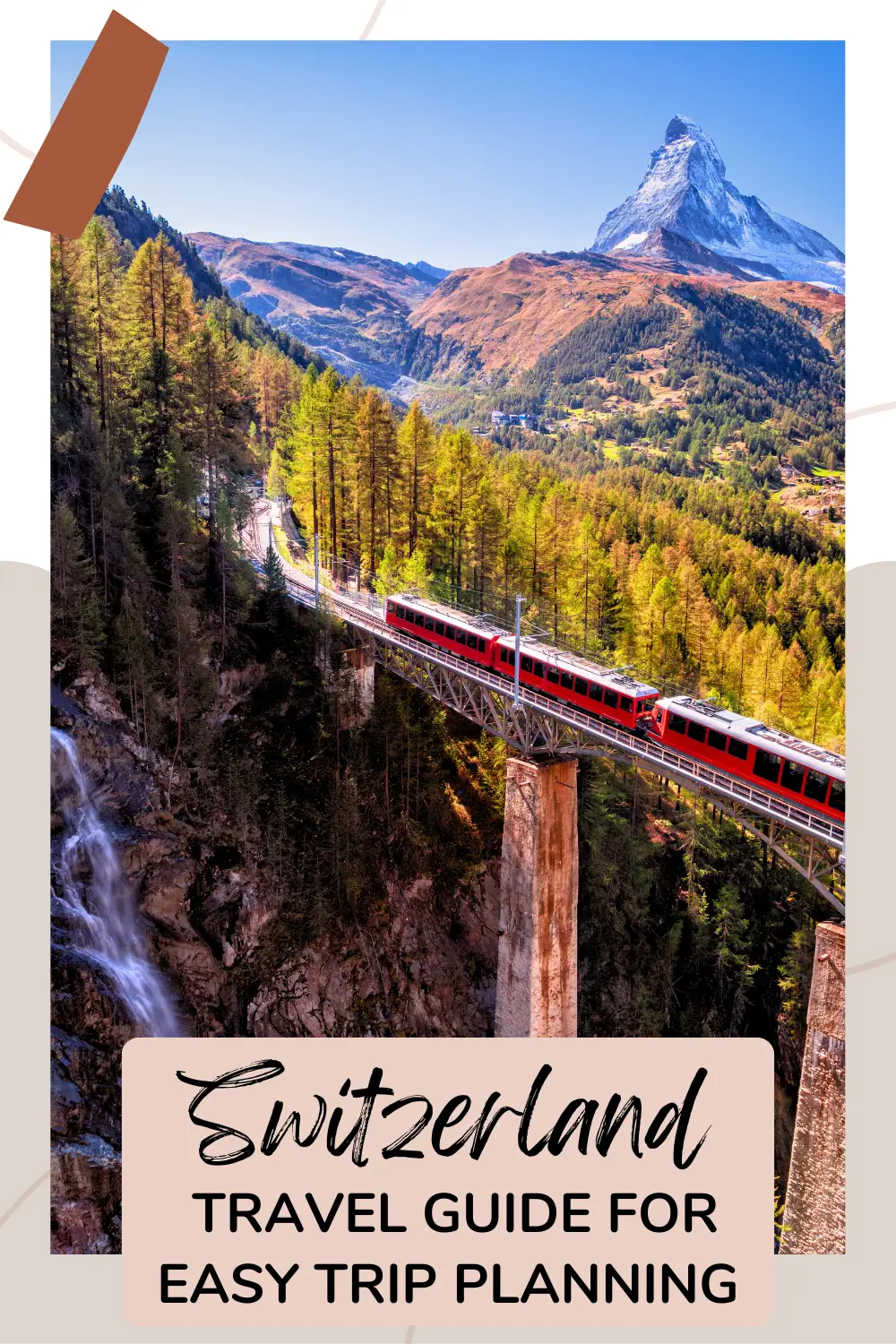
Red train crossing a bridge with the Matterhorn in Zermatt rising in the background.

Everything runs on time and feels easy to use, and even though prices are higher than nearby countries, the way everything comes together makes the whole experience feel worth it.

Did You Know?

  • Switzerland has remained neutral in international conflicts since 1815, and this long-standing policy still shapes its global role today.

  • The Alps cover about 60% of the country’s land, which explains the dramatic landscapes and strong winter sports culture.

  • Over 1,500 lakes are spread across the country, and many are clean enough for swimming during the warmer months.

  • Around 6% of Europe’s freshwater reserves are found here, making it one of the continent’s most water-rich countries.

  • Switzerland has four national languages: German, French, Italian, and Romansh, reflecting its distinct cultural regions.

  • German is spoken by about 62% of the population, mainly in the central and eastern parts of the country.

  • Romansh is used by only about 0.5% of people and is mostly spoken in the canton of Graubünden.

  • The country is made up of 26 cantons, each with its own government and a high level of independence.

  • The national flag is one of only two square flags in the world, alongside Vatican City.

I love exploring new places and sharing the travel tips, food finds, and experiences that help you plan your next adventure.

Join the
Journey

Sign up for new itineraries, travel notes, and practical guides to help you explore the places I love most.

Best Time To Visit Switzerland

The best time to visit Switzerland is from April to October if you want mild weather and easy travel. May to June and September to October offer the most balanced conditions, with comfortable temperatures and open routes. These months make moving between cities and mountain areas much easier.

Summer, from June to August, brings warm weather, long daylight hours, and full access to hiking trails and viewpoints. Lakes are ideal for swimming, and most festivals take place in July. This is peak season, expect higher prices and busy trains, especially around Interlaken and Zermatt.

Winter, from December to March, works best for ski trips and snowy landscapes. January and February bring the most reliable snow in the Alps. Expect shorter days and colder weather. Some mountain routes close outside ski areas, while cities and main transport links continue to run well.

Warm Months Transitional Months Cool Months

Switzerland At A Glance

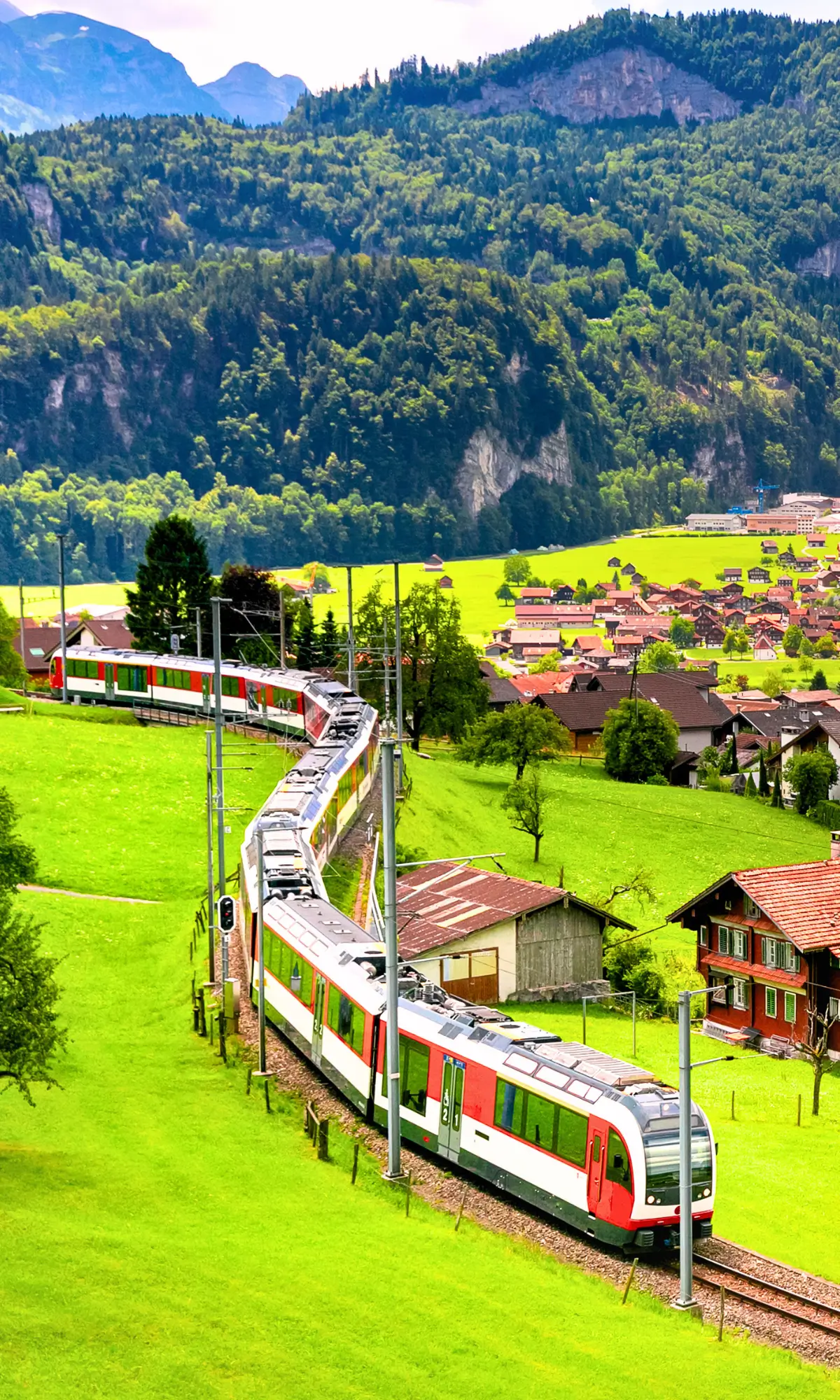
Train passing through Lauterbrunnen Valley with green fields and mountain cliffs around.
Language selection icon showing two speech bubbles with letter A and Chinese character.

Language

Switzerland has four national languages, German, French, Italian, and Romansh, used across different regions. English is widely spoken in cities, tourist areas, and major hotels.

Illustration of a money bag with dollar symbol next to stacked coins.

Currency and Costs

Swiss Franc (CHF). Approximate rate: 1 USD ≈ 0.85–0.92 CHF, though exchange rates fluctuate. Daily costs are high, especially in Zurich, Geneva, and key alpine areas.

Mobile payment icon with credit card and phone showing confirmed payment

Payments

Cards are widely accepted in hotels, restaurants, and larger shops. Contactless payments are common, though smaller places may still ask for cash.

Hand holding a dollar sign and heart icon representing tipping.

Tipping

Tipping isn’t expected. Service is included, and people usually round up rather than leave extra.

Shield with checkmark and padlock as safety icon.

Safety

Switzerland is very safe overall. Stay aware in busy stations and crowded tourist areas.

Wi-Fi connectivity icon for travel and accommodation.

Connectivity

Mobile signal is reliable across cities and towns. Wi-Fi is standard in hotels, though coverage drops in remote mountain areas.

A Detailed Switzerland Itinerary

This 6-day route follows a clear loop through central Switzerland, beginning and ending in Zurich. It moves south to Lucerne, continues into the Jungfrau region via Interlaken, then returns through Bern.

Distances remain short, and trains connect each stop directly or with simple changes, which keeps the route efficient and easy to follow.

Day 1: Zurich

Zurich works well as an entry point, with the main sights grouped around the river and lake. The historic centre sits within a small area, which makes it easy to walk between key spots without needing transport.

Suggested Stay: Boutique hotel in Altstadt Old Town

Base: Zurich

Highlights

  • Bahnhofstrasse
  • Old Town Altstadt
  • Lake Zurich

Day 2: Zurich to Lucerne

Travel south to Lucerne by direct train, with journey times of around 45 minutes and frequent departures throughout the day. The route is short and efficient, and arrival places you close to the lake and old town.


Suggested Stay: Lakeside hotel near Kapellbrücke

Route: Zurich to Lucerne

Highlights

  • Chapel Bridge
  • Lake Lucerne
  • Old Town squares

Day 3: Lucerne and Surroundings

Lucerne works as a base for nearby mountain viewpoints. Cable cars and cogwheel trains connect directly from town. The day can include time along the lake as well as higher elevation areas without long transfers.

Suggested Stay: Lakeside hotel near Kapellbrücke

Base: Lucerne

Highlights

  • Mount Pilatus
  • Mount Rigi
  • Musegg Wall
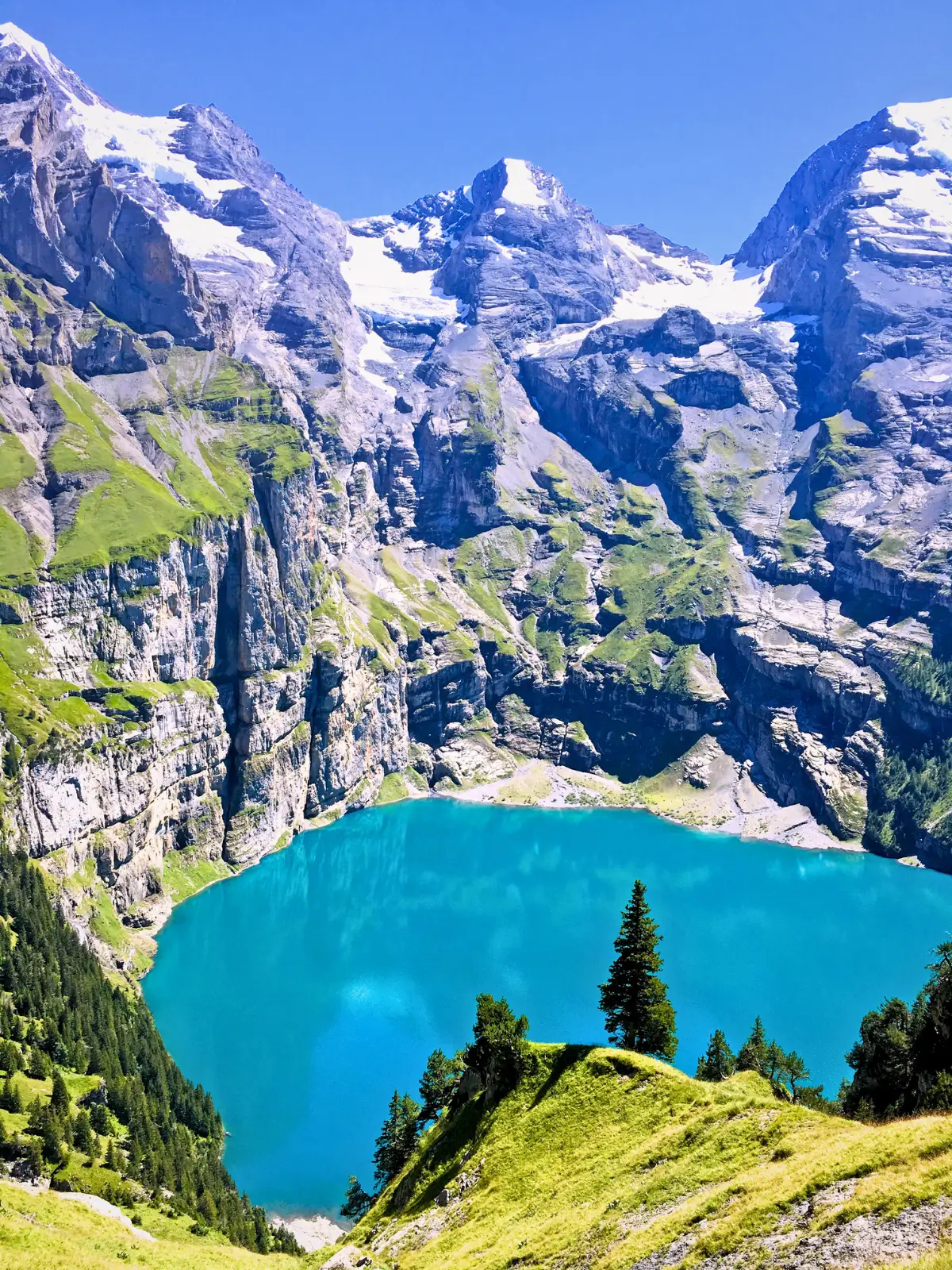
Turquoise Oeschinen Lake in Kandersteg surrounded by steep cliffs and alpine peaks.
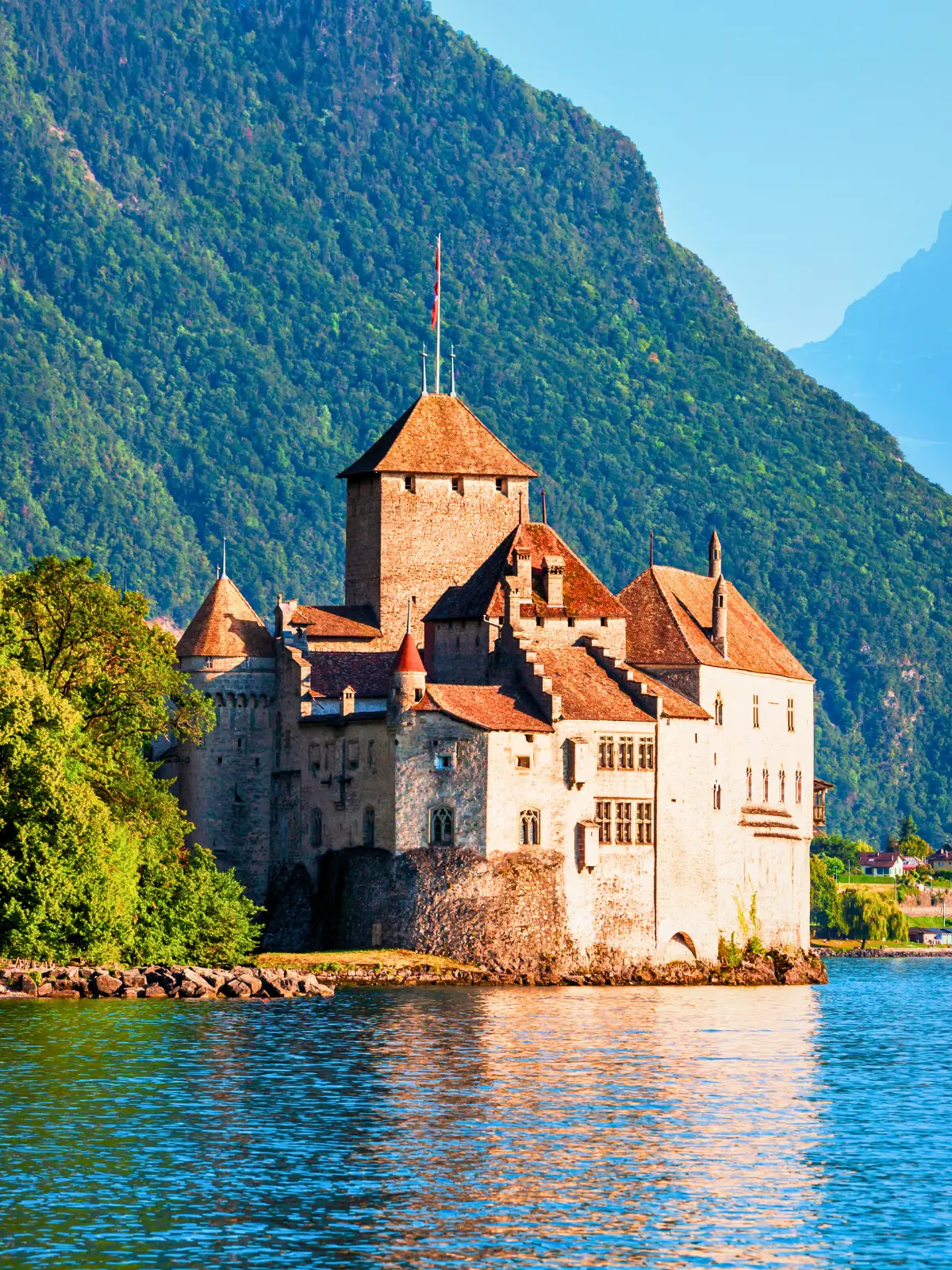
Château de Chillon sitting on Lake Geneva with mountains rising behind it.

Day 4: Lucerne to Interlaken

Travel into the Bernese Oberland takes around 2 hours by train. The route passes lakes and mountain scenery and does not require complicated changes. Interlaken sits between two lakes and works as a central point for the surrounding region.

Suggested Stay: Hotel near Interlaken Ost station

Route: Lucerne to Interlaken

Highlights

  • Lake Thun
  • Lake Brienz
  • Interlaken centre

Day 5: Jungfrau Region

The mountain villages above Interlaken are reached by train, with a connected rail network into Lauterbrunnen Valley and onward to Wengen or Grindelwald. The layout keeps movement simple, with direct routes between each point.

Suggested Stay: Hotel near Interlaken Ost station

Base: Interlaken

Highlights

  • Lauterbrunnen Valley
  • Wengen
  • Grindelwald

Day 6: Interlaken to Bern to Zurich

Travel west to Bern in about 1 hour, followed by a return to Zurich in roughly another hour.

Bern’s historic centre is laid out within a small, walkable area, which makes it easy to explore on foot without needing transport.

Suggested Stay: Hotel near Zurich HB or Zurich Airport

Route: Interlaken to Bern to Zurich

Highlights

  • Bern Old Town
  • Zytglogge
  • Aare river
Beige washi tape strip with soft torn edges on a transparent background.

Things To Know Before Visiting Switzerland

1. Tickets Need To Be Valid Before Boarding

Swiss trains run on a proof-of-payment system with no barriers at stations. You need a valid ticket before you board, not after. Inspectors check during the journey and issue fines on the spot if your ticket isn’t valid.

2. Discounted Train Tickets Are Fixed To One Departure

Cheaper fares like Supersaver tickets only work for one specific train. They don’t allow flexibility if you miss it. You’ll need to buy a new ticket at full price if you take a different departure.

3. Scenic Trains Use A Different Booking System

Panoramic routes like the Glacier Express require a seat reservation in addition to your ticket. Standard Swiss trains don’t need reservations, which makes this easy to overlook. You won’t be able to board without both.

4. Mountain Transport Adds Extra Costs Quickly

Rail passes cover main routes, but mountain transport follows a different pricing system. Cable cars, cogwheel trains, and lifts charge separate fares. Costs rise quickly once you head into higher alpine areas.

5. Platform Sections Show Exact Boarding Position

Platforms use marked sections to show where each carriage stops. These letters or signs match your ticket or train layout. Standing in the right section saves time and avoids moving through crowded carriages.

6. Travel Times Increase Due To Terrain

Routes don’t follow straight lines across the country. Mountains and lakes force indirect connections and multiple transfers. Journeys often take longer than they look on a map.

7. Public Water Fountains Are Safe To Use

Drinking fountains are common across cities, towns, and even villages. Water is clean and safe unless clearly marked otherwise. Buying bottled water isn’t necessary in most places.

How to Get There

Entry Requirements and Visa Rules

Switzerland is part of the Schengen Area. Many travellers can enter without a visa for up to 90 days within a 180-day period.

If your passport requires one, you’ll need to apply for a short-stay Schengen visa before travelling.

Passport Validity

You’ll need a valid passport to enter Switzerland. It must be valid for at least 3 months beyond your departure date. It must also be issued within the last 10 years.

Main International Airports

Zurich Airport is the main gateway, with direct and connecting flights from across Europe and major global hubs. 

Geneva Airport serves the west, while Basel Airport connects well with nearby regions in France and Germany.

Arriving By Train From Europe

Switzerland has strong rail links with neighbouring countries. You can travel directly from cities like Paris, Milan, Munich, and Vienna to hubs such as Zurich, Geneva, and Basel.

Crossing Land Borders

Switzerland borders France, Germany, Italy, Austria, and Liechtenstein. Travel between these countries is straightforward within the Schengen zone. Border checks rarely take place.

Flying From Long-Haul Destinations

Most long-haul flights arrive in Zurich or Geneva. Direct routes run from hubs like London, Dubai, and Singapore. Many other routes connect through major European airports.

Transit and Connecting Flights

You can usually transit through Swiss airports without a visa if you stay in the international zone. Some nationalities need an airport transit visa. It’s best to check the requirements before travelling.

What to Expect

High Costs Shape Everyday Decisions

Prices affect how you plan each day, not just major bookings. Switzerland ranks among the most expensive countries, and you’ll notice it in food, transport, and activities.

Food Choices Shift Towards Supermarkets

Restaurant meals often cost more than expected, especially in cities and alpine areas. Supermarkets like Migros and Coop offer quick, more affordable options for everyday meals.

Public Fountains Replace Bottled Water

Drinking water is widely available from public fountains across cities and villages. Most are safe unless marked otherwise, which means you won’t need to buy bottled water.

Language Differences Affect Navigation

Switzerland uses four national languages across different regions. 

Place names, signs, and announcements change depending on where you are, and this can affect how you follow directions.

Produce Needs To Be Weighed Before Checkout

Supermarkets require you to weigh fruit and vegetables before paying. You need to print a label at the scale before heading to the till, or the item won’t scan at checkout.

Visibility Determines Mountain Experience

Mountain views depend on visibility more than city weather. Clouds often sit above valleys and block viewpoints even when conditions look clear below.

Crowds Focus On Specific Alpine Areas

Tourism concentrates in places like Jungfrau, Interlaken, and Zermatt. Other regions feel far less busy, even with similar scenery.

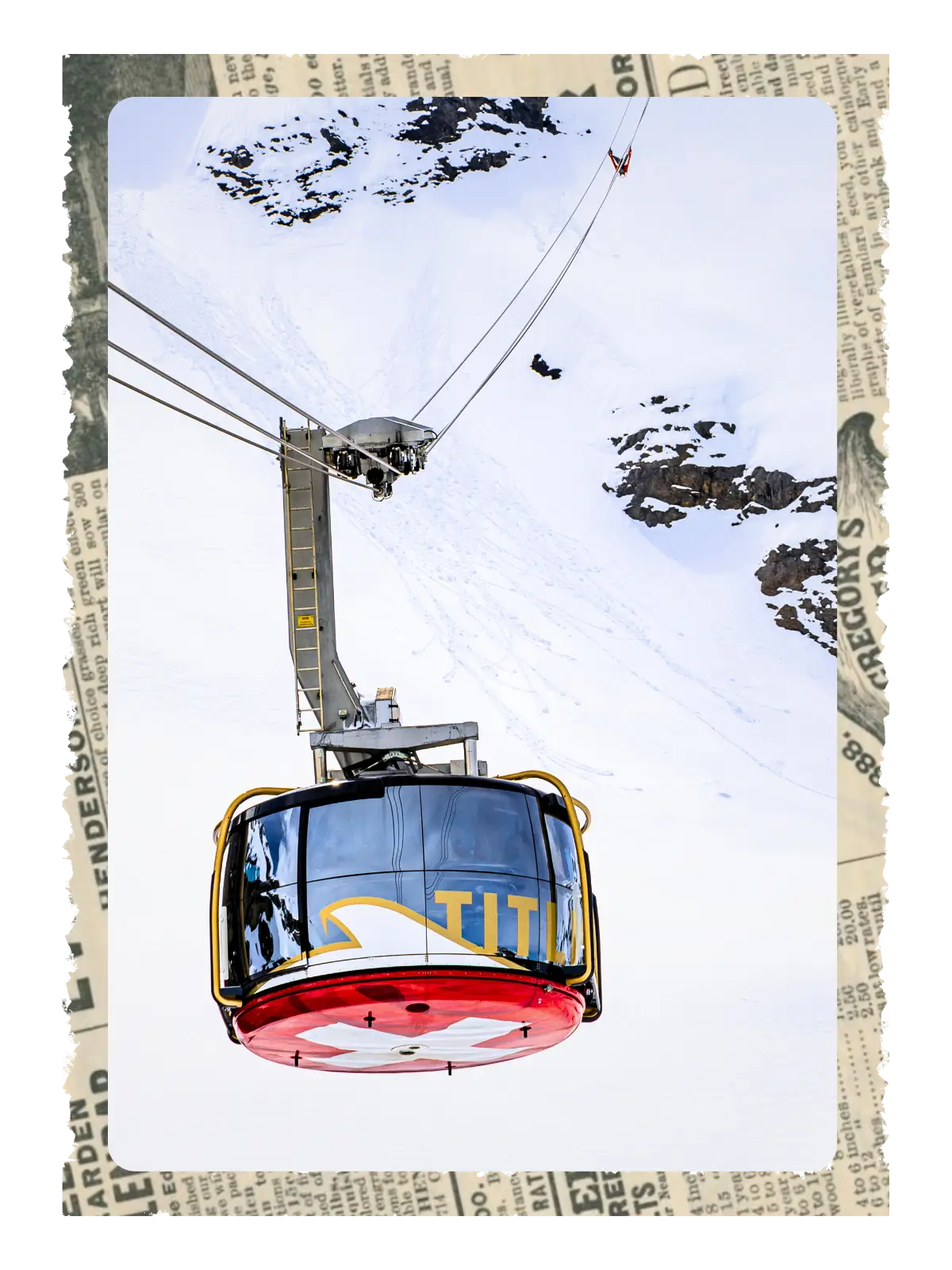
Cable car ascending snowy slopes on Mount Titlis with alpine terrain below.
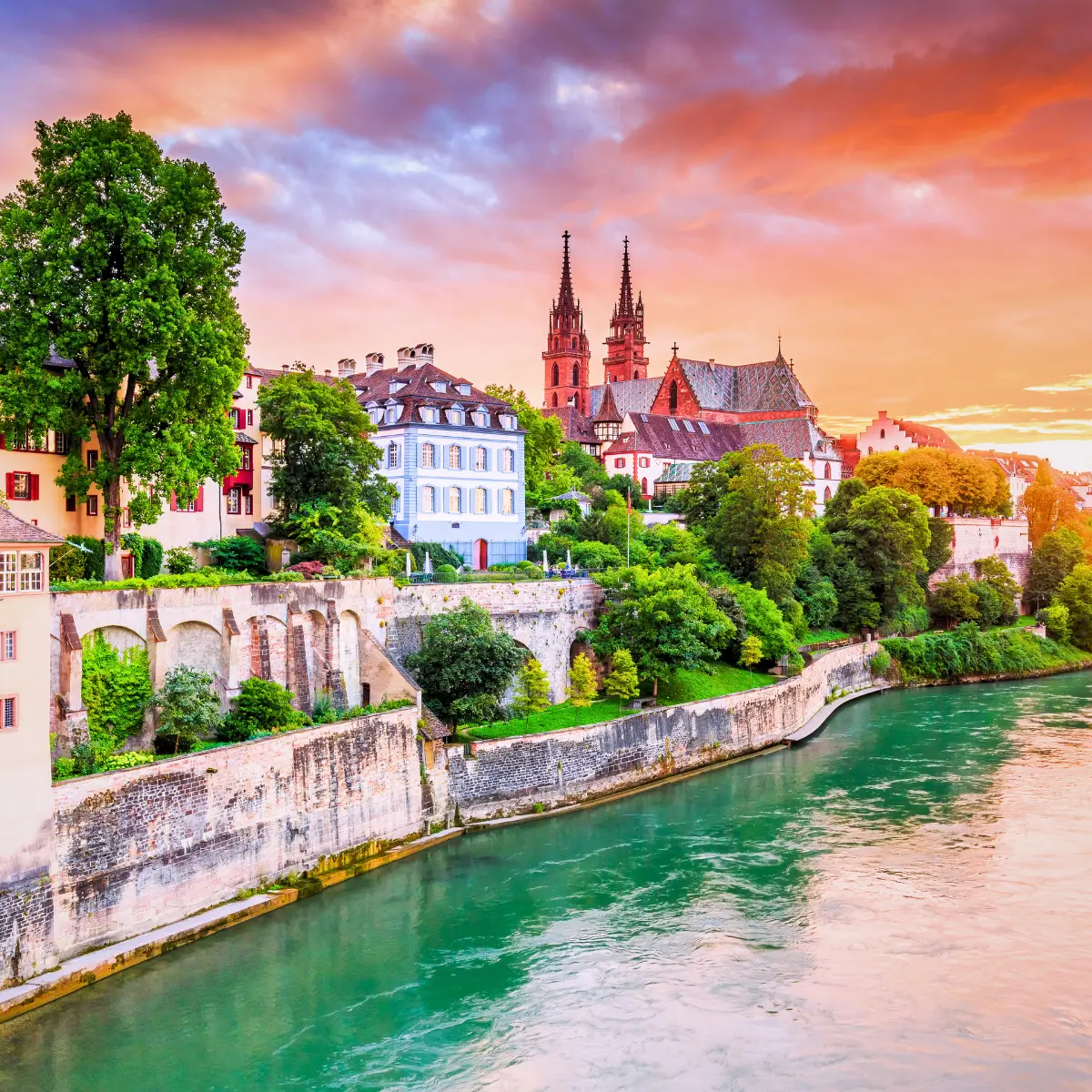
Basel Old Town along the Rhine River with historic buildings and Basel Minster in the background.

Getting Around Switzerland

Long-Distance Trains

Trains are the easiest way to travel across Switzerland. Services run frequently, often every 30 minutes, and connections line up well across the network. 

You can reach most major cities quickly, and delays are uncommon.

Regional Trains and Local Rail

Regional trains link smaller towns and villages not served by main routes. They usually run once per hour and follow the same coordinated timetable system.

This option works well for quieter areas and mountain regions.

City Public Transport

Cities like Zurich, Geneva, and Basel rely on trams, buses, and local trains. 

Services run every few minutes on main routes, and one ticket usually covers all modes within the same zone. You can move around easily without needing a car.

PostBus and Rural Buses

Buses connect places where trains don’t reach, especially in alpine and rural areas. PostBus routes run through valleys, small villages, and hiking regions. Services are less frequent in remote areas, and some routes follow seasonal schedules.

Boats and Lake Transport

Boats operate on major lakes like Lake Geneva and Lake Lucerne. They connect towns along the shoreline and often match train schedules. Travel takes longer than rail, but the routes offer a scenic way to get around.

Mountain Railways and Cable Cars

Mountain transport includes cogwheel trains, funiculars, and cable cars. These take you to high-altitude viewpoints and remote alpine villages. 

Services depend on the weather and season, and fares are higher than standard transport.

Car Rental and Driving

Driving gives you more flexibility in rural areas. Roads are well-maintained, but you’ll need a motorway vignette to use the highways. Parking in cities is limited and expensive, which makes driving less practical there.

Taxis and Ride-Hailing

Taxis are available in cities and at major stations, but fares are high. Ride-hailing apps like Uber operate in Zurich, Geneva, and Basel, while Bolt has more limited coverage. 

They’re most useful for short trips or late at night when public transport runs less often.

Join the
Journey

Sign up for new itineraries, travel notes, and practical guides to help you explore the places I love most.

Portrait of Manu smiling against a neutral background.

I love exploring new places and sharing the travel tips, food finds, and experiences that help you plan your next adventure.

Leave a Comment

Your email address will not be published. Required fields are marked *

Scroll to Top
Ultimate packing checklist travel guide cover with tropical beach background.