Your journey, beautifully planned.

The Best Way to Plan a Comfortable Trip to Austria
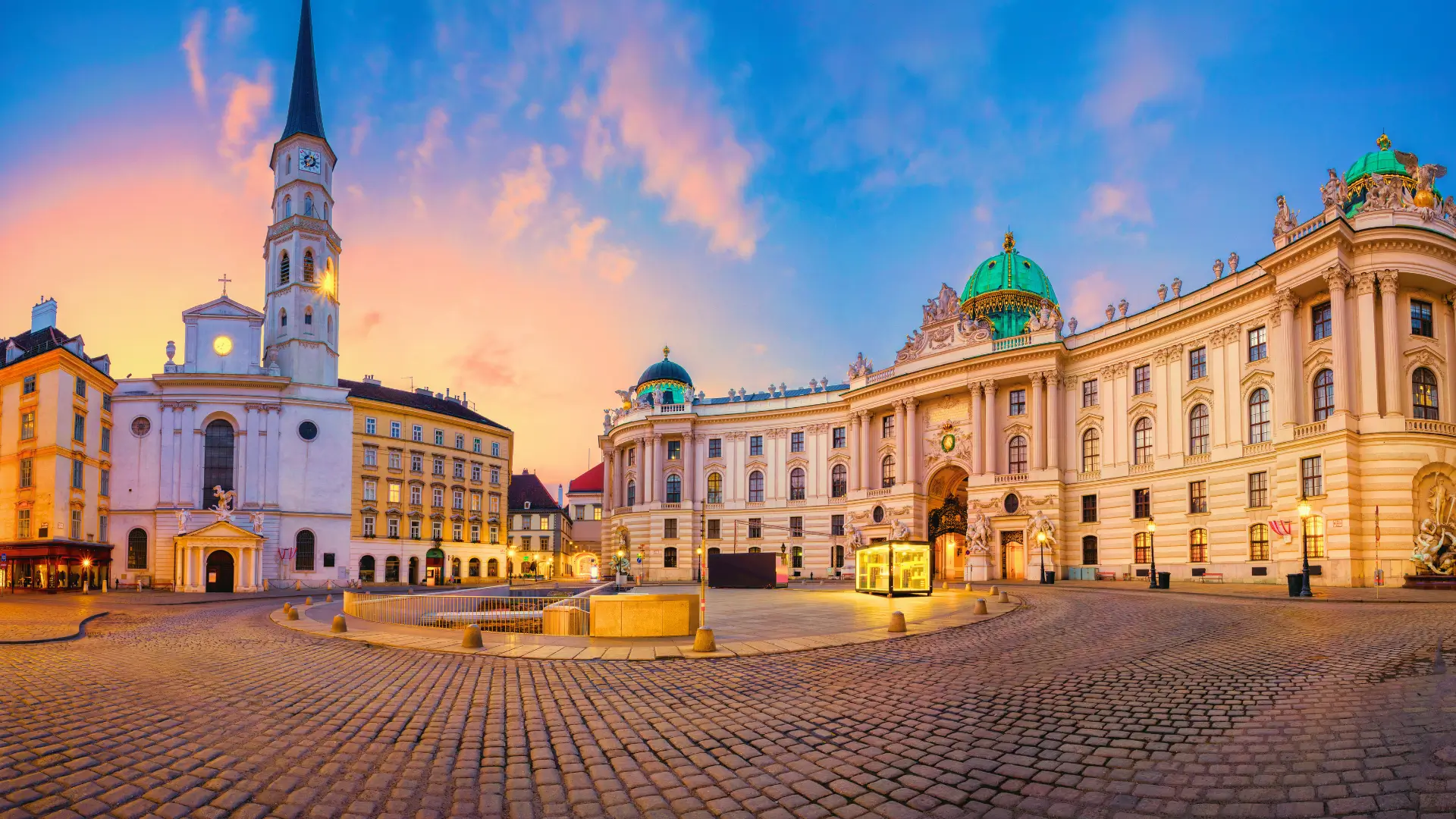
Wide view of Vienna’s Michaelerplatz showing the Hofburg Palace and historic buildings at dusk.
Austria is often known for its mountains, winter sports, and Christmas markets. And while all of that is very much part of the country, but it’s only a small part of what Austria has to offer. You arrive and almost immediately catch yourself exhaling, like your body noticed before your brain did.
Historic streets lead to river paths, mountain views appear just outside town centres, and lakes and valleys are never far away. Music, food, and local traditions feel alive and everyday, not staged for visitors. Cafés are busy, bakeries fill the streets with familiar smells, and walking paths invite slow wandering.
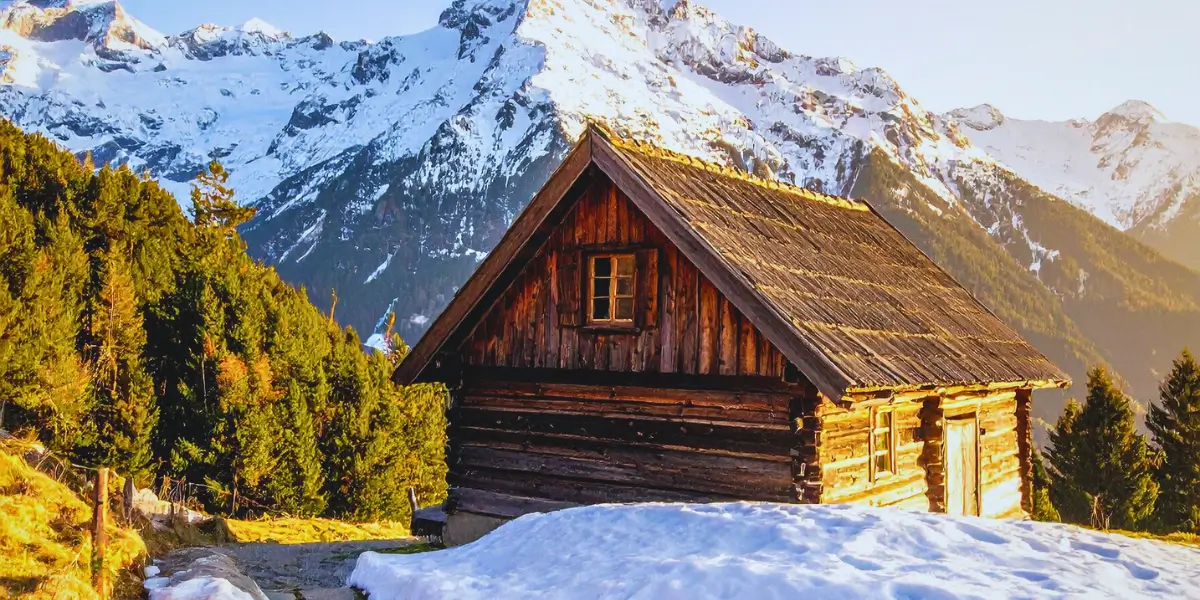
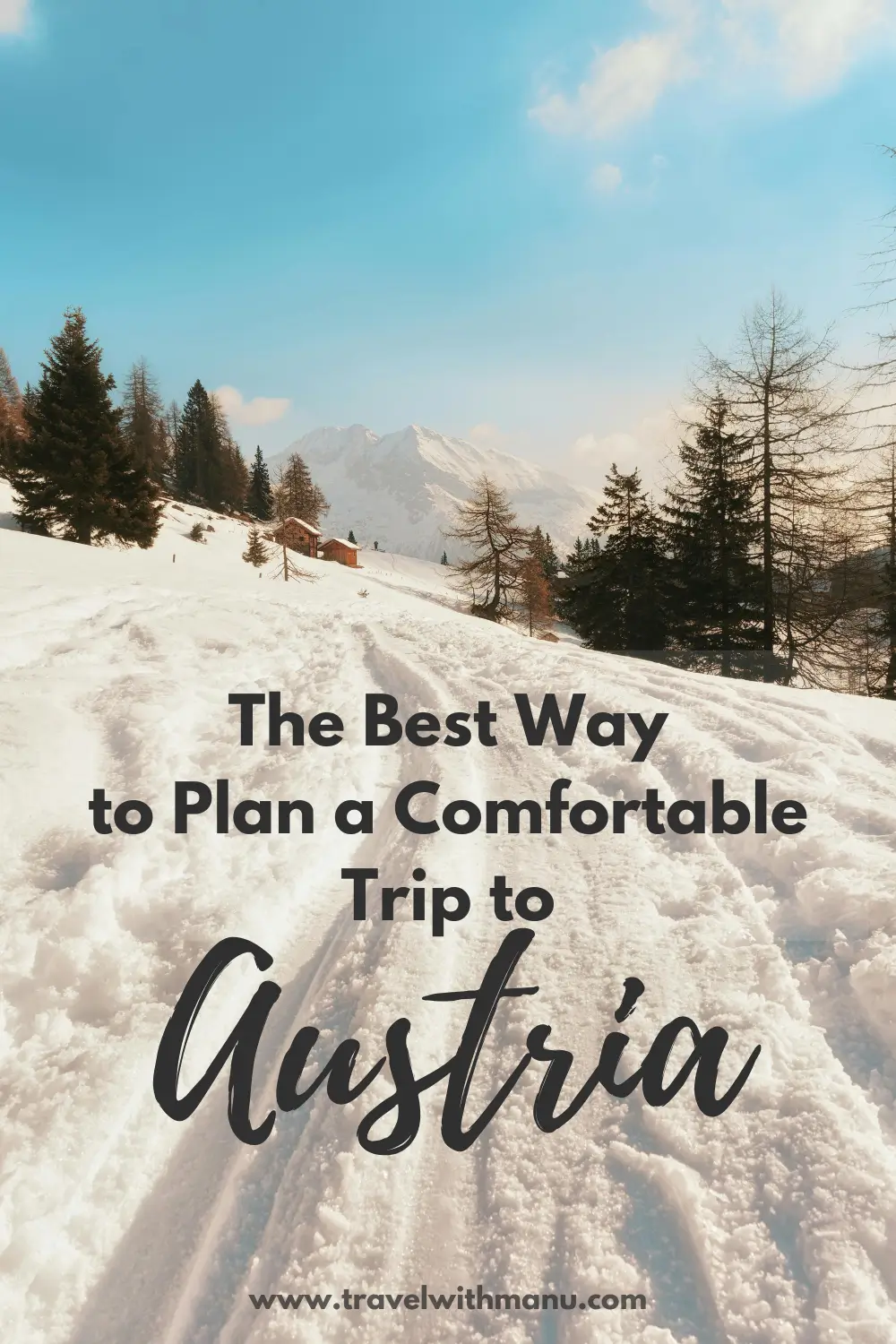
Snowy mountain landscape in Austria with a winter walking path and alpine cabins.
The days start simply. Walking to a bakery and realising everyone else had the same idea. Sitting outside with a coffee, even when it’s not exactly warm, because apparently that’s just what you do here. Streets feel tidy but not stiff. People take their time crossing roads, finishing conversations, living their day. You don’t feel rushed, and no one seems in a hurry to move you along.
Austria makes it easy to settle in, whatever kind of traveller you are. You can follow plans or ignore them completely. Either way, it feels natural. By the end of the day, you’ve walked more than you meant to, eaten well without thinking about it, and spent less time on your phone than usual. And you go to bed already thinking about doing it all again tomorrow.

Why Visit Austria

Austria is easy to like because it doesn’t ask much of you. You don’t need to be a hardcore planner or someone who thrives on packed days. It works just as well if you like slow mornings, long walks, and deciding what to do next over coffee. Things tend to run smoothly, distances feel manageable, and even when you change plans, it rarely feels stressful.

It’s also a place where days naturally balance themselves out. You might spend the morning wandering streets or popping into small shops. Before you realise it, you’re by the water or heading uphill, without having to go far. You move between places without really noticing the transition, which makes the day feel full without feeling busy.
Austria suits travellers who like feeling comfortable somewhere new. If you enjoy order, you’ll appreciate how easy it is to get around. If you prefer wandering, there’s plenty of room for that too. You’re never pressured to rush, see more, or do things a certain way.

Did You Know?

  • Much of Austria’s tap water comes directly from protected alpine springs and is considered some of the cleanest in Europe, especially in cities like Vienna.

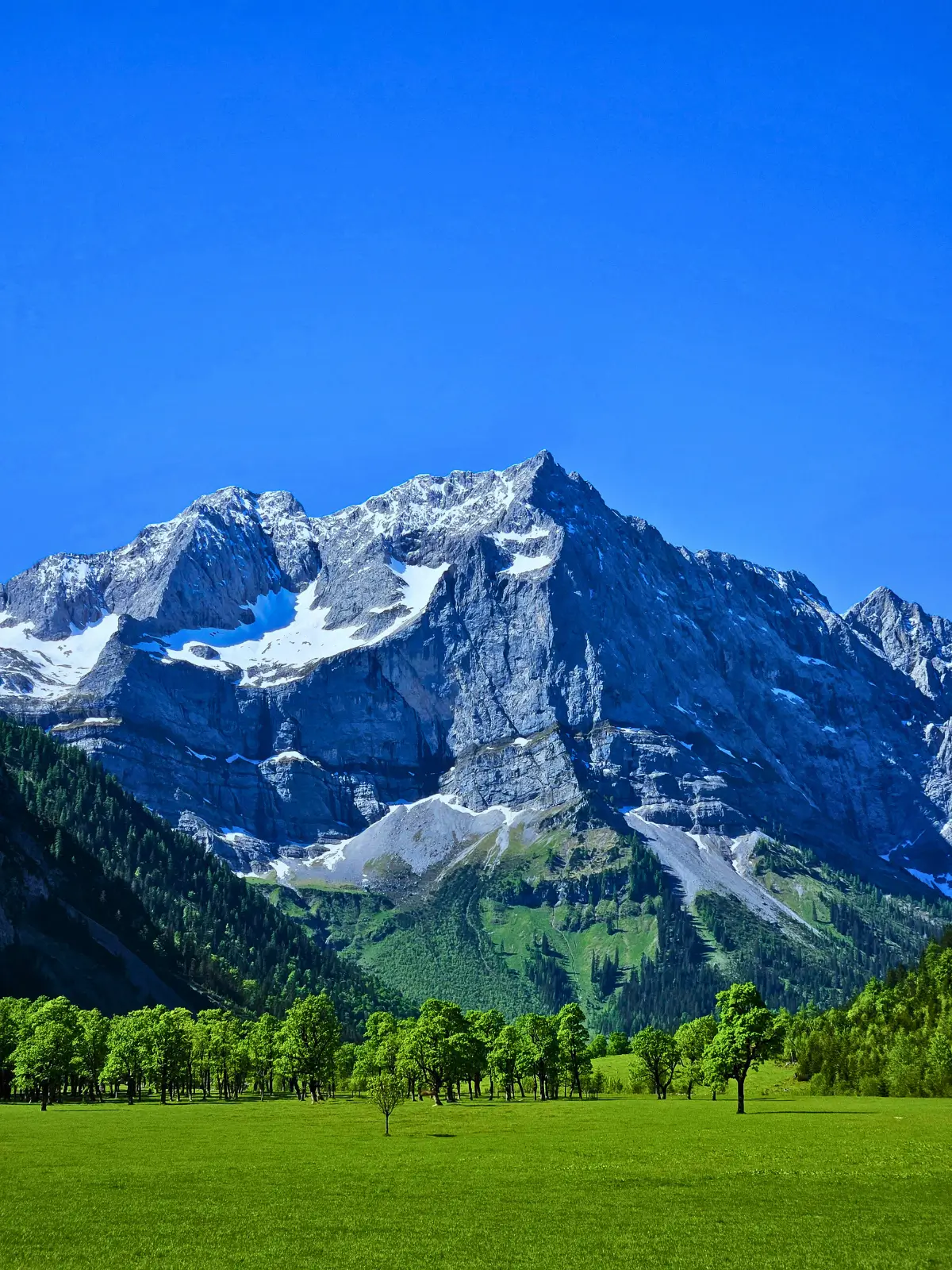
  • Nearly two-thirds of the country is covered by the Alps, influencing weather, landscapes, and daily life far beyond mountain towns.

  • Vienna has one of the largest social housing systems in Europe, helping keep everyday living costs more stable than in many major cities.

  • Austria has over 25,000 kilometres of marked hiking trails, many starting directly from towns and cities.

  • Classical music is part of everyday life, not just something staged for visitors, particularly in Vienna and Salzburg.

  • The country has one of Europe’s densest railway networks, making even small towns easy to reach by train.

I love exploring new places and sharing the travel tips, food finds, and experiences that help you plan your next adventure.

Join the
Journey

Sign up for new itineraries, travel notes, and practical guides to help you explore the places I love most.

Beige washi tape strip with soft torn edges on a transparent background.

What to Pack

Best Time to Visit Austria

Austria is a great destination year-round, but many travellers prefer May to June and September to October. The weather is mild, landscapes are green or golden, and cities like Vienna and Salzburg feel lively without peak crowds.
The warmer stretch from July to August suits alpine hiking, lake swimming, and outdoor festivals, especially in the Tyrol and Salzkammergut regions. This is also the busiest and most expensive period, with popular spots filling up quickly.
Travel between December and March is ideal if skiing or winter scenery is the goal. Snowy mountain villages, Christmas markets, and cosy cafés give Austria a very different charm, though some mountain roads and trails are seasonal.
Warm and Dry Warm and Rainy Mild and Changeable Cold with Snow or Rain

Austria at a Glance

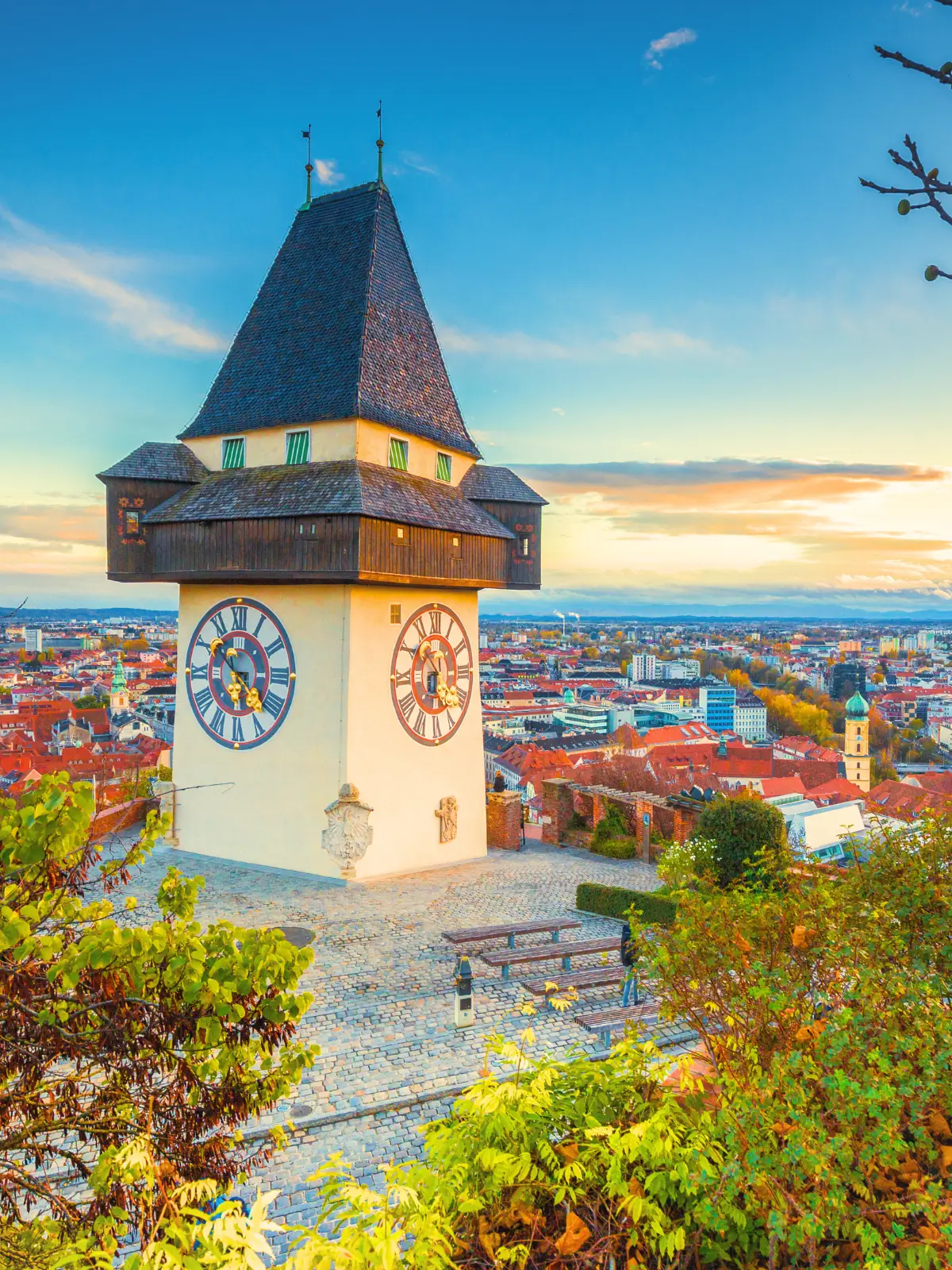
Graz Uhrturm clock tower overlooking the city of Graz.
Language selection icon showing two speech bubbles with letter A and Chinese character.

Language

German is the official language and used everywhere. English is widely spoken, especially in cities, tourist areas, and on public transport, so getting around is generally easy.

Illustration of a money bag with dollar symbol next to stacked coins.

Currency and Costs

Euro (EUR). Approximate exchange rate: 1 GBP ≈ 1.15 EUR (subject to change). Costs depend on location, with Vienna, Salzburg, and alpine resorts usually more expensive than smaller towns.

Mobile payment icon with credit card and phone showing confirmed payment

Payments

Cards are accepted in most hotels, restaurants, and shops. Cash is still common for small cafés, bakeries, local transport, and rural areas.

Hand holding a dollar sign and heart icon representing tipping.

Tipping

Tipping is normal but low-key. Rounding up the bill or leaving around 5–10% in restaurants is standard when service is good.

Shield with checkmark and padlock as safety icon.

Safety

Austria is very safe for travellers. Normal awareness is enough, particularly in busy areas and transport hubs.

Wi-Fi connectivity icon for travel and accommodation.

Connectivity

Mobile coverage is reliable across the country. Free Wi-Fi is easy to find, and local SIM or eSIM options are simple to set up.

A Detailed Austria Itinerary

This itinerary travels steadily from eastern to western Austria, beginning in Vienna and finishing in the Tyrol. Locations are grouped by region to keep travel efficient and avoid unnecessary backtracking.

While this route uses several overnight bases to reduce daily travel, it can easily be adjusted. Travellers who prefer fewer accommodation changes may choose to stay longer in Vienna or Salzburg and visit nearby regions as day trips instead.

Day 1: Arrival in Vienna

Arrival day works best as a gentle introduction. Staying centrally makes it easy to step out, get oriented, and explore nearby streets without relying on transport or fixed plans.

Suggested Stay: Centrally located hotel or apartment near public transport

Base: Vienna

Highlights

  • Streets and squares within the inner districts
  • Short walks around central neighbourhoods
  • First impressions of Vienna’s scale and layout

Day 2: Vienna City Districts

Vienna is well-suited to neighbourhood-based exploration. Keeping the day focused on adjacent districts allows time to move at a steady pace while making use of walking routes and public transport.

Suggested Stay: Centrally located hotel or apartment near public transport

Base: Vienna

Highlights

  • Inner districts around the Ringstrasse
  • Museum quarters and surrounding streets
  • Residential neighbourhoods beyond the historic core

Day 3: Vienna to the Wachau Valley

Travel west along the Danube into the Wachau Valley, with a short journey that leaves time for exploring on arrival.

Suggested Stay: Small hotel or guesthouse in a Danube Valley town

Base: Vienna to Wachau Valley

Highlights

  • Danube river towns between Melk and Krems
  • Hillside vineyards along the valley slopes
  • Compact town centres near the river

Day 4: Wachau Valley

With no long travel planned, the day can be shaped around nearby towns and walking routes. Distances are short, making it easy to move between locations without a fixed schedule.

Suggested Stay: Small hotel or guesthouse in the Wachau Valley

Route: Wachau Valley

Highlights

  • Walking paths between riverside towns
  • Abbey complexes and village centres
  • Views across the Danube and vineyard terraces

Day 5: Wachau Valley to Salzburg

This is the longest overland journey of the itinerary and is best approached as a movement day. Arrival in Salzburg usually allows time for a short walk or early evening exploration.

Suggested Stay: Small hotel or guesthouse within walking distance of Salzburg’s old town

Route: Wachau Valley to Salzburg

  • Changing scenery along the rail route
  • Gradual shift from river valley to alpine foothills
  • Short evening walk through central Salzburg
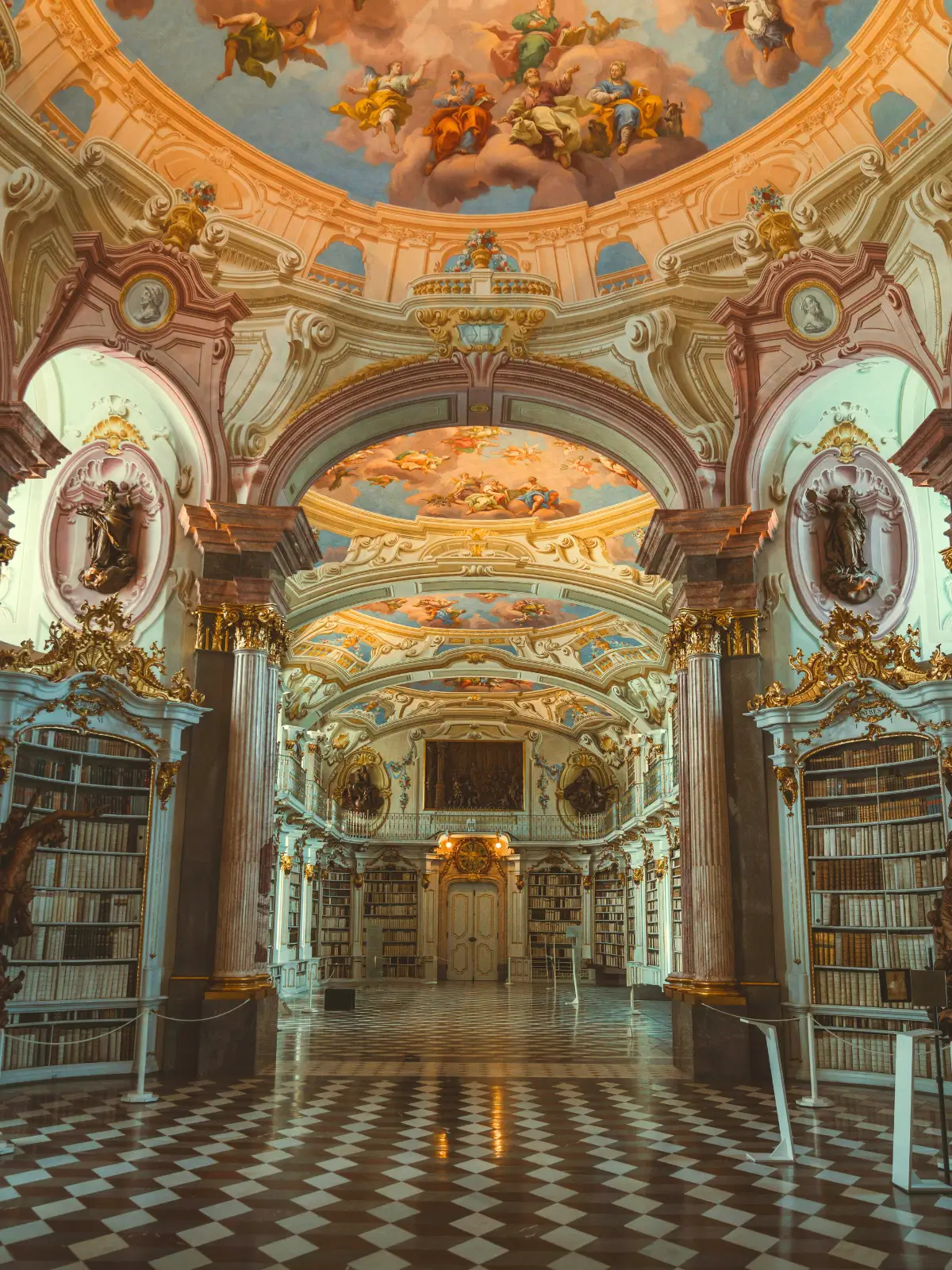
Day 6: Salzburg City

Salzburg’s compact layout makes it easy to explore on foot. The day can be spent moving between the old town, river areas, and surrounding districts without covering large distances.

Suggested Stay: Small hotel or guesthouse within walking distance of Salzburg’s old town

Base: Salzburg

Highlights

  • Baroque old town on both sides of the river
  • Narrow streets and market areas
  • Hillside viewpoints above the city

Day 7: Salzburg to the Salzkammergut Lake District

A short regional journey leads into the lake district. Treating the area as a single base rather than multiple stops keeps travel simple and avoids unnecessary packing and unpacking.

Suggested Stay: Lakeside guesthouse or small regional hotel

Route: Salzburg to Salzkammergut

Highlights

  • Lake towns set against alpine backdrops
  • Clear lakes framed by steep slopes
  • Smaller settlements away from main transport hubs

Day 8: Salzkammergut Exploration

The lake district suits slow exploration. Towns, walking paths, and viewpoints are close together, allowing the day to unfold naturally without covering large distances.

Suggested Stay: Lakeside guesthouse or small regional hotel

Base: Salzkammergut

Highlights

  • Lakeside walking routes
  • Boat connections between towns
  • Village centres shaped by seasonal tourism

Day 9: Salzkammergut to Innsbruck

Travel west into the Tyrol marks a clear shift in landscape. Rail travel keeps the journey efficient, with arrival in Innsbruck usually allowing time to settle in before the evening.

Suggested Stay: Centrally located hotel or alpine-style guesthouse

Route: Salzkammergut to Innsbruck

Highlights

  • Alpine rail corridors through mountain valleys
  • Gradual narrowing of landscapes towards the Tyrol
  • First views of Innsbruck’s mountain setting

Day 10: Innsbruck and Surroundings

Innsbruck works well as a compact base with easy access to surrounding valleys and viewpoints. The day can be adjusted depending on weather, using cable cars, local transport, or walking routes.

Suggested Stay: Centrally located hotel or alpine-style guesthouse

Base: Innsbruck

Highlights

  • Compact city framed by steep mountain walls
  • Easy access to surrounding valleys
  • Elevated viewpoints above the town

Day 11: Departure or Onward Travel

Departure from Innsbruck concludes the route. Connections by rail or air make it easy to continue into neighbouring countries or return to major hubs.

Route: Innsbruck to onward destination

Highlights

  • Rail connections into neighbouring regions
  • Efficient onward travel routes

Things to Know Before Going to Austria

1. Bread Is a Big Deal

Bread is not just a side here. Bakeries are everywhere, and people take them seriously. You will see long lines early in the morning, especially on weekends. If something is sold out, that’s it for the day. Go early if you care about choice.

2. Grocery Bags Cost Extra

Shops usually do not give out free bags. You either pay for one or bring your own. Most locals carry reusable bags or backpacks, so doing the same helps you blend in and avoid the awkward pause at checkout.

3. Bottles Often Have a Deposit

Many plastic bottles and cans come with a small deposit included in the price. You get it back when you return them to machines in supermarkets. If you throw them away, you lose that money. It is normal and easy once you know.

4. Mountains Affect the Weather More Than You Expect

Weather can change quickly, especially near lakes or higher ground. A sunny morning can turn cool fast. Locals carry light jackets or layers even when it looks unnecessary. It is less about fashion and more about being prepared.

5. Water at Restaurants Is Usually Bottled

Tap water is safe, but restaurants usually serve bottled water unless you ask. If you want tap water, you need to say so. Otherwise, bottled water will be added to your bill without much explanation.

6. Public Holidays Feel Very Quiet

Public holidays are taken seriously. Shops close, streets empty out, and the pace slows noticeably. Museums and attractions may still be open, but everyday errands are not happening. Checking the calendar helps avoid confusion.

7. Seating Is Often Shared

In traditional cafés or busy places, sharing a table with strangers is normal. It is not considered awkward. A quick greeting is enough, and then everyone minds their own business.
Beige washi tape strip with soft torn edges on a transparent background.

How to Get There

Main Airports

Most travellers arrive via Vienna, which is well connected and convenient for exploring much of the country or continuing onward by rail. Salzburg is another popular entry point for western routes or time in smaller towns, while Innsbruck suits alpine-focused trips, though flight options are more limited.
Choosing an airport that aligns with your route helps reduce backtracking and keeps travel days straightforward.

Arriving by Land

Austria is easy to reach by train or car from neighbouring countries. Border crossings are usually smooth and low-key. Sometimes the only sign you’ve arrived is a change in scenery or station names. It’s a comfortable way to enter the country, especially if you’re already travelling through Europe.

Entry Requirements

Austria is part of the Schengen Area, and many travellers can enter visa-free for short stays, depending on nationality. Length of stay limits and entry conditions vary, so checking requirements before travel is recommended. Passports should be valid for the duration of the stay.

Entry checks follow standard Schengen procedures and are generally straightforward, particularly for arrivals from within Europe.

What to Expect

Shops Close on Sundays

Most shops close on Sundays, including supermarkets. This often surprises visitors who are used to shopping any day of the week. Some grocery stores in major train stations or airports may open with limited hours. Restaurants, cafés, and bakeries usually remain open.

Toilets Are Often Not Free

Public toilets often charge a small fee, including those in train stations and busy areas. Payment is usually in coins, and some facilities provide a voucher that can be used nearby. This is standard practice rather than an exception.

Water at Restaurants Is Usually Bottled

Tap water in Austria is safe to drink and of high quality. In restaurants, bottled water is often served by default unless tap water is specifically requested. If you prefer tap water, it helps to ask when ordering.

Restaurants Expect You to Sit and Stay
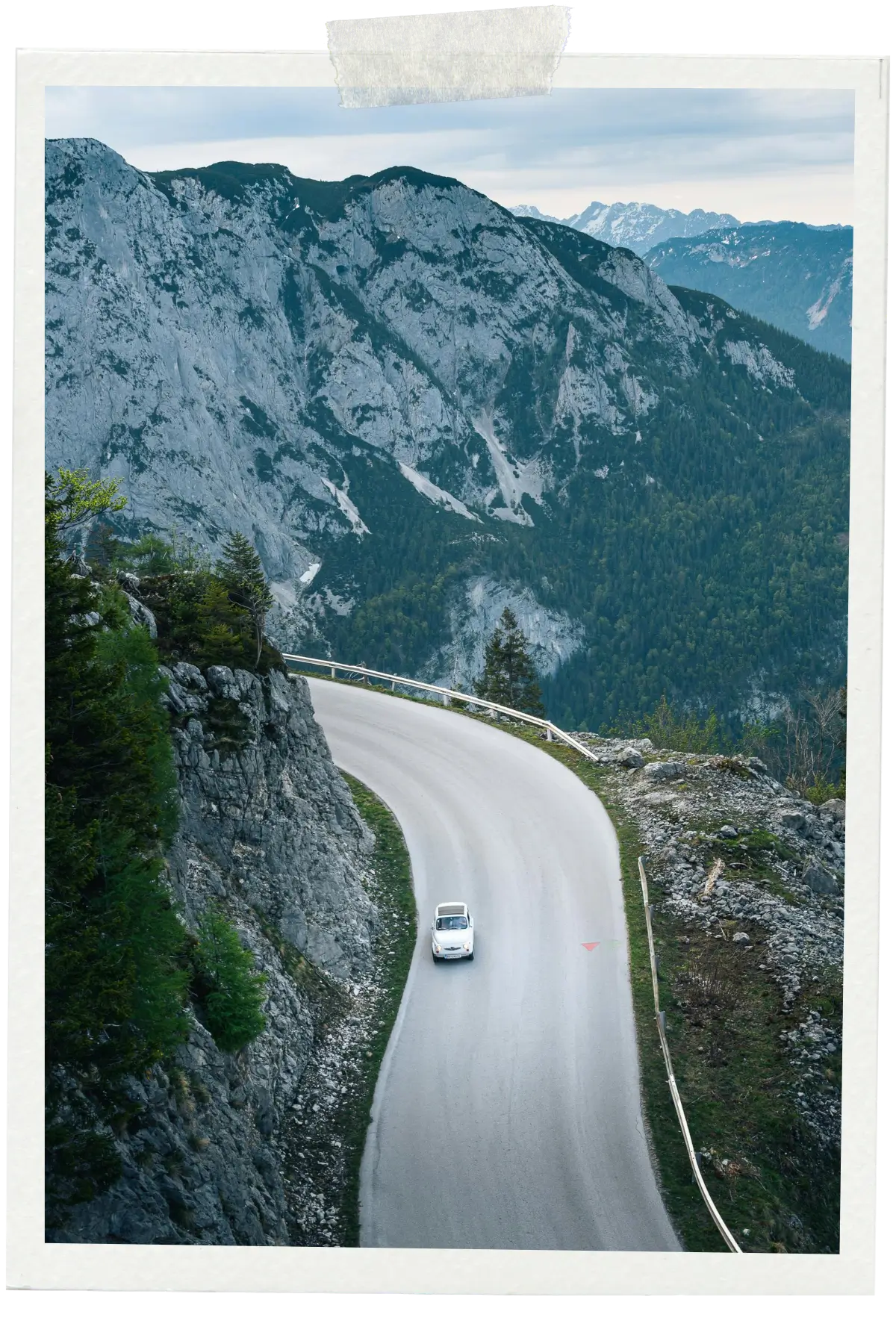
Table service is standard, and staff won’t rush you out. At the same time, they also won’t hover. If you want the bill, you usually have to ask. Sitting for a while after eating is normal, even during busy hours.
Winding mountain road cutting through the Austrian Alps.

Getting Around in Austria

Trains and Public Transport

Trains are often the easiest way to move between places. Stations are clear, routes make sense, and services run regularly. Inside cities, trams, buses, and metros are part of daily life. You step on, step off, and get where you’re going without much thought.

Travelling Between Cities and Towns

Moving between cities and smaller towns feels straightforward. Journeys are short enough to fit into a normal day, and even quieter places tend to be well-connected. Travel doesn’t usually take over the day.

Driving

Driving works, but it isn’t always necessary. Roads are well-maintained, and signage is clear. Trains often feel like the easier option, especially in cities or when moving between regions.

Walking

Walking comes naturally here. Cities and towns are easy to explore on foot, and most days include more walking than planned.
Beige washi tape strip with soft torn edges on a transparent background.

What to Pack

Join the
Journey

Sign up for new itineraries, travel notes, and practical guides to help you explore the places I love most.

Portrait of Manu smiling against a neutral background.

I love exploring new places and sharing the travel tips, food finds, and experiences that help you plan your next adventure.

Leave a Comment

Your email address will not be published. Required fields are marked *

Scroll to Top
Ultimate packing checklist travel guide cover with tropical beach background.