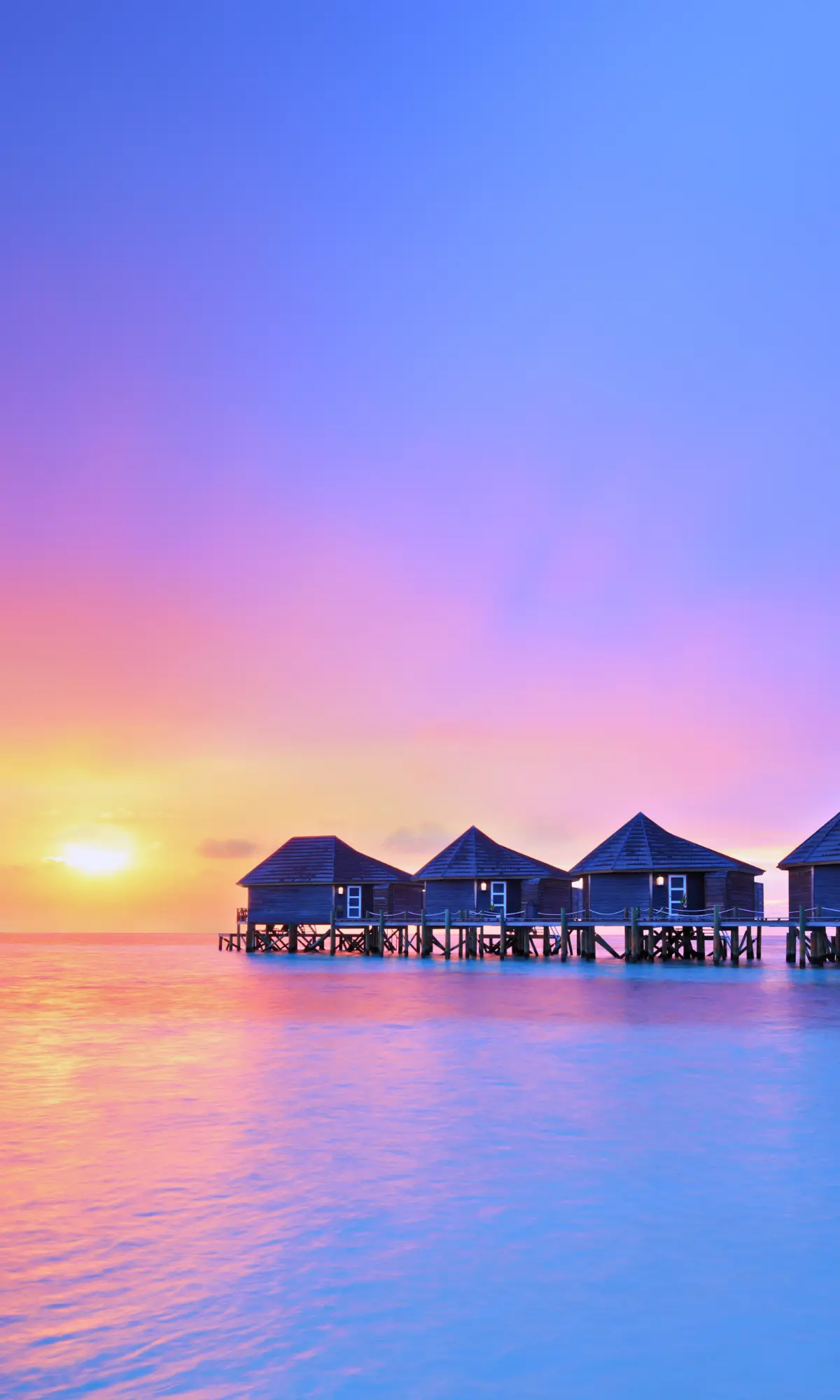
Your journey, beautifully planned.

An Overview of Island Travel in the Maldives

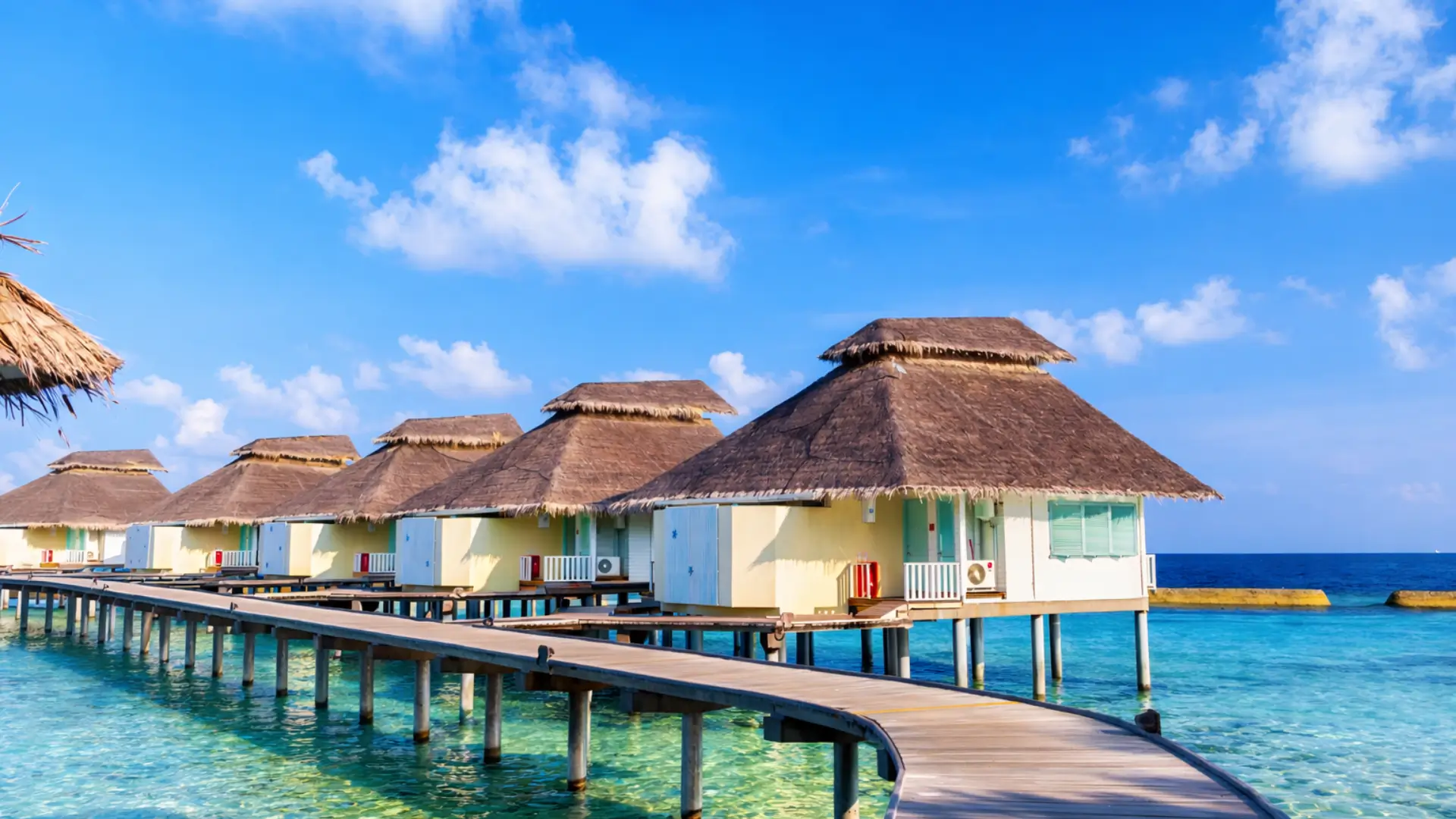
Overwater bungalows on wooden stilts connected by a curved boardwalk in Maldives.

Maldives is best known for water that’s clear enough to see your feet even when you’re far from shore. Islands are small, close to the sea, and surrounded by lagoons that stay warm most of the year. That’s why so much of life here happens outdoors, guided by the tide, the light, and whatever the day brings.

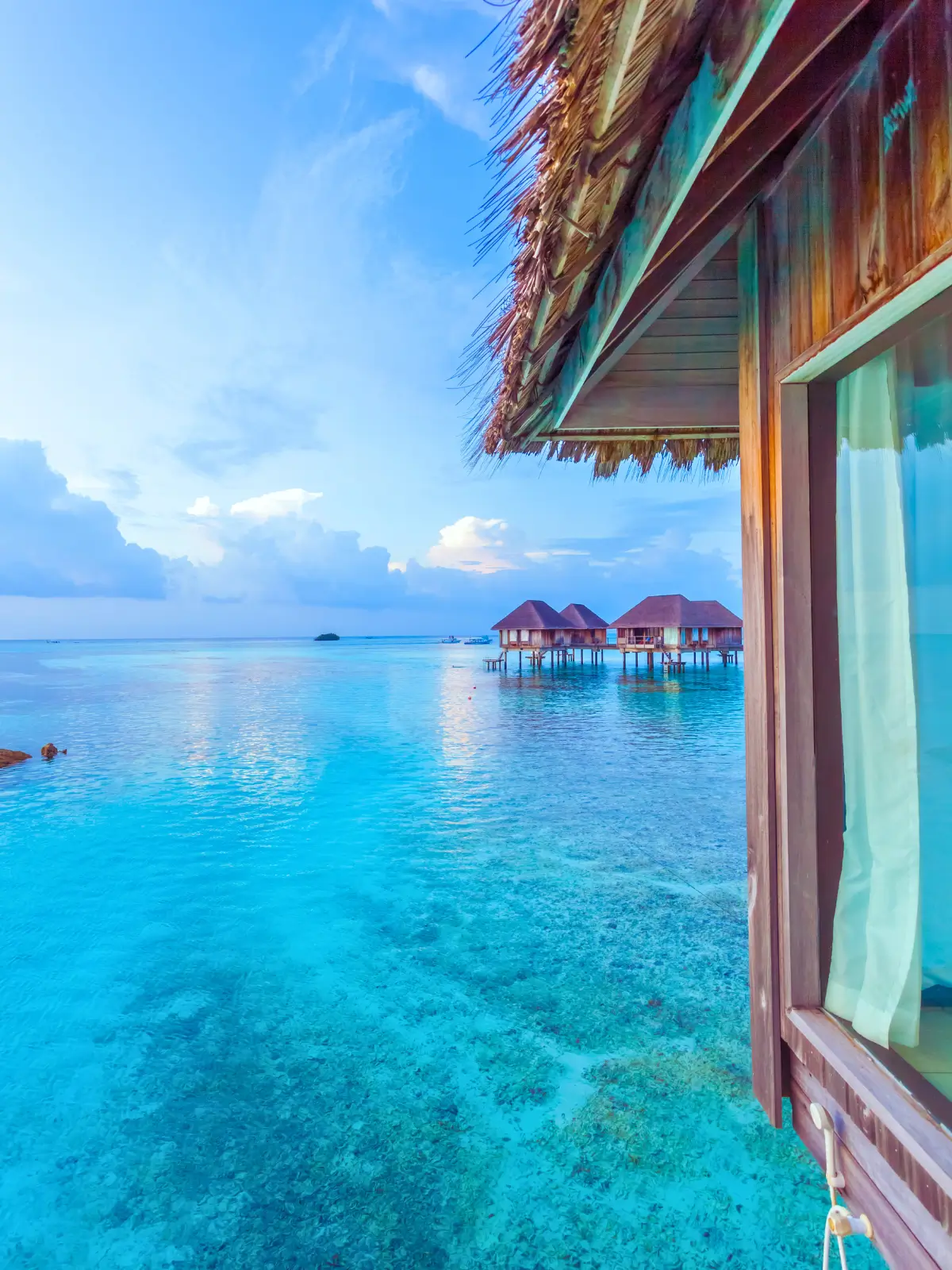
It’s also famous for the overwater villas people instantly picture. Wooden decks sit right above the lagoon, with steps leading straight into the sea and breakfasts arriving by boat. Swimming happens before coffee. Snorkelling drifts into slow time in the water, with manta rays passing through as if they belong there. Boats move quietly in the background, and the sea never really leaves the frame.

After a while, the days stop feeling separate. Mornings slip into afternoons, afternoons into evenings, all framed by the same stretch of water and soft light. People stay in the sea longer than planned, sit outside later than expected, and slowly stop checking the time. It’s easy to lose track of how long you’ve been there.
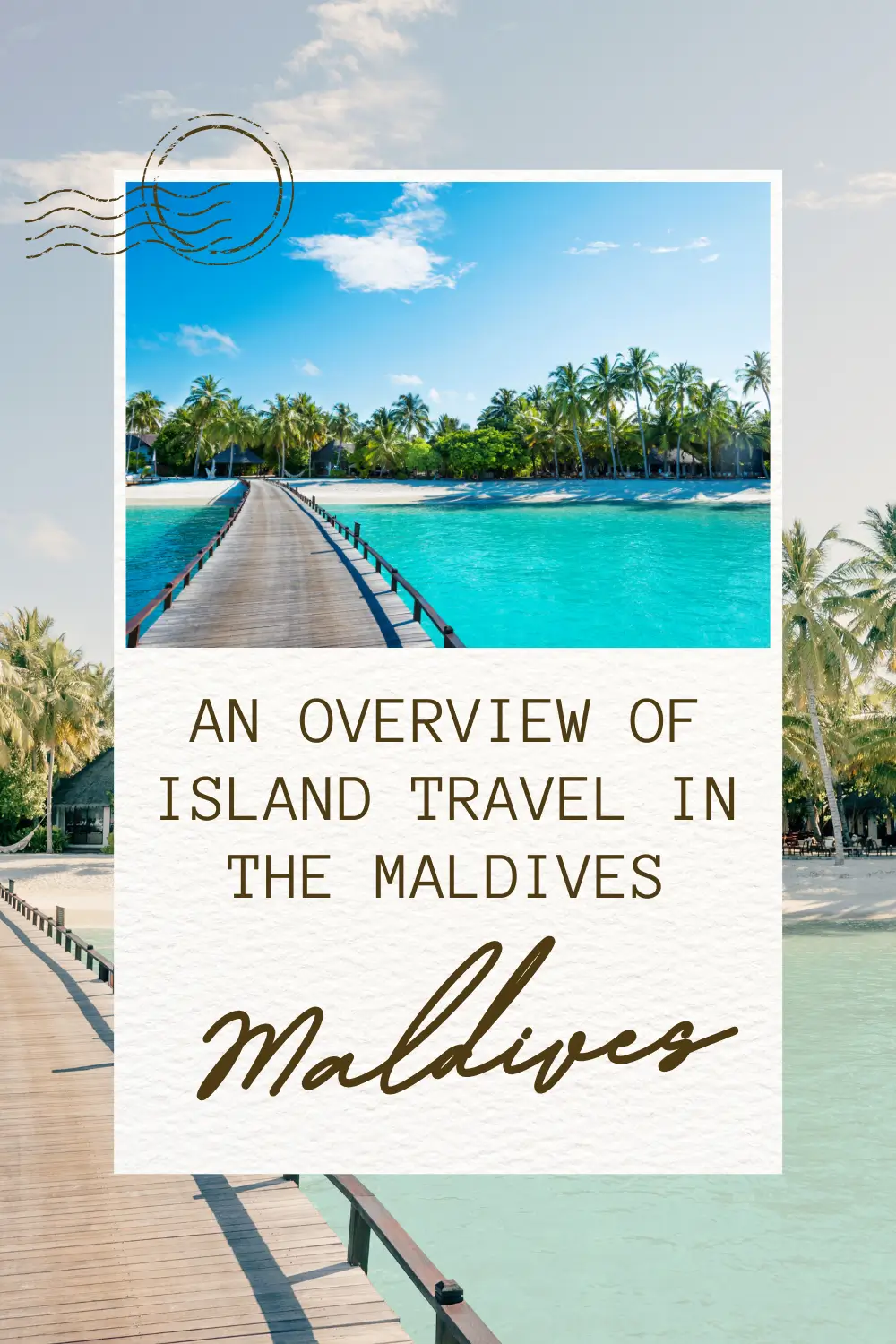
A wooden jetty leading over clear turquoise water to a tropical island with palm trees in the Maldives.

Did You Know?

  • The Maldives is one of the lowest-lying countries in the world, with most islands sitting just over a metre above sea level.

  • It’s made up of nearly 1,200 islands, but only around 200 are actually inhabited. Many islands are home to just one resort.

  • Overwater villas weren’t originally a Maldivian idea, but the Maldives made them famous and turned them into a global luxury standard.

  • Manta rays are commonly spotted around the islands, especially in certain seasons, and some lagoons act like natural feeding grounds for them.

  • The capital city, Malé, is one of the most densely populated cities in the world, despite being on a very small island.

  • There are no rivers or mountains in the Maldives. Fresh water comes mainly from rain and desalination.

I love exploring new places and sharing the travel tips, food finds, and experiences that help you plan your next adventure.

Join the
Journey

Sign up for new itineraries, travel notes, and practical guides to help you explore the places I love most.

Beige washi tape strip with soft torn edges on a transparent background.

What to Pack

Best Time to Visit Maldives

The Maldives stays warm all year, so timing comes down to weather, sea conditions, and budget. Different seasons bring slightly different experiences, but none of them change the core appeal of clear water and island life.

December to April is the driest and sunniest period, with calmer seas and excellent visibility for snorkelling and diving. It’s also peak season, so resorts are busier and prices are higher, especially around holidays.

May to November sees more rain and wind, though showers are usually short. This is when prices drop, crowds thin out, and manta rays and whale sharks are more commonly spotted in some areas. For many travellers, late April, May, or November offer a good balance of weather and value.

Drier Season Transitional Months Wetter Season

Maldives at a Glance

Language selection icon showing two speech bubbles with letter A and Chinese character.

Language

People speak Dhivehi nationwide. Resorts, hotels, and tourist areas use English widely, and many locals on inhabited islands understand it well.

Illustration of a money bag with dollar symbol next to stacked coins.

Currency and Costs

The local currency is the Maldivian Rufiyaa (MVR), roughly 1 USD ≈ 15–16 MVR. Resorts and tourist businesses commonly accept US dollars.

Mobile payment icon with credit card and phone showing confirmed payment

Payments

Resorts and hotels accept cards, while cash is more common on local islands for small shops, cafés, and ferries. ATMs are mainly in Malé and larger islands.

Hand holding a dollar sign and heart icon representing tipping.

Tipping

You don’t need to tip, but staff appreciate it. Many resorts already include service charges, though guests often tip extra for good service.

Shield with checkmark and padlock as safety icon.

Safety

Travellers generally consider the Maldives very safe. Serious crime is rare, particularly in resort areas, though basic awareness is still useful.

Wi-Fi connectivity icon for travel and accommodation.

Connectivity

Mobile networks cover most inhabited islands and resorts. Wi-Fi is common in hotels and guesthouses, and SIMs or eSIMs are easy to buy.
A Detailed Maldives Itinerary

This itinerary reflects how travellers typically experience Maldives, with minimal transfers and longer stays in one place. The route begins in the Malé area before moving to a single outer atoll base, allowing for an easy flow without unnecessary travel.

Movement relies on flights and boat or seaplane transfers, with travel days clearly separated from time spent on the islands.

Day 1: Arrival in Maldives and Transfer to Malé Area

Arrive at Velana International Airport and transfer to accommodation in the Malé or Hulhumalé area. Keep the day light and focused on settling in after international travel.

Suggested Stay: Hotel or guesthouse near Malé or Hulhumalé

Base: Malé area

Highlights

  • Arrival and airport transfer
  • Short waterfront walks
  • Rest and orientation

Day 2: Malé and Hulhumalé

Spend the day exploring the Malé area at a manageable pace. Focus on nearby streets and coastal areas to gain context before travelling onward.

Suggested Stay: Same accommodation in the Malé area

Base: Malé area

Highlights

  • Central Malé neighbourhoods
  • Local markets and cafés
  • Hulhumalé beachfront

Day 3: Malé Area to Outer Atoll (Transfer Day)

Travel from the Malé area to the chosen outer atoll by speedboat, seaplane, or domestic flight. Treat this as a transfer-focused day with limited plans after arrival.

Suggested Stay: Resort or guesthouse on an outer atoll island

Route: Malé area → Outer atoll

Highlights

  • Inter-island transfer
  • Arrival and island orientation
  • Lagoon or beach time near accommodation

Days 4–5: Outer Atoll Island Stay

Remain based on the same island to allow time to settle. Days centre on the surrounding lagoon and reef, with activities shaped by sea conditions rather than strict schedules.

Suggested Stay: Hotel or traditional accommodation in central Kyoto

Base: Outer atoll island

Highlights

  • Swimming and snorkelling
  • Boat-based excursions
  • Time spent on the island

Day 6: Outer Atoll to Malé Area

Return to the Malé area using the same transfer method. Keep plans light and guided by arrival timing.

Suggested Stay: Hotel or guesthouse near Malé or Hulhumalé

Route: Outer atoll → Malé area

Highlights

  • Return transfer
  • Final evening near the capital

Day 7: Departure from Maldives

Transfer to Velana International Airport for departure. Movement should stay close to accommodation if time is limited.

Route: Accommodation → Airport

Things to Know Before Visiting Maldives

1. Dress Modestly on Local Islands

Resorts are relaxed, but local islands follow Islamic customs. Cover shoulders and knees when walking around towns. Swimwear is fine only at resorts, on boats, or designated bikini beaches.

2. Alcohol Is Only Available at Resorts

You won’t find alcohol on local islands. Resorts and liveaboard boats have licenses, but bringing alcohol into the country or onto local islands is not allowed.

3. Public Displays of Affection Should Be Minimal

Holding hands is generally fine, but kissing or intimate behaviour in public spaces on local islands may be considered inappropriate.

4. Friday Is a Slower Day

Friday is the main prayer day. Some shops, ferries, and services may run on reduced schedules, especially on local islands and outside resort areas.

5. Plan Transport Carefully

Inter-island travel depends on ferries, speedboats, or seaplanes, and schedules can change due to weather. Always double-check transfer times, especially if you’re moving between islands.

5. Respect Marine Life

Touching coral, chasing manta rays, or stepping on reefs damages the ecosystem. Keep a respectful distance and follow local guidelines when snorkelling or diving.
Beige washi tape strip with soft torn edges on a transparent background.

How to Get There

International Flights

Most travellers fly into Velana International Airport (MLE), the main gateway to Maldives.

Airlines offer direct and one-stop flights from Europe, the Middle East, and Asia. Common connections include Dubai, Doha, Istanbul, and Singapore.

Entry Airports and Main Gateways

Velana International Airport handles nearly all international arrivals. From here, travellers continue straight to their resort or local island. Immigration is simple, and accommodation providers usually arrange transfers ahead of time.

Transfers to Resorts and Local Islands

Resorts close to Malé use speedboats. Distant islands require seaplanes or domestic flights with boat transfers. Travel times range from about 15 minutes to over an hour. Weather can affect schedules.

Entry and Visa Requirements

Many nationalities receive a free visa on arrival for short stays. Passports must meet entry requirements. Always check visa rules before travelling, especially for longer visits.

Most travellers need proof of onward or return travel and a confirmed accommodation booking on arrival. Entry rules can change, so it’s best to review current requirements close to departure, especially if travelling with children or planning to stay longer than a standard visit.

What to Expect

One-Island Living

Most stays focus on a single island, so once you arrive, you tend to stay put. There’s less moving around and more settling into one place. Days feel contained and easy.

Limited Nightlife, Early Evenings

Evenings are generally quiet, including at resorts. Dinner usually becomes the highlight, followed by a drink or time by the water. Local islands wind down even earlier.

Meals and Activities Feel Scheduled

Many resorts follow set meal times and organised activities. This makes planning simple, but it leaves less room for last-minute changes. It feels more structured than city travel.

Weather Shapes the Day

Boat trips and water activities depend heavily on sea conditions. Plans may shift, especially during wetter months, so flexibility helps.

Higher Costs Outside the Room Rate

Accommodation often covers a lot, but extras add up. Excursions, transfers, and speciality dining usually cost more. It helps to plan a separate budget.
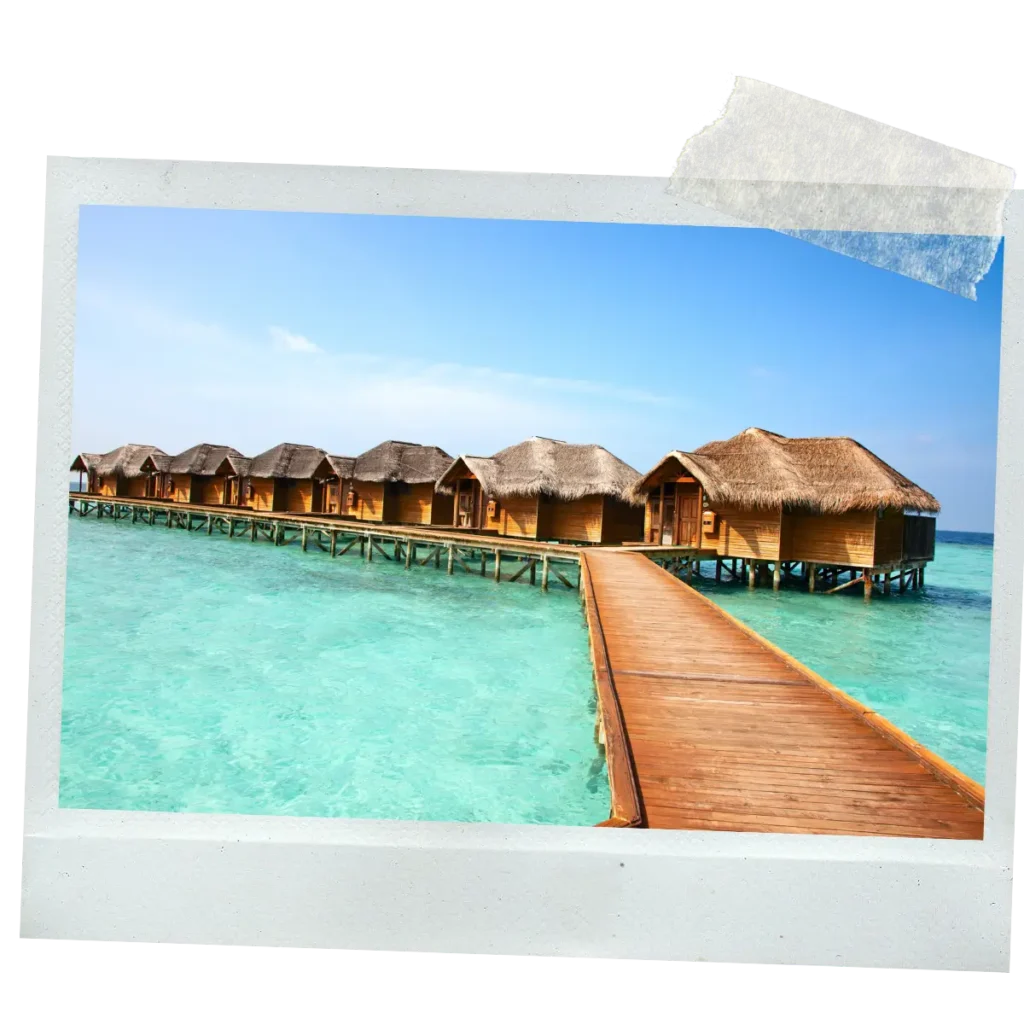
Overwater villas connected by a wooden boardwalk in Maldives.
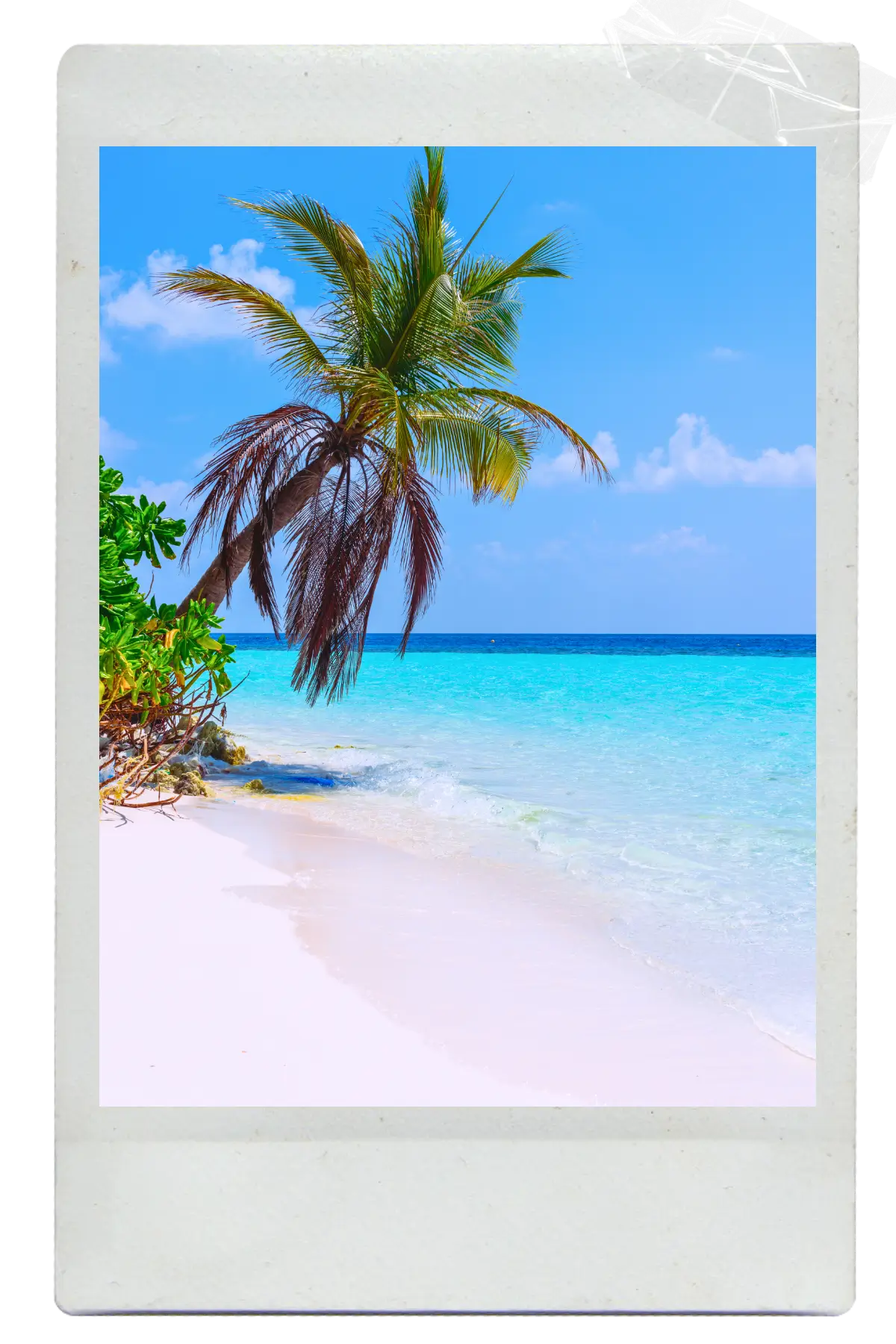
Palm tree leaning over a white sand beach with calm turquoise water in the Maldives.

Getting Around Maldives

Speedboats

Speedboats are the most common way to reach nearby resorts and local islands from Malé. They’re fast, relatively straightforward, and usually arranged by your accommodation. Travel times range from around 15 minutes to just over an hour, depending on distance.

Seaplanes

Seaplanes connect Malé with more remote resorts and atolls. They offer scenic views but run only during daylight hours and can be affected by weather. Transfers are often bundled into resort bookings and follow fixed schedules rather than on-demand travel.

Domestic Flights

For longer distances, domestic flights operate between Malé and regional airports. These are often paired with short boat transfers to reach the final island. This option suits trips to the far northern or southern atolls.

Public Ferries

Public ferries link Malé with inhabited local islands. They’re affordable but slow and run on limited schedules. Ferries don’t operate every day, and timings may change, so planning ahead is important.

Private Boats and Transfers

Some guesthouses and resorts arrange private boat transfers, especially where public ferries don’t align with arrival times. These cost more but offer flexibility and shorter travel times.
Beige washi tape strip with soft torn edges on a transparent background.

What to Pack

Join the
Journey

Sign up for new itineraries, travel notes, and practical guides to help you explore the places I love most.

Portrait of Manu smiling against a neutral background.

I love exploring new places and sharing the travel tips, food finds, and experiences that help you plan your next adventure.

Leave a Comment

Your email address will not be published. Required fields are marked *

Scroll to Top
Ultimate packing checklist travel guide cover with tropical beach background.