Your journey, beautifully planned.

How to Plan a Smooth Trip Around Singapore

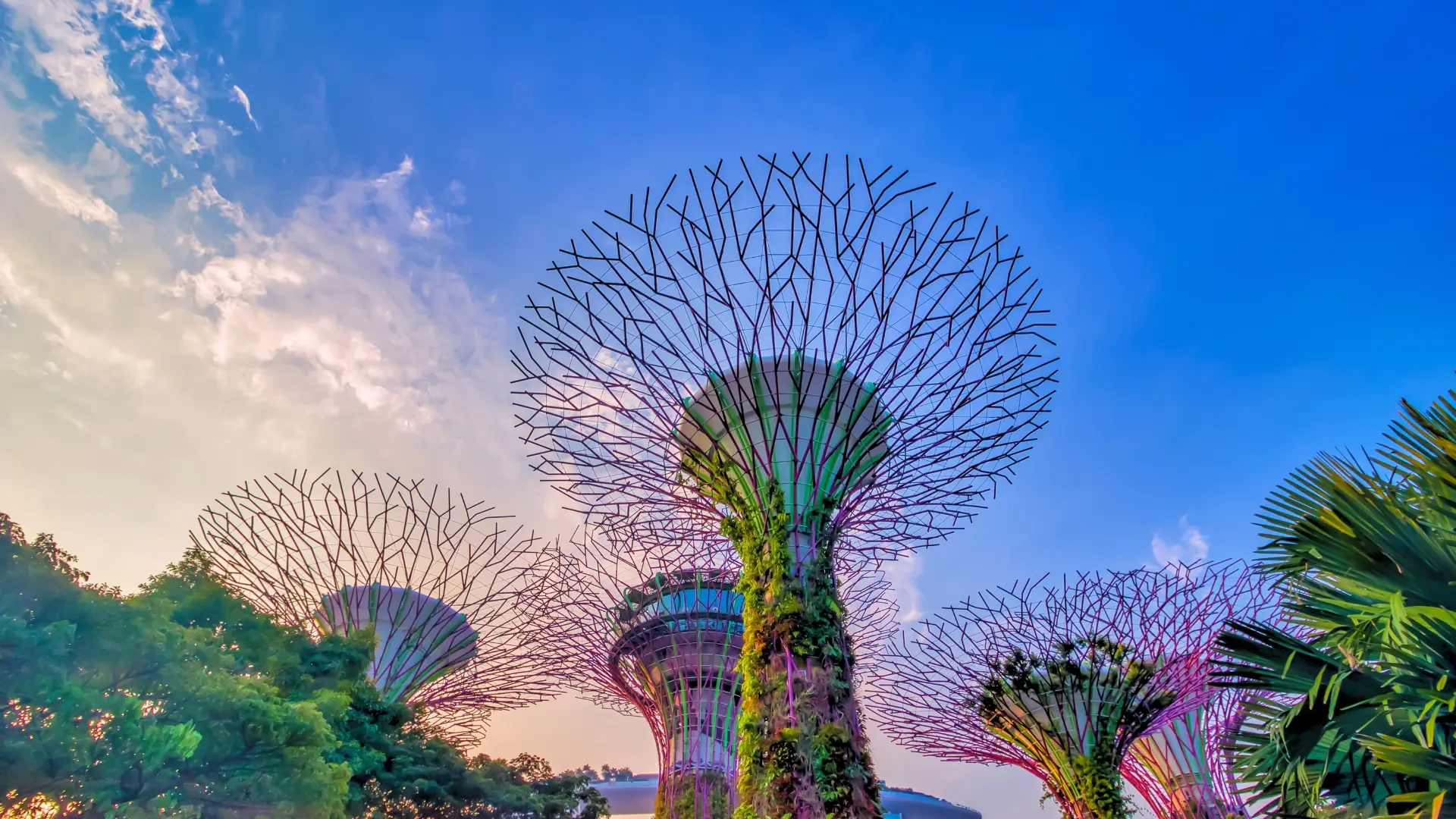
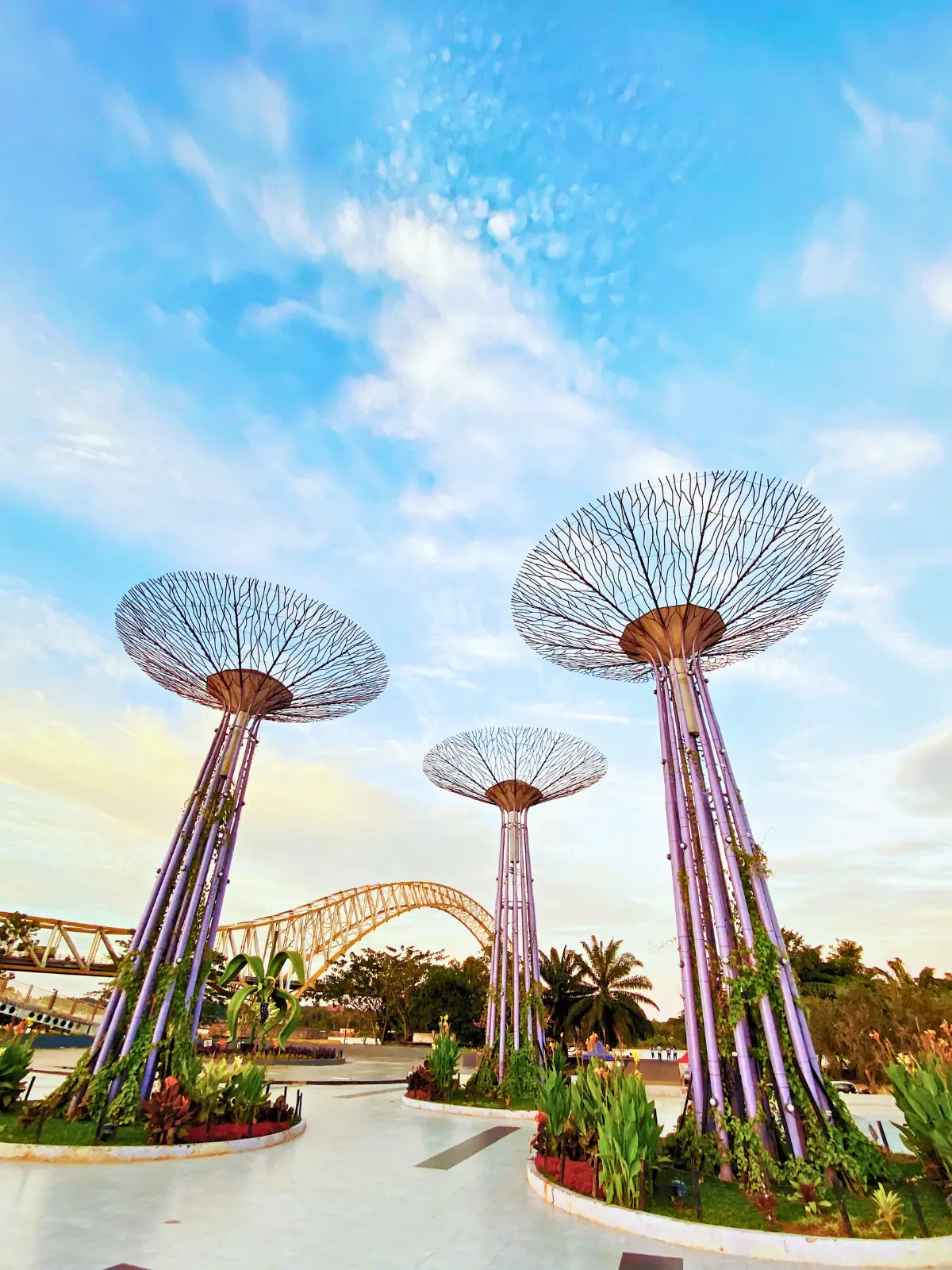
Supertree Grove at Gardens by the Bay in Singapore at dusk.

Imagine stepping off the plane and being hit by a wave of warm, humid air that smells strangely like orchids and rain. That’s Singapore.

It’s the kind of place where you can spend your morning getting lost in a literal jungle at the Botanic Gardens. By evening, you’re sipping a cold drink on a rooftop, watching the skyline light up like something out of a sci-fi movie.

You haven’t lived until you’ve stood in the middle of a hawker centre at lunchtime. It’s a beautiful, noisy chaos of clinking plates and the sizzle of woks. One minute you’re smelling the spicy, rich aroma of laksa, and the next, it’s the sweet scent of satay grilling over charcoal. You can grab a world-class meal for the price of a coffee, sit on a plastic stool, and feel like a local. It’s the heart of the city, and the food? Honestly, it’ll ruin your diet in the best way possible.

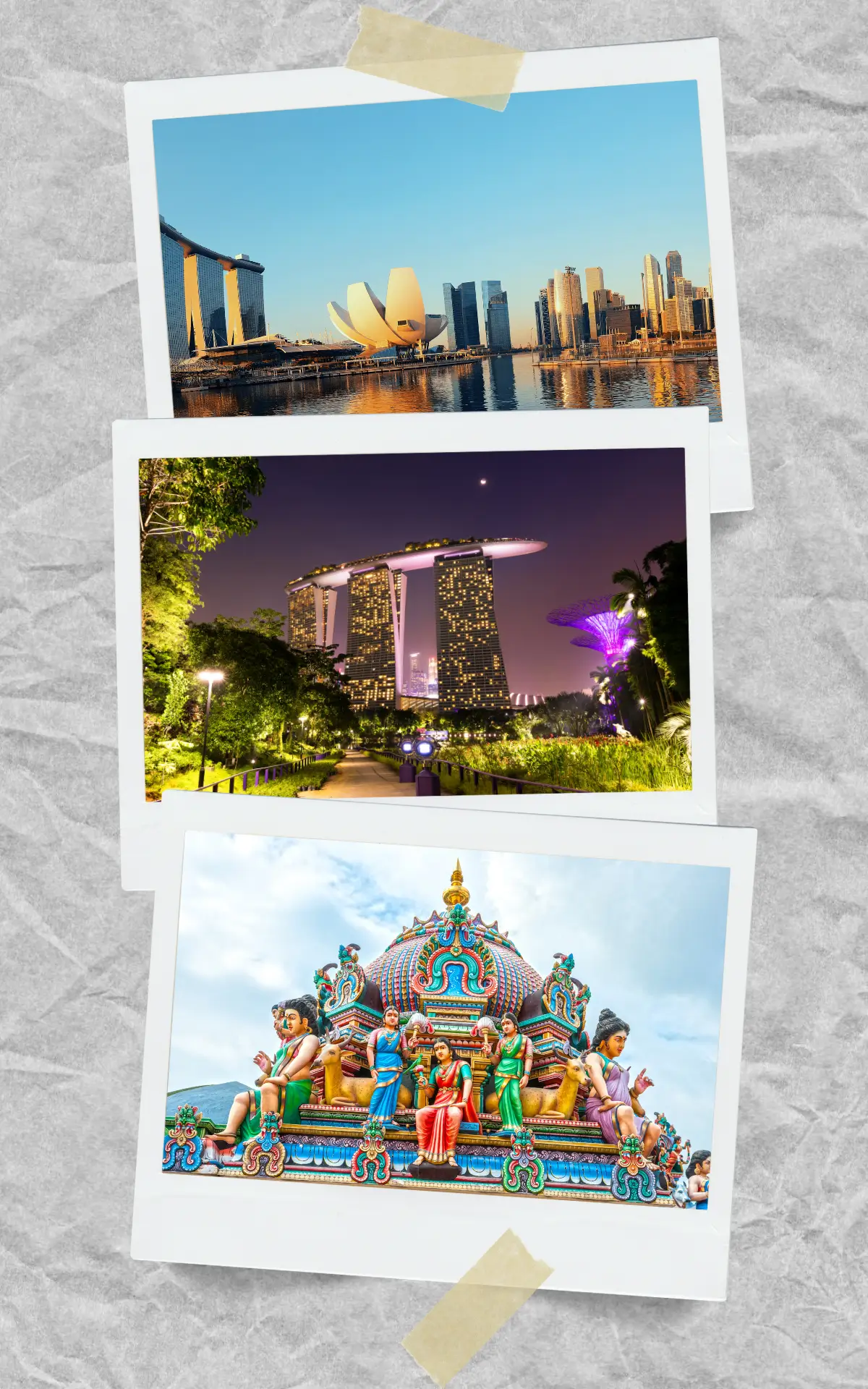
Singapore travel collage featuring Marina Bay Sands, city lights, and iconic landmarks.

At night, Gardens by the Bay feels unreal, like you’ve drifted into another world. The Supertrees loom overhead, lit up against the dark sky. But then you turn a corner and you’re in a narrow lane in Chinatown or Kampong Glam, surrounded by bright shophouses and old-school temples. It’s that constant flip between the ultra-modern and the deeply traditional that keeps you on your toes.

It doesn’t take long to see why people love it. Getting around is easy, people are friendly, and you’ll end up with a camera roll full of photos that barely look real. You’ll probably be thinking about coming back before you’ve even left.

Did You Know?

  • Bukit Timah Nature Reserve protects one of the oldest remaining patches of primary rainforest in the region. It’s just minutes from busy roads and neighbourhoods.

  • Some hawker stalls have earned Michelin recognition, with one rare stall holding a Michelin star while serving world-class dishes on plastic tables for just a few dollars.

  • Chewing gum is banned in Singapore, with a few exceptions. The rule was introduced to keep streets and public transport clean, which explains why the city is so spotless.

  • The airport is a destination on its own. Changi Airport has indoor gardens, a butterfly enclosure, a rooftop pool, and the world’s tallest indoor waterfall.

  • Most people live in public housing, and it is genuinely impressive. Over 80% of residents live in government-built flats that are clean, modern, and close to transport.

I love exploring new places and sharing the travel tips, food finds, and experiences that help you plan your next adventure.

Join the
Journey

Sign up for new itineraries, travel notes, and practical guides to help you explore the places I love most.

Beige washi tape strip with soft torn edges on a transparent background.

What to Pack

Best Time to Visit Singapore

Singapore is warm all year round, so there’s no bad time to go, though some months feel more comfortable than others. February to April is often considered one of the easiest times to visit, with slightly lower humidity and fewer heavy rain showers. It’s still hot, but walking around feels a lot more manageable.

From November to January, rain is more common, usually in short, heavy bursts. The good thing is it rarely lasts all day, and the city doesn’t slow down. If you don’t mind the odd shower, it can be a quieter and still enjoyable time to visit.
Festivals and events happen throughout the year, so whenever you go, there’s usually something on. Expect warm weather, lush greenery, and a city that feels lively from morning to night.
Drier Months Inter-monsoon Period Rainy Season

Singapore at a Glance

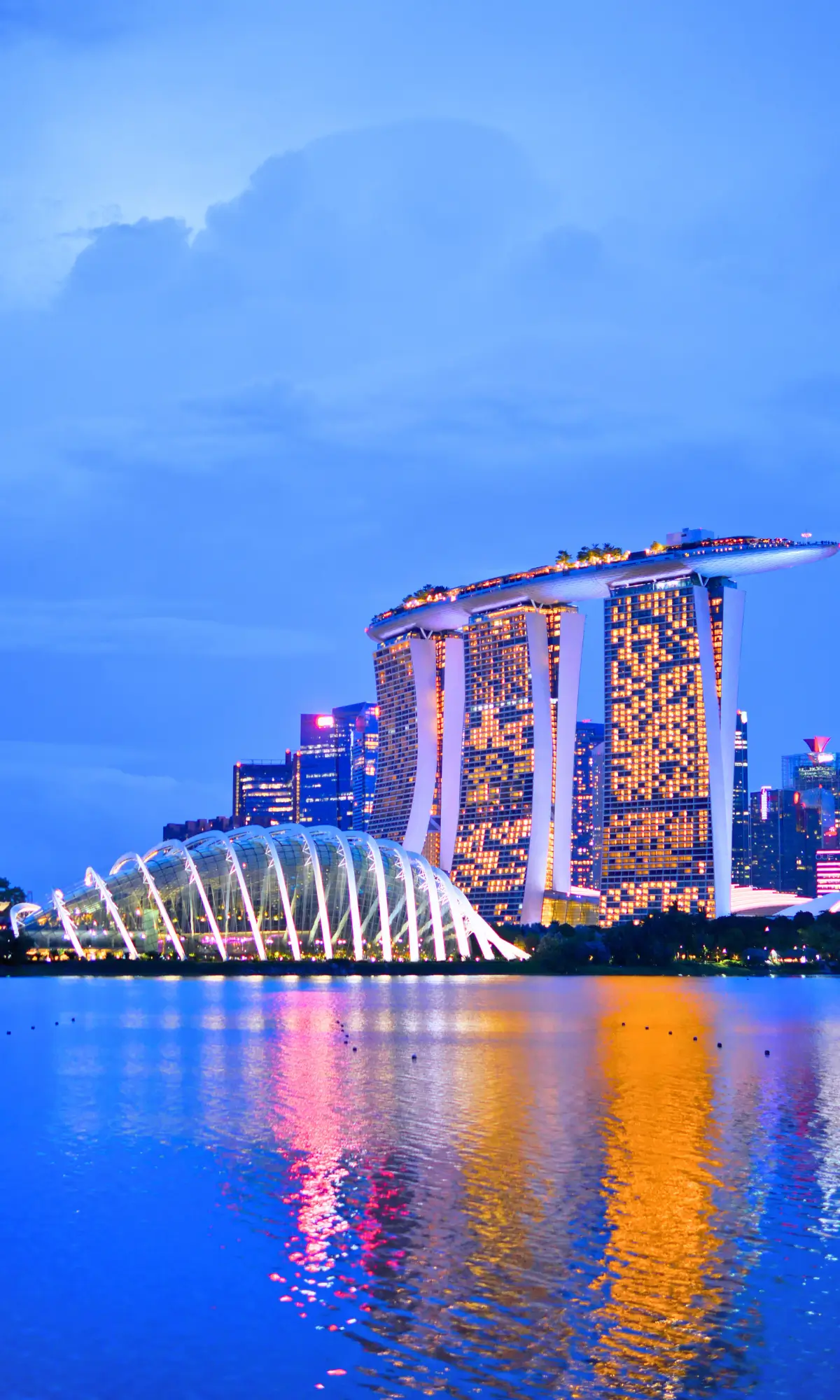
Marina Bay skyline in Singapore at night.
Language selection icon showing two speech bubbles with letter A and Chinese character.

Language

English is spoken everywhere, so getting around is easy. You’ll also hear Mandarin, Malay, and Tamil daily.

Illustration of a money bag with dollar symbol next to stacked coins.

Currency and Costs

Singapore Dollar (SGD). Approximate rate: 1 USD ≈ 1.33–1.37 SGD. Singapore is generally expensive, but hawker food and public transport keep daily costs reasonable.

Mobile payment icon with credit card and phone showing confirmed payment

Payments

Visa and Mastercard work almost everywhere. Contactless payment is standard. Carry some cash for hawker stalls and small shops.

Hand holding a dollar sign and heart icon representing tipping.

Tipping

Tipping isn’t expected. Many places include a service charge. Leaving small change is optional.

Shield with checkmark and padlock as safety icon.

Safety

Singapore is very safe. Public transport runs reliably day and night. Stay aware in crowded areas.

Wi-Fi connectivity icon for travel and accommodation.

Connectivity

Mobile coverage is excellent. Free Wi-Fi is widely available in hotels, cafés, shopping centres, and public spaces. SIM and eSIM options are easy to get.
A Detailed Singapore Itinerary

This Singapore travel guide follows a compact, neighbourhood-based route that reflects how visitors typically explore the city. Nearby districts are grouped together, travel times remain short, and the itinerary is designed around a single central accommodation base, removing the need for hotel changes.

The route relies entirely on public transport and walking, which suits Singapore’s size and well-connected transport network.

Day 1: Arrival and Marina Bay

Arrive in Singapore and transfer into the city, keeping plans light after travel. Marina Bay provides an easy starting point with open spaces, clear walking routes, and well-known landmarks close together.

Suggested Stay: Hotel or serviced apartment in a central or well-connected district

Base: Central Singapore

Highlights

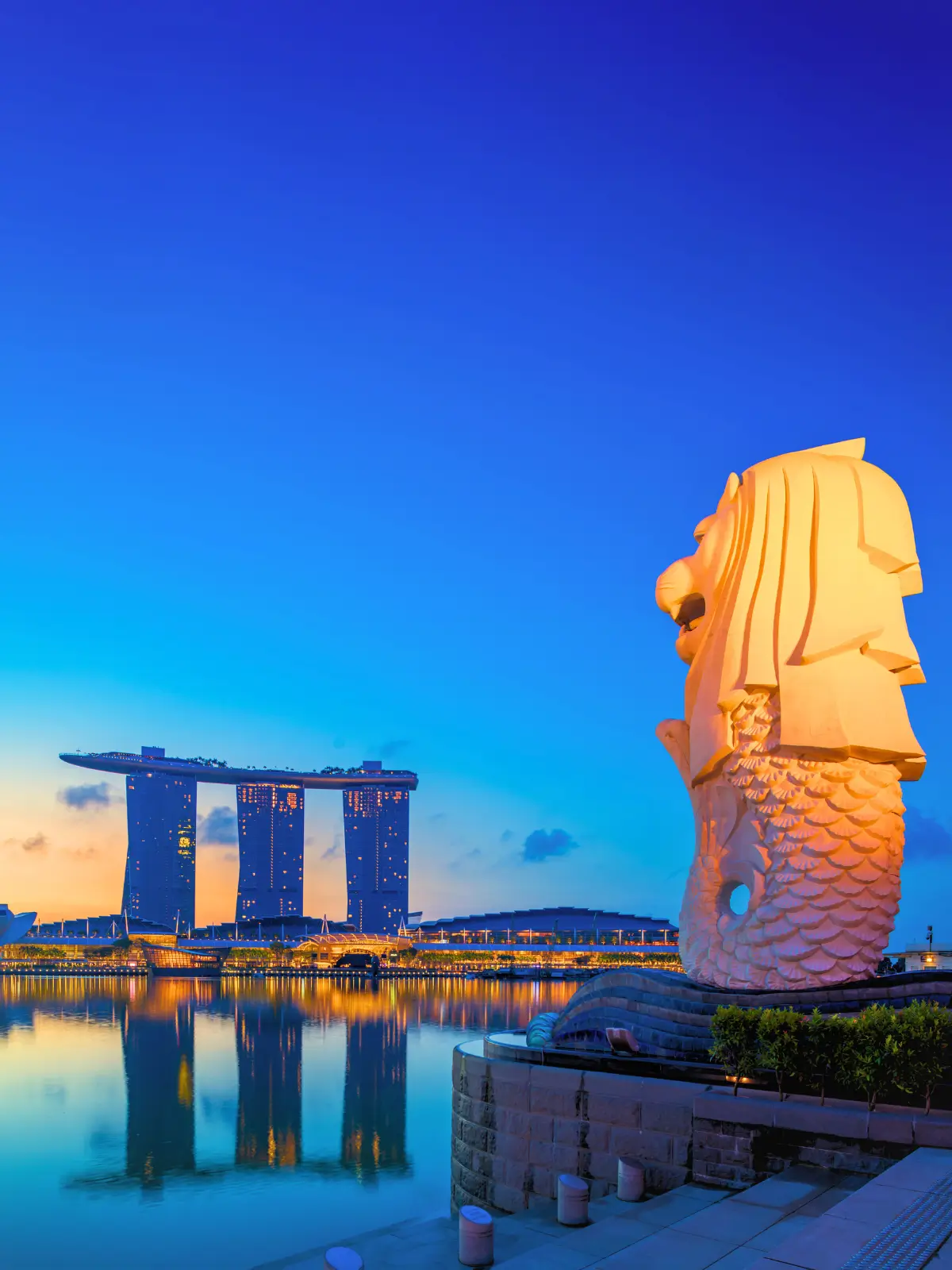
  • Marina Bay Sands exterior
  • Merlion Park
  • Marina Bay waterfront

Day 2: Civic District and Clarke Quay

Focus on the Civic District and the Singapore River, where historic buildings and public spaces sit within easy walking distance. This area suits steady exploration without frequent transport use.

Base: Central Singapore

Focus on the Civic District and the Singapore River, where historic buildings and public spaces sit within easy walking distance. This area suits steady exploration without frequent transport use.

Highlights

  • City Hall precinct
  • National Gallery surroundings
  • Singapore River and Clarke Quay

Day 3: Chinatown and Tiong Bahru

Spend the day in Chinatown before continuing to nearby Tiong Bahru. The short distance between the two areas keeps the pace relaxed and travel time minimal.

Base: Central Singapore

Highlights

  • Buddha Tooth Relic Temple area
  • Chinatown streets and markets
  • Tiong Bahru neighbourhood cafés
Merlion statue overlooking Marina Bay with Marina Bay Sands skyline in Singapore.

Day 4: Little India and Kampong Glam

Visit Little India and Kampong Glam, two compact districts connected by short public transport routes. Their layouts make it practical to explore both in one day without rushing.

Base: Central Singapore

Highlights

  • Sri Veeramakaliamman Temple area
  • Little India streets
  • Sultan Mosque and Kampong Glam shophouses

Day 5: Gardens by the Bay and Marina East

Shift the pace with a day focused on green spaces and waterfront paths. The open layout allows for slower movement and flexible timing.

Base: Central Singapore

Highlights

  • Gardens by the Bay outdoor areas
  • Supertree Grove
  • Marina East waterfront paths

Day 6: Southern Ridges or Sentosa Island

Choose one main focus rather than splitting the day. Both options offer a clear change of scenery without complicated travel.

Base: Central Singapore

Highlights

  • Henderson Waves and Southern Ridges or Sentosa Island coastal areas

Day 7: Final Neighbourhoods and Departure Preparation

Keep the final day flexible and close to central areas, allowing time to adjust plans around departure. Staying near transport connections keeps the day straightforward.

Base: Central Singapore

Highlights

  • Orchard Road or nearby shopping streets
  • Final food stops
  • Easy airport access

Things to Know Before Visiting Singapore

1. Expect Heat and Humidity

Singapore stays hot and humid all year. Light clothing, comfortable shoes, and water will make a big difference, especially if you plan to walk a lot.

2. Hawker Centres Are Part of Daily Life

Some of the best food in the city comes from hawker centres, not restaurants. Meals are affordable, quick, and full of local flavour. If there’s a line, it’s usually worth the wait.

3. Public Transport Is the Easiest Way Around

The MRT and buses are clean, reliable, and easy to use. You can pay with contactless cards and get almost anywhere without needing taxis.

4. Rules Are Taken Seriously

Singapore keeps things running smoothly by enforcing rules. Follow signage, use pedestrian crossings, and stick to smoking areas to avoid fines.

5. Indoor Spaces Can Feel Cold

Air-conditioning is strong in malls, trains, and restaurants. A light layer can be useful if you plan to spend time indoors.

6. Dress Respectfully in Religious Areas

Temples and mosques are part of everyday neighbourhoods. Cover shoulders and knees when visiting to show respect.

7. Take Time to Slow Down

Singapore may be small, but it has a lot to offer. Leave room to wander, eat without rushing, and explore different neighbourhoods.
Beige washi tape strip with soft torn edges on a transparent background.

How to Get There

Entry Airports and Main Gateways

Most travellers arrive through Changi Airport, Singapore’s main international gateway.

It connects directly to major cities across Europe, Asia, Australia, and the Middle East. Changi also serves many regional routes within Southeast Asia.

Regional and Overland Entry

You can enter Singapore from Malaysia by bus, train, or car via the causeway. This route is common for travellers coming from Kuala Lumpur or nearby cities. Border crossings can get busy on weekends and holidays, so allow extra time.
Singapore is also a major cruise hub, with terminals close to the city and quick access to central areas.

Entry Requirements

Entry rules depend on nationality. Many travellers can enter visa-free for short stays if passport requirements are met. Entry conditions can change.

Always check official requirements before travelling, especially for longer stays or onward travel.

What to Expect

A Very Organised City

Things run smoothly in Singapore. Queues form naturally, signs are clear, and people generally follow rules. It makes moving around easy, even if it feels a bit strict at first.

Fast Pace, Even Faster Service

Service is efficient and direct. Meals arrive quickly, transport runs on time, and transactions don’t take long. It’s not rude, just practical and to the point.

Lots of Walking, Even Without Planning To

Even if you don’t plan to walk much, you probably will. Attractions, neighbourhoods, and transport stations are well connected, so comfortable shoes really help.

Multicultural Neighbourhoods Side by Side

You’ll move quickly between very different areas. One street might feel modern and polished, the next full of colour, history, and tradition. This mix is normal and part of daily life.

Compact Distances

Singapore looks small on a map, and it really is. You can cover a lot in one day without feeling rushed, which makes short trips especially rewarding.
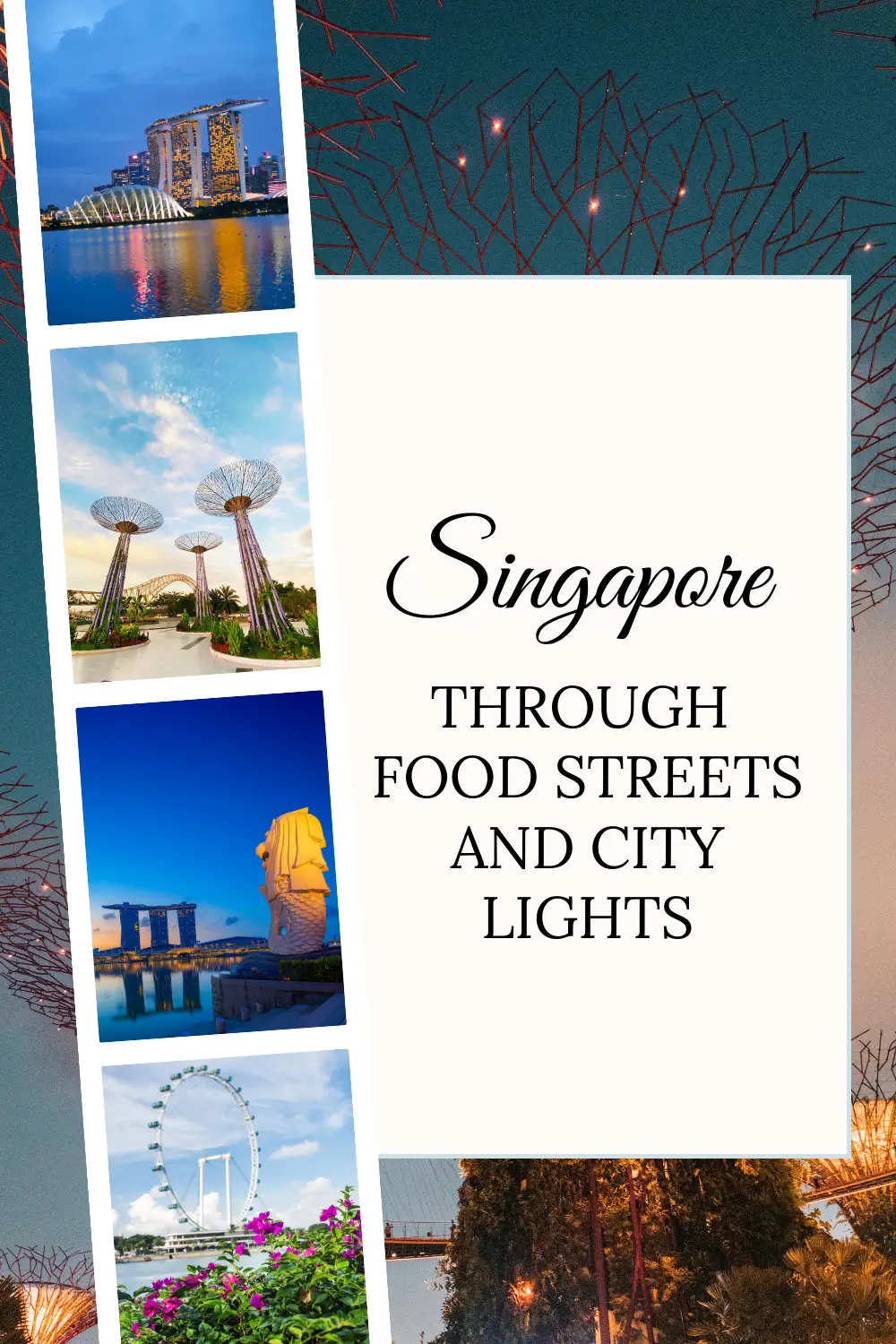
Postcard-style collage of Singapore landmarks

Getting Around Singapore

Public Transport

Public transport makes getting around Singapore easy. The MRT and buses cover most areas, run often, and connect directly to major neighbourhoods and attractions.

Paying for Transport

You can tap contactless bank cards or mobile wallets on trains and buses. Fares calculate automatically, so there’s no need to buy or top up a travel card unless you want one.

Taxis and Ride-Hailing

Taxis and apps like Grab are easy to find and useful for short trips, late nights, or travelling with luggage. Most of the time, public transport is quicker and cheaper.

Walking

Central areas are very walkable. Wide pavements, clear crossings, and shaded paths make it easy to combine walking with public transport.

Airport Transfers

Changi Airport connects directly to the city by MRT, taxi, and ride-hailing. Most trips to central Singapore take around 20 to 30 minutes.

Cycling and Shared Options

Shared bikes and e-scooters operate in some areas and work best for short rides or park connectors rather than long journeys.

Beige washi tape strip with soft torn edges on a transparent background.

What to Pack

Join the
Journey

Sign up for new itineraries, travel notes, and practical guides to help you explore the places I love most.

Portrait of Manu smiling against a neutral background.

I love exploring new places and sharing the travel tips, food finds, and experiences that help you plan your next adventure.

Leave a Comment

Your email address will not be published. Required fields are marked *

Scroll to Top
Ultimate packing checklist travel guide cover with tropical beach background.