
Your journey, beautifully planned.

Traveling Through Honduras From Markets to Mountain Towns

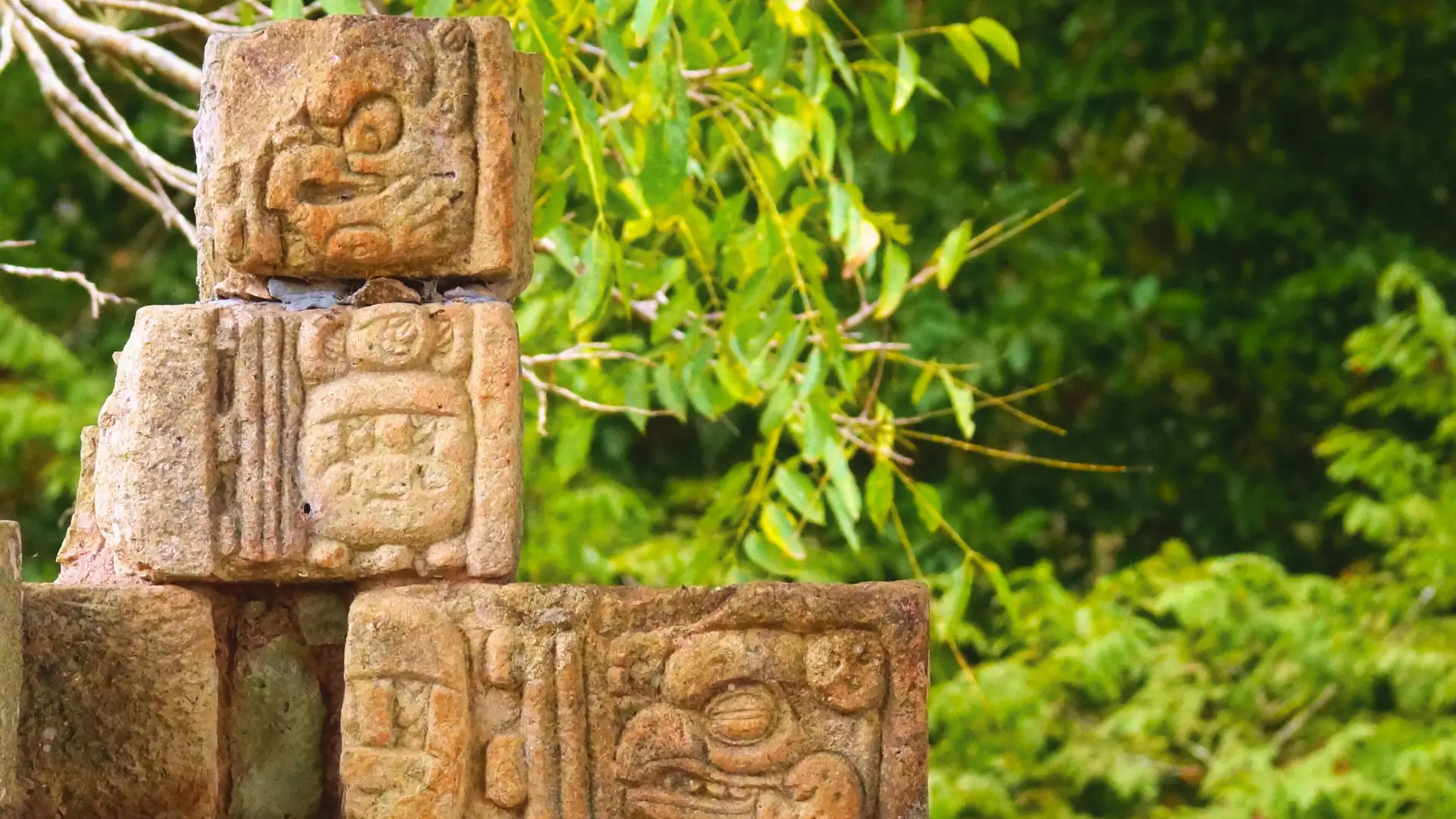
Ancient Maya stone carvings surrounded by greenery in Copán, Honduras.

Honduras is a vast, mountainous stretch of Central America that feels wonderfully raw the moment you cross the border. The landscape shifts quickly, with Caribbean white sand giving way to cloud forests and coffee plantations hidden in steep valleys.

Wandering through a local market, like the legendary Guamilito Market in San Pedro Sula, is easily one of the best ways to spend a morning. You will see stalls selling everything from Lenca pottery and hand-woven hammocks to cigars and Mayan figurines.
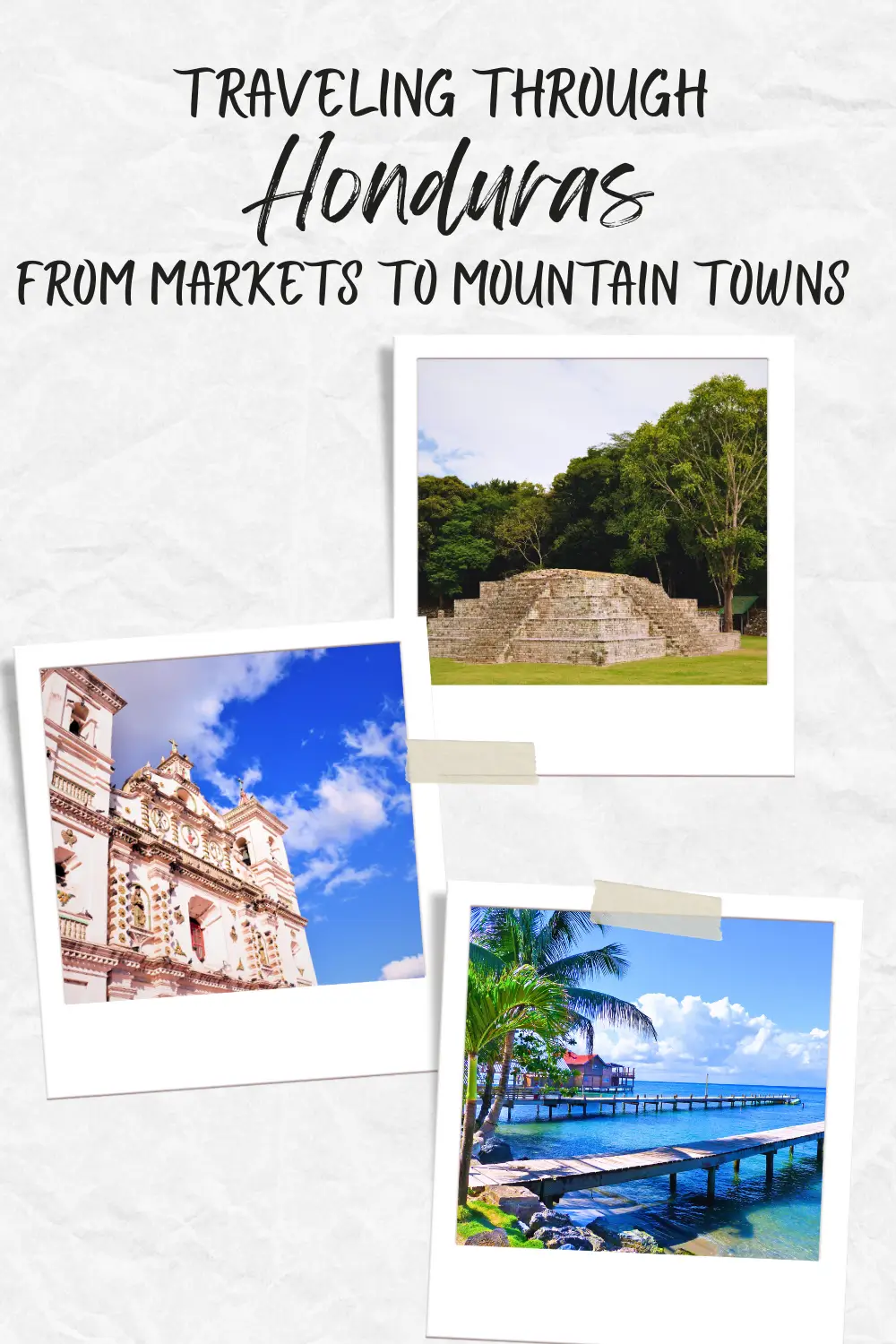
Travel collage showing markets, ruins, coastline, and mountains in Honduras.
Farmers come down from the mountains to sell their produce. The market stays busy all morning. It is not set up for tourists. It is simply where people come to shop, talk, and live, and you will probably end up tasting some of the spiciest chillies of your life along the way.

Those same mountain areas extend far beyond the markets. I have always loved coffee, which is why the highlands felt like my kind of place.

The smell of roasting coffee follows you everywhere. There is nothing better than sitting in a small café with a cup from the local harvest, watching horses make their way along the cobblestones.

Did You Know?

  • Honduras is home to part of the second-largest barrier reef in the world, the Mesoamerican Reef, which stretches along the Bay Islands.

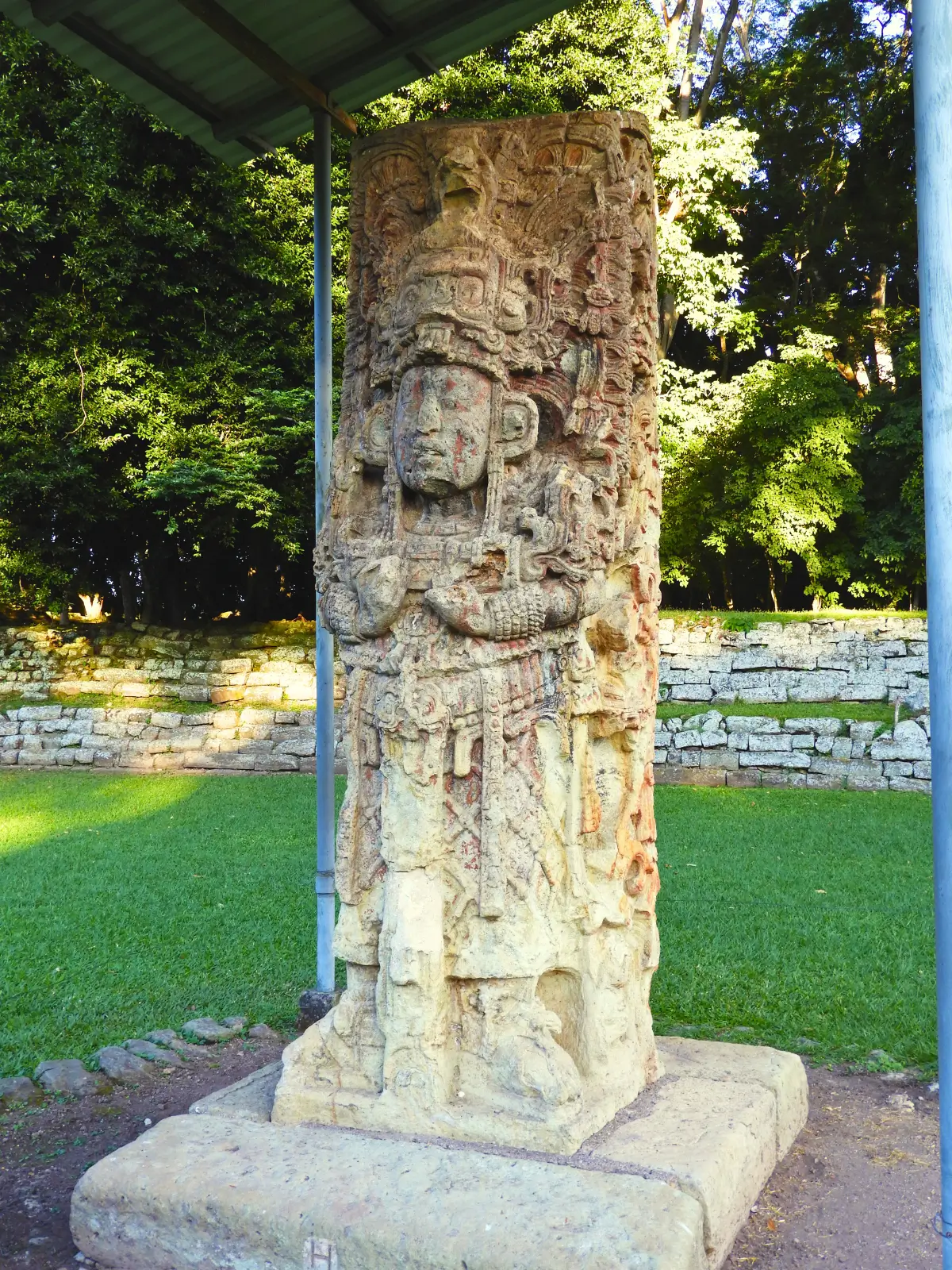
  • The ancient Maya city of Copán is famous for its carved stone stelae, considered some of the most detailed in the Maya world.

  • Honduras produces hundreds of different coffee micro-lots, many grown by small family farms rather than large plantations.

  • Addresses often rely on landmarks instead of street numbers, which is why directions are given using churches, parks, or old buildings.

  • Baleadas are eaten at all times of day, not just for breakfast, and everyone has a strong opinion on where to find the best one.

I love exploring new places and sharing the travel tips, food finds, and experiences that help you plan your next adventure.

Join the
Journey

Sign up for new itineraries, travel notes, and practical guides to help you explore the places I love most.

Beige washi tape strip with soft torn edges on a transparent background.

What to Pack

Best Time to Visit Honduras

Honduras can be visited year-round, but the easiest time to travel is during the dry season from November to April. This is when you will get the most reliable weather, with warm days, little rain, and easier travel between regions. It is a good time for moving around the country, whether you are heading to the coast, the highlands, or smaller towns.

Highland areas stay cooler year-round, while the coast is hotter and more humid, especially in summer. For a good balance of dry weather and fewer crowds, late November, February, and March are some of the best months to go.

The wet season runs from May to October, bringing heavier rain, usually in the afternoons. It is still very possible to travel during this time, and the upside is greener landscapes, cooler air in the highlands, and far fewer visitors. If you are flexible with plans and do not mind occasional rain, this can be a rewarding time to visit.
Rainy months Drier months

Honduras at a Glance

Two scarlet macaws perched on a branch.
Language selection icon showing two speech bubbles with letter A and Chinese character.

Language

Spanish is the main language in Honduras. English is common in tourist areas, especially the Bay Islands, and some Indigenous languages are still spoken in rural communities.

Illustration of a money bag with dollar symbol next to stacked coins.

Currency and Costs

Honduran Lempira (HNL). Approximate rate: 1 USD ≈ 24.5–25.0 HNL. Honduras is affordable, with low daily costs for food and transport. Prices rise in tourist areas.

Mobile payment icon with credit card and phone showing confirmed payment

Payments

Cash is essential, especially in markets and small towns. Visa and Mastercard work in hotels and larger restaurants. Carry cash outside major cities.

Hand holding a dollar sign and heart icon representing tipping.

Tipping

Tipping is optional but appreciated. Some restaurants add a service charge. Rounding up or leaving around 10% is common.

Shield with checkmark and padlock as safety icon.

Safety

Travel requires awareness. Stick to well-known areas, avoid night travel when possible, and use trusted transport.

Wi-Fi connectivity icon for travel and accommodation.

Connectivity

Mobile coverage is good in cities and tourist areas. Wi-Fi is common in hotels and cafés. SIM and eSIM options are easy to find.
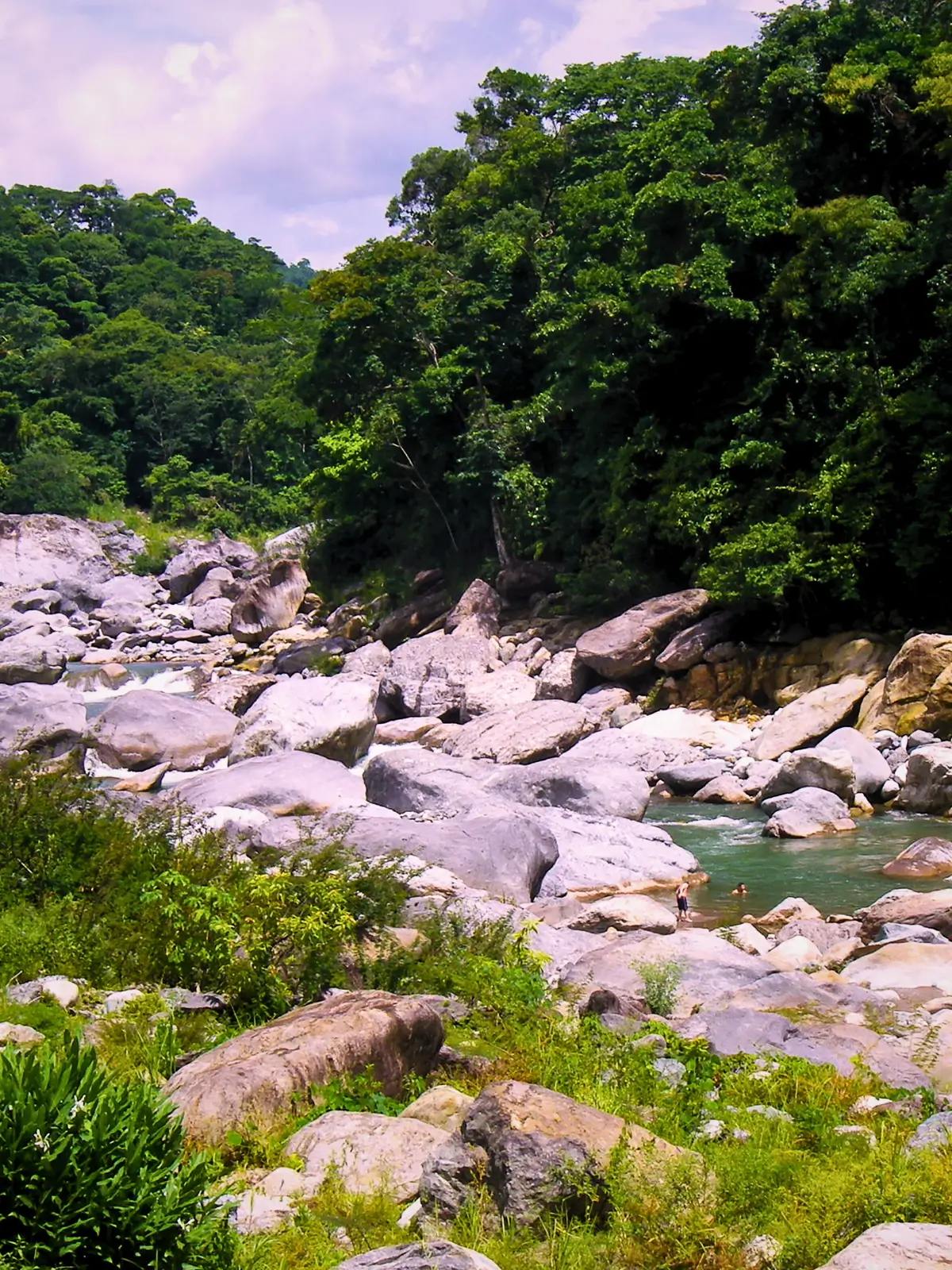
A Detailed Honduras Itinerary

The itinerary travels through Honduras in a smooth sequence, from the Caribbean coast to the western highlands and down through the centre of the country.

Travel days and exploration days are clearly separated to keep the pace manageable.

Day 1: Arrival on the North Coast

From San Pedro Sula, the route heads straight north to the Caribbean coast. Most travellers continue onward rather than staying in the city, allowing the journey to begin in a quieter coastal setting.

Suggested Stay: Beachside guesthouse or small hotel

Route: San Pedro Sula to Caribbean coast (Tela or La Ceiba)

Highlights

  • Coastal highway north of San Pedro Sula
  • Transition from city outskirts to palm-lined coast
  • First views of the Caribbean Sea

Day 2: Caribbean Coast

The day stays close to the base, focusing on the coastline and surrounding town areas. Time can be spent between the beach and nearby streets without needing to travel far.

Suggested Stay: Beachside guesthouse or small hotel

Base: Caribbean coast

Highlights

  • Tela or La Ceiba beachfront
  • Waterfront promenades
  • Local neighbourhood streets near the coast

Day 3: Caribbean Coast to Copán Region

Leaving the coast brings a clear change in scenery as the road climbs inland towards western Honduras. Given the distance, the day works best as a travel day, with plans kept light after arrival.

Suggested Stay: Guesthouse or small hotel near the archaeological zone

Route: Caribbean coast to Copán Ruinas

Highlights

  • Interior highways through western Honduras
  • Gradual climb into higher elevations
  • Arrival in Copán Ruinas

Day 4: Copán Ruinas

The day focuses on the archaeological site and the town itself. Both areas are compact and easy to explore on foot.

Suggested Stay: Guesthouse or small hotel

Base: Copán Ruinas

Highlights

  • Copán Archaeological Park
  • Maya stelae and plazas
  • Central streets of Copán Ruinas

Day 5: Copán Surroundings

Staying in Copán allows time to explore beyond the main site. Attention shifts to the surrounding countryside and nearby areas.

Suggested Stay: Guesthouse or small hotel

Base: Copán Ruinas

Highlights

  • Rural landscapes outside Copán
  • Las Sepulturas archaeological zone
  • Coffee farms in the surrounding hills

Day 6: Copán Ruinas to Western Highlands

Travel continues into the western highlands. The air feels cooler and the scenery becomes greener. Arrival usually leaves time for a short walk through town.

Suggested Stay: Small hotel or guesthouse in a highland town

Route: Copán Ruinas to western highlands (Santa Rosa de Copán or nearby)

Highlights

  • Highland roads around Santa Rosa de Copán
  • Coffee-producing regions
  • Cooler mountain climate
Carved Maya stone stele standing at the Copán archaeological site in Honduras.

Day 7: Western Highlands

The day remains based in the highlands. Exploration centres on town streets, markets, and nearby viewpoints.

Suggested Stay: Small hotel or guesthouse

Base: Western highlands

Highlights

  • Santa Rosa de Copán town centre
  • Local markets
  • Views across surrounding valleys

Day 8: Western Highlands to Tegucigalpa

Most of the day is spent travelling across central Honduras. The focus stays on reaching the capital.

Suggested Stay: Hotel in a central district

Route: Western highlands to Tegucigalpa

Highlights

  • Mountain corridors through central Honduras
  • Changing landscapes along the route
  • Arrival in Tegucigalpa

Day 9: Tegucigalpa

Time in the capital is kept focused. The day centres on selected neighbourhoods rather than full city coverage.

Suggested Stay: Hotel in a central or well-connected area

Base: Tegucigalpa

Highlights

  • Historic centre around Parque Central
  • Viewpoints above the city
  • National and cultural institutions

Day 10: Tegucigalpa to the Southern Highlands

Travel heads south from the capital into a quieter part of the country. The road passes through drier landscapes and smaller towns, with a clear shift away from urban Honduras.

Suggested Stay: Guesthouse or small hotel

Route: Tegucigalpa to southern highlands

Highlights

  • Southern highland roads
  • Dry forest scenery
  • Small highland towns

Day 11: Southern Highlands

The day stays centred on the base, with time to explore town streets and nearby countryside. Distances remain short and the pace stays slow.

Suggested Stay: Guesthouse or small hotel

Base: Southern highlands

Highlights

  • Town plazas
  • Rural surroundings
  • Everyday local life

Day 12: Return North or Departure

The final day is set aside for departure or onward travel. Routes depend on flight schedules and transport connections.

Route: Southern highlands to departure point

Things to Know Before Going to Honduras

1. Plan Transport Ahead on the Mainland

Many travellers expect to figure transport out as they go. On the mainland, buses run on fixed schedules and often stop early, and mountain roads are slow. Avoid night travel and arrange transport ahead when possible.

2. Carry Cash Outside Major Cities

ATMs become scarce quickly once you leave major towns like Tegucigalpa or San Pedro Sula. Cash is essential in smaller towns and markets. Withdraw enough money before heading into rural or highland areas.

3. Nighttime Convenience Varies by Area

In some Honduran cities, areas that feel fine during the day can empty out at night. Transport becomes harder to find, and many food options close early. It helps to check what’s nearby after dark before booking.

4. Pack for Both Heat and Cooler Evenings

Many visitors pack only for the heat. The coast is hot and humid, but the highlands can feel cool in the evenings. Afternoon rain is common. Light layers and rain protection make travel more comfortable.

5. Follow Local Safety Advice

Safety varies by area. Tourist regions and small towns often feel calm, while parts of large cities need more awareness. Follow local advice and avoid unnecessary night travel.

6. Drink Bottled or Filtered Water

Locals avoid drinking tap water in Honduras, even in cities. Stick to bottled or filtered water, and in some areas, use it for brushing your teeth as well. Hotels often provide filtered water, but it’s best to double-check.
Beige washi tape strip with soft torn edges on a transparent background.

How to Get There

Flying into Honduras

Most international travellers fly into San Pedro Sula or Tegucigalpa. San Pedro Sula is usually the easier option, with more flight choices and better onward connections. Flights often route through the US, Mexico, or Panama.

Entry Airports and Gateways

Your entry airport should match your route. San Pedro Sula works well for the north coast, Copán, and onward travel to the Bay Islands. Tegucigalpa suits trips focused on the capital or the central and southern highlands.

Choosing the right gateway helps avoid backtracking and keeps domestic travel simpler.

Getting to the Bay Islands

To reach the Bay Islands, including Roatán, take a domestic flight from the mainland or a ferry from La Ceiba. Flights are faster and more reliable. Ferries are cheaper but depend on weather.

Visa and Entry Requirements

Many travellers can enter Honduras visa-free for short stays under the CA-4 agreement, which also covers Guatemala, El Salvador, and Nicaragua.

Your passport must be valid for the duration of your stay, and onward travel may be checked. Always confirm entry requirements before departure.

What to Expect

Security Is Visible and Normal

You will notice security guards outside banks, supermarkets, and some shops, especially in cities. This is normal and routine, not a sign that something is wrong. Locals barely register it, and travellers get used to it quickly.

Power Cuts and Water Gaps Happen

Short power outages are common, even in towns. Water supply can also be inconsistent in some areas, especially in the dry season. Many homes and hotels store water in tanks, so a brief outage does not always mean no water.

Change Can Be Hard to Get

Even when prices are low, vendors often struggle to break large bills. Carry small notes whenever possible, especially for buses, food stalls, and local shops.

Addresses Are Not Exact

Directions rely on landmarks, not street numbers. People will say things like “two blocks past the church” or “near the old supermarket.” Asking twice or confirming landmarks helps.

Laundry Is Done Differently

Dryers are uncommon outside hotels. Clothes air dry, sometimes slowly in humid areas. Quick-dry clothing makes life easier.
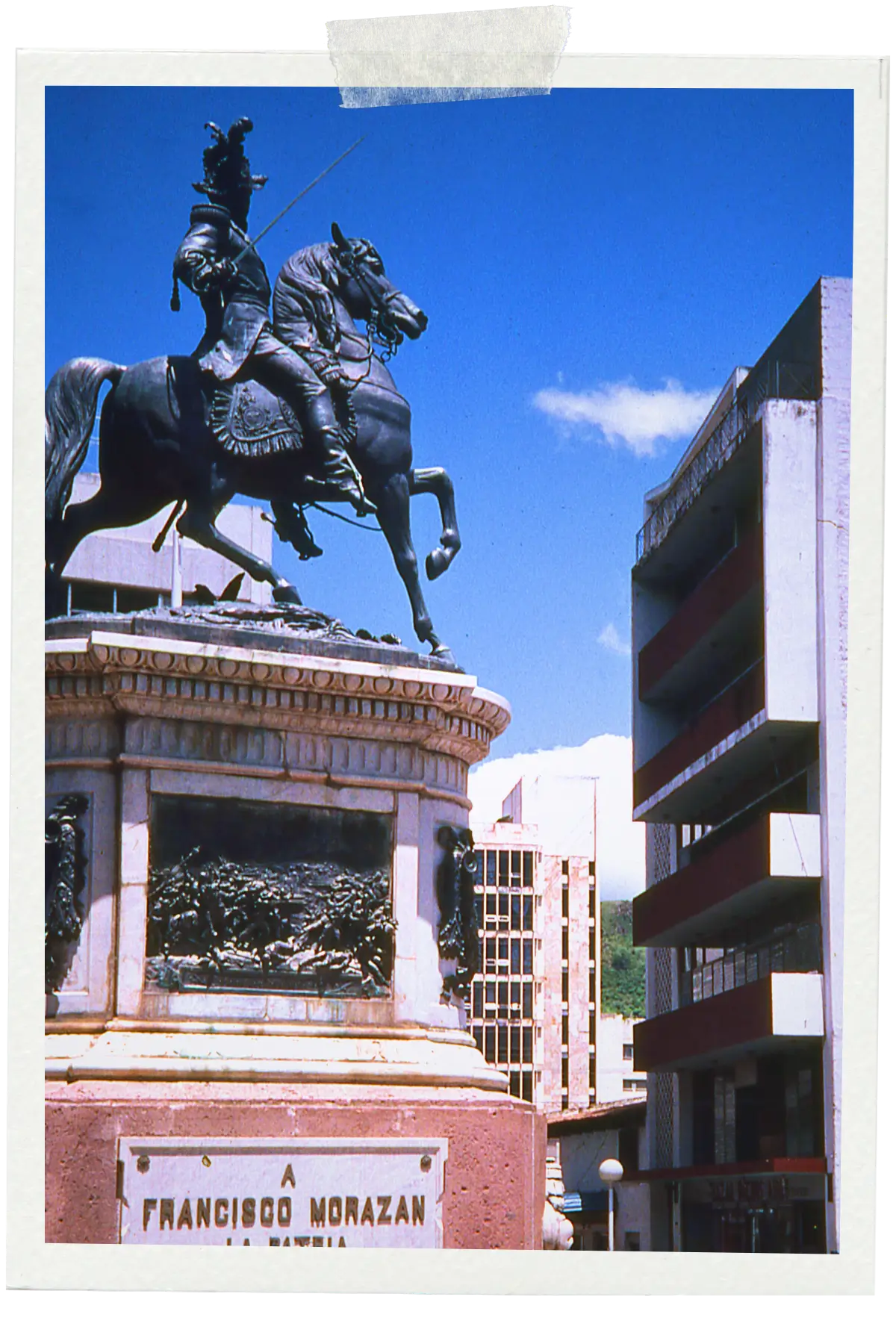
Equestrian statue of Francisco Morazán in central Tegucigalpa, Honduras.
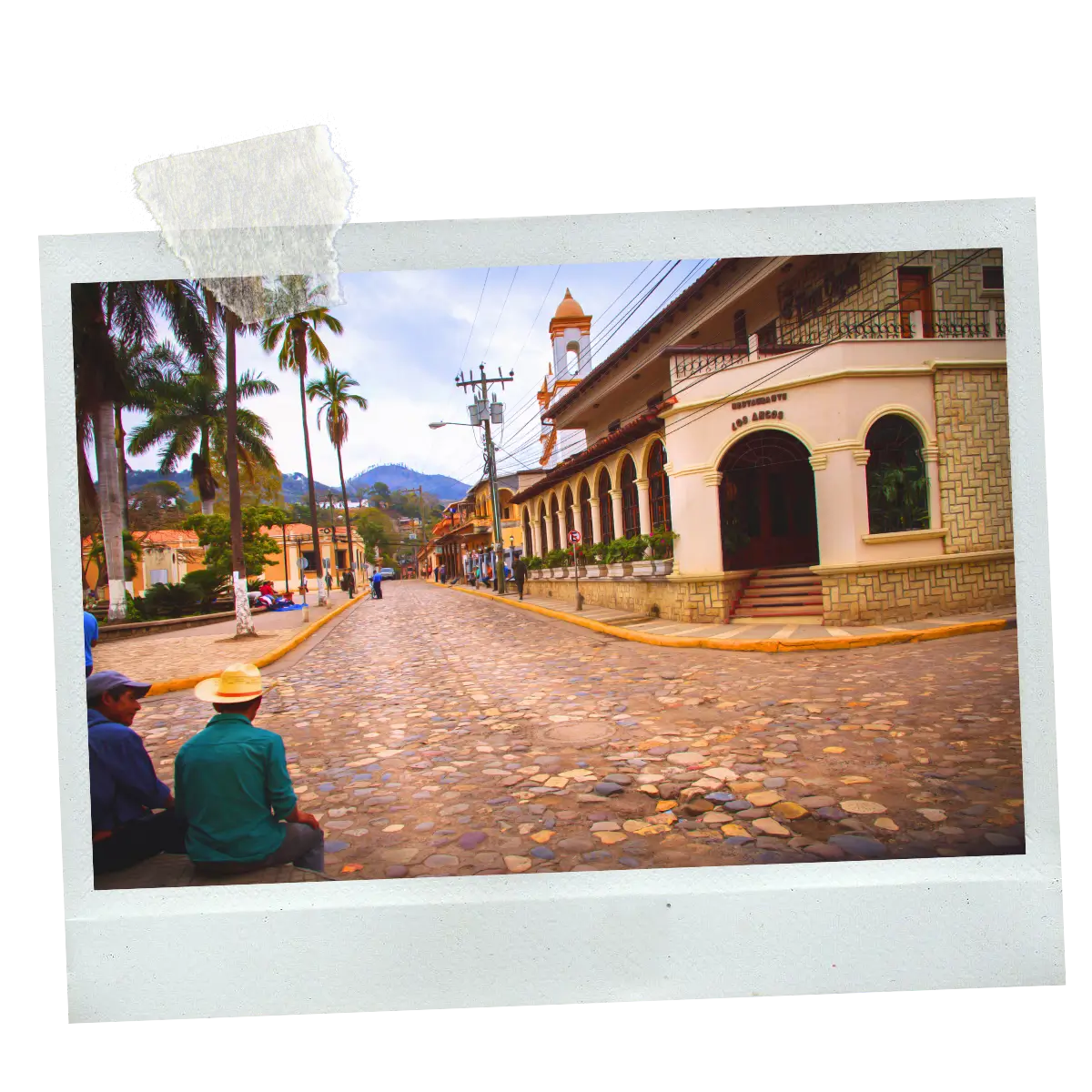
Cobblestone street and colonial buildings in Gracias, Honduras.

Getting Around Honduras

Buses and Shared Transport

Buses connect most towns and cities across Honduras and locals use them daily. Long-distance buses usually run on fixed routes, but schedules can be loose and services often finish early.
For longer journeys, many travellers choose shared shuttles, which are easier to organise and more direct.

Shared and Private Shuttles

Shuttles run between popular routes like San Pedro Sula, Copán Ruinas, Tegucigalpa, and La Ceiba. They cost more than buses but save time and cut out transfers. Most hotels and guesthouses can help book a seat.

Domestic Flights

Domestic flights are the fastest way to cover long distances, especially when heading to the Bay Islands.
Flights also connect a few mainland cities, though routes are limited and schedules can change.

Driving

Hiring a car gives you flexibility, but it isn’t always the easiest option. Roads vary in condition, signs can be limited, and mountain driving takes longer than expected.

Driving works best for short regional trips rather than cross-country routes.

Taxis and Ride Services

Taxis are easy to find in cities and larger towns. Prices are often agreed on before the ride rather than metered.

In places like Tegucigalpa and San Pedro Sula, ride-hailing apps operate in some areas and offer a more predictable option.

Ferries to the Bay Islands

Ferries run between La Ceiba and the Bay Islands and are cheaper than flying. Weather plays a big role, and seas can be rough, so it helps to stay flexible with plans.
Beige washi tape strip with soft torn edges on a transparent background.

What to Pack

Join the
Journey

Sign up for new itineraries, travel notes, and practical guides to help you explore the places I love most.

Portrait of Manu smiling against a neutral background.

I love exploring new places and sharing the travel tips, food finds, and experiences that help you plan your next adventure.

Leave a Comment

Your email address will not be published. Required fields are marked *

Scroll to Top
Ultimate packing checklist travel guide cover with tropical beach background.