Your journey, beautifully planned.

Travelling Through the United States

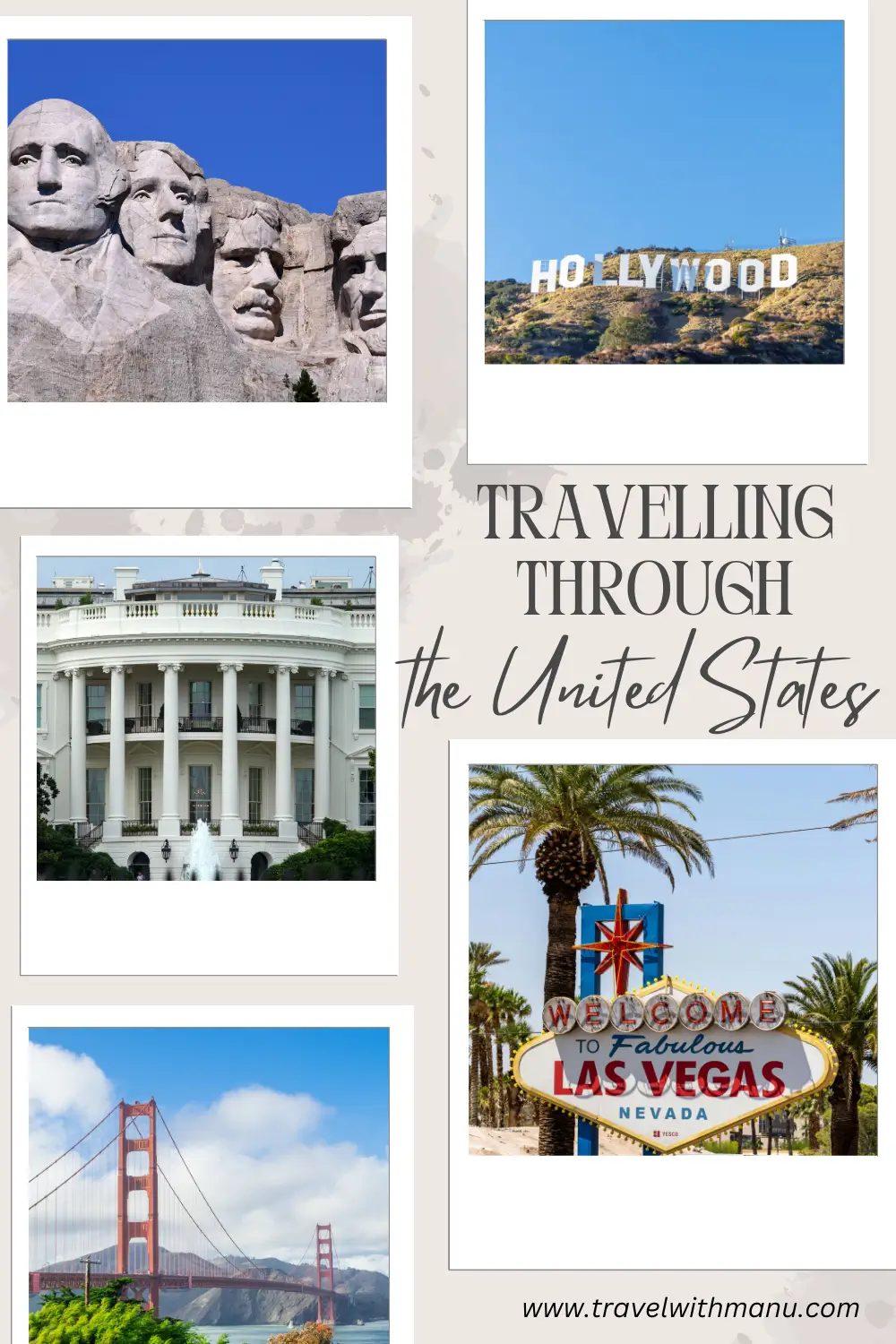
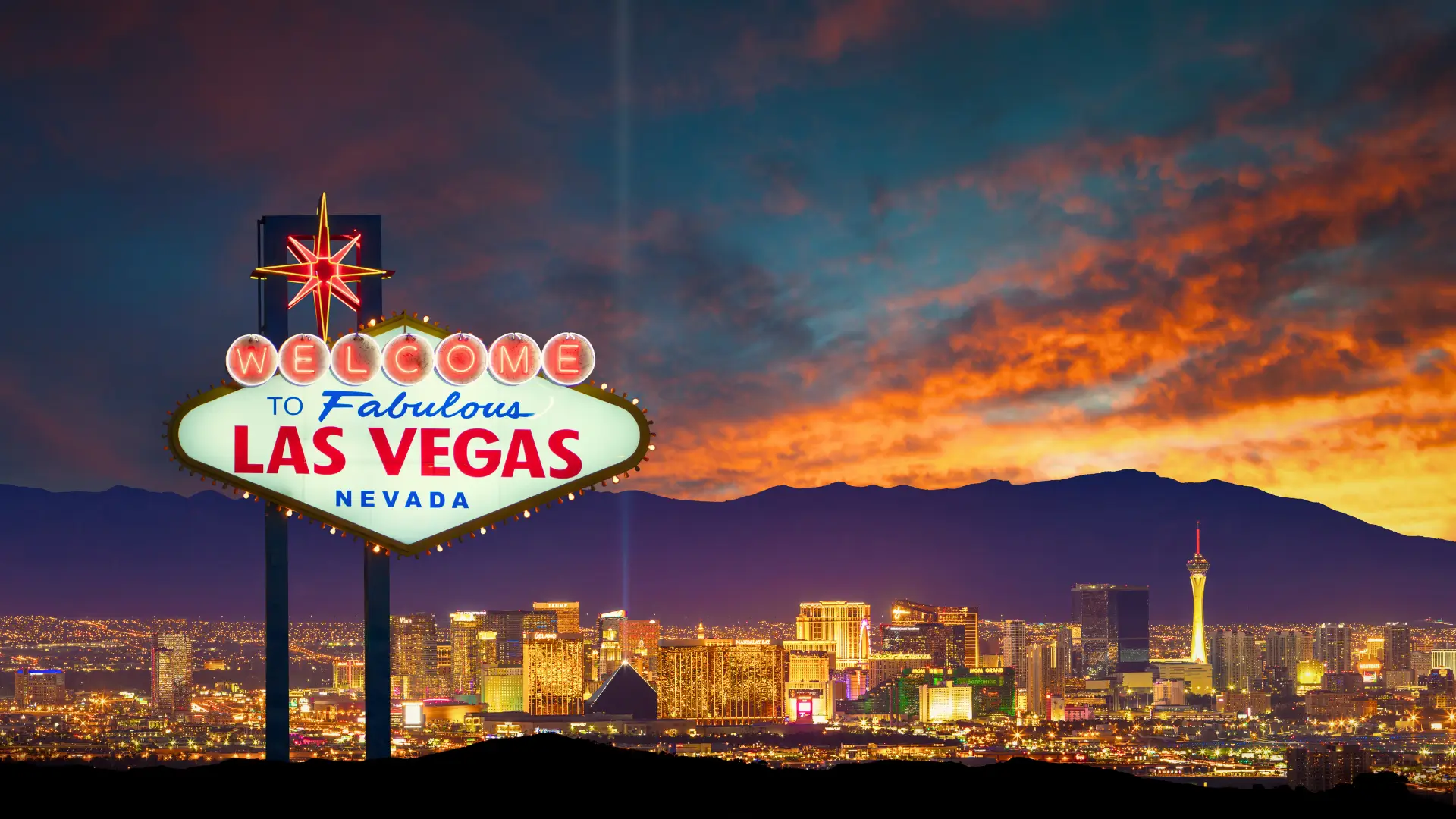
Welcome to Las Vegas sign with city skyline and mountains at sunset in Nevada, United States.

The United States is one of the most diverse travel destinations in North America, and it often feels overwhelming at first glance. Between vast national parks, major coastal cities, long highways, and regions shaped by very different climates and cultures, there is an enormous range of experiences to choose from.

Whether concerns are about distance, planning, or simply knowing where to start, this guide helps make sense of travel across the country and shows how accessible it can be with the right route. With clear planning and realistic expectations, travelling through the United States becomes far less daunting than it may initially seem.
It would be difficult to skip the country’s best-known highlights. Major cities provide natural starting points, while places like the Grand Canyon reveal the scale of the landscape. Road travel connects many of these experiences, and some of the most memorable moments come from the journeys between destinations rather than the stops themselves.

Why Visit the United States

The United States stands out for the scale at which travel takes place. Vast distances, rapidly changing landscapes, and strongly defined regional identities shape travel across the country. Travelling between states can feel closer to crossing national borders than moving within a single country.

Movement shapes how travellers experience the country more than any single destination. Road trips, domestic flights, and multi-stop routes form the core of how people explore the United States. This travel pattern makes the country particularly well-suited to itineraries that combine major cities with long stretches of open landscape.

Cultural influence plays a big role in everyday travel. Film, music, architecture, and food naturally shape how people move through places and interact with them. These influences change from region to region and feel like part of daily life rather than stand-alone attractions.

Did You Know?

  • The United States spans six time zones, more than any other country except Russia. Travelling across the country often involves multiple time changes within a single trip.
  • It has over 60 national parks and more than 400 protected areas in total. These range from desert landscapes and wetlands to glaciers, volcanoes, and coral reefs.

  • The country does not have an official national language. While English is most widely used, hundreds of languages are spoken due to long-standing immigration and regional diversity.

  • Some US states are larger than entire countries. Alaska alone is bigger than France, Germany, Spain, and the United Kingdom combined.

I love exploring new places and sharing the travel tips, food finds, and experiences that help you plan your next adventure.

Join the
Journey

Sign up for new itineraries, travel notes, and practical guides to help you explore the places I love most.

Beige washi tape strip with soft torn edges on a transparent background.

What to Pack

Best Time to Visit United States

Travel in the United States feels easiest in spring (April to May) and autumn (September to October), when temperatures are comfortable across most regions. These months suit city exploring, national parks, and longer trips without needing to plan around heat or snow.
By summer (June to August), travel often shifts toward beaches, mountains, and outdoor areas. Conditions vary a lot by region, with the south and big cities feeling hotter, while coastal and higher-elevation areas stay more manageable. Popular destinations are also busier.
In winter (December to February), experiences depend heavily on location. Northern regions turn cold and snowy, while southern and western areas remain mild and easier to explore. Travel is quieter, but plans usually need more flexibility.
Winter Spring Summer Autumn

United States at a Glance

Hollywood Sign on the hills above Los Angeles, California, United States.
Language selection icon showing two speech bubbles with letter A and Chinese character.

Language

English is the main language nationwide. Spanish is widely spoken, especially in southern and western states. Tourist areas often offer multilingual services.

Illustration of a money bag with dollar symbol next to stacked coins.

Currency and Costs

United States Dollar (USD). Approximate rate: 1 GBP ≈ 1.25 USD (subject to change). Costs vary significantly, with large cities and popular destinations generally more expensive.

Mobile payment icon with credit card and phone showing confirmed payment

Payments

Visa and Mastercard are widely accepted. Contactless payment is common. Cash is still used for small purchases, tipping, and some local businesses.

Hand holding a dollar sign and heart icon representing tipping.

Tipping

Travellers are expected to tip, including 15–20% in restaurants and smaller tips for taxis, hotel staff, and personal services.

Shield with checkmark and padlock as safety icon.

Safety

Generally safe for visitors, though conditions differ by region. Stay aware in busy areas, follow local guidance, and take standard precautions.

Wi-Fi connectivity icon for travel and accommodation.

Connectivity

Reliable mobile coverage in cities and along major routes. Free Wi-Fi is widely available. Local SIM cards and eSIMs are easy to purchase.

A Detailed United States Itinerary

This itinerary outlines a connected route through the western United States, combining major cities with well-known natural landscapes. The itinerary focuses on travellers who want a continuous journey instead of multiple shorter trips.

The route keeps distances manageable and follows commonly used travel corridors, making it suitable for both car hire and short domestic flights.

Day 1: Arrival in San Francisco

Arrive in San Francisco and check into accommodation. Choosing a central neighbourhood allows for easy movement on foot or by public transport during the first day.

Suggested Stay: Hotel or serviced apartment in central San Francisco

Base: San Francisco

Day 2: San Francisco

Explore the city’s districts at a relaxed pace, focusing on neighbourhoods rather than covering long distances. Walking routes, waterfront areas, and everyday residential streets offer a good introduction to the city’s layout.

Highlights

  • Waterfront areas
  • Central neighbourhoods

Day 3: San Francisco to Yosemite National Park

Depart San Francisco in the morning and travel east toward the Sierra Nevada. The journey moves quickly from urban landscapes to mountain scenery. Arrive in Yosemite by afternoon.

Suggested Stay: Lodge or hotel near Yosemite National Park

Route: San Francisco to Yosemite

Day 4: Yosemite National Park

Use the day to explore Yosemite’s main valley and viewpoints. Short walks, scenic drives, and clearly marked trails allow for flexible planning without covering excessive ground.

Highlights

  • Valley viewpoints
  • Forest and mountain scenery
Statue of Liberty on Liberty Island in New York Harbour, United States.
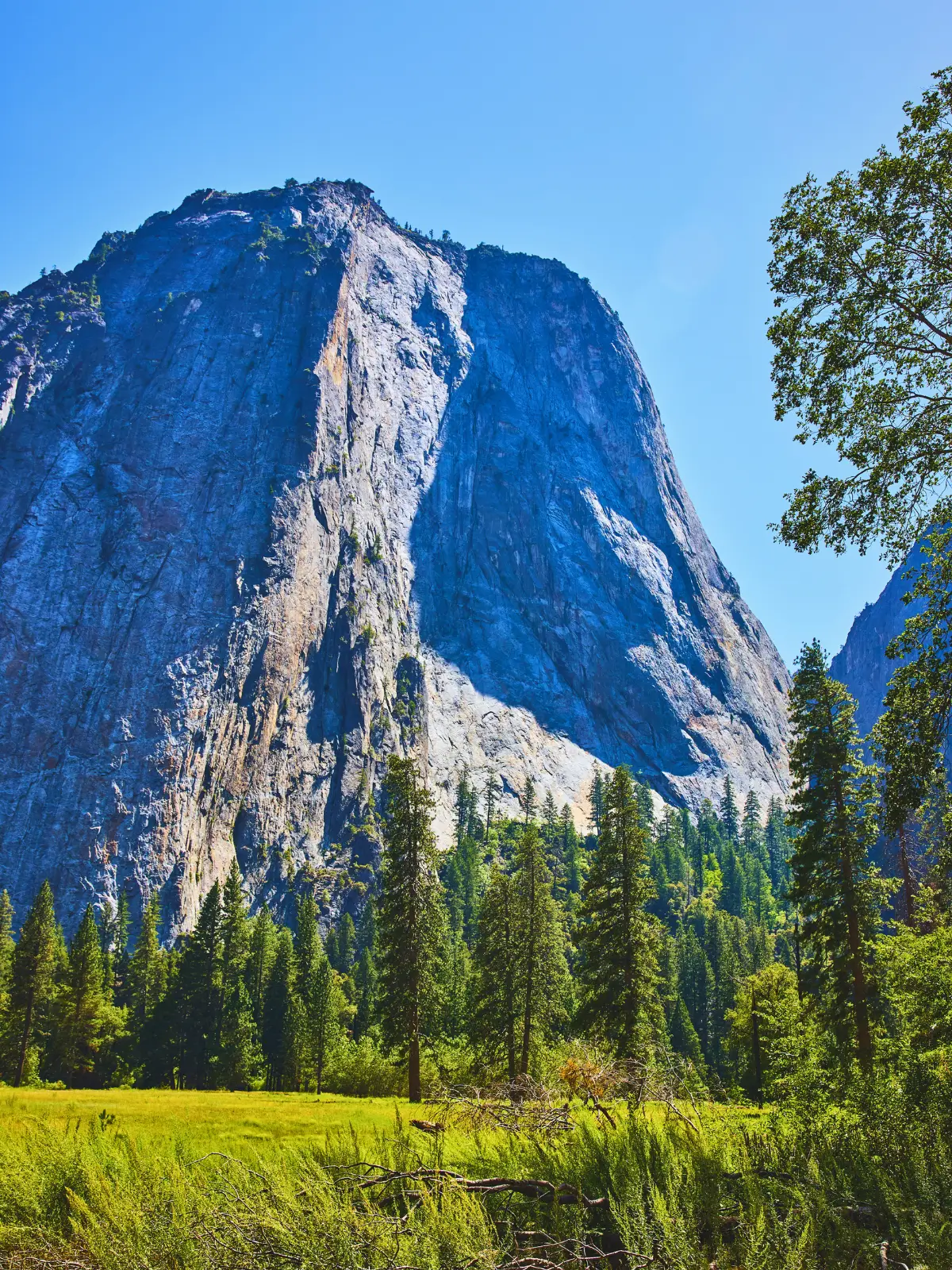
Granite cliffs rising above green meadows and pine trees in Yosemite National Park.

Day 5: Yosemite to Los Angeles

Travel south toward Los Angeles and treat this as the longest transfer day, with time set aside to rest on arrival.

Suggested Stay: Hotel or apartment in central Los Angeles

Route: Yosemite to Los Angeles

Day 6: Los Angeles

Focus on a small number of areas rather than crossing the entire city. Combining coastal neighbourhoods with central districts provides contrast without long travel times.

Highlights

  • Coastal areas
  • Central Los Angeles neighbourhoods

Day 7: Departure from Los Angeles

Travel to the airport for departure. Depending on flight timing, there may be time for a short walk or meal nearby before leaving.

Route: Accommodation to airport

Top 7 Things to Know Before Visiting the United States

1. Distances Are Much Larger Than They Appear

The United States covers a vast geographic area, and travel distances are often underestimated. Journeys that look short on a map can take several hours by car or require domestic flights. Travel planning should prioritise regions rather than attempting to cover the country in a single trip.

2. Public Transport Is Limited Outside Major Cities

Cities such as New York, Chicago, and Washington, D.C. offer reliable public transport, but car travel shapes much of the country. In suburban areas, national parks, and smaller cities, hiring a car is often the most practical option.

3. Travellers Factor Tipping into Daily Costs

Tipping is a standard part of service culture and should be factored into budgets. Restaurants typically expect 15–20%, and tipping is also common for taxis, hotel staff, and personal services. Service staff wages often depend on tips rather than fixed salaries.

4. Sales Tax Is Added at the Checkout

Displayed prices in shops and restaurants usually do not include sales tax. The final amount is calculated at the till and varies by state and city. This can affect budgeting, particularly for larger purchases.

5. Entry Procedures Can Be Strict

Border controls are thorough, even for visitors using visa waiver programmes. Travellers should carry documentation showing return or onward travel and accommodation details. Electronic devices may be subject to inspection at entry points.

6. Regional Laws and Rules Vary by State

The United States operates under both federal and state law. Regulations around alcohol, smoking, speed limits, and even shopping hours can vary significantly between states. Travellers should check local rules when moving between regions.

7. Accommodation Styles Differ by Region

Hotels are common in cities, while motels are widespread along highways and in smaller towns. National park areas often offer limited accommodation, so travellers need to book in advance. Standards and pricing can vary more widely than in many other countries.

Beige washi tape strip with soft torn edges on a transparent background.

How to Get There

International Flights

The United States has multiple long-haul entry points. There is no single primary arrival airport. Most international flights arrive in major hub cities. Direct routes are available from Europe, Asia, and parts of the Middle East. Flight times are often long. Arrival planning should allow time to rest and adjust.

Entry Airports and Gateways

The best entry airport depends on the planned route. East Coast arrivals suit city-based itineraries. They also reduce travel time between destinations. West Coast airports work better for road trips and national parks. Central hubs such as Chicago are commonly used for onward domestic travel.

Visa and Entry Authorisation

Many travellers enter the United States using ESTA (Electronic System for Travel Authorization) under the Visa Waiver Programme. Citizens of eligible countries can use it for tourism or short stays, and travellers must obtain online approval before departure.

Travellers who do not qualify for ESTA must apply for a visitor visa. Airlines and border authorities check entry authorisation and passport validity before boarding and may request additional travel details.

What to Expect

A Highly Structured Travel Environment

Travel in the United States is organised around systems and procedures. Queuing, signage, reservations, and rules are clearly defined, and travellers are generally expected to follow them closely.

Limited Walkability Outside City Centres

Many towns and suburban areas are not designed for walking. Sidewalks may be absent, and distances between places can be impractical on foot, even within the same neighbourhood.

Consistent Customer Service Interactions

Service interactions are typically polite, direct, and standardised. Staff may check in frequently, offer refills, or confirm preferences, which is considered normal rather than intrusive.

Clear Separation Between Public and Private Space

Access to buildings, residential areas, and certain facilities may be more restricted than expected. Private property boundaries are clearly marked, and access rules are generally enforced.
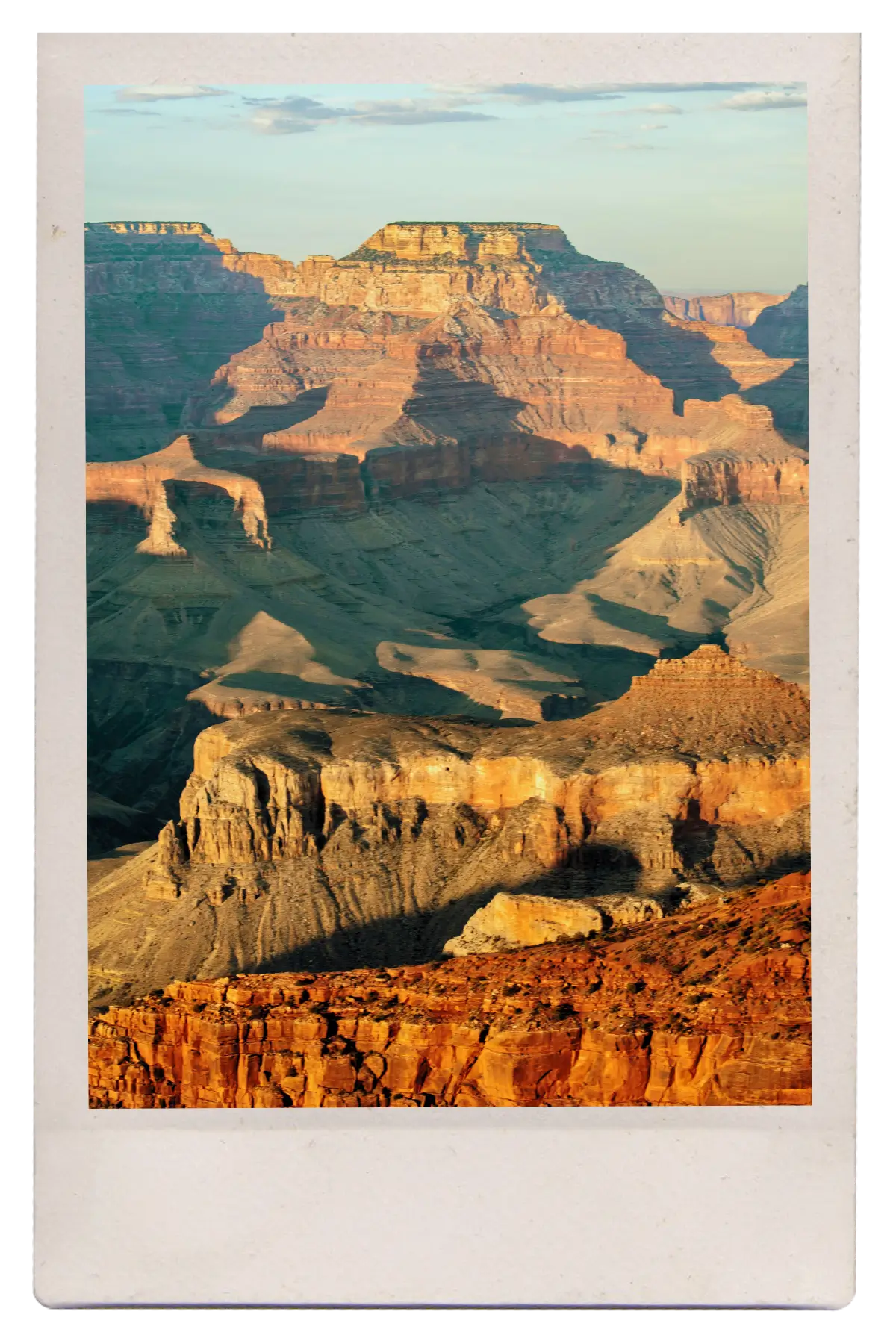
Layered rock formations of the Grand Canyon in Arizona.
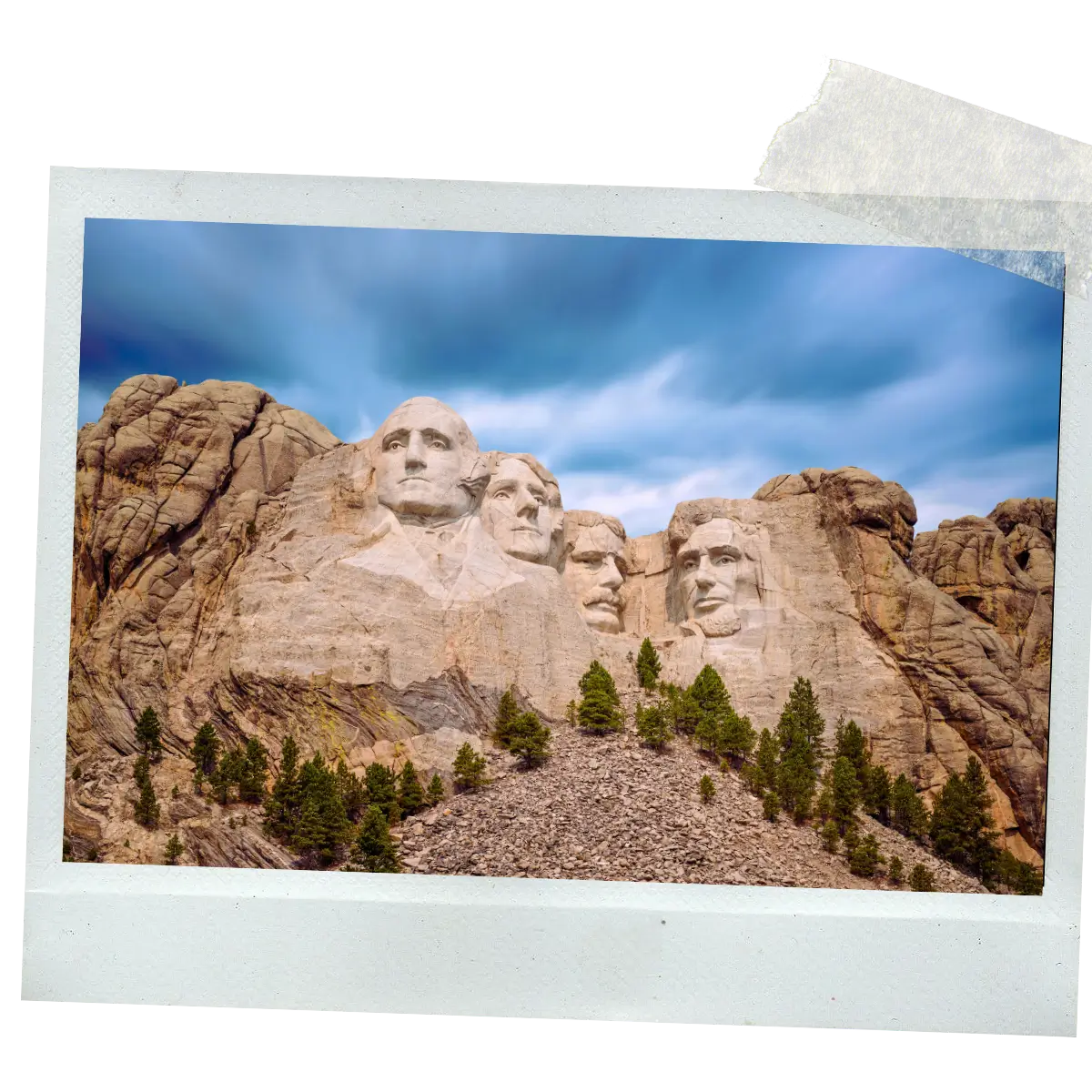
Mount Rushmore National Memorial with carved presidential faces set into granite cliffs in South Dakota, United States.

Getting Around the US

Domestic Flights

Domestic flights are widely used due to long distances. Major cities are well-connected by frequent services. Flying is often the fastest option between regions. Security procedures are similar to international flights. Extra time should be allowed at airports.

Trains

Passenger rail services operate on selected routes. Trains work best in the Northeast Corridor. Cities such as New York, Washington, D.C., and Boston are well-connected. In other regions, rail travel is slower and less frequent. Trains are rarely the most efficient option outside major corridors.

Car Hire

Car hire is common across the country. It is often essential outside major cities. National parks, smaller towns, and suburban areas are designed for driving. Roads are generally well-maintained. Distances can be long, so journey planning is important.

Public Transport in Cities

Public transport varies by city. Some cities have extensive metro or bus systems. Others rely more heavily on cars. Coverage and reliability differ by location. Visitors should check local transport maps in advance.

Long-Distance Buses

Long-distance buses connect many cities and towns. They are usually cheaper than trains or flights. Travel times can be long. Comfort levels vary by operator. This option suits budget-focused travel.

Rideshare and Taxis

Rideshare services operate in most cities. Taxis are also available in urban areas. Availability is more limited in smaller towns. Pricing varies by city and time of day. This option works best for short journeys.
Beige washi tape strip with soft torn edges on a transparent background.
What to Pack

Join the Journey

Sign up for new itineraries, travel notes, and practical guides to help you explore the places I love most.

Portrait of Manu smiling against a neutral background.

I love exploring new places and sharing the travel tips, food finds, and experiences that help you plan your next adventure.

Leave a Comment

Your email address will not be published. Required fields are marked *

Scroll to Top
Ultimate packing checklist travel guide cover with tropical beach background.