Your journey, beautifully planned.

Exploring the Regions and Landscape of Mexico

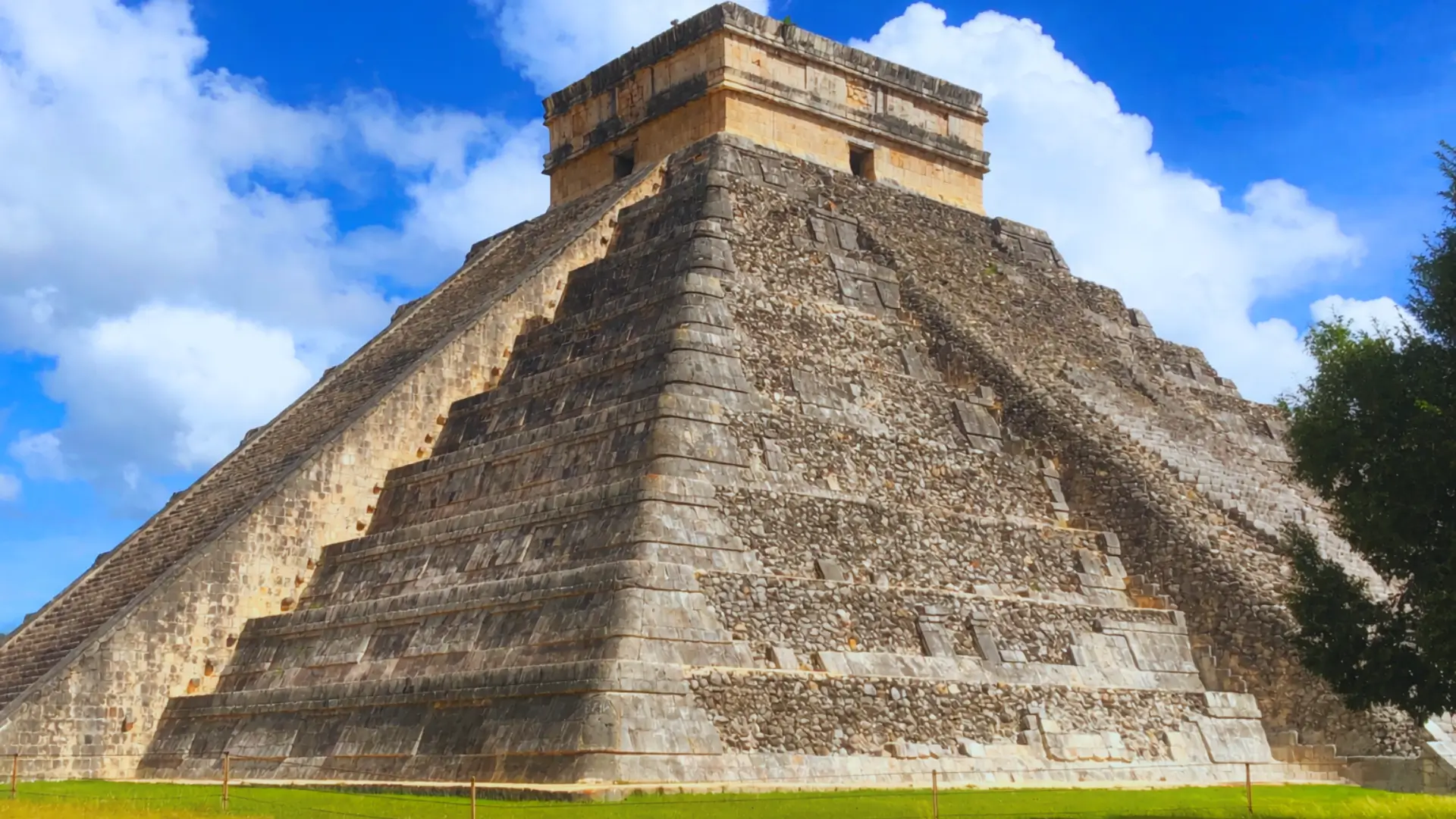
El Castillo pyramid at Chichén Itzá, an ancient Mayan ruin in Mexico.

It is pretty much impossible to talk about Mexico without getting a bit excited. The place is just a massive explosion of colour and life, where every street corner feels like it has a story to tell. You could be wandering through a colonial town with bright orange walls and purple flowers everywhere. Or you could just be chilling out on a beach with sand so white it looks like flour. It has this relaxed, sun-soaked energy that makes you want to slow down and just take it all in.

If you are a fan of food, you are basically in heaven. We are talking about real-deal tacos served fresh on a street corner with plenty of lime and a salsa that actually has a bit of a kick.

There is something so right about sitting in a breezy beach bar with a salt-rimmed margarita in hand, watching the waves roll in while the smell of grilled seafood drifts past. It is simple, unpretentious, and easily some of the best eating you will ever do.

It’s the kind of place where the locals are always happy to help. You get a mix of busy, buzzing cities and quiet, sleepy beach towns. It doesn’t matter if you’re looking for a big adventure or just want to chill out on the sand. Mexico just has a way of making every day feel like a bit of a celebration.

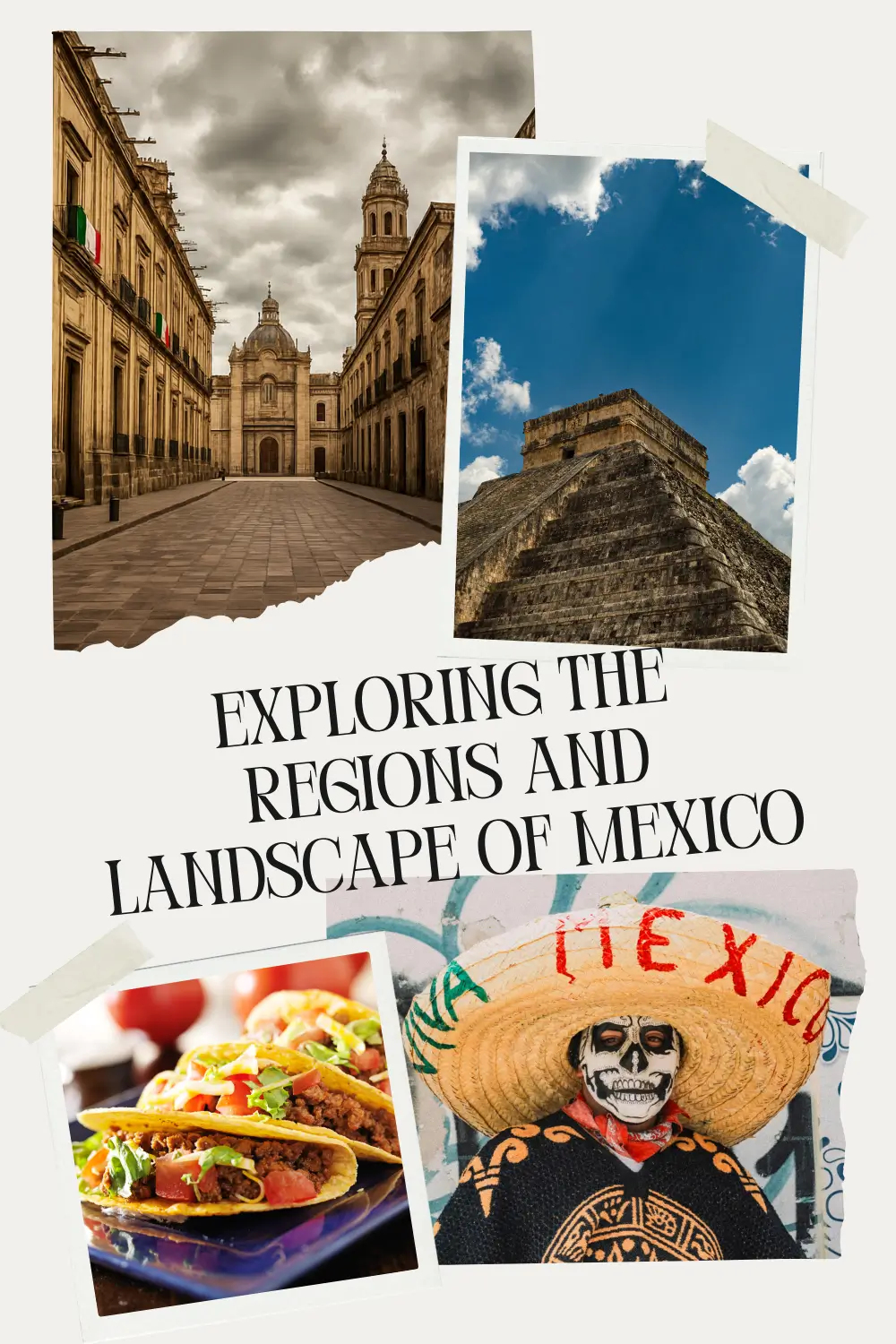
Collage featuring Mexican architecture, Mayan ruins, street food, and Day of the Dead.

Did You Know?

  • Mexico has more UNESCO World Heritage Sites than any other country in the Americas, ranging from ancient ruins to historic city centres.

  • Chocolate, corn (maize), tomatoes, and chilli peppers were all domesticated in Mexico, shaping cuisines around the world.

  • Mexico City was built on the site of an ancient lake, which is why parts of the city are slowly sinking over time.

  • Day of the Dead is a celebration of life, not a sombre event, with food, music, and family gatherings honouring loved ones.

  • Tacos in Mexico are typically served on soft corn tortillas, not hard shells, with fillings and styles varying by region.

  • Mexico officially recognises over 60 indigenous languages, many of which are still spoken daily.

  • The country spans multiple climates and landscapes, from deserts and jungles to mountains and long stretches of coastline.

I love exploring new places and sharing the travel tips, food finds, and experiences that help you plan your next adventure.

Join the
Journey

Sign up for new itineraries, travel notes, and practical guides to help you explore the places I love most.

Beige washi tape strip with soft torn edges on a transparent background.

What to Pack

Best Time to Visit Mexico

The easiest time to visit Mexico is usually between November and April. These months bring drier weather and warm days, creating more comfortable conditions overall. It’s an ideal time for sightseeing, beach activities, and getting around without heavy rain or extreme humidity.

From May to October, temperatures rise, and rain becomes more common, especially in coastal and southern regions. Showers are often short and pass quickly, but afternoons can feel hot and sticky. This period can be quieter and cheaper in some places, which suits travellers who don’t mind adjusting plans around the weather.
Busy travel periods include Easter, Christmas, and major festivals. During these times, prices increase, and popular destinations fill up quickly. Outside those times, Mexico stays flexible year-round, making it easy to plan around your preferred pace, budget, and climate.
Drier Period Transition Period Wetter Period

Mexico at a Glance

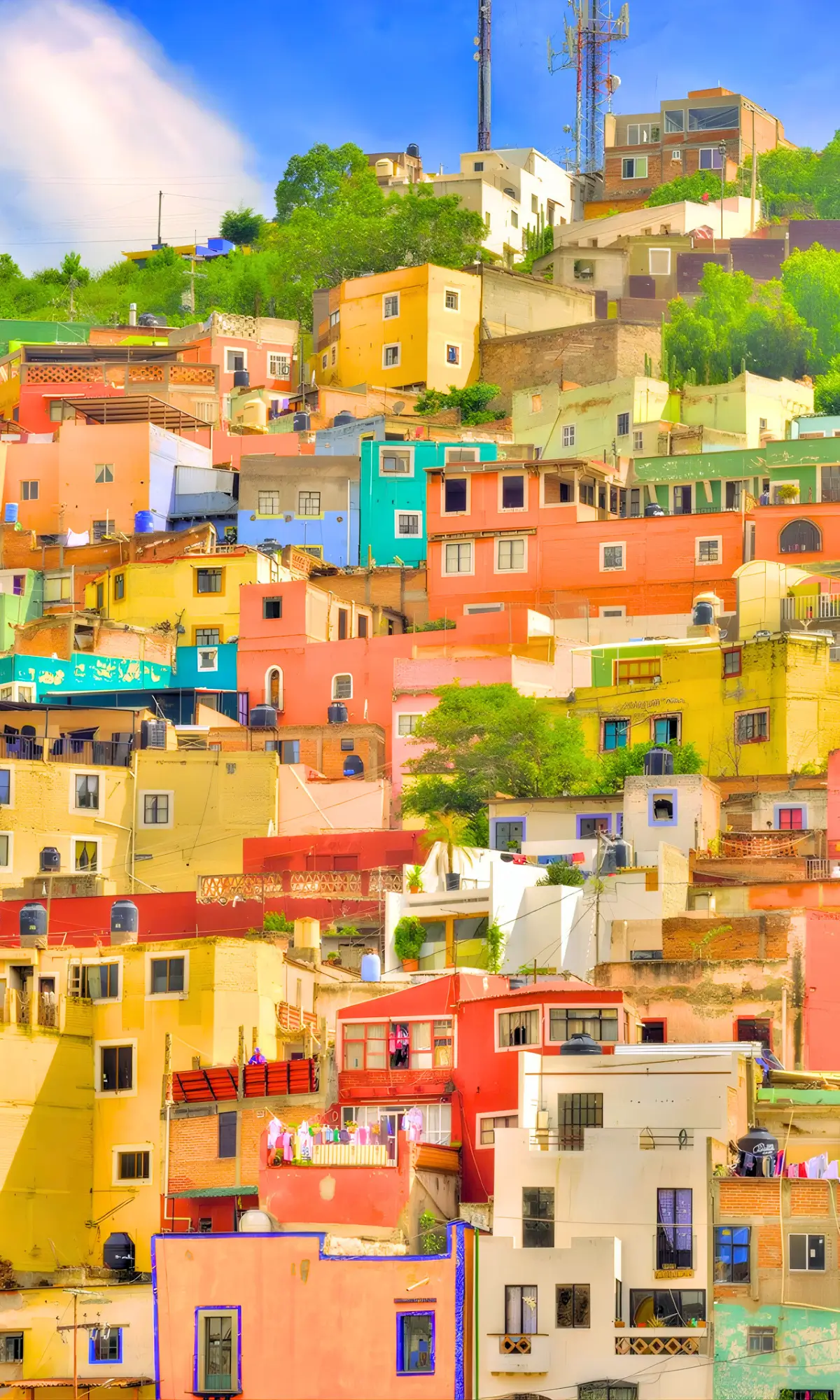
Colourful hillside houses in Guanajuato, Mexico.
Language selection icon showing two speech bubbles with letter A and Chinese character.

Language

People speak Spanish nationwide. In tourist areas and hotels, many people understand English. Basic Spanish phrases are still useful.

Illustration of a money bag with dollar symbol next to stacked coins.

Currency and Costs

Mexico uses the Mexican Peso (MXN). Approximate rate: 1 USD ≈ 16–18 MXN. Major cities and beach resorts cost more. Street food and local transport are very affordable.

Mobile payment icon with credit card and phone showing confirmed payment

Payments

Hotels, restaurants, and larger businesses accept cards. Cash is common for street food, markets, taxis, and smaller towns. ATMs are widely available.

Hand holding a dollar sign and heart icon representing tipping.

Tipping

Tipping is expected. Restaurants usually tip 10–15%. Small tips are common for guides, hotel staff, and drivers.

Shield with checkmark and padlock as safety icon.

Safety

Mexico is generally safe in well-visited areas. Safety varies by region. Stay informed and avoid poorly lit or unfamiliar areas at night.

Wi-Fi connectivity icon for travel and accommodation.

Connectivity

Mobile coverage is strong in cities and tourist regions. Many hotels, cafés, and rentals offer Wi-Fi. Visitors can easily buy SIM cards or eSIMs on arrival.
A Detailed Mexico Itinerary

This 10-day Mexico itinerary follows a south-eastward route that keeps travel practical and avoids unnecessary backtracking. It starts in central Mexico, continues south to Oaxaca, and ends in the Yucatán Peninsula, grouping nearby places together rather than jumping between regions.

Accommodation is kept deliberately stable, with several nights spent in the same base to reduce packing and daily travel. Movement between regions is handled by domestic flights and short road transfers, which reflects how most travellers realistically get around Mexico.

Day 1: Arrival in Mexico City

Arrive in Mexico City and transfer into the historic centre or nearby districts. Plans are kept light to allow time to adjust after travel and become familiar with the city’s layout.

Suggested Stay: Hotel or guesthouse in the historic centre or Reforma area

Base: Mexico City

Highlights

  • Zócalo surroundings
  • Historic centre streets
  • Evening city atmosphere

Day 2: Historic Centre and Zócalo District

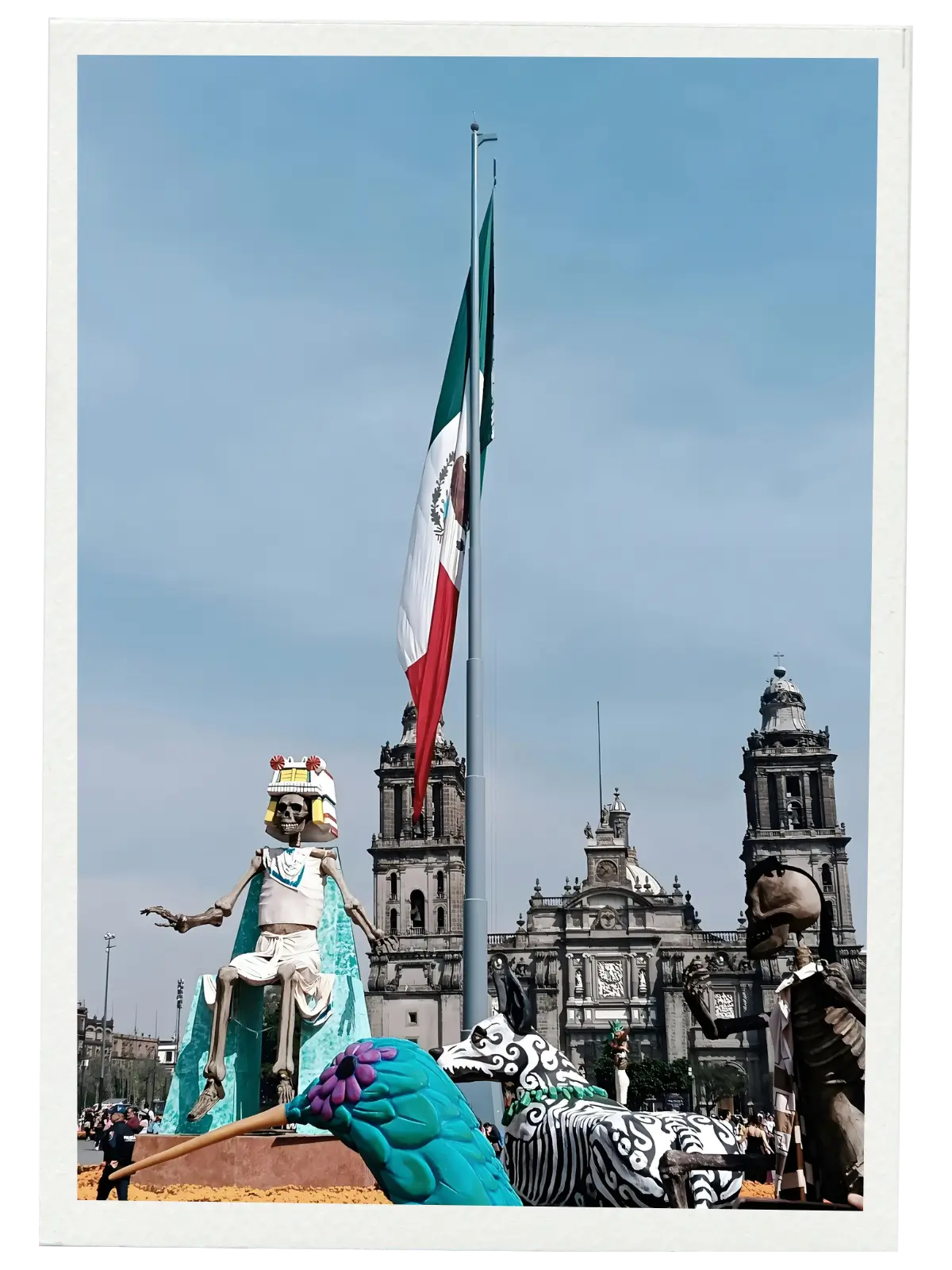
Focus on the historic heart of Mexico City, where major landmarks sit within walking distance. The compact layout allows for steady exploration without heavy transport use.

Base: Mexico City

Highlights

  • Metropolitan Cathedral exterior
  • Templo Mayor surroundings
  • Zócalo and nearby plazas

Day 3: Chapultepec Park and Reforma

Spend the day in and around Chapultepec, a large green zone that breaks up urban sightseeing. Movement remains simple, with broad avenues and open spaces.

Base: Mexico City

Highlights

  • Chapultepec Park grounds
  • Castillo de Chapultepec exterior
  • Paseo de la Reforma

Day 4: Mexico City to Oaxaca

Travel south to Oaxaca, typically by domestic flight or long-distance bus. Arrival is kept relaxed, focusing on settling into the historic centre rather than structured sightseeing.

Route: Mexico City to Oaxaca

Suggested Stay: Hotel or guesthouse in the historic centre

Highlights

  • Regional transition to southern Mexico
  • Historic centre arrival
  • Evening plaza atmosphere

Day 5: Historic Oaxaca

Explore Oaxaca’s historic centre, where churches, markets, and public squares are grouped closely together. The walkable layout supports an unhurried pace.

Base: Oaxaca City

Highlights

  • Santo Domingo area
  • Colonial streets and courtyards
  • Local markets
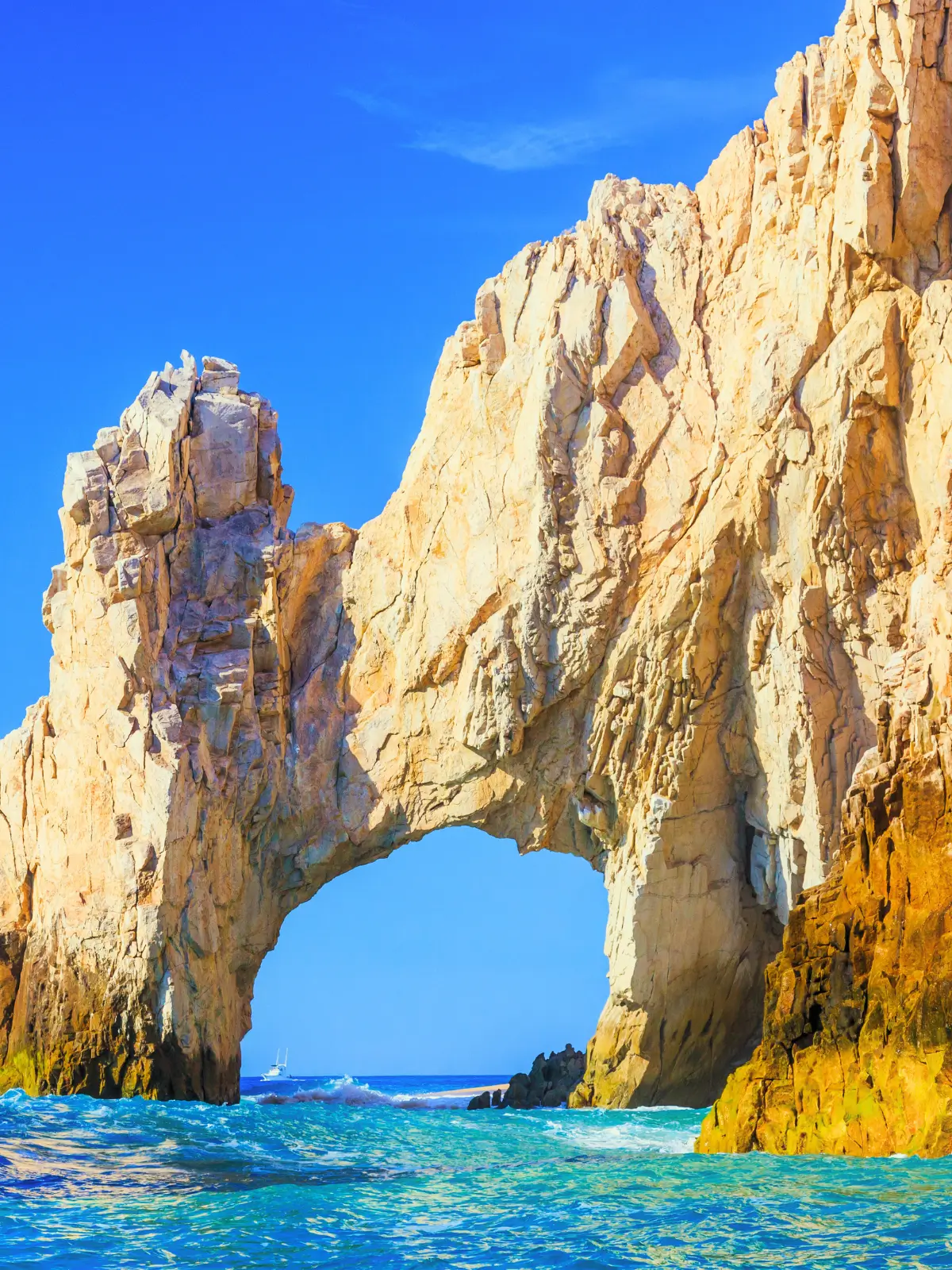
El Arco rock formation in Cabo San Lucas, Mexico.
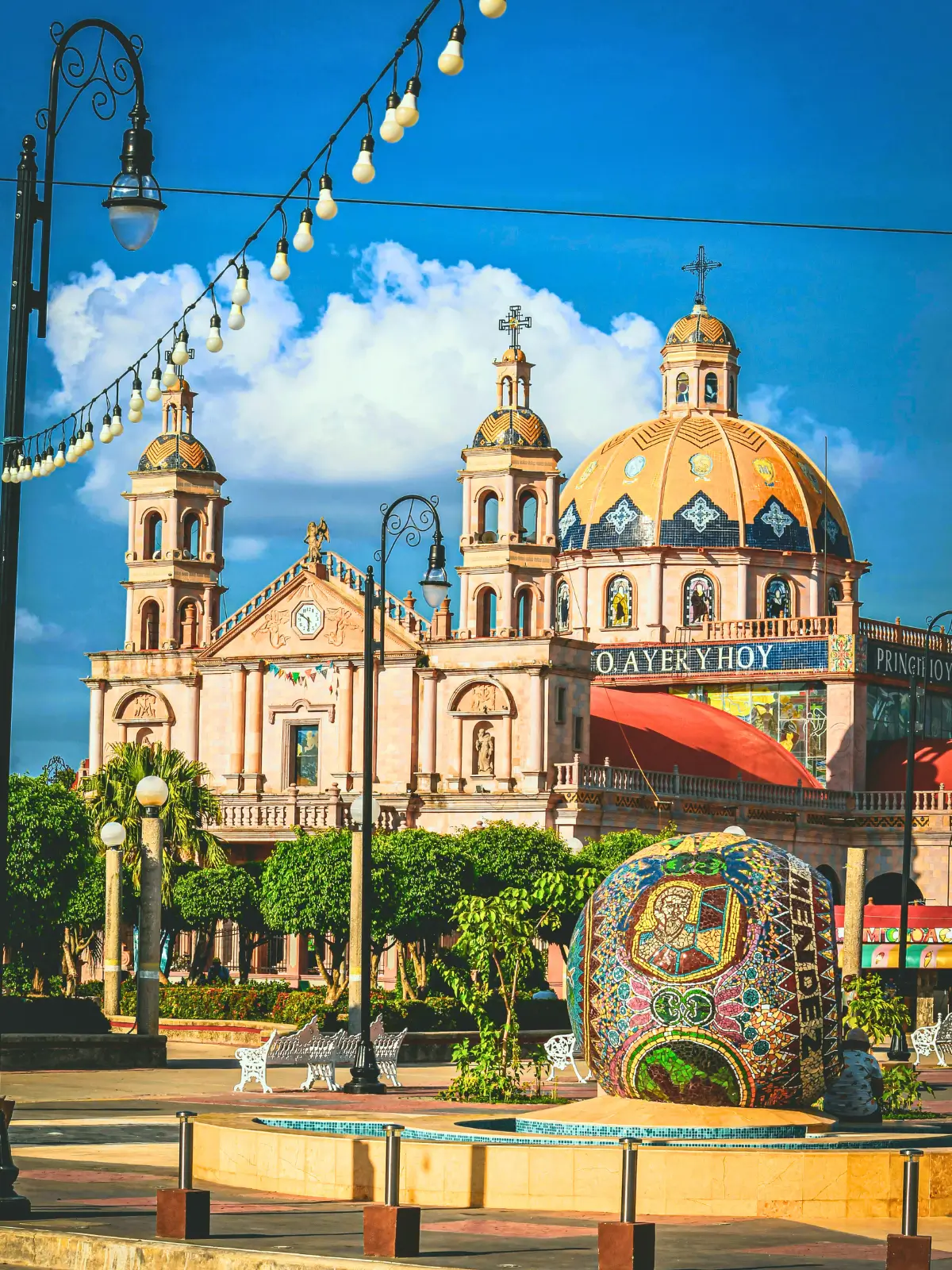
Parroquia de Nuestra Señora de Guadalupe in Jalostotitlán, Mexico.

Day 6: Monte Albán and Surroundings

Visit Monte Albán, set on a hilltop just outside Oaxaca City, and allow time to explore the site without rushing. Returning to the city afterwards keeps the day flexible and avoids unnecessary travel.

Base: Oaxaca City

Highlights

  • Monte Albán archaeological complex
  • Valley views over Oaxaca
  • Open plateau landscapes

Day 7: Oaxaca to Mérida

This is a transfer-focused day, typically handled by domestic flight to the Yucatán Peninsula. Arrival in Mérida is best kept simple, with time to settle into the historic centre.

Route: Oaxaca to Mérida

Suggested Stay: Hotel or guesthouse in the historic centre

Highlights

  • Cross-country regional transition
  • Arrival into Yucatán
  • Evening street life

Day 8: Mérida and Chichén Itzá

Travel east for a full-day excursion to Chichén Itzá, which forms the clear focus of the day. Returning to Mérida avoids a hotel change and keeps onward travel straightforward.

Base: Mérida

Highlights

  • Chichén Itzá archaeological site
  • Yucatán countryside
  • Cenote landscapes

Day 9: Mérida to Riviera Maya

Transfer east by road to the Caribbean coast. Plans are intentionally light on arrival, allowing time to settle into a coastal environment.

Route: Mérida to Riviera Maya

Suggested Stay: Beachfront resort or hotel near the coast

Highlights

  • Shift from inland to coast
  • Caribbean Sea views
  • First beach access

Day 10: Riviera Maya Coast and Departure

Spend the final day along the coast, staying close to transport connections for an easy departure. This provides a calm end to the route after several movement-heavy days.

Base: Riviera Maya

Highlights

  • Coastal downtime
  • Short beach walks
  • Departure preparation

Things to Know Before Visiting Mexico

1. Be Mindful of Tap Water

Most tap water in Mexico is not safe to drink. Use bottled or filtered water for drinking and brushing your teeth, and be cautious with ice outside major hotels and resorts.

2. Learn a Few Basic Spanish Phrases

English is common in tourist areas but not everywhere. Simple phrases like hola, gracias, and ¿cuánto cuesta? make daily interactions easier and help avoid misunderstandings.

3. Respect Local Customs and Personal Space

Politeness plays an important role in everyday interactions. Greet people before asking questions and use courtesy words to avoid coming across as rude or impatient.

4. Dress Smart, Not Just Casual

Beachwear works at resorts and beaches but not in cities, markets, or churches. Wear lightweight yet modest clothing when sightseeing to feel comfortable and respectful.

5. Plan for a Slower Pace

Daily schedules and service often move more slowly than some travellers expect. Build extra time into your plans and stay flexible to avoid unnecessary stress.

6. Take Food Hygiene Seriously

Street food is one of Mexico’s highlights, but standards vary. Choose busy stalls with high turnover and freshly cooked food to reduce the risk of getting sick.

7. Sun Protection Is Essential

The sun can feel intense even on cloudy days. Use sunscreen, wear a hat, and drink plenty of water to avoid sunburn or heat exhaustion.
Beige washi tape strip with soft torn edges on a transparent background.

How to Get There

International Flights

Mexico is easy to reach by international flights from North America, Europe, and Latin America. Many airlines operate direct and connecting routes year-round.
Flight times depend on where you depart from. Some routes include stopovers, especially from Europe or South America. Prices increase during peak periods such as winter holidays, Easter, and summer.

Entry Airports and Gateways

Most travellers arrive through Mexico City or Cancún. Mexico City is a good choice if you’re planning to explore culture, food, or travel onwards to other parts of the country. Cancún works best if your focus is beaches or the Yucatán Peninsula.
You can also fly into places like Los Cabos for Baja California or Guadalajara for western and central Mexico. Picking the right airport from the start saves time and cuts down on backtracking.

Connecting Flights and Overland Arrivals

Mexico is big, so domestic flights are often the easiest way to cover long distances. They connect most major cities and regions and can save you hours compared to travelling overland.
You can also enter Mexico by land from the United States, Guatemala, or Belize. Border crossings are common, but wait times can change depending on the location and season.

Visa and Entry Requirements

Many travellers don’t need to arrange a visa in advance, depending on their passport. Your passport just needs to be valid for your stay.

You’ll get entry permission when you arrive. Rules can change, so it’s always worth checking before you fly to avoid any last-minute stress at check-in.

What to Expect

Prices Can Change Fast by Area

Prices can jump quickly depending on where you are. A coffee near the main square or the beach can cost way more than one a few streets back. Travellers often assume prices stay the same and end up overpaying. Walking a bit further usually gets you better value.

Food Feels Different Everywhere

Mexican food isn’t the same from place to place. Tacos, sauces, and even tortillas change depending on the region. Some travellers expect familiar flavours everywhere and get surprised. Think of each stop as its own food experience.

Altitude Can Catch You Off Guard

Places like Mexico City sit high above sea level. It’s common to feel tired, short of breath, or extra thirsty at first. Take it easy on day one, drink plenty of water, and let your body adjust.

Streets Stay Lively at Night

Things don’t shut down early. Food stalls, music, and people are often out late, especially in cities and beach towns. Travellers expecting quiet evenings can feel overwhelmed at first. It helps to go with the flow.

Things Run on Conversation, Not Rules

Not everything follows a strict system. Locals often sort things out through quick chats rather than formal steps. Travellers who stay calm and friendly usually get better results than those who push too hard.

Limited Signage Outside Tourist Areas

Clear signs and instructions are common in major tourist zones. Outside them, signage can be minimal. Travellers often rely on assumptions instead of asking. When unsure, ask locals or staff directly.
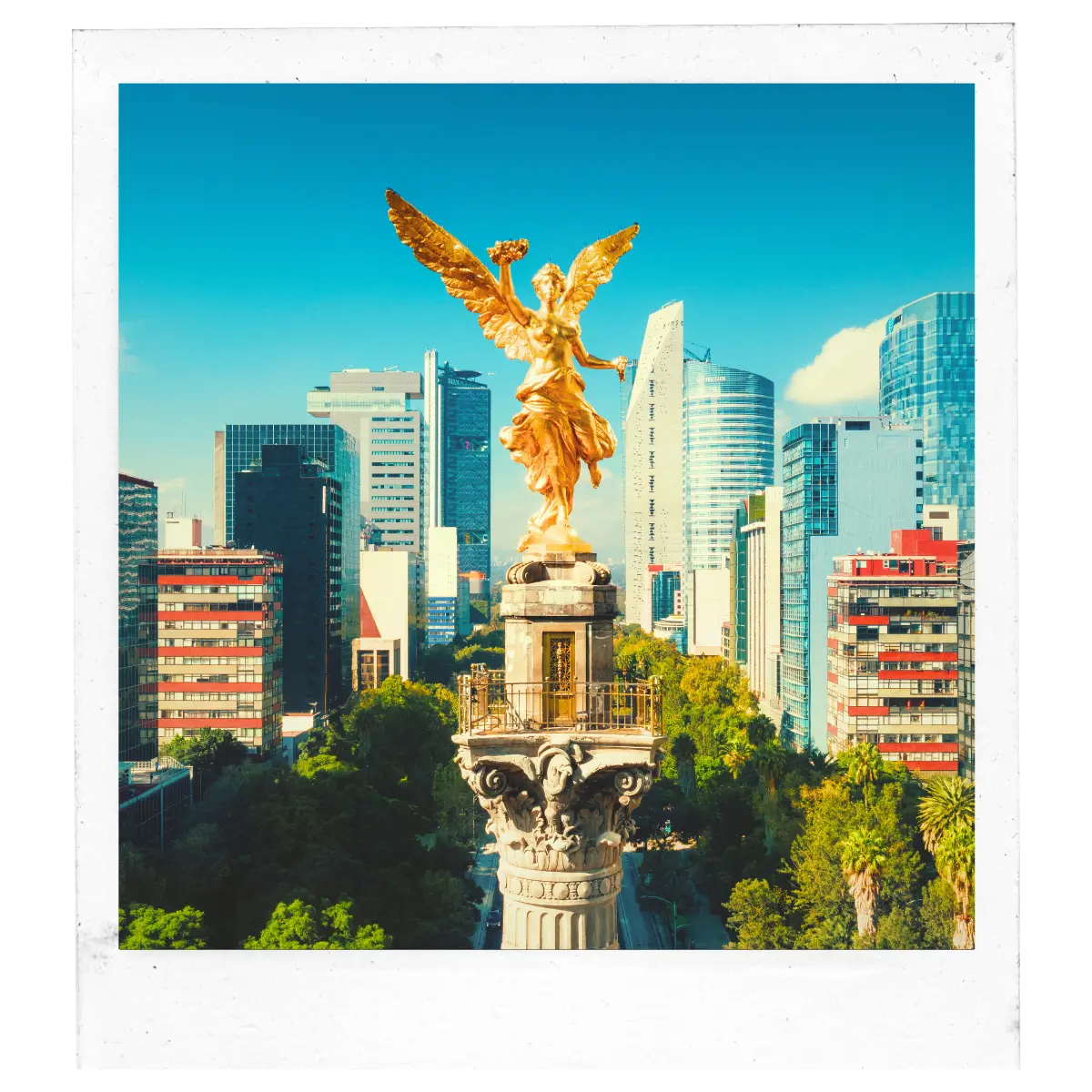
Golden Angel of Independence statue rising above Paseo de la Reforma in Mexico City.

Getting Around Mexico

Domestic Flights

Mexico is a big country, so flying can save a lot of time. Domestic flights are common, affordable, and usually the easiest way to move between far-apart regions like Mexico City, the Yucatán, and Baja California.

Buses for Longer Trips

Long-distance buses are comfortable and reliable, especially between cities. Many travellers are surprised by how modern they are, with air-conditioning and assigned seats. Travel times can be long, so buses work best when distances are reasonable.

Local Transport in Cities

Cities use a mix of buses, minibuses, and metro systems. In places like Mexico City, public transport is cheap and efficient once you get used to it. It can feel busy at peak hours, so timing your trips helps.

Taxis and Ride-Hailing Apps

Renting a car works well for road trips, smaller towns, or areas with limited public transport. Driving styles can feel aggressive in cities, and parking isn’t always easy. It’s usually more relaxing outside major urban areas.

Renting a Car

Renting a car works well for road trips, smaller towns, or areas with limited public transport. Driving styles can feel aggressive in cities, and parking isn’t always easy. It’s usually more relaxing outside major urban areas.

Getting Around Beach Towns

In smaller beach towns, walking often covers most places. Bikes, scooters, and short taxi rides are common for longer distances. Things move at a slower pace, so getting around usually feels easy and low-stress.
Beige washi tape strip with soft torn edges on a transparent background.

What to Pack

Join the
Journey

Sign up for new itineraries, travel notes, and practical guides to help you explore the places I love most.

Portrait of Manu smiling against a neutral background.

I love exploring new places and sharing the travel tips, food finds, and experiences that help you plan your next adventure.

Leave a Comment

Your email address will not be published. Required fields are marked *

Scroll to Top
Ultimate packing checklist travel guide cover with tropical beach background.