Your journey, beautifully planned.

A Practical Guide to Travelling in Guatemala

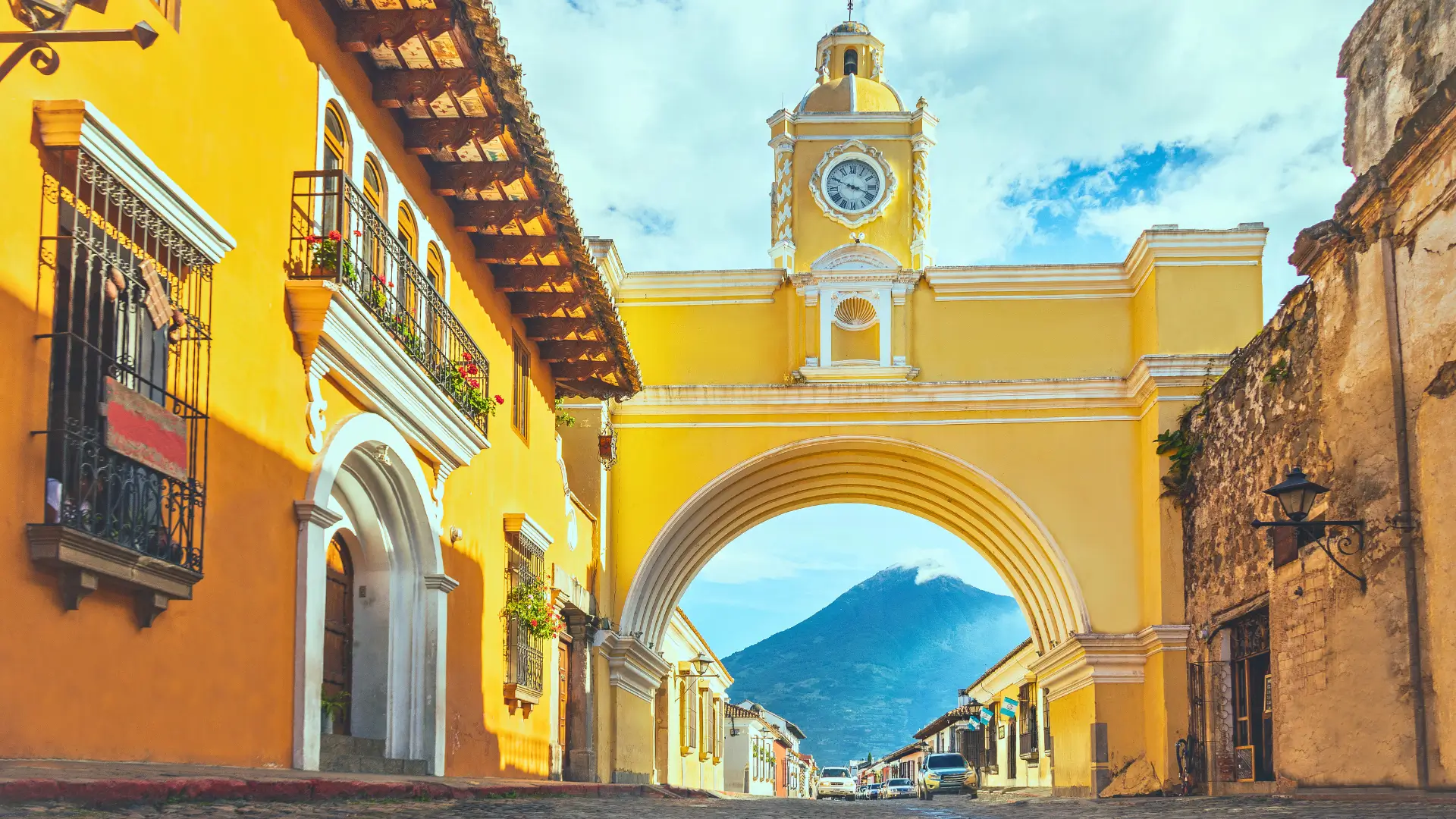
Yellow arch in Antigua with a volcano visible through the centre and colonial buildings lining the street.

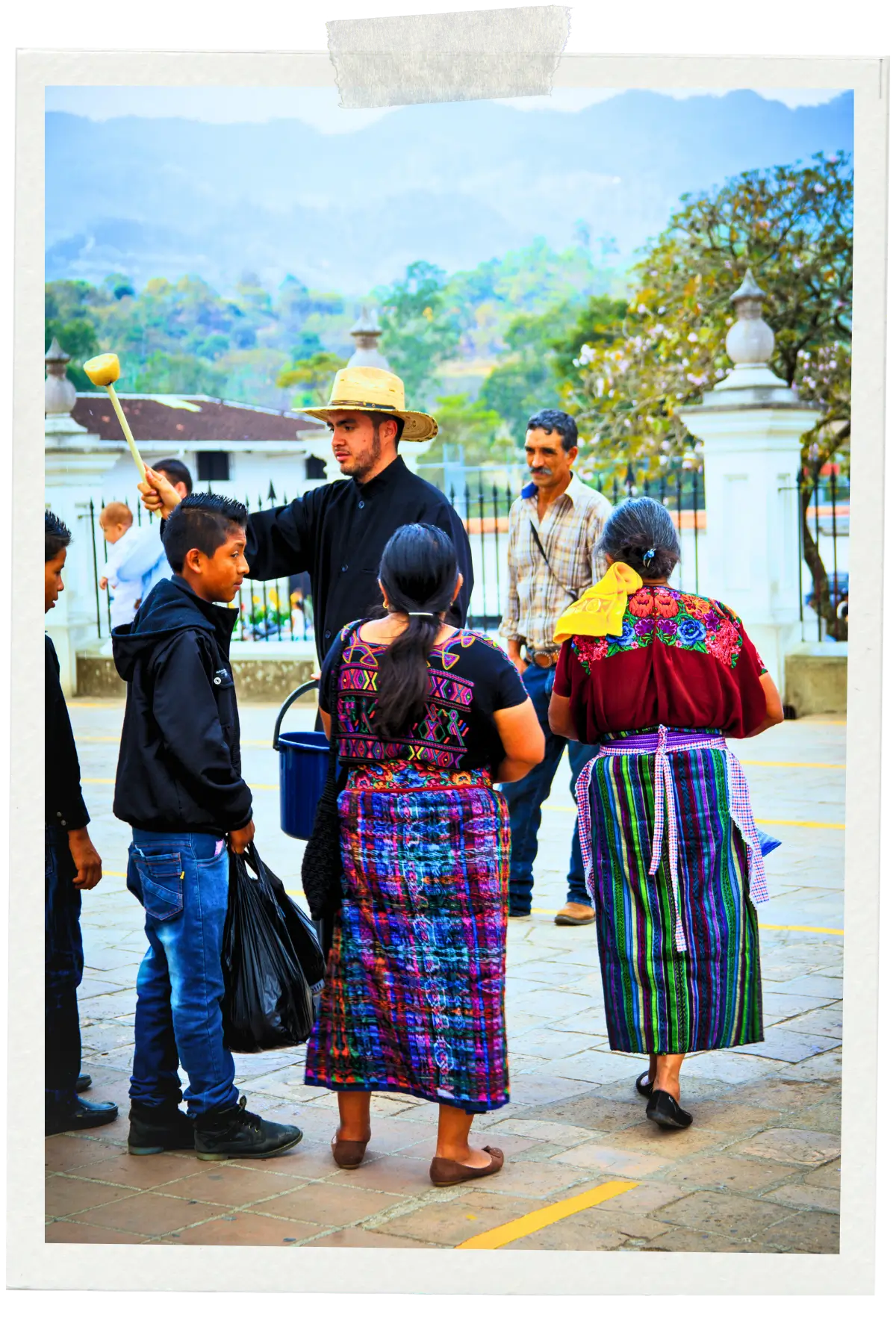
There’s a reason Guatemala is often called the “land of many trees.” Most days, you’re wrapped in deep green scenery, up in the highlands, surrounded by people in those beautiful, heavy hand-embroidered fabrics that honestly feel like they weigh a ton.

It’s stunning, but after a while, you start craving lighter clothes and a bit more air. So you hop on a chicken bus, watch the forests slowly thin out through the window, and point yourself toward the coast.
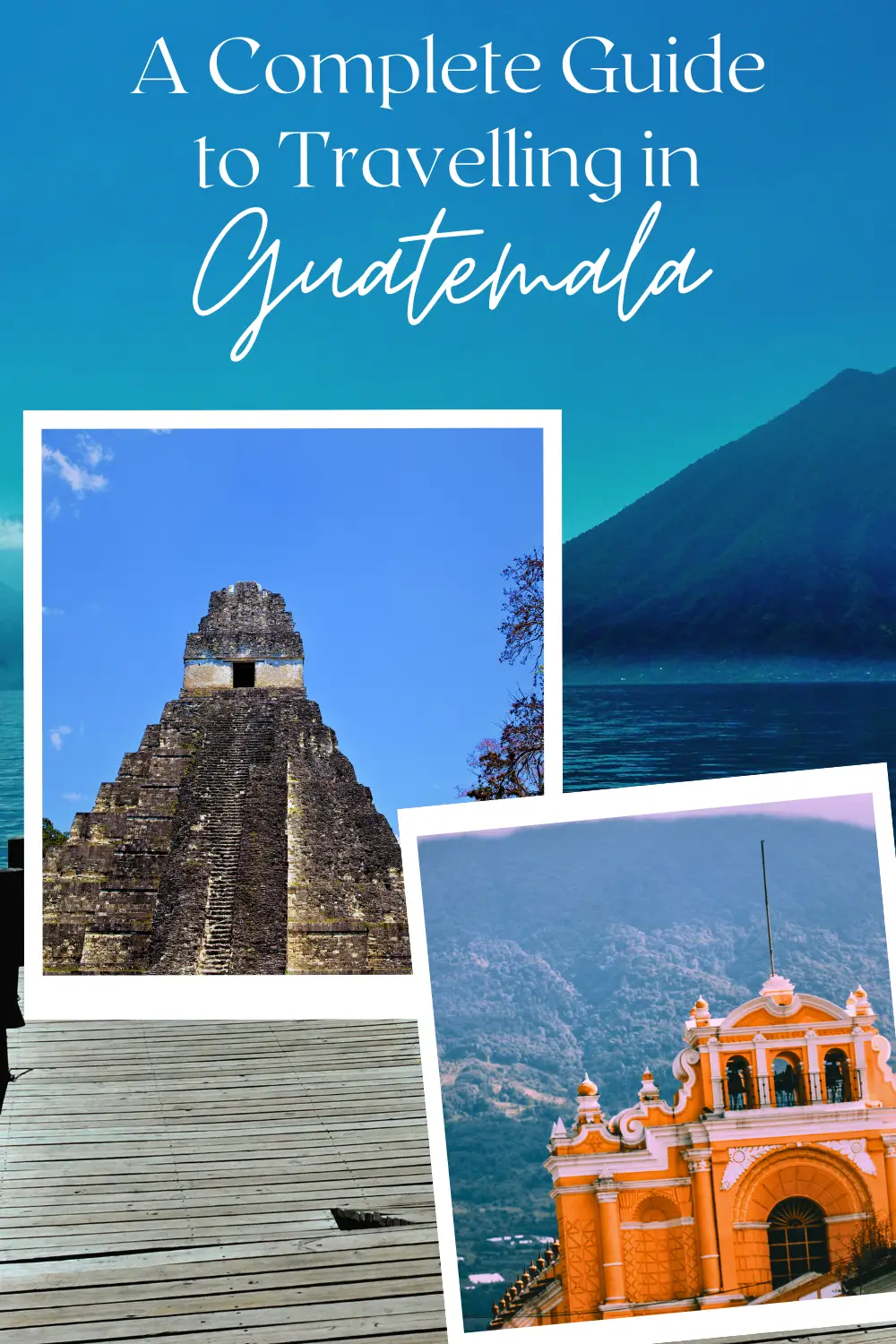
Cover image with photos of Tikal ruins, Antigua architecture, and Lake Atitlán in Guatemala.
If swapping mountains for sand sounds good, the Pacific coast is an easy move. Just don’t expect postcard beaches. This side of Guatemala is all dark volcanic sand, strong waves, and water that stays warmer than you’d expect.
Most travellers end up in a tiny place called El Paredón, where the roads are dusty, the palms lean toward the sea, and surf hostels come with thatched roofs and a very laid-back vibe.
Life here is simple. Early mornings are for catching the swell before the sun gets too strong, and the rest of the day is usually spent in a hammock with a cold drink in hand. Shoes feel optional, time feels flexible, and somehow everyone seems to know each other by the end of the first day.
As the sun starts to dip, people drift back to the beach to watch fiery sunsets light up the sky and reflect off the black sand.

Did You Know?

  • Guatemala has more Indigenous languages than any other country in Central America, with over 20 Mayan languages still spoken today.

  • Antigua is surrounded by three active volcanoes, and it is normal to see one releasing smoke during the day.

  • The national bird, the quetzal, is so important it also gave its name to the country’s currency.

  • Lake Atitlán is often considered one of the most beautiful lakes in the world, surrounded by volcanoes and small villages.

  • The colourful woven clothing you see is not just decorative. Patterns and colours can show where someone is from.

  • Guatemala was part of the ancient Maya civilisation, and major ruins like Tikal still stand deep in the jungle.

  • Chicken buses are old US school buses, repainted in bright colours and used as everyday public transport.

I love exploring new places and sharing the travel tips, food finds, and experiences that help you plan your next adventure.

Join the
Journey

Sign up for new itineraries, travel notes, and practical guides to help you explore the places I love most.

Beige washi tape strip with soft torn edges on a transparent background.

What to Pack

Best Time to Visit Guatemala

The best time to visit Guatemala is generally between November and April, when the weather is drier and more predictable. It’s easier to travel between places, outdoor activities are more comfortable, and rain is less likely to disrupt plans. This is also the busiest period, especially from December to March.
From May to October, the country experiences its rainy season. Rain usually falls later in the day rather than all day long, which means mornings are often still suitable for sightseeing and travel. During these months, fewer tourists visit, so popular areas tend to be less crowded, and accommodation is easier to find.
Some travellers prefer reliable weather during the busiest months. Others are happy to adjust plans slightly to enjoy greener scenery and fewer people around.
Highlands Lowlands Rainy Months Drier Months

Guatemala at a Glance

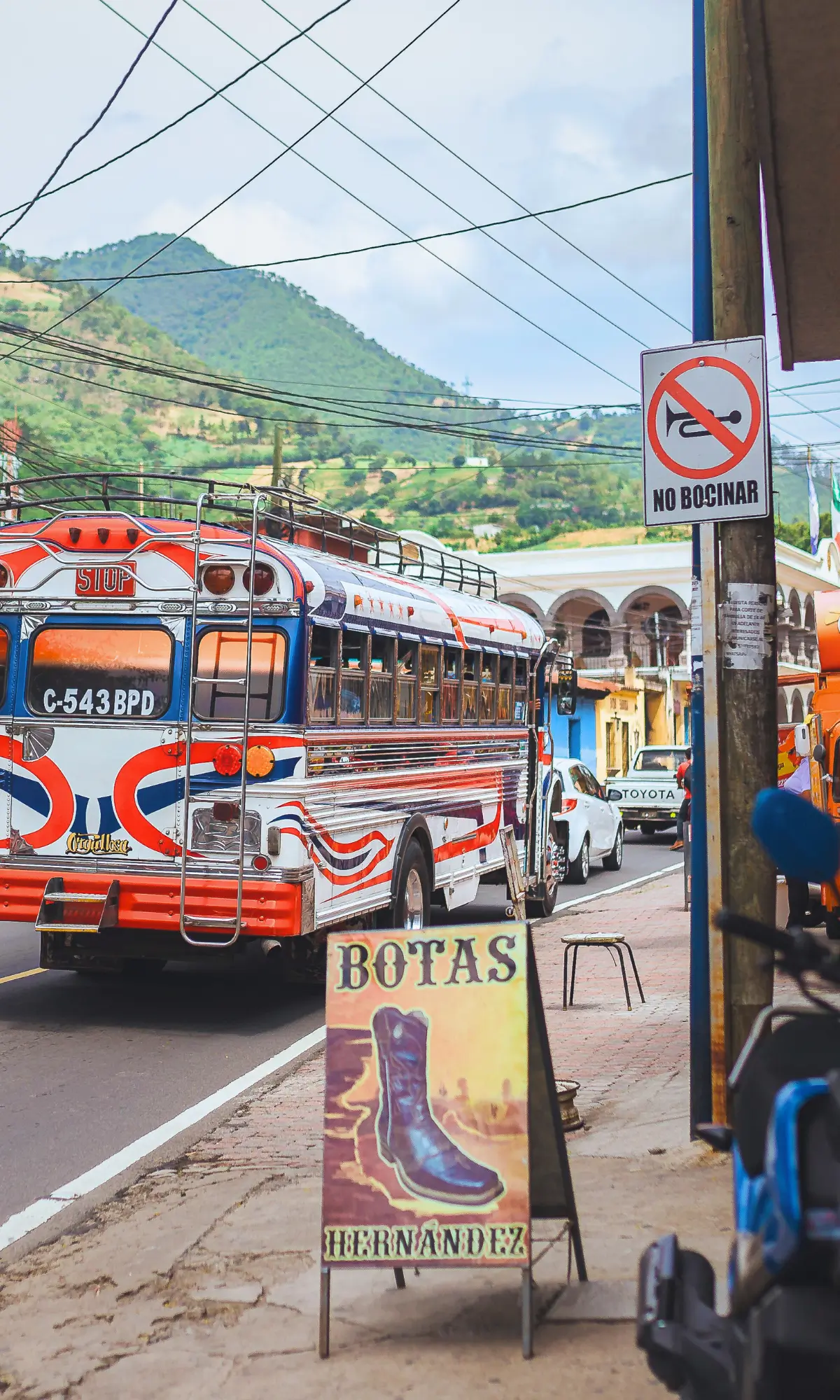
Colourful chicken bus driving through a Guatemalan town.
Language selection icon showing two speech bubbles with letter A and Chinese character.

Language

Spanish is the main language. English is spoken in tourist areas. Indigenous Mayan languages are common outside cities.

Illustration of a money bag with dollar symbol next to stacked coins.

Currency and Costs

Guatemalan Quetzal (GTQ). 1 USD ≈ 7.7–7.9 GTQ. Daily costs are affordable; tourist areas cost more.

Mobile payment icon with credit card and phone showing confirmed payment

Payments

Cash is widely used. Visa and Mastercard work in hotels and larger restaurants. Small shops and markets need cash.

Hand holding a dollar sign and heart icon representing tipping.

Tipping

Tipping is optional. In restaurants, 5–10% is common if no service charge is included. Guides and drivers usually receive small tips.

Shield with checkmark and padlock as safety icon.

Safety

Safety varies by area. Tourist regions are generally fine with basic precautions. Avoid walking alone at night.

Wi-Fi connectivity icon for travel and accommodation.

Connectivity

Mobile coverage is good in cities and tourist areas. Wi-Fi is common in hotels and cafés. Local SIM cards are easy to buy.
A Detailed Guatemala Itinerary

This itinerary moves through Guatemala in a natural sequence, beginning in the colonial highlands, continuing west to the Lake Atitlán region, and ending in the northern lowlands of the Petén. The route links major regions in a practical order, balancing settled exploration with clearly defined transfer days.

Travel is based on common overland connections in the highlands, combined with a domestic flight to reach the Petén, allowing long distances to be covered efficiently while keeping most days grounded in a single base.

Day 1: Guatemala City to Antigua

Arrival is followed by a short transfer into the highlands. Antigua provides a contained setting to settle in, with most areas accessible on foot and no need for additional transport on the first day.

Suggested Stay: Small hotel or guesthouse within the historic centre

Route: Guatemala City to Antigua

Highlights

  • Antigua Cathedral and central plaza
  • Santa Catalina Arch
  • Views towards Volcán de Agua

Day 2: Antigua

The day is focused on the historic core, moving between neighbouring streets and open squares. Distances remain short, allowing time to explore without covering large ground.
Suggested Stay: Small hotel or guesthouse within the historic centre

Base: Antigua

Highlights

  • Plaza Mayor and surrounding streets
  • Former convent complexes
  • Local markets and courtyard buildings

Day 3: Antigua Surroundings

Remaining based in Antigua allows access to areas just beyond the city while avoiding a change of accommodation. The day can be shaped around nearby landscapes or elevated viewpoints.

Suggested Stay: Small hotel or guesthouse within the historic centre

Base: Antigua

Highlights

  • Slopes of Volcán Pacaya
  • Coffee plantations outside the city
  • Viewpoints across the Antigua Valley

Day 4: Antigua to Lake Atitlán

Travel west into the highlands introduces a clear change in landscape. Arrival usually leaves time to orient around the lakeshore and nearby village areas.

Suggested Stay: Lakeside lodge or guesthouse near one of the main lake villages

Route: Antigua to Lake Atitlán

Highlights

  • Lake Atitlán basin
  • Surrounding volcanic ridgelines
  • Lakeside settlement layouts

Day 5: Lake Atitlán Villages

The lake is approached as a connected region. Movement between villages is handled by boat, keeping travel times short and plans flexible.

Suggested Stay: Lakeside lodge or guesthouse

Base: Lake Atitlán

Highlights

  • San Juan La Laguna artisan areas
  • San Pedro La Laguna waterfront
  • Boat routes linking lakeside towns
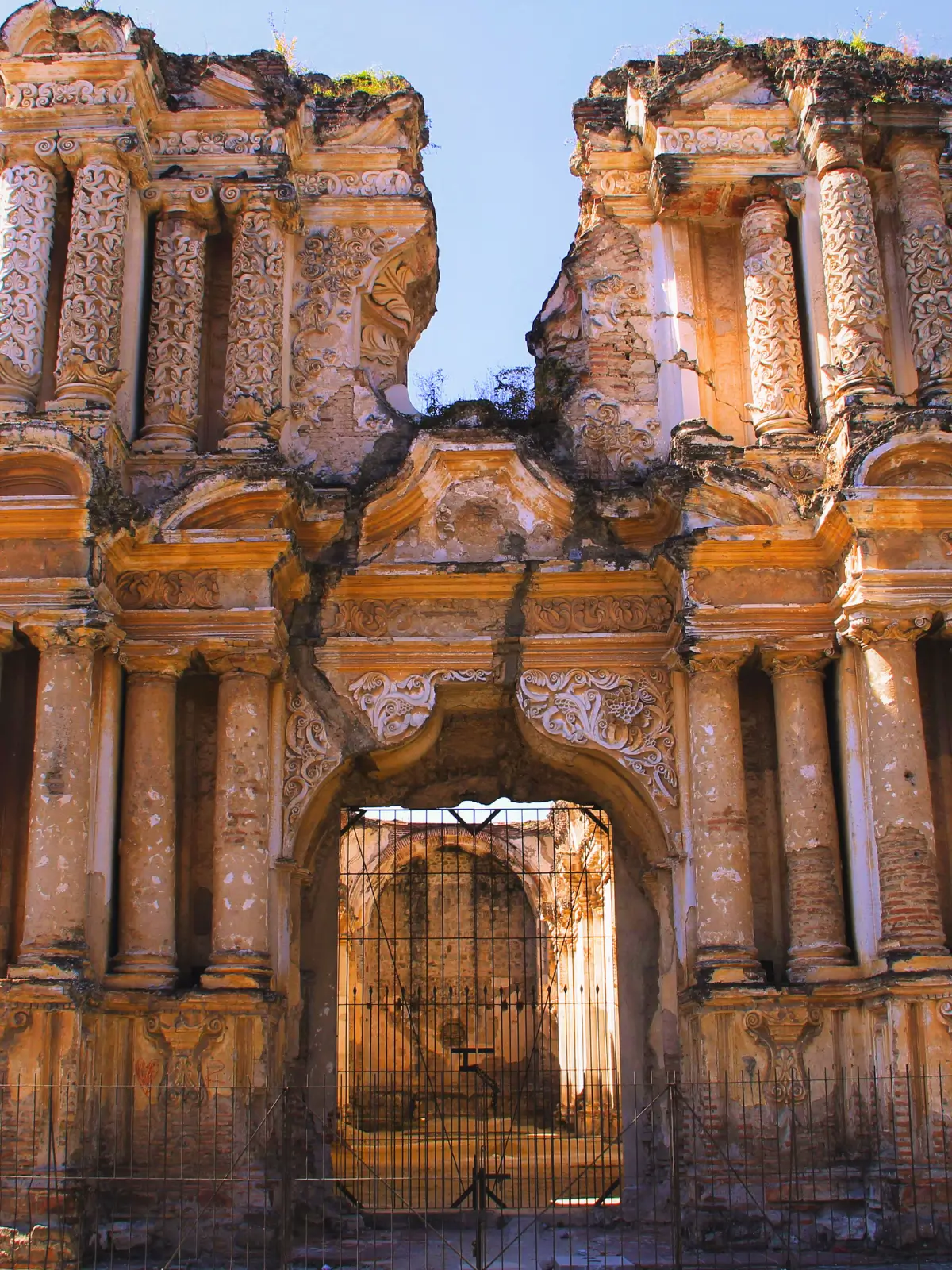
Colonial baroque church ruins in Antigua, Guatemala, with ornate stone façade and arched entrance.

Day 6: Lake Atitlán

A second day allows for slower exploration close to the base. Activities can be adjusted easily depending on weather or interest without long journeys.

Suggested Stay: Lakeside lodge or guesthouse

Base: Lake Atitlán

Highlights

  • Shoreline walking paths
  • Smaller bays away from main docks
  • Village centres shaped by local life

Day 7: Lake Atitlán to Guatemala City

The route returns east towards Guatemala City to connect with onward travel. Most of the day is spent on the road, making this a practical transfer rather than a sightseeing day.

Suggested Stay: Hotel near the airport or in a central district

Route: Lake Atitlán to Guatemala City

Highlights

  • Highland road corridors
  • Transition into the capital
  • Positioning for domestic flights

Day 8: Guatemala City to Flores

A domestic flight provides a direct connection to the Petén, avoiding a lengthy overland journey. Flores offers a compact base with services and accommodation clustered close together.

Suggested Stay: Small hotel or guesthouse in Flores or along the lake edge

Route: Guatemala City to Flores

Highlights

  • Lake Petén Itzá
  • Island layout of Flores
  • Lowland jungle surroundings

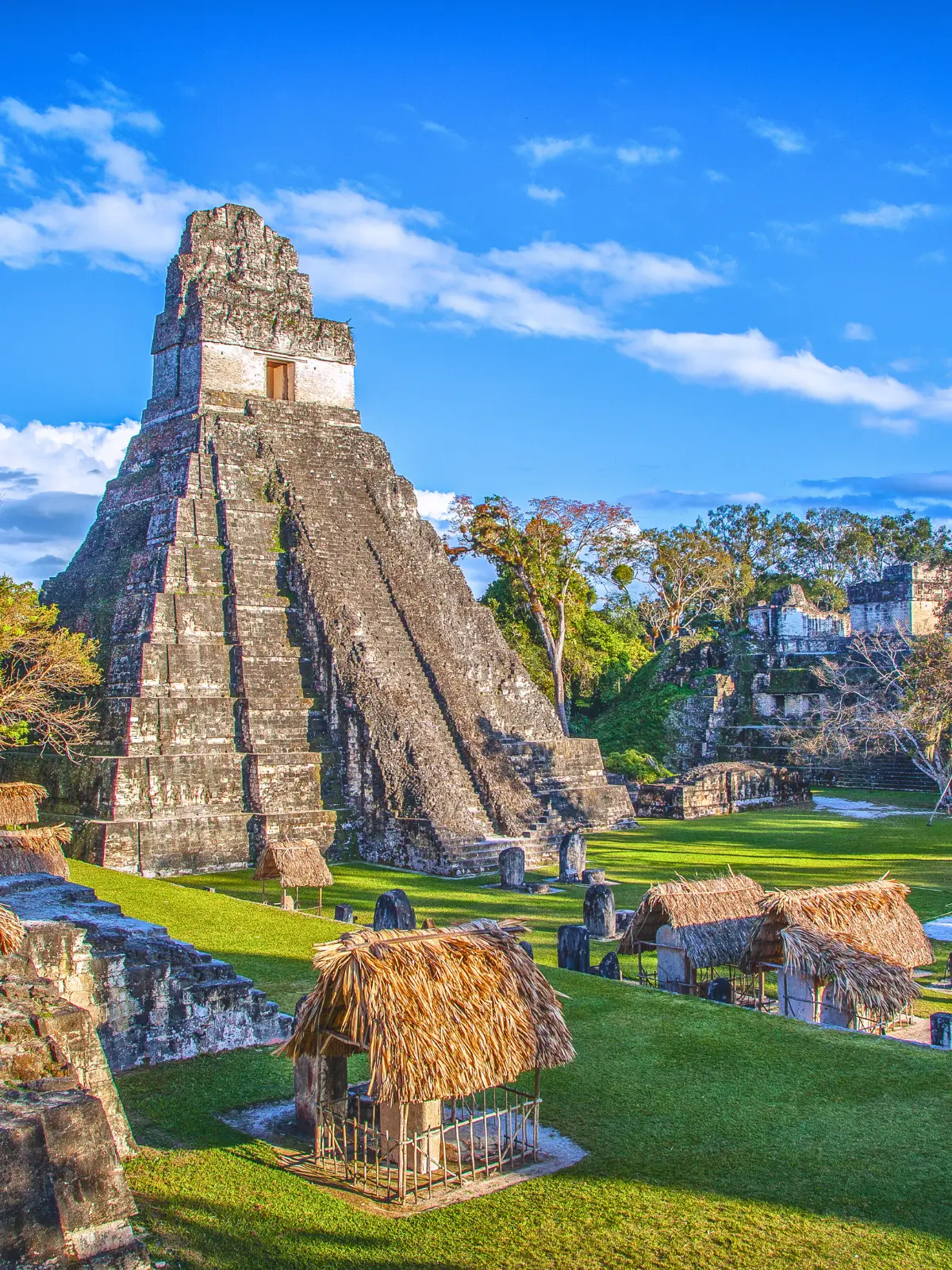
Day 9: Tikal National Park

The day is set aside for a focused visit to Tikal National Park. Early departures allow time to explore the site before returning to Flores later in the day.

Suggested Stay: Small hotel or guesthouse in Flores or near Lake Petén Itzá

Base: Flores

Highlights

  • Tikal temple complexes
  • Rainforest canopy
  • Elevated ceremonial platforms

Day 10: Flores and Surroundings

This day remains close to the base and allows for slower exploration after earlier travel. Time can be spent around Flores or along the lake without committing to long distances.

Suggested Stay: Small hotel or guesthouse in Flores or along the lake edge

Base: Flores

Highlights

  • Flores waterfront and streets
  • Lake Petén Itzá shoreline
  • Nearby secondary ruins

Day 11: Departure or Onward Travel

Departure from the Petén brings the itinerary to a straightforward close, with flights connecting back to Guatemala City or onward destinations.

Route: Flores to onward destination

Things to Know Before Going to Guatemala

1. Don't Rely on English Everywhere

English is common in tourist areas, but it drops off quickly outside them. Basic Spanish goes a long way for transport, food, and everyday situations.

2. Plan Travel Around Daylight Hours

Distances can take longer than expected due to winding roads and traffic. Travelling during the day is safer and far less stressful, especially between towns.

3. Expect Big Changes in Altitude and Weather

Highland areas like Antigua and Lake Atitlán can feel warm during the day and cold at night. Layers are essential, and altitude can take a day or two to adjust to.

4. Use Registered Transport and Shuttles

Tourist shuttles and registered taxis are more reliable than informal options. Avoid getting into unmarked vehicles, especially after dark.

5. Keep Valuables Discreet

Wearing expensive jewellery or keeping phones and cameras constantly visible can attract attention. Use simple bags and keep essentials secure.

6. Check Bills for Service Charges

Many restaurants include a service charge automatically. Travellers often tip twice without realising, so it’s worth checking before adding extra.
Beige washi tape strip with soft torn edges on a transparent background.

How to Get There

International Flights

Guatemala is mainly reached by flying into Guatemala City. Direct flights operate from several cities in the United States, Mexico, and other parts of Central America.

Flights from Europe usually require at least one stop, often in the US or Mexico.

Flight times vary by route, and arrivals are often late evening. Many travellers choose to overnight near the airport or head straight to Antigua the next morning.

Entry Airports and Gateways

Most international flights arrive at La Aurora International Airport (GUA) in Guatemala City. From here, travellers usually continue to Antigua, Lake Atitlán, or the Pacific coast by shuttle or private transfer.
Guatemala City works as the main gateway for the entire country, so choosing onward transport early helps avoid delays and backtracking.

Visa and Entry Requirements

Many travellers can enter Guatemala visa-free for tourism for up to 90 days. Passport validity should cover the full stay, and onward travel may be requested on arrival.

Entry rules can change, so it’s best to check current requirements before departure.

What to Expect

Shuttles Are the Default for Travellers

Most visitors move around by shared tourist shuttles, not public buses. Routes like Antigua to Lake Atitlán or Antigua to El Paredón run once or twice a day, usually early morning. Miss it, and you often wait until the next day.

Lake Atitlán Villages Are Not Interchangeable

Each village around the lake feels completely different. San Pedro, San Marcos, and Panajachel attract very different crowds and have different noise levels, food options, and daily rhythms. Choosing the wrong base can shape your whole experience.

Laundry Is Easy and Cheap

Local laundries are everywhere in tourist towns. Drop-off, same-day, or next-day service is common and inexpensive, which makes packing lighter easier.

The Pacific Coast Is Not a Swim Beach

Strong currents and waves make swimming difficult in many spots. Most people surf, walk the beach, or relax rather than swim. This catches a lot of visitors off guard.

Power and Water Can Be Inconsistent

Short power cuts and weak water pressure happen, especially outside cities. Hot water is not guaranteed everywhere, even in mid-range accommodation.
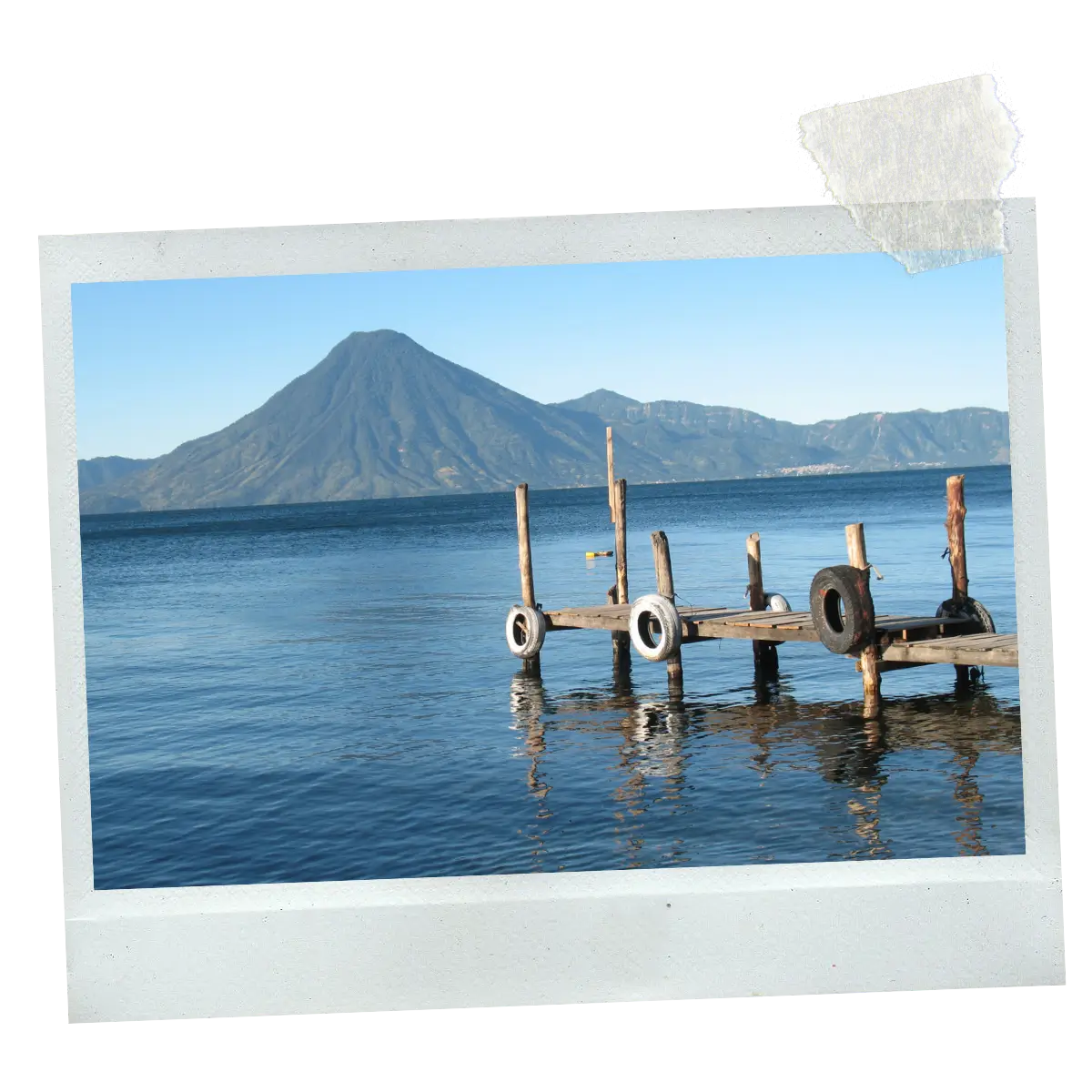
Wooden pier on Lake Atitlán with volcanoes rising in the background.

Getting Around Guatemala

Tourist Shuttles

Shared tourist shuttles are the most common way travellers move between major stops like Antigua, Lake Atitlán, Flores, and the Pacific coast.

They are easy to book through hotels or agencies, usually leave early in the morning, and run on fixed routes. Comfort is decent, but timing can vary.

Chicken Buses

Chicken buses are brightly painted former US school buses used by locals. They are cheap and frequent, but crowded, loud, and fast on mountain roads. Many travellers try them for short trips or the experience, but use shuttles for longer distances.

Boats Around Lake Atitlán

Public boats connect villages around Lake Atitlán throughout the day. Services slow down in the late afternoon, so plan crossings earlier. Weather can affect schedules, especially when winds pick up.

Taxis and Tuk-Tuks

Taxis are common in cities and tourist towns, while tuk-tuks are widely used in places like Lake Atitlán villages and Flores. Prices are usually agreed before the ride, and meters are rare.

Car Hire

Car hire is possible but not popular with visitors. Roads can be rough, signage is limited, and driving styles are aggressive in some areas. Most travellers find shuttles and local transport easier.

Domestic Flights

Domestic flights mainly connect Guatemala City with Flores for Tikal. They save time but can be delayed or cancelled due to weather, so they work best with flexible plans.
Beige washi tape strip with soft torn edges on a transparent background.

What to Pack

Join the
Journey

Sign up for new itineraries, travel notes, and practical guides to help you explore the places I love most.

Portrait of Manu smiling against a neutral background.

I love exploring new places and sharing the travel tips, food finds, and experiences that help you plan your next adventure.

Leave a Comment

Your email address will not be published. Required fields are marked *

Scroll to Top
Ultimate packing checklist travel guide cover with tropical beach background.