

Your journey, beautifully planned.

Understanding Fiji Before You Plan Your Travel

Tropical beach in Fiji with palm trees, white sand, and clear blue ocean under a bright blue sky.
Fiji is the kind of place where you can show up with nothing but a backpack and a pair of flip-flops and be perfectly fine. It’s not complicated to navigate, and the food is a big highlight.
You get a lot of fresh seafood, obviously, but there’s also a huge Indian influence, so you’ll find amazing curries and roti everywhere. Most meals are served with things like cassava or dalo, which are local root crops that fill you up and keep you going for the day.
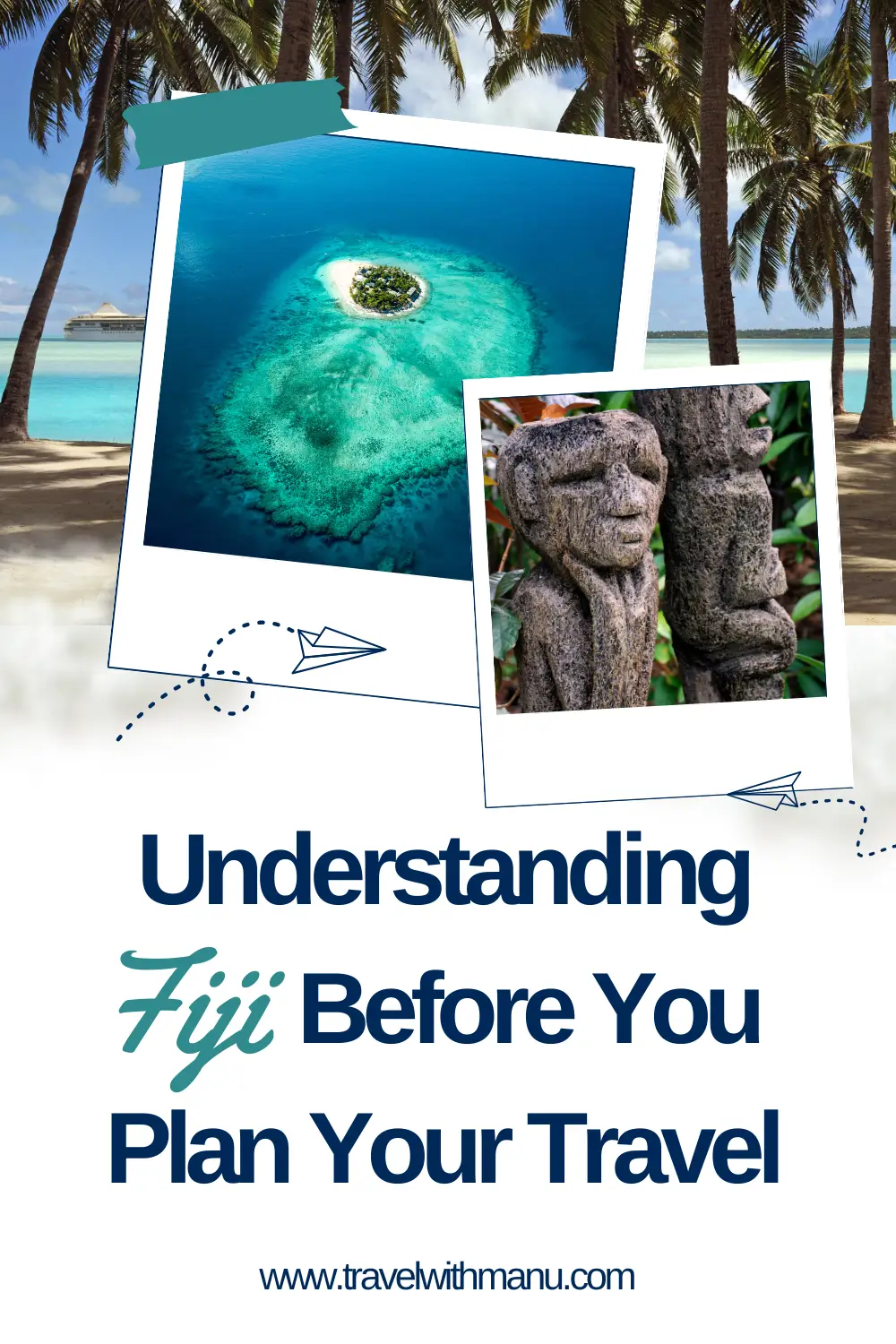
Travel guide cover image showing a tropical island in Fiji and traditional stone figures.
You don’t really need a strict plan when you visit. You might spend one day on a ferry heading out to a remote island and the next just wandering through a village or sitting under a tree with a book. The islands are famous for their beaches, and they really are as good as they look, with clear water and white sand.
But the best moments are usually the ones you didn’t plan for, like finding a quiet spot for a swim where there’s nobody else around for miles.

Did You Know?

  • Fiji is made up of more than 330 islands, but only about 110 of them are permanently inhabited.

  • Around 40% of the population has Indian ancestry, which strongly influences everyday food, culture, and religious life.

  • Fiji is considered the soft coral capital of the world, known for its colourful and diverse reef systems that attract divers from around the globe.

  • Cannibalism was historically practised in parts of Fiji and continued into the 19th century before it ended with the spread of Christianity.

  • The word “bula” is used constantly and can mean hello, goodbye, or a general expression of goodwill and positivity.

  • Kava, also called yaqona, is a traditional drink made from a root and is shared during ceremonies and social gatherings.

I love exploring new places and sharing the travel tips, food finds, and experiences that help you plan your next adventure.

Join the
Journey

Sign up for new itineraries, travel notes, and practical guides to help you explore the places I love most.

Beige washi tape strip with soft torn edges on a transparent background.

What to Pack

Best Time to Visit Fiji

The best time to visit Fiji is generally from May to October, when the weather is drier and less humid. Days are warm but comfortable, rain is minimal, and it’s a great time for beaches, island hopping, snorkelling, and diving.

June to August are especially popular because the weather is very consistent, but this is also peak season. Flights and resorts can be more expensive, and popular areas feel busier, especially during school holidays.
From November to April, Fiji enters its wetter season. It’s hotter and more humid, with short but heavier rain showers, but it also means fewer crowds and lower prices. Months like May or October are a good middle ground if you want decent weather without peak season crowds.
Dry Season Wet Season

Fiji at a Glance

Palm trees at sunset overlooking the ocean at a tropical resort in Fiji.
Language selection icon showing two speech bubbles with letter A and Chinese character.

Language

English is widely spoken and is one of Fiji’s official languages. Indigenous Fijian and Fiji Hindi are also commonly used in daily life, especially within local communities.

Illustration of a money bag with dollar symbol next to stacked coins.

Currency and Costs

Fijian Dollar (FJD). Approximate rate: 1 USD ≈ 2.2–2.3 FJD. Fiji can be affordable, especially for local food and transport, but resort areas and island stays tend to be more expensive.

Mobile payment icon with credit card and phone showing confirmed payment

Payments

Cash is useful for small shops, markets, and villages. Visa and Mastercard are accepted in hotels, resorts, and larger restaurants. ATMs are available in towns and cities.

Hand holding a dollar sign and heart icon representing tipping.

Tipping

Tipping is not expected in Fiji. Service is considered part of the culture, though small tips or rounding up may be appreciated in resorts or for exceptional service.

Shield with checkmark and padlock as safety icon.

Safety

Fiji is generally safe for travellers. Use normal precautions, look after valuables, and be mindful at night in urban areas.

Wi-Fi connectivity icon for travel and accommodation.

Connectivity

Mobile coverage is good in cities and tourist areas. Wi-Fi is common in hotels and cafés. SIM cards and eSIM options are easy to purchase for short stays.

A Detailed Fiji Itinerary

This route keeps movement simple and realistic, focusing on Fiji’s west coast and one island group. It avoids cross-island backtracking and limits accommodation changes.
Travel works best with road transfers on Viti Levu and a single boat or short flight to the outer islands.

Day 1: Arrival in Nadi

Landing in Nadi is best kept low-key. Staying near the airport or along the coast means you can rest, eat, and ease into the trip without needing to travel further on day one.

Suggested Stay: Resort or small hotel near the coast

Base: Nadi area

Highlights

  • West coast shoreline
  • Views towards the Mamanuca Islands
  • Local town streets

Day 2: Denarau and Surroundings

Denarau is easy to move around and doesn’t need much planning. The day works well for a slow walk around the marina, time by the water, and short trips nearby.

Suggested Stay: Same as previous night

Base: Nadi / Denarau

Highlights

  • Denarau Marina
  • Coastal walking paths
  • Island views across the bay

Day 3: Nadi to Coral Coast

The drive south along the Queen’s Road is relaxed and scenic, with the ocean nearby for most of the route. Short stops along the way make the journey manageable.

Suggested Stay: Beachfront resort or guesthouse

Route: Nadi to Coral Coast

Highlights

  • Queen’s Road coastal stretch
  • Coral Coast beaches
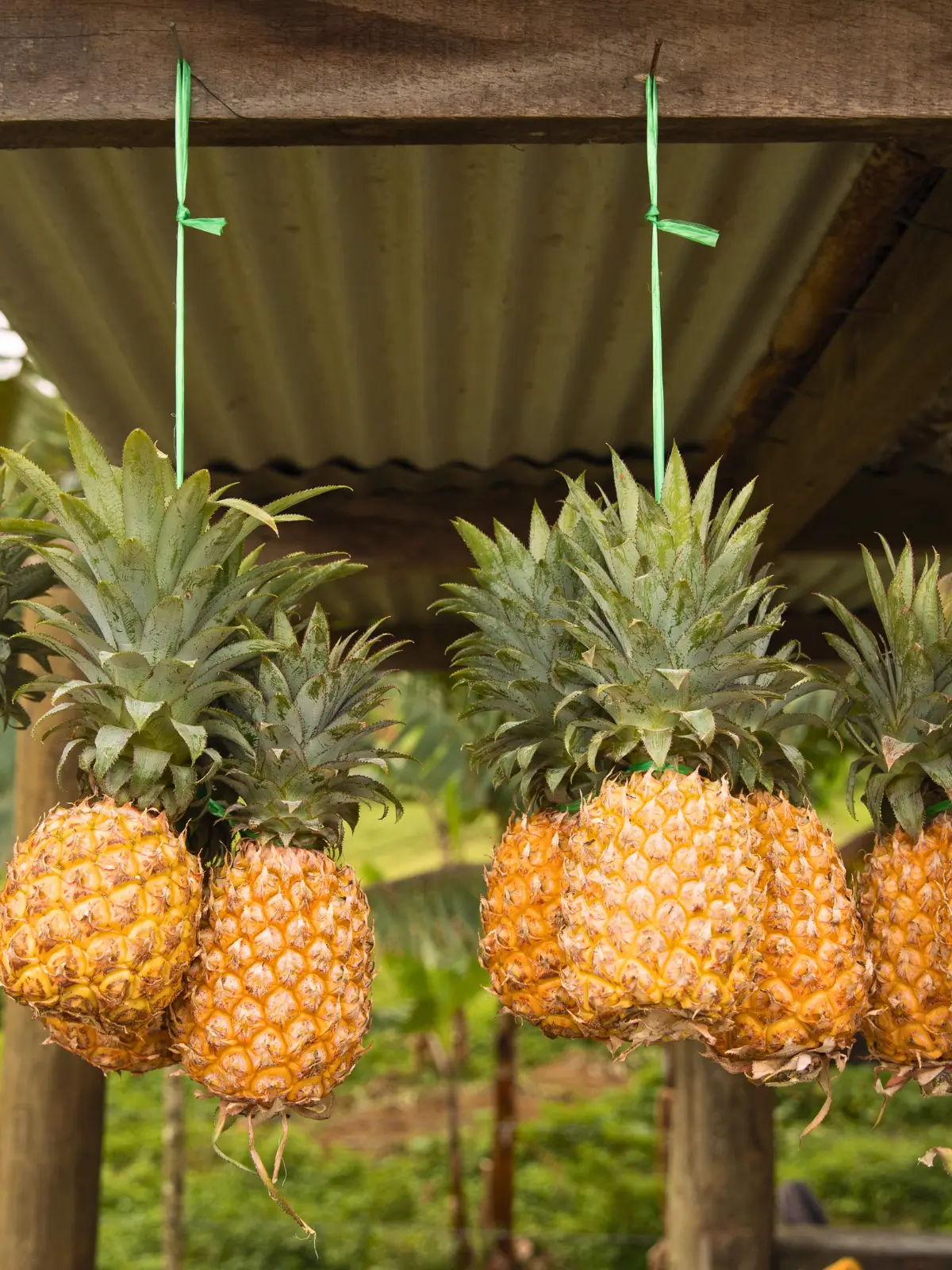
  • Village roadside stalls

Day 4: Coral Coast

This day is all about slowing things down. Beaches, villages, and lagoon areas are close together, so you can move around easily without spending much time in the car.

Suggested Stay: Same as previous night

Base: Coral Coast

Highlights

  • Lagoon beaches
  • Coastal villages
  • Reef-lined shoreline

Day 5: Sigatoka Valley

A short trip inland changes the scenery without changing where you stay. The valley feels quieter than the coast and fits comfortably into a single, unhurried day.

Suggested Stay: Same as previous night

Base: Coral Coast

Highlights

  • Sigatoka Sand Dunes
  • Sigatoka River valley
  • Sugarcane fields
Clear blue water inside a natural rock pool surrounded by limestone walls.

Day 6: Coral Coast to Nadi

The route heads back west to Nadi to get ready for the island leg of the trip. Keeping the day simple makes it easier to rest or organise things for the next morning.

Suggested Stay: Hotel near marina or airport

Route: Coral Coast to Nadi

Highlights

  • Interior landscapes of Viti Levu
  • Western coastal scenery
  • Easy access to transport hubs

Day 7: Nadi to Yasawa Islands

Travel moves out to the Yasawa Islands by boat or short flight. After arriving, most people spend the rest of the day settling in and enjoying the beach nearby.

Suggested Stay: Island resort or beachfront bungalow

Route: Nadi to Yasawa Islands

Highlights

  • Open-water crossing
  • Limestone island formations
  • Remote beaches

Day 8: Yasawa Islands

With no travel planned, the day stays slow and simple. Time usually goes into swimming, walking around the island, or relaxing by the water.

Suggested Stay: Same as previous night

Base: Yasawa Islands

Highlights

  • Lagoon snorkelling
  • Island walking tracks
  • Nearby villages

Day 9: Yasawa Islands to Departure

The final day is set aside for the return to Nadi and the journey home. Leaving plenty of space around transfers helps keep the day calm and straightforward.

Route: Yasawa Islands to Nadi / departure point

Highlights

  • Boat transfer through island chains
  • Final coastal views
  • Departure from Nadi
Beige washi tape strip with soft torn edges on a transparent background.

Things to Know Before Going to Fiji

1. Kava Etiquette Is Often Misunderstood

Kava is not a party drink. Treating it like alcohol can seem disrespectful. When offered kava, follow the group, clap once before drinking, and take your time.

2. Resorts and Local Life Are Very Different

Many visitors stay only in resorts and assume that reflects all of Fiji. Resorts are comfortable but separate from everyday life. Towns and villages follow different routines, prices, and customs.

3. Village Dress Rules Matter

Wearing shorts, tank tops, or beachwear into villages is a common mistake. Shoulders and knees should be covered, and hats removed. This is about respect, not religion.

4. Wildlife Rules Are Stricter Than Expected

Touching coral, taking shells, or stepping on reefs damages fragile ecosystems and can lead to fines. Reef protection is taken seriously, even when damage seems minor.

5. Not All Islands Offer the Same Experience

Many travellers expect every island to feel the same. Some are resort-focused, others are village-based or very quiet. Choosing islands without understanding this often leads to disappointment.

6. Photography Etiquette Matters

Taking photos of people, villages, or ceremonies without asking is a frequent mistake. Even casual phone photos can feel intrusive. Asking first is expected and appreciated.

How to Get There

Entry Airports and Gateways

Most people fly into Nadi International Airport (NAN), which is Fiji’s main entry point. It’s the easiest option if you’re heading to resorts, the west of Viti Levu, or connecting to other parts of the country.

Nausori International Airport (SUV) near Suva makes more sense if your plans are focused on the capital or the eastern side of the island.

Picking the right airport from the start saves time and avoids unnecessary backtracking.

International Flights

You can fly directly to Fiji from Australia, New Zealand, the United States, and several places in Asia. If you’re travelling from the UK or Europe, you’ll usually connect through Asia, Australia, or New Zealand before flying on to Fiji.

Choosing the right gateway helps avoid backtracking and keeps domestic travel simpler.

Airlines and Routing

Fiji Airways runs most international routes into the country and is often the simplest choice. Other airlines also fly into Nadi depending on where you’re coming from and the time of year.

Visa and Entry Requirements

Many travellers can enter Fiji visa-free for short stays, depending on nationality. Your passport should be valid for at least six months after arrival, and you may be asked to show proof of onward travel.
It’s always a good idea to double-check entry rules before you go, just in case anything has changed.

What to Expect

Strong Separation Between Visitor and Local Spaces

In many areas, there’s a clear line between places built for visitors and places meant for locals. Resorts can feel self-contained, while nearby towns function independently. Moving between the two can feel like entering a different world, even within the same area.

Limited Signage and Wayfinding

Outside major towns, signs are minimal or inconsistent. Beaches, villages, and even ferry points may not be clearly marked. Asking locals for directions is often more reliable than maps.

Quiet Public Spaces

Outside resort zones, beaches, parks, and waterfronts are often empty rather than lively. This surprises travellers expecting cafés, loungers, or crowds.

Most public spaces are simple and uncommercialised.

Informal Queues and Processes

In shops, ferry terminals, and small offices, lines are not always obvious. People tend to move based on familiarity rather than strict order. Observing first usually works better than jumping in.

Fewer “Convenience” Expectations

Things like fixed opening hours, fast service, or immediate solutions are not guaranteed. Requests may take time or require follow-up.

Adjusting expectations makes interactions smoother.

Eco-style tent lodge surrounded by palm trees and tropical greenery in Fiji.

Getting Around Fiji

Use Domestic Flights for Long Distances

Domestic flights are the fastest way to cover long distances, especially if you’re moving between major islands or heading to remote areas. They save time and avoid weather-related delays that affect sea travel.

Take Ferries for Budget-Friendly Travel

High-speed ferries connect the main island to popular island groups. They cost less than flights but depend heavily on sea conditions. Expect delays or cancellations during rough weather.

Rely on Buses for Local Travel

Buses are the main form of transport for locals and are cheap and frequent on larger islands. They’re not always on a strict timetable, but they cover most towns and villages.

Use Taxis and Ride Services in Towns

Taxis are easy to find in cities and tourist areas. Always ask the driver to use the meter or agree on a fare before starting the ride. Ride-hailing apps work in some areas but aren’t available everywhere.

Rent a Car for Flexibility

Hiring a car gives you the most freedom, especially on Viti Levu. Roads are generally straightforward, but conditions vary outside cities. Driving is on the left.
Beige washi tape strip with soft torn edges on a transparent background.

What to Pack

Join the
Journey

Sign up for new itineraries, travel notes, and practical guides to help you explore the places I love most.

Portrait of Manu smiling against a neutral background.

I love exploring new places and sharing the travel tips, food finds, and experiences that help you plan your next adventure.

Leave a Comment

Your email address will not be published. Required fields are marked *

Scroll to Top
Ultimate packing checklist travel guide cover with tropical beach background.