Your journey, beautifully planned.

A Travel Guide to Spain With a Detailed Itinerary

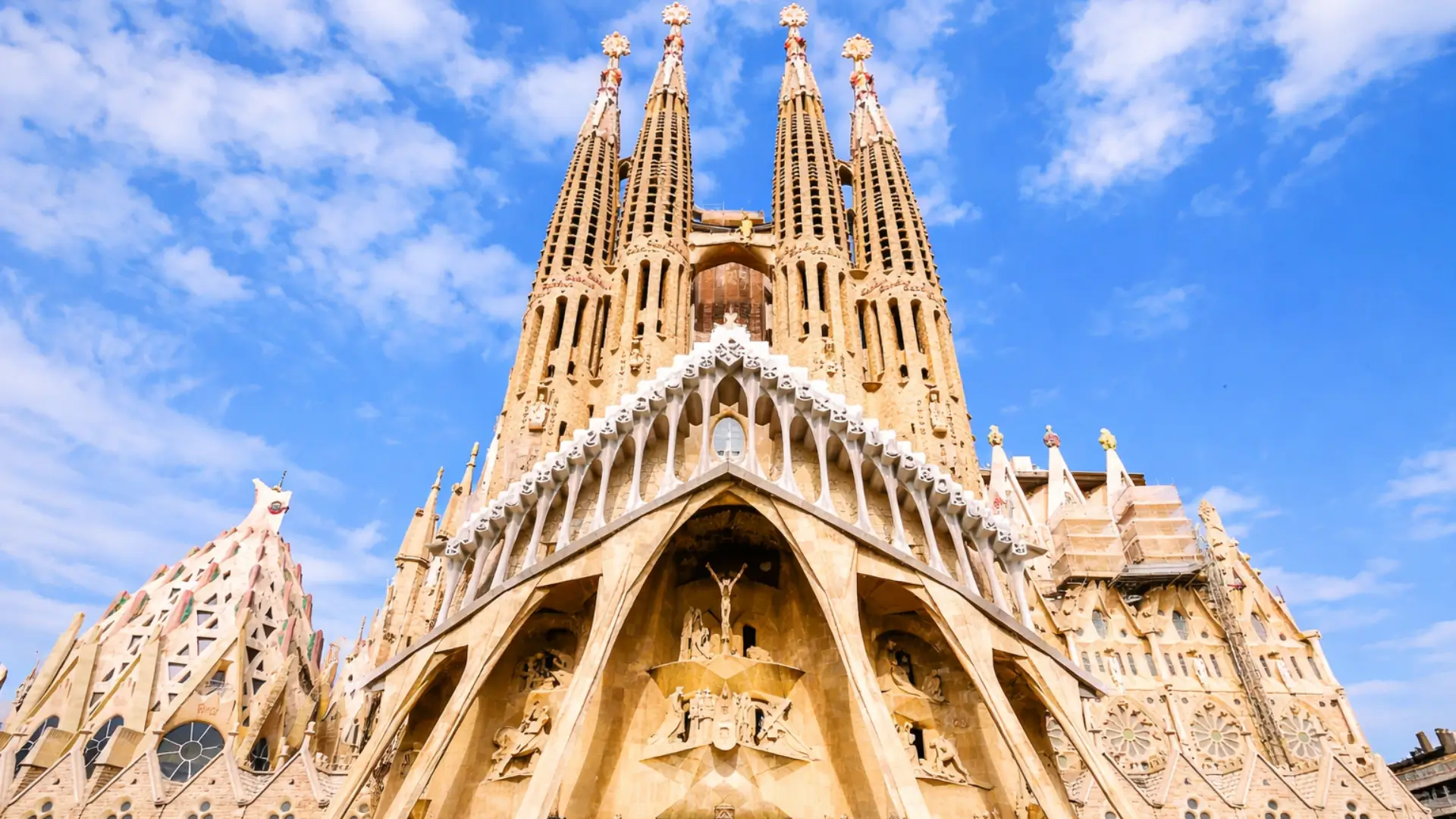
Sagrada Familia in Barcelona with towering spires and intricate facade details against a bright blue sky.

Spain is located in southwestern Europe and covers most of the Iberian Peninsula. The size becomes obvious once you start planning a trip. The north feels cooler and greener, while the south gets hotter and drier. 

Getting between regions takes time, and that’s what makes travelling across Spain feel varied rather than repetitive. It runs as a constitutional monarchy with a modern democratic system.

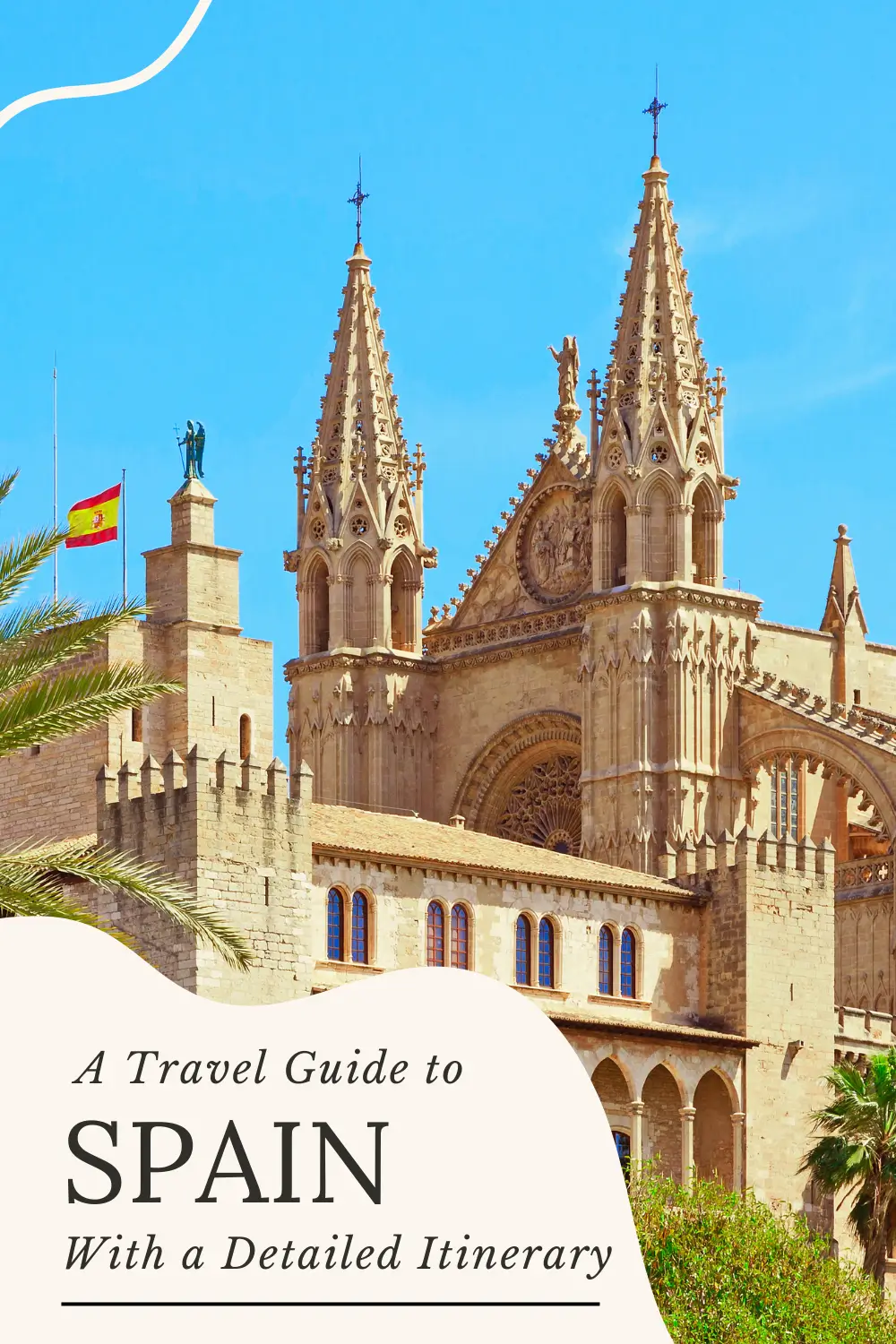
Palma Cathedral La Seu facade with twin Gothic towers and detailed stonework.

The country extends beyond the mainland. The Canary Islands sit off the northwest coast of Africa, and the Balearic Islands lie in the Mediterranean. Two Spanish cities are also in North Africa. This spread brings clear differences in climate and setting, depending on where you go.

If food is a big part of how you travel, Spain stands out for how much it changes across regions. Menus, ingredients, and even meal times vary depending on where you are. You won’t end up eating the same things over and over, even on a longer trip.

Did You Know?

  • Spain ranks as the second most visited country in the world, with around 94–97 million international visitors each year.

  • Life expectancy reaches around 83–84 years, placing the country among the highest globally.

  • The country has 50 UNESCO World Heritage Sites, which is one of the highest totals in the world.

  • Seventeen autonomous regions shape distinct identities, traditions, and regional governance.

  • A population of just under 50 million contrasts with nearly double that number in annual visitors.

  • Over 300 days of sunshine appear each year in some regions, making it one of the sunniest countries in Europe.

  • Sobrino de Botín in Madrid opened in 1725 and holds the title of the world’s oldest restaurant.

  • Four main official languages exist across the country, including Spanish, Catalan, Galician, and Basque.

  • Ceuta and Melilla give the country land territory in Africa, which makes it unique in Europe.

  • Tourism contributes over 12% of GDP and plays a major role in the economy.

I love exploring new places and sharing the travel tips, food finds, and experiences that help you plan your next adventure.

Join the
Journey

Sign up for new itineraries, travel notes, and practical guides to help you explore the places I love most.

Best Time To Visit Spain

The best time to visit Spain is from April to June and September to October. Temperatures stay mild, and conditions suit sightseeing. You’ll get warm days without extreme heat, and it’s easier to move between cities.

July and August bring intense heat, especially in central and southern areas like Madrid and Seville. Temperatures often rise above 35°C. Coastal regions feel more manageable, but beach spots and major cities fill up quickly, and prices rise.

From November to March, cooler weather sets in across most of the country. Temperatures drop in inland areas, and rain appears more often. Cities feel less crowded, and costs often fall, though shorter days can affect plans.

Warm Months Transitional Months Cool Months

Spain At A Glance

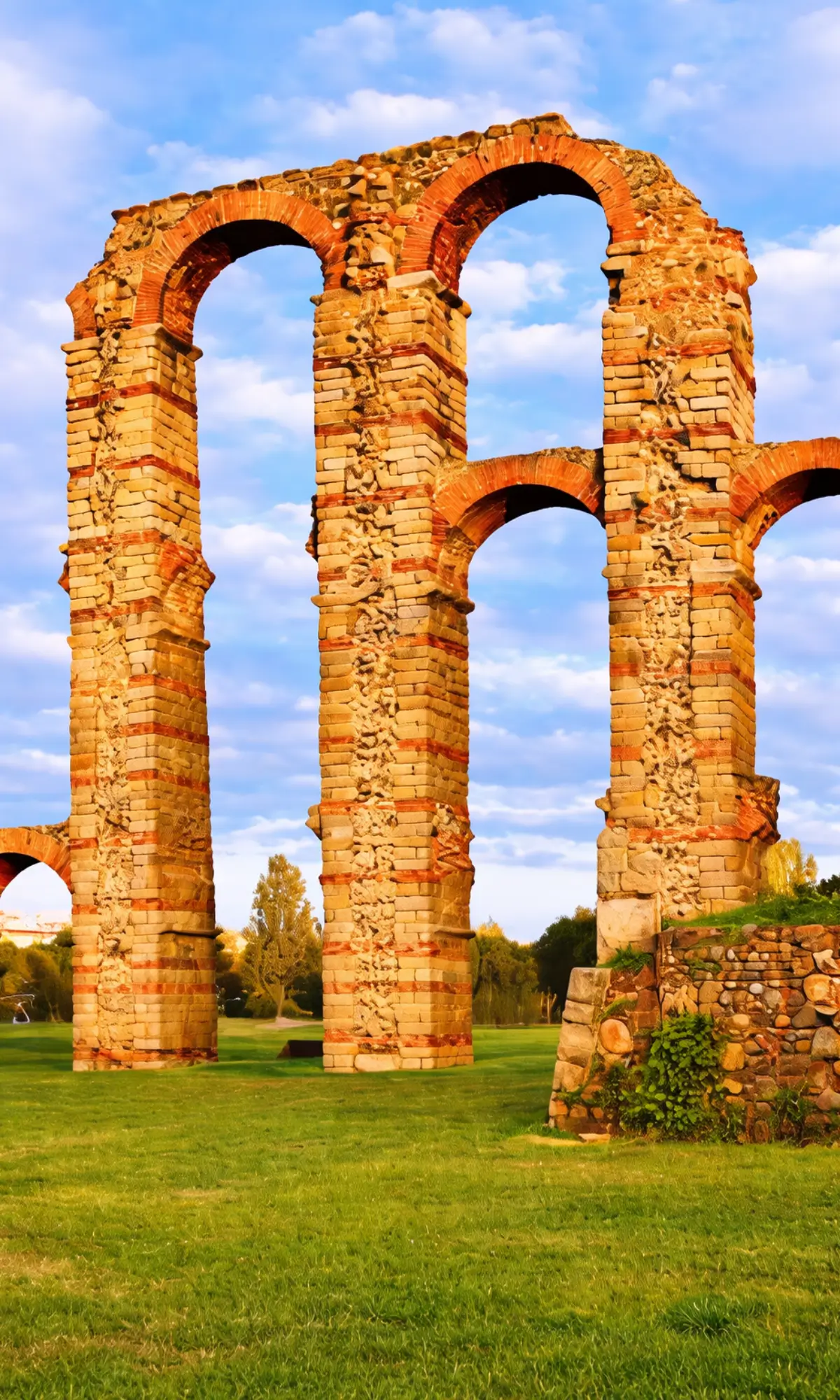
Roman arches of Acueducto de los Milagros in Mérida standing over a grassy field.
Language selection icon showing two speech bubbles with letter A and Chinese character.

Language

Spanish is the official language, and people use it across the country. Many locals speak English, especially in cities, tourist areas, and hotels.

Illustration of a money bag with dollar symbol next to stacked coins.

Currency and Costs

Euro (EUR). Approximate rate: 1 USD ≈ 0.90–0.95 EUR, though exchange rates fluctuate. Expect moderate costs, with Barcelona and Madrid higher than smaller towns.

Mobile payment icon with credit card and phone showing confirmed payment

Payments

Hotels, restaurants, and larger shops accept credit and debit cards. Contactless payments are common, though you’ll need some cash for small shops, taxis, and markets.

Hand holding a dollar sign and heart icon representing tipping.

Tipping

Tipping isn’t expected, as service is usually included in the bill. You can round up or leave a small tip for good service.

Shield with checkmark and padlock as safety icon.

Safety

Spain is generally safe for travellers, with low levels of violent crime. Stay alert in busy city centres and tourist areas where pickpocketing can occur.

Wi-Fi connectivity icon for travel and accommodation.

Connectivity

Mobile coverage is strong across cities, towns, and main routes. Wi-Fi is widely available in hotels and cafés, though it may be weaker in rural areas.
A Detailed Spain Itinerary

This 7-day route moves south from Madrid into Andalusia, linking Córdoba, Seville, and Granada in a clear sequence. 

High-speed trains connect Madrid with Córdoba in under 2 hours, followed by short connections between the Andalusian cities. Distances remain manageable, with limited hotel changes and a steady pace.

Day 1: Madrid

Madrid’s centre is easy to navigate, with main areas connected by short walks and metro links. The first day focuses on getting familiar with the layout and key streets without covering long distances.

Suggested Stay: Hotel in the historic centre near Sol or Gran Vía

Base: Madrid

Highlights

  • Royal Palace
  • Puerta del Sol
  • Plaza Mayor
  • Gran Vía

Day 2: Madrid

The day stays within central Madrid, where museums, parks, and historic districts are located close to each other. Movement between areas remains simple and direct.


Suggested Stay: Hotel in the historic centre near Sol or Gran Vía

Base: Madrid

Highlights

  • Prado Museum
  • Retiro Park
  • Reina Sofía Museum
  • Barrio de las Letras

Day 3: Madrid to Córdoba

Travel south by high-speed train, taking around 1 hour 45 minutes. Córdoba’s historic centre is within easy reach of the station, and most areas can be explored on foot.

Suggested Stay: Guesthouse in the old town near the Mezquita

Route: Madrid to Córdoba

Highlights

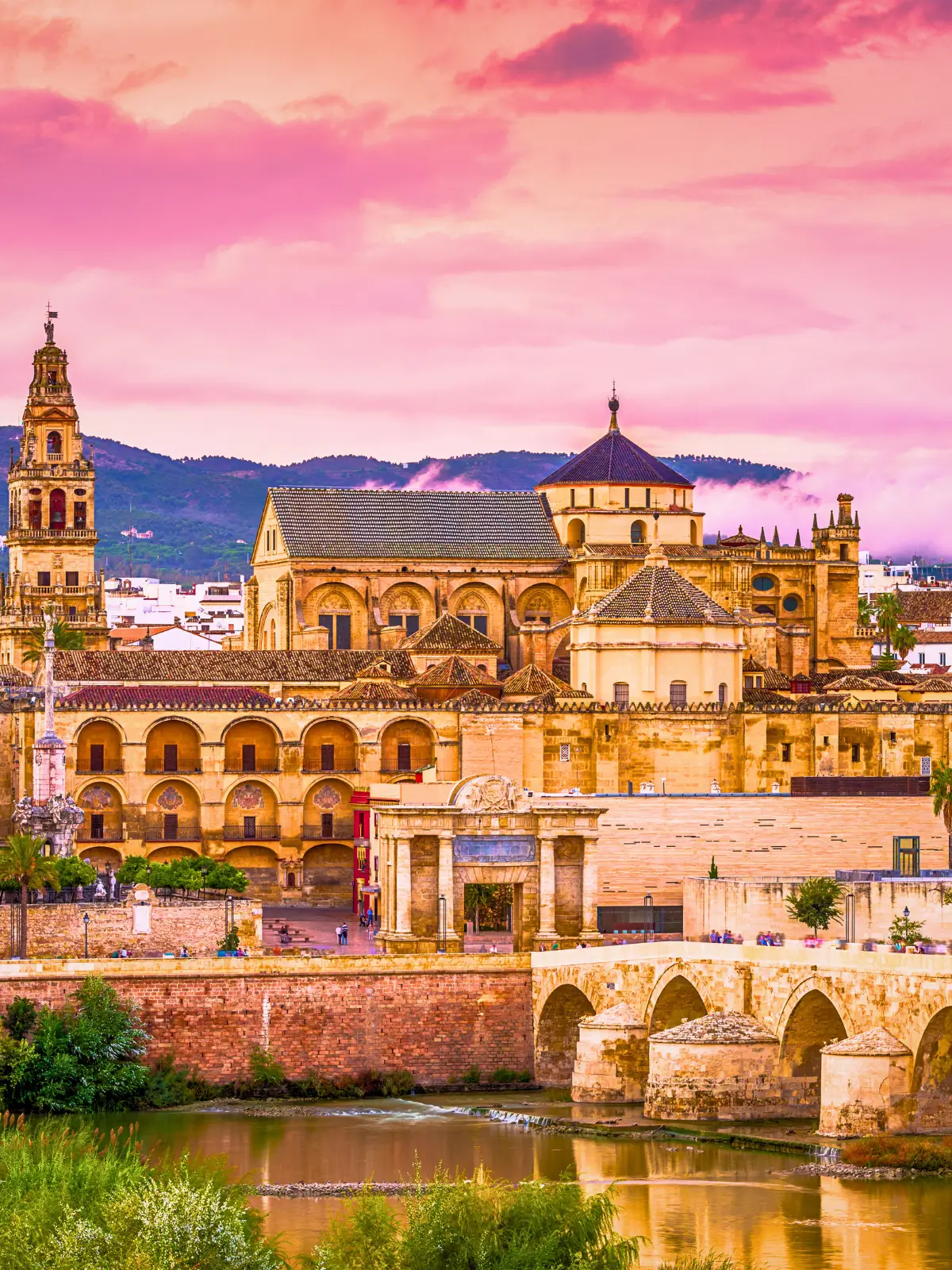
  • Mezquita of Córdoba
  • Roman Bridge
  • Jewish Quarter

Day 4: Córdoba to Seville

A short train journey of about 45 minutes connects Córdoba to Seville. The main areas in Seville are grouped around the historic centre, making the transition straightforward.

Suggested Stay: Hotel near the historic centre in Santa Cruz

Base: Seville

Highlights

  • Seville Cathedral
  • La Giralda
  • Santa Cruz district
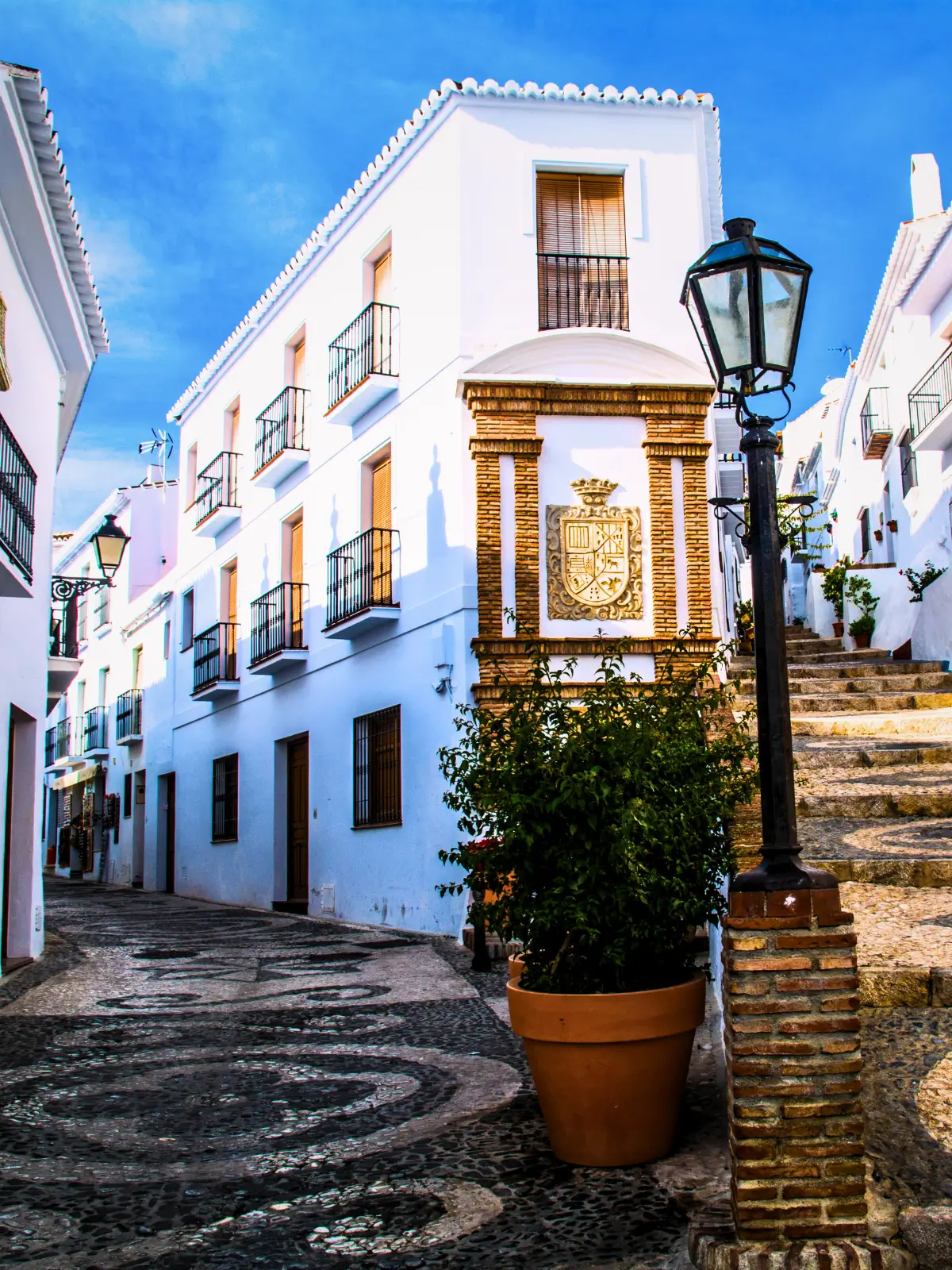
Whitewashed street with steps and balconies in Frigiliana old town.
Mezquita-Catedral de Córdoba with Roman bridge and river at sunset.

Day 5: Seville

Seville’s main landmarks are within walking distance of each other. The day moves through historic sites, open squares, and gardens without long transfers.

Suggested Stay: Hotel near the historic centre in Santa Cruz

Base: Seville

Highlights

  • Alcázar of Seville
  • Plaza de España
  • Metropol Parasol

Day 6: Seville to Granada

Travel east to Granada, usually 2.5 to 3 hours by train or bus. The route moves into a more mountainous part of the region, with a gradual change in landscape.

Suggested Stay: Hotel near the old town in Albaicín or central Granada

Route: Seville to Granada

Highlights

  • Sierra Nevada views
  • Albaicín district

Day 7: Granada and Departure

Granada’s main areas are spread between the centre and hillside districts, with short distances between them. The final day allows time to explore before onward travel.

Suggested Stay: Hotel near the old town in Albaicín or central Granada

Base: Granada

Highlights

  • Alhambra
  • Generalife Gardens
  • Granada Cathedral
Beige washi tape strip with soft torn edges on a transparent background.

Things To Know Before Visiting Spain

1. High Speed Trains Require Early Arrival

Arriving just before departure often leads to stress or missed boarding. AVE high-speed trains use security checks and controlled access before platforms. Extra time at stations is necessary, especially on busy routes.

2. Train Prices Increase Closer To Departure

Last-minute bookings get expensive on popular routes. Spain’s rail fares rise as seats fill, particularly between major cities. Booking earlier gives better prices and more flexibility.

3. Long Distance Routes Cover Large Distances

Spain looks compact on a map, but journeys take longer than expected. Routes like Barcelona to Seville still take several hours by train. This limits how many stops fit comfortably into one trip.

4. Afternoon Closures Still Happen In Smaller Areas

Shops and services may close when they seem like they should be open. Smaller towns often pause activity for a few hours after lunch. Planning errands around this gap avoids wasted time.

5. Tap Water Is Safe, But Not Always Preferred

Tap water is safe across most of Spain, though it’s not always the first choice. Taste and mineral content vary depending on the area. Bottled water is still common in restaurants.

6. Menú Del Día Offers Fixed Price Lunches

Ordering from the main menu at lunch often costs more than necessary. A menú del día includes multiple courses, bread, and a drink at a set price. It’s one of the easiest ways to eat well without overspending.

7. Major Attractions Require Advance Booking

Arriving without tickets can mean missing out entirely. Popular sites like the Alhambra limit daily entries and sell out in advance. Booking ahead keeps plans on track.

8. Pickpocketing Targets Crowded Tourist Areas

Busy streets and transport hubs attract pickpocket activity. Cities like Barcelona and Madrid report frequent incidents in crowded areas. Keeping valuables secure reduces risk.

How to Get There

Entry Requirements and Visas

Spain is part of the Schengen Area, and entry follows Schengen rules. Visa-free entry allows stays of up to 90 days within a 180-day period, while a Schengen visa is required if your passport isn’t eligible.

Your passport must be valid for at least 3 months after your departure date and issued within the last 10 years. 

Border control may also ask for proof of onward travel, accommodation, and sufficient funds.

Main International Airports

Madrid–Barajas Airport serves as the main gateway, with direct and connecting routes across Europe and major global hubs. Barcelona–El Prat Airport handles a large share of international traffic, with strong links across Europe and long-haul routes.

Málaga, Palma de Mallorca, and Alicante airports focus on European routes and provide access to coastal regions.

Flying Into Spain

Spain has frequent flight connections from major European cities such as Paris, London, and Rome. 

Long-haul routes from North America, the Middle East, and parts of Asia usually arrive in Madrid or Barcelona.

Flights from Southeast Asia often connect through hubs like Doha, Dubai, or Istanbul before continuing to Spain.

Arriving By Land and Sea

Rail and road links connect Spain with neighbouring countries. Train routes from France run directly into cities like Barcelona. 

Road crossings from Portugal and southern France are simple and easy to manage.

Ferry routes link southern Spain with Morocco, with crossings such as Algeciras to Tangier providing a direct entry point.

What to Expect

Timed Entry Leaves No Room For Delays

Some major attractions don’t allow flexible entry. The Alhambra runs on fixed time slots, and missing your window can mean no access at all. Even small delays can remove key parts of your visit.

High Speed Travel Works Selectively

Fast trains make long distances feel manageable at first. Once you move beyond main routes like Madrid to Barcelona, connections slow down and options thin out. 

Reaching smaller places often takes longer than expected.

Early Arrival Doesn’t Guarantee Access

Popular landmarks don’t rely on walk-in availability. Tickets for places like the Alhambra can disappear well in advance during peak periods. Waiting too long often means missing out completely.

Beach Access Changes In Peak Season

Coastal areas draw large crowds during summer months. Popular beaches fill early, and prime spots don’t stay available for long. Late arrivals often end up in less ideal areas.

Summer Heat Reshapes Your Entire Day

Midday conditions can become difficult, especially in central and southern Spain. 

Cities like Seville often push past 40°C in summer. Plans shift towards early mornings and late evenings.

City Layouts Slow Down Movement

Historic centres don’t follow straight or open layouts. Narrow streets, uneven paths, and indirect routes make simple distances take longer. Navigation often feels slower than expected.

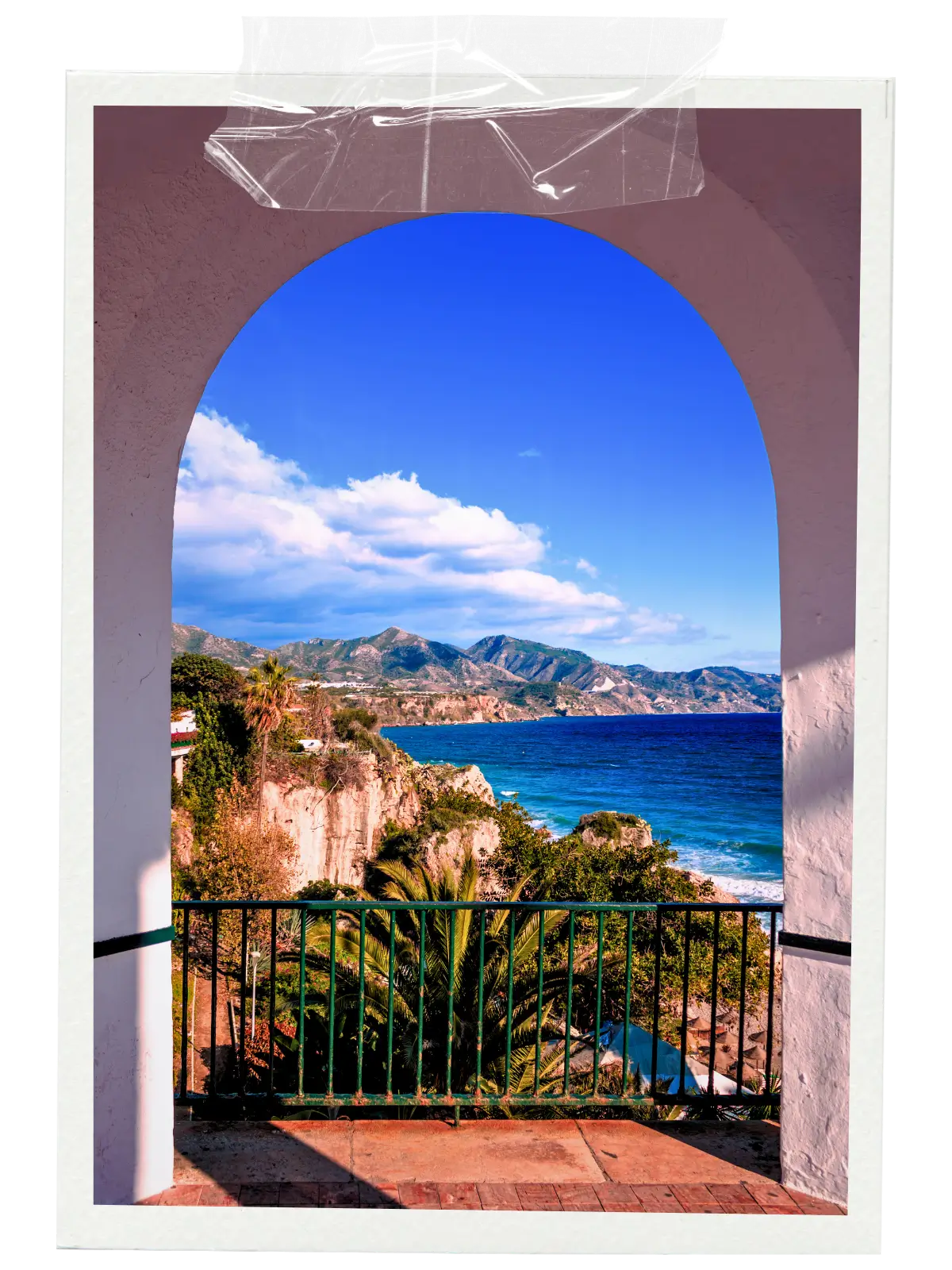
View from Balcón de Europa in Nerja overlooking cliffs, coastline, and Mediterranean Sea through an arched opening.

Getting Around Spain

High-Speed Trains

High-speed trains are the fastest way to travel between major cities. AVE services connect Madrid, Barcelona, Seville, and Valencia in a few hours, with regular departures throughout the day. 

They work best for long distances, though coverage mainly focuses on major routes.

Regional and Commuter Trains

Regional trains connect smaller cities and nearby towns. Services run less frequently and take longer than high-speed trains, especially on indirect routes. 

They’re useful for short distances, though planning around schedules is often necessary.

City Public Transport

Major cities run extensive metro, bus, and tram networks. Madrid and Barcelona have wide metro coverage, while buses and trams reach areas beyond train lines. 

It’s one of the easiest ways to move around without needing a car.

Long Distance Buses

Buses connect almost every part of Spain, including places not served by trains. They’re usually cheaper than trains, and some routes run direct between cities.

Travel times are longer, though comfort and coverage make them a practical option.

Domestic Flights

Flights cover long distances quickly, especially between northern and southern Spain or to the islands. Madrid and Barcelona act as main hubs for domestic routes. Airport time and security checks can reduce the overall time advantage.

Car Rental and Driving

Driving offers flexibility, especially in rural areas or along the coast. Roads are well maintained, and highways connect most regions. 

Tolls apply on some motorways, and parking in cities can be limited and expensive.

Taxis and Ride Apps

Taxis are easy to find in cities and follow regulated pricing. Ride apps like Uber, Cabify, and Free Now operate in major areas, though availability depends on the city. They’re useful for short distances or late-night trips.

Ferries and Island Transport

Ferries connect mainland Spain with the Balearic and Canary Islands, as well as routes to Morocco. Ports like Barcelona, Valencia, and Algeciras handle regular services.

Join the
Journey

Sign up for new itineraries, travel notes, and practical guides to help you explore the places I love most.

Portrait of Manu smiling against a neutral background.

I love exploring new places and sharing the travel tips, food finds, and experiences that help you plan your next adventure.

Leave a Comment

Your email address will not be published. Required fields are marked *

Scroll to Top
Ultimate packing checklist travel guide cover with tropical beach background.