Your journey, beautifully planned.

Easy Planning Tips for Travelling in Slovenia

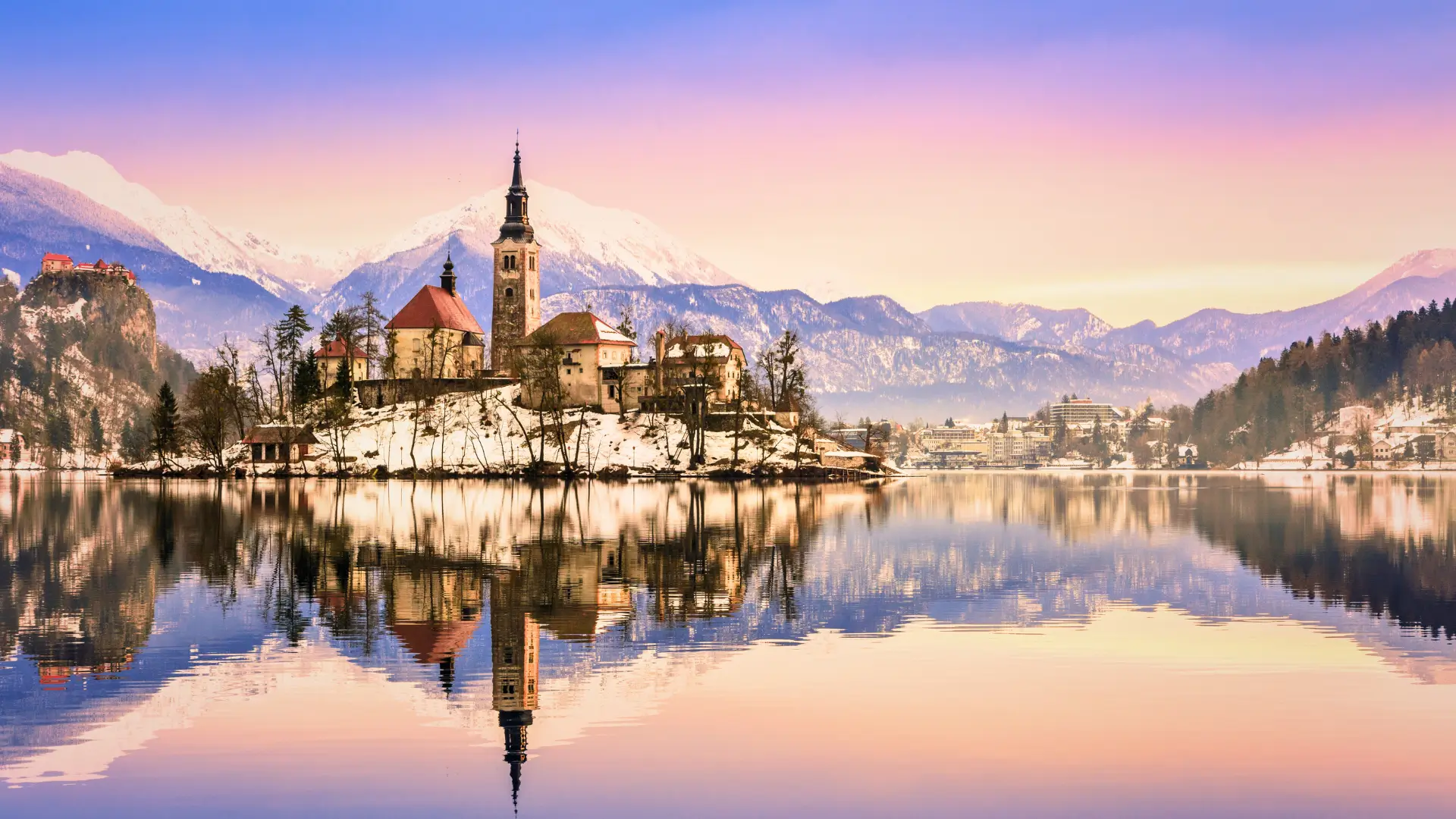
Lake Bled island with church and snow covered mountains reflected in calm water at sunset.

Slovenia is a small country in Central Europe, set between the Alps and the Adriatic Sea. It has a range of landscapes, from the Julian Alps in the north to a short coastline in the south. Forests cover more than half of the country, and nature shapes how people travel.

Ljubljana is the capital and the main cultural centre, with walkable streets, riverside cafés, and architecture by Jože Plečnik.

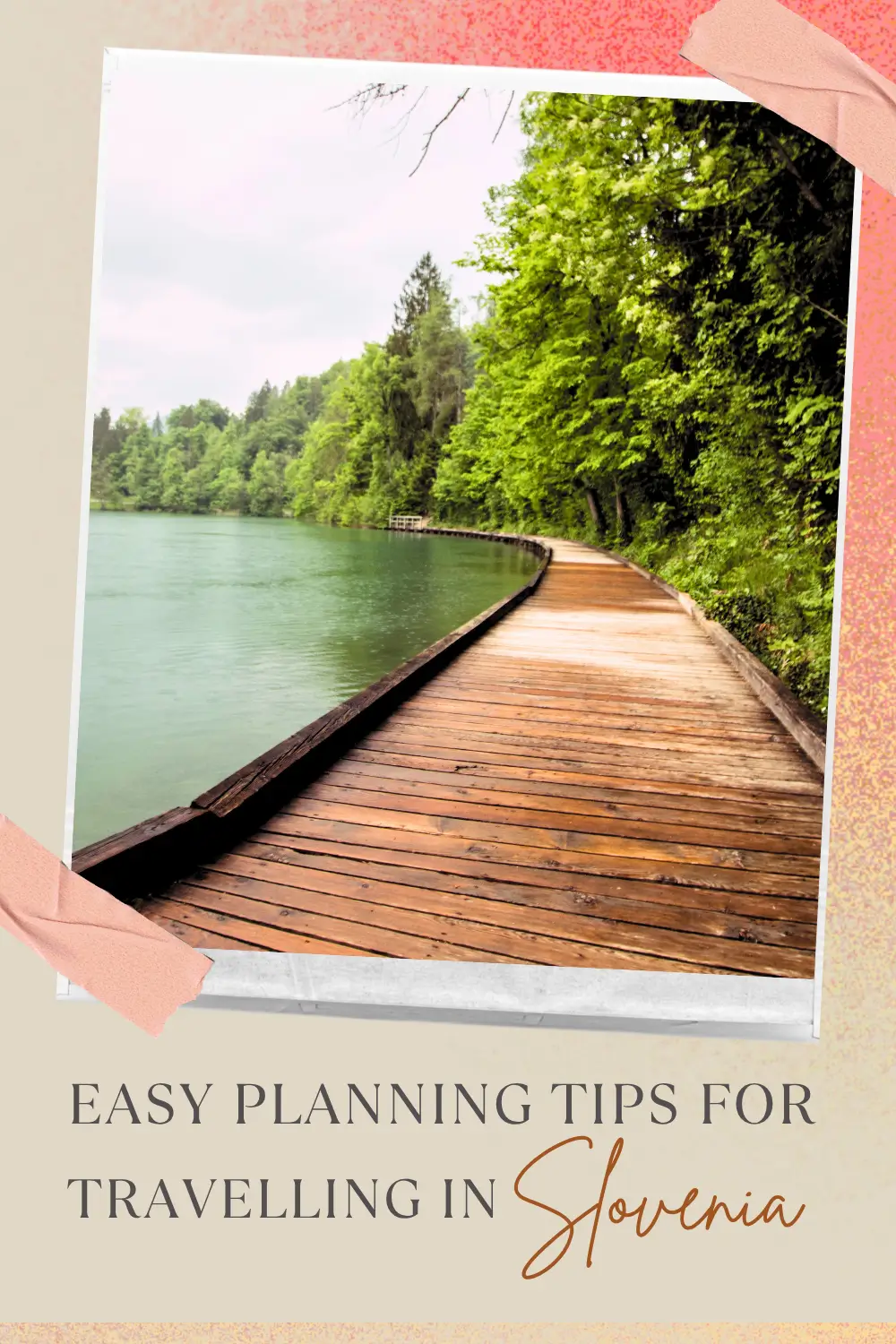
Wooden walkway curving along the lakeside at Lake Bled surrounded by lush forest.

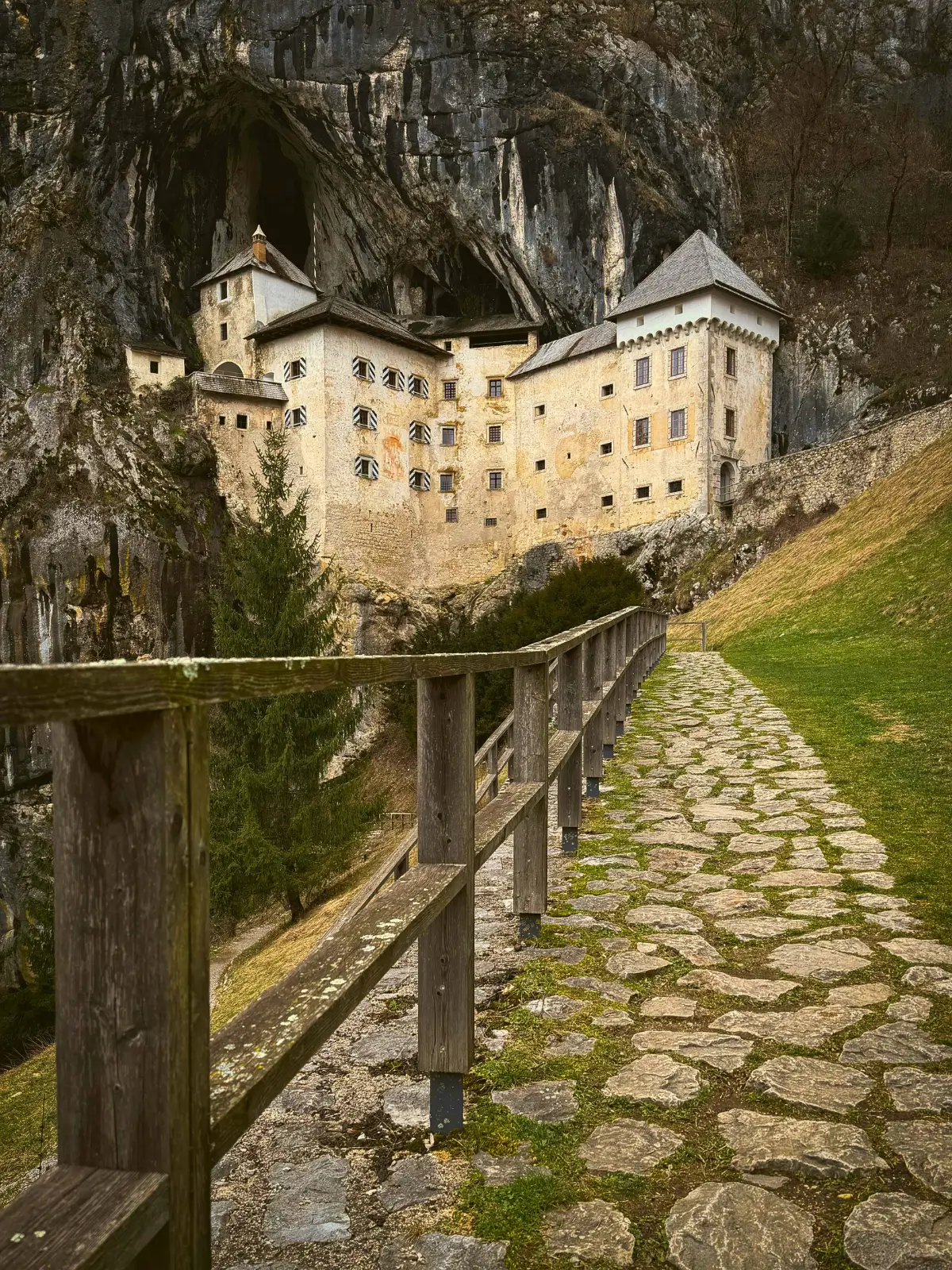
Popular landmarks include Lake Bled with its island church and Postojna Cave with its large underground chambers. The country brings together historic towns and natural scenery in a way that feels easy to explore without long travel times between regions.

Did You Know?

  • Slovenia holds around 1% of the world’s organisms despite its small size, as it’s shaped by a mix of Alpine, Mediterranean, and karst landscapes.

  • It’s one of the most forested countries in Europe, with around 60% of its land covered in forests.

  • The country has more than 14,000 known caves, which makes it one of the most cave-rich places in the world.

  • You’ll find the world’s oldest vine in Maribor, and it’s over 400 years old and still produces grapes.

  • Its coastline stretches only about 46 km, which makes it one of the shortest in Europe.

  • The population sits at just over 2 million people, which makes it one of the smallest countries in the European Union.

  • Ljubljana is a relatively small capital city with a population of around 300,000 people.

  • Beekeeping plays a major role in local culture, with about five beekeepers per 1,000 people.

  • It joined the European Union in 2004 and uses the euro as its currency.

  • The country sits at the meeting point of the Alps, the Mediterranean, the Pannonian Plain, and the Karst region.

I love exploring new places and sharing the travel tips, food finds, and experiences that help you plan your next adventure.

Join the
Journey

Sign up for new itineraries, travel notes, and practical guides to help you explore the places I love most.

Best Time To Visit Slovenia

The best time to visit Slovenia is from May to September. The weather is warm, and it’s easy to get around. July and August are the busiest months, especially at Lake Bled and along the coast.

Late spring and early autumn are a safer pick for most trips. May, June, and September bring mild weather and open attractions. Travel feels smoother, and prices are less extreme.

Winter runs from December to March and suits snow trips in the Alps. Ski areas stay active, but other places slow down. Shorter days and colder weather can affect plans.

Warm Months Transitional Months Cool Months

Slovenia At A Glance

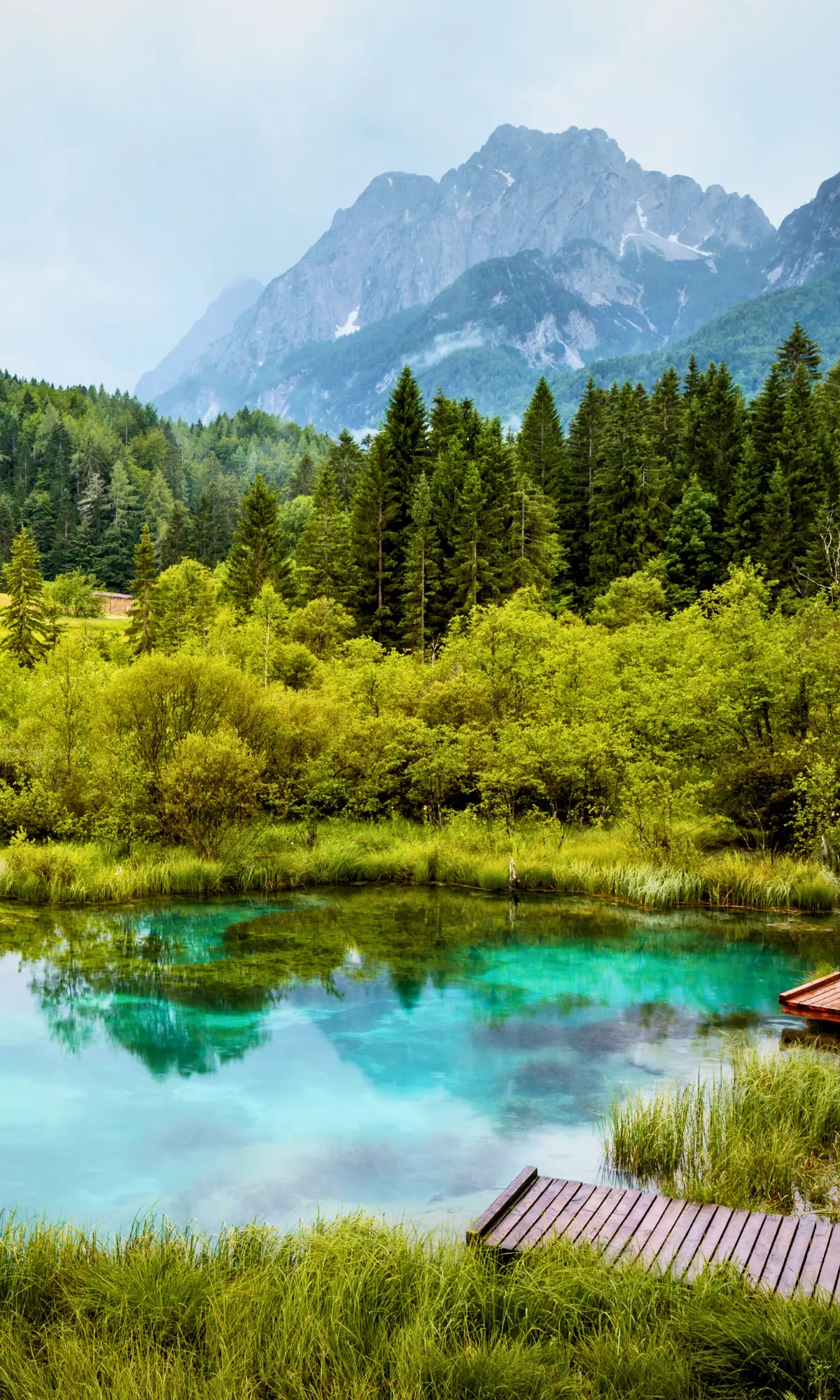
Turquoise spring at Zelenci Nature Reserve surrounded by forest and mountains.
Language selection icon showing two speech bubbles with letter A and Chinese character.

Language

Slovene is the official language, and it’s spoken nationwide. English is widely spoken in cities and tourist areas.

Illustration of a money bag with dollar symbol next to stacked coins.

Currency and Costs

Euro (EUR). Approximate rate: 1 USD ≈ 0.90–1.00 EUR, though exchange rates fluctuate. Expect moderate daily costs, especially in Ljubljana and popular destinations.

Mobile payment icon with credit card and phone showing confirmed payment

Payments

Hotels, restaurants, and larger shops accept credit and debit cards. Contactless payments are widely used for everyday purchases.

Hand holding a dollar sign and heart icon representing tipping.

Tipping

Tipping isn’t expected, and service is usually included in the bill. Bills are often rounded up, though around 5–10% is appreciated for good service.

Shield with checkmark and padlock as safety icon.

Safety

Slovenia is generally safe for travellers. Take normal precautions in busy areas and crowded places.

Wi-Fi connectivity icon for travel and accommodation.

Connectivity

Mobile coverage is strong in cities and towns. Most hotels offer Wi-Fi, though it may be weaker in rural areas.
A Detailed Slovenia Itinerary

This 6-day route runs as a loop through western Slovenia, starting and ending in Ljubljana. It heads into the Alpine lake region first, crosses the Julian Alps into the Soča Valley, then continues down to the coast before returning inland. 

Each stop connects in a natural order, and driving times remain manageable throughout. A car keeps movement simple, especially across the mountain roads.

Day 1: Ljubljana Old Town and Castle Area

The day centres on the historic core, where streets follow the Ljubljanica River and connect the main squares, bridges, and viewpoints. Distances stay short, and everything fits within a walkable area.

Suggested Stay: City Hotel Ljubljana – central and walkable near the old town

Base: Ljubljana

Highlights

  • Ljubljana Castle
  • Triple Bridge
  • Prešeren Square
  • Ljubljanica riverfront

Day 2: Ljubljana to Lake Bled

The route moves north to Lake Bled in around 45 minutes. The setting changes quickly into a lake surrounded by hills and forest. Paths around the shoreline and short climbs to viewpoints keep the area easy to explore.


Suggested Stay: Hotel Triglav Bled – elevated position overlooking the lake

Route: Ljubljana to Lake Bled

Highlights

  • Lake Bled island
  • Bled Castle
  • Lakeside path
  • Ojstrica viewpoint

Day 3: Lake Bled to Lake Bohinj

The day continues within the same region, with a short drive of about 30 minutes to Lake Bohinj. The landscape opens up, with fewer built areas and wider views. Both lakes fit into one day without needing to change base.

Suggested Stay: Hotel Triglav Bled – elevated position overlooking the lake

Base: Lake Bled

Highlights

  • Lake Bohinj
  • Savica Waterfall
  • Triglav National Park
  • Bled lakeside
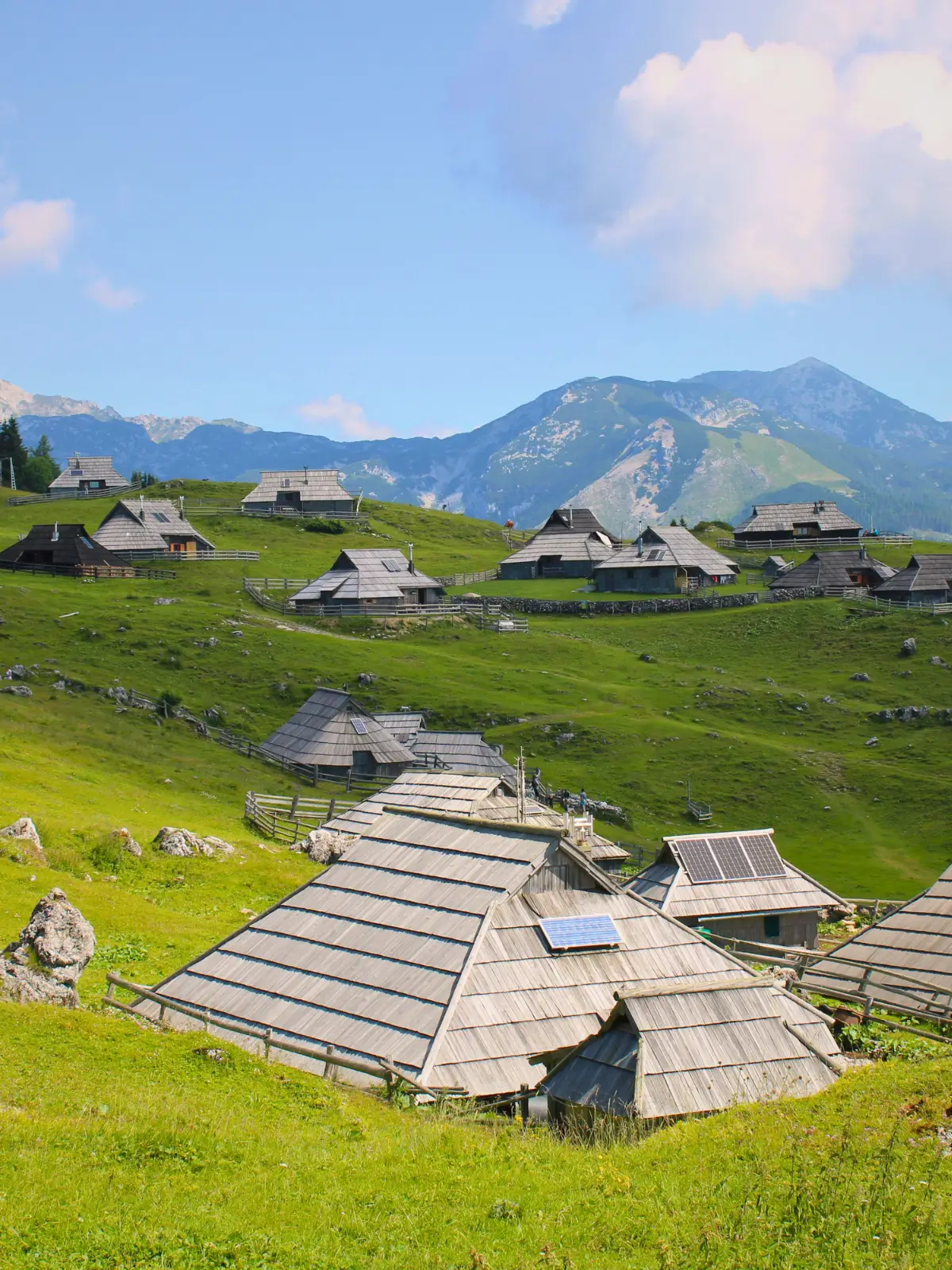
Wooden huts scattered across green hills in Velika Planina with mountains in the background.
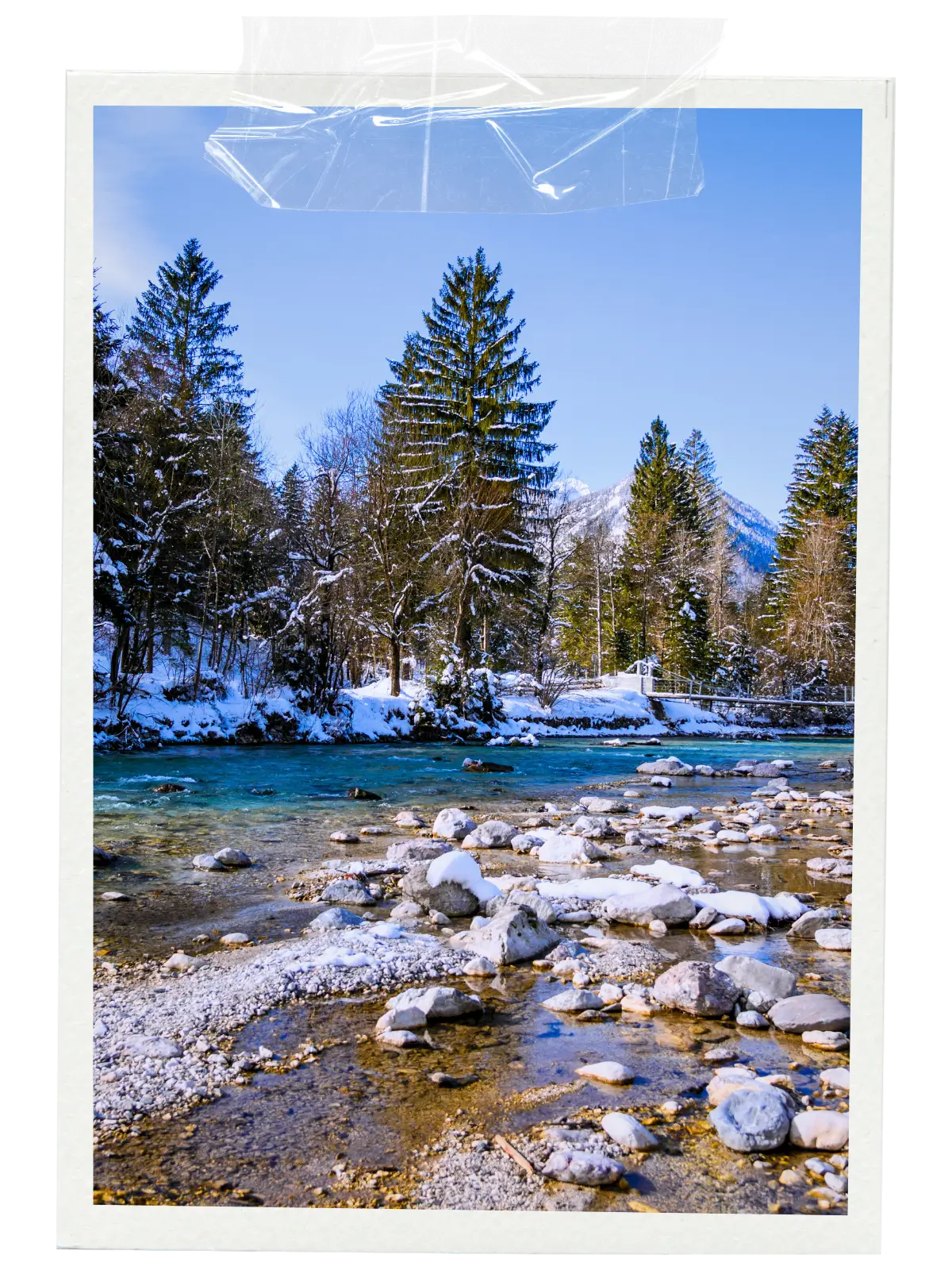
Clear river with snow-covered rocks and trees along the Sava Bohinjka in winter.

Day 4: Lake Bled to Soča Valley

The route crosses the Julian Alps toward Bovec, taking about 2 hours via the Vršič Pass. The road climbs through a series of bends before descending into the valley, where the river runs through steep terrain and open sections.

Suggested Stay: Hotel Mangart – central location in Bovec

Route: Lake Bled to Soča Valley

Highlights

  • Vršič Pass
  • Soča River
  • Bovec
  • Kobarid

Day 5: Soča Valley to Piran

The journey heads south toward the coast, following the valley before crossing into the Karst region. The drive takes around 1.5–2 hours, with a clear shift in landscape as the terrain flattens near the sea.

Suggested Stay: Hotel Piran – seafront in the old town

Route: Soča Valley to Piran

Highlights

  • Piran old town
  • Tartini Square
  • Adriatic coastline
  • City walls

Day 6: Piran to Ljubljana

The route turns inland, with a drive of about 1.5 hours back to Ljubljana. The final stretch crosses the Karst region before reaching the capital, keeping the day simple ahead of departure.

Suggested Stay: Urban Boutique Hotel Ljubljana

Route: Piran to Ljubljana

Highlights

  • Karst region
  • Slovenian countryside
  • Ljubljana skyline on return
Beige washi tape strip with soft torn edges on a transparent background.

Things To Know Before Visiting Slovenia

1. Motorway Vignette Is Required For Driving

Motorways require a valid e-vignette from the moment you enter them. Enforcement uses cameras and roadside checks, and fines are issued on the spot. Even a short stretch without one leads to penalties.

2. Wild Camping Is Strictly Prohibited

Camping is only allowed in designated campsites across the country. National parks and rural areas enforce this rule, and overnight stays outside camps are fined. Road trips need confirmed stops each night.

3. Parking Zones Are Strictly Controlled In Cities

Urban areas use paid parking zones with fixed time limits. Tickets must match the exact duration, and inspectors check regularly. Overstaying or missing a payment leads directly to fines.

4. Alpine Trails Include Technical Sections

Mountain routes include steep ascents, fixed cables, and exposed terrain. Trail markings indicate difficulty, but distances don’t reflect the effort required. Proper gear and route awareness are necessary.

5. Lake Bohinj Access And Parking Are Limited

Vehicle access near Lake Bohinj is restricted, and parking areas fill early. Traffic control measures apply during peak periods. Late arrivals face long walks or no access near the lake.

6. Headlights Must Stay On At All Times

Headlights are mandatory at all times, including daylight hours. Police enforce the rule consistently on all roads. Driving without them results in fines.

7. Mountain Huts Require Advance Booking In Season

Alpine huts operate with limited beds and fixed capacity. During summer, availability is often fully booked in advance. Multi-day routes depend on confirmed reservations.

How to Get There

Entry Requirements and Visas

Slovenia is part of the Schengen Area, and entry follows standard Schengen rules. Many nationalities can stay visa-free for up to 90 days within a 180-day period. 

Your passport should be valid, and it usually needs to be valid for at least 3 months beyond your departure date.

Arriving by Air

Ljubljana Jože Pučnik Airport serves as the country’s main gateway with direct and connecting routes across Europe. 

Flight options are more limited than in larger countries, and many routes connect through hubs such as Frankfurt, Munich, or Zurich.

Alternative Airports Nearby

Airports in Venice, Trieste, Zagreb, and Vienna offer a wider range of flights and often better fares. 

These cities sit close to Slovenia’s borders, and they provide straightforward access into the country by road or rail.

Arriving by Land

Slovenia borders Italy, Austria, Hungary, and Croatia, and travel between them is simple. Border crossings are usually open within the Schengen Area, though checks can return at times.

Arriving by Sea

Slovenia has a short stretch of coastline, with entry points at Koper and Piran. Ferry routes exist but remain limited, and arrivals by sea are less common than other routes.

What to Expect

Travel Between Regions Isn’t As Quick As It Seems

Routes follow valleys, mountain passes, and smaller roads rather than direct highways. 

Journeys take longer than expected, even across short distances. Trying to combine multiple regions in one day leads to rushed plans.

Soča Valley Takes Longer To Reach Than It Looks

Access to the Soča Valley involves winding roads and limited direct connections. Public transport requires transfers and careful timing. Even nearby points take significant time to reach.

Accommodation Is Concentrated In Key Locations

Most stays are clustered around Bled, Bohinj, Ljubljana, and the coast. Smaller areas have limited options and fill quickly in peak periods. Where you base yourself affects how easily you move between regions.

Weather Changes Quickly In Alpine Areas

Mountain conditions shift within hours, especially at higher elevations. Clear views can disappear quickly due to cloud or rain. Daily plans need flexibility when heading into alpine regions.

Cave Visits Follow Fixed Guided Schedules

Major cave systems operate on timed guided tours only. Entry follows set slots rather than open access. Missing a scheduled time means delays or changing plans.

Clear river with snow-covered rocks and trees along the Sava Bohinjka in winter.
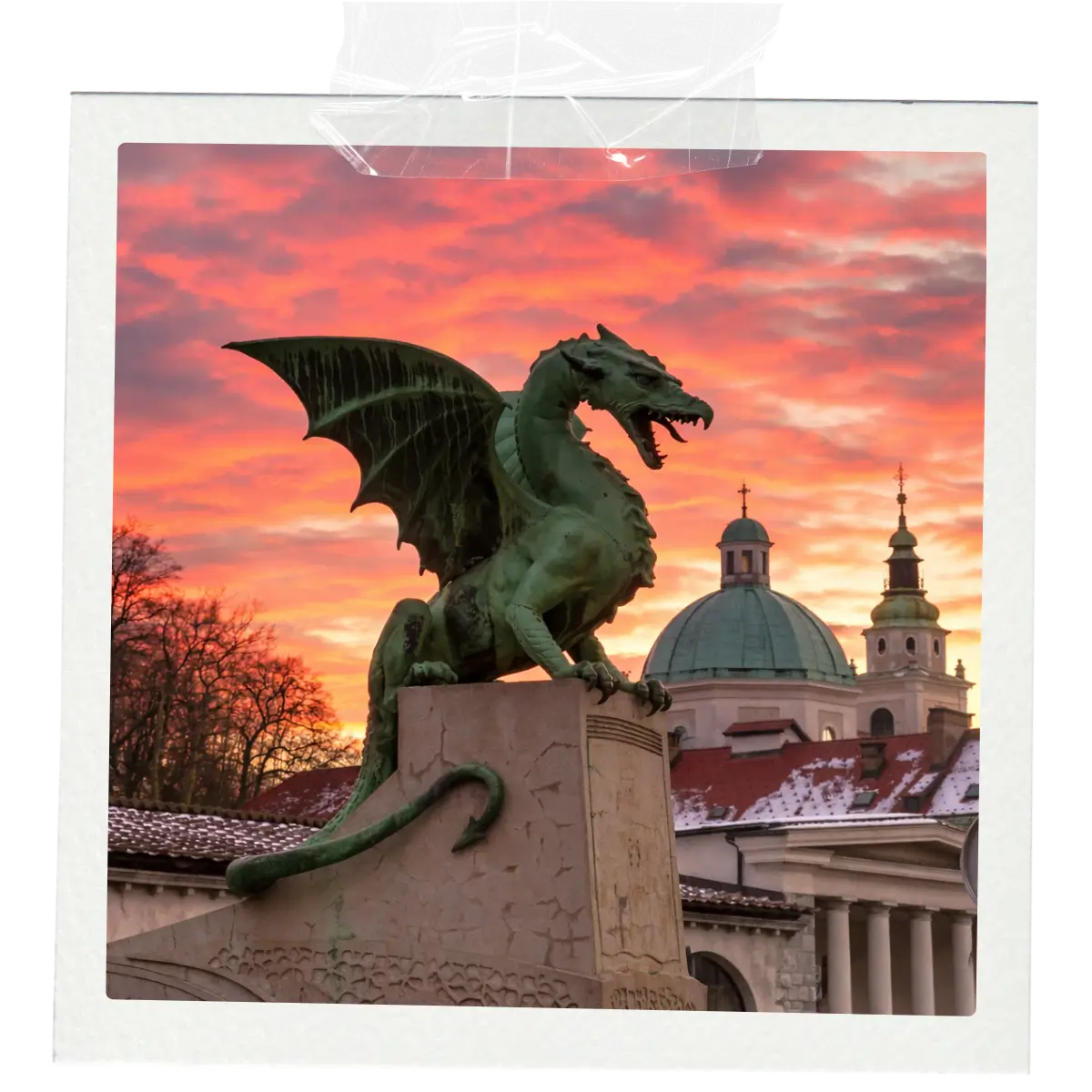
Dragon statue on Dragon Bridge in Ljubljana at sunset with historic buildings behind.

Getting Around Slovenia

Car Rental and Driving

Driving is the most practical way to get around Slovenia, especially for lakes, alpine areas, and rural regions. 

Roads are well maintained, but routes often follow mountain terrain, so journeys take longer than expected. Motorways require an e-vignette, and parking can be limited in busy places like Bled and Ljubljana.

Long-Distance Buses

Long-distance buses form the main public transport network and reach most cities and tourist destinations. Services run frequently from Ljubljana, with direct routes to places like Bled, Piran, and Postojna. 

Coverage is wider than trains, though schedules can be less frequent in smaller towns.

Long-Distance Trains

Trains connect major cities such as Ljubljana, Maribor, and Koper, along with some international routes. 

Services are generally reliable, but routes are often indirect and slower than road travel. The network doesn’t reach many key tourist areas.

Regional Buses

Regional buses connect smaller towns and rural areas beyond the rail network. They provide access to destinations not served by trains, including some natural sites. Frequencies vary, so timing matters when planning connections.

City Buses

Cities rely on bus systems rather than metro or tram networks. Ljubljana’s buses cover most of the city and run regularly on main routes. Payment usually requires a transport card or contactless option, as cash isn’t commonly used onboard.

Taxis and Ride-Hailing Services

Taxis operate in cities and major tourist areas and work well for short journeys. Ride-hailing apps are available in larger towns, though coverage drops outside urban areas. 

Fares rise quickly over longer distances, so they’re not ideal for intercity travel.

Cycling and Bike Rentals

Cycling is a common option in cities, especially in Ljubljana where bike lanes and rental systems are well developed. 

It works well for short distances and flat areas. Mountain terrain limits its use outside urban centres.

Join the
Journey

Sign up for new itineraries, travel notes, and practical guides to help you explore the places I love most.

Portrait of Manu smiling against a neutral background.

I love exploring new places and sharing the travel tips, food finds, and experiences that help you plan your next adventure.

Leave a Comment

Your email address will not be published. Required fields are marked *

Scroll to Top
Ultimate packing checklist travel guide cover with tropical beach background.