How To Plan A Hungary Trip With Transport And Itinerary
Hungary is in the centre of Europe within the Carpathian Basin. Much of the country is flat, especially across the Great Alföld. The Danube runs through the middle and divides Budapest into Buda and Pest. Buda sits on higher ground with older streets, while Pest has wider roads, shops, and daily city life.
Budapest is closely linked to its thermal baths. Mineral-rich water runs beneath the city and feeds places like Széchenyi and Gellért. Outdoor pools stay warm even in colder months. People spend time here slowly, moving between pools and resting areas.
Food across Hungary focuses on paprika and slow-cooked meats. Meals are usually served hot and filling. Many recipes stay consistent over time and appear on simple, local menus.
You’ll notice its history as you move through the cities. Large buildings, long streets, and open squares reflect the Austro-Hungarian period. In Budapest, whole areas still follow this layout.
Did You Know?
- Hungary has more than 1,300 thermal springs, and some estimates place the number closer to 1,500 across the country.
- Budapest has over 100 thermal springs, and it’s one of the few capital cities in the world with natural thermal waters.
- Hungarian isn’t part of the Indo-European language family, and it belongs to the Uralic group.
- Hungary has around 9.6 million residents, and millions more Hungarian speakers live outside the country.
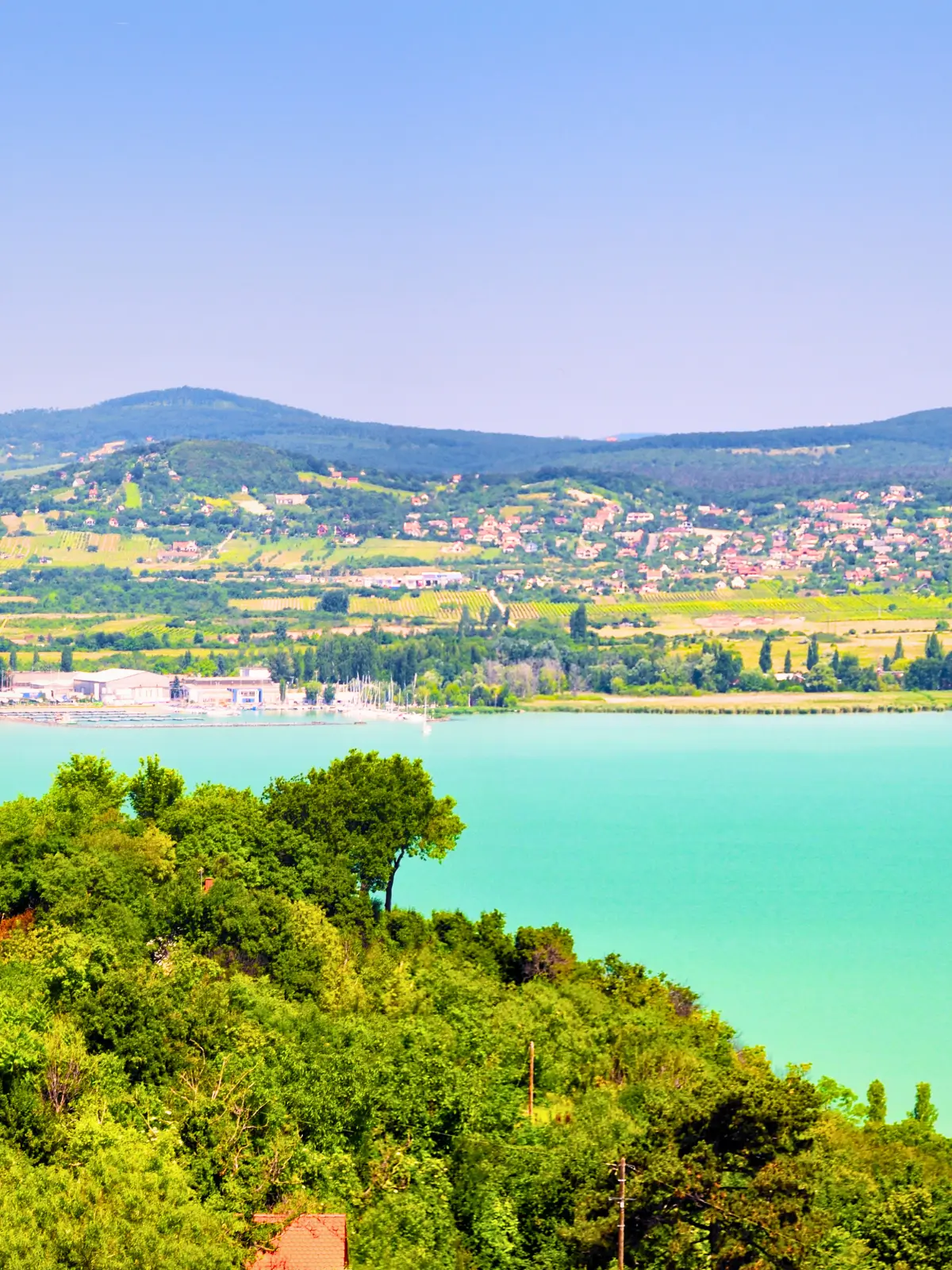
- Lake Balaton covers nearly 600 km², and it’s the largest lake in Central Europe.
- The Budapest Metro Line 1 opened in 1896, and it’s one of the oldest underground railways in the world.
- The Rubik’s Cube was invented in 1974 by Ernő Rubik, and more than 350 million units have been sold worldwide.
- Hungary uses the forint instead of the euro, even though it’s part of the European Union.
- Hungary grows more than 40 varieties of paprika, and it’s one of the most recognised producers in the world.
- Hungarians consume around 500 g of paprika per person each year, which is higher than in most countries.
I love exploring new places and sharing the travel tips, food finds, and experiences that help you plan your next adventure.
Join the
Journey
Sign up for new itineraries, travel notes, and practical guides to help you explore the places I love most.
Best Time to Visit Hungary
Hungary At A Glance

Language
Hungarian is the official language, and almost everyone speaks it. English is common in Budapest, tourist areas, and larger hotels.

Currency and Costs
Hungarian Forint (HUF). Approximate rate: 1 USD ≈ 350–380 HUF, though exchange rates fluctuate. Expect moderate costs overall, with higher prices in Budapest and better value in smaller towns.

Payments
Most hotels, restaurants, and larger shops accept credit and debit cards. Carry some cash for small businesses, markets, and local transport.

Tipping
Restaurants usually expect a tip of around 10% if they don’t include a service charge. Check the bill first, as some places already add it.

Safety
Hungary is generally safe for travellers, including in busy cities and tourist areas. Stay aware in crowded places and on public transport, as pickpocketing can happen.

Connectivity
Mobile networks cover cities and most towns reliably. Hotels and cafés usually offer Wi-Fi, but rural areas can have weaker connections.
A Detailed Hungary Itinerary
This 6-day route keeps things simple, starting in Budapest before heading west to Lake Balaton, then returning to the capital.
Travel distances stay short, and trains or short drives connect each stop. Budapest works as the main base at the start and end, which keeps hotel changes limited and the overall pace easy to manage.
Day 1: Arrival in Budapest
Arrival into Budapest followed by transfer into the central districts. Most key areas sit close to the Danube, and the layout stays easy to navigate on foot or by tram.
Suggested Stay: Hotel in the historic centre near the Danube
Base: Budapest
Highlights
- Hungarian Parliament Building
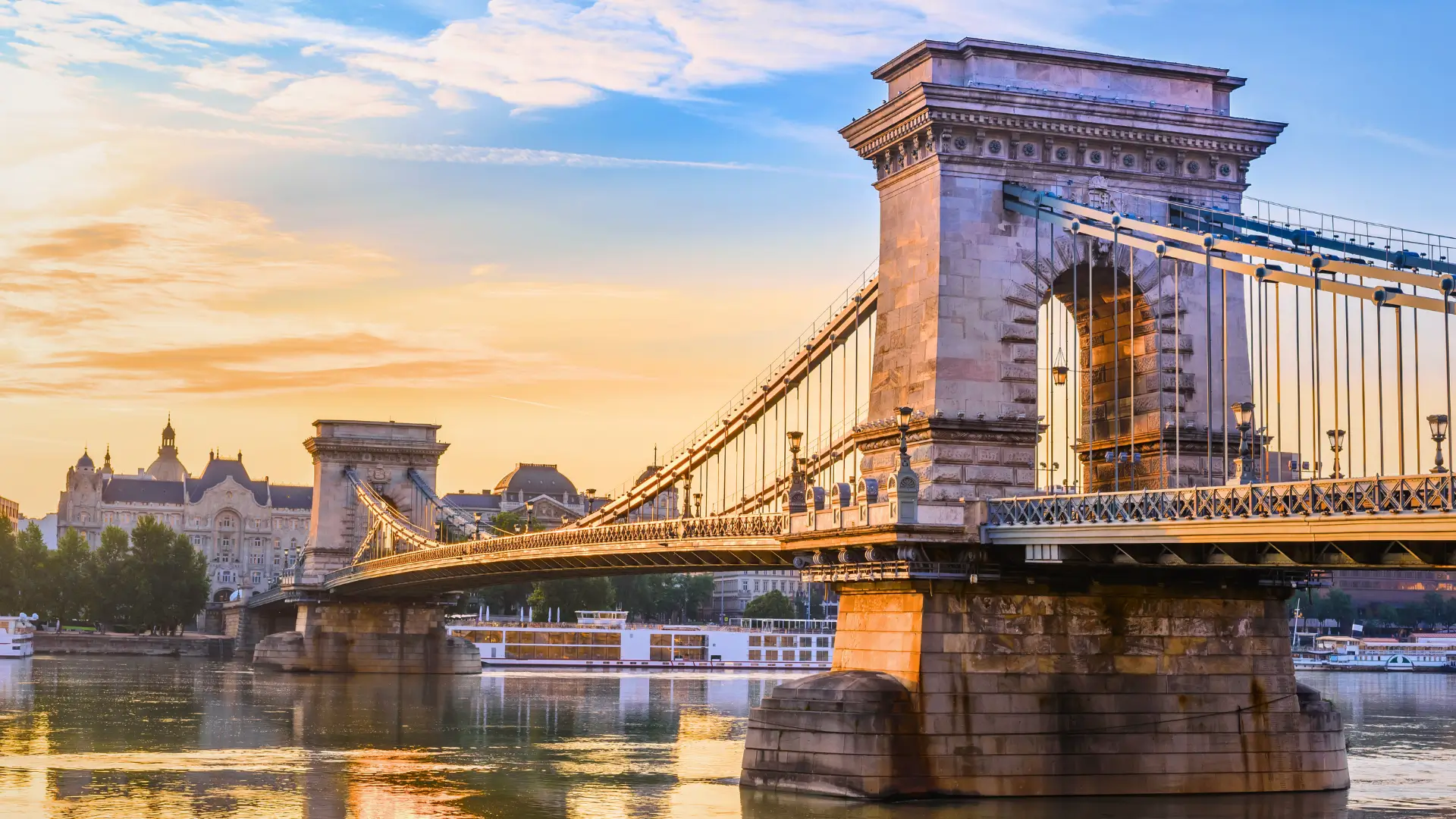
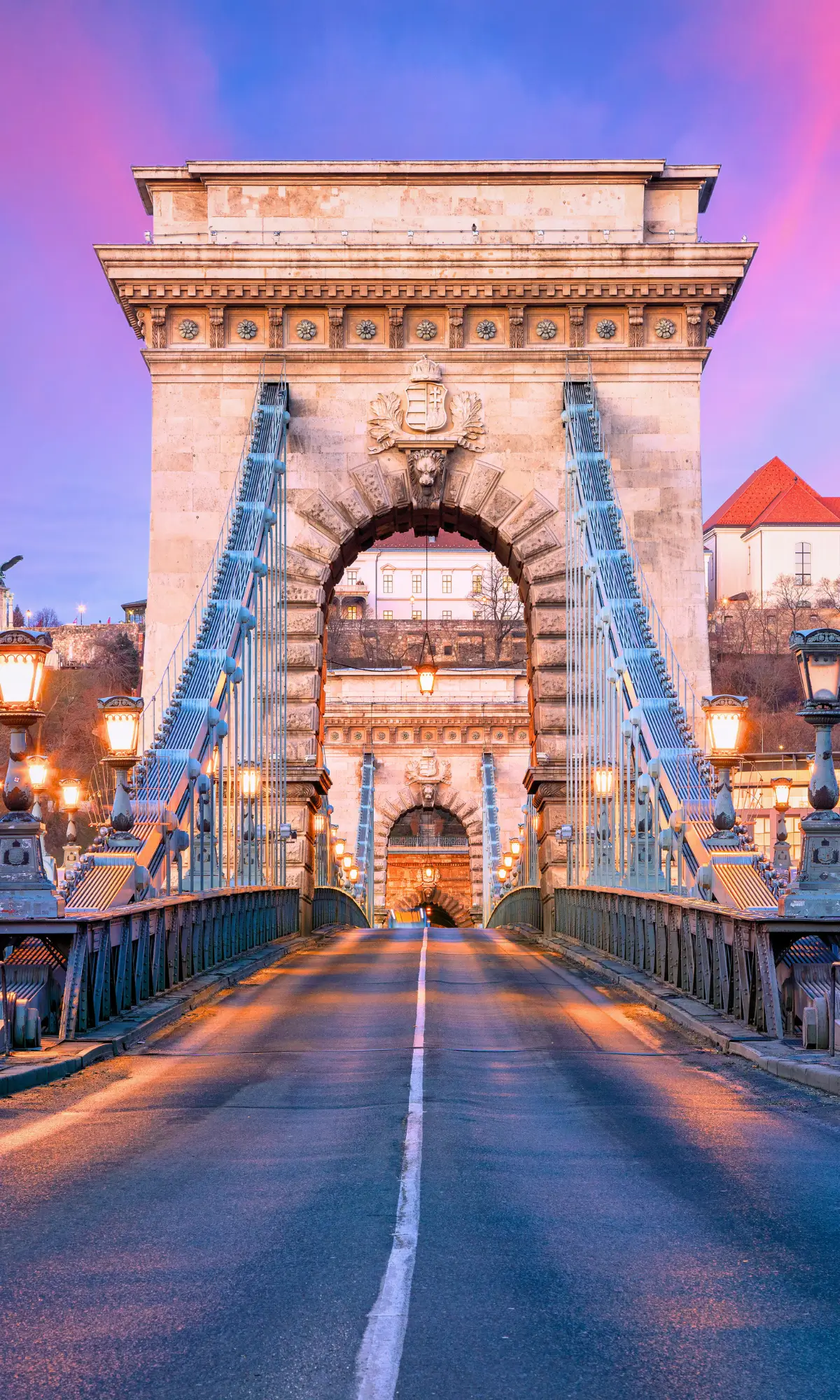
- Chain Bridge
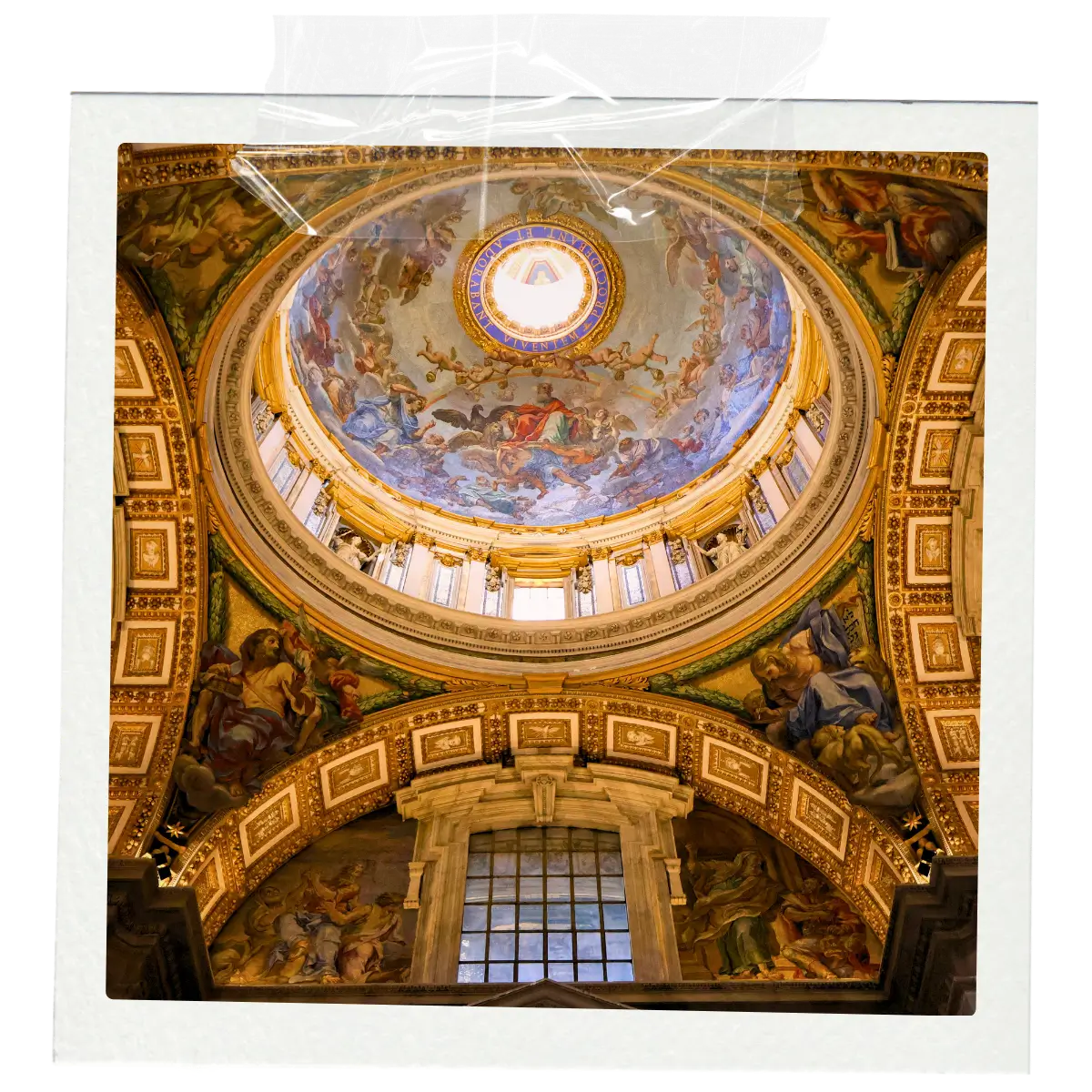
- St. Stephen’s Basilica
- Central Market Hall
Day 2: Budapest – Buda and Pest
The day moves between both sides of the city, crossing the Danube between Buda’s elevated viewpoints and Pest’s main streets. Distances remain manageable, with trams, short metro rides, and walking routes linking everything.
Suggested Stay: Hotel in the city centre within walking distance of key landmarks
Base: Budapest
Highlights
- Buda Castle
- Fisherman’s Bastion
- Matthias Church
- Andrássy Avenue
Day 3: Budapest – Baths and City Parks
Focus shifts beyond the historic core, with time in Budapest’s large parks and well-known thermal baths. Public transport connects these areas directly with the centre, which keeps the day easy to plan.
Suggested Stay: Hotel in the city centre or near a metro line
Base: Budapest
Highlights
- Széchenyi Thermal Baths
- Heroes’ Square
- Vajdahunyad Castle
- City Park
Day 4: Budapest to Lake Balaton
Travel heads west towards Lake Balaton, with trains and roads linking the regions in around 1.5 to 2 hours. The northern shore works well as a base, with smaller towns and open lake views.
Suggested Stay: Guesthouse or small hotel near the lake in Tihany or Balatonfüred
Route: Budapest to Lake Balaton
Highlights
- Tihany Abbey
- Lake Balaton shoreline
- Balatonfüred promenade
- Tagore Walk
Day 5: Lake Balaton to Budapest
Suggested Stay: Hotel in the city centre near transport links
Route: Lake Balaton to Budapest
Highlights
- Danube Promenade
- Gellért Hill
- Liberty Bridge
- Budapest skyline
Day 6: Departure from Budapest
Departure from Budapest, with timing based on flight schedules. Staying central or near the airport keeps transfers simple before leaving the city.
Suggested Stay: Airport hotel or hotel in the city centre depending on departure time
Route: Budapest departure
Highlights
- Danube river views
- Parliament riverside
- Central streets
- Final city walk
Things To Know Before Going Hungary
1. Always Validate Your Ticket Before Boarding
2. Toilets Often Require Small Change
3. Don’t Expect To Bargain
4. Tap Water Is Safe To Drink
You can drink tap water across Hungary without concern in most places. It’s clean and widely used by locals, and bottled water is optional.
5. Smoking Rules Are Strict Indoors
Hungary enforces strict rules on smoking in indoor public spaces, including restaurants and bars. Designated outdoor areas are common, and fines apply if rules aren’t followed.
6. Toilets Don’t Always Provide Paper Inside Stalls
Carry tissues with you, especially when you’re out for the day or travelling between stops. It keeps things quick and hassle-free when facilities vary between places.
7. Use Official Taxis Or Ride Apps
Base fares start around 1,000–1,100 HUF (≈ 3 USD), and regulated pricing helps avoid overcharging. Ride apps like Bolt operate widely in Budapest, and prices stay consistent compared to street taxis.
How to Get There
Entry Requirements and Visas
Hungary is part of the Schengen Area, so the same entry rules apply.
Passport and Border Checks
Main Airport in Hungary
Budapest Ferenc Liszt International Airport is the main gateway into the country. It handles almost all international arrivals and connects Hungary with cities across Europe and a few long-haul routes.
Flights and Air Routes
Arriving by Train
What to Expect
Budapest Feels Different From The Rest
Public Transport Needs More Attention
Thermal Baths Have Their Own Rules
Central Budapest Is Easy To Explore On Foot
Most central areas, especially in Budapest, are compact and easy to explore on foot. Cobblestone streets are common, and they can slow you down without good shoes.
Trains Take Longer Than Expected
Machines and Menus Aren’t Always In English
Getting Around Hungary
City Public Transport
Suburban Rail HÉV
HÉV trains connect Budapest with nearby towns and outer areas beyond the main city network. They run less often than metro lines, but they’re useful for places just outside the centre.
Long Distance Trains
Regional Trains
Long Distance Buses
Taxis and Ride Apps
Car Rental and Driving
Driving works well if you want to explore smaller towns, countryside areas, or wine regions. Roads are generally in good condition, but you’ll need a motorway vignette for highways.
Join the
Journey
Sign up for new itineraries, travel notes, and practical guides to help you explore the places I love most.
I love exploring new places and sharing the travel tips, food finds, and experiences that help you plan your next adventure.