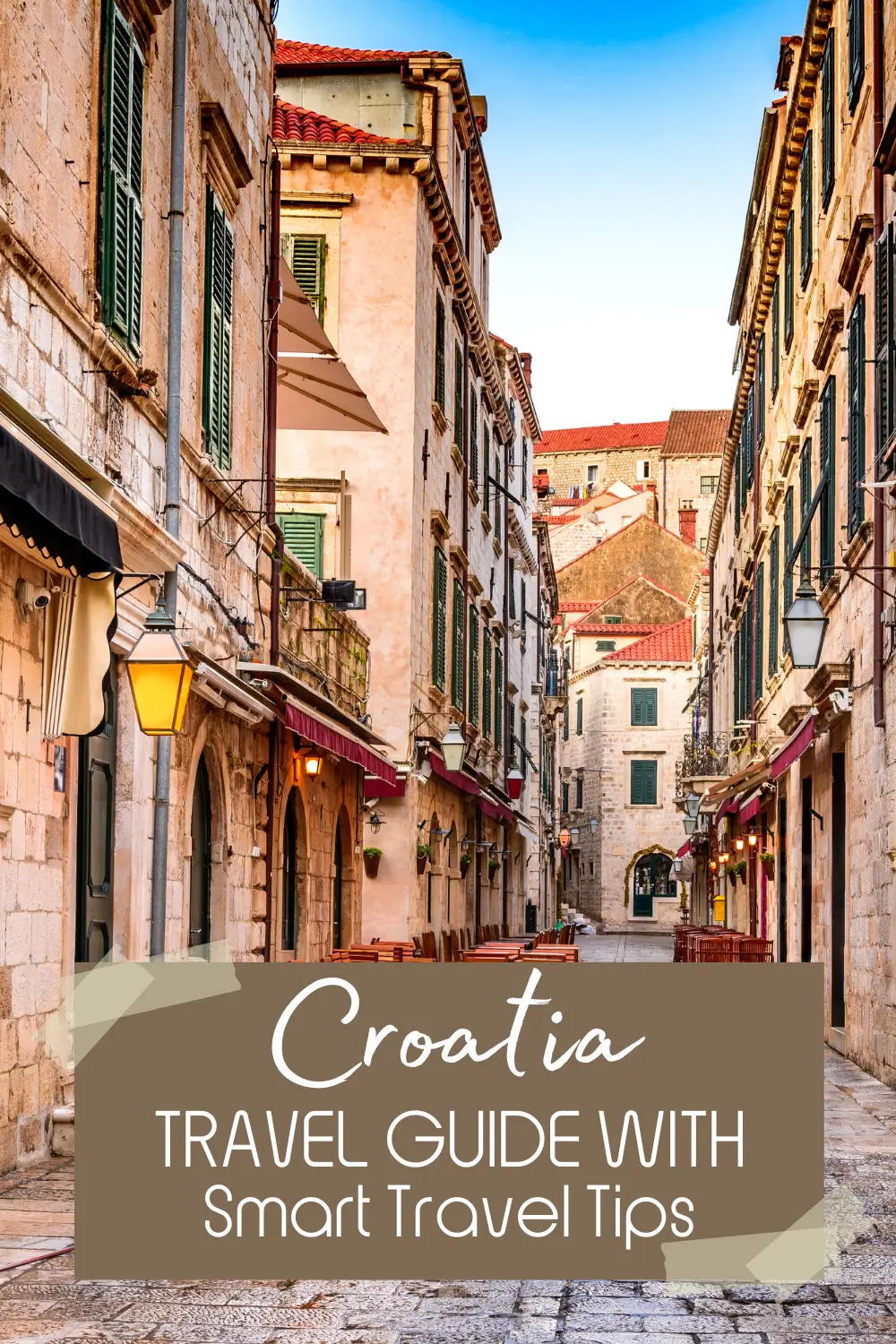
Croatia Travel Guide with Smart Travel Tips
Did You Know?
- Croatia gave the world the necktie. In the 17th century, Croatian soldiers wore knotted scarves around their necks. The French adopted the fashion and called it the cravat, a word derived from “Croat”.
- The Dalmatian dog breed takes its name from the Dalmatia region along the Adriatic coast.
- Nikola Tesla was born in the village of Smiljan, located in present-day Croatia.
- The country has more than 1,200 islands, islets, and reefs along the Adriatic coast, though fewer than 50 are permanently inhabited.
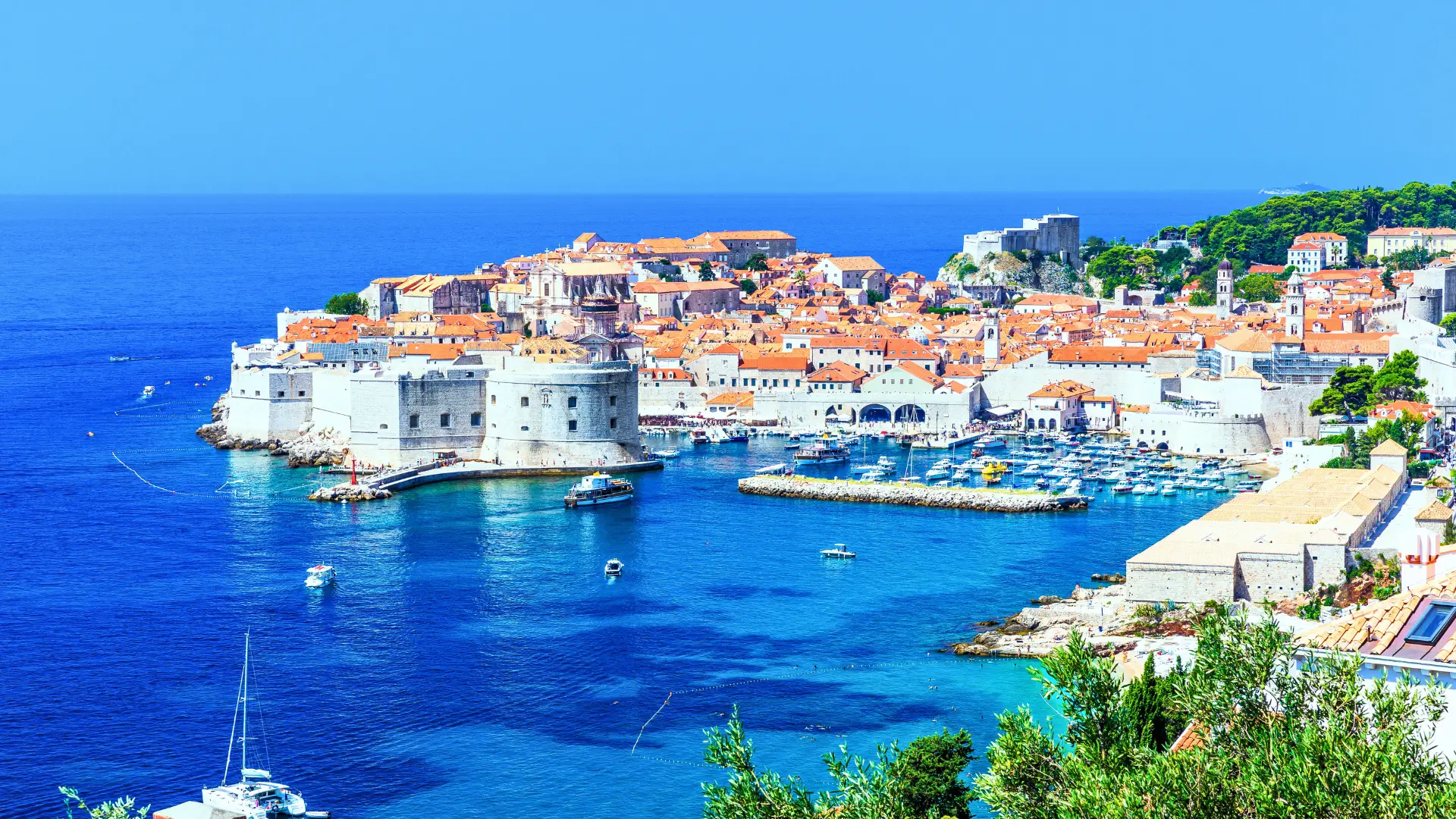
- Dubrovnik served as a major filming location for King’s Landing in the television series Game of Thrones because of its well-preserved medieval walls and streets.
- Hum is often described as the world’s smallest town, with a population that usually stays below 30 residents.
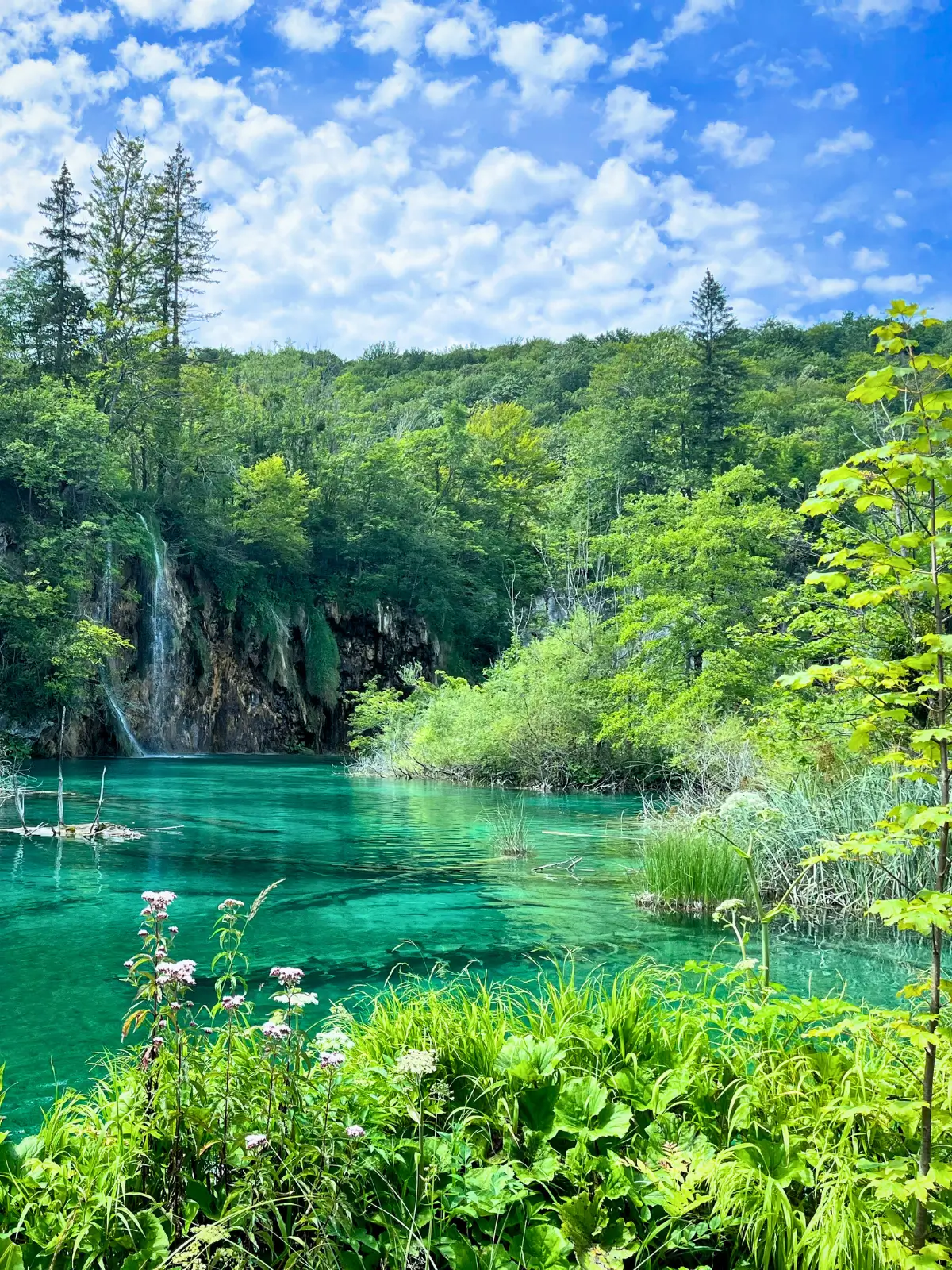
- Plitvice Lakes National Park features a chain of turquoise lakes linked by waterfalls. The park is one of Europe’s most famous natural attractions.
- The Adriatic Sea along the Croatian coast ranks among the clearest waters in Europe. Underwater visibility can often exceed 30 metres.
- The Croatian alphabet contains 30 letters, including characters such as č, ć, and š.

I love exploring new places and sharing the travel tips, food finds, and experiences that help you plan your next adventure.
Join the
Journey
Sign up for new itineraries, travel notes, and practical guides to help you explore the places I love most.
Best Time to Visit Croatia
The best time to visit Croatia is late spring (May–June) or early autumn (September–October). The weather stays warm. Cities such as Dubrovnik and Split attract fewer tourists than in midsummer. Sightseeing and island trips feel easier during these months.
July and August bring the hottest weather. The Adriatic coast becomes lively. Beaches fill with visitors, and festivals take place across many islands. The sea is ideal for swimming, but accommodation prices rise.
Croatia At A Glance

Language
Croatian is the country’s official language, and people use it across Croatia. English is widely spoken in tourist areas, hotels, and restaurants.

Currency and Costs
Euro (EUR). Approximate rate: 1 USD ≈ 0.90–0.95 EUR, though exchange rates fluctuate. Expect moderate daily expenses, with higher prices in Dubrovnik and popular coastal destinations.

Payments
Credit and debit cards work in most hotels, restaurants, and larger shops. Carry some cash for taxis, bakeries, and small local businesses.

Tipping
Tipping is appreciated but not mandatory. Many people round up the bill or leave about 5–10% for good service.

Safety
Croatia is considered a safe destination for travellers. Still take normal precautions in busy areas and popular tourist spots.

Connectivity
Mobile networks cover most cities and coastal areas. Hotels and cafés often provide Wi-Fi. Service may weaken on smaller islands or in remote inland areas.
A Detailed Croatia Itinerary
Day 1: Arrival in Zagreb
Suggested Stay: Small hotel or boutique guesthouse in Donji Grad (Lower Town), near Ban Jelačić Square
Base: Zagreb
Highlights
- Ban Jelačić Square
- Zagreb Cathedral
- St Mark’s Church
- Dolac Market
Day 2: Zagreb to Plitvice Lakes National Park
The journey from Zagreb to Plitvice Lakes National Park takes about 2 hours by car. The landscape gradually changes from urban areas to forested countryside as the route moves south.
Suggested Stay: Guesthouse near Entrance 1 in Rastovača or Plitvica Selo
Route: Zagreb to Plitvice Lakes National Park
Highlights
- Plitvice Lakes National Park
- Veliki Slap waterfall
- Wooden lake walkways
- Turquoise lake viewpoints
Day 3: Plitvice Lakes to Split
An early start inside the park usually means fewer visitors on the walking trails before continuing toward the Adriatic coast. The drive from Plitvice to Split usually takes around 3 to 4 hours.
Split’s historic centre sits inside the remains of Diocletian’s Palace, which forms the heart of the city. Staying close to the old town makes it easy to explore on foot.
Suggested Stay: Hotel or apartment near Split Old Town, the Riva promenade, or the Varoš district
Route: Plitvice Lakes to Split
Highlights
- Diocletian’s Palace
- Split Old Town streets
- Riva waterfront promenade
- Adriatic harbour views
Day 4: Split – Historic Centre and Coast
Split’s old town developed inside the walls of a Roman palace built in the 4th century. Today the area is filled with small squares, cafés, and narrow stone lanes.
Suggested Stay: Same accommodation in Split
Base: Split
Highlights
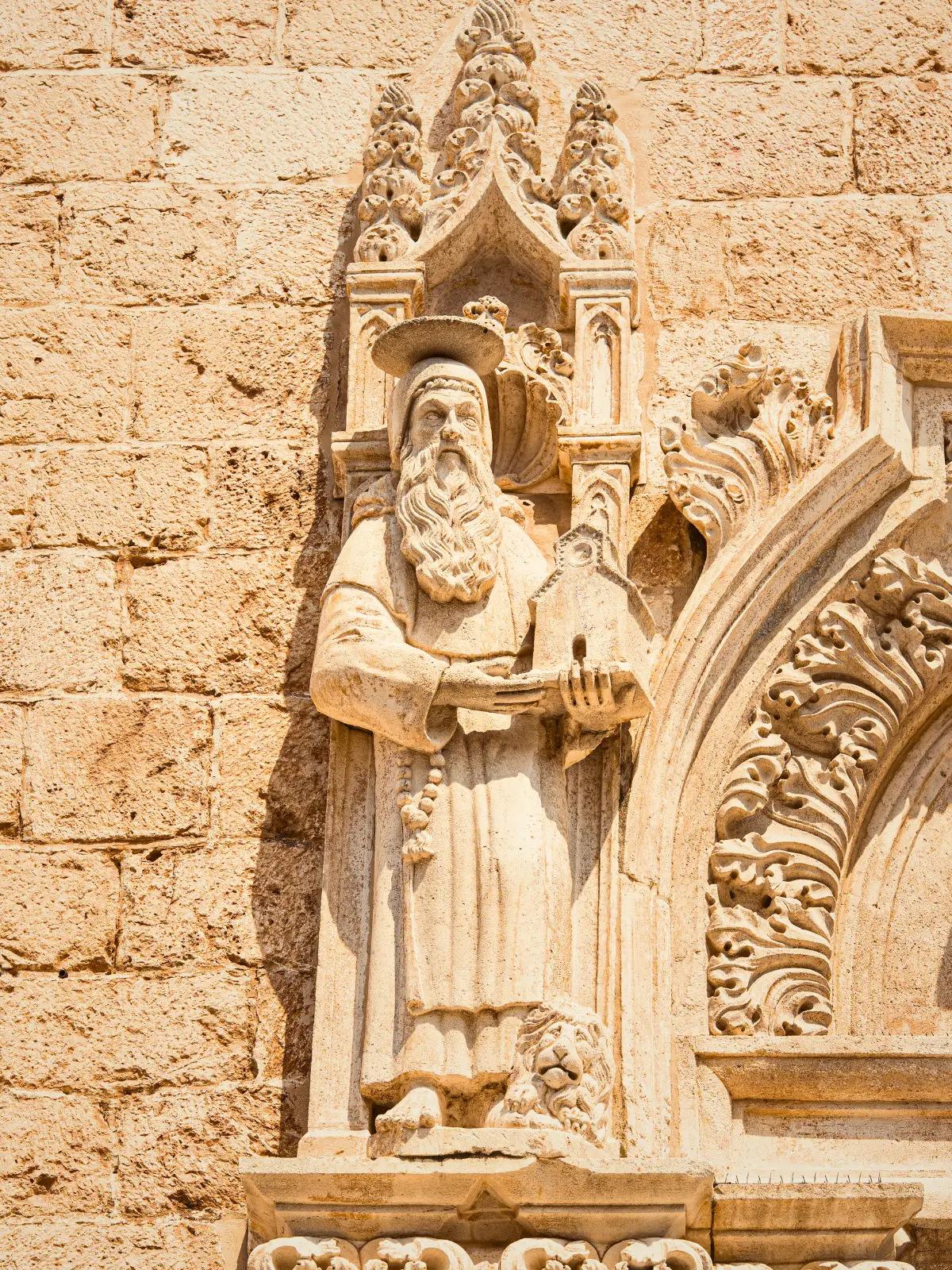
- Cathedral of Saint Domnius
- Peristyle Square
- Marjan Hill viewpoints
- Bačvice Beach
Day 5: Split to Hvar Island
Suggested Stay: Guesthouse or small hotel near Hvar Town harbour
Route: Split to Hvar Island
Highlights
- Adriatic ferry crossing
- Hvar Town harbour
- Spanish Fortress
- Dalmatian island coastline
Day 6: Hvar to Dubrovnik
Suggested Stay: Hotel or guesthouse near Dubrovnik Old Town, Ploče, or Lapad
Route: Hvar Island to Dubrovnik
Highlights
- Adriatic coastal sailing route
- Dubrovnik harbour
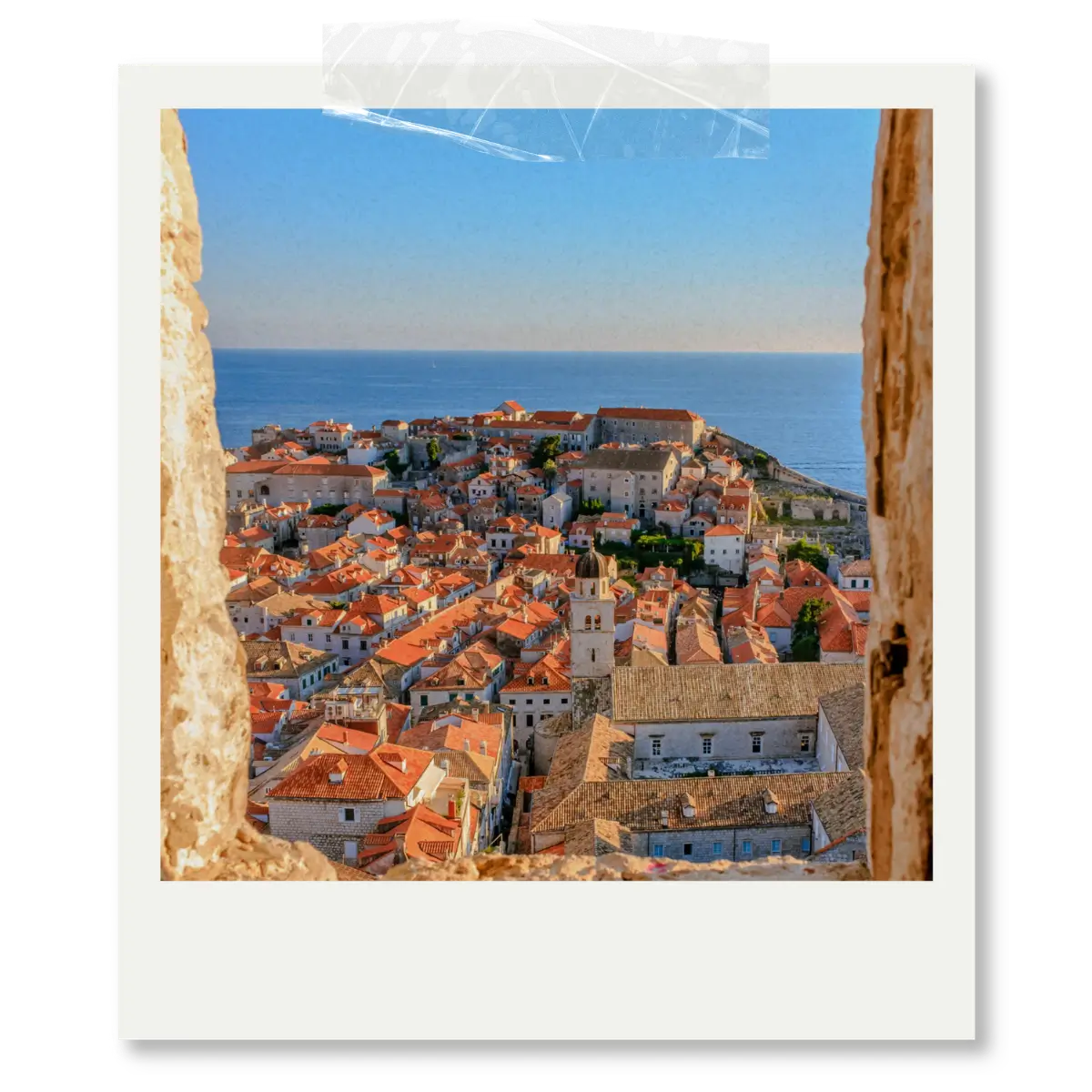
- Medieval city walls skyline
Day 7: Dubrovnik – Old Town
Dubrovnik Airport is located about 20 km from the old town, with regular transfers available. Many travellers depart from here via Dubrovnik Airport, while others continue to nearby destinations such as Montenegro.
Suggested Stay: Same accommodation in Dubrovnik
Base: Dubrovnik
Highlights
- Dubrovnik City Walls
- Stradun
- Fort Lovrijenac
- Adriatic coastal views

Things To Know Before Visiting Croatia
1. Summer Crowds Can Disrupt Your Plans
2. Plitvice Lakes Tickets Often Sell Out
3. Ferry Schedules Matter for Island Travel
4. Old Towns Usually Don’t Allow Cars
5. Most Beaches Are Pebbled, Not Sandy
6. Coastal Prices Jump in Summer
7. Ferry Frequency Drops Outside Summer
How to Get There
International Flights
Entry Requirements
Your passport should remain valid for the duration of your trip. Border officers may ask for proof of onward travel or accommodation.
Arriving Overland
Croatia shares land borders with Slovenia, Hungary, Serbia, Bosnia and Herzegovina, and Montenegro. Travellers often enter by car or international bus from neighbouring countries.
Ferries From Italy
Ferries connect Croatia with ports along the eastern coast of Italy.
What to Expect
Historic Centres Built on Stone
Many old towns use polished limestone streets. After rain, the stone becomes slippery, especially in Dubrovnik and Split.
Limited Beach Facilities
Sea Urchins in Rocky Areas
Restaurant Menus Focus on Seafood
Diocletian’s Palace Is a Living City
Church Bells and Early Morning Activity
If you stay inside old towns, expect some early morning noise. Many buildings are centuries old and have minimal sound insulation.
Getting Around Croatia
Buses
Ferries and Catamarans
Driving
Trains
Domestic Flights
Join the
Journey
Sign up for new itineraries, travel notes, and practical guides to help you explore the places I love most.

I love exploring new places and sharing the travel tips, food finds, and experiences that help you plan your next adventure.