Your journey, beautifully planned.

Norway Travel Guide for Planning Your Trip

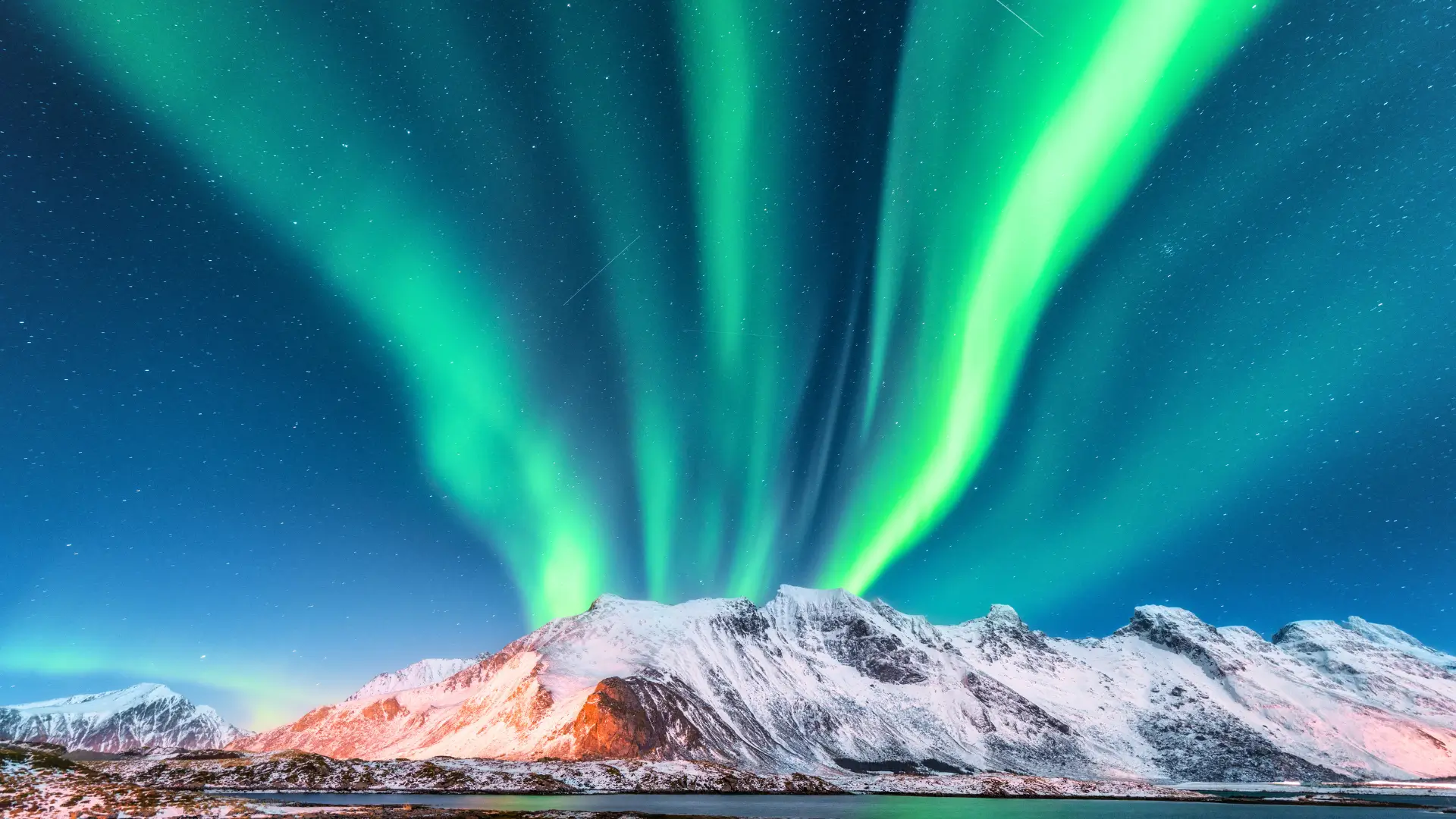
Northern lights over snowy mountains in Norway under a clear night sky.

Norway stands out for how quickly the landscape changes. Deep, glacier-carved fjords cut into the land. A dramatic coastline stretches into the Arctic Circle.

Often called the “Land of the Midnight Sun,” the country shifts between long summer days and very short winter daylight. This changes how travel feels across the year. Cities feel close to open landscapes, and it doesn’t take long to move between them.

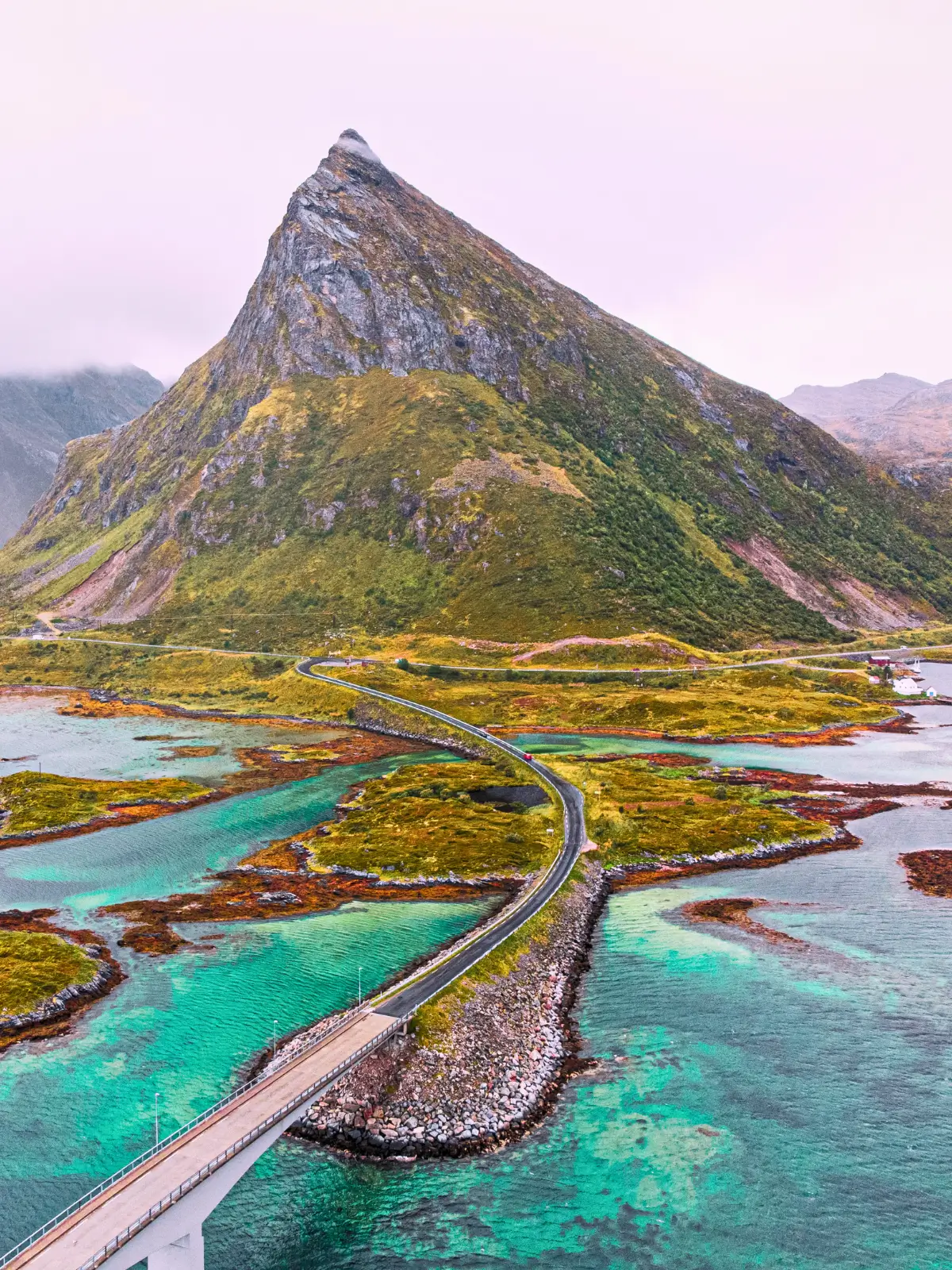
From the sharp peaks of the Lofoten Islands to the calm waters of Geirangerfjord, the scenery keeps changing. Spending time outdoors becomes part of the experience, whether through hiking, skiing, or time on the water.

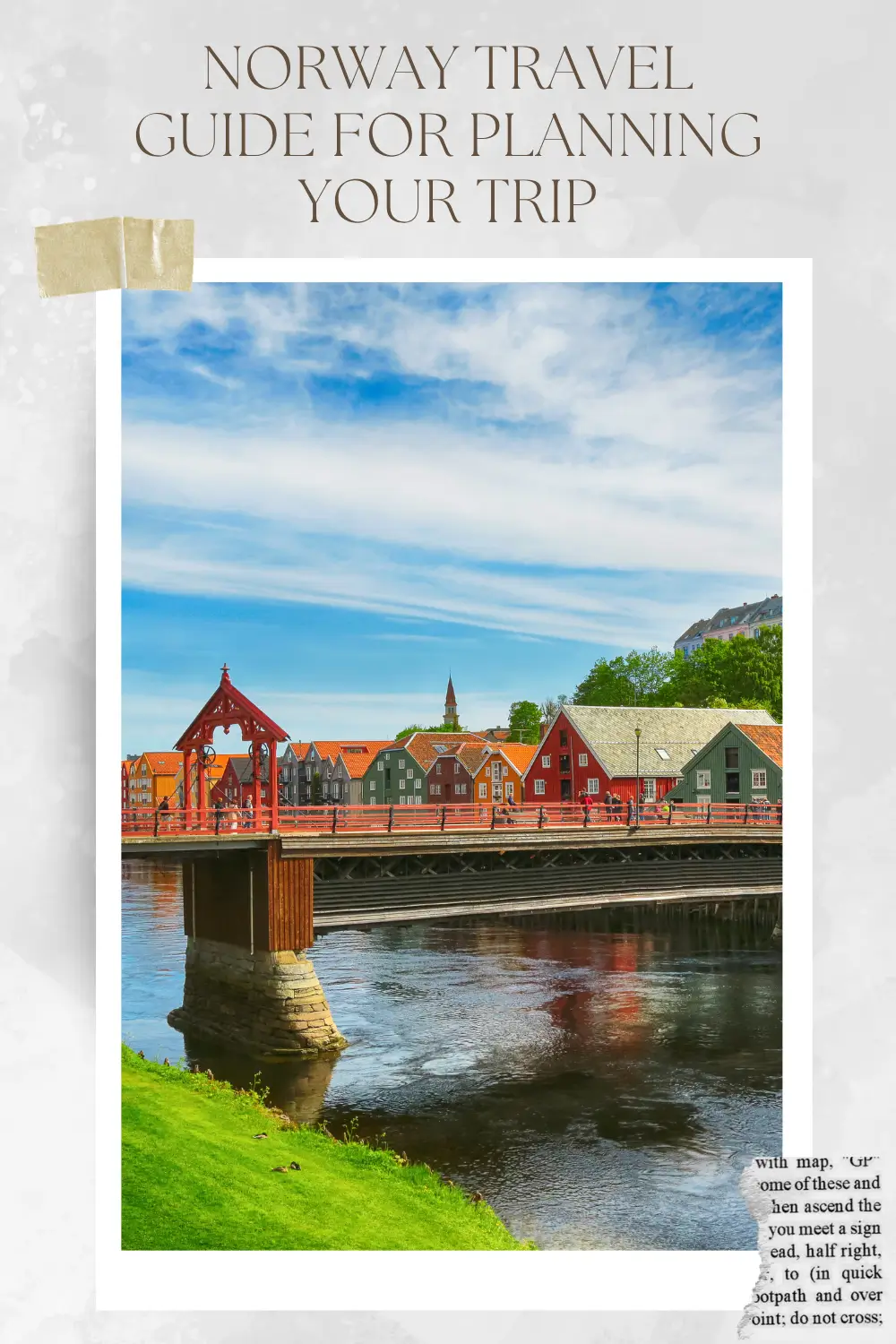
Colourful wooden houses and the Old Town Bridge in Trondheim, Norway.

Since the mid-20th century, Norway has grown from a fishing and seafaring economy into one of the world’s most stable and developed countries. Offshore oil and gas supported this shift. This shows in its high standard of living and strong public services.

Did You Know?

  • Norway has the world’s longest road tunnel, and it stretches 24.5 km through solid rock.

  • Hydropower generates about 88% of Norway’s electricity, and this gives the country one of the most renewable energy systems in the world.

  • Norway leads globally in electric car adoption, and fully electric vehicles made up about 88.9% of new car sales in 2024.

  • The sun doesn’t set for weeks in parts of northern Norway during summer, and it doesn’t rise at all for several weeks in winter above the Arctic Circle.

  • Fjords, islands, and deep inlets shape Norway’s coastline, and this creates one of the longest and most rugged coastlines in the world.

  • Norway has over 320,000 islands and islets along its coastline, and many are small, uninhabited, and scattered across fjords and open sea.

  • Lakes cover just about 5% of Norway’s mainland, and most formed during the last Ice Age as glaciers carved out deep basins.

  • Norway introduced salmon sushi to Japan in the 1980s through a government-backed export project.

  • Svalbard, a Norwegian archipelago, houses a global seed vault designed to store up to 4.5 million crop varieties.

  • The government controls alcohol sales in Norway, and strong drinks are only sold through the state-owned Vinmonopolet.

  • Norway ranks among the top countries for quality of life, and strong healthcare, education, and safety systems support this.

I love exploring new places and sharing the travel tips, food finds, and experiences that help you plan your next adventure.

Join the
Journey

Sign up for new itineraries, travel notes, and practical guides to help you explore the places I love most.

Best Time To Visit Norway

The best time to visit Norway is from June to August. Days stay long, and in the north the sun doesn’t set for weeks. Most scenic roads, hikes, and fjord routes are fully open, but this is peak season, prices rise and popular areas get crowded.

May and September work well if you want more space and easier bookings. Daylight still stays long, and most routes remain accessible, though some mountain roads start to close late in September. Weather can shift more, plans need flexibility.

December to March suits winter travel, especially for snow landscapes and northern lights in places like Tromsø. Daylight drops to just a few hours in many areas, this limits how much you can fit into a day. Travel takes more planning, but the experience feels completely different from summer.

Warm Months Transitional Months Cool Months

Norway At A Glance

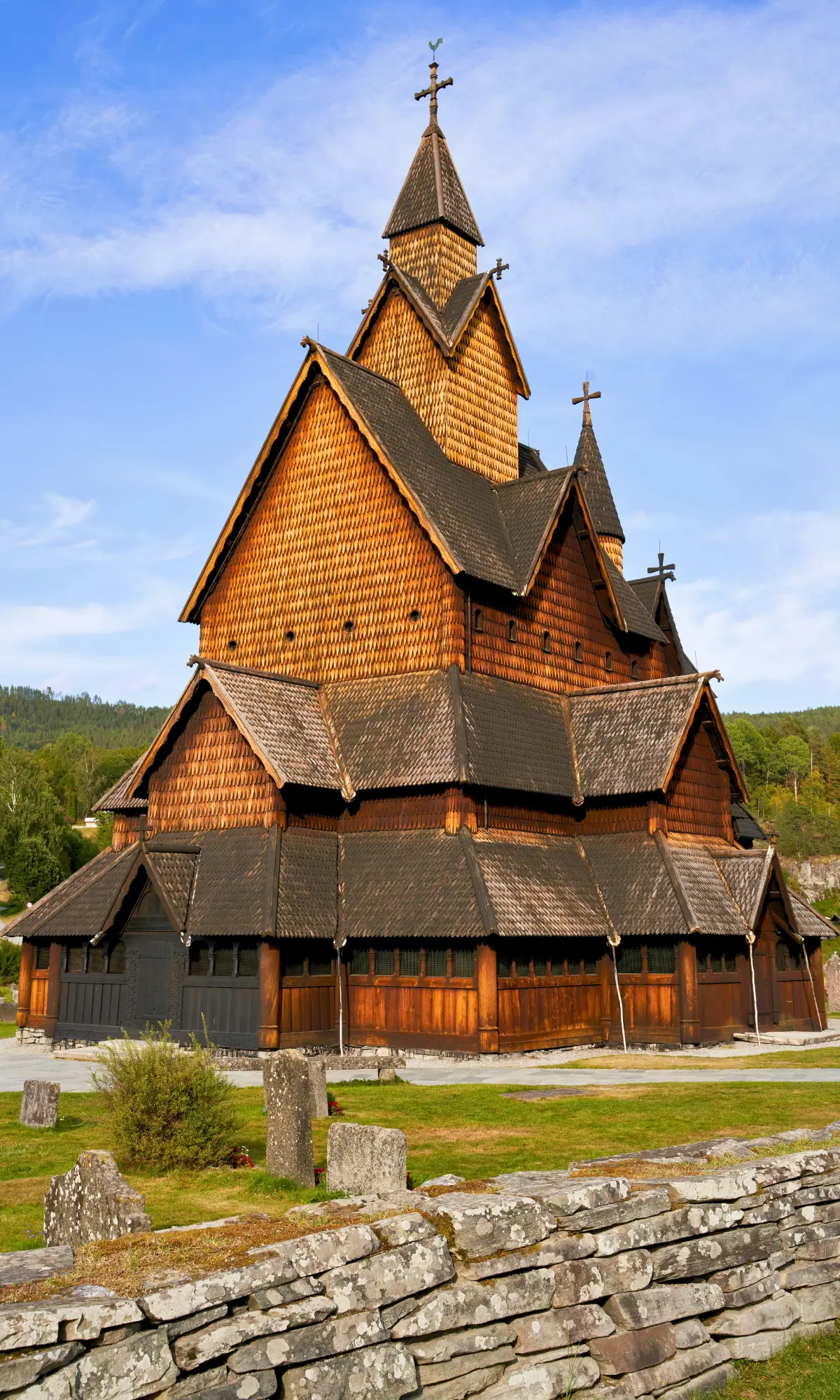
Borgund Stave Church in Norway with layered wooden roofs and carved details against a blue sky.
Language selection icon showing two speech bubbles with letter A and Chinese character.

Language

Norwegian is Norway’s official language, and people speak it nationwide. Many locals also speak English, especially in cities, tourist areas, and major hotels.

Illustration of a money bag with dollar symbol next to stacked coins.

Currency and Costs

Norwegian Krone (NOK). Approximate rate: 1 USD ≈ 9.5–10.5 NOK, though exchange rates fluctuate. Expect high daily costs, especially in Oslo and other popular destinations.

Mobile payment icon with credit card and phone showing confirmed payment

Payments

Hotels, restaurants, and larger shops accept credit and debit cards. You’ll find contactless payments common for everyday purchases. Carry some cash for small shops, taxis, and remote areas.

Hand holding a dollar sign and heart icon representing tipping.

Tipping

Tipping isn’t expected. Most restaurants include service in the bill. Extra tips for good service are appreciated but not required.

Shield with checkmark and padlock as safety icon.

Safety

Norway is generally safe for travellers. You should still take normal precautions, especially in busy city centres and transport hubs.

Wi-Fi connectivity icon for travel and accommodation.

Connectivity

Mobile coverage is strong in cities and towns. Most hotels offer Wi-Fi. Internet access can be weaker in remote fjords or rural areas.
A Detailed Norway Itinerary

This 6-day route runs from Oslo to Bergen and returns along the same corridor. It follows the main rail line across southern Norway, with Bergen used as the base for fjord access. 

The structure keeps travel direct, limits hotel changes, and reflects how most first-time trips are planned, with the Bergen Railway covering the main intercity legs and a fjord loop done as a day trip.

Day 1: Oslo

Central Oslo runs from Oslo Central Station (Oslo S) towards the waterfront, with several key areas linked along the same stretch. Distances are manageable on foot, which keeps the day simple without needing much transport.

Suggested Stay: Hotel in Oslo city centre or near Oslo Central Station (Oslo S)

Base: Oslo

Highlights

  • Karl Johans gate
  • Oslo Opera House
  • Aker Brygge
  • Royal Palace

Day 2: Oslo to Bergen (Scenic Rail Route)

The Bergen Railway connects Oslo and Bergen in roughly 6.5 to 7 hours and remains the most practical overland route between the two. The line crosses Hardangervidda before dropping towards the west coast, which is why this day works best as a dedicated travel leg.


Suggested Stay: Hotel near Bryggen or close to Bergen Station

Route: Oslo to Bergen

Highlights

  • Hardangervidda plateau
  • Bergen Railway
  • Bergen harbour

Day 3: Bergen

Bergen is compact, with the harbour, Bryggen, Fish Market, and access to Mount Fløyen all within the same central area. Distances remain short, which makes it easy to explore without structuring the day too tightly.

Suggested Stay: Hotel near Bryggen or harbour

Base: Bergen

Highlights

  • Bryggen Wharf
  • Fish Market
  • Mount Fløyen
  • Harbour streets
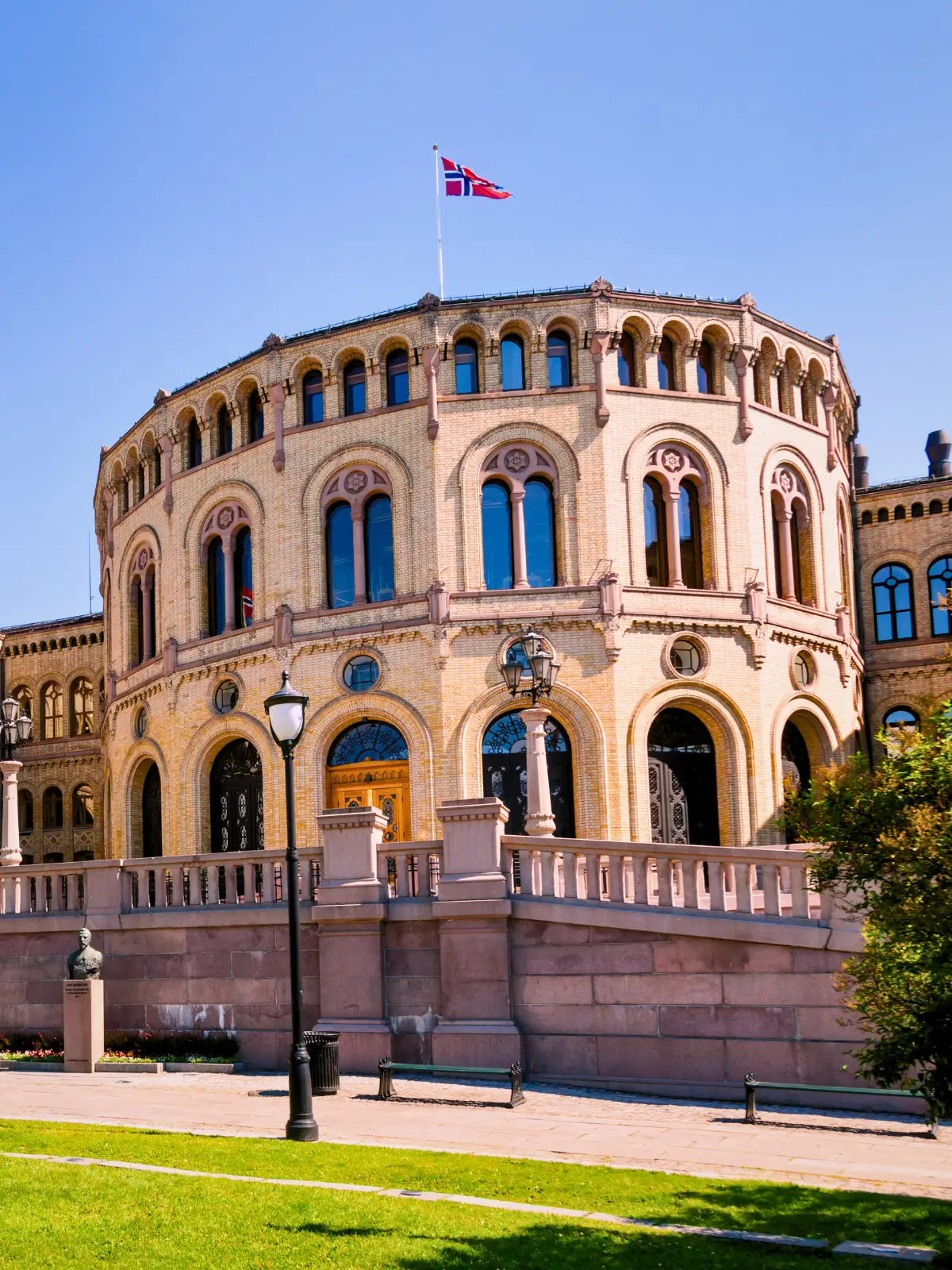
The Norwegian Parliament building in Oslo with a flag flying above the historic structure.
Scenic coastal road crossing turquoise waters with mountains in the Lofoten Islands, Norway.

Day 4: Fjord Day Trip (Flåm and Nærøyfjord)

A day trip from Bergen to Flåm and Nærøyfjord works well using a coordinated mix of train, ferry, and bus connections. The route is designed as a loop, allowing access to the fjord area within a single day without changing base.

Suggested Stay: Hotel near Bryggen or close to Bergen Station

Route: Amsterdam to Utrecht

Highlights

  • Flåm
  • Nærøyfjord
  • Aurlandsfjord
  • Flåm Railway

Day 5: Bergen to Oslo

The return to Oslo follows the same rail corridor, with travel time similar to the outward journey. Flying is faster, though the train keeps the route straightforward and avoids additional transfers.

Suggested Stay: Hotel in Oslo city centre or near Oslo Central Station (Oslo S)

Route: Bergen to Oslo

Highlights

  • Hardangervidda plateau
  • Mountain rail route
  • Oslo skyline

Day 6: Oslo

The final day stays within Oslo, with time adjusted around departure. Direct trains connect Oslo Central Station to the airport in under 20 minutes, keeping this part of the journey simple.

Suggested Stay: Hotel in Oslo city centre or near Oslo Central Station (Oslo S)

Route: Oslo to departure

Highlights

  • Oslofjord
  • Waterfront area
  • Museum district
Beige washi tape strip with soft torn edges on a transparent background.

Things To Know Before Visiting Norway

1. Ferries Are Part Of The Road Network

In many fjord areas, driving doesn’t mean staying on the road the whole time. You’ll reach ferry crossings as part of the route, and they run on fixed schedules. Miss one and you’re waiting, sometimes longer than expected, which throws off the whole day.

2. Some Mountain Roads Simply Aren’t Open

Certain scenic routes just don’t run year-round. Snow keeps them closed for months, and reopening depends on conditions, not a set date. Plans can fall apart quickly if a route you expected to use isn’t accessible yet.

3. Buying Alcohol Isn’t As Straightforward

Supermarkets only carry low-alcohol drinks and stop selling them early in the evening. Anything stronger comes from Vinmonopolet, and those shops keep limited hours. It’s easy to miss the window and realise there’s nowhere else to go.

4. Sundays Feel Almost Completely Shut Down

Shops close across most of the country on Sundays, not just smaller ones. Grocery runs, last-minute supplies, even simple errands become harder than expected. It catches people off guard, especially after arriving late in the week.

5. Wild Camping Has Clear Boundaries

Camping is widely allowed, but not just anywhere you like. You need to stay at least 150 metres away from houses and cabins. It sounds simple, but finding the right spot takes a bit more thought once you’re there.

6. Fjord Towns Fill Up Fast In Summer

Places along the fjords don’t have endless accommodation. Rooms disappear quickly during peak months, and options shrink fast if you wait too long. You end up either paying more or staying further away than planned.

7. Fuel Stops Aren’t Always Convenient

Petrol stations don’t show up as often once you leave main routes. Some run entirely on self-service pumps, and cards are the only way to pay. It’s easy to assume you’ll find one soon, then realise you should’ve stopped earlier.

How to Get There

Entry Requirements and Visa Rules

Norway is part of the Schengen Area, and entry rules follow Schengen regulations. 

Visa-free travellers can stay up to 90 days within a 180-day period, while others need to apply for a Schengen visa before arrival.

Passport Validity

Your passport must be issued within the last 10 years and stay valid for at least 3 months after you leave the Schengen Area. Border control checks these details on arrival.

Main Airports and Flight Routes

Oslo Airport Gardermoen acts as the main international gateway, with both European and long-haul connections. 

Bergen, Stavanger, and Trondheim also handle international flights, usually linked through nearby European hubs.

Arriving By Air From Europe

Flights connect Norway with major European cities through direct and connecting routes. 

Oslo has the widest range of direct flights, while other cities often require a short connection.

Ferry Routes and Sea Connections

Ferries link Norway with Denmark, Germany, and Sweden, and they run as part of the wider transport network. These routes carry both passengers and vehicles and often operate overnight.

Land Borders and Overland Travel

Norway shares land borders with Sweden, Finland, and Russia. Sweden offers the most practical overland route. Travel across Nordic borders runs smoothly under Schengen rules, although customs checks can still happen.

What to Expect

Tunnels Replace Open Road Driving

Road travel often runs through tunnels instead of open landscapes. Norway has over 900 road tunnels, and some routes feel like a sequence of tunnels rather than a continuous drive. 

This changes how journeys feel and limits scenery during long stretches.

Subsea Tunnels Run Under Fjords and Sea

Some routes go deep below sea level through subsea tunnels instead of crossing water. These tunnels can be steep and feel very different from standard driving. It’s not always obvious on a map where these appear.

Toll System Runs Fully Automatic

There are no toll booths or payment stops on most roads. Cameras register your vehicle and charges get billed later through the AutoPASS system. Costs add up quietly across bridges, tunnels, and city zones.

Road Design Follows Terrain, Not Efficiency

Routes follow mountains, coastlines, and valleys instead of cutting straight through them. This leads to winding roads, elevation changes, and indirect paths. You can’t rely on distance alone when planning.

Speed Stays Lower Than Expected On Most Roads

Outside major highways, speed limits often sit between 60–80 km/h. Road conditions and curves keep driving steadily rather than fast. Even long stretches don’t allow for high-speed travel.

Driving Time Doesn’t Match Map Distance

Routes with similar distances can take very different amounts of time. Terrain, tunnels, and road design affect how long a journey actually takes. Planning based on distance alone leads to unrealistic schedules.

Close-up of a walrus with long tusks resting on a rocky Arctic shore in Norway.
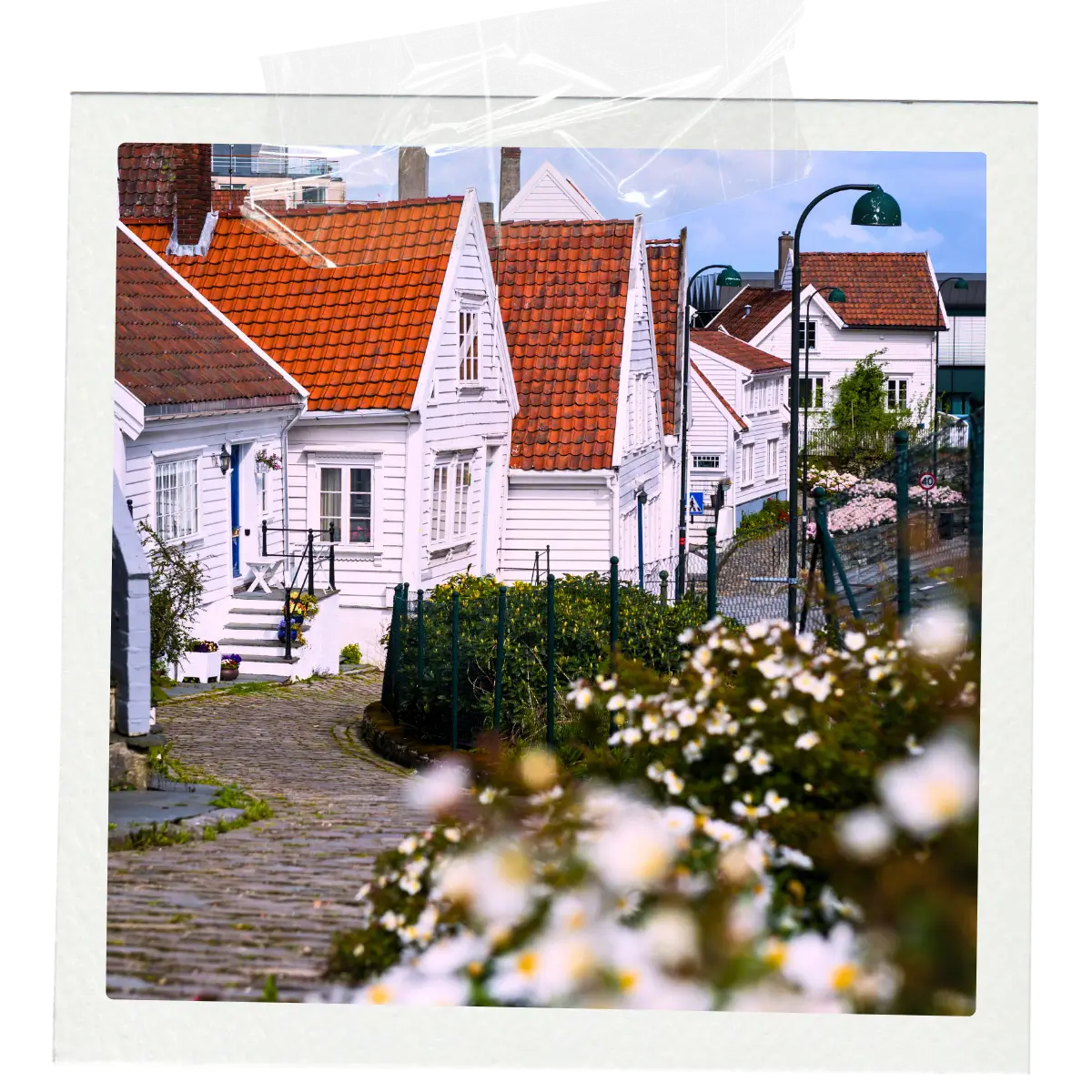
Traditional white wooden houses with red roofs along a cobbled street.

Getting Around Norway

Car Rental and Driving

Driving gives you the most flexibility, especially in fjord regions and remote areas. 

Roads follow the landscape, not straight lines, and routes often include tunnels, tolls, and ferry crossings. Travel takes longer than expected, even over short distances.

Long-Distance Trains

Trains connect major cities like Oslo, Bergen, Trondheim, and Stavanger. 

Services run reliably, but routes stay limited to main corridors. This works well between big cities, but not for fjord areas.

Regional Trains

Regional trains link smaller towns to larger cities, mainly in eastern Norway. They run less often than main lines and don’t cover most scenic regions. These suit short trips rather than full itineraries.

City Public Transport

Cities like Oslo and Bergen have buses, trams, and metro systems. One ticket usually works across all modes within a set time. Services run often in cities but drop off quickly outside them.

Long Distance Buses

Buses cover areas where trains don’t run. They connect smaller towns, coastal areas, and remote regions. Travel can take longer, but buses often provide the only direct route.

Domestic Flights

Flights connect distant regions across the country, especially north to south. Routes like Oslo to Tromsø save hours compared to land travel. Smaller airports rely on regional airlines with limited schedules.

Ferries and Coastal Transport

Ferries run as part of the transport network, not just for sightseeing. They connect roads across fjords and link islands to the mainland. Some routes run often, while others follow fixed schedules.

Taxis and Ride-Hailing Apps

Taxis are easy to find in cities but come at a high cost. Ride-hailing apps like Uber mainly operate in Oslo. Outside cities, availability drops and booking ahead becomes more common.

Join the
Journey

Sign up for new itineraries, travel notes, and practical guides to help you explore the places I love most.

Portrait of Manu smiling against a neutral background.

I love exploring new places and sharing the travel tips, food finds, and experiences that help you plan your next adventure.

Leave a Comment

Your email address will not be published. Required fields are marked *

Scroll to Top
Ultimate packing checklist travel guide cover with tropical beach background.