Your journey, beautifully planned.

The Ultimate Denmark Travel Guide for Every Traveller

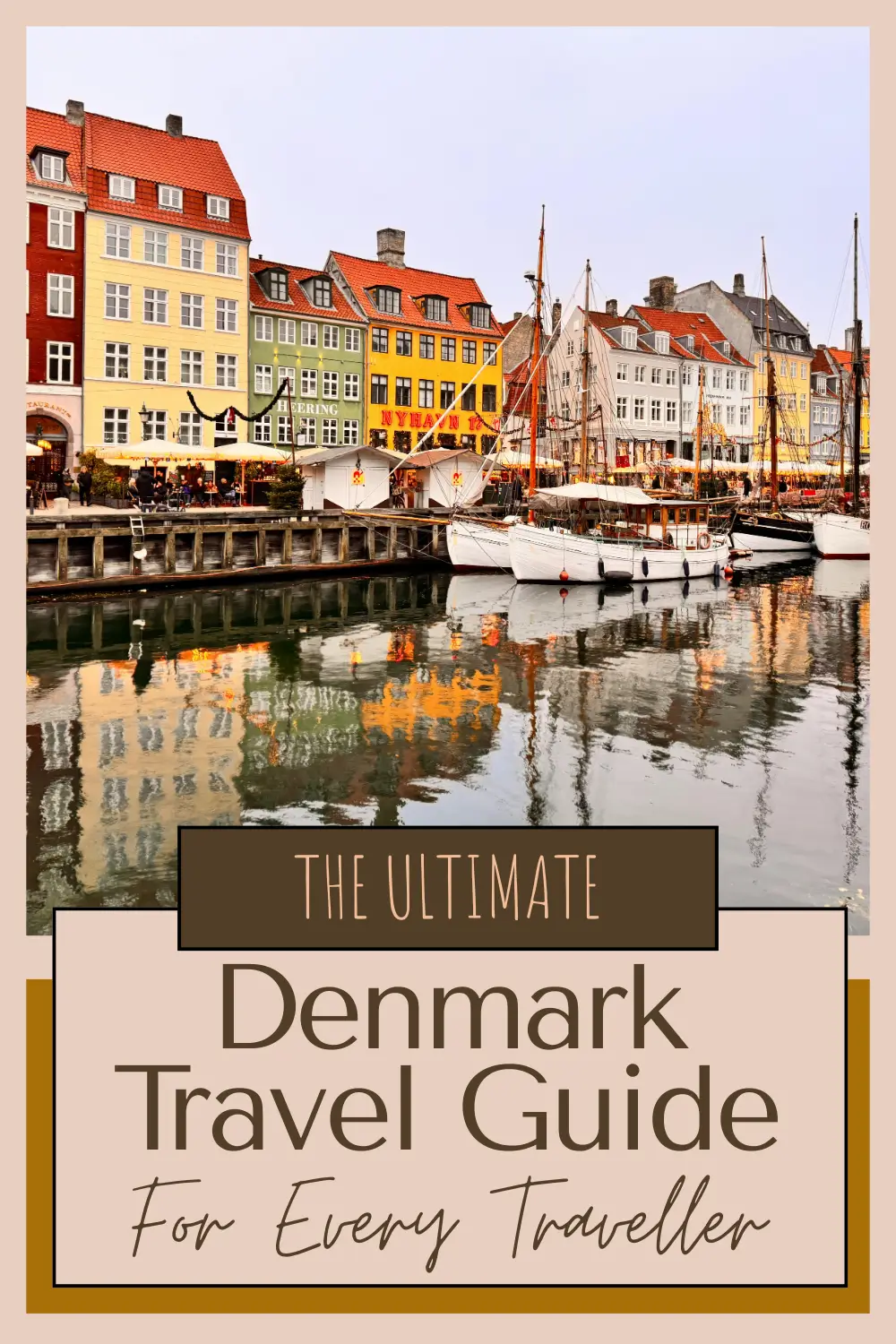
Colourful waterfront buildings and boats at Nyhavn in Copenhagen, Denmark.

Denmark is a small Scandinavian country known for its colourful coastal towns, historic cities, and strong design culture. Copenhagen, the capital, blends centuries-old architecture with modern Nordic style. Streets fill with bicycles, canals cut through the city, and cafés and markets create a relaxed atmosphere across neighbourhoods.

The country stretches across a collection of islands between the North Sea and the Baltic Sea. Harbours, ferry routes, and long bridges connect different regions. Many towns grew around fishing ports, while farmland and small villages cover much of the landscape.
Colourful waterfront buildings and boats at Nyhavn in Copenhagen, Denmark.

The Danish idea of hygge reflects a focus on comfort and spending time together. It often shows up in candlelit cafés, simple meals shared with friends, and warm interiors during the colder months.

Did You Know?

  • Denmark uses the oldest continuously used national flag in the world. The red-and-white Dannebrog dates back to the 13th century and still serves as the country’s official flag.

  • The nation consistently ranks among the happiest places on Earth. Strong social trust, a comprehensive welfare system, and a healthy work–life balance help people report high life satisfaction.

  • LEGO began in the town of Billund in 1932. Carpenter Ole Kirk Christiansen founded the company in 1932. The brand later inspired the creation of the first LEGOLAND theme park in Billund.

  • Copenhagen has more bicycles than cars. The capital built extensive cycling infrastructure, and more than half of its residents commute by bicycle.

  • The country includes more than 400 islands. Around 70 of these islands have permanent residents.

  • The Danish monarchy ranks among the oldest in Europe. The royal lineage traces its roots back more than 1,000 years.

  • People widely practise the cultural concept of “hygge”. This tradition encourages cosy gatherings, comfort, and enjoyment of simple moments with friends and family.

  • Local designers helped shape modern minimalist design. Clean lines, functional furniture, and practical aesthetics influenced architecture and design worldwide.

  • Pork is a staple in Danish cuisine. Traditional dishes such as roast pork (flæskesteg) remain popular in homes and restaurants.

I love exploring new places and sharing the travel tips, food finds, and experiences that help you plan your next adventure.

Join the
Journey

Sign up for new itineraries, travel notes, and practical guides to help you explore the places I love most.

Best Time to Visit Denmark

The best time to visit Denmark is from May to September. During these months, the weather turns mild. Daylight also stretches late into the evening. Summer days feel long and bright, especially in June. This makes it a great time to cycle through cities, visit coastal towns, and spend time along the harbour.
For pleasant weather without the peak tourist crowds, May and September are excellent choices. Parks turn green, and attractions feel easier to explore. Walking around cities like Copenhagen also feels comfortable.

Winter offers a completely different experience. From November to February, temperatures drop, and daylight becomes short. Even so, Danish cities brighten the season with Christmas markets, festive lights, and cosy cafés where people gather to warm up.

Warm Months Transitional Months Cool Months

Denmark At A Glance

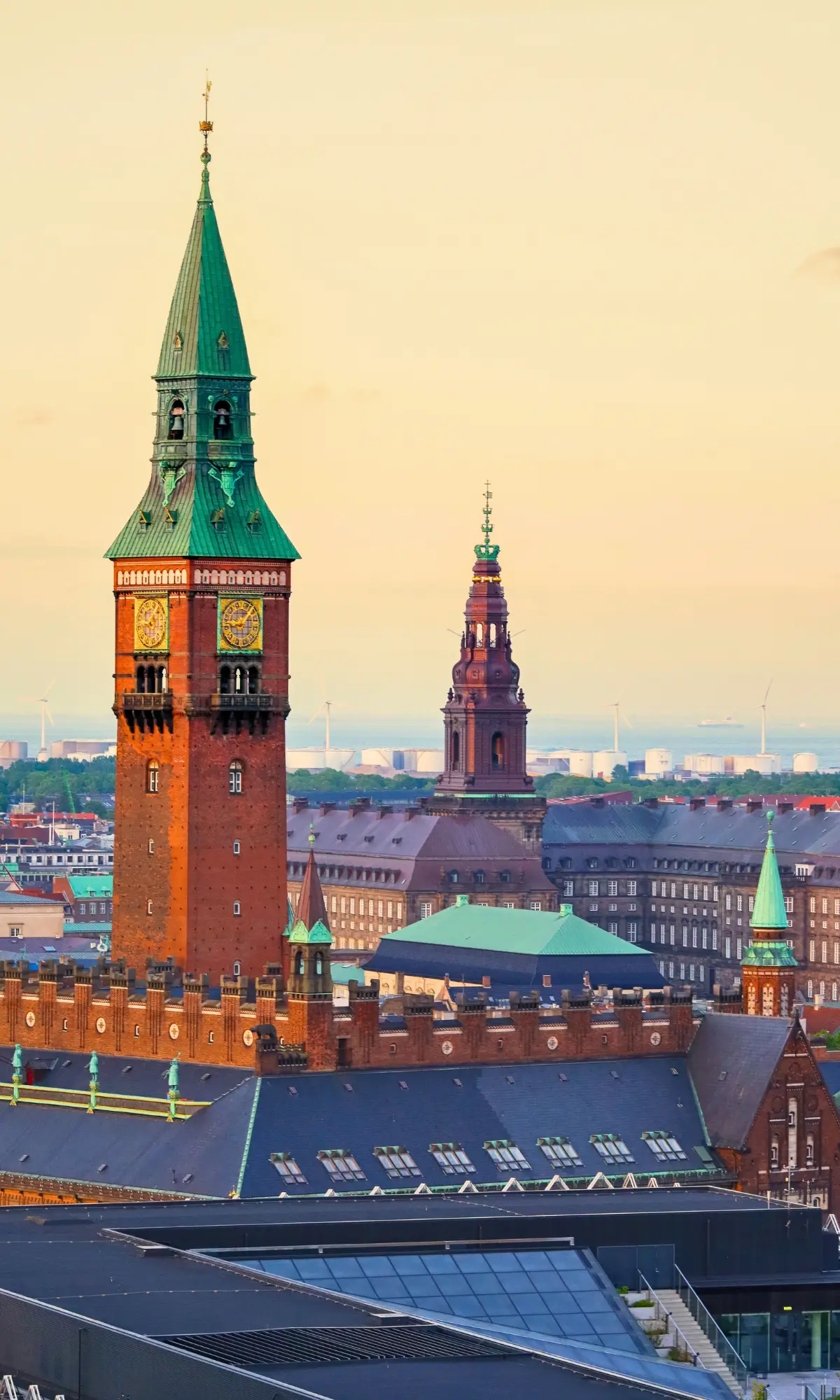
Copenhagen City Hall tower rising above the historic skyline of Copenhagen, Denmark.
Language selection icon showing two speech bubbles with letter A and Chinese character.

Language

Danish is Denmark’s official language, and people speak it nationwide. Many locals also speak English, especially in cities, tourist areas, and major hotels.

Illustration of a money bag with dollar symbol next to stacked coins.

Currency and Costs

Danish Krone (DKK). Approximate rate: 1 USD ≈ 6.5–7 DKK, though exchange rates fluctuate. Expect relatively high daily costs, particularly in Copenhagen and other popular destinations.

Mobile payment icon with credit card and phone showing confirmed payment

Payments

Hotels, restaurants, and larger shops accept credit and debit cards. Many travellers use contactless payments for everyday purchases. Carry some cash for small shops, taxis, and local markets.

Hand holding a dollar sign and heart icon representing tipping.

Tipping

Tipping is not expected. Most restaurants include service in the bill. Extra tips for excellent service are appreciated but not required.

Shield with checkmark and padlock as safety icon.

Safety

Denmark is generally safe for travellers. Still, take normal precautions, especially in busy city centres and crowded tourist areas.

Wi-Fi connectivity icon for travel and accommodation.

Connectivity

Mobile coverage is strong in cities and towns. Most hotels offer Wi-Fi. Internet access may be weaker in remote coastal or rural areas.
A Detailed Denmark Itinerary

This 7-day route follows Denmark’s main east–west travel corridor and keeps travel distances manageable. Copenhagen serves as both the arrival and departure point. The first part of the trip focuses on nearby destinations across Zealand.
The route then continues west to Odense and Aarhus before returning to the capital. Trains connect these cities efficiently, which keeps travel simple and relocation days short.

Day 1: Arrival in Copenhagen

Arrival takes place through Copenhagen Airport followed by a short metro or train ride into the city centre.

Staying near the harbour or historic core keeps the first day simple and walkable, with canals, squares, and pedestrian streets close together.

Suggested Stay: Hotel Bethel – waterfront hotel in Nyhavn

Base: Copenhagen

Highlights

  • Nyhavn harbour
  • Strøget pedestrian street
  • Kongens Nytorv
  • Christiansborg Palace

Day 2: Copenhagen – Royal Districts

Exploration centres on the historic districts north of the old town where royal residences and gardens sit close together. Walking routes link the main landmarks across a compact area.

Suggested Stay: Hotel Bethel – waterfront hotel in Nyhavn

Base: Copenhagen

Highlights

  • Amalienborg Palace
  • Rosenborg Castle
  • The Round Tower
  • King’s Garden

Day 3: North Zealand Castles

A short train journey leads north of Copenhagen to the towns of Hillerød and Helsingør. Both towns developed around royal castles and coastal trading ports.

Suggested Stay: Hotel Bethel – waterfront hotel in Nyhavn

Base: Copenhagen

Highlights

  • Frederiksborg Castle
  • Kronborg Castle
  • Helsingør harbour

Day 4: Copenhagen to Odense

Travel continues west across the Great Belt toward the island of Funen. Direct trains connect Copenhagen and Odense in a little over 1 hour.

Suggested Stay: Hotel Odeon – modern hotel near Odense historic centre

Route: Copenhagen to Odense

Highlights

  • Hans Christian Andersen House
  • Odense old town
  • St Canute’s Cathedral
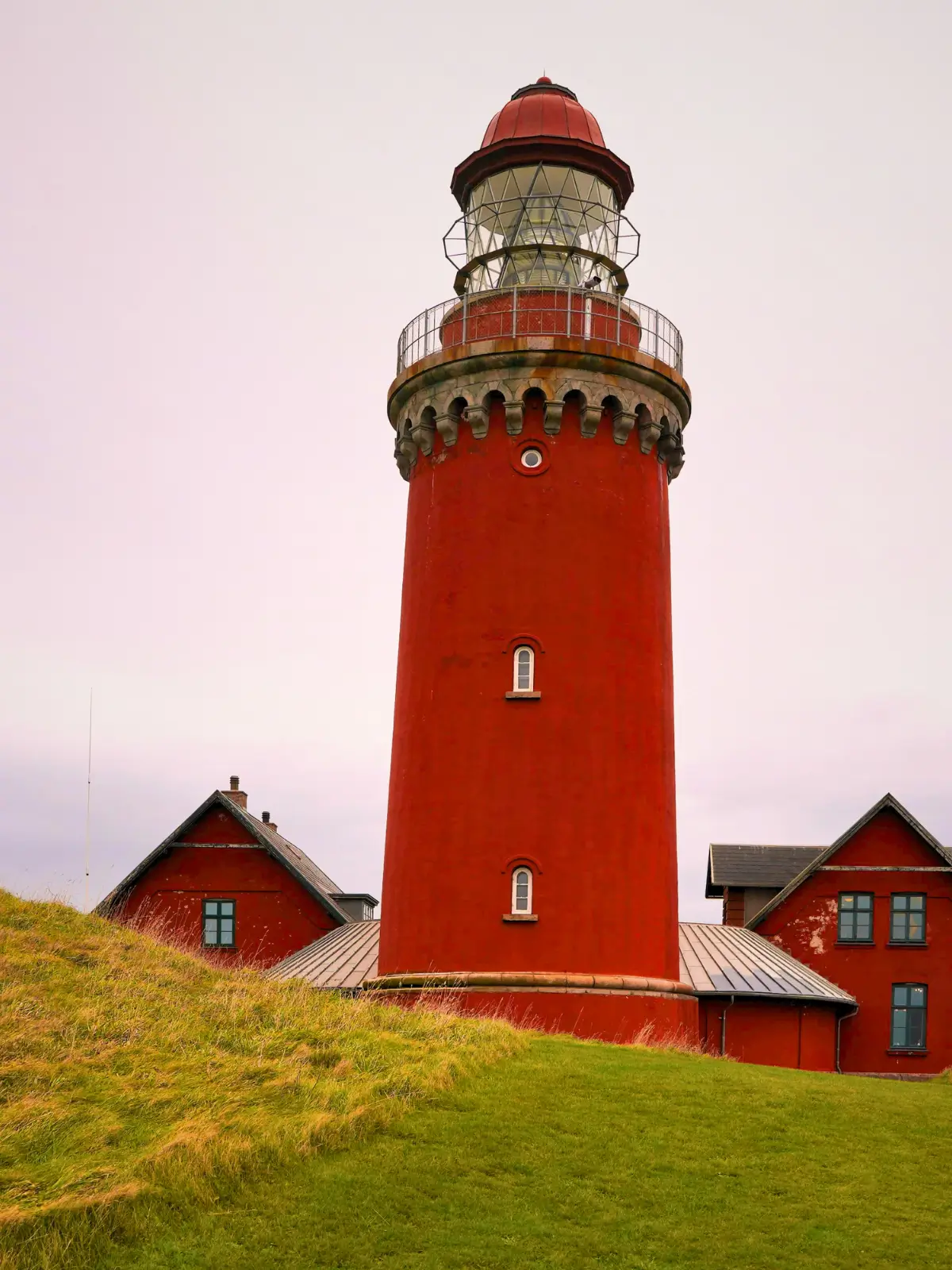
Blåvandshuk Lighthouse on grassy coastal dunes in western Denmark.
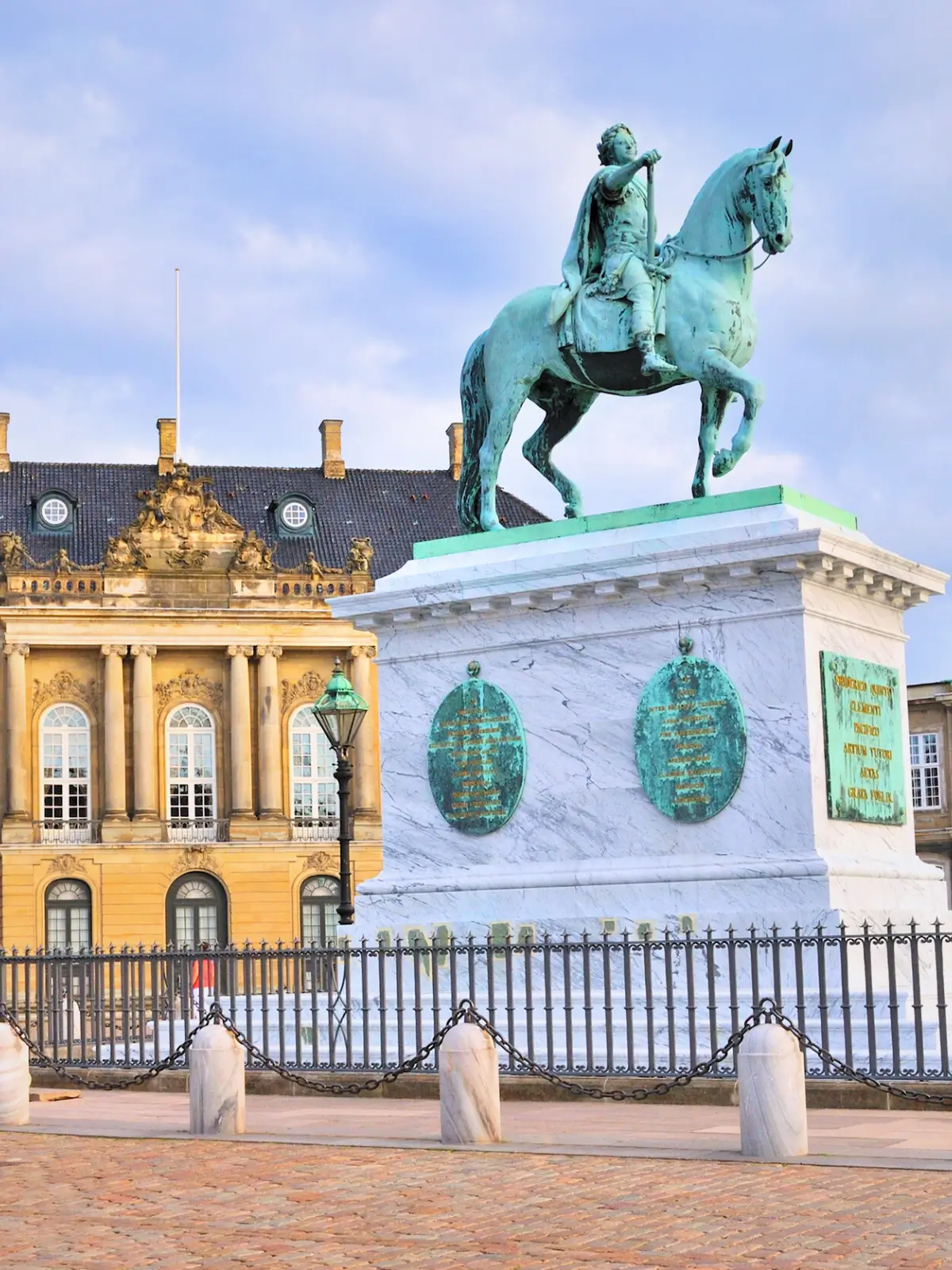
Equestrian statue of King Frederick V at Amalienborg Palace Square in Copenhagen, Denmark.

Day 5: Odense

Odense is compact and easy to explore on foot. The historic centre contains cobbled streets, museums, and landmarks connected to Hans Christian Andersen.

Suggested Stay: Hotel Odeon – modern hotel near Odense historic centre

Base: Odense

Highlights

  • Hans Christian Andersen Museum
  • St Canute’s Cathedral
  • Odense riverfront

Day 6: Odense to Aarhus

Travel continues across the Little Belt into the Jutland peninsula. Trains connect Odense and Aarhus in roughly 1 hour 40 minutes.

Suggested Stay: Hotel Atlantic – waterfront hotel near Aarhus harbour

Route: Odense to Aarhus


Highlights

  • ARoS Art Museum
  • Aarhus Cathedral
  • Latin Quarter

Day 7: Aarhus to Copenhagen

Return east toward Copenhagen by direct train. The journey crosses the Great Belt connection before reaching Zealand again.

Suggested Stay: Clarion Hotel Copenhagen Airport – airport hotel

Route: Aarhus to Copenhagen

Highlights

  • Great Belt crossing
  • Copenhagen skyline on arrival
Beige washi tape strip with soft torn edges on a transparent background.

Things To Know Before Visiting Denmark

1. Prices Already Include Tax

In Denmark, displayed prices already include VAT. You usually pay exactly what you see on the menu or price tag.

Travellers often expect extra tax at checkout, but Danish pricing already includes it.

2. Cards Work Almost Everywhere

Denmark operates largely without cash. Most shops, cafés, museums, and transport systems accept credit cards or mobile payments. Carrying large amounts of cash is usually unnecessary.

3. Watch for Bicycle Lanes

Cities like Copenhagen take cycling seriously. Bike lanes run beside many sidewalks, and cyclists move quickly through them.
Visitors often step into these lanes without checking and create dangerous situations.

4. Tap Water Is Safe to Drink

Denmark has extremely clean tap water. You can drink it safely anywhere. In restaurants, however, staff may charge a small service fee when they bring tap water to your table.

5. Public Transport Uses an Honour System

Many trains and buses have no ticket barriers. You must buy a ticket before boarding and keep it with you. Inspectors perform random checks, and fines for missing tickets can be expensive.

6. Reserve Popular Restaurants in Advance

Copenhagen’s dining scene is extremely popular. Many restaurants fill up quickly, especially on weekends. Booking ahead helps avoid long waits or fully booked places.

7. Bottle Deposits Exist on Drinks

When you buy bottled drinks, you pay a small deposit called pant. You can return the empty bottle to the supermarket machines to get the deposit back.

How to Get There

International Flights

Most international flights arrive at Copenhagen Airport (CPH), Denmark’s main gateway. The airport connects the country with major cities across Europe as well as several destinations in North America and Asia.
Copenhagen also works well as a starting point for exploring the rest of the country. From the airport or city centre, it’s easy to reach cities such as Aarhus, Aalborg, and Billund by train, domestic flight, or coach.

Entry Requirements

Denmark follows Schengen Area travel rules. Many nationalities can enter without a visa for short tourist stays.
These visits usually allow up to 90 days within a 180-day period, depending on your passport.
Your passport should normally remain valid for at least 3 months after leaving the Schengen Area. Immigration officers may also ask for proof of accommodation or onward travel.

Arriving by Train

Denmark connects easily to neighbouring countries by rail. International trains run between Hamburg in Germany and Copenhagen, providing a straightforward overland route.
Another popular rail route crosses the Øresund Bridge, which links Copenhagen with Malmö in Sweden. Trains run frequently across the bridge, making cross-border travel simple.

Arriving by Ferry

Ferries provide another way to reach Denmark from nearby countries across the Baltic and North Seas. Routes operate between Denmark and Germany, Sweden, and Norway, as well as between several Danish islands.
These ferries carry both passengers and vehicles. This option works well for travellers exploring Scandinavia by car.

What to Expect

Restaurants Often Require Reservations

Dining out in Copenhagen and other larger cities usually requires planning ahead. Many popular restaurants fill up quickly, especially on weekends.
Walking in without a reservation can mean long waits or needing to find another place to eat.

Supermarkets Charge for Bags

Danish supermarkets don’t provide free shopping bags. You’ll usually need to buy a reusable or plastic bag at checkout.
Bringing your own bag makes quick grocery stops easier.

Public Spaces Stay Calm and Orderly

Even in busy areas, Danish cities tend to feel organised and relaxed. People generally keep noise levels low on public transport and in shared spaces.
Speaking loudly on trains or buses can stand out more than expected.

Many Attractions Close in the Late Afternoon

Museums, galleries, and smaller attractions often close earlier than expected, sometimes around 16:00 or 17:00.

Planning visits earlier in the day helps avoid missing opening hours. Checking official websites before heading out can also help you plan your schedule more easily.

Alcohol Is Expensive in Bars

Drinks in bars and restaurants can cost quite a bit more than in many other European countries. Taxes on alcohol push prices higher, especially in nightlife areas.
A casual night out can get expensive pretty quickly. Many people choose to meet friends at home or enjoy drinks before heading out.
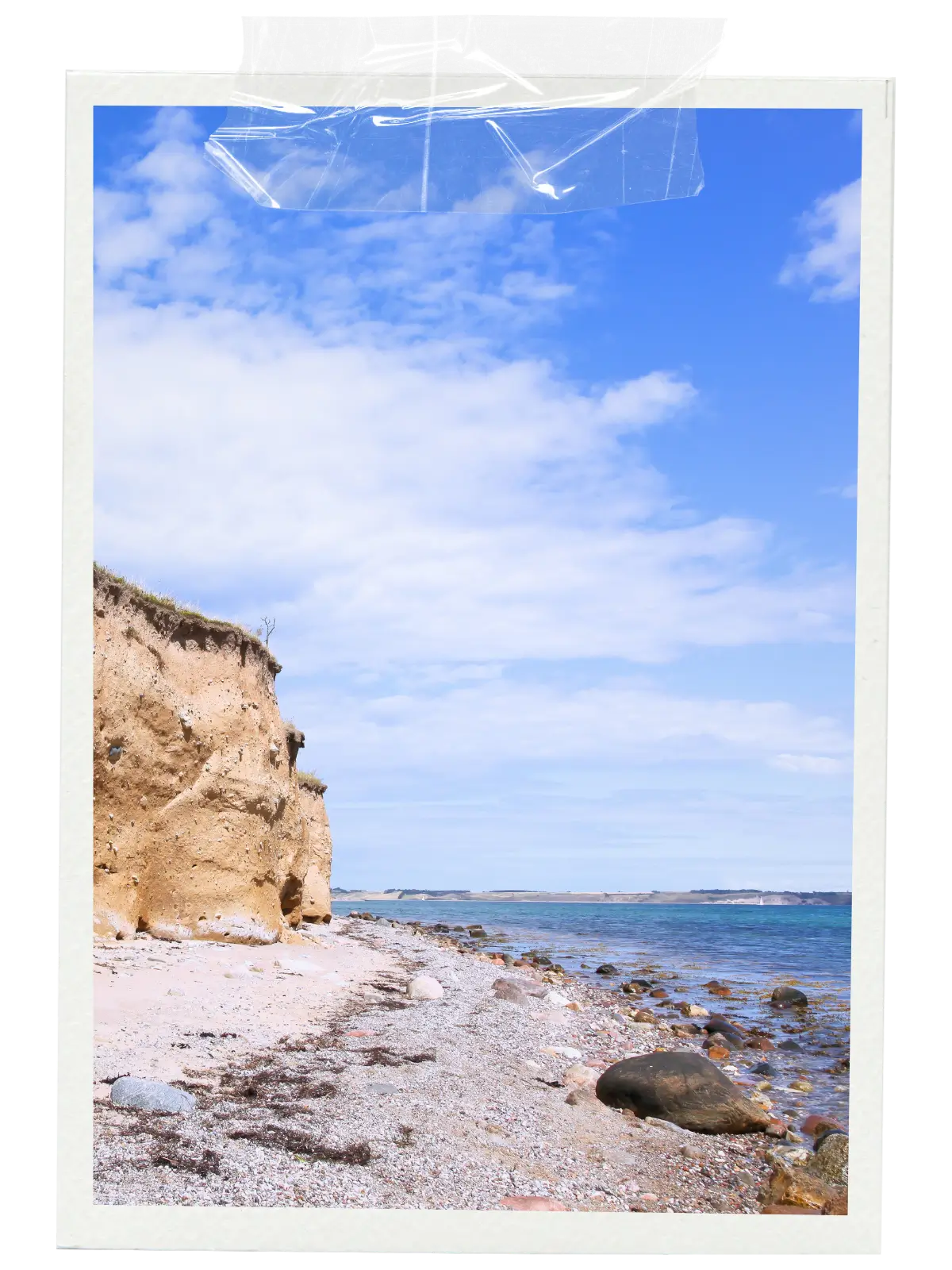
Rocky beach and coastal cliff along Denmark’s coastline under a bright blue sky.
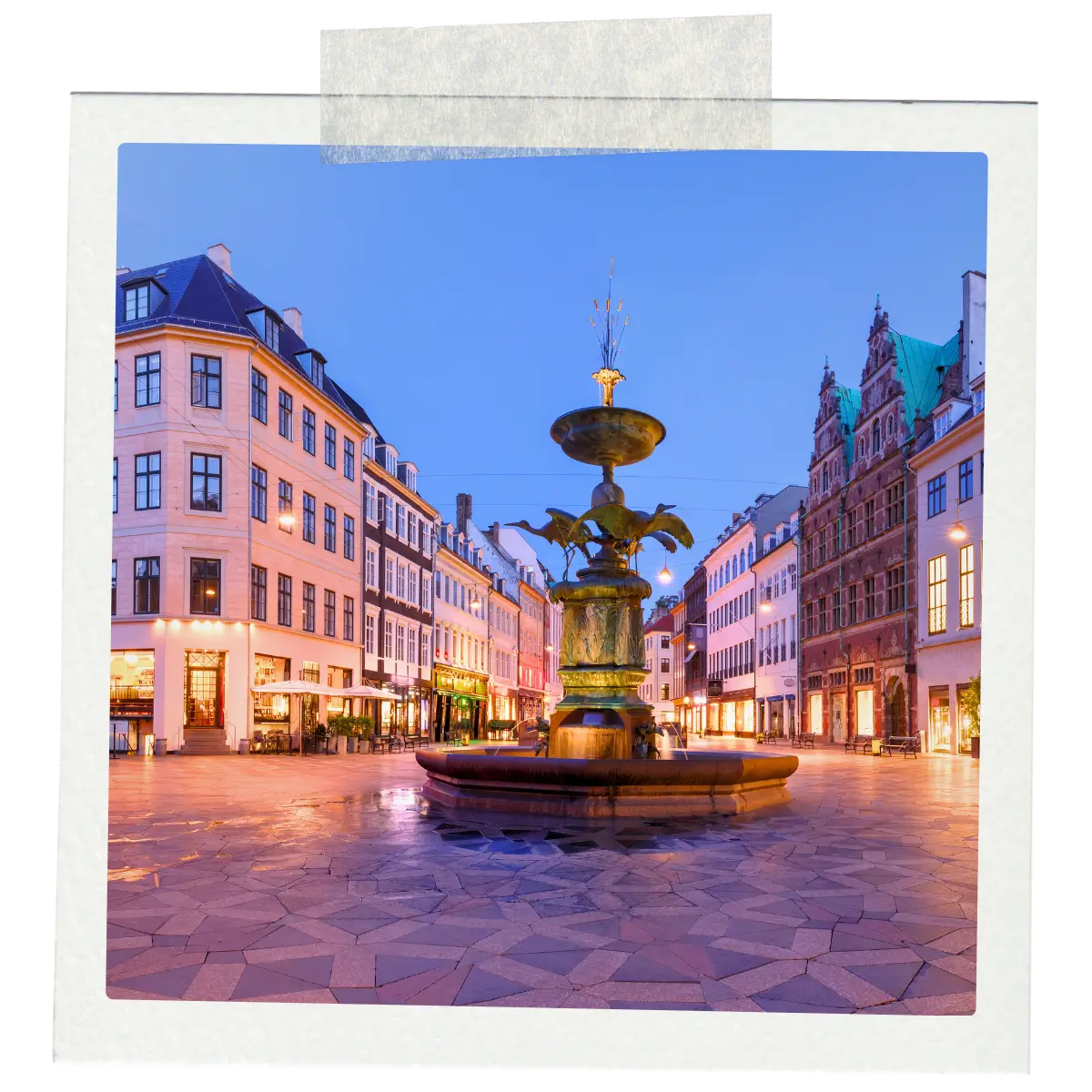
Stork Fountain in Amagertorv Square surrounded by historic buildings in central Copenhagen.

Getting Around Denmark

Trains

Trains are one of the easiest ways to get around Denmark. The rail network links major cities like Copenhagen, Aarhus, Odense, and Aalborg, and services usually run on time.
For longer distances, they’re comfortable, reliable, and easy to navigate.

Buses

Buses cover routes where trains don’t operate. They connect smaller towns, rural areas, and coastal communities across the country.
In cities, local buses run frequently, while regional services link different regions.

Metro and Local Trains

Copenhagen has a modern metro that runs throughout the day and night. It connects the city centre with surrounding neighbourhoods, suburbs, and the airport.
The S-train network also makes moving around the greater Copenhagen area quick and straightforward.

Cycling

Cycling plays a huge role in everyday transport across Danish cities. Dedicated bike lanes run along many streets, and rental bikes are widely available.
Riding through neighbourhoods, parks, and waterfront paths is one of the easiest ways to explore.

Ferries

Ferries connect Denmark’s many islands with the mainland and link several coastal regions.
Some routes serve small islands, while others operate short sea crossings between larger parts of the country.

Driving

Driving gives you more flexibility when exploring rural areas or smaller towns. Roads are well maintained, and distances between cities are relatively short.
A car can also help reach countryside areas that public transport doesn’t serve directly.

Join the
Journey

Sign up for new itineraries, travel notes, and practical guides to help you explore the places I love most.

Portrait of Manu smiling against a neutral background.

I love exploring new places and sharing the travel tips, food finds, and experiences that help you plan your next adventure.

Leave a Comment

Your email address will not be published. Required fields are marked *

Scroll to Top
Ultimate packing checklist travel guide cover with tropical beach background.