Best Time to Visit Finland with Travel Tips and Itinerary Planning
Finland is often called the “Land of a Thousand Lakes,” though the actual number is much higher, with over 180,000 lakes across the country. Water and forest shape most of the landscape. Lakes appear beside the road, and woodland stretches for miles.
If you want to see why Finland keeps ranking as the happiest country in the world, this is where you go to experience it for yourself.
Did You Know?
- Finland is known as the “Happiest Country in the World” and has ranked number 1 multiple years in a row.
- There are around 3 million saunas in Finland for a population of about 5.5 million. They are found in homes, offices, apartment buildings, and even by lakeside cabins.
- Finland has roughly 168,000 to 188,000 lakes, depending on how they are counted, which is why it is called the “Land of a Thousand Lakes.”
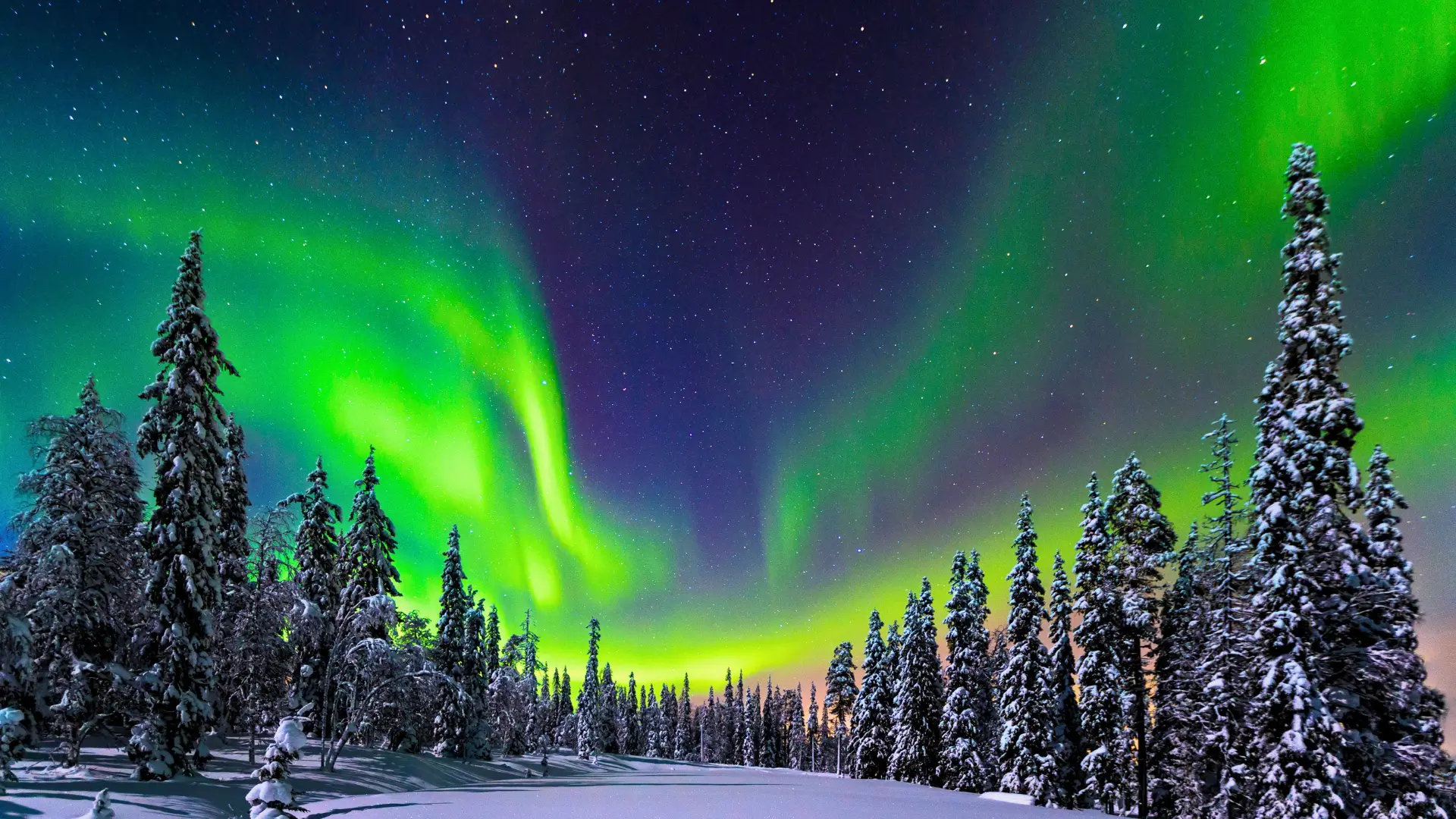
- The Northern Lights appear in Finnish Lapland during the darker months. They are most visible from autumn to early spring when nights are long and skies are clearer.
- Santa Claus is linked to Rovaniemi in Lapland. Visitors can go to his village all year and cross the Arctic Circle there.
- Around 75% of Finland is covered in forest, which makes it one of the most forested countries in Europe. This shapes outdoor traditions such as hiking, berry picking, and cottage stays.
- Finland has some of the cleanest air in the world. This is due to low population density, strict environmental standards, and vast natural areas.
- Finnish people drink more coffee per person than any other country. Coffee breaks are part of work culture and usually happen more than once a day.
I love exploring new places and sharing the travel tips, food finds, and experiences that help you plan your next adventure.
Join the
Journey
Sign up for new itineraries, travel notes, and practical guides to help you explore the places I love most.
Best Time to Visit Finland
Finland At A Glance

Language
Finnish and Swedish are the official languages, with most people speaking Finnish. English is widely spoken in cities, tourist areas, and major hotels.

Currency and Costs
Euro (EUR). Approximate rate: 1 USD ≈ 0.90–0.95 EUR, though exchange rates fluctuate. Daily costs are relatively high, especially in Helsinki and Lapland.

Payments
Card payments are standard across Finland, even for small purchases. Contactless payments are widely used, and cash isn’t usually needed outside remote areas.

Tipping
Tipping isn’t expected, as service is included in prices. Some people round up the bill, but staff don’t rely on tips.

Safety
Finland’s one of the safest countries in Europe. Cities and public transport are generally safe, though basic precautions still apply in busy areas.

Connectivity
Mobile coverage is strong across most of the country, including smaller towns. Wi-Fi is common in hotels, cafés, and transport hubs, though signals can be weaker in remote parts of Lapland.
A Detailed Finland Itinerary
This 7-day route follows a clear northbound journey, starting in Helsinki before continuing to Lapland. The plan focuses on two key regions to keep travel efficient and avoid unnecessary detours.
Long distances are covered by domestic flights, while local movement relies on public transport, short drives, or organised excursions. With only two main bases, the itinerary remains practical and avoids frequent accommodation changes.
Day 1: Arrival in Helsinki
Arrival into Helsinki followed by transfer into the central districts. The city layout is compact, making it easy to explore the waterfront and nearby streets without covering long distances.
Suggested Stay: Boutique hotel near Esplanadi and the harbour
Base: Helsinki
Highlights
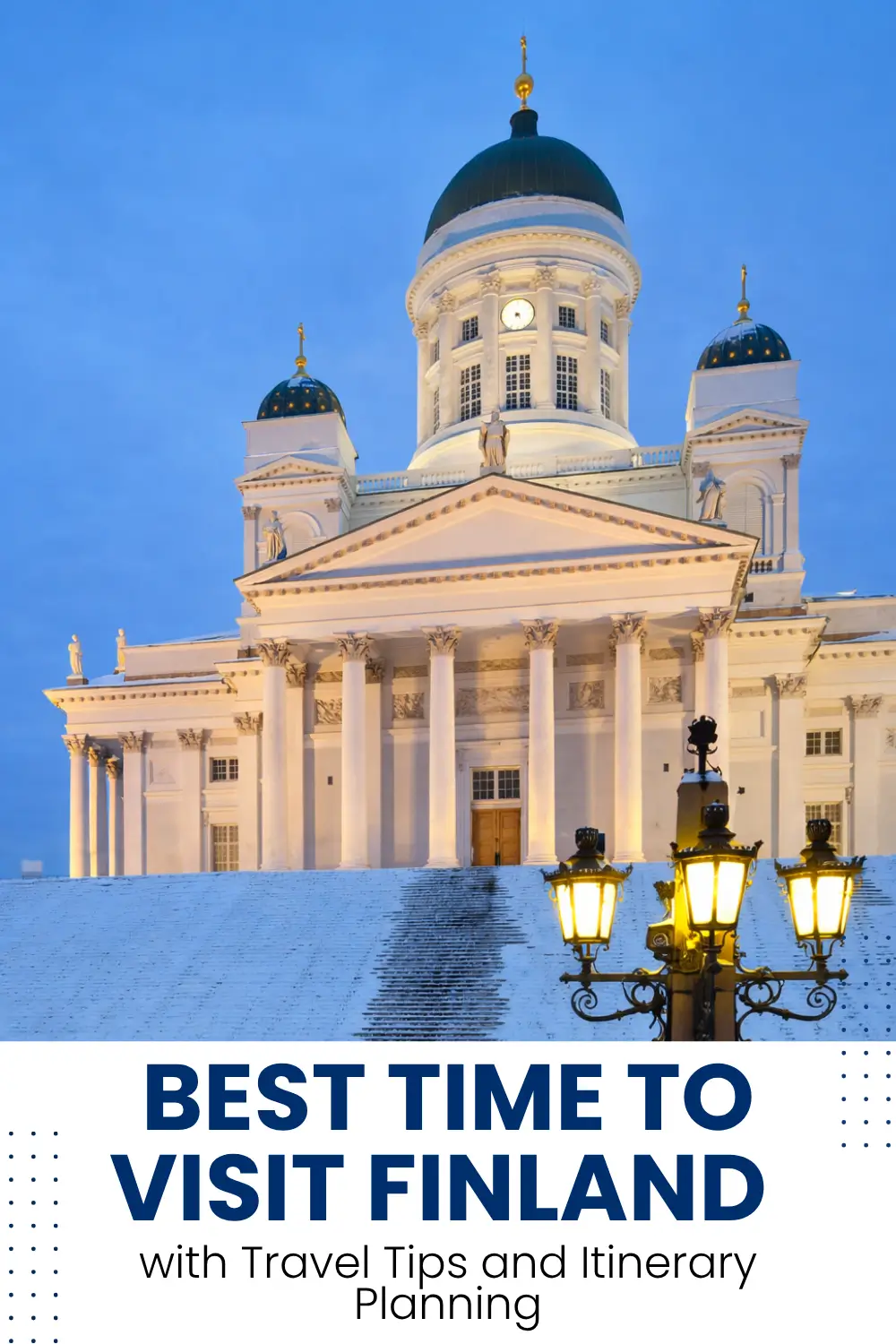
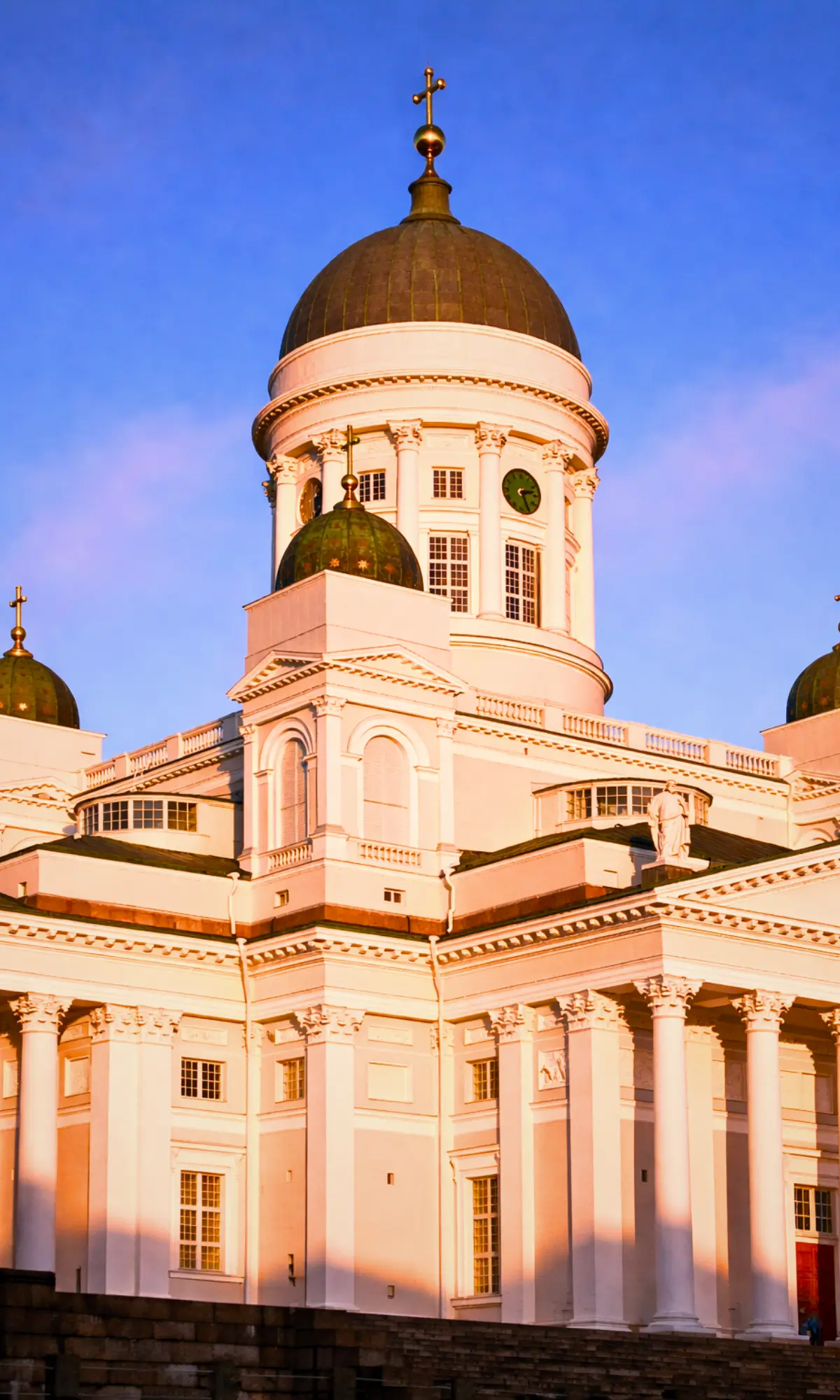
- Helsinki Cathedral
- Market Square
- Esplanadi park
- Harbour area
Day 2: Helsinki – City and Coast
The day focuses on both historic areas and the coastline. Ferries, trams, and short walking distances make movement straightforward.
Suggested Stay: Hotel in the city centre within walking distance of key landmarks
Base: Helsinki
Highlights
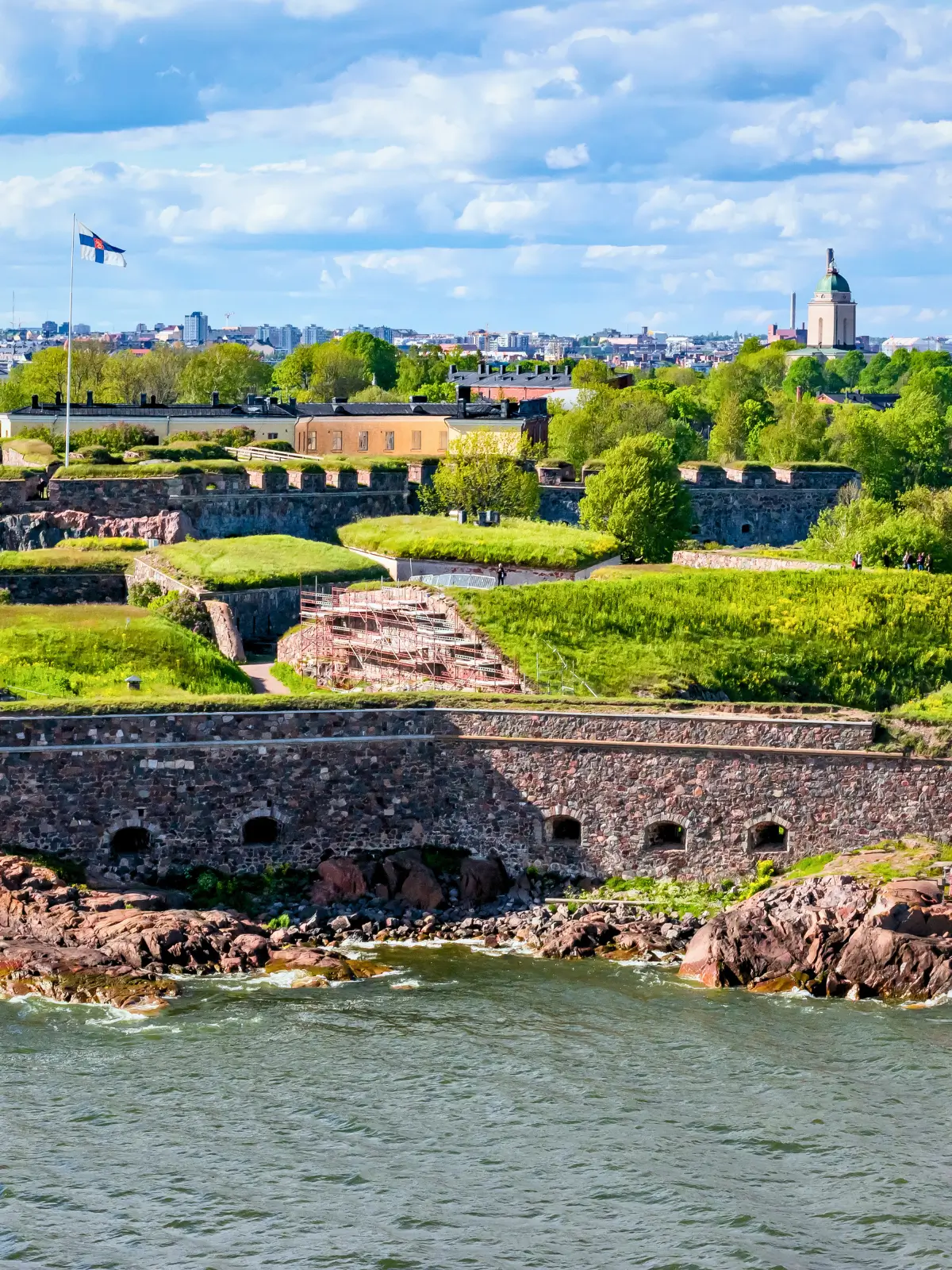
- Suomenlinna sea fortress
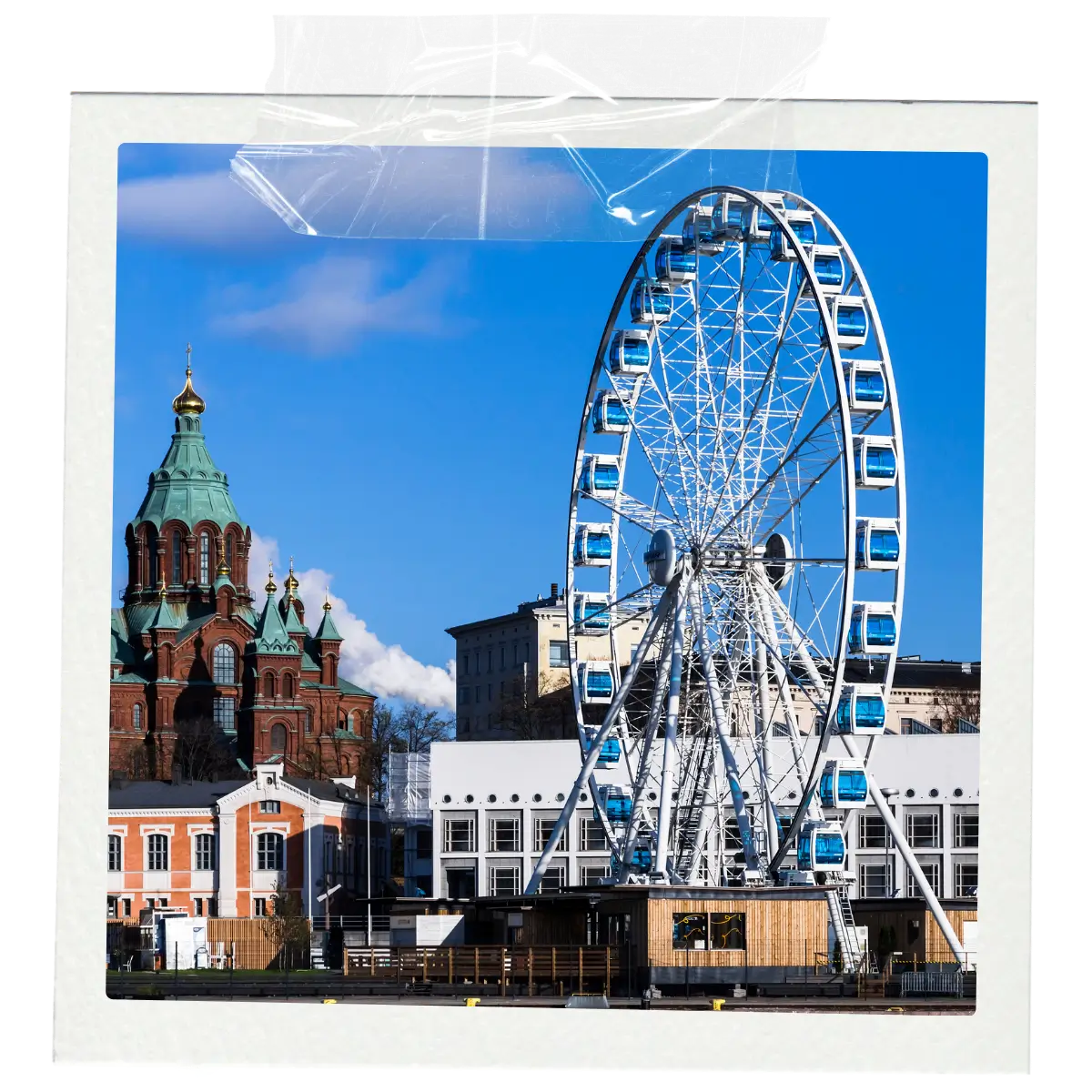
- Uspenski Cathedral
- Design District
- Helsinki waterfront
Day 3: Helsinki to Rovaniemi
Travel continues north into Lapland. A direct flight of around 1.5 hours is the most practical option, avoiding a long overland journey. The setting shifts to forested Arctic landscapes on arrival.
Suggested Stay: Hotel in central Rovaniemi close to transport and tour pick-ups
Route: Helsinki to Rovaniemi
Highlights
- Flight over Finland’s lake and forest landscapes
- Arrival in Rovaniemi
- Arctic Circle crossing point
- Introduction to Lapland’s Arctic environment
Day 4: Rovaniemi – Arctic Environment
Suggested Stay: Hotel or cabin just outside the town centre for easier access to nature
Base: Rovaniemi
Highlights
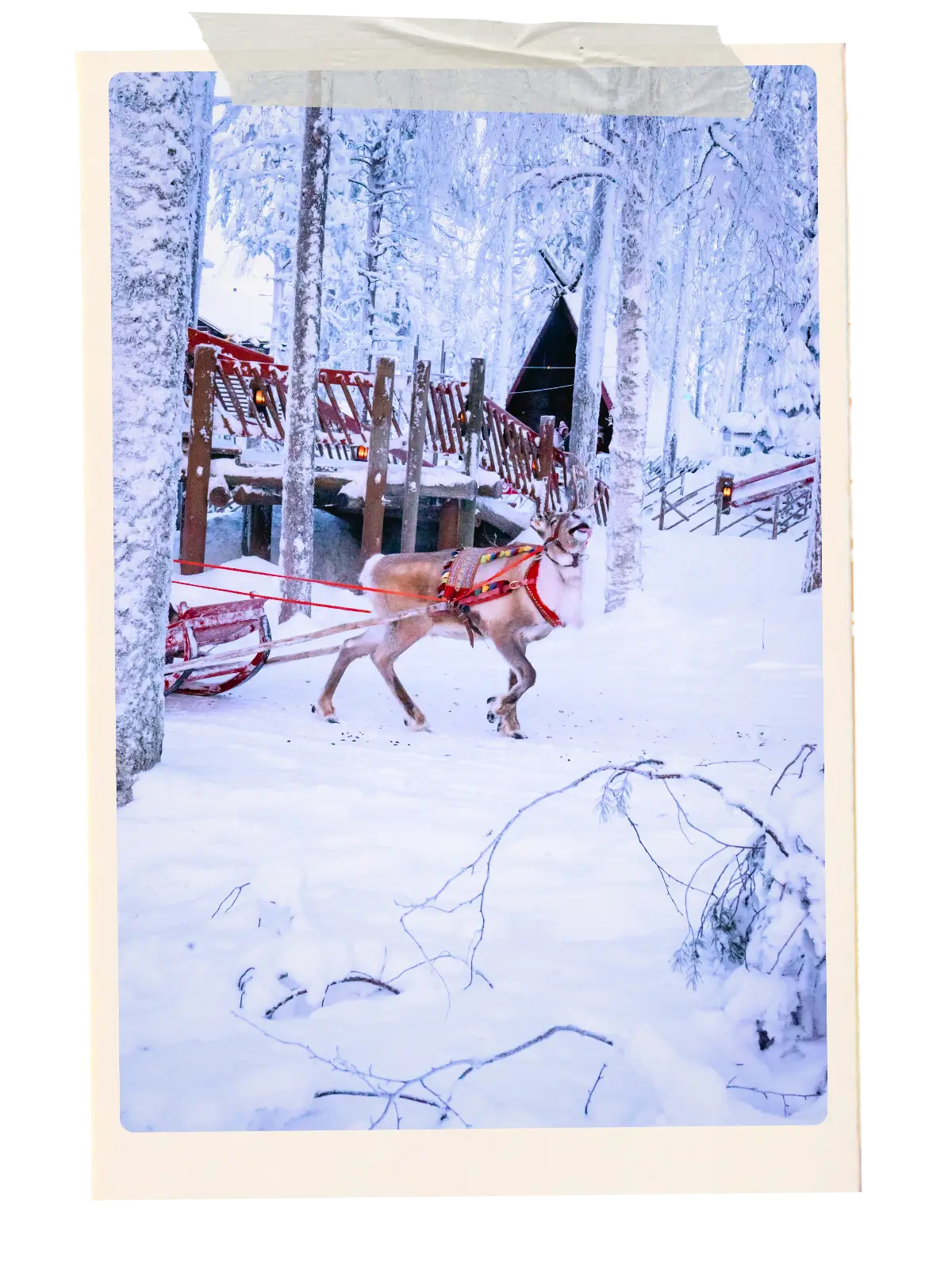
- Reindeer farms
- Snow-covered forests
- Arctic Circle marker
- Arktikum museum
Day 5: Rovaniemi – Nature and Surroundings
The focus remains on Lapland’s natural environment. Seasonal conditions affect access, from snow-covered terrain in winter to forest trails in warmer months.
Suggested Stay: Glass cabin or lodge near Santa Claus Village or forest areas
Base: Rovaniemi
Highlights
- Forest trails
- Frozen lakes or rivers
- Northern Lights (seasonal)
- Lapland wilderness
Day 6: Rovaniemi to Helsinki
Return south to Helsinki by flight, typically around 1.5 hours. The remaining time can be used to explore areas not covered earlier.
Suggested Stay: Hotel in the city centre or near the airport depending on departure time
Route: Rovaniemi to Helsinki
Highlights
- City streets
- Local cafés
- Waterfront views
Day 7: Departure from Helsinki
Departure from Helsinki, with timing depending on your flight. Staying in the city keeps transfers simple before heading to the airport.
Suggested Stay: Airport hotel within walking distance of the terminal or hotel in the city centre
Route: Helsinki departure
Highlights
- Harbour skyline
- Central Helsinki streets
- Final waterfront walk
Things To Know Before Visiting Finland
1. Understand How Daylight Changes Across The Country
Daylight varies significantly between Helsinki and Lapland. In winter, the north can have only a few hours of light, while summer brings nearly 24-hour daylight.
This affects how you plan your days once you’re there. Early sunsets in winter limit outdoor time, while summer allows longer sightseeing hours.
2. Know That Lapland Gets Fully Booked In Winter
Lapland sees very high demand from December to March, especially around Christmas and the Northern Lights season. Accommodation options become limited, and prices increase the closer you get to travel dates.
3. Don’t Expect To See The Northern Lights In One Night
4. Prepare For Temperatures Far Below Freezing
Temperatures in Lapland often fall below -20°C during winter. Cold exposure feels more intense during long outdoor activities like snowmobile rides or aurora viewing. Wind chill can make it feel significantly colder than the actual temperature.
Proper layering, including thermal base layers and insulated outerwear, is essential for staying comfortable outdoors.
5. Expect Long Travel Times Between Destinations
Finland appears compact on the map, but travel times are longer than expected. A trip from Helsinki to Rovaniemi can take most of the day, depending on your transport choice.
Flights are the most efficient option for long distances, while trains are better suited for overnight travel. Regional connections can also be limited, especially outside major cities.
6. Be Ready For Higher Food and Alcohol Costs
Finland is a high-cost destination compared to many parts of Europe. Alcohol is regulated, with higher prices and restricted sales in supermarkets.
Dining out, particularly in cities, can add up quickly even for casual meals. Grocery stores are more affordable, though selection and pricing still reflect the overall cost level.
7. Expect Limited Availability for Winter Activities
Experiences like husky safaris and reindeer rides operate with limited capacity. Availability becomes tight during peak travel periods, especially in Lapland.
Advance booking is often necessary, particularly between December and February. Last-minute options are limited and may only be available at higher prices.
8. Learn Basic Sauna Rules Before You Go
Saunas are an important part of Finnish culture, and practices vary depending on the setting. Some are mixed, others are separate, and expectations differ between public and private saunas.
Showering before entering is standard, and swimwear rules depend on the location. Quiet behaviour is generally expected, especially in shared spaces.
How to Get There
Entry Requirements
Others need to apply for a Schengen visa before arrival. Check your requirements based on your nationality before you travel.
Passport Requirements
It must also be less than 10 years old. Border control may ask for proof of onward travel and accommodation.
Flights And Main Airports
Helsinki Airport serves as Finland’s main gateway, with direct and connecting routes from across Europe and major global hubs.
Airlines operate frequent routes from European cities. Long-haul travellers usually connect through hubs such as Frankfurt, Doha, or Istanbul.
Travelling From Nearby Countries
You can reach Finland from nearby countries by sea or land. Ferries run regularly from Tallinn and Stockholm to Helsinki.
Overland routes connect Finland with Sweden in the north, though journeys take longer and routes are less direct.
What to Expect
Lapland Bases Are Far Apart, So Choose One Carefully
Rovaniemi, Levi, Saariselkä, and Ylläs aren’t close to each other. Travelling between them can take several hours, and changing bases uses up valuable time.
Staying in one location makes it easier to organise activities efficiently.
Travel Times Add Up Quickly Across The Country
Finland looks manageable on a map, but distances are large. Journeys between regions can take most of the day, especially when heading north.
Daylight Hours Limit What You Can Do Each Day
In winter, you may only get a few hours of daylight, especially in Lapland. Plan outdoor activities early, as it gets dark quickly.
Many Stays Are Outside Main Town Areas
Cabins, glass igloos, and lodges often sit away from town centres. You’ll likely need transfers or organised transport, especially in northern regions.
Icy Surfaces Affect Walking Conditions
Footpaths stay icy for long periods in winter. You’ll move more slowly, and proper footwear makes a noticeable difference.
Traction aids or ice grips are commonly used to improve stability.
Getting Around Finland
Trains For Long-Distance Travel
Trains connect major cities such as Helsinki, Tampere, Turku, and Rovaniemi, though coverage is more limited outside main routes.
They are reliable, comfortable, and include overnight sleeper services, which help reduce daytime travel.
Domestic Flights For Northern Finland
Flights are the fastest way to reach Lapland. Routes from Helsinki to Rovaniemi, Kittilä, or Ivalo take around 1–1.5 hours, making them one of the most practical options for shorter trips.
Buses For Regional Connections
Buses operate across the country and connect areas without train access. They are commonly used for smaller towns, though frequency can be lower in remote areas.
Car Rental For Flexibility In Lapland
Renting a car is useful in northern Finland where distances between locations are larger. It allows easier access to cabins, activity areas, and remote viewpoints.
Public Transport In Cities
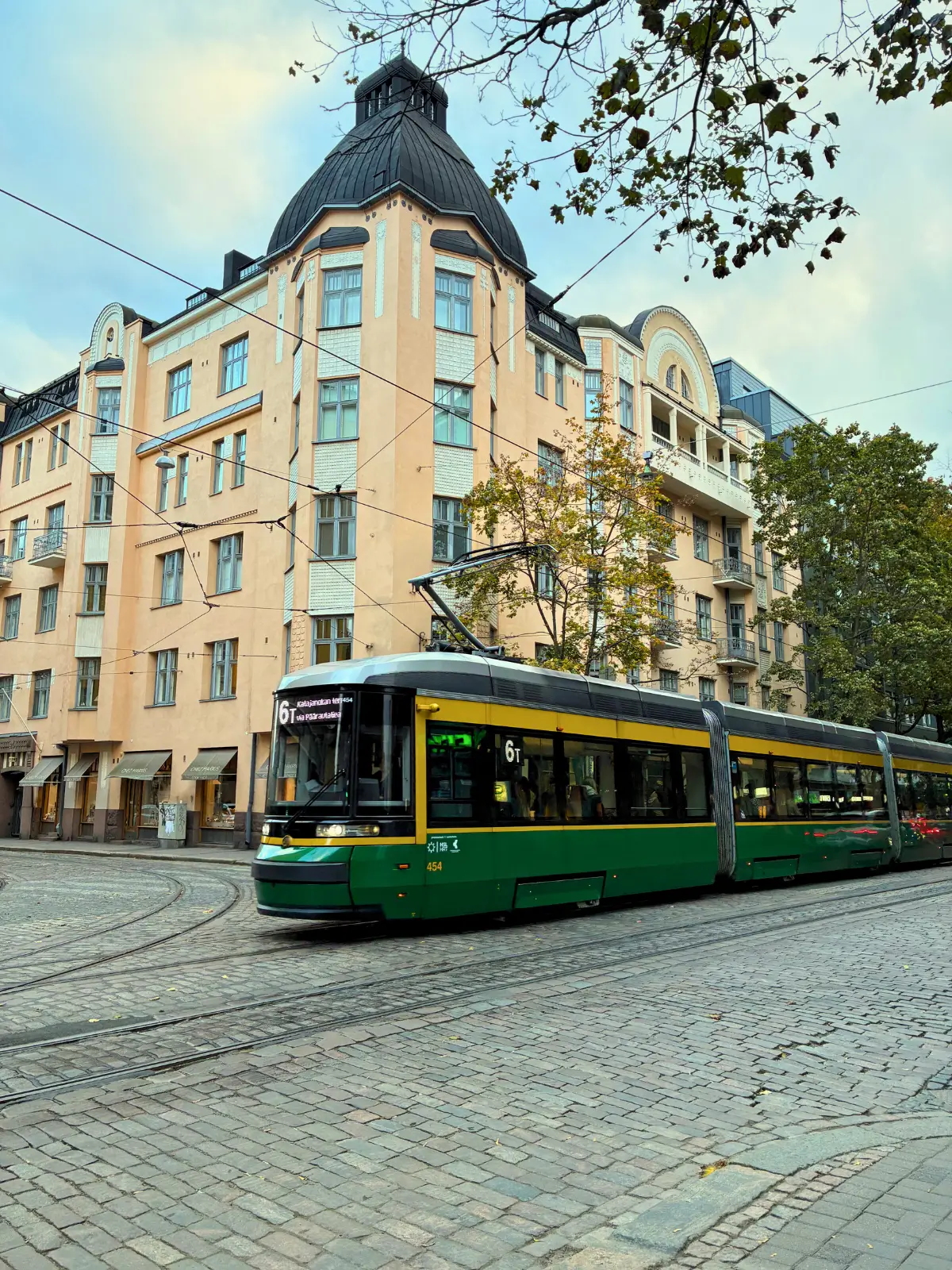
Cities like Helsinki have well-organised transport systems including trams, buses, and metro lines. Services run frequently, and routes are straightforward to navigate.
Ferries For Coastal and Island Travel
Ferries operate in coastal areas, particularly around Helsinki and the archipelago. They connect nearby islands and form part of the regular public transport network.
Taxis and Ride Services
Taxis are available in cities and towns, though they are relatively expensive compared to most European countries.
App-based booking is common, and availability remains good in urban areas.
Join the
Journey
Sign up for new itineraries, travel notes, and practical guides to help you explore the places I love most.
I love exploring new places and sharing the travel tips, food finds, and experiences that help you plan your next adventure.