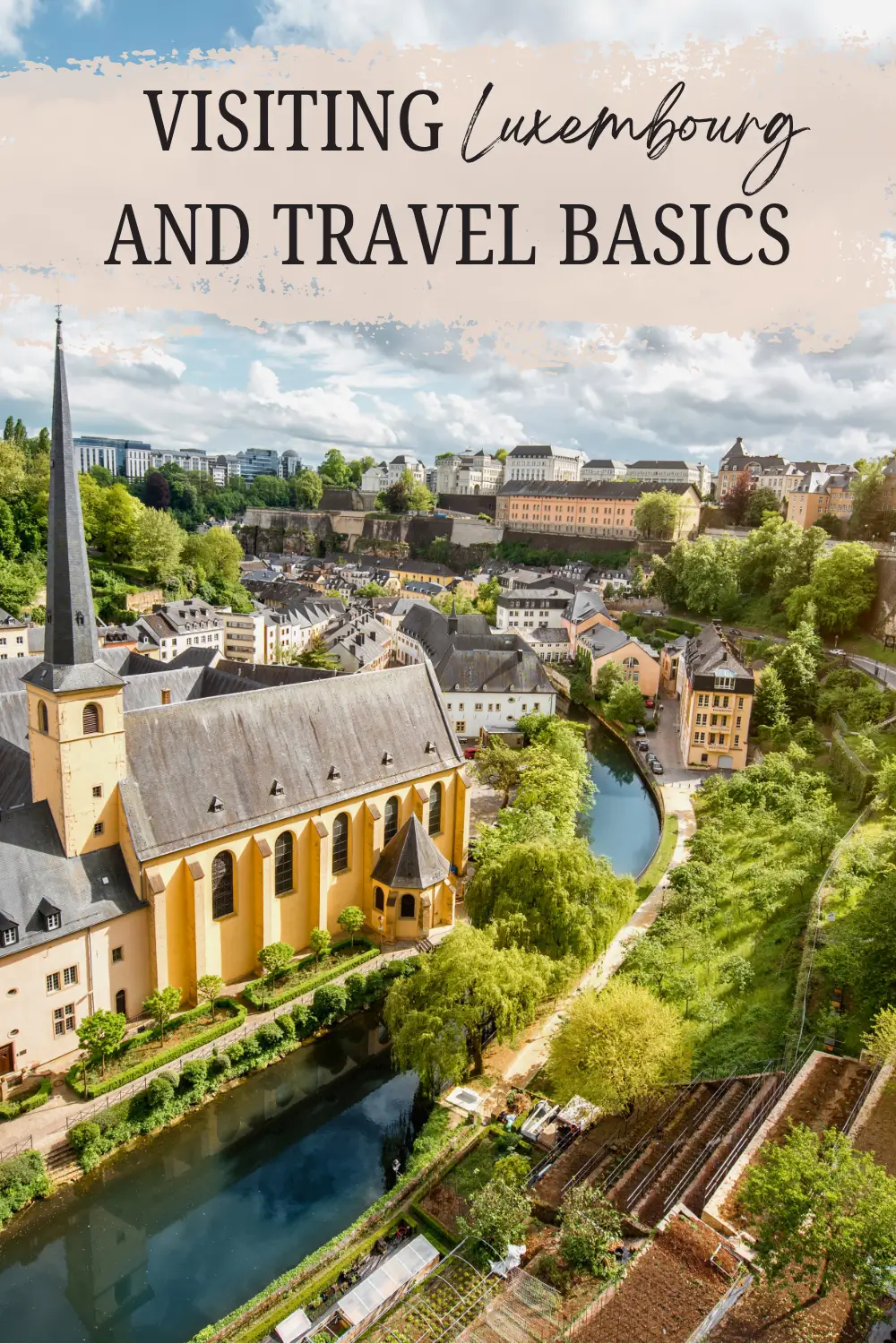
Visiting Luxembourg and Understanding Travel Basics
Luxembourg is a small country in Europe, between France, Belgium, and Germany. It blends historic and modern elements, with castles, old towns, and quiet countryside alongside contemporary buildings and a strong financial sector.
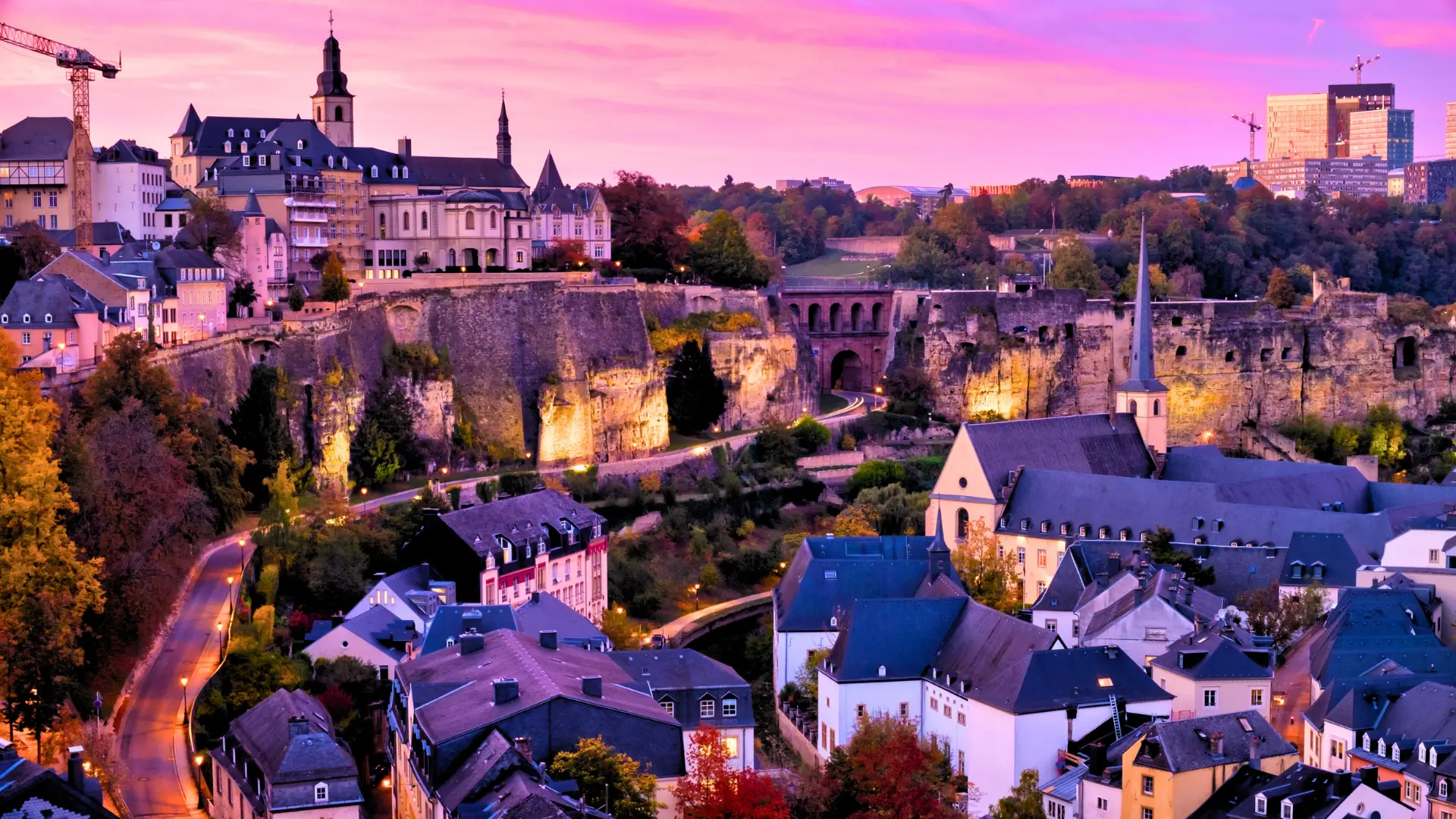
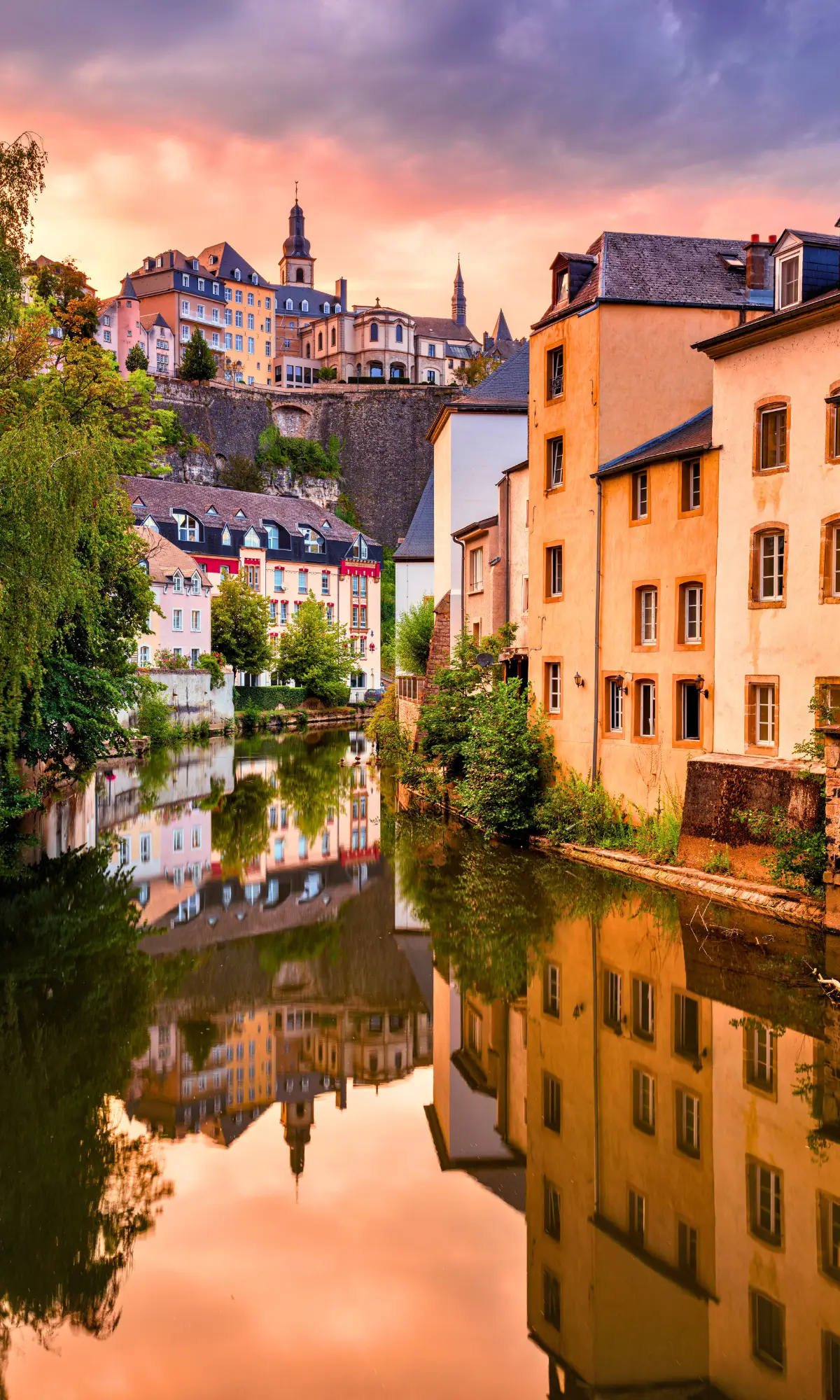
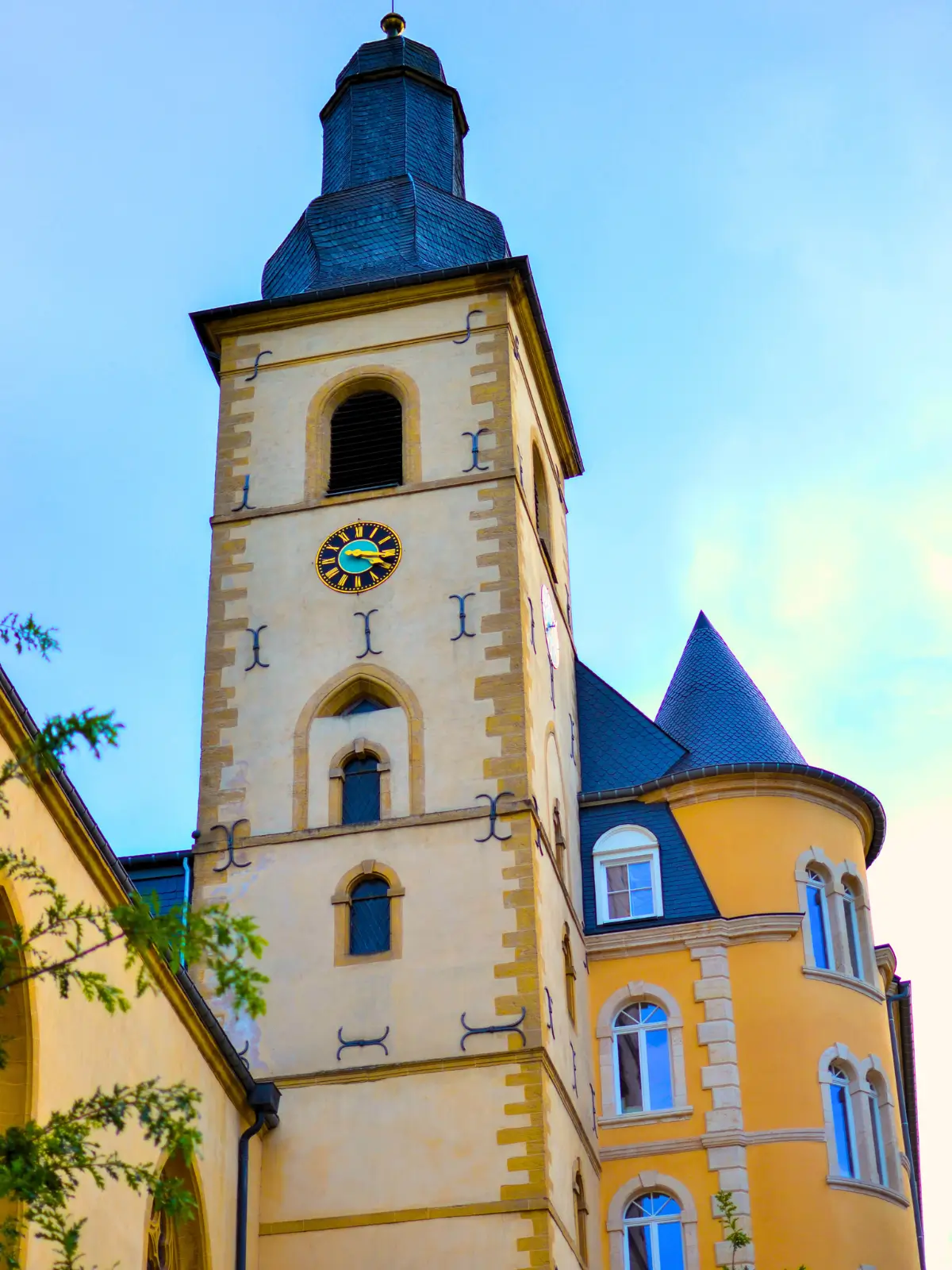
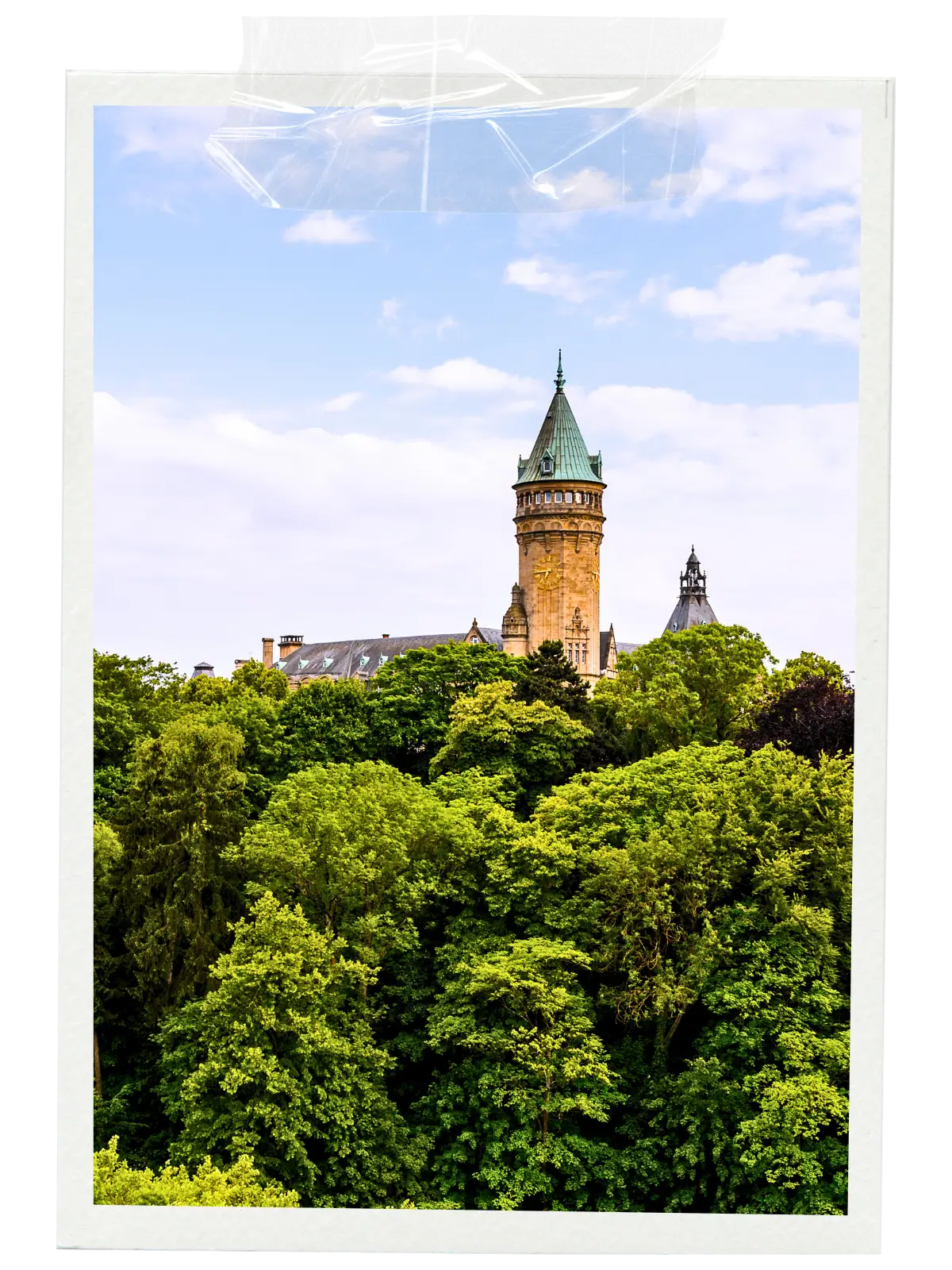
The capital, Luxembourg City, sits across cliffs and valleys, connected by bridges, giving it a layered and compact feel.
Despite its size, it is easy to get around, with free public transport across the country. It’s known for being clean, safe, and well organised, with an international atmosphere shaped by people from many different countries living and working there.
Did You Know?
- Luxembourg is the world’s only remaining Grand Duchy, and it still has a reigning Grand Duke.
- Around 47% of the population are foreign nationals, which gives it one of the highest shares in Europe.
- The capital sits across dramatic cliffs and deep gorges, and its old town is a UNESCO World Heritage Site.
- Its passport ranks among the most powerful in the world, with visa-free access to over 180 countries.
- Public transport across the entire country has been free since 2020, and it was the first nation to introduce this nationwide.
- Despite its small size, Luxembourg has one of the highest GDP per capita figures globally at around $130,000.
- There are extensive underground tunnels known as the Bock Casemates, and they once formed part of a vast defence system.
- The country produces wine, and most of it comes from the Moselle Valley along its eastern border.
- Luxembourg is about 2,586 square kilometres in size, and you can drive across it in under an hour.
I love exploring new places and sharing the travel tips, food finds, and experiences that help you plan your next adventure.
Join the
Journey
Sign up for new itineraries, travel notes, and practical guides to help you explore the places I love most.
Best Time To Visit Luxembourg
Late September into October brings cooler air and fewer visitors after summer. Vineyards along the Moselle are active during harvest. December to February is colder with shorter days, and Christmas markets are the main seasonal highlight.
Luxembourg At A Glance

Language
Luxembourgish is the national language and widely used. Many locals also speak French, German, and English, especially in cities and tourist areas.

Currency and Costs
Euro (EUR). Approximate rate: 1 USD ≈ 0.90–0.95 EUR, though exchange rates fluctuate. Costs are high, especially in Luxembourg City and nearby areas.

Payments
Cards are widely accepted in hotels, restaurants, and shops. Contactless payments are common, though small cafés and bakeries may prefer cash.

Tipping
Service is included in the bill, so tipping isn’t required. Rounding up or leaving a small amount is appreciated for good service.

Safety
It’s one of the safest countries in Europe, with very low crime rates. Stay aware in busy areas and around transport hubs.

Connectivity
Mobile coverage is strong across the country, including smaller towns. Wi-Fi is common in hotels, though rural areas may have a weaker signal.
A Detailed Luxembourg Itinerary
This 5-day route keeps one base in Luxembourg City, with short day trips covering the main regions. Distances remain small, and public transport connects each area clearly.
The route follows a practical order, starting in the city, then heading north, continuing east, and finishing in the south-east. This keeps travel time low and avoids unnecessary repetition.
Day 1: Luxembourg City
Time is spent in the historic upper town, where key sights sit close together. Streets run along steep valley edges, with viewpoints across the lower districts. The area is compact and easy to explore on foot.
Suggested Stay: Hotel in Ville Haute (historic centre)
Base: Luxembourg City
Highlights
- Grand Ducal Palace
- Chemin de la Corniche
- Old Town streets
- Bock Casemates
Day 2: Vianden
Travel north to Vianden, reached by train and bus in about one hour. The town sits along the river with a castle above it. The centre is small, which keeps the visit focused within a day.
Suggested Stay: Hotel in Ville Haute (historic centre)
Base: Luxembourg City
Highlights
- Vianden Castle
- Our river valley
- Chairlift viewpoints
- Vianden old town
Day 3: Mullerthal Region
Travel east to the Mullerthal region, about one hour by bus. The landscape changes to forest trails, rock formations, and narrow paths between sandstone cliffs. The area works well for a half-day or full-day visit depending on pace.
Suggested Stay: Hotel in Ville Haute (historic centre)
Base: Luxembourg City
Highlights
- Mullerthal Trail sections
- Schiessentümpel waterfall
- Berdorf rock formations
- Echternach town
Day 4: Luxembourg City and Grund
Return to the capital to explore areas not covered earlier, including the lower district of Grund. Public lifts and walking paths connect the different levels, which makes movement straightforward. This day completes the city without extra travel.
Suggested Stay: Hotel in Ville Haute (historic centre)
Base: Luxembourg City
Highlights
- Grund district
- Alzette river valley
- Notre-Dame Cathedral
- City viewpoints
Day 5: Moselle Valley
Suggested Stay: Hotel near Luxembourg Gare or Findel Airport
Route: Luxembourg City to Moselle Valley
Highlights
- Remich promenade
- Moselle vineyards
- Schengen village
- River viewpoints
Things To Know Before Visiting Luxembourg
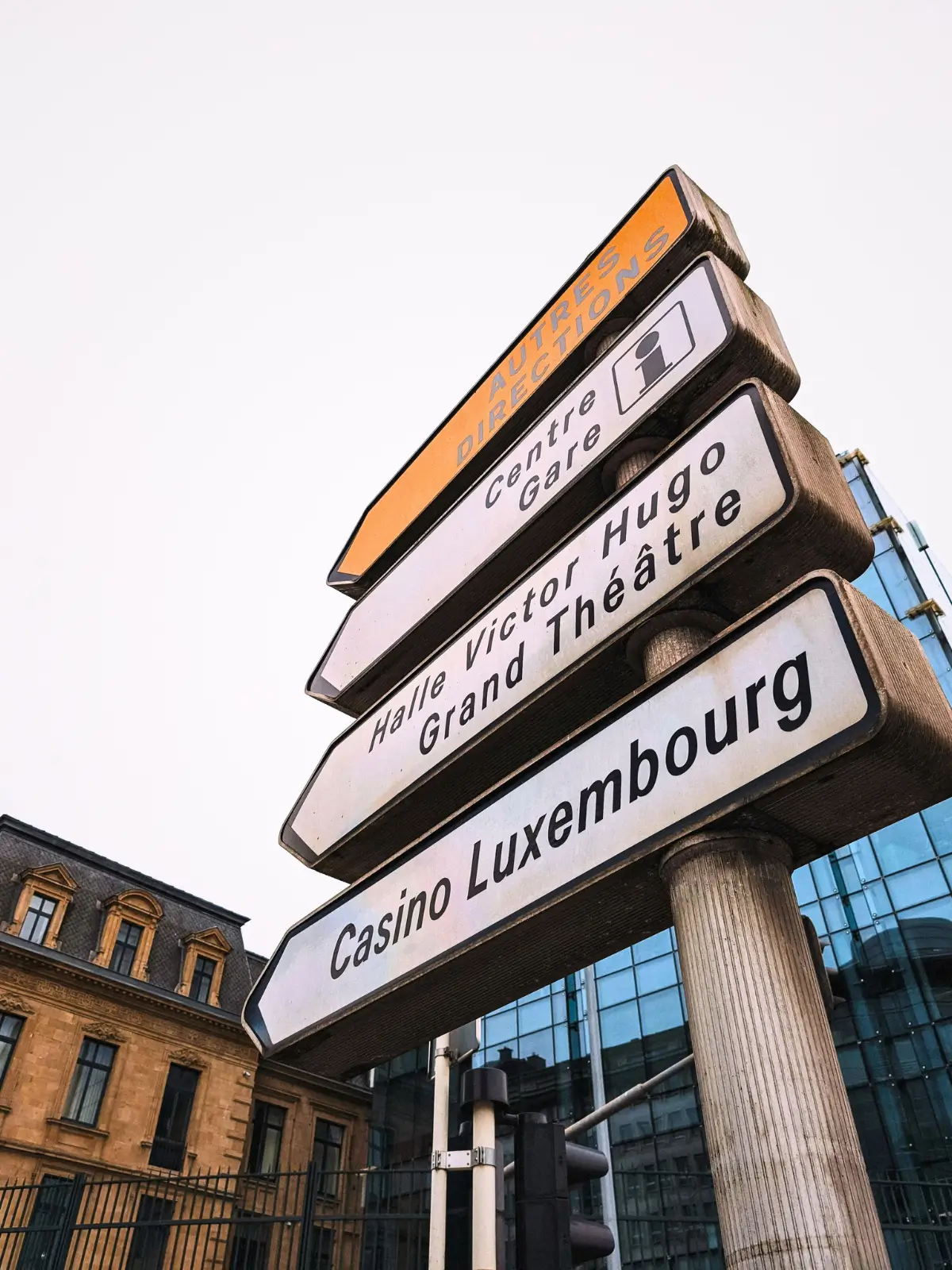
1. Shops Shut Early and Sundays Are Restricted
Most shops close by early evening, and Sunday trading is heavily restricted across the country. Supermarkets may open for limited hours, but many places remain closed, which can catch you off guard.
Plan groceries and errands earlier in the day to avoid inconvenience. Late evening shopping isn’t common, even in central areas. Many bakeries and smaller stores also close between lunch and late afternoon.
2. French Often Comes First in Daily Interactions
Menus, signs, and service usually start in French rather than Luxembourgish. Staff switch languages easily, but it’s common for conversations to begin in French. A simple greeting in French often makes interactions smoother.
German appears more often in official notices and printed materials. English is widely understood, though it may not be the first language used.
3. Prices Reflect One of Europe’s Wealthiest Countries
Luxembourg ranks among the richest countries globally, and prices reflect that across accommodation and dining. Even casual cafés or takeaway spots can feel expensive compared to those in nearby France or Germany.
Budget expectations need to adjust, especially for meals and central stays. Dining out regularly can add up quickly. Accommodation prices stay high year-round, especially in the capital.
4. Free Public Transport Doesn’t Mean Flexible Timing
All public transport is free, but services still run on fixed timetables and don’t operate constantly. Gaps between buses and trains can be longer outside main routes.
Checking schedules ahead helps avoid long waits. Some rural connections run less frequently, especially on weekends. Last departures can be earlier than expected outside main lines.
5. The Capital Feels More Like a Small Town
Luxembourg City is compact, and most landmarks sit close together in the centre. You can walk between major sights without much effort. The upper and lower city levels are connected by lifts and bridges. Exploring both levels adds a different perspective to the visit.
6. Cross-Border Workers Affect Peak Hours
Nearly half of the workforce comes from neighbouring countries like France, Belgium, and Germany. This creates busy periods on main roads and trains during commuting hours.
Travel times can increase in the morning and late afternoon. Trains and buses into the city can feel crowded at these times. Roads leading into Luxembourg City often slow down during peak periods.
7. Traffic Can Build Up Quickly Despite the Size
The country is small, but traffic congestion still happens around Luxembourg City and key routes. Even short distances can take longer during peak hours, especially in the morning and late afternoon.
Roadworks and narrow routes can add extra delays. Planning travel times carefully helps avoid unnecessary waiting.
How to Get There
Entry Requirements and Visa Rules
Luxembourg is part of the Schengen Area, which means entry rules follow the standard Schengen policy.
You can stay visa-free for up to 90 days within a 180-day period if your nationality qualifies, while others need to apply ahead of time.
Passport Validity
Your passport needs to be valid for at least 3 months beyond your planned departure from the Schengen Area. It also has to be issued within the last 10 years to meet entry rules.
Arriving by Air
Luxembourg Airport (LUX) is the main gateway, with direct and connecting flights across Europe.
Routes usually connect through hubs like Frankfurt, Paris, Amsterdam, and London if you’re coming from further away.
Arriving by Train
Trains connect Luxembourg well with nearby countries, and it’s a simple way to arrive. Direct routes run from Paris, Brussels, and Trier, with regular cross-border services.
Arriving by Road
Luxembourg sits between Belgium, France, and Germany, and driving in is straightforward from all sides. Distances are short, and nearby cities are only a few hours away.
Using Nearby Major Airports
Airports like Frankfurt and Brussels offer more flight options than Luxembourg itself. From there, you can continue by train or car and reach the country within a few hours.
What to Expect
Compact Country With One Main Base
Luxembourg is small. Most places sit within about an hour of each other by car or train. Staying in Luxembourg City works well, as transport links connect the country efficiently.
Limited Direct Flights and More Connections
Luxembourg Airport is the only international airport in the country. It mainly serves European routes. Long-haul trips usually require a connection through hubs like Frankfurt, Paris, or Amsterdam, which can affect timing and fares.
Prices Stay High Even for Simple Things
Luxembourg ranks among the richest countries globally. Prices reflect this across accommodation and dining. Even basic meals or coffee often cost more than in nearby France or Germany, which impacts budgets.
A Split City Layout With Elevation Changes
Luxembourg City sits across cliffs and valleys. Upper and lower areas connect by bridges and lifts. Moving between levels can take longer than expected, especially on foot.
Peak Hours Are Shaped by Cross-Border Commuting
A large share of the workforce commutes daily from France, Belgium, and Germany. Roads and trains get busy during peak hours. Even short distances can take longer at these times.
Public Transport Covers the Country but Needs Planning
Public transport is free nationwide. This is rare in Europe. Services follow fixed schedules, and gaps can be longer outside main routes.
Getting Around Luxembourg
Getting Between Towns by Train
The rail network connects key towns like Esch-sur-Alzette, Ettelbruck, and Wasserbillig with Luxembourg City. Trains run regularly on main routes. Smaller stations have fewer departures.
Reaching Smaller Areas by Bus
Regional buses connect areas without train access. They reach smaller towns and rural regions. Frequency drops outside main routes, which can mean longer waits.
Moving Around the City by Tram
The tram runs through the capital. It connects the airport, city centre, and key districts. Services run every few minutes during busy hours.
Travelling Across Borders
Luxembourg connects directly to France, Belgium, and Germany. Trains and buses run frequently across borders. Travel outside the country requires a paid ticket.
Using a Car Outside Main Routes
A car helps in rural areas like the Ardennes. Public transport runs less often in these regions. Traffic can still build around Luxembourg City during peak hours.
Taxis and Ride-Hailing Options
Taxis are available across Luxembourg, especially in the capital and at major transport hubs. Fares are higher than public transport, even for short trips.
Ride-hailing apps like Uber operate, but they connect you to licensed taxis rather than private drivers. Availability can vary, and prices are similar to standard taxi rates.
Getting Around on Foot or by Bike
Luxembourg City is easy to explore on foot or by bike. Distances are short in central areas. Hills and elevation changes can slow movement between levels.
Join the
Journey
Sign up for new itineraries, travel notes, and practical guides to help you explore the places I love most.
I love exploring new places and sharing the travel tips, food finds, and experiences that help you plan your next adventure.