A Guide to Planning Travel in the United Kingdom
The United Kingdom includes England, Scotland, Wales, and Northern Ireland. Located in north-western Europe, it combines cities, countryside, and coastal areas within a short distance. London is the capital and a major centre for culture and business.
Across the country, landscapes vary. The Cotswolds are known for rolling hills and small villages, while the Scottish Highlands have wider, more open terrain. Landmarks such as Stonehenge and the Tower of London are easy to include in a visit. The four nations also maintain their own traditions and accents.
Travel between regions is straightforward. Visiting several places in one trip is realistic. Castles, museums, and coastal towns sit close to cities known for food and music. The range of locations and short distances make the UK a strong choice for travellers who want variety without long travel.
Did You Know?
- The London Underground is the oldest metro system in the world and was first opened in 1863 using steam-powered trains.
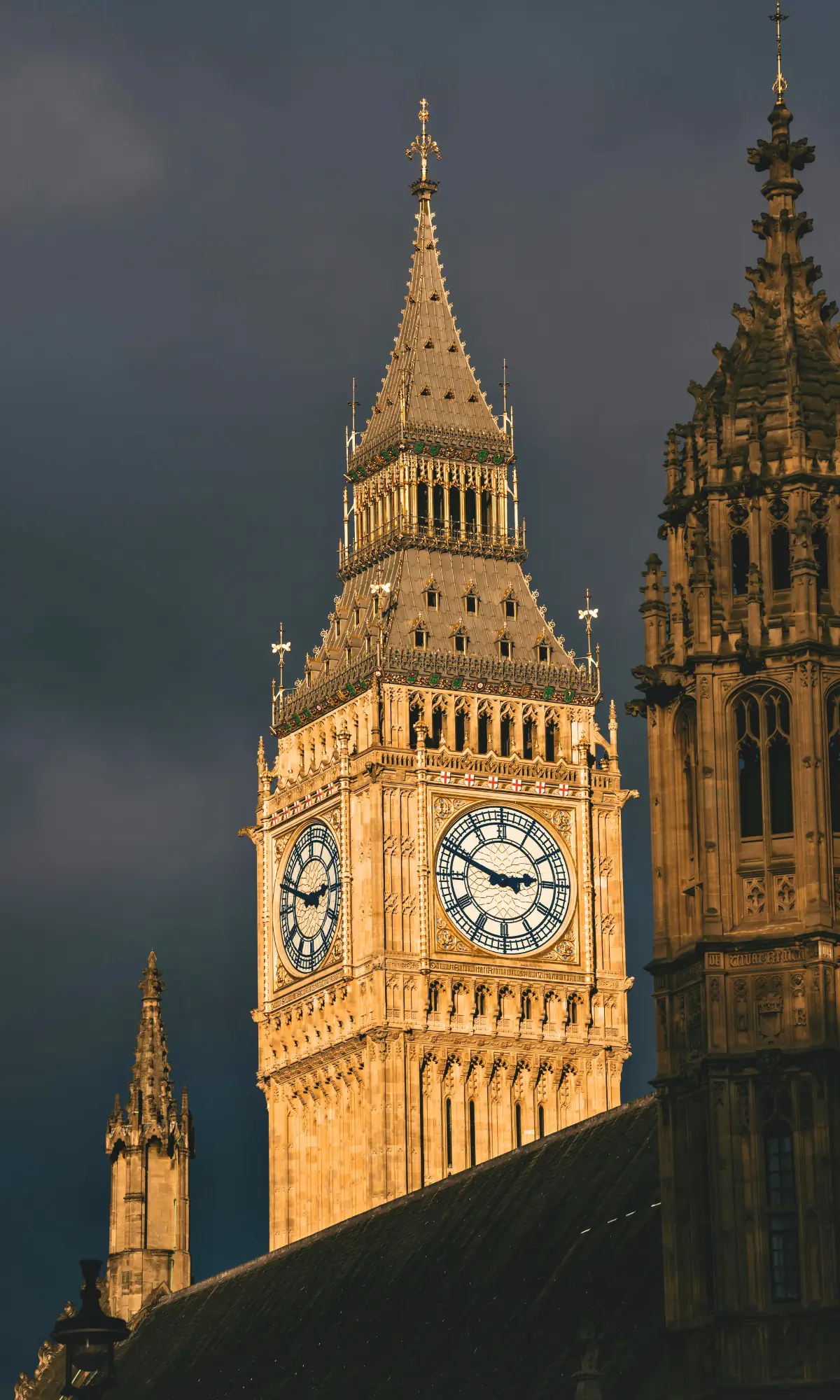
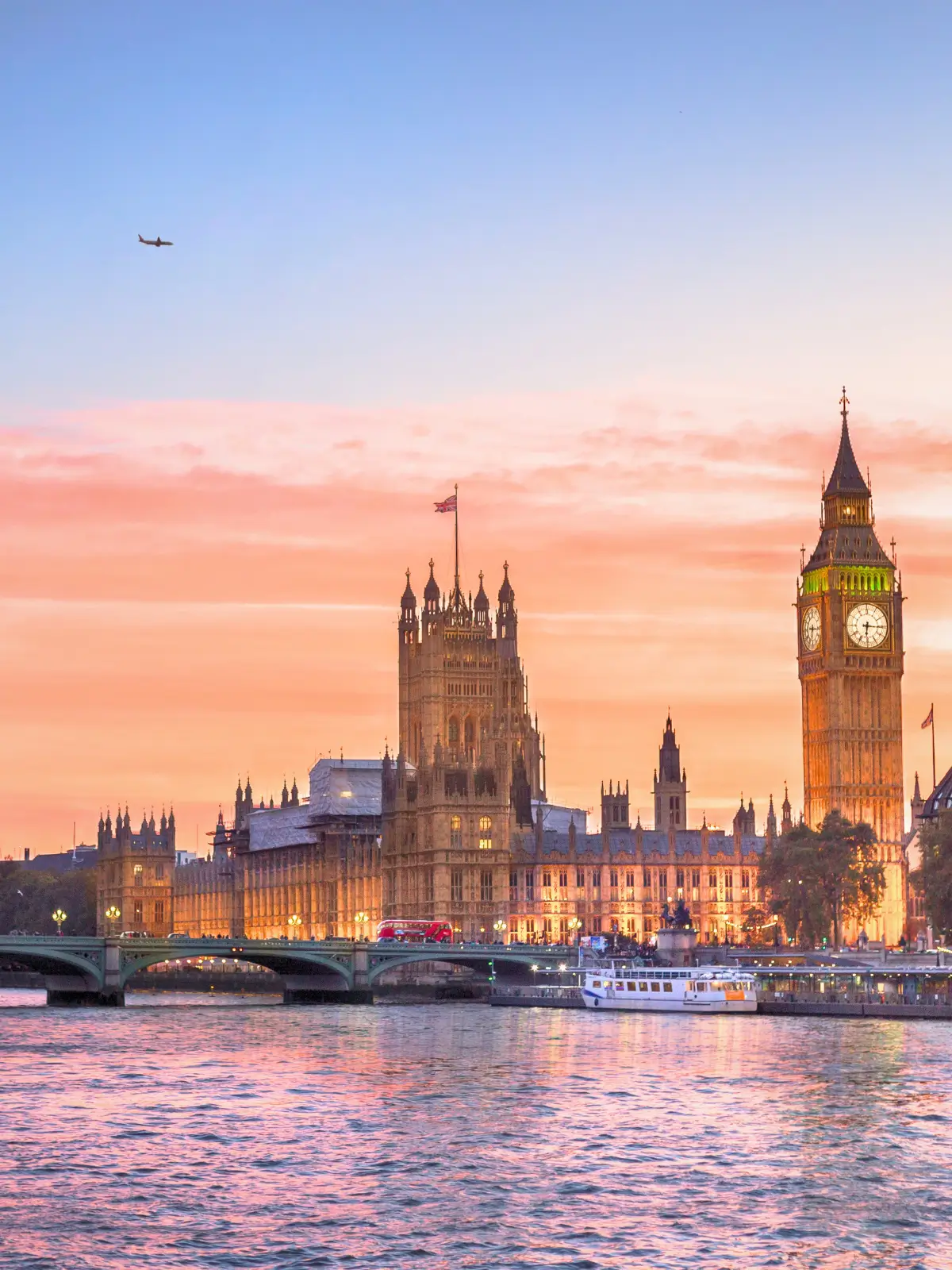
- Big Ben is not the clock tower but the bell inside it, while the tower itself is officially called the Elizabeth Tower.
- Windsor Castle has been occupied for nearly 1,000 years and remains the oldest continuously used royal residence in Europe.
- Stonehenge dates back over 4,000 years, with its earliest structures built around 3000 BC.
- Scotland has over 6,000 islands, but only around 90 are inhabited due to remote locations and challenging conditions.
- The United Kingdom includes four countries, England, Scotland, Wales, and Northern Ireland, each with its own distinct identity and traditions.
- Football was formally codified in England in 1863 and shaped the modern version of the sport played worldwide today.
- The UK drinks around 100 million cups of tea every day, making it one of the highest tea-consuming nations globally.
I love exploring new places and sharing the travel tips, food finds, and experiences that help you plan your next adventure.
Join the
Journey
Sign up for new itineraries, travel notes, and practical guides to help you explore the places I love most.
Best Time To Visit the United Kingdom
The best time to visit the United Kingdom is from May to June and September to early October, during late spring and early autumn. The weather feels mild, days stretch longer, and getting around is generally easier. It’s a good balance if you want pleasant conditions without peak summer crowds or prices.
June to August marks summer, with the warmest weather and long daylight hours across the country. It’s the best window for coastal trips, countryside walks, and festivals, especially in places like London and Edinburgh. Popular spots get busy, and accommodation fills up quickly, so planning ahead makes a big difference.
December to February brings winter, with colder temperatures, shorter days, and more frequent rain. Cities still feel lively, especially in December with Christmas markets and lights. Some rural areas slow down, and daylight is limited, which can affect travel plans outside major cities.
United Kingdom At A Glance

Language
English is the main language across the United Kingdom, and people use it nationwide. Welsh, Scottish Gaelic, and Irish are also spoken in some regions.

Currency and Costs
British Pound Sterling (GBP). Approximate rate: 1 USD ≈ 0.75–0.80 GBP, though exchange rates fluctuate. Expect higher daily costs, especially in London.

Payments
Most places accept credit and debit cards across the country. Contactless payments are common, but some cash helps for small purchases.

Tipping
Tipping isn’t required, but around 10–12% is common in restaurants if service isn’t included. Small tips or rounding up are typical for taxis.

Safety
The United Kingdom is generally safe for travellers, and most visits are trouble-free. Stay aware in busy areas and on public transport.

Connectivity
Mobile coverage is reliable in cities and towns, with a strong signal in most areas. Wi-Fi is widely available, though weaker in remote regions.
A Detailed United Kingdom Itinerary
This 7-day route follows a practical loop through England, starting and ending in London. It groups nearby regions to keep movement efficient, heading west to Oxford and the Cotswolds before continuing north to the Lake District, then returning via Manchester.
Rail works well for longer journeys, while rural areas like the Cotswolds are easier to manage with local transport or a car due to limited connections between villages.
Day 1: London
The first day remains within central London, centred on areas along the Thames where major sights sit close together. Distances are manageable on foot or by Underground, with simple connections between key areas and no need for long transfers.
Suggested Stay: Mid-range hotel in Covent Garden or Westminster
Base: London
Highlights
- Westminster
- Thames riverfront
- Covent Garden
Day 2: London – Westminster and the City
The day covers both sides of the Thames, linking Westminster with the City of London. Landmarks are grouped within a relatively small area, and travel between them is straightforward using the Underground or short walks across bridges.
Suggested Stay: Mid-range hotel in Covent Garden or Westminster
Base: London
Highlights
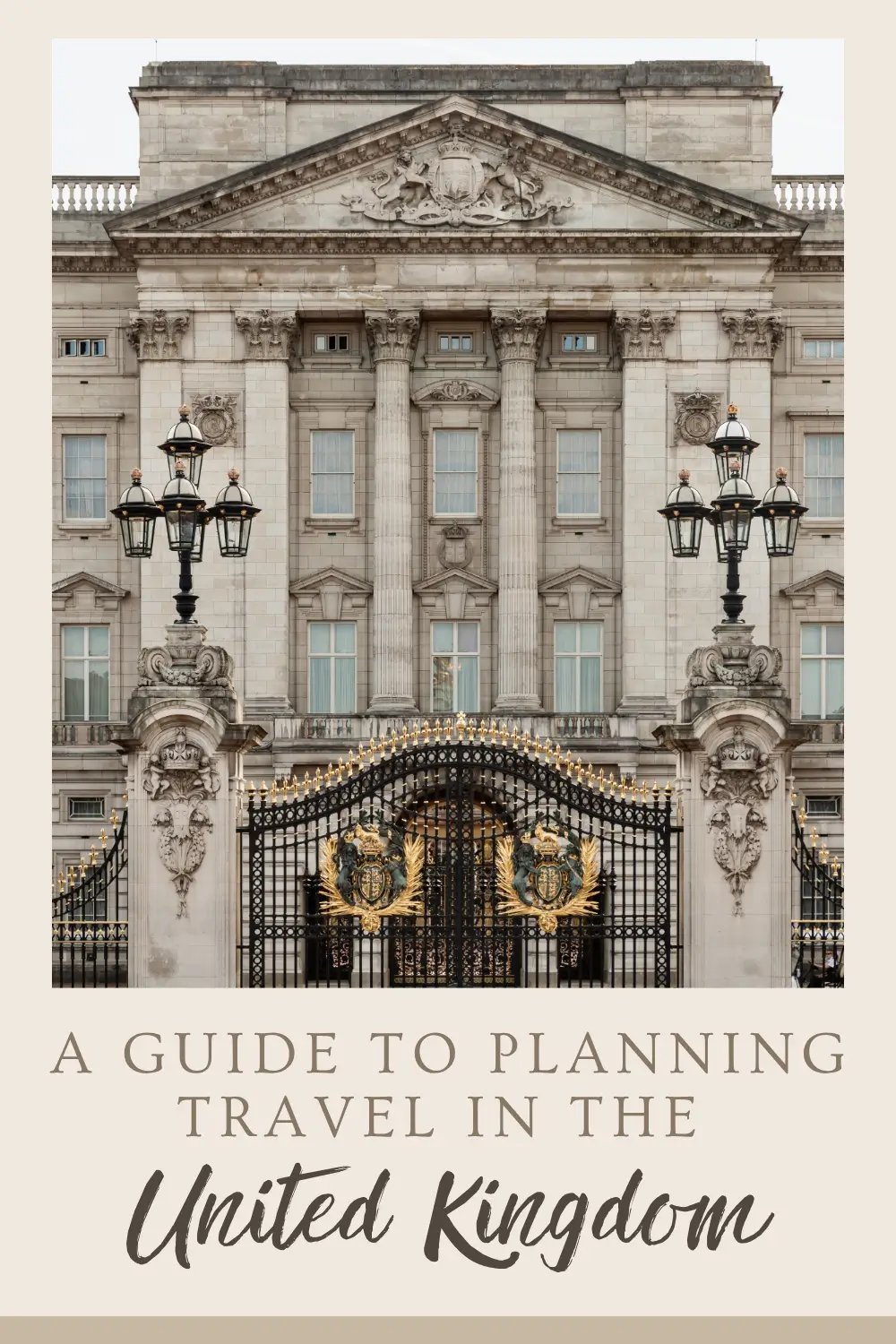
- Buckingham Palace
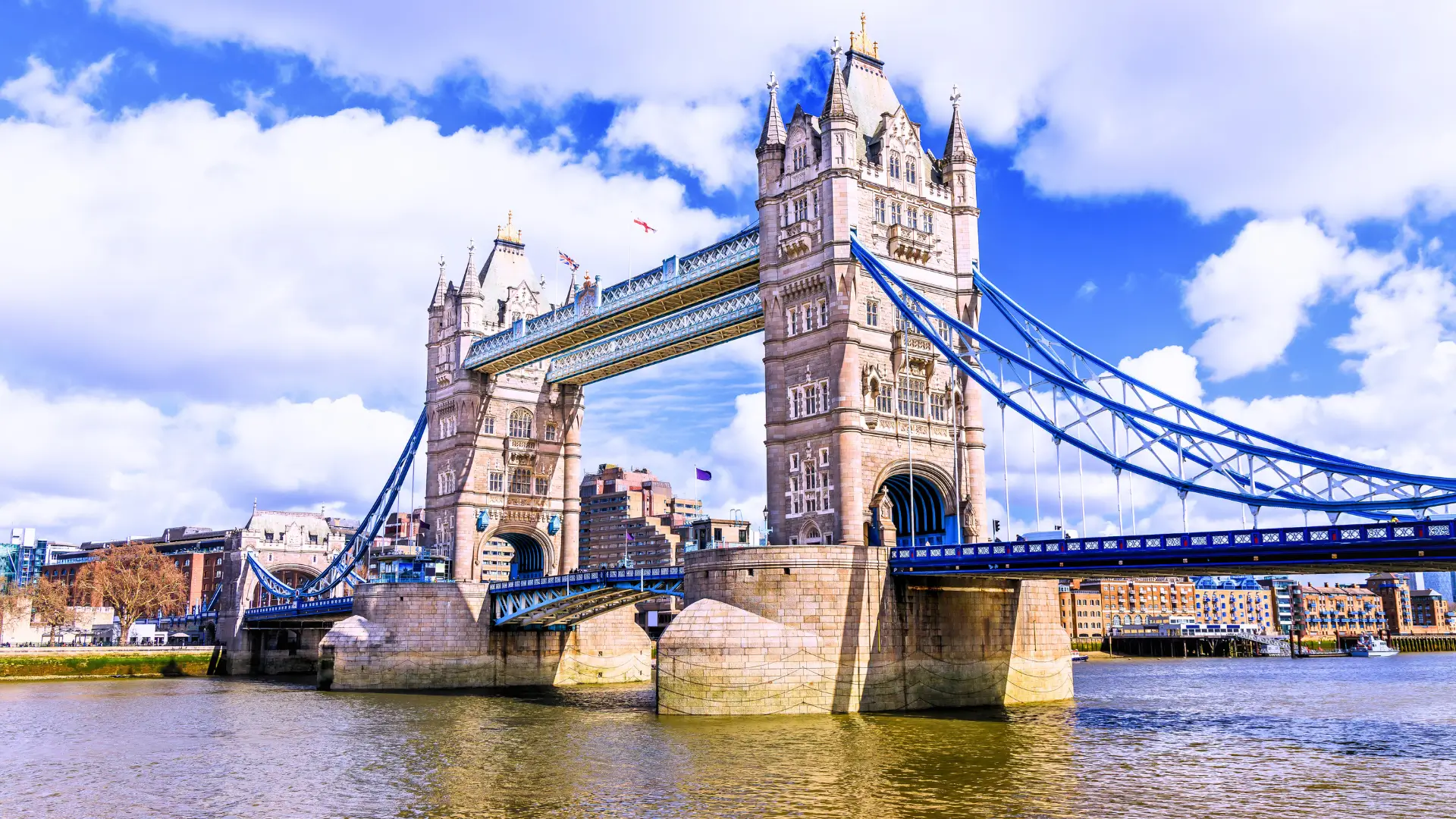
- Tower of London
- St Paul’s Cathedral
- South Bank
Day 3: London to Oxford and the Cotswolds
Travel west to Oxford by direct train in about one hour. The historic centre is easy to explore on foot before continuing into the Cotswolds, where moving between villages often requires a car or taxi beyond the main rail stations.
Suggested Stay: Boutique inn or country hotel in Stow-on-the-Wold or Bourton-on-the-Water
Route: London to Oxford to Cotswolds
Highlights
- Oxford colleges
- Blenheim Palace
- Stow-on-the-Wold
Day 4: Cotswolds to the Lake District
Travel continues north towards the Lake District, usually with a train connection via Birmingham or Manchester. The journey takes around 4 to 5 hours, making it the longest transfer of the route, though it follows a direct northbound path without detours.
Suggested Stay: Hotel near Windermere or Ambleside
Route: Cotswolds to Lake District
Highlights
- Windermere
- Ambleside
- Lake District National Park
Day 5: Lake District
Suggested Stay: Hotel near Windermere or Ambleside
Base: Lake District
Highlights
- Lake Windermere
- Grasmere
- Walking trails
Day 6: Lake District to Manchester
Travel south to Manchester by train, taking around 1.5 to 2 hours. The city centre is compact, with key areas within walking distance from the main stations.
Suggested Stay: Hotel in Manchester city centre or Northern Quarter
Route: Lake District to Manchester
Highlights
- Northern Quarter
- Manchester Cathedral
- Deansgate
Day 7: Manchester to London
Return to London by direct train in just over 2 hours, keeping the route efficient without detours. The remainder of the day depends on departure time, with flexibility to stay near the airport or in central areas.
Suggested Stay: Hotel near Heathrow or Central London
Route: Manchester to London
Highlights
- English countryside views
- London skyline on arrival
Things To Know Before Visiting United Kingdom
1. Public Transport Uses Tap In Systems
Transport in major cities doesn’t rely on paper tickets alone. You need to tap in and out on trains and only tap once on buses, or fares can increase automatically.
2. Train Pricing Depends On Timing
Fares change based on time of day and demand. Travelling during peak hours or booking late can push prices much higher than expected.
3. Bus Payments Are Mostly Cashless
Cash often won’t work on buses, especially in London. Contactless cards or prepaid travel cards are the standard, and not having one can delay boarding.
4. Service Charge Is Already Added
Many restaurant bills already include a service charge. Adding an extra tip without checking can increase what you pay more than expected.
5. Rail Strikes Can Disrupt Travel Plans
Train services can change or stop with short notice during strike periods. This can affect routes across the country and require last-minute adjustments.
6. Queueing Culture Matters Everywhere
People expect clear order in lines at bus stops, shops, and stations. Stepping ahead, even by accident, is noticed quickly and can cause friction.
7. Escalator Standing Rules Are Strict
Escalators follow a clear pattern, especially in London. Standing on the wrong side blocks movement and disrupts the flow during busy periods.
How to Get There
Entry Requirements and Visas
You need a valid passport to enter the United Kingdom, and it must cover your entire stay. Visa rules depend on your nationality.
An Electronic Travel Authorisation, or ETA, may be required before travel, and it must be approved before boarding.
Passport Validity and Border Control
The UK doesn’t require extra months of passport validity, as long as your passport remains valid for your stay.
Border checks take place on arrival. Eligible passengers can use ePassport gates at major airports.
Main Airports and Flight Routes
London Heathrow Airport serves as the country’s main gateway. It handles direct and connecting routes from Europe and major global hubs.
London Gatwick, Manchester, and Edinburgh airports also support a wide range of flights. They connect both international and regional routes.
Arriving From Europe
Flights offer fast connections from most European cities to London and other major airports.
You can also travel by Eurostar train from Paris, Brussels, and Amsterdam. Border checks are completed before departure.
Ferries and Land Borders
Ferries connect the UK with France, Ireland, the Netherlands, and Belgium, with routes arriving at ports such as Dover and Portsmouth.
There are no routine immigration checks on the land border between Ireland and Northern Ireland. UK entry rules still apply.
What to Expect
Train Tickets Can Lock You Into One Exact Service
Some UK train tickets, especially Advance tickets, are only valid for a specific departure. Miss that train and your ticket isn’t valid anymore. You may need to buy a new one.
Contactless Travel Can Charge You Maximum Fares
Contactless systems require tapping in and out correctly. Miss a tap, and the journey becomes incomplete. This can trigger a higher maximum fare.
Weekend Rail Travel Often Changes Due To Engineering Works
Rail services change regularly due to maintenance work, especially on weekends. Routes can be altered or replaced with buses. This can extend travel time.
Congestion Charges Apply In Central London
Driving in central London comes with a daily charge. Additional fees apply if your vehicle doesn’t meet emission standards.
Contactless Transport Is Not Nationwide
Tap-based systems are widely used in London and parts of the South East. They don’t fully extend across the UK. You’ll often need separate tickets in other regions.
Sunday Trading Laws Limit Shopping Hours
Large shops in England and Wales can only open for up to 6 consecutive hours between 10 am and 6 pm on Sundays. This affects when you can shop, especially outside major cities.
Getting Around United Kingdom
Long-Distance Trains
Long-distance trains connect major cities like London, Manchester, Edinburgh, and Bristol. Services run frequently on main routes, often several times per hour.
Booking early keeps fares lower, as last-minute tickets can get expensive. Delays and disruptions still happen, especially during peak travel times.
Regional and Local Trains
Regional trains link smaller towns and suburbs to larger cities. Frequency drops outside commuter areas, and some routes require connections.
Journeys can take longer due to frequent stops and indirect lines. Coverage remains decent, though rural areas see fewer services.
City Public Transport
Major cities like London, Glasgow, and Manchester rely on buses, underground lines, and trams.
Services run often in central areas, with contactless payment widely accepted. Outer areas depend more on buses, with fewer rail options. Rush periods get crowded, especially on weekday mornings and evenings.
Long-Distance Coaches
Coaches offer a cheaper alternative to trains and cover most parts of the country. Journeys take longer, though they reach towns without direct rail access.
Services run daily, with more options on popular routes. Traffic delays can affect arrival times, especially near major cities.
Domestic Flights
Flights connect distant parts of the UK, including Scotland, Northern Ireland, and southern England. Flight time is short, though airport procedures add extra time overall.
This option works best for longer distances where train journeys take several hours. Prices vary depending on timing and demand.
Car Rental and Driving
Driving gives flexibility, especially in rural areas where public transport is limited. Roads are well-maintained, though congestion builds around cities and motorways.
Parking in city centres can be expensive and restricted. Narrow roads and traffic can extend journey times beyond what maps suggest.
Taxis and Ride-Hailing Apps
Taxis and ride-hailing services operate widely in cities and larger towns. Booking through apps is straightforward, with clear pricing before the journey.
Availability drops in smaller towns and late at night. Costs add up quickly compared to public transport.
Ferries and Local Transport
Ferries connect parts of the UK, especially in Scotland and between nearby islands. Services run on fixed schedules and depend on weather conditions.
In some regions, ferries form part of everyday transport rather than a tourist option. Travel times vary depending on distance and route.
Join the
Journey
Sign up for new itineraries, travel notes, and practical guides to help you explore the places I love most.
I love exploring new places and sharing the travel tips, food finds, and experiences that help you plan your next adventure.