
First-Time Flying Tips and What to Expect
These first time flying tips will walk you through what happens from the moment you arrive at the airport until you reach your destination. Knowing the main steps before you travel can make your first flight much easier to manage.
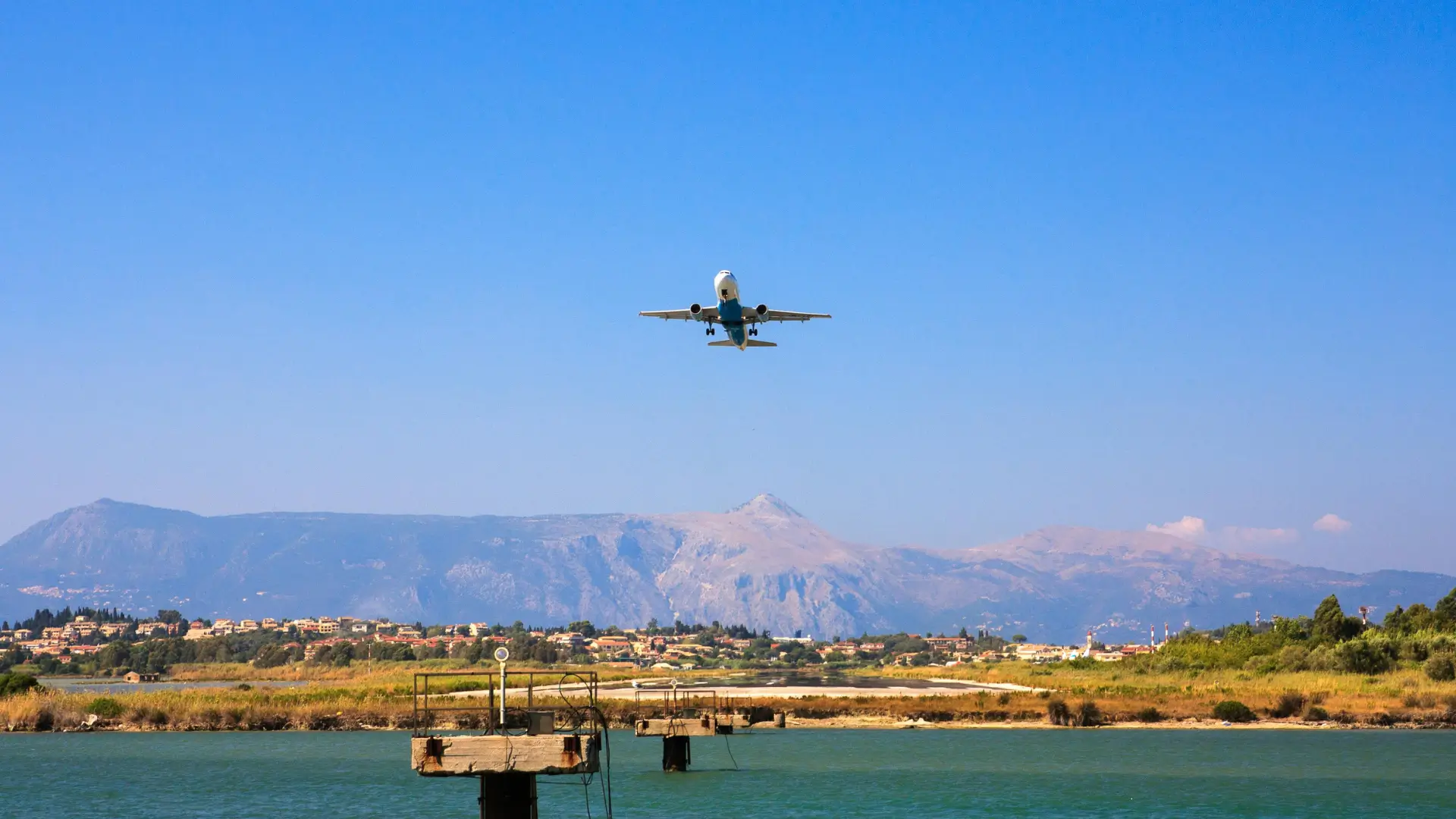
Your exact experience will depend on the airport, airline and destination. You may need to check in, drop off a bag, go through security and passport control, find your gate, and board your flight. This guide explains what to expect at each stage.
Before Your First Flight
Good preparation is one of the most useful first time flying tips, especially when the airport process is completely new to you. Start with your booking details and the documents you’ll need for the journey.
If you’re still planning your trip, knowing how to find cheap flights can help you compare fares, dates and airports before you book.
Read the Details on Your Booking
Your booking confirmation contains more than your flight time. Look for the departure airport, terminal and flight number. It will also show your baggage allowance and any check-in instructions.
Cities with more than one airport can be confusing on a first trip. The airport name or code on your booking tells you exactly where your flight departs from.
For international travel, you’ll also need to meet the entry requirements for your destination. Passport validity, visas, and other requirements depend on where you’re travelling and the passport you hold.
Understand Your Baggage Allowance
Airlines set their own baggage allowances, and these can vary by fare, cabin class and aircraft. Don’t use another airline’s rules as a guide for your flight.
Your booking should tell you what you’re allowed to bring as cabin baggage and checked baggage. The number of bags and the size and weight limits all matter.
Important documents, medication and valuables are best kept with you instead of in checked luggage.
For more help deciding what to bring on board, use my Carry-On Packing List for Stress-Free Travel to organise the essentials you’ll want with you during the journey.
Check In for Your Flight
Many airlines allow passengers to check in online before travelling to the airport. The exact opening time varies by airline. You can usually see when online check-in opens in the airline app.
Once you’ve checked in, you’ll usually receive a boarding pass. This may be available in the airline app, as a mobile boarding pass, or as a document you can print.
Don’t worry if online check-in isn’t available for your booking. You may be able to check in at an airline counter or kiosk at the airport.
Arriving at the Airport
Give yourself enough time to get through the airport without rushing. How early you need to arrive depends on the airport, airline, destination, and whether you’re checking luggage.
If you’re unsure when to arrive, how early you should arrive at the airport depends on several factors, including the type of flight and the airport you’re using.
Inside the terminal, the departure screens show your flight number and airline. They can also show the check-in area, gate and current flight status.
Check-In and Bag Drop
If you’ve already checked in online and you’re travelling with cabin baggage only, you may be able to continue towards security. The process varies by airport and destination.
Travelling with checked luggage usually means taking your bag to the airline’s bag-drop or check-in area. Your bag will be weighed and tagged before being sent through the airport’s baggage system.
Hold on to the baggage receipt or claim information you’re given. It can be useful if your bag is delayed or doesn’t arrive at your destination.
Going Through Airport Security
Security procedures vary between countries and airports. There isn’t one universal list of what you’ll need to remove from your bag or take off.
You’ll normally need to present your travel documents or boarding pass. Your belongings will also go through security screening. Signs and instructions from security staff will guide you through the process.
Rules for liquids, electronics, and other restricted items can also differ. For anything you’re unsure about in your cabin bag, use the official security guidance for your departure airport.
There’s no need to copy what the person in front of you is doing. Different screening lanes and airports can use different equipment and procedures.
Finding Your Gate
Once you’re through security and any required passport control, your flight will appear on the departure screens. The gate may already be listed, or it may be announced later.
Airport gates can be farther away than they look on a map. Once your gate appears, give yourself enough time to reach it instead of waiting elsewhere until boarding begins.
Departure screens are still worth watching after you’ve found your gate. Gate changes happen, and the screen or airline app can show an update before you hear an announcement.
Boarding Your First Flight
One of the first time flying tips that’s easy to overlook is that boarding starts before the departure time shown on your ticket. The departure time is when the flight is scheduled to leave, not when you should arrive at the gate.
Airlines may board passengers in groups, zones, or rows. Your boarding pass may show a group or zone, and staff at the gate will announce when it’s time for each group to board.
Your boarding pass and any required identification need to be ready when your group is called. From the gate, you may walk through a boarding bridge, take a bus to the aircraft or walk to the plane, depending on the airport.
Once you’re on board, use the seat number printed on your pass to find your seat. Cabin baggage usually goes in the overhead compartment or under the seat in front of you, subject to the airline’s rules and available space.
What to Expect on the Plane
Once you’re on board, there are a few things you can expect before and during the flight. The cabin crew will prepare everyone for departure, and you’ll notice different sounds and sensations as the plane takes off and travels through the air.
The Safety Demonstration
Once everyone has boarded, the cabin crew will prepare the aircraft for departure and give the safety demonstration.
It covers the location of exits and safety equipment on that aircraft, along with the instructions passengers need for the flight.
Take-Off and Ear Pressure
The aircraft will taxi from the gate to the runway before taking off. You may hear changes in engine noise and feel the aircraft accelerate before it leaves the ground.
Changes in pressure during the climb and descent can make your ears feel blocked. Swallowing, yawning or chewing can help equalise the pressure.
Turbulence During the Flight
Turbulence can make the aircraft move or shake during the flight. It doesn’t automatically mean anything is wrong with the plane.
It’s a good idea to leave your seat belt fastened whenever you’re seated, even when the seat belt sign is off. Unexpected turbulence can cause injuries when passengers aren’t restrained.
What Happens When You Land
After landing, the aircraft will taxi to its arrival gate or parking position. Passengers remain seated with their seat belts fastened until the crew says it’s safe to get up.
There’s usually no benefit in rushing into the aisle. Your phone, passport, and anything placed in the seat pocket or under the seat can be collected before you leave.
Signs after leaving the aircraft will direct you to the next part of your journey. This may be baggage claim, passport control, customs, a connecting flight or the exit.
Collecting Checked Luggage
If you checked a bag, signs for baggage claim or baggage reclaim will take you to the correct area. Airport screens normally show which carousel is being used for your flight.
Before leaving, compare the suitcase with your baggage tag or another identifying detail. Similar bags are easy to confuse, particularly when they’re the same brand or colour.
Report a missing or damaged checked bag to the airline before leaving the airport when possible.
Taking a Connecting Flight
A connection means you’ll take another flight before reaching your final destination. Your next steps depend on the airport, itinerary and countries involved.
After leaving the aircraft, follow the signs for Connections, Transfers or Flight Connections. You may need to go through security or passport control again, and in certain places you may have to collect and recheck your luggage.
Your baggage tag or airline staff can tell you whether your checked bag is going through to your final destination. This is particularly important when your itinerary involves different airlines.
Once you’re through the required formalities, the departure screens will show the gate and any updates for your next flight.
A Few Things That Make Your First Flight Easier
A few simple habits can make your first time at the airport easier to manage. They can also help you avoid rushing or searching for things when you need them.
Keep Important Items Within Reach
Your passport or ID, boarding pass, phone and other airport essentials are easier to manage when they’re within reach. This saves you from unpacking your suitcase every time you need a document.
Use Airport Signs
Airport signs remove the need to remember every step in advance. They direct passengers towards check-in, security, gates, baggage claim and connections.
Ask Airport Staff for Help
Airline and airport staff can point you in the right direction when you’re unsure where to go. Procedures differ between airports, and there’s no need to work everything out on your own.
Allow Extra Time
Extra time can make a first flight much less stressful. It gives you room to deal with an unfamiliar terminal, a long security queue or a gate that’s farther away than expected.
Your First Flight
The airport can feel a little confusing when you’re flying for the first time. Once you’ve checked in and gone through security, though, it’s mostly a matter of finding your gate, boarding your flight and following the signs when you arrive.
I hope these first time flying tips have given you a better idea of what your first flight will be like.
Give yourself plenty of time, keep your travel documents handy and don’t be afraid to ask airport staff for help when you need it.

I love exploring new places and sharing the travel tips, food finds, and experiences that help you plan your next adventure.
Join the
Journey
Sign up for new itineraries, travel notes, and practical guides to help you explore the places I love most.
I love exploring new places and sharing the travel tips, food finds, and experiences that help you plan your next adventure.
Join the
Journey
Sign up for new itineraries, travel notes, and practical guides to help you explore the places I love most.
