A Travel Guide to Tunisia with a Detailed Itinerary
If there’s one thing I’ve learned from years of exploring a world of flavours and cultures, it’s that travel works best when curiosity leads the way. Tunisia is a country that rewards that approach.
Set between the Mediterranean Sea and the Sahara Desert, Tunisia brings together history, daily life, and landscape in a way that feels balanced and lived in.
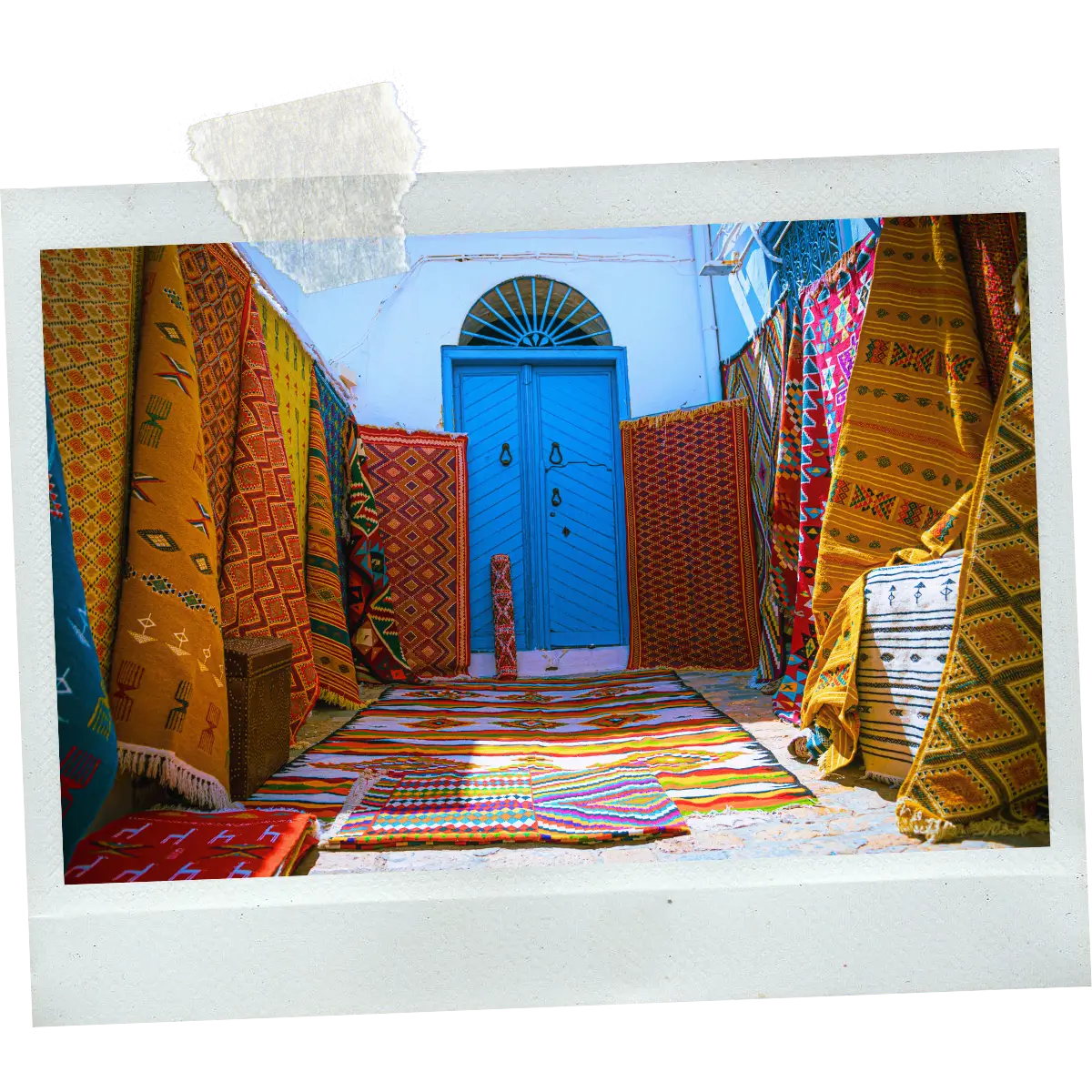
Roman ruins sit alongside neighbourhoods that are very much part of modern life. Markets are functional rather than performative. Food is generous, practical, and rooted in tradition. It’s a place where travel feels grounded and easy to navigate once you arrive.
Why Visit Tunisia
Tunisia offers a surprising amount of variety within a relatively small country. Coastal towns, historic cities, archaeological sites, and desert landscapes can all be reached without spending endless hours on the road. This makes it ideal for travellers who want a mix of culture, history, food, and nature without constantly changing hotels.
There is also a strong connection between past and present. Many historic sites exist within everyday settings rather than as isolated attractions.
Combined with a rich food culture and a generally welcoming attitude toward visitors, Tunisia feels accessible without feeling overly polished.
Local Life and Traditions
Tunisia reflects centuries of Mediterranean, Arab, and North African influence. This shows up in architecture, language, food, and customs. Cities blend historic quarters with modern districts, and daily life centres around cafés, markets, and shared meals.
For travellers familiar with other parts of Africa, Tunisia offers a different rhythm of travel, with shorter distances and easier transitions between regions.
Travellers who take time to observe local routines, dress thoughtfully, and approach interactions with patience often find conversations come easily.
I love exploring new places and sharing the travel tips, food finds, and experiences that help you plan your next adventure.
Join the Journey
Sign up for new itineraries, travel notes, and practical guides to help you explore the places I love most.
What to Pack
Best Time to Visit Tunisia
Tunisia is easiest to travel when temperatures are mild and days feel comfortable, which usually falls in spring and autumn. These months suit moving between cities, historical sites, and regions without needing to plan around heat.
The summer months work best along the coast, where beach time and sea breezes make higher temperatures more manageable. Inland areas and the south can be intense, so days tend to revolve around early starts and slower afternoons.
Tunisia at a Glance

Language
Arabic is the official language. French is widely spoken, especially in cities. English is increasingly understood in tourist areas.

Currency and Costs
Tunisian Dinar (TND). Approximate rate: 1 USD ≈ 3.1 TND. Daily costs are generally good value compared with Europe, Australia, and North America.

Payments
Visa and Mastercard accepted in many hotels, restaurants, and larger shops. Cash is commonly used for markets, taxis, and small businesses.

Tipping
Not obligatory but appreciated. Around 5 to 10% in restaurants is common if service is not included. Small tips for drivers and hotel staff are customary.

Safety
Generally welcoming for visitors. Stay aware of surroundings, avoid demonstrations, and take care in busy areas. Guided visits can be helpful for first-time travellers.

Connectivity
Reliable mobile coverage in cities and towns. Free Wi-Fi common in hotels, cafés, and restaurants. Local SIM cards are easy to purchase and affordable.
A Detailed Tunisia Itinerary
Day 1: Arrival in Tunis
Suggested Stay: Boutique or small hotel in central Tunis
Base: Tunis city centre
Day 2: Exploring Tunis and the Medina
Suggested Stay: Same hotel in Tunis
Base: Tunis city centre
Highlights
- Tunis Medina
Day 3: Carthage and Sidi Bou Said
Suggested Stay: Same hotel in Tunis
Highlights
- Carthage
- Sidi Bou Said
Day 4: Dougga Day Trip
Base: Tunis
Highlights
- Dougga Roman ruins
Day 5: Tunis to El Djem via Kairouan
Travel south toward El Djem, stopping in Kairouan along the way. Time here allows for a walk through the historic centre before continuing onward.
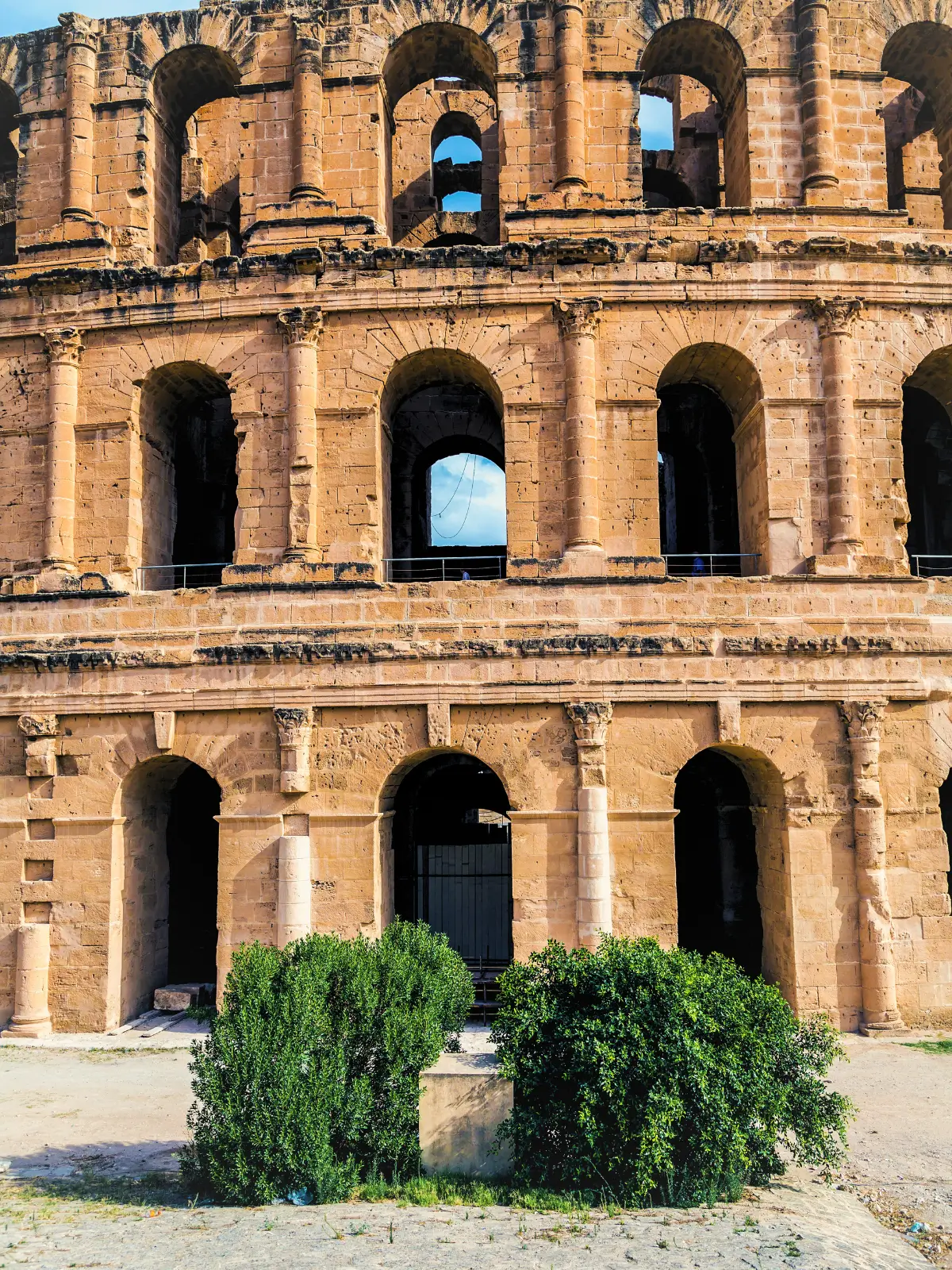
Arriving in El Djem in the afternoon leaves time to explore the amphitheatre and the surrounding area.
Suggested Stay: Guesthouse or small hotel near El Djem
Route: Tunis to El Djem
Highlights
- Kairouan
- El Djem Amphitheatre
Day 6: El Djem to Douz
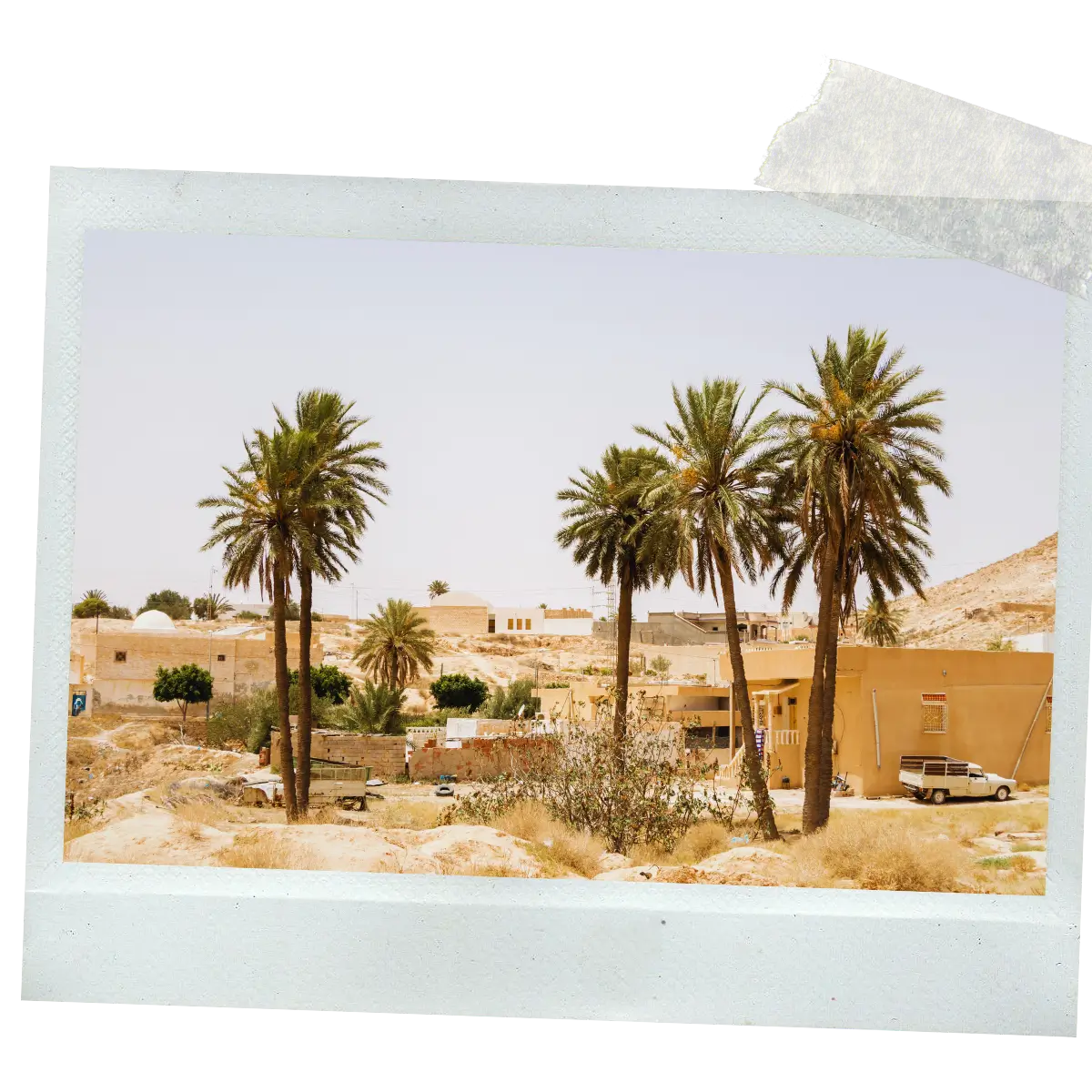
Continue south as the landscape gradually shifts and becomes more open and arid. Arrive in Douz, often described as the gateway to the Sahara, in the afternoon.
This is a good place to slow down and prepare for time in the desert.
Suggested Stay: Desert lodge or hotel near Douz
Route: El Djem to Douz
Highlights
- Gateway to the Sahara
Day 7: Douz to Ksar Ghilane
Travel deeper into the desert toward the oasis of Ksar Ghilane. Outdoor activities are best planned for the cooler parts of the day.
Suggested Stay: Desert camp or lodge near Ksar Ghilane
Route: Douz to Ksar Ghilane
Highlights
- Sahara oasis
Day 8: Ksar Ghilane to the Coast
After a morning in the desert, begin the longer drive north toward the coast. This travel day highlights the contrast between Tunisia’s desert landscapes and its Mediterranean shoreline.
Suggested Stay: Coastal hotel or guesthouse
Route: Ksar Ghilane to the coast
Highlights
- Desert to sea transition
Day 9: Coastal Town Exploration (Sousse or Hammamet)
Spend the day at a slower pace by the sea. Coastal towns are ideal for walking, swimming, and enjoying relaxed meals, particularly seafood.
Base: Mediterranean coastal town
Highlights
- Time by the Mediterranean
Day 10: Return to Tunis and Departure
Travel back to Tunis for departure. Depending on flight timing, there may be time for final shopping, a last café visit, or a short walk before heading to the airport.
Route: Coastal town to Tunis Airport
Things to Know Before Visiting Tunisia
1. Plan a Realistic Route
Tunisia is relatively compact, but travel times can still add up, especially when combining coastal areas, inland archaeological sites, and the desert. Roads are generally manageable, but distances increase noticeably in the south. It helps to plan your route carefully and avoid frequent backtracking.
2. Expect a Slower Pace Outside Major Cities
Once you leave Tunis and larger coastal towns, daily life moves at a slower rhythm. Shops may close in the afternoon, meals take time, and schedules are often flexible.
Building extra time into your plans makes travel more comfortable and avoids frustration.
3. Dress Thoughtfully in Public Spaces
Tunisia is accustomed to visitors, but it remains culturally conservative in many areas. In cities and beach resorts, dress is relaxed. In medinas, rural towns, and religious sites, more modest clothing is appreciated.
Light layers that cover shoulders and knees are practical and respectful.
4. Cash Is Still Important
While cards are accepted in many hotels and larger restaurants, cash is widely used for taxis, markets, cafés, and smaller shops. ATMs are common in cities, but less so in rural areas. Carrying small amounts of dinar makes everyday transactions easier.
5. Heat Can Shape Your Day
6. Guided Visits Can Add Valuable Context
How to Get There
Flights to Tunisia
Airport Transfers
Ride-hailing services operate in Tunis and can be useful for city transfers, particularly if you arrive late or want a fixed price upfront.
What to Expect
ATMs Are Not Everywhere
Driving Gives the Most Flexibility
Signage Can Be Limited
Greetings Are Part of Everyday Life
Travellers Are Noticeable
Getting Around Tunisia
Taxis and Ride-Hailing
Taxis are widely available in cities and towns and are an efficient way to move around locally. In Tunis and some larger cities, ride-hailing services are also available and can be convenient for airport transfers or travelling between neighbourhoods.
Fares are usually affordable, but it helps to confirm pricing before longer journeys, especially outside city centres.
Trains and Shared Transport
Trains connect Tunis with several major cities, particularly along the coast and in the north. They are a practical option for certain routes, though services can be slower and less frequent than expected.
Shared transport between towns is common and widely used by locals. It is cost-effective but requires some flexibility with timing, as departures often depend on demand rather than strict schedules.
Guided Tours and Private Drivers
For desert travel, archaeological sites outside urban areas, or trips with limited time, guided tours or private drivers can simplify logistics. These options make longer distances easier to manage and allow for flexible stops along the way.
They are especially useful for first-time visitors or anyone travelling south, where planning and distances become more important.
Car Hire
Car hire is available in major cities and at airports. It can be a good option for travellers who are comfortable driving and want full control over their route.
For shorter trips focused on cities, historic sites, and the desert, many travellers find that taxis, drivers, or organised transport are more practical than self-driving.
Join the Journey
Sign up for new itineraries, travel notes, and practical guides to help you explore the places I love most.
I love exploring new places and sharing the travel tips, food finds, and experiences that help you plan your next adventure.