
Things to Do in Peso da Régua: What to See and How to Plan Your Visit
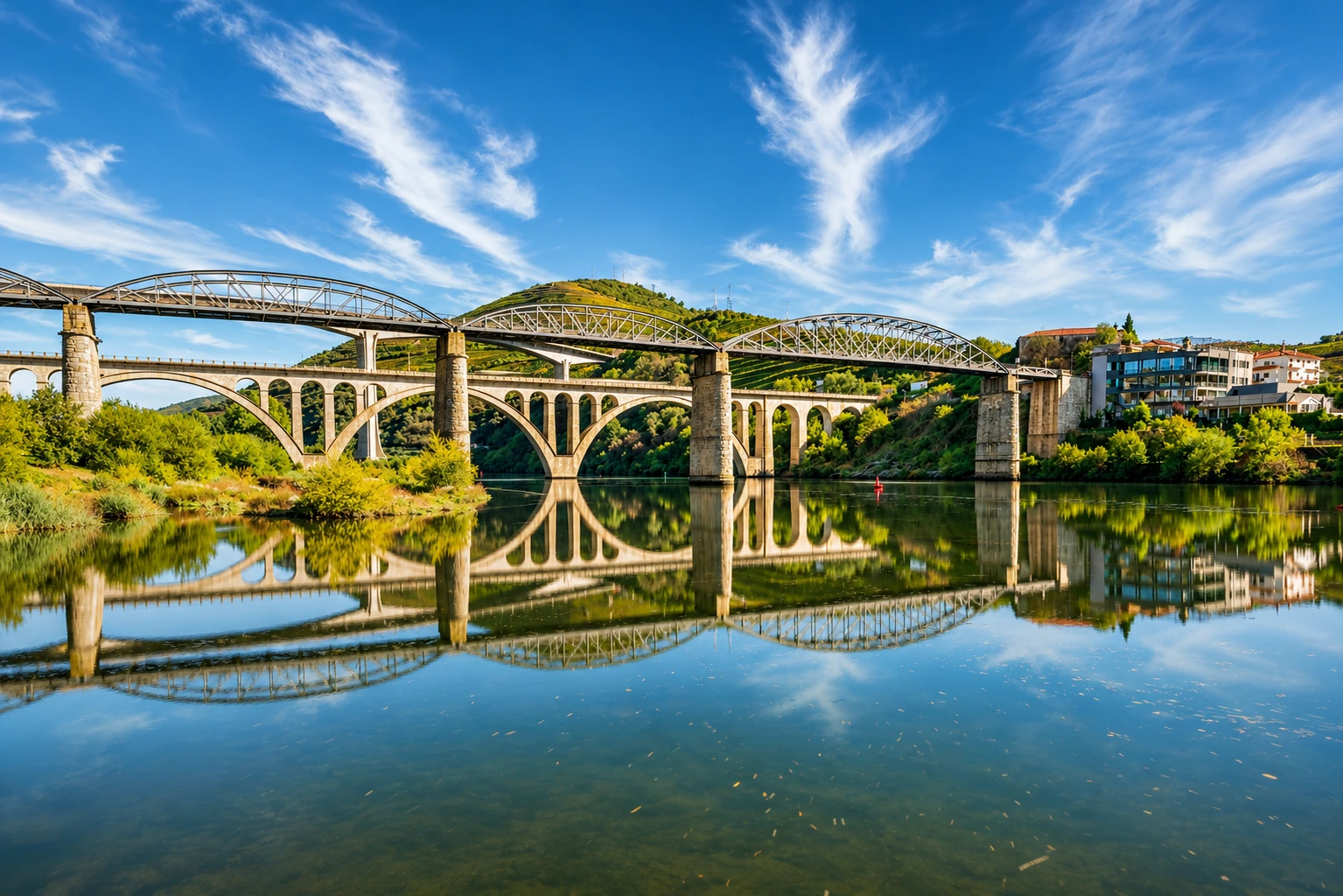
Peso da Régua, usually called Régua, is one of the Douro Valley’s main riverside towns and an important part of its wine-growing history. It may not have the small-village atmosphere of Pinhão, but it offers something different: a fascinating museum, a pleasant riverfront and a useful base for exploring nearby vineyards and viewpoints.
If you’re visiting without a car, you can concentrate on the museum, the river and the historic bridge. With a car or an arranged transfer, you can add a wine estate or one of the panoramic viewpoints above the valley. The key is knowing what you can explore in town and what needs a separate journey.
Peso da Régua at a Glance
History
Best for culture
The Douro Museum and the town’s wine-trading heritage.
Town walks
Easy to explore on foot
The waterfront promenade and Ponte Metálica.
Wine
Arrange transport
Pre-book an estate tasting near Régua rather than assuming it is walkable.
Views
Outside the centre
Santo António and São Leonardo de Galafura reward a separate outing.
Travelling without a car?
Plan around central Régua first. A winery, elevated viewpoint or longer cruise needs its own transport and timing arrangements.
Things to Do in Peso da Régua Town
1. Douro Museum
A rewarding first stop
If you visit only one attraction in Régua, I’d make it the Douro Museum (Museu do Douro). Housed in a restored historic building, the museum introduces the landscape, people and traditions that shaped the Douro wine region.
Its permanent exhibition, Douro: Matéria e Espírito, explains how the valley’s geography and centuries of work turned steep hillsides into one of Portugal’s most recognisable wine landscapes. It’s a particularly useful first stop if you’re heading to a vineyard later, because the terraced slopes become more meaningful once you understand how they developed.
The museum also hosts changing exhibitions. There is a wine bar and a garden terrace overlooking the river, making it easy to combine a cultural visit with a relaxed break. Check the museum’s official website for current admission details and visitor information.
2. Douro Riverfront
For a leisurely stroll
Régua’s Cais da Régua and riverside promenade are ideal for slowing down between sightseeing stops. Follow the waterfront, watch the boats on the river and enjoy views towards the hills on the opposite bank.
Allow time for photographs, a coffee or simply somewhere to sit and enjoy the surroundings. The waterfront is also a useful place to get your bearings after arriving at Régua station.
If you’re considering a boat excursion, this is a natural area to start looking, but don’t assume every cruise departs from the same quay. Check the operator’s exact meeting point and return arrangements before booking.
3. Ponte Metálica
Historic pedestrian bridge
The Ponte Metálica, also known as the D. Luís bridge, is one of Régua’s most distinctive landmarks. Originally built in the nineteenth century for road traffic, the iron bridge was later restored for pedestrian use.
It’s worth including on a riverfront walk for its structure and the views across the Douro. Pause for views back towards town, then continue at your own pace. Follow local signage and any access restrictions.
4. Casa do Douro
A reminder of wine history
Long before today’s river cruises and vineyard tours, Régua was an important centre for the organisation and trade of Douro wine, especially after the region’s formal demarcation in the eighteenth century.
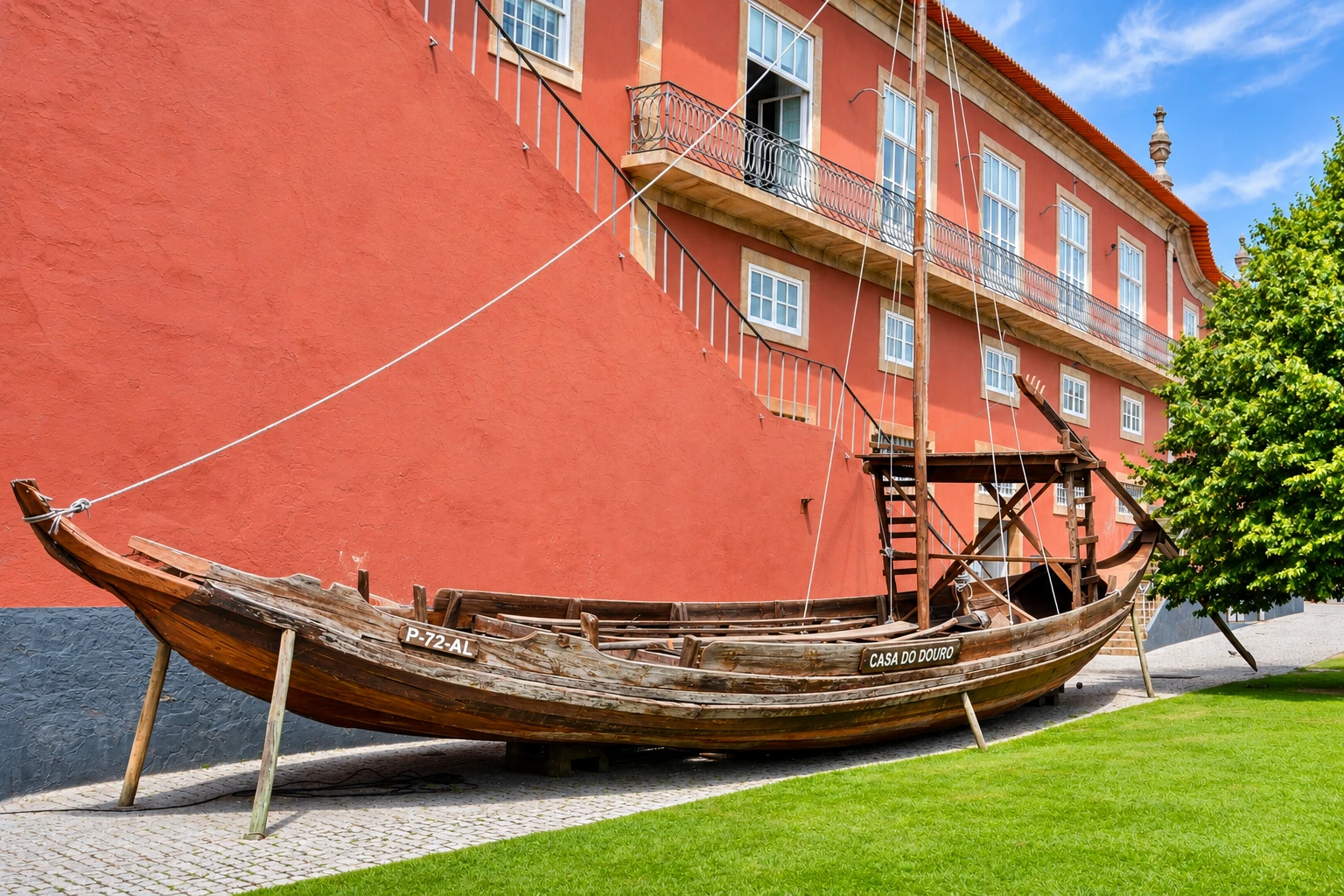
Look out for the Casa do Douro, whose history is linked to the region’s winegrowers. It’s worth noticing as you explore, but don’t plan to go inside unless you can confirm that public visits are available.
For a fuller introduction to the town’s history, choose the Douro Museum rather than filling your day with minor monuments.
Wine Experiences Near Régua
A quinta visit can be a highlight, but near Régua doesn’t necessarily mean within walking distance of the station. Choose an estate, book your visit and plan your transport before organising the rest of the day.
5. Quinta do Vallado
Near the River Corgo
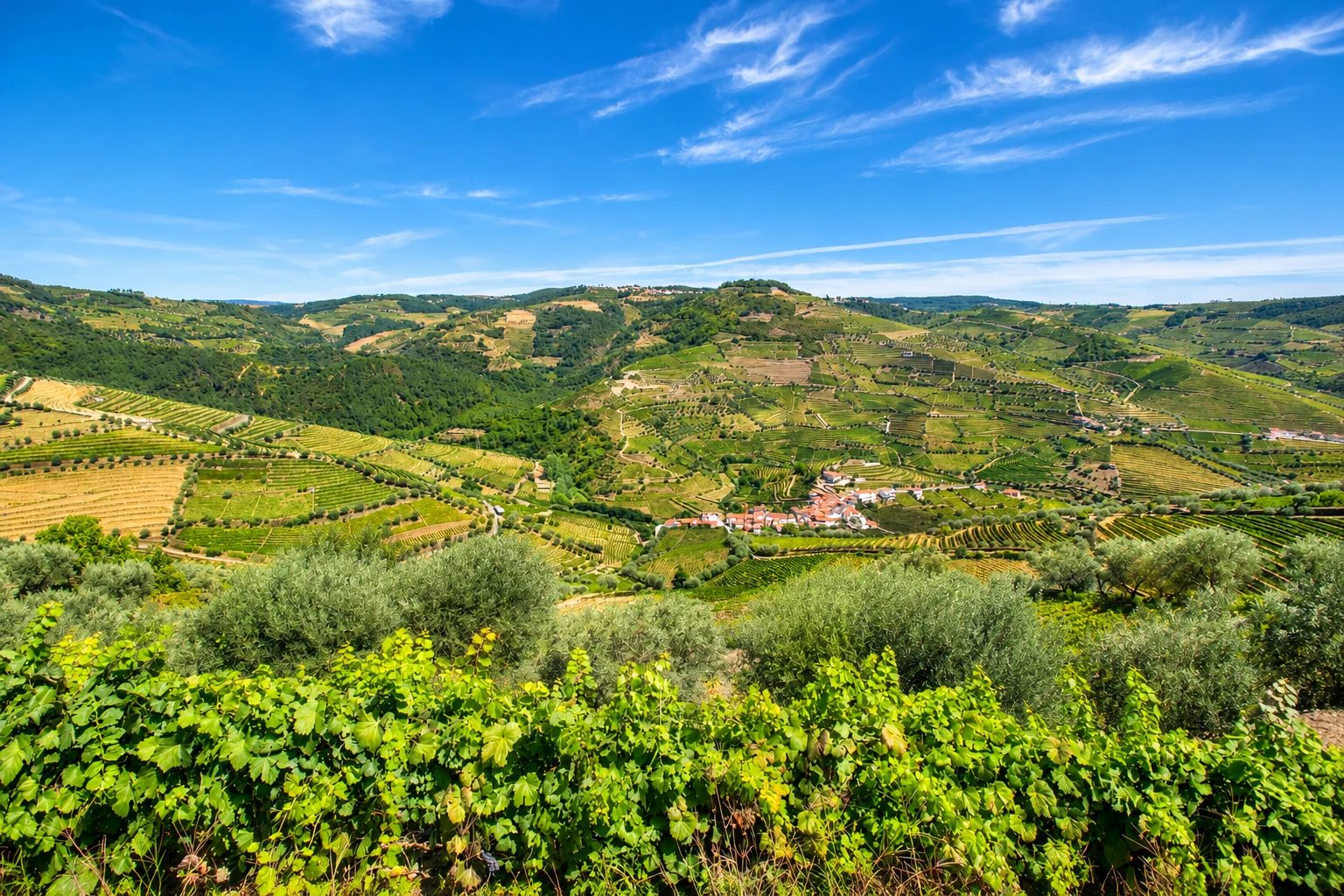
Quinta do Vallado lies near Régua by the River Corgo, a tributary of the Douro. This historic estate offers the chance to discover a working wine property through visits and tastings, rather than only sampling wine in town.
Consider it if learning about winemaking is a priority. Check the estate’s current experiences, book ahead and arrange your return journey; it isn’t part of a central Régua walking route.
6. Quinta da Pacheca
Across the river in Cambres
Quinta da Pacheca is another well-known estate near Régua, but there’s an important geographical detail: it is in Cambres, in the municipality of Lamego, across the river from the town.
The estate offers bookable winery visits and tastings, including for people who aren’t overnight guests, subject to availability. Allow time for the journey across the river and check the estate’s booking options before arranging transport.
Scenic Viewpoints Outside the Town Centre
For wide valley panoramas, head above the riverside town. These viewpoints are separate excursions, not stops on a central walking route.
7. Santo António
Above Régua, in Loureiro
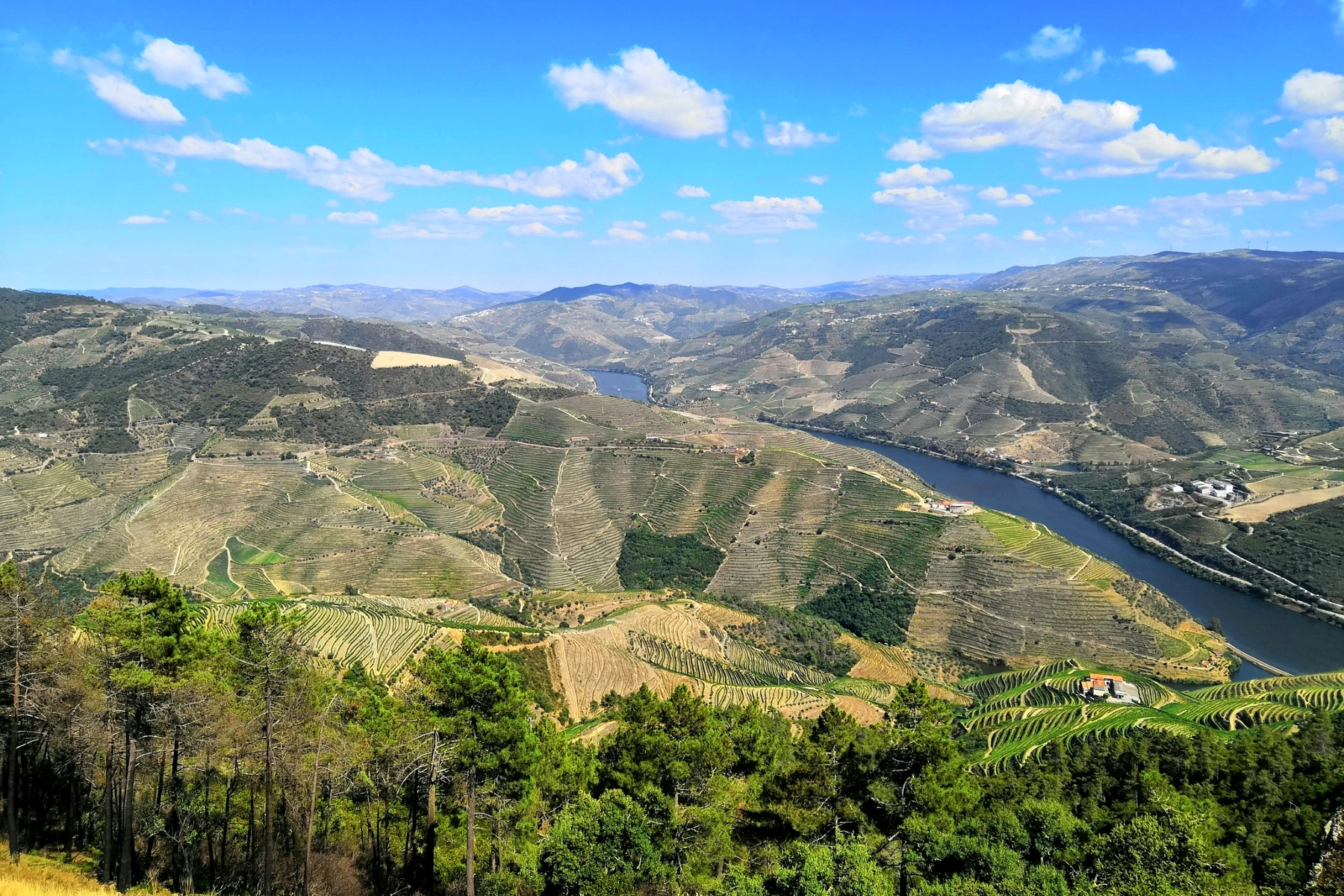
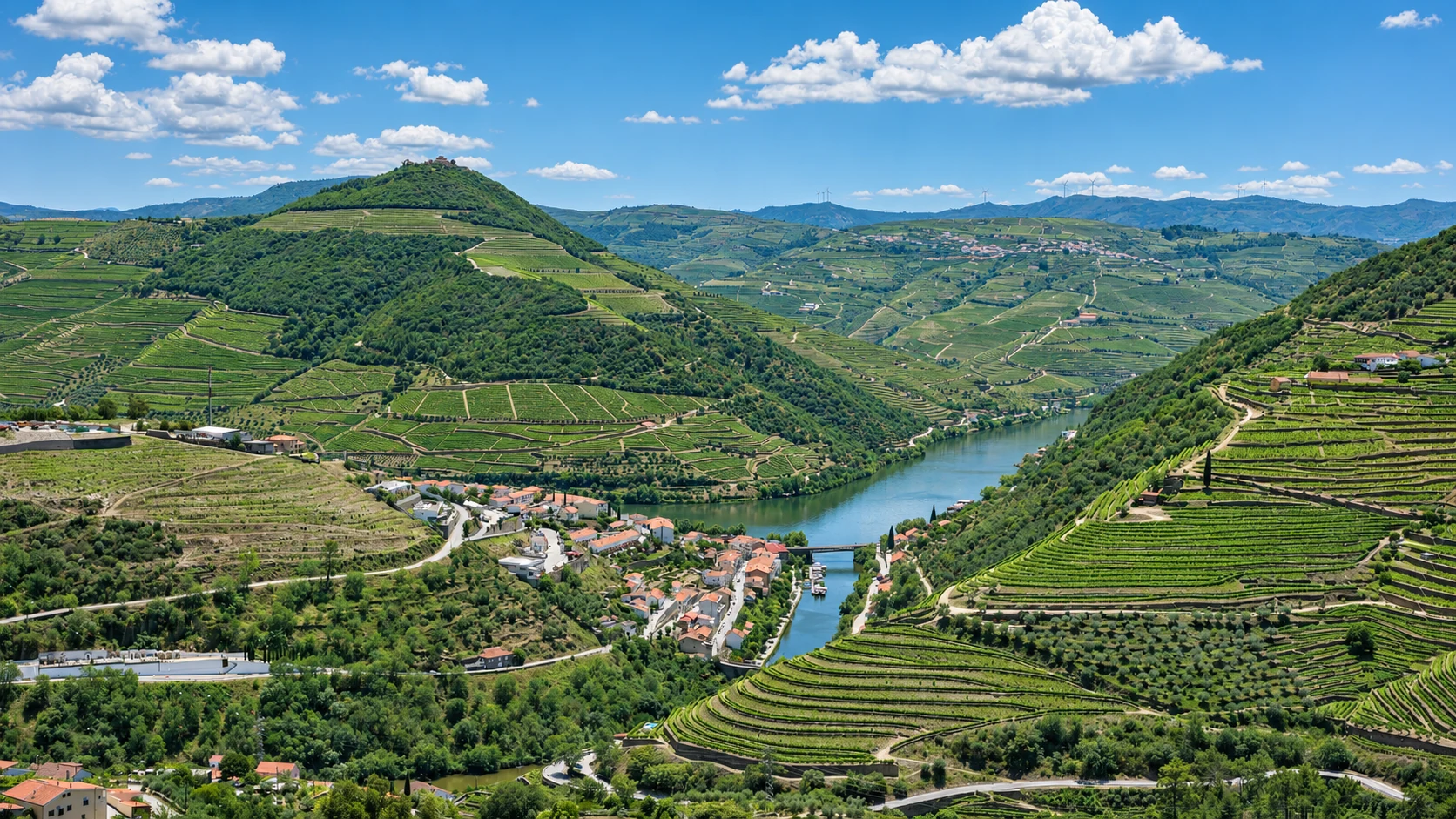
In Loureiro, the Miradouro de Santo António looks down over Peso da Régua, the Douro and its bridges. It’s a good way to appreciate how the town fits into the surrounding vineyard landscape.
Although it belongs to the Régua municipality, the viewpoint sits above town. Plan to reach it by car or arrange a transfer rather than assuming it’s part of a casual riverfront walk.
8. São Leonardo de Galafura
A broad valley panorama
São Leonardo de Galafura is one of the Douro’s celebrated panoramic viewpoints, with broad views over the river and the surrounding hills. The Portuguese writer Miguel Torga wrote evocatively about this landscape, and an inscription at the viewpoint recalls his connection to the place.
It’s a beautiful addition to a scenic drive, but it is well outside central Régua. If you’re visiting only for a few hours without a car, I’d leave it for another trip rather than spend much of your limited time arranging transfers.
A Slower Way to Explore the Douro
Take the scenic route
Régua is best explored at a pace that leaves room for an unplanned pause beside the river. You do not need to fit every viewpoint and winery into the same visit.
Travelling without a car? Stay with the town sights.
Have transport arranged? Choose one vineyard or scenic stop to make the outing feel special.
How Much Time Do You Need in Peso da Régua?
A relaxed half-day
Without a car
Start with the Douro Museum, then wander down towards the riverside and the Ponte Metálica. Leave some time for a drink or lunch rather than rushing from one stop to the next. This gives you a meaningful introduction to Régua without depending on transport beyond the centre.
A fuller day
With transport arranged
Explore the museum and waterfront, then choose one additional outing: a pre-booked winery visit or a panoramic viewpoint. A car offers flexibility; for one rural stop, a pre-arranged taxi and return journey may be enough. If you’re taking a longer river cruise, plan the day around the cruise first, rather than treating it as an add-on to this itinerary.
Avoid combining multiple wineries and viewpoints in one day: transfers and reservations soon take over the itinerary.
Practical Planning for Régua
Should you take a cruise?
Choose the river journey first
Régua is an established starting or stopping point for Douro river excursions, ranging from shorter outings to longer itineraries. A cruise can be a lovely way to experience the valley from the water, but it’s not something I’d automatically add to every Régua visit.
If your main goal is to explore the town, a museum visit and waterfront walk may be enough. If the river journey is the highlight, choose the cruise first and build the rest of the day around its departure and arrival points. Some itineraries combine boats and other transport, so always check the full route, not just the advertised destination.
For a closer comparison, see my guide to Douro River cruises: short boat trip or full day.
Getting to Régua
Train, car or taxi
Régua is on the Douro Line, which connects the valley with Porto, but rail services and replacement transport can change because of engineering works. Before travelling, check the current arrangements on CP’s official Douro Line page, especially if you’re planning a day trip from Porto.
Once in Régua, central sightseeing is relatively straightforward to organise on foot. Winery estates, elevated viewpoints and places outside town require more careful planning. If you’re arriving by car, confirm parking at your chosen attraction. If you’re using taxis, consider arranging the return journey in advance, particularly for rural locations.
Planning a visit from Porto?
For general planning, my Douro Valley train guide explains the route and main stops, while Douro Valley without a car helps you decide what works without driving.
For the bigger picture, see how to visit the Douro Valley from Porto.
Is Peso da Régua Worth Visiting?
Yes, if you enjoy regional history, wine culture and quieter riverside towns. Régua is especially worthwhile if the Douro Museum interests you or you’re using the town as a base for a nearby quinta or scenic drive.
If you have only one day in the valley and want the most postcard-like setting with vineyard views close to the station, Pinhão may be the stronger choice. Régua feels more like a working town, but that’s part of its interest: it gives you a different perspective on the people and trade behind the Douro’s famous wines.
The best plan is a simple one. Enjoy the museum and riverfront if you’re staying in town, then add a wine estate or viewpoint only when you have the time and transport to do it comfortably.
For more ideas elsewhere in the valley, continue with my Pinhão Travel Guide or the broader Douro Valley Travel Guide.

I love exploring new places and sharing the travel tips, food finds, and experiences that help you plan your next adventure.
Related Posts
Personalised travel planning
Bring Your Travel Plans Together
Share your plans and get personalised guidance to help turn them into a trip that feels right for you.
