Douro Valley Without a Car: How to Explore by Train, Boat & Taxi
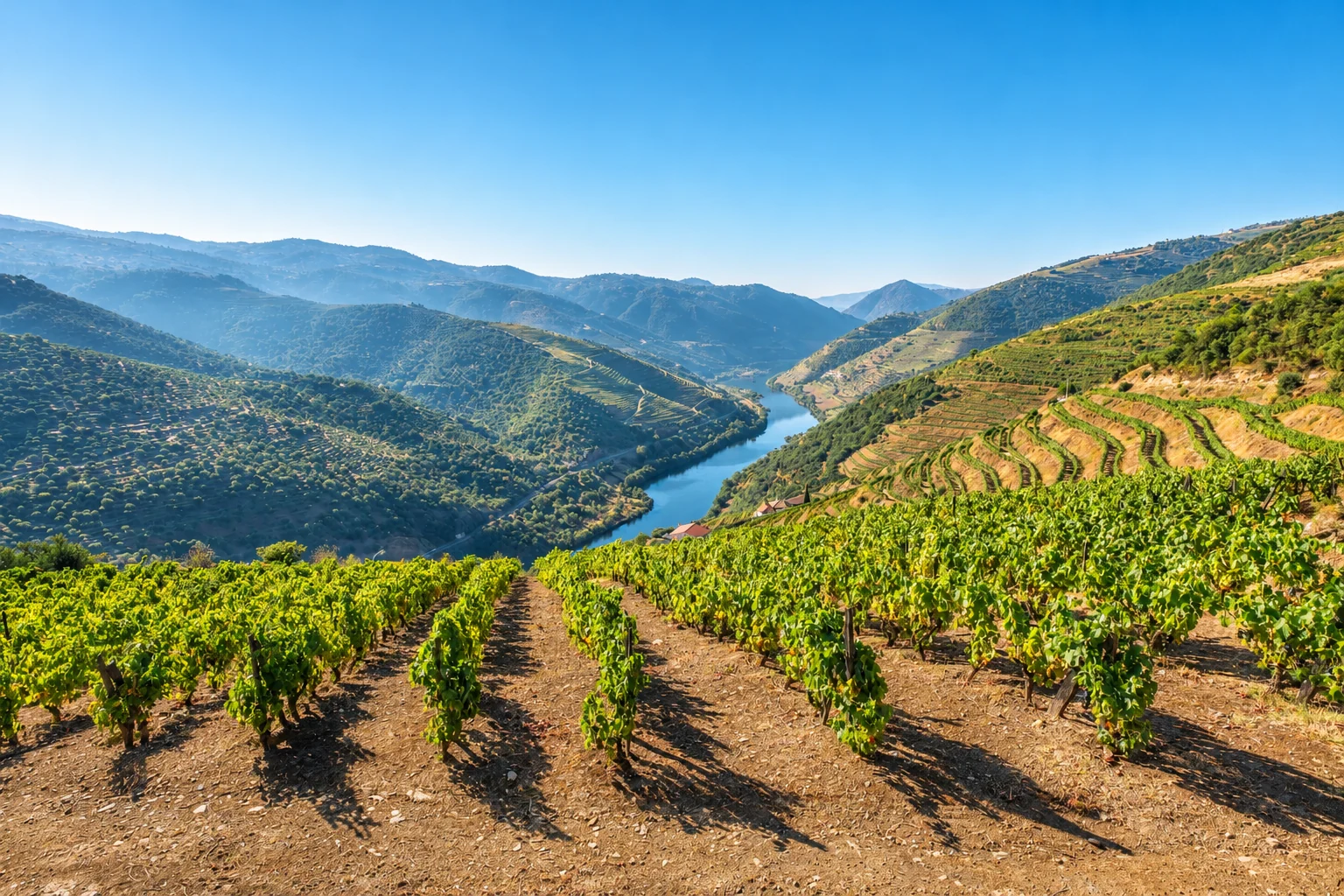
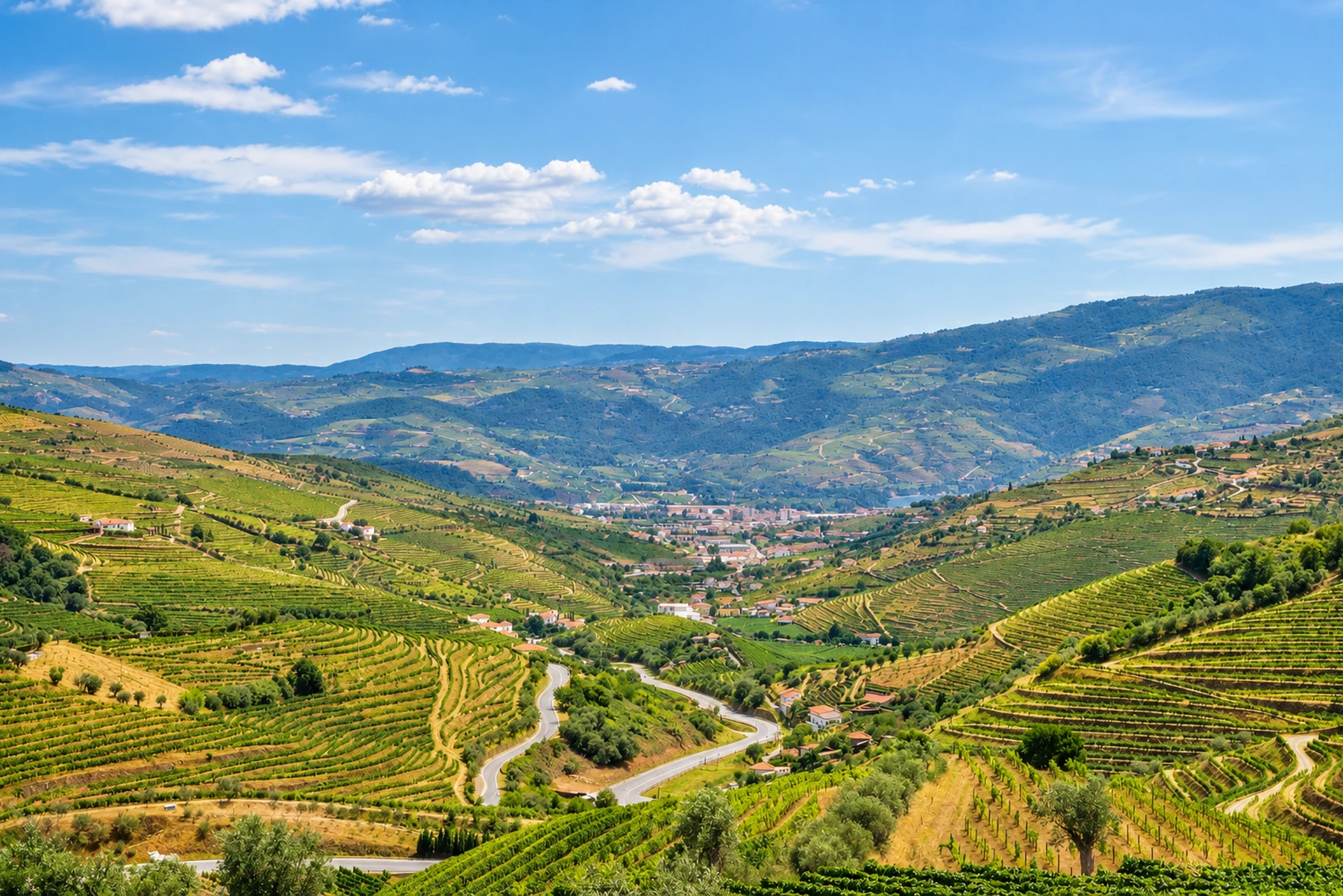
Yes, you can visit the Douro Valley without a car, and you can still enjoy the things that make it special: terraced vineyards, riverside villages, a boat trip and a wine tasting. The trick is choosing the right base and keeping the distances between activities realistic.
The Douro looks compact on a map, but many quintas and viewpoints sit high above the river on winding roads. The train is useful for reaching the valley, not for getting to every winery. For a relaxed independent trip, I’d plan around Pinhão, with one carefully chosen tasting, a short cruise and a taxi only if you really need one.
Railway update (9 November 2026): CP has suspended train services between Marco de Canaveses and Régua from 3 November 2026 to 24 March 2027. Replacement buses include direct services between Caíde and Régua and stopping services between Marco de Canaveses and Régua, so allow extra time for connections. CP states that its replacement buses cannot carry wheelchairs, bicycles or scooters. Check CP’s official Douro Line notice and revised connections before scheduling your day.
Can you really explore the Douro Valley without a car?
Yes, especially if you stay in Pinhão or Peso da Régua. Both towns are served by the Douro Line, and both have places you can reach on foot. Pinhão is particularly appealing if your priority is vineyard scenery and a short cruise.
The challenge comes when you try to combine remote viewpoints and several hillside wineries in one day. Local road transfers are best arranged before arrival.
Where should you stay: Pinhão or Régua?
Pinhão
Best for scenery and an unhurried stay
Walk the station, riverfront and village, and choose a nearby quinta. You will find fewer services, and hillside estates may require a transfer.
Peso da Régua
Best for town facilities and convenience
A larger base with the Douro Museum and practical transport connections. Explore the centre on foot; allow for transfers farther away.
Manu’s take: For a first car-free visit focused on scenery, I’d choose Pinhão. If convenience or a museum visit matters more, Régua is a good alternative. Whichever you choose, look for accommodation within comfortable walking distance of the station, especially with luggage.
How to get around the Douro Valley without driving
Train
Best for reaching the valley
Travel between Porto, Régua and Pinhão; check your connections.
Boat
A river experience, not everyday transport between wineries.
Walking
Explore Pinhão and central Régua; beware of steep access roads.
Taxi / transfer
Best for a specific hillside visit
Arrange the outward and return legs before you travel.
By train
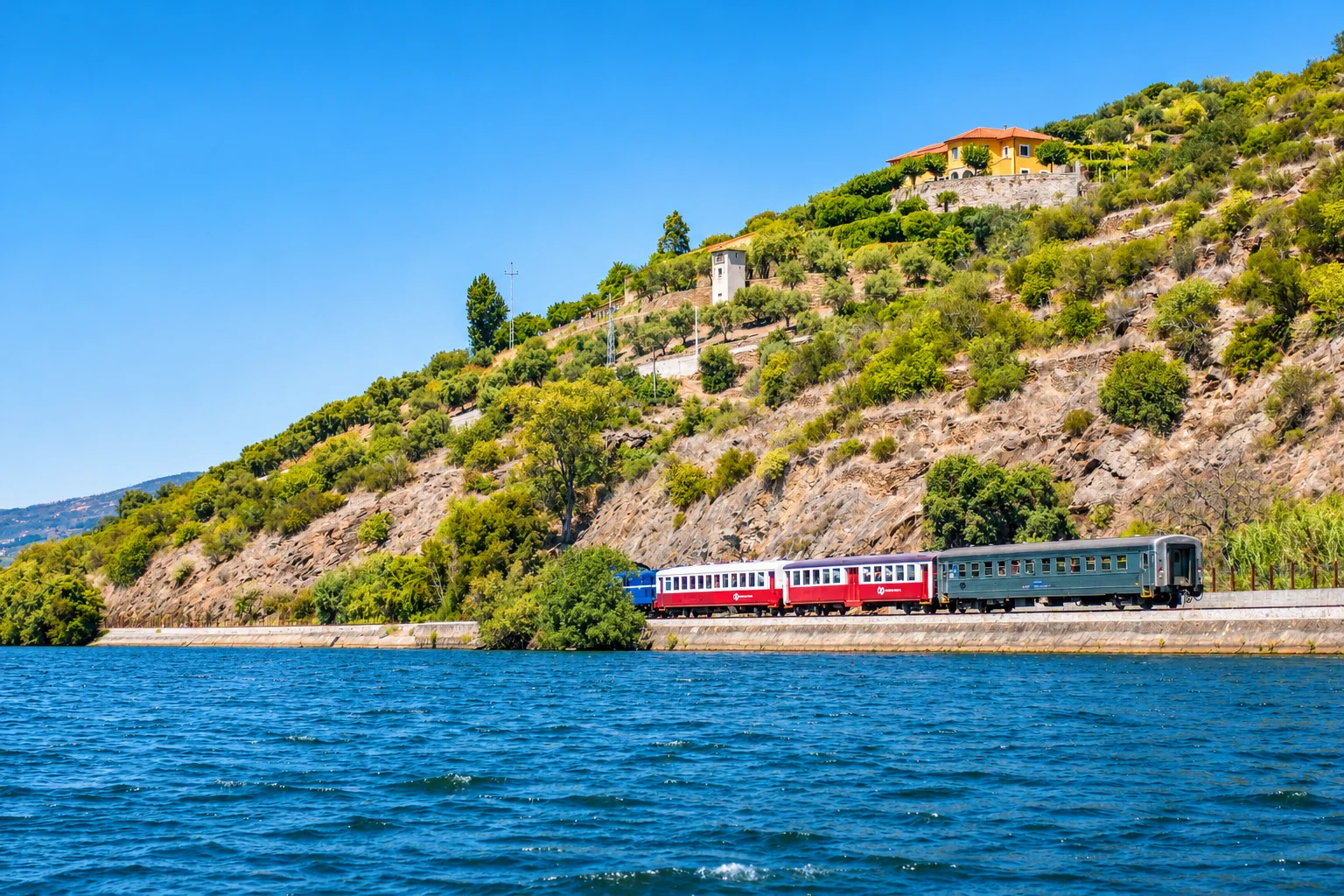
The Douro Line connects Porto with Régua, Pinhão and places farther upriver. The timetable determines how much time you have in the valley, so check the entire journey, including your return, before committing to a cruise or winery visit. Services and temporary transport arrangements can change. My Douro Valley Train guide explains stations, tickets and scenic stretches in detail.
On foot, including wineries
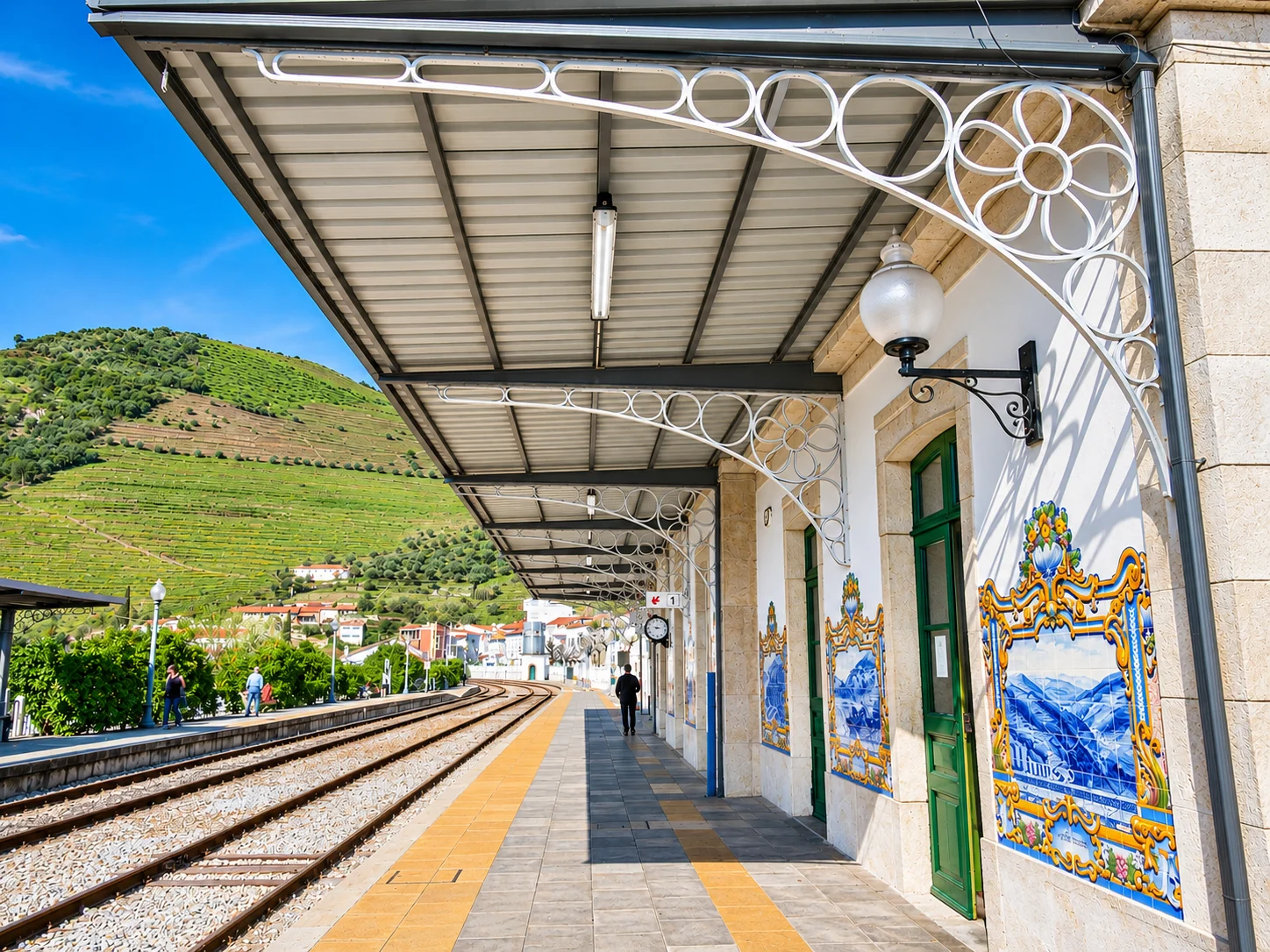
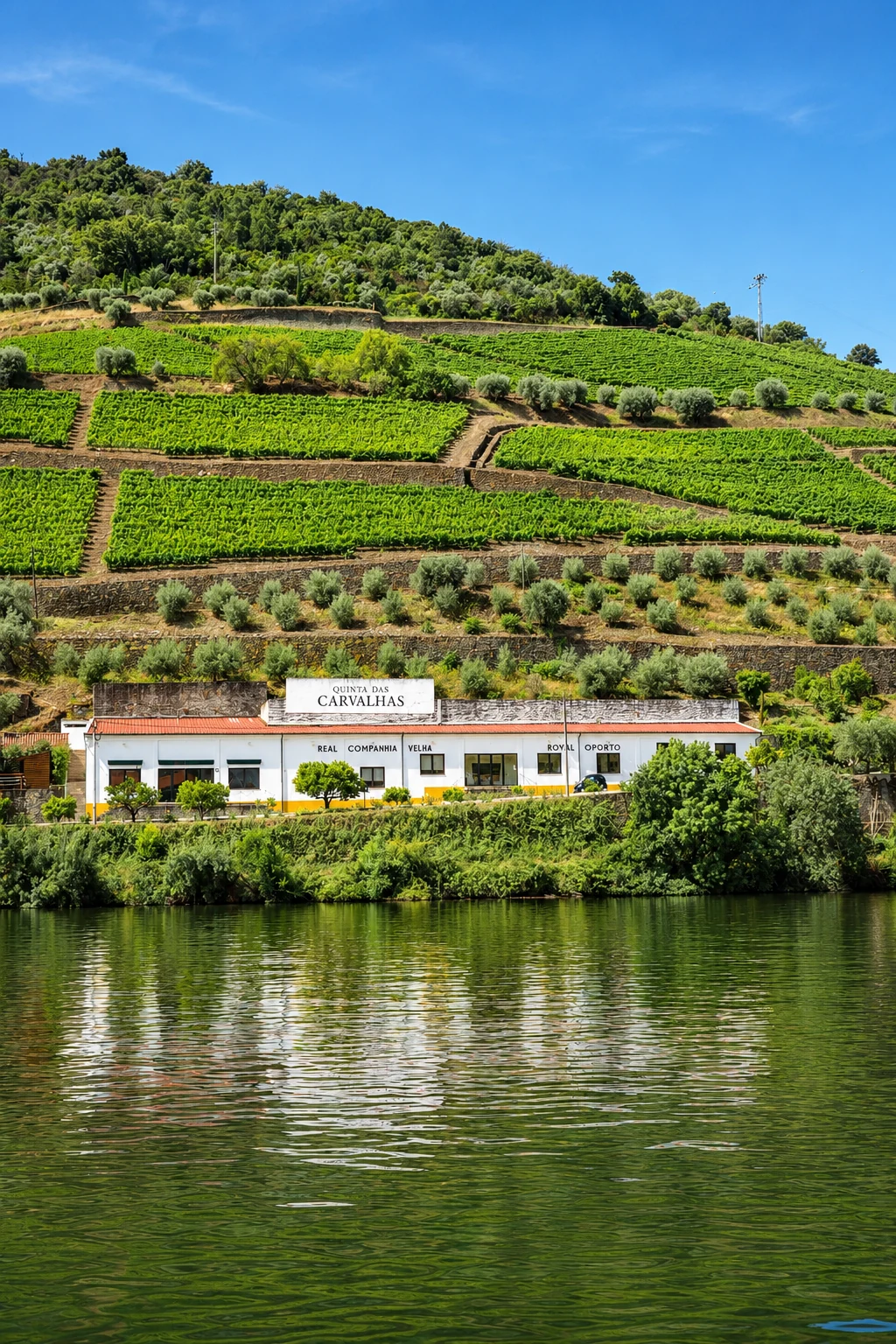
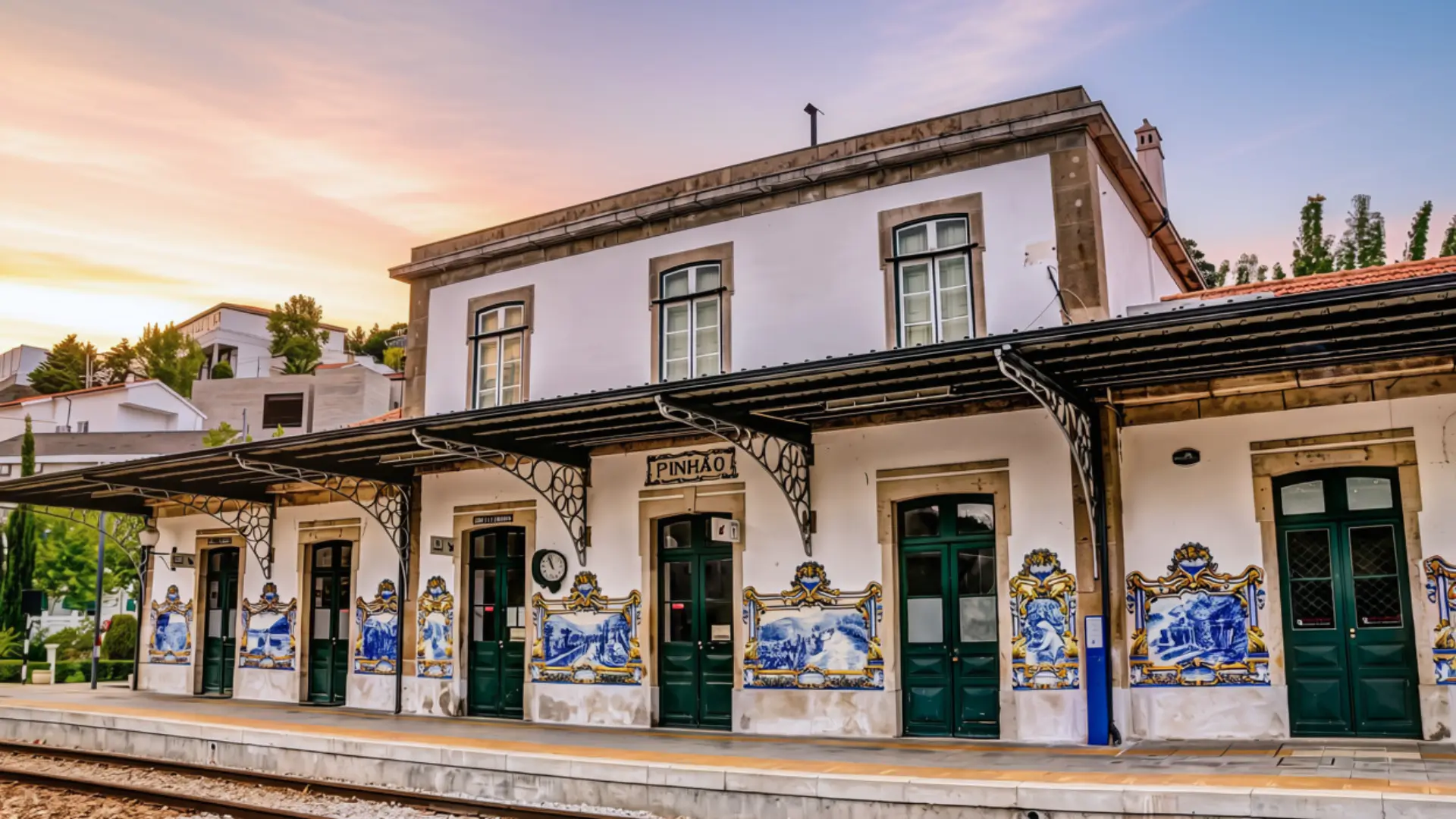
Walking works best within Pinhão and central Régua. In Pinhão, you can see the tiled railway station, enjoy the riverfront and reach some tasting experiences without a car. Quinta do Bomfim is a practical option close to town. Quinta das Carvalhas has tastings and estate visits; confirm the exact meeting point and whether your experience includes transport up the hillside.
Do not assume a quinta is easily walkable because it appears close on a map. Steep roads can make short distances far more difficult than expected.
By boat
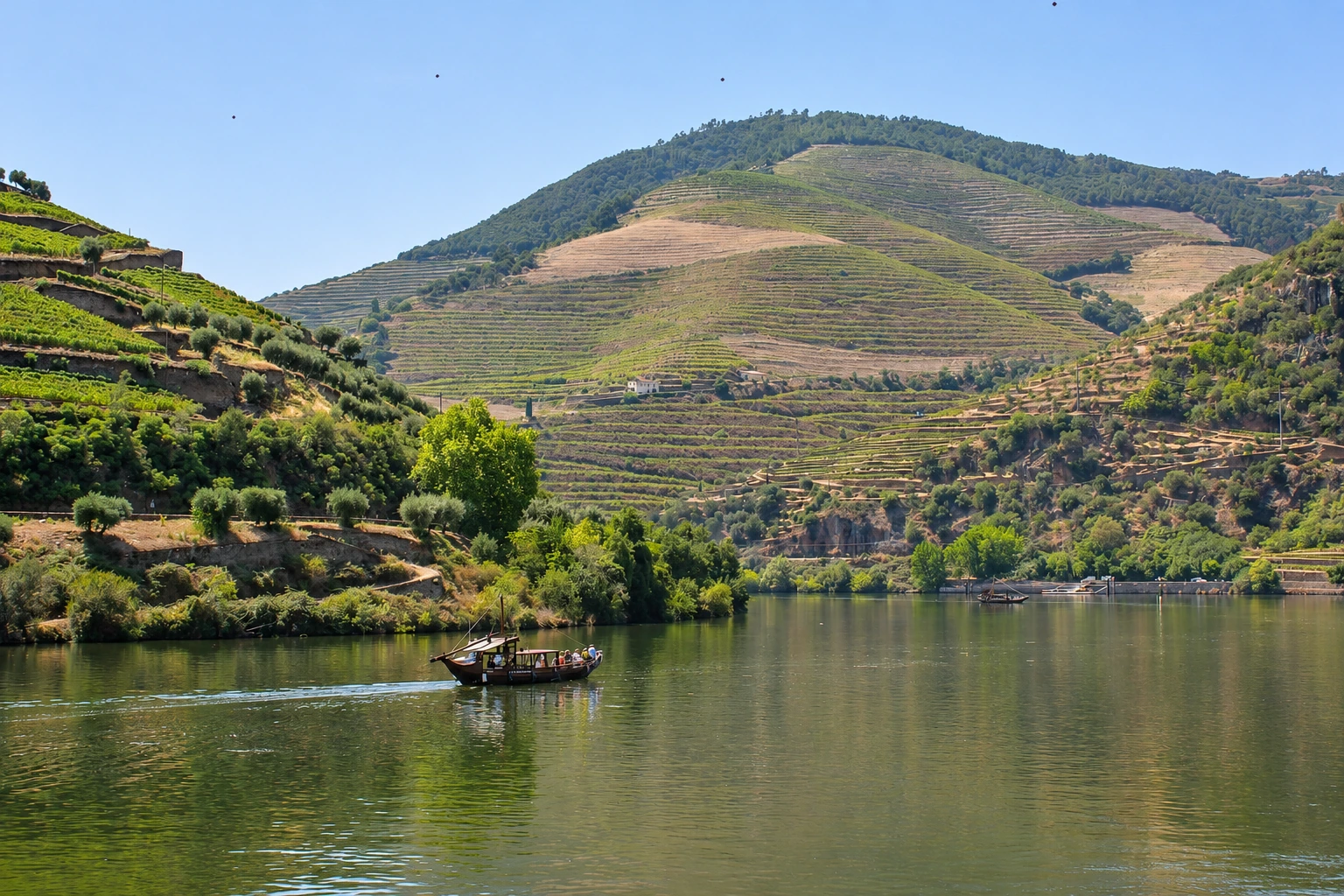
A short rabelo cruise from Pinhão is one of the easiest ways to enjoy the terraced vineyards without driving. Boats depart from the village quay, so you can combine a cruise with lunch and a nearby tasting. A sightseeing cruise is an experience, not a way to travel between wineries. For details, see my Douro River Cruise guide.
By taxi or private transfer
A taxi can make a hillside winery visit straightforward, but I would not plan around finding one at the last minute. Ask your hotel or the quinta to arrange a driver, confirm the pickup point and agree the return journey too. This matters especially for estates outside town and remote viewpoints.
A realistic two-day Douro Valley itinerary without a car
This plan uses one night in Pinhão, with Porto as the starting and finishing point. It leaves room to enjoy the scenery instead of trying to cover the whole valley. For a broader self-drive itinerary, see my 2 Days in the Douro Valley guide.
Day 1 · Pinhão and wine
Travel to Pinhão
Choose a suitable CP service from Porto. Verify current rail arrangements and any connections.
Explore the village
See the azulejo railway panels, walk along the river and allow time for lunch.
Enjoy one tasting
Leave your bags, then visit a pre-booked quinta that you can reach comfortably.
Stay overnight
Have dinner locally and enjoy a quieter evening by the river.
Day 2 · River and scenery
Take a river cruise
Start with a short rabelo boat trip from Pinhão’s village quay.
Make time for lunch
Leave time to relax by the water before fitting in anything else.
Choose one optional stop
Add an accessible tasting or a pre-booked return taxi outing, not both by default.
Plan your return
Allow a generous buffer for rail or bus connections to Porto.
Why this pace works
Day 1: Quinta do Bomfim is a sensible choice for a walking-based visit. Quinta das Carvalhas is another possibility if you choose an experience with a clear meeting point in town. Avoid back-to-back tastings; the overnight stay gives you time to enjoy Pinhão between activities.
Day 2: Keep another tasting or a taxi outing optional, not a commitment that makes your return difficult. A relaxed cruise, lunch and a comfortable journey home can be plenty.
What should you book in advance?
✓ Return transport
Check the last practical connection before booking a cruise or winery visit.
✓ Accommodation
Stay near the station, or confirm a transfer if your lodging is outside town.
✓ Wine tastings
Reserve a time and plan the rest of your activities around it.
✓ Taxis / transfers
Arrange both the outward and return journeys for hillside estates.
✓ River cruise
Confirm the departure quay and whether the boat returns to the same place.
✓ Dinner in Pinhão
Consider reserving a table on busy weekends or during harvest season.
What isn’t easy without a car?
The Douro is wonderful for slow travel, but it is not a place where you can hop between every sight. Remote viewpoints, hilltop villages and wineries spread across several valleys usually need road transport.
Even a scenic-looking walk may follow a narrow road with little shade or a steep climb. I would rather choose one memorable vineyard visit and one river experience than spend the day worrying about how to reach the next stop.
Manu’s Recommendation
For a first independent visit, stay in Pinhão, keep your plans close to the river and pre-book only the transfers you truly need. You can enjoy the scenery, a winery and a boat trip without renting a car. Plan around where you can realistically walk, rather than how many places you can fit onto a list.
Plan the rest of your Douro trip