
Douro Valley Train: Tickets, Stops and Which Side to Sit
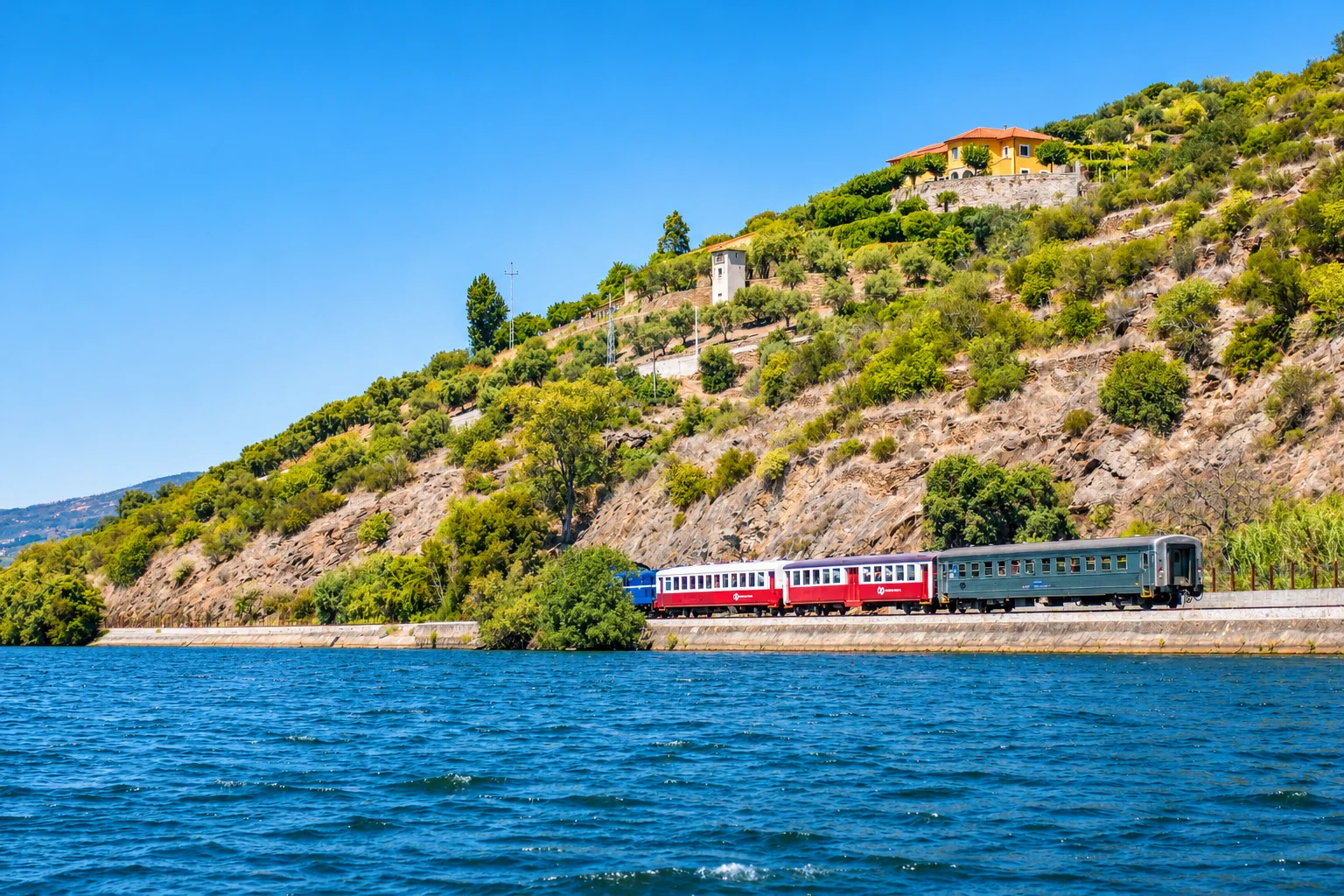
The Douro Valley train follows the river east from Porto through vineyard terraces, small riverside towns and increasingly rugged hillsides. It is a lovely way to see this part of northern Portugal without driving.
The key decision is how far to go. Pinhão is the stop I’d recommend for a first visit, with time to enjoy the riverfront and perhaps one other experience. If the train journey is the highlight of your day, continue towards Tua and Pocinho for the quieter eastern scenery.
Still deciding whether the train is the best option? Read my guide to visiting the Douro Valley from Porto by train, car or tour to compare the different ways to get there.
Railway update (6 November 2026): CP has suspended train services between Marco de Canaveses and Régua from 3 November 2026 to 24 March 2027. Replacement buses include direct services between Caíde and Régua and stopping services between Marco de Canaveses and Régua, so allow extra time for connections. CP states that its replacement buses cannot carry wheelchairs, bicycles or scooters. Check CP’s official Douro Line notice and revised connections before scheduling your day.
The Douro Valley Train at a Glance
The Douro Line runs east from Porto into the heart of the Douro Valley. For most visitors, the choice comes down to three destinations: Régua, Pinhão and Pocinho. Each offers a different balance of scenery, sightseeing and time on the train.
Which Side of the Douro Valley Train Should You Sit On?
For the journey from Porto into the Douro Valley, I recommend sitting on the right-hand side of the train. This offers some of the loveliest river views, particularly between Régua and Pinhão.
If you’re travelling back towards Porto, choose the left-hand side instead.
The railway crosses the Douro River near Ferradosa, beyond Pinhão, so the best views briefly switch sides on the eastern section. However, there’s plenty to enjoy from either window, so don’t worry if your preferred seats aren’t available.
Porto to Pocinho
Best side: Right
Choose the right-hand side when leaving Porto, especially for the scenic stretch between Régua and Pinhão. Beyond Ferradosa, look left for more river views.
Pocinho to Porto
Best side: Left
Choose the left-hand side for the return towards Porto, particularly between Pinhão and Régua. Before reaching Ferradosa, the river views are mainly on the right.
Where Is the Most Scenic Part of the Douro Railway?
The Douro railway becomes increasingly scenic as it follows the river east from Porto. Although the entire journey has its charms, the landscape changes noticeably along the way.
Between Porto and Régua, you’ll see green hills, riverside towns and the first vineyard terraces. From Régua to Pinhão, the railway runs through some of the valley’s most iconic wine-growing scenery. Beyond Pinhão, towards Tua and Pocinho, the landscape becomes quieter, wilder and more dramatic.
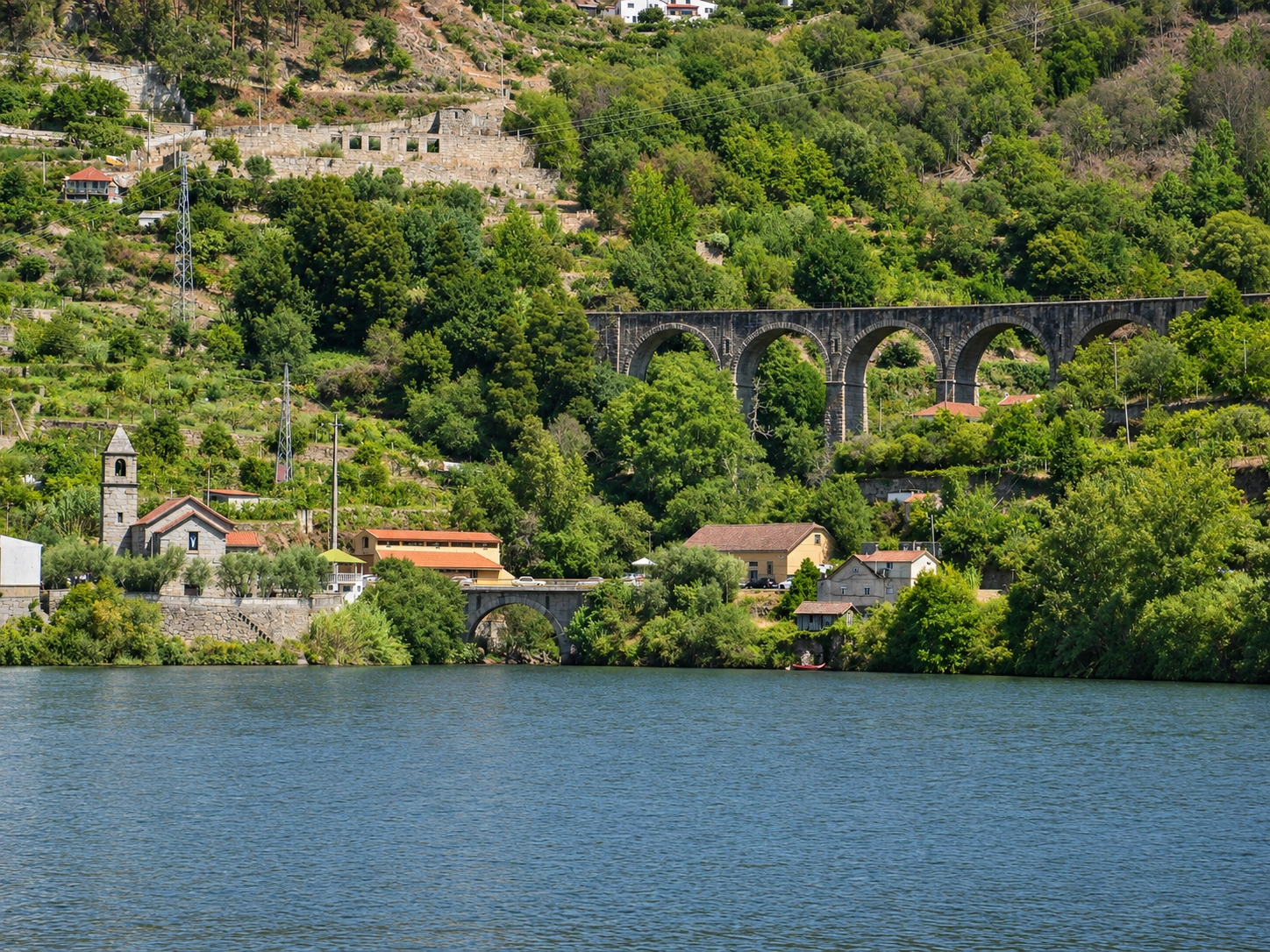
Porto to Régua: The Valley Begins
Leaving Porto, the railway gradually enters greener countryside, passing riverside towns, wooded hillsides and stretches of the Douro River. As you approach Régua, vineyard terraces become increasingly prominent, offering your first glimpse of the Douro Valley’s famous wine-growing landscape.
This part of the journey is a lovely introduction, but the scenery becomes even more impressive farther east.
Régua to Pinhão: The Vineyard Scenery
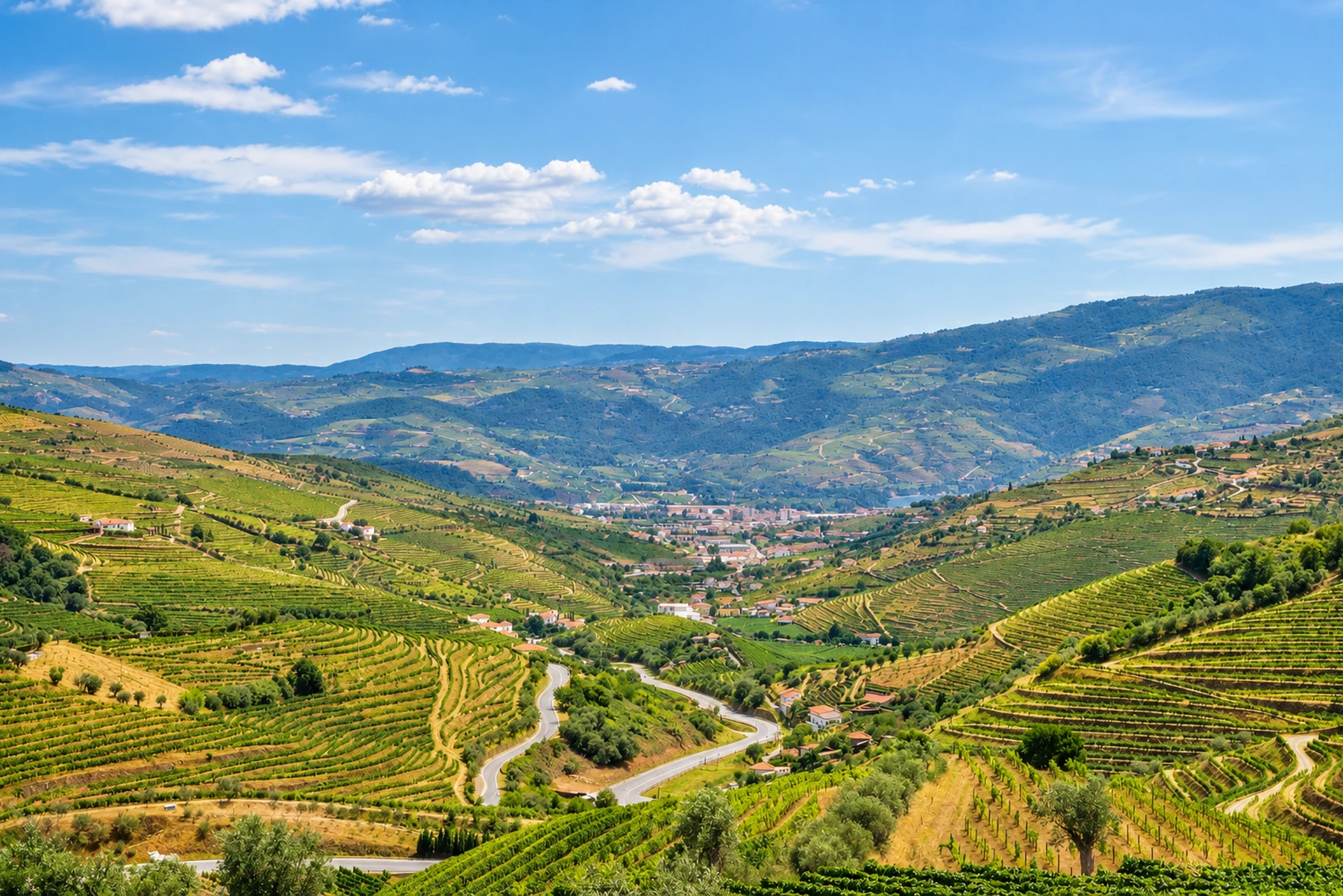
This is one of the most beautiful stretches of the Douro railway. The train follows the river past steep vineyard terraces, traditional wine estates and hillsides shaped by generations of winemaking.
As you approach Pinhão, the scenery becomes particularly picturesque, with vineyards rising above the water and the village nestled beside the river. It’s the section I’d particularly recommend if you’re visiting the Douro Valley by train for the first time.
Pinhão to Pocinho: The Wildest Stretch
Beyond Pinhão, the Douro railway enters a quieter and more remote part of the valley. Vineyard terraces gradually give way to rugged hillsides, rocky slopes and dramatic bends in the river.
The stretch towards Tua and Pocinho is particularly rewarding for travellers who love scenic train journeys. The railway follows the Douro through increasingly wild landscapes, with fewer towns and a wonderful sense of remoteness.
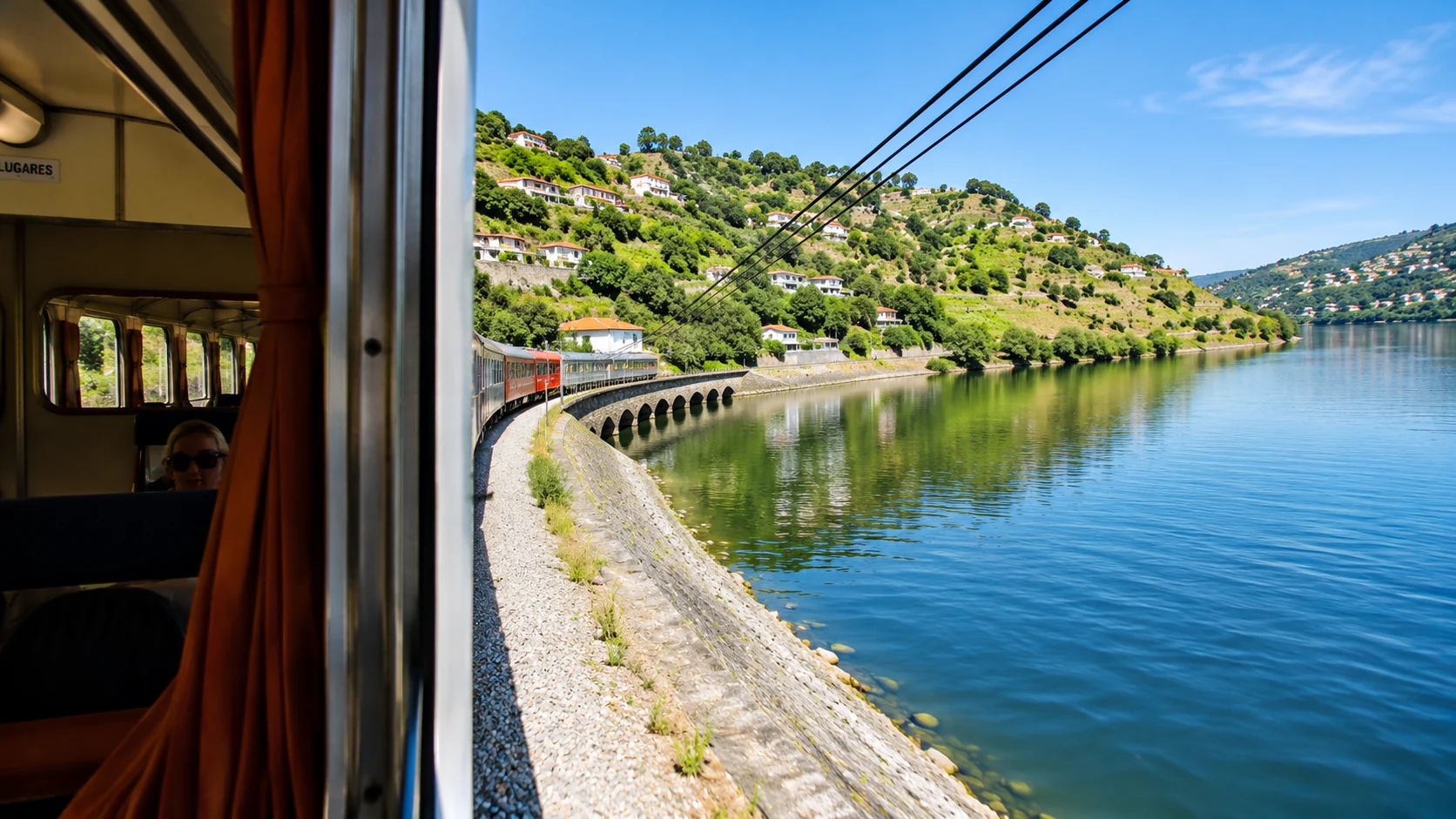
If you have enough time, continuing beyond Pinhão is well worth considering, especially if the journey itself is the highlight of your day.
Régua, Pinhão or Pocinho: Where Should You Get Off?
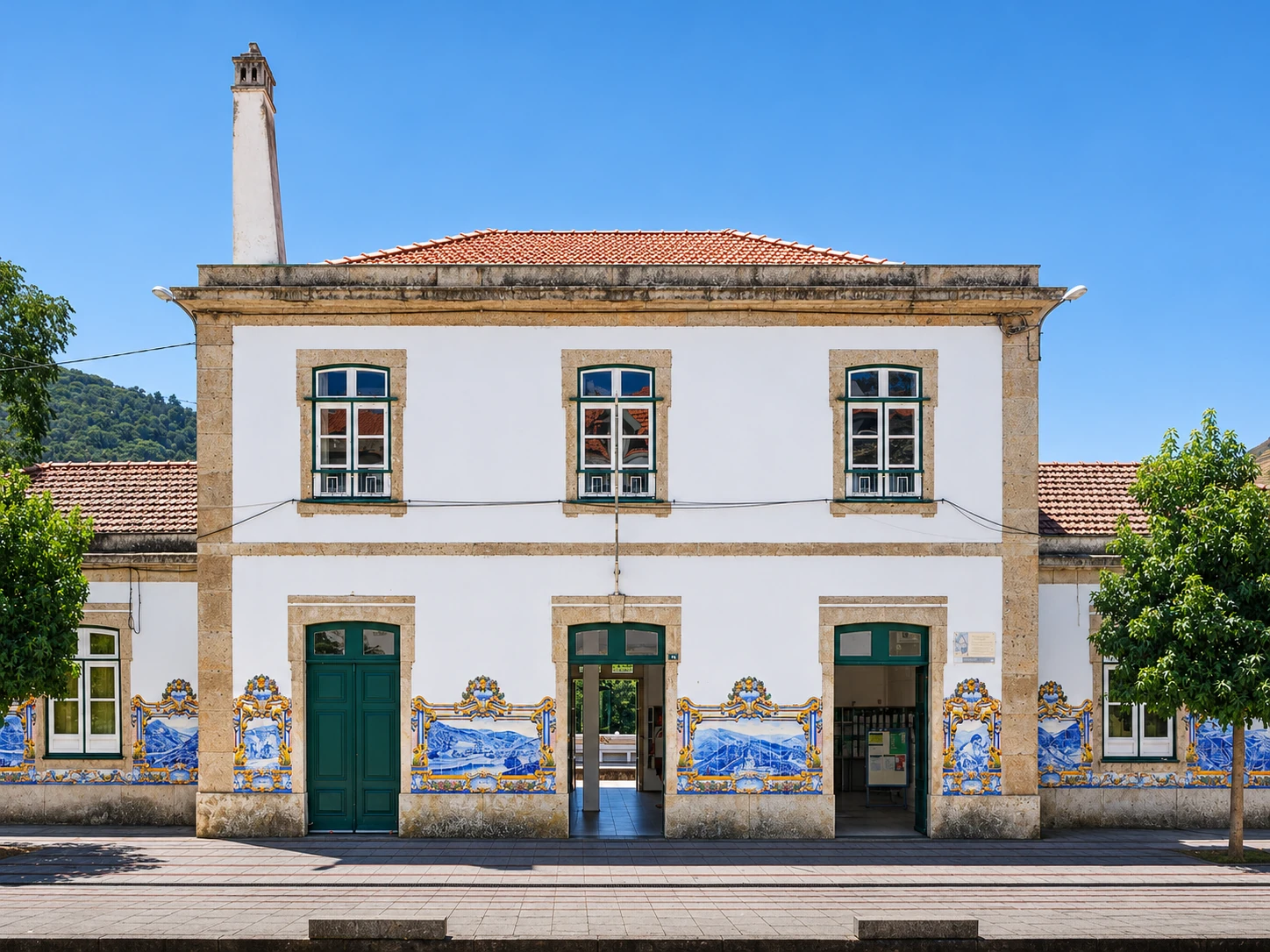
Choosing where to get off the Douro Valley train depends on how much time you have and what you want to experience.
Régua is a practical option for a shorter journey, Pinhão offers the best balance of scenery and sightseeing for a first visit, while Pocinho is ideal if you want to enjoy the railway journey itself.
For most first-time visitors travelling independently from Porto, I’d choose Pinhão.
For more ideas on what to see and do once you arrive, read my complete Pinhão Travel Guide.
Wine Tasting Near Pinhão Station
Douro Line Trains: Regional, MiraDouro and Historical
Not all trains travelling through the Douro Valley offer the same experience. Depending on the service, you might travel aboard a regular regional train, enjoy the scenery from a restored MiraDouro carriage or take a special heritage excursion.
The main differences are the type of train, the route and the experience on board. Here’s what to expect from each option.
Regional Trains: The Everyday Douro Line
Regional trains are the regular public transport services along the Douro Line, connecting Porto with towns and villages such as Régua, Pinhão and Pocinho.
They’re a practical choice if you want to explore independently, with the freedom to get off at your chosen destination and plan your own activities.
The journey is scenic even on an ordinary train, especially as the railway follows the river through the vineyard-covered hillsides beyond Régua.
MiraDouro: The Scenic Train Experience
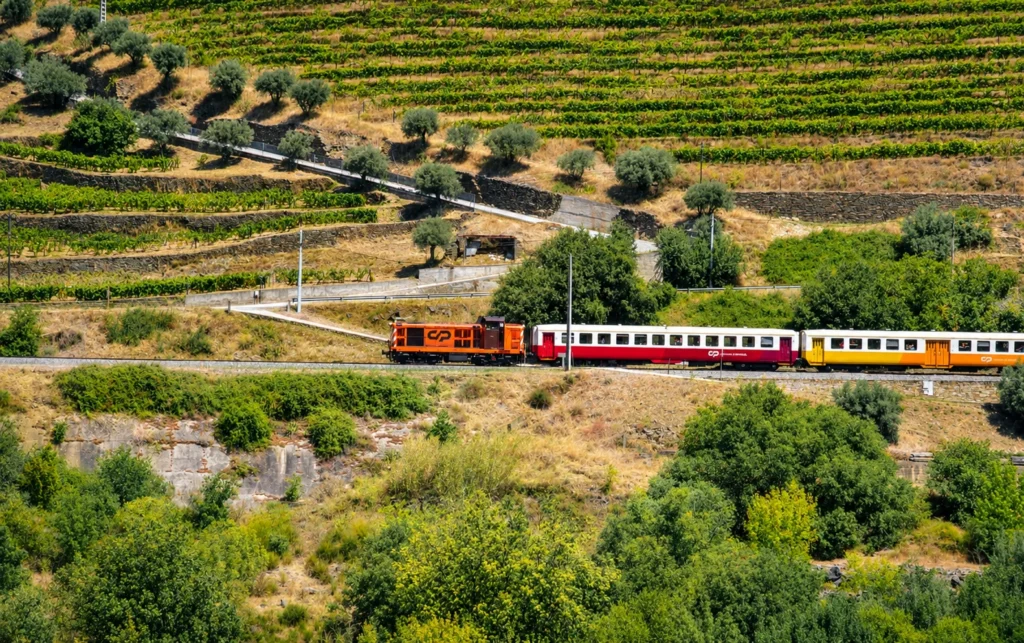
The MiraDouro offers a more atmospheric way to experience the Douro Line, using restored Schindler and Sorefame carriages with large windows that can be opened to enjoy the scenery.
Unlike the Douro Historical Train, MiraDouro is a scenic rail service rather than a heritage excursion with organised activities. It follows the Douro railway through the valley, offering beautiful views of the river and vineyards.
Check CP’s official website for current MiraDouro services, routes and ticket information.
Douro Historical Train: A Heritage Experience
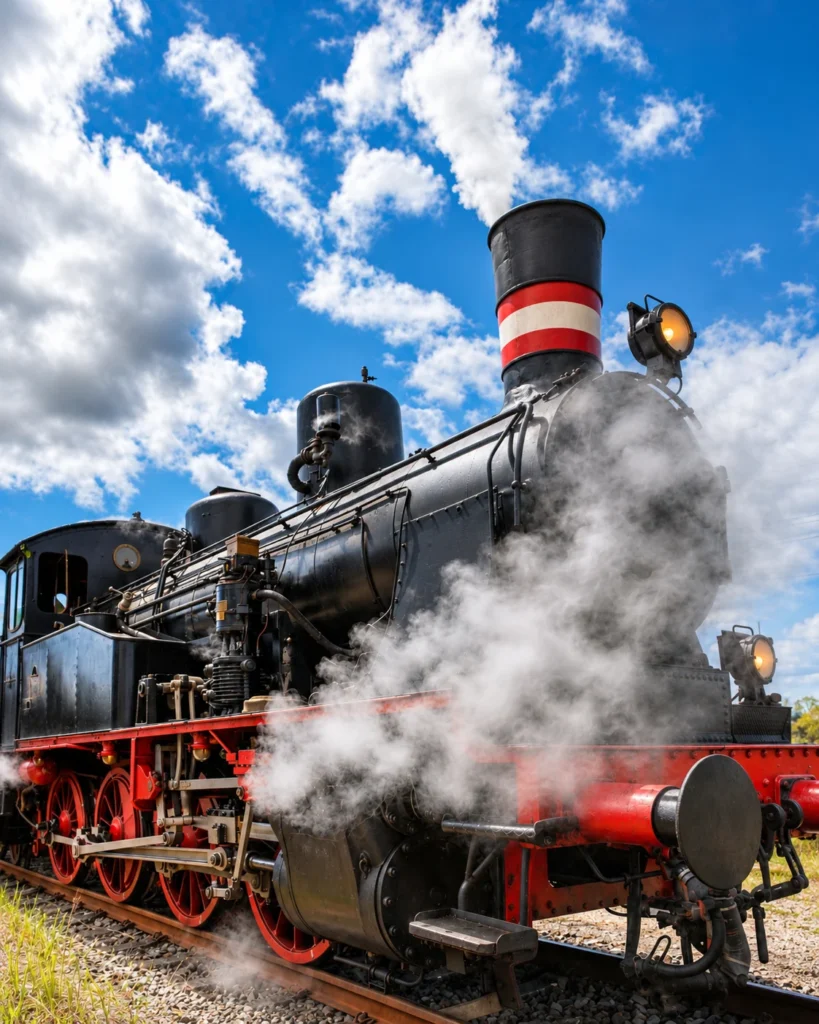
The Douro Historical Train is a special heritage excursion operated by CP, travelling from Régua to Tua and back, with a stop at Pinhão.
Unlike regular regional trains and MiraDouro, the experience is about more than the scenery. Passengers can enjoy traditional Portuguese music, regional treats and a welcome glass of Ferreira Port wine, making it a memorable way to discover the valley’s railway heritage.
The excursion operates seasonally, and the locomotive used may vary, so don’t assume every departure is steam-hauled. Check CP’s official Historical Train page for current dates, tickets and details.
How to Buy Douro Valley Train Tickets
• Buy your tickets through CP (Comboios de Portugal), Portugal’s national railway operator, or at a staffed railway station.
• Check whether your train departs from Porto São Bento or Porto Campanhã, and confirm the return connections before planning activities in the valley.
• Check the ticket conditions for your chosen service. Regional trains, MiraDouro and the Douro Historical Train may have different booking arrangements, so don’t assume every ticket includes a reserved seat.
• For the Douro Historical Train, check CP’s separate heritage excursion programme and book the specific date you want. It is a seasonal experience, not a regular daily train service.
• Check the latest timetables and fares on CP’s official website before travelling. Allow enough time for your return journey, especially if you’re continuing beyond Pinhão towards Pocinho.
Two Ways to Enjoy the Douro Valley by Train
There are two lovely ways to experience the Douro Valley by train, depending on how much time you want to spend travelling.
For a relaxed day trip, I’d recommend taking the train from Porto to Pinhão and enjoying some time in the village. If the railway journey itself is your priority, consider continuing towards Pocinho for the more remote eastern scenery.
Option 1: Porto to Pinhão – A Relaxed Day Trip
1
Train from Porto to Pinhão
Enjoy the scenic journey along the Douro River, particularly as the train travels through the vineyard-covered hillsides between Régua and Pinhão.
2
Explore Pinhão Station and the Riverfront
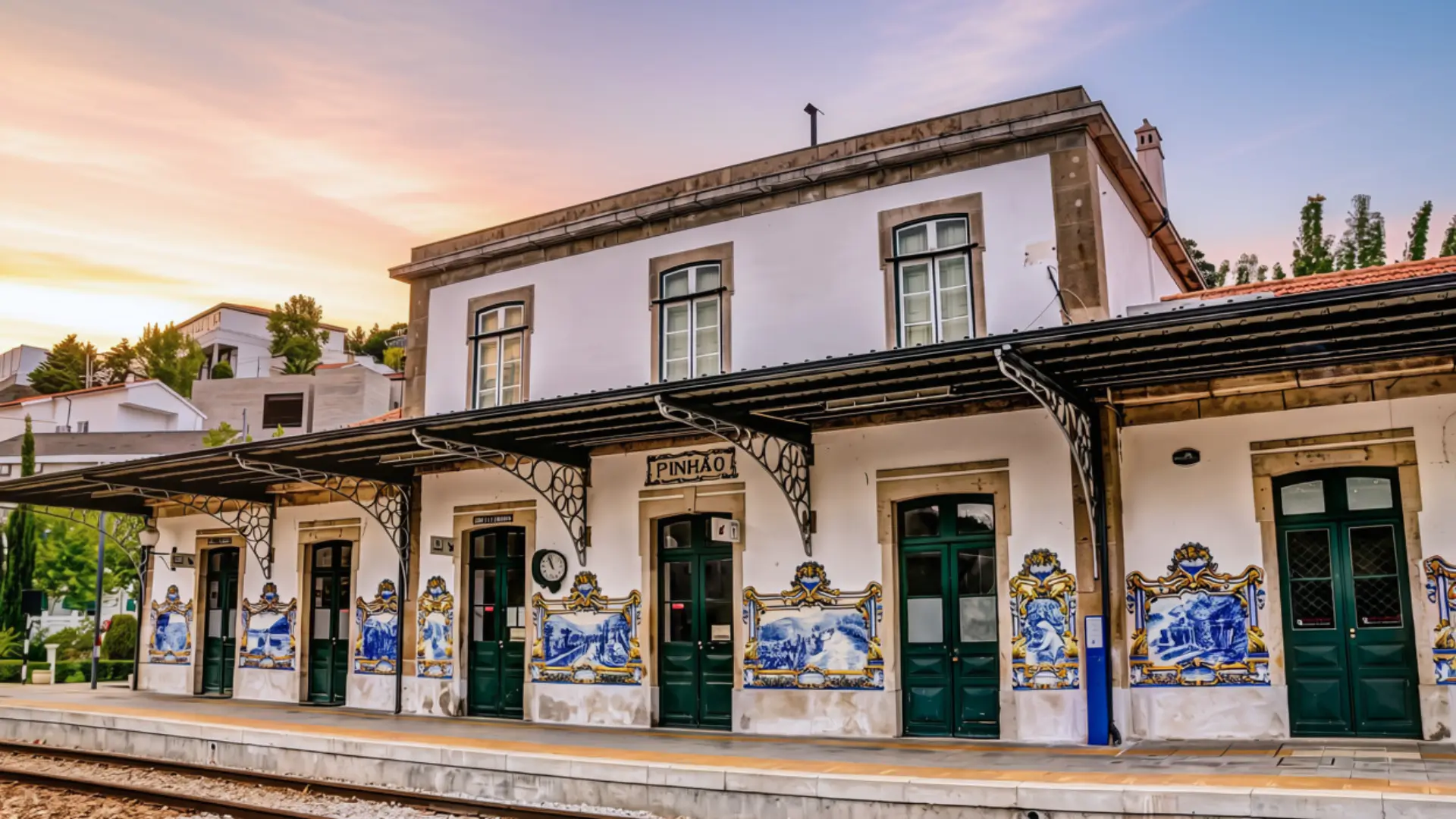
Admire the beautiful azulejo tiles at Pinhão railway station, then stroll down to the Douro River and enjoy the village at your own pace.
3
Enjoy a Cruise or Wine Tasting
Choose one main experience, such as a short Douro River cruise or a wine tasting at a nearby quinta. Allow time for a relaxed lunch in Pinhão.
4
Return to Porto by Train
Head back to Pinhão station in time for your return train to Porto. Check the timetable in advance and leave a comfortable buffer after your final activity.
Option 2: Porto to Pocinho – The Scenic Railway Journey
1
Take the Train from Porto to Pinhão
Travel east from Porto through Régua to Pinhão, enjoying the Douro River and vineyard terraces along the way. This is the first part of your longer scenic railway journey towards Pocinho.
2
Continue from Pinhão to Pocinho
Stay on the train as it continues beyond Pinhão towards Tua and Pocinho. This quieter stretch offers dramatic river bends, rugged hillsides and some of the Douro Line’s most memorable scenery.
3
Enjoy the Scenery at Pocinho
Take a little time to enjoy the peaceful surroundings at the end of the Douro Line. Pocinho is a small, quiet destination with limited sightseeing, so the main attraction is the spectacular train journey itself.
4
Return to Porto by Train
Catch your return train from Pocinho to Porto, enjoying the Douro scenery from the opposite direction. Check the return timetable before setting out, as services from Pocinho are limited and you’ll need to plan your day around them.
Practical Tips for Riding the Douro Valley Train
Start early. Allow plenty of time for the journey, particularly if you’re travelling all the way to Pocinho. A return trip from Porto can take most of the day.
Bring water and snacks. Food and drink options may be limited on board and at smaller stations, especially farther east.
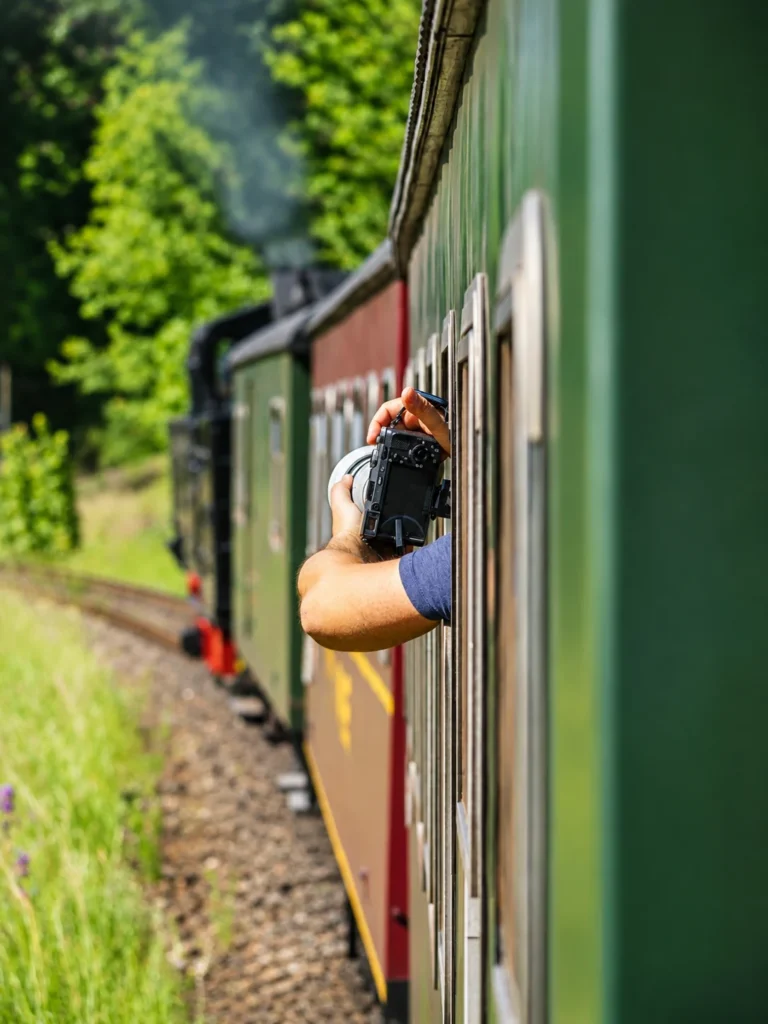
Keep your camera ready. The scenery is particularly beautiful between Régua and Pinhão, but there are lovely views throughout the journey.
Plan activities around the trains. If you’re stopping for a river cruise or wine tasting, allow enough time to return to the station without rushing.
Check the weather. The Douro Valley can be considerably hotter than Porto in summer, so bring sun protection and dress comfortably.
Travel light. Small bags are easier to manage, particularly if you plan to explore Pinhão on foot.
Is the Douro Valley Train Worth It?
Absolutely. The Douro Valley train is one of the loveliest ways to experience northern Portugal, combining beautiful river scenery, vineyard-covered hillsides and the pleasure of travelling at a slower pace.
For a first visit, I’d recommend taking the train to Pinhão, where you can explore the village, admire its beautiful railway station and enjoy the riverside atmosphere. If you love scenic railway journeys, continuing towards Pocinho is equally rewarding, with quieter landscapes and dramatic stretches of the Douro River.
Whether you choose a regular Regional train, the MiraDouro or a special Historical Train excursion, the journey offers a memorable perspective on this beautiful part of Portugal. The key is to choose the experience that suits your interests and allow enough time to enjoy it.
If you’d like to explore more of the region beyond the railway, have a look at my guide to the best things to do in the Douro Valley.

I love exploring new places and sharing the travel tips, food finds, and experiences that help you plan your next adventure.
Related Posts

Personalised travel planning
Bring Your Travel Plans Together
Share your plans and get personalised guidance to help turn them into a trip that feels right for you.
