
Douro Valley Travel Guide and Trip Planning Tips
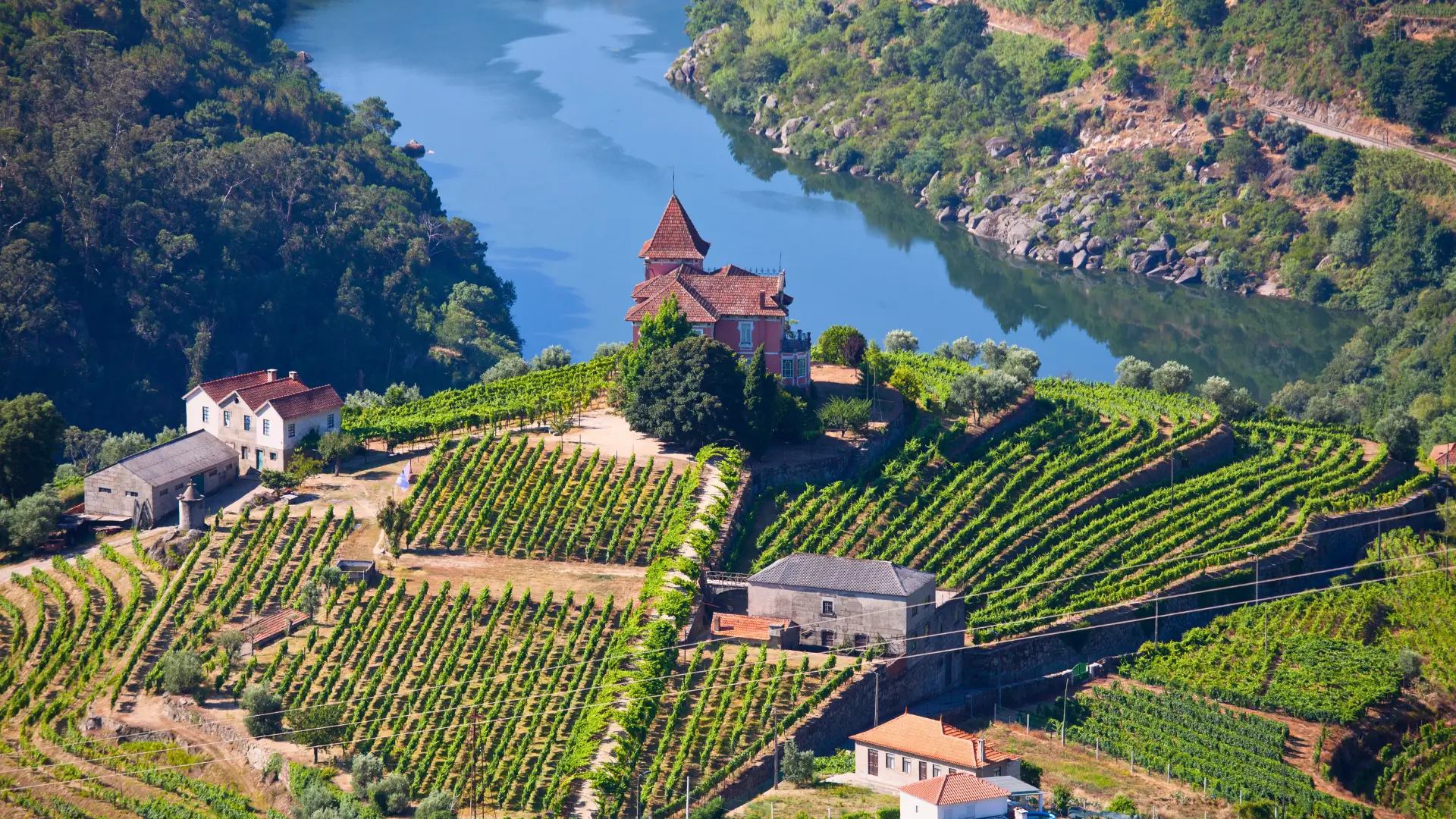
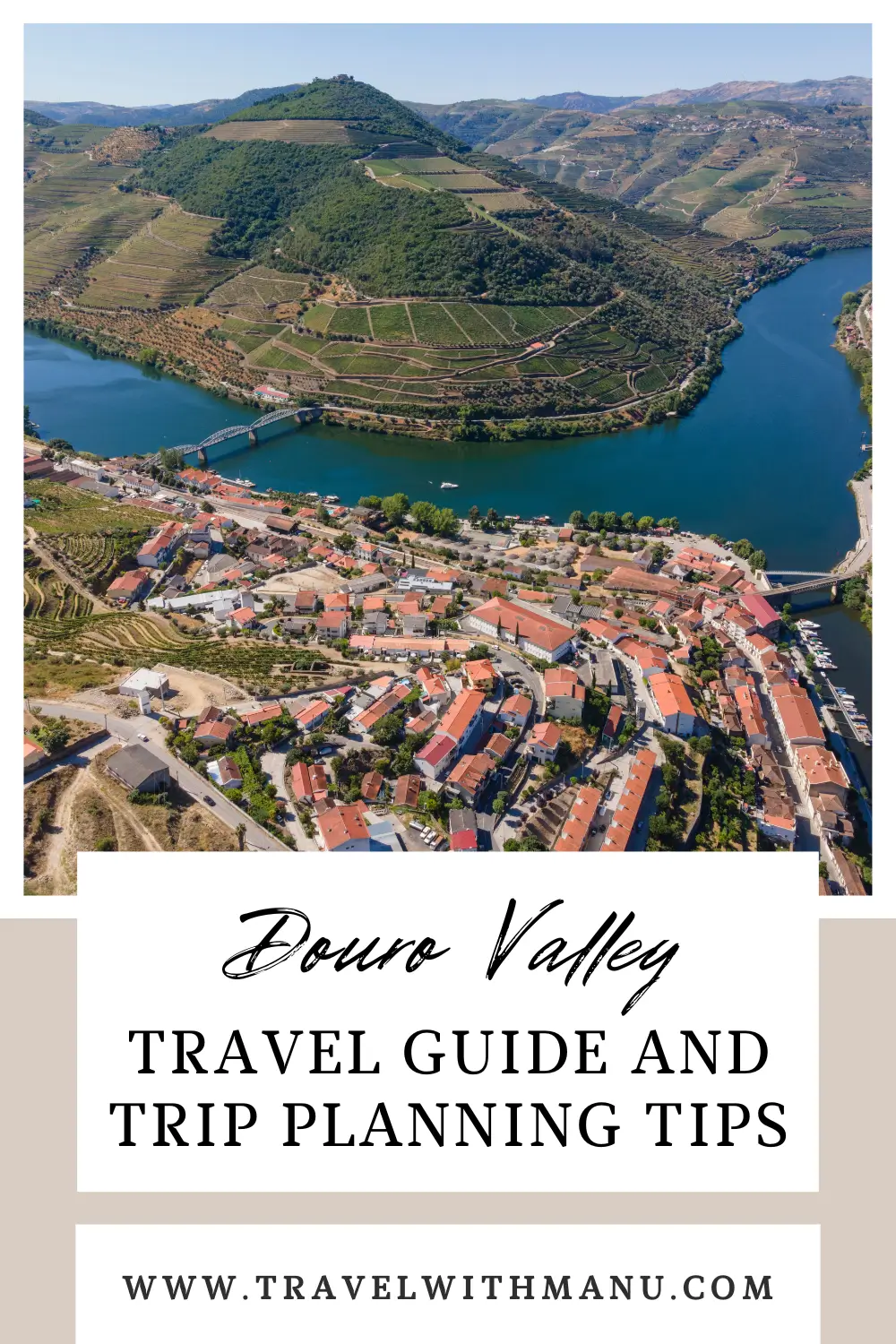
The Douro Valley stretches east from Porto through a landscape shaped by the river, vineyards and towns along its banks. Peso da Régua and Pinhão are two of the easiest places to use as a base.
The region extends well beyond these two towns. Pinhão, Peso da Régua, Lamego, the wine estates and the main viewpoints are spread across different parts of the valley.
How you travel will shape what you can fit into your visit. This Douro Valley travel guide covers getting around by train, car, boat and tour, along with when to visit, the main places to know and how much time to allow.
You can see part of the valley on a day trip from Porto. Staying overnight gives you more flexibility for tastings, river trips and stops along the way.
Two days work especially well if you want to combine the river, a scenic drive and time at a quinta. You can spread those experiences out instead of fitting them all into a single day.

I love exploring new places and sharing the travel tips, food finds, and experiences that help you plan your next adventure.
Join the
Journey
Sign up for new itineraries, travel notes, and practical guides to help you explore the places I love most.
Best Time to Visit the Douro Valley
May, June, September and early October work well if you want to spend time outdoors and visit wineries without the strongest summer heat. You’ll have enough daylight for driving between towns, walking around Pinhão and stopping at viewpoints.
July and August are hot and dry in the valley, particularly away from the river and in exposed areas. If you’re visiting in summer, book winery visits ahead and don’t build a driving route around too many stops in the middle of the afternoon.
September brings the grape harvest, although the exact timing changes from one estate and year to another. Some quintas offer harvest activities, but you’ll need to check directly rather than assume they’ll be available during your visit.
From late autumn into winter, temperatures drop and rain becomes more likely. You can still explore the valley, but shorter daylight hours matter if you’re driving and want to stop at several viewpoints.
Douro Valley at a Glance
Best Bases
Pinhão is convenient without a car, with the station, riverfront and boat departures close together. Peso da Régua has good transport connections and easy access towards Lamego and the western Douro.
Main Places to Know
Pinhão and Peso da Régua are the main hubs for a short trip. Lamego, Provesende and Favaios are worth adding when you have more time to explore beyond the river.
Getting Around
A car gives you more freedom to reach wine estates, viewpoints and smaller villages. The train works well for Pinhão and Régua, while boat trips and organised tours offer other ways to experience the valley.
How Much Time to Allow
One day works for Pinhão, a wine estate and a river trip. With two days, you can add Régua, Lamego, viewpoints and more time on the road.

Things to Do in the Douro Valley
The main experiences are spread across the region, so choose a few that fit the same route. Trying to cover several estates, towns and viewpoints in one day usually means more time in the car than expected.
1. Spend Time in Pinhão
2. Visit a Quinta
Wine estates usually run scheduled visits and tastings, so book ahead rather than assuming you can arrive without a reservation.
3. Drive Part of the N222
The road follows sections of the south side of the Douro. Use the part that connects places already on your route instead of treating the whole road as an attraction you need to complete.
4. Take a Short River Cruise
A cruise from Pinhão lets you see the terraced slopes from water level and is easier to combine with lunch or a tasting than a full-day cruise from Porto.
5. Stop at a Viewpoint
Casal de Loivos works well near Pinhão, while São Leonardo da Galafura fits more naturally into a route around Régua.
6. Visit Peso da Régua
The Douro Museum gives useful context on the region and wine production, while Régua also works as a transport point between Porto and the central valley.
7. Add Lamego
The Sanctuary of Nossa Senhora dos Remédios is the main landmark. Lamego is easier to include on a longer trip because it sits away from the river route.
There’s plenty more to choose from beyond these highlights, especially if you have more than a day. My Things to Do in the Douro Valley guide covers more of the stops and experiences worth considering.
If you want to compare individual wine estates before booking, see my Best Wineries in the Douro Valley guide.
Getting Around Douro Valley
By Car
A car gives you the most flexibility for viewpoints, wine estates and smaller villages. You can compare rental cars with Sunny Cars if you need to hire one. Roads can be narrow away from the main routes, so allow enough time between stops.
If you’re wine tasting, decide who’ll drive before booking. A private driver or pre-arranged taxi is a better option when everyone wants to participate.
By Train
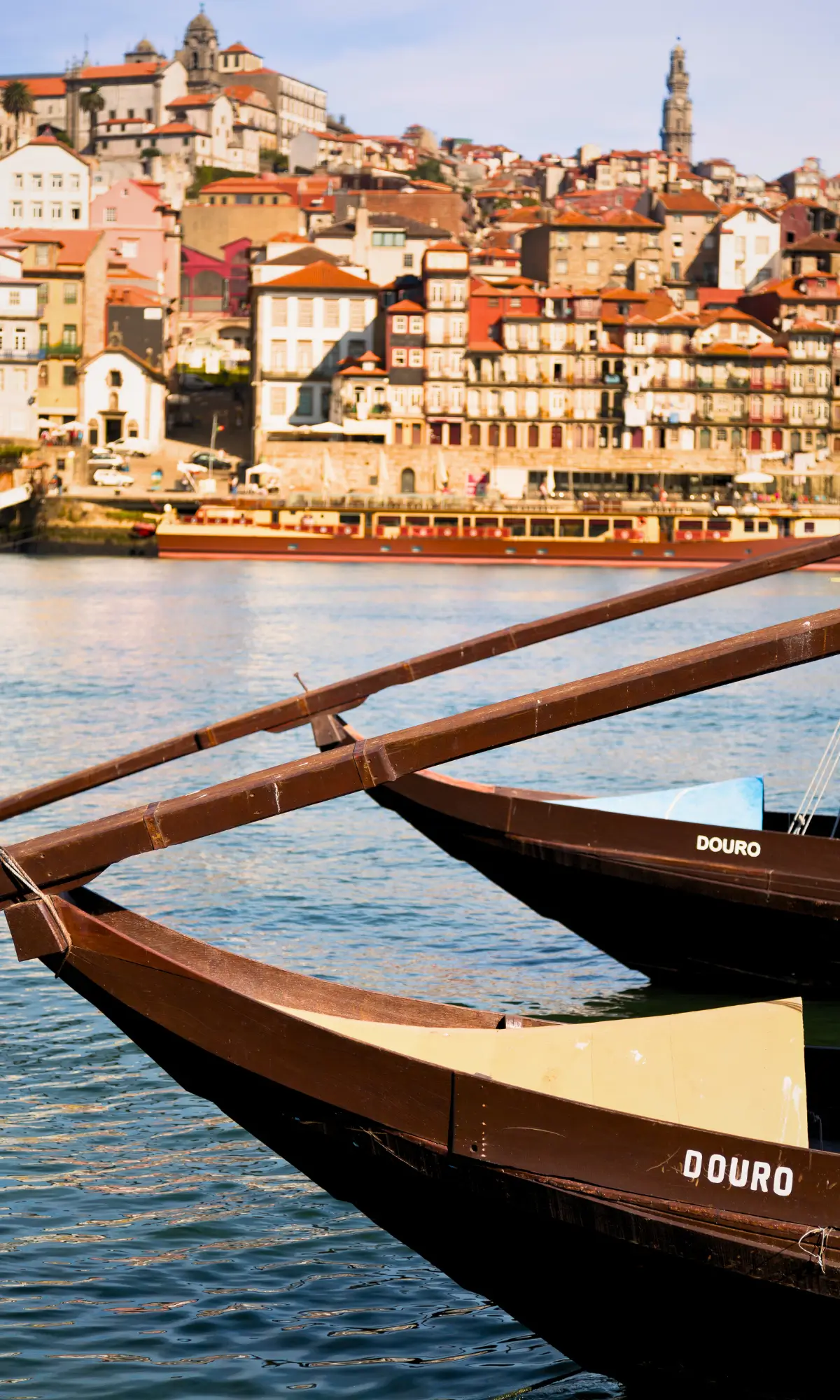
The Douro Line connects Porto São Bento with Peso da Régua, Pinhão and Pocinho. Pinhão is particularly convenient because the station, riverfront and boat departures are close together.
Check the latest Douro Line information from CP before travelling.
By Boat
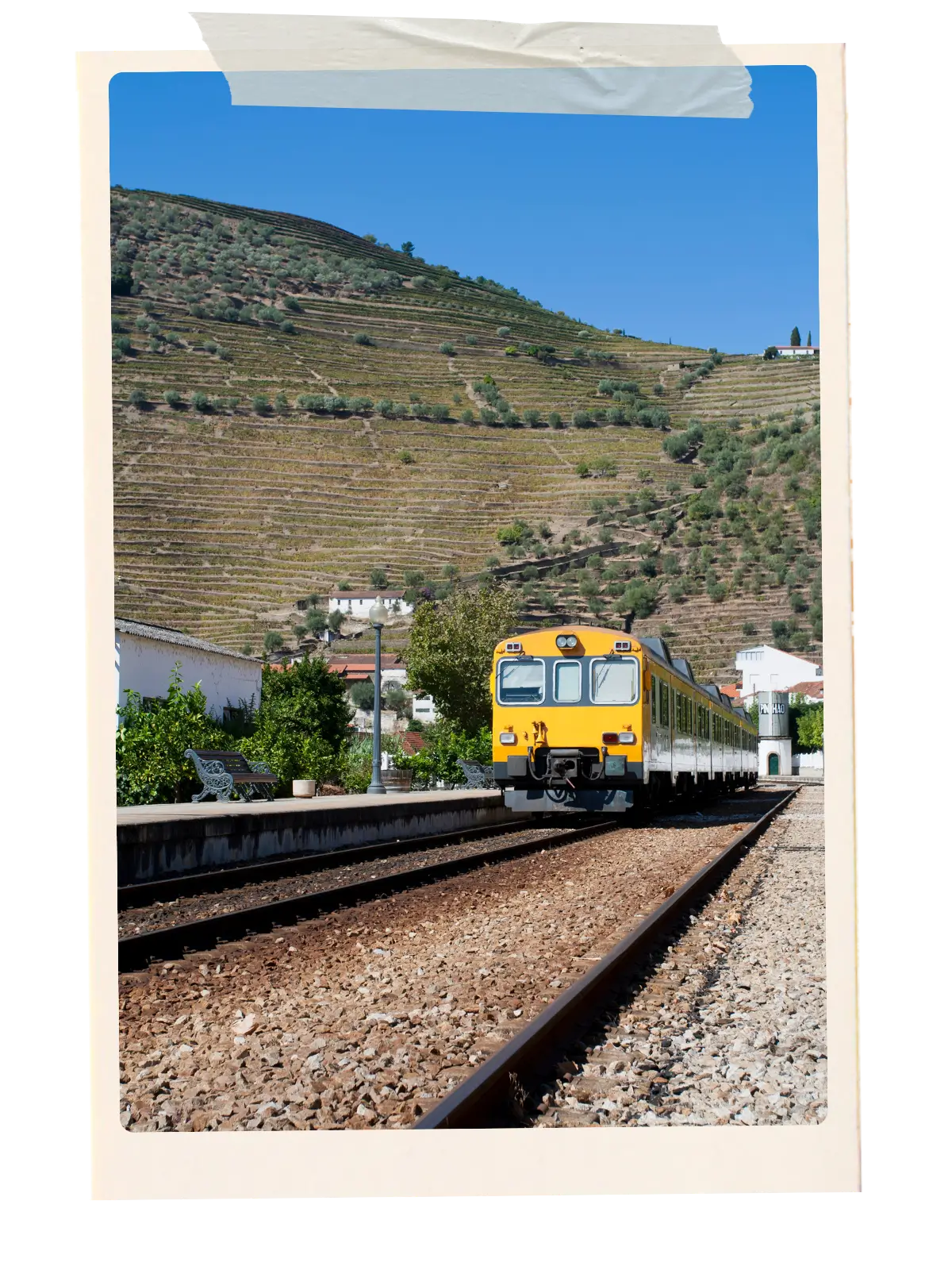
Full-day cruises from Porto make the river journey part of the experience.
If you want more time in the valley, a shorter cruise from Pinhão is easier to combine with lunch and a wine estate.
By Organised Tour
A tour is useful when wine tasting is a priority and nobody wants to drive. Check the group size, winery visits, lunch, boat time and inclusions before booking.
For an organised day from Porto, see the Douro Valley with Boat Tour, Wine Tasting and Lunch.
Taxis and Private Drivers
These are useful for wine estates away from town centres. Arrange your return journey in advance rather than relying on finding a taxi at a rural quinta.
What to Expect
The Douro Covers a Large Area
You don’t need to cover the whole region in one trip. Decide which area you want to explore before booking wineries, accommodation and timed activities.
Winery Visits Need Booking
Many quintas use reservations or fixed tour times. Leave enough time between bookings for transport, parking and check-in.
The Weather Changes Across the Region
The Douro becomes drier as you travel east. Carry water and sun protection in summer, and check the weather before longer drives during cooler months.
The Roads Take Time
Some viewpoints and wine estates involve slower local roads. Two or three priorities in a day usually work better than a long list of stops.
Check Which Side of the River You’re On
Wine estates, villages and viewpoints are spread across both banks. Some routes require crossing the Douro, so check where your stops are before deciding their order.
Book the Experience, Not Just the Quinta
Wine visits aren’t all the same. Some focus on Port, while others include Douro wines, vineyard tours, food or longer tastings. Check what’s included before booking.
Viewpoints Can Require a Detour
Many viewpoints sit above the river rather than directly beside the main route. Casal de Loivos overlooks Pinhão, while São Leonardo da Galafura is closer to Régua.
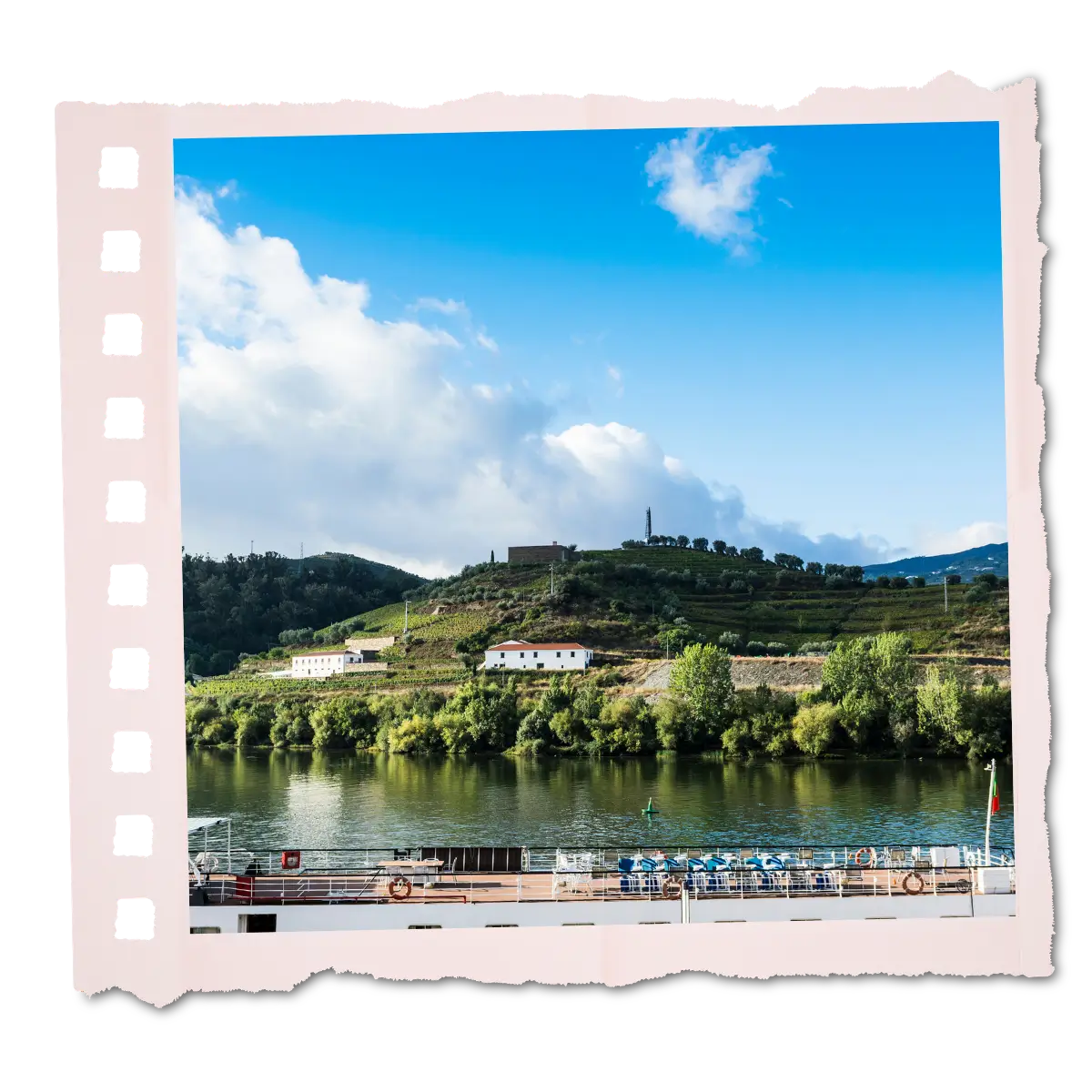
Can You Visit the Douro Valley from Porto in One Day?
Yes. A day trip works if you accept that you’ll only see part of the valley. Pinhão is a practical focus by train, while a car or organised tour gives you more access to wineries and viewpoints.
For a self-drive day, choose one main area and avoid jumping repeatedly between both sides of the river. One winery, Pinhão, a viewpoint and perhaps a short boat trip already make a full day once driving time is included.
If you’re using the train, work backwards from the return service and don’t book your final tasting too close to departure. A delayed tour or longer lunch shouldn’t turn the trip back to Porto into a rush.
How Many Days Do You Need in the Douro Valley?
One day is enough for an introduction, particularly if you focus on Pinhão or choose a guided route with a limited number of stops.
Two days are easier to work with. You can use one day for Pinhão, a winery and the river, then spend the second on Régua, Lamego, the N222 or selected viewpoints.
Three days give you more room for smaller wine villages or a slower stay at a quinta, but two days work well for most Douro trips.
If you have two days, my 2 Days in the Douro Valley Itinerary shows how to divide the river, wine and driving without repeating the same route.
Join the
Journey
Sign up for new itineraries, travel notes, and practical guides to help you explore the places I love most.

I love exploring new places and sharing the travel tips, food finds, and experiences that help you plan your next adventure.
