Your journey, beautifully planned.

A Comprehensive Travel Guide to New Zealand
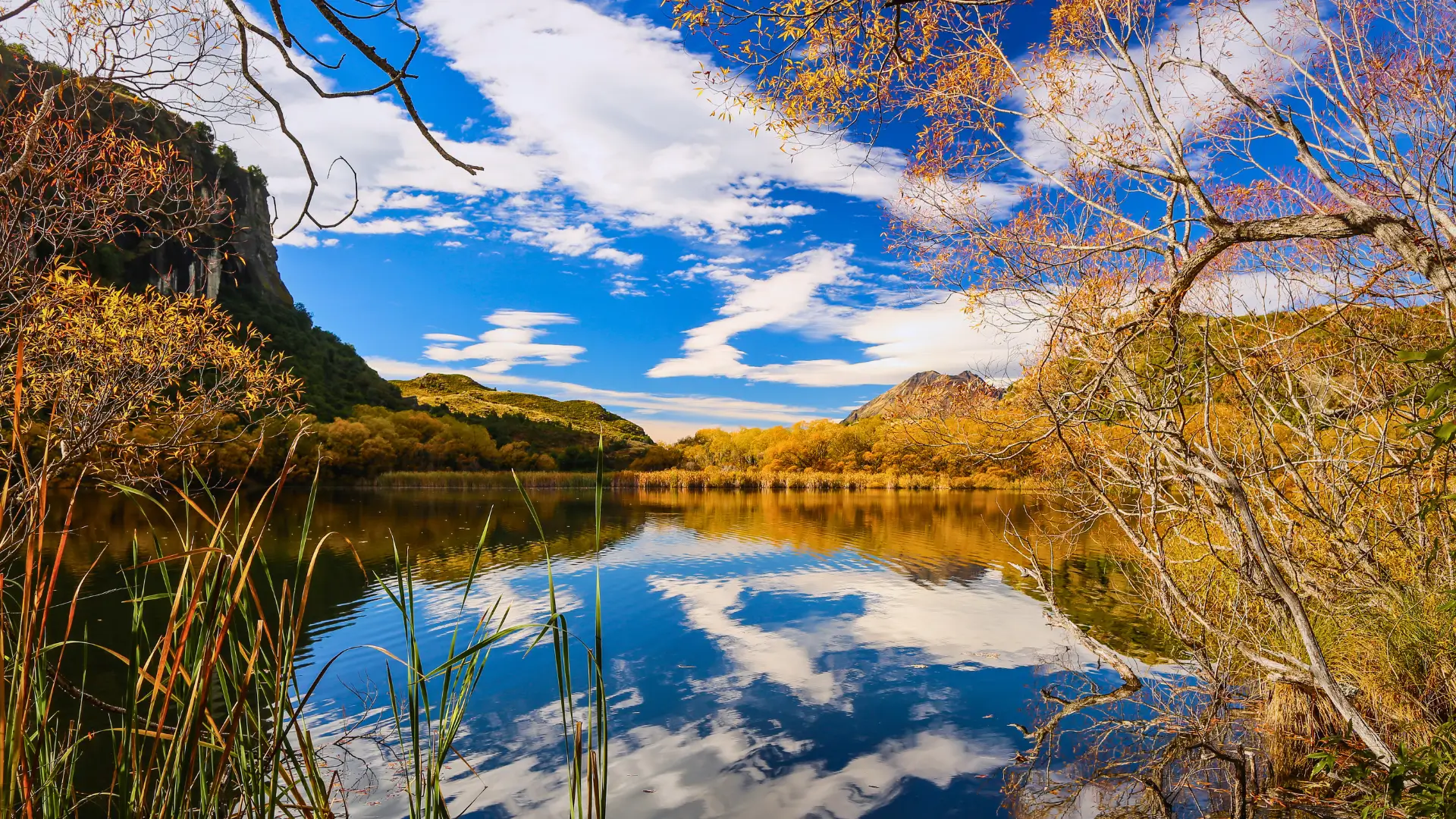
Autumn trees reflected in a calm lake in New Zealand’s South Island with blue sky and scattered clouds.

New Zealand is an island country in the south-western Pacific Ocean. It consists of the North Island, the South Island, and many smaller islands. The population is just over five million. The landscape includes volcanic areas, farmland, mountain ranges, and fjords. Māori culture remains an important part of the country’s identity, alongside British influence in its language and institutions.
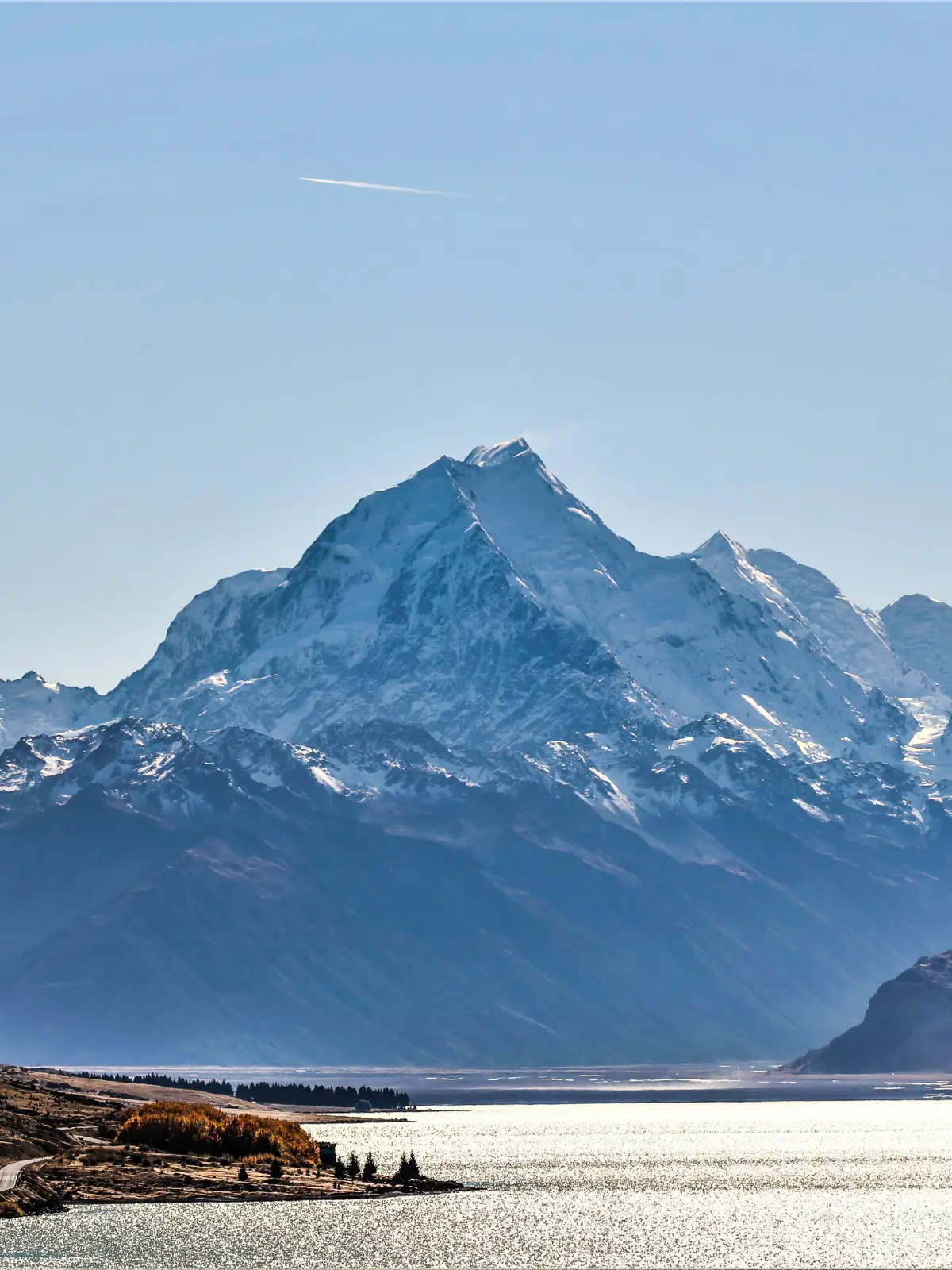
The country is well known for its national parks and outdoor activities. Glacier walks, alpine hikes, and water sports attract visitors who enjoy being active. It is also recognised as the birthplace of commercial bungee jumping. Milford Sound features steep cliffs and deep waters, while Aoraki Mount Cook is the highest mountain in the country.
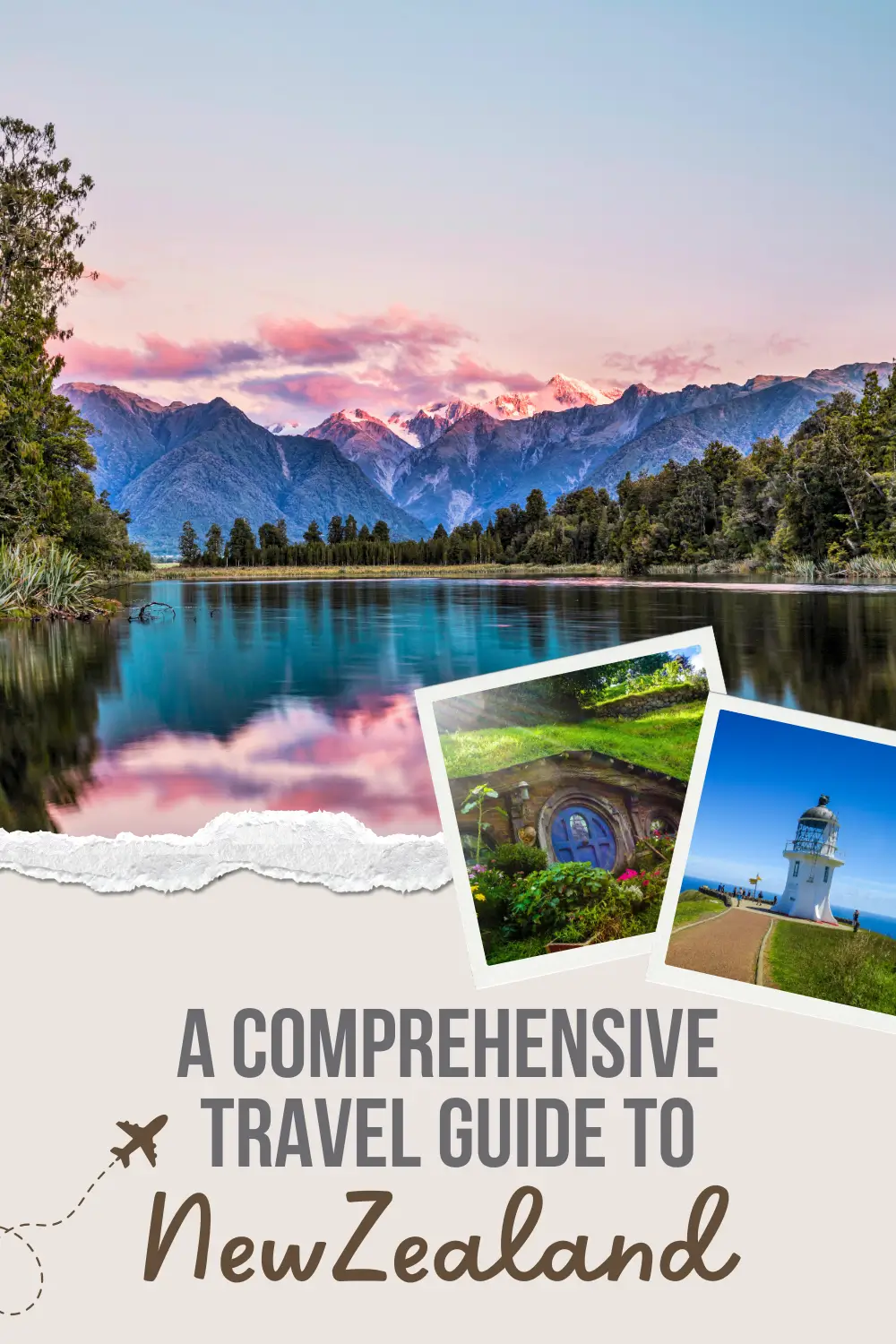
New Zealand travel guide cover with mountain landscape and lake reflection.
New Zealand offers scenery, adventure, culture, and lively cities in one place. If it is not on your bucket list yet, it should be.

Did You Know?

  • New Zealand became the first self-governing country in the world to grant women the right to vote in 1893.

  • Before humans arrived, New Zealand had no native land mammals except for a few species of bats.

  • Around one-third of the country is protected as a national park or conservation land.

  • Wellington is the capital city located furthest south of any national capital in the world.

  • The haka, a traditional Māori ceremonial performance, plays a central role in national culture and appears before All Blacks rugby matches.

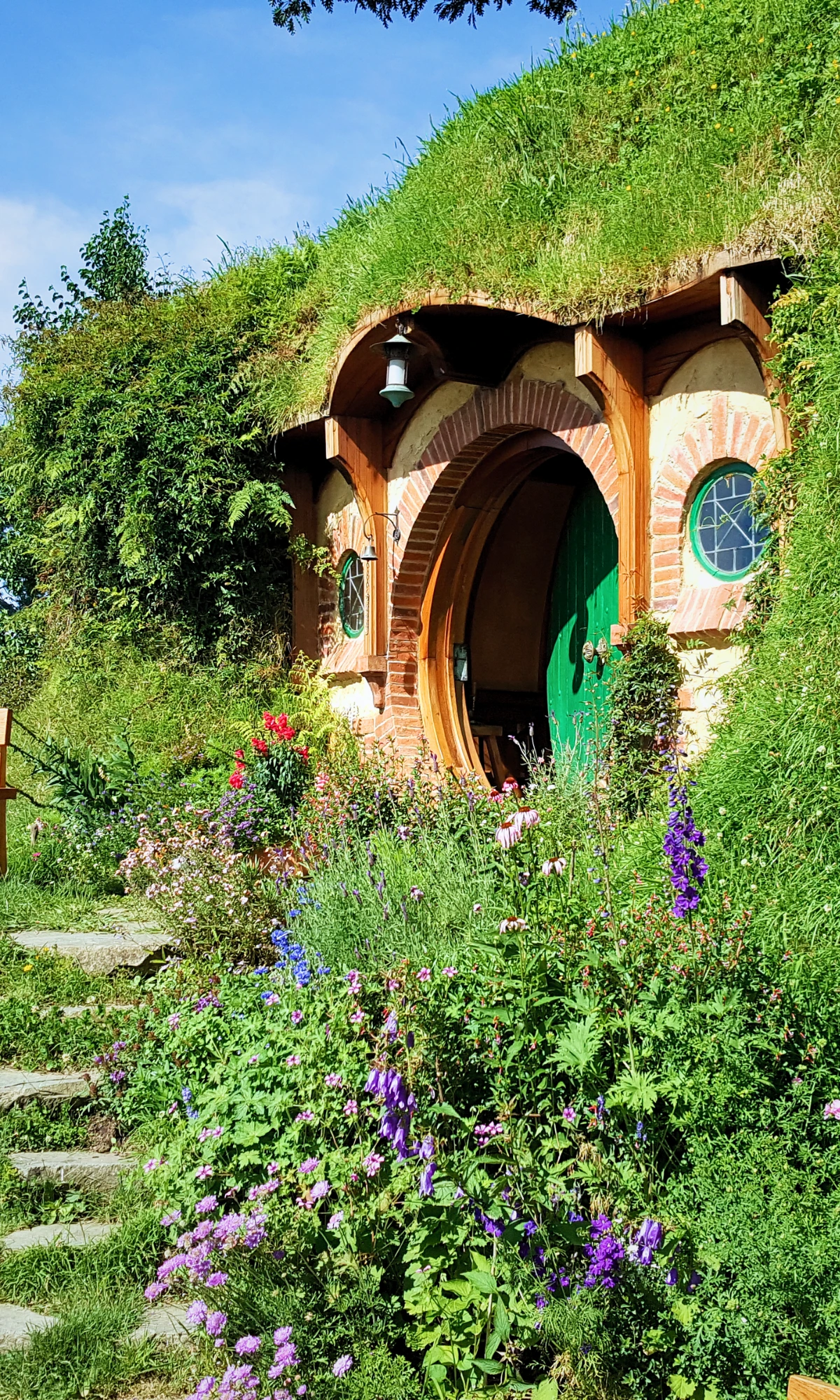
  • The Lord of the Rings and The Hobbit trilogies were filmed across dozens of locations throughout New Zealand.

  • New Zealand has more sheep than people, though the ratio is far lower today than it was in the 1980s.

  • The country lies on the boundary of the Pacific and Australian tectonic plates, which explains its volcanoes, geothermal areas, and frequent small earthquakes.

  • Queenstown helped pioneer commercial bungee jumping in the 1980s.

I love exploring new places and sharing the travel tips, food finds, and experiences that help you plan your next adventure.

Join the
Journey

Sign up for new itineraries, travel notes, and practical guides to help you explore the places I love most.

Best Time to Visit New Zealand

New Zealand is a year-round destination, but timing depends on your travel priorities. Summer, from December to February, brings warmer temperatures and extended daylight hours. It is the peak travel season, especially for hiking, beach trips, and self-drive itineraries. Accommodation rates rise, rental cars sell out, and popular attractions require advance booking.
Spring and autumn bring moderate temperatures and lighter visitor traffic. They’re good seasons for hiking and driving routes, with improved availability for accommodation and tours. Conditions can change, so plan with flexibility.
Winter runs from June to August and suits ski trips and alpine travel. Snow falls in parts of the South Island and on the Central Plateau in the North Island, and ski fields operate during this period. Coastal cities remain relatively mild compared to alpine regions. If you prefer lower accommodation rates, wider availability, and fewer visitors at major attractions, winter remains a practical option.
Summer Autumn Winter Spring

New Zealand at a Glance

Language selection icon showing two speech bubbles with letter A and Chinese character.

Language

English is one of New Zealand’s official languages. Māori and New Zealand Sign Language are also official and play an important role in the country’s identity. Most visitors communicate easily in English.

Illustration of a money bag with dollar symbol next to stacked coins.

Currency and Costs

New Zealand Dollar (NZD). Approximate rate: 1 USD ≈ 1.5 to 1.7 NZD. Expect moderate to high daily expenses, especially in major cities and popular tourist areas.

Mobile payment icon with credit card and phone showing confirmed payment

Payments

Hotels, restaurants, and larger shops accept credit and debit cards. Most travellers use cards for daily purchases. Carry some cash for small vendors and rural areas.

Hand holding a dollar sign and heart icon representing tipping.

Tipping

Tipping is not expected. Service charges are not automatically included. Small tips for excellent service are appreciated but optional.

Shield with checkmark and padlock as safety icon.

Safety

New Zealand maintains relatively low crime levels. Exercise normal precautions, especially in crowded areas and during outdoor activities.

Wi-Fi connectivity icon for travel and accommodation.

Connectivity

Mobile coverage is reliable in cities and towns. Most hotels offer Wi-Fi. Internet access can be limited in remote rural areas and national parks.

A Detailed New Zealand Itinerary

This 9-day route starts and finishes in Christchurch and moves steadily through the heart of the South Island. It heads inland through the Mackenzie Basin, continues south to Queenstown, reaches Fiordland, then turns north via Wānaka and the West Coast before crossing the Southern Alps again.

The pacing keeps driving days reasonable and gives each region enough time to feel distinct. A car is necessary, but the distances work well within this timeframe.

Day 1: Arrival in Christchurch

Arrive in Christchurch and transfer into the central city. Focus on the compact CBD and riverside precinct, where most key sights sit within walking distance.

Suggested Stay: Apartment or hotel within the Christchurch CBD, near Cathedral Square or the Avon River

Base: Christchurch

Highlights

  • Botanic Gardens
  • Avon River walkway
  • Riverside Market

Day 2: Christchurch to Lake Tekapo

Drive south-west into the Mackenzie Basin. The journey takes around three hours and opens into wide inland scenery before reaching Tekapo village.

Suggested Stay: Lakeside apartment, cottage, or small motel within walking distance of Lake Tekapo village centre

Route: Christchurch to Lake Tekapo

Highlights

  • Canterbury Plains
  • Lake Tekapo shoreline
  • Church of the Good Shepherd

Day 3: Lake Tekapo to Aoraki / Mount Cook

Follow Lake Pukaki south-west into Aoraki / Mount Cook National Park. The road leads directly toward the mountains and takes about 1.5 hours.

Suggested Stay: Alpine lodge or mountain-view accommodation in Mount Cook Village

Route: Lake Tekapo to Aoraki / Mount Cook

Highlights

  • Lake Pukaki
  • Hooker Valley Track
  • Aoraki / Mount Cook views

Day 4: Mount Cook to Queenstown

Travel south via Lindis Pass towards Queenstown. The drive takes around four hours and shifts gradually from alpine basin to vineyard and lake landscapes.

Suggested Stay: Apartment or hotel within central Queenstown, close to the lakefront to reduce parking reliance

Route: Mount Cook to Queenstown

Highlights

  • Lindis Pass
  • Lake Wānaka stop
  • Lake Wakatipu arrival

Day 5: Queenstown

Remain based in Queenstown and explore surrounding areas without relocating. Keep movement local to avoid traffic build-up on peak days.
Suggested Stay: Same accommodation as previous night

Base: Queenstown

Highlights

  • Skyline Gondola
  • Arrowtown historic streets
  • Lake Wakatipu shoreline
  • Gibbston Valley wine area
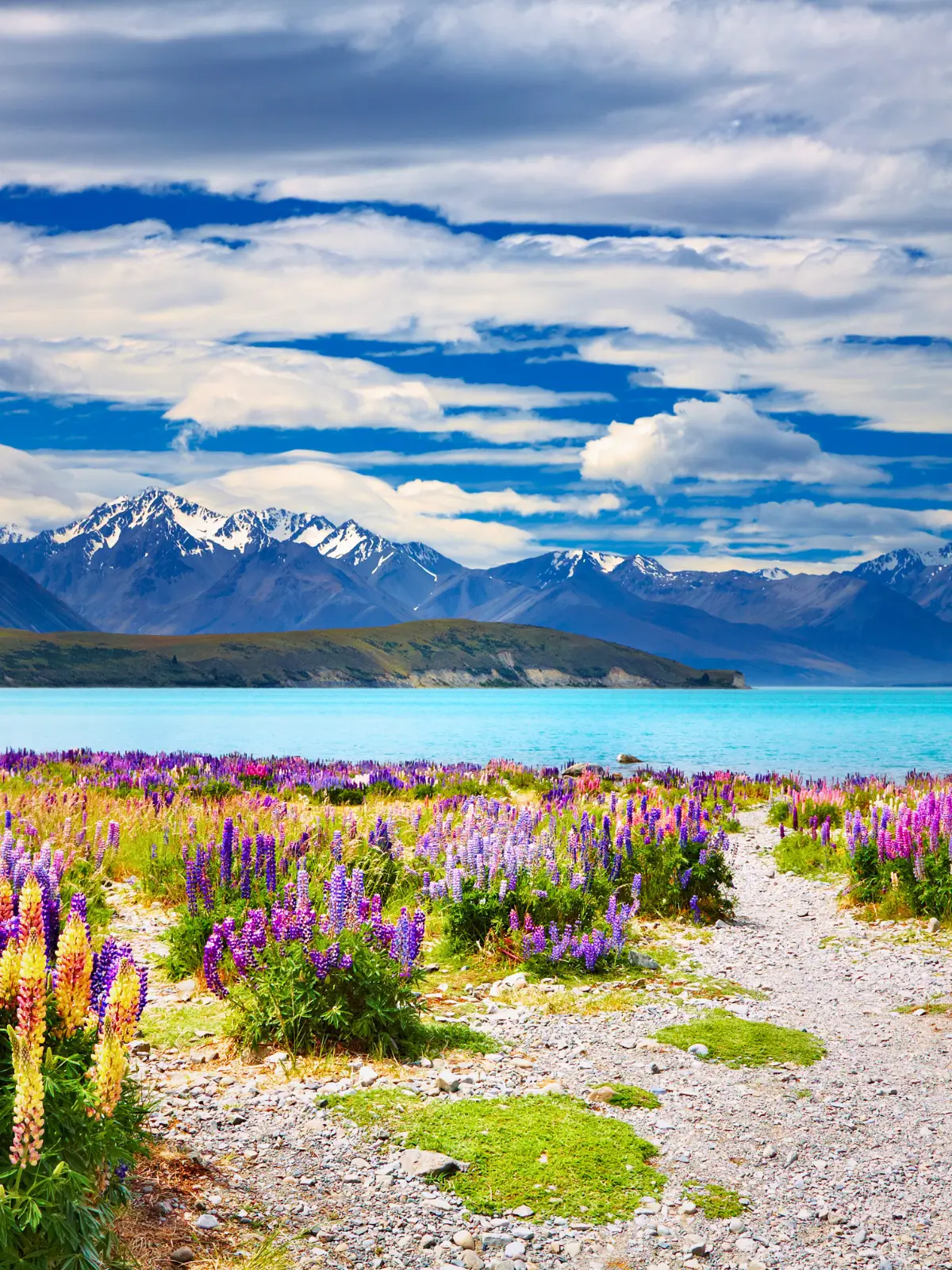
Colourful lupins along the shore of Lake Tekapo with the Southern Alps.

Day 6: Fiordland National Park

Dedicate the day to Milford Sound or Doubtful Sound. This is a longer excursion and best treated as a single focused activity.

Suggested Stay: Same accommodation as previous night

Base: Queenstown

Highlights

  • Fiordland National Park
  • Milford Sound cruise
  • Mitre Peak

Day 7: Queenstown to Wānaka

Drive north over the Crown Range. The journey takes around one hour and leads into a smaller lakeside town with a calmer pace.

Suggested Stay: Lakeside lodge or apartment near Wānaka town centre

Route: Queenstown to Wānaka

Highlights

  • Crown Range summit
  • Lake Wānaka
  • Mount Aspiring views

Day 8: Wānaka to Franz Josef

Continue west through Haast Pass to the West Coast. Allow four to five hours, as the road narrows and scenery becomes denser.

Suggested Stay: Small lodge or motel in Franz Josef village within walking distance of local restaurants

Route: Wānaka to Franz Josef

Highlights

  • Haast Pass
  • West Coast rainforest
  • Tasman Sea coastline

Day 9: Franz Josef to Christchurch

Cross the Southern Alps via Arthur’s Pass. Allow five to six hours. The road climbs steadily before descending back to the Canterbury Plains.

Suggested Stay: Hotel near Christchurch Airport if departing early, or CBD if staying overnight

Route: Franz Josef to Christchurch

Highlights

  • Arthur’s Pass National Park
  • Southern Alps crossing
  • Hokitika Gorge
Beige washi tape strip with soft torn edges on a transparent background.

Things to Know Before Going to New Zealand

1. Take Outdoor Safety Seriously

New Zealand’s landscapes are open and largely unmanaged. Weather shifts quickly, rivers rise after rain, and alpine tracks require preparation. Check the Department of Conservation updates before hiking. Inform someone of your plans in remote areas. Carry water, proper footwear, and warm layers, even in summer.

2. Prepare for Single Lane Bridges and Rural Driving Conditions

Outside major cities, you will encounter single-lane bridges, narrow roads, and livestock crossings. In rural areas, you may share the road with farm vehicles and campervans. Drive cautiously, especially on the South Island. Highways there pass through mountain terrain and along coastal cliffs. Allow space and stay patient.

3. Follow Biosecurity Rules at the Border

New Zealand enforces strict biosecurity laws. Declare all food, plant products, and outdoor gear on arrival. Clean hiking boots before flying. Officials inspect luggage carefully, and fines apply for undeclared items.

4. Book Key Activities and Accommodation Early

Popular experiences such as Milford Sound cruises, Tongariro Alpine Crossing transport, and Hobbiton tours fill quickly in peak season. Smaller towns offer limited accommodation. Secure important bookings in advance.

5. Understand Freedom Camping Rules

You cannot sleep in your vehicle anywhere you choose. Many regions allow overnight parking only for certified self-contained vehicles. Councils enforce regulations and issue fines. Use designated campsites or holiday parks.

6. Expect Limited Public Transport Outside Cities

Auckland and Wellington provide public transport networks, but most regions require a car. Long-distance buses connect major towns, though schedules are limited. Renting a vehicle gives you flexibility.

7. Prepare for Strong UV Exposure

Ultraviolet levels remain high year-round. Apply sunscreen regularly and wear a hat during outdoor activities. You can burn quickly, even on cool or cloudy days.

How to Get There

International Flights

You’ll arrive at Auckland Airport, the main international gateway to New Zealand.

Christchurch also receives long-haul flights and serves as the primary entry point to the South Island. Wellington handles limited international routes, mainly from Australia.

Airlines operate routes from Australia, the United States, Singapore, the Middle East, and parts of Asia. Fares vary depending on departure city, season, and demand, with higher prices during summer from December to February.

Entry Requirements

New Zealand has its own immigration rules. Travellers from visa waiver countries need to apply for a New Zealand Electronic Travel Authority before departure and pay the International Visitor Conservation and Tourism Levy. Check the latest requirements based on your passport.

Travellers must complete a New Zealand Traveller Declaration before arrival, usually within 24 hours of departure. Border officials enforce strict biosecurity controls, so declare all food and outdoor gear. Keep your passport valid for the duration of your stay.

Connecting Between Islands

After clearing immigration, you can take a domestic flight to reach other regions. Flights connect Auckland, Wellington, Christchurch, Queenstown, and other major centres.

If travelling between the North and South Islands by road, use the Interislander or Bluebridge ferry between Wellington and Picton. The crossing takes around three and a half hours and carries vehicles and foot passengers.
During peak season, book ferry tickets in advance.

What to Expect

Driving on the Left

New Zealand drives on the left side of the road, with the driver seated on the right. If you are used to driving on the right, allow time to adjust, especially at roundabouts and intersections.
Most rental cars are automatic, though manual vehicles remain common. Speed limits appear in kilometres per hour and are enforced.

Roundabouts and One-Lane Bridges

Roundabouts are common throughout the country. Give way to traffic coming from your right before entering. Outside cities, you will encounter many single-lane bridges.
Follow posted signs that indicate which direction has priority and wait if required.

Earthquake Awareness

New Zealand lies along the boundary of the Pacific and Australian tectonic plates. Small earthquakes occur regularly, though most cause no disruption. Buildings follow strict construction standards.
If you feel shaking, move away from windows and follow official instructions.

Tap Water and Public Facilities

Tap water is safe to drink in towns and cities.
Public toilets are widely available, including in smaller communities and along highways, though facilities in remote national parks may be basic.

Limited Large Wildlife

New Zealand has no native land mammals apart from bats, and there are no snakes in the wild. Most wildlife encounters involve birds such as kea or marine animals along the coast. Do not feed wildlife, as fines apply for disturbing protected species.
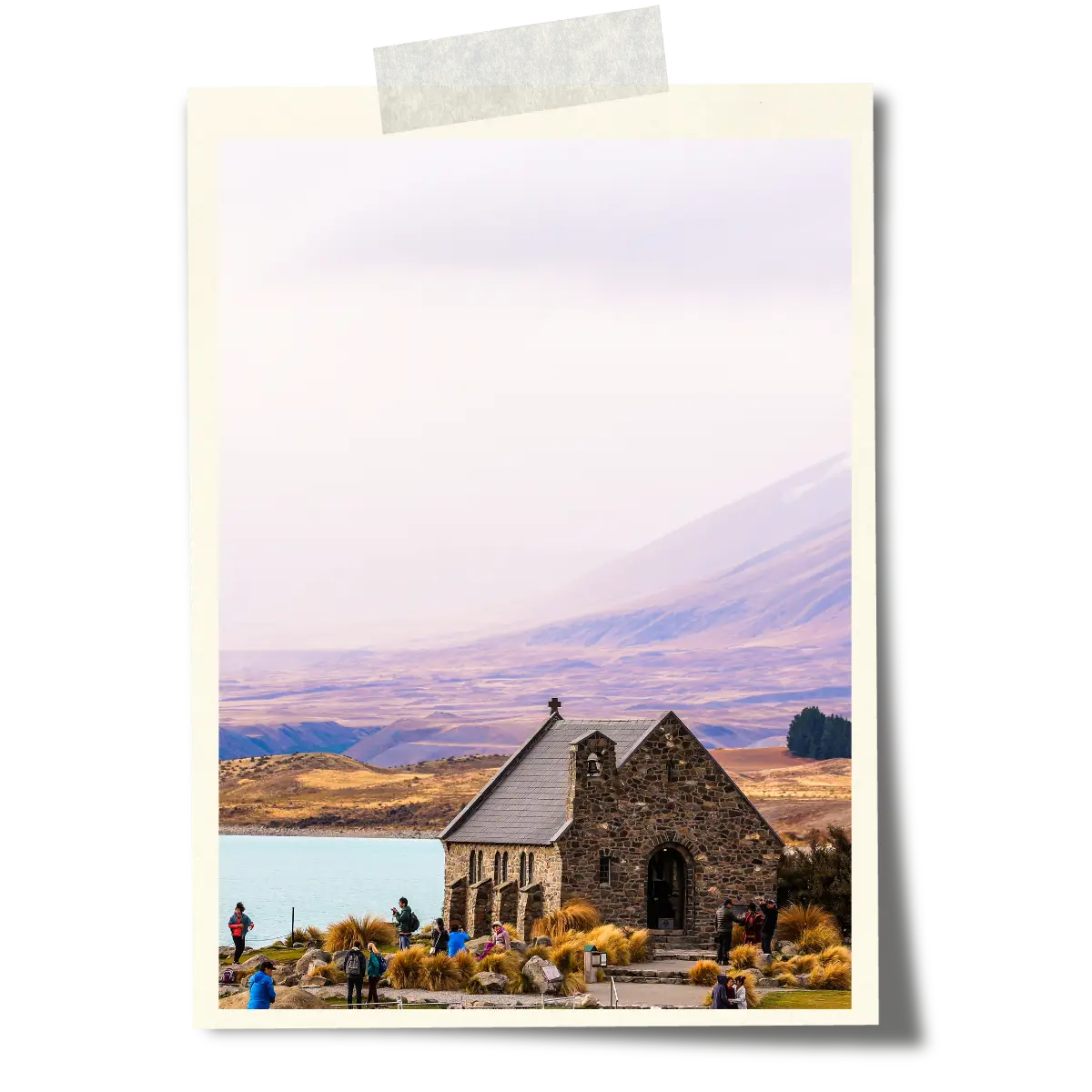
Church of the Good Shepherd on the shore of Lake Tekapo with mountains in the background, New Zealand.
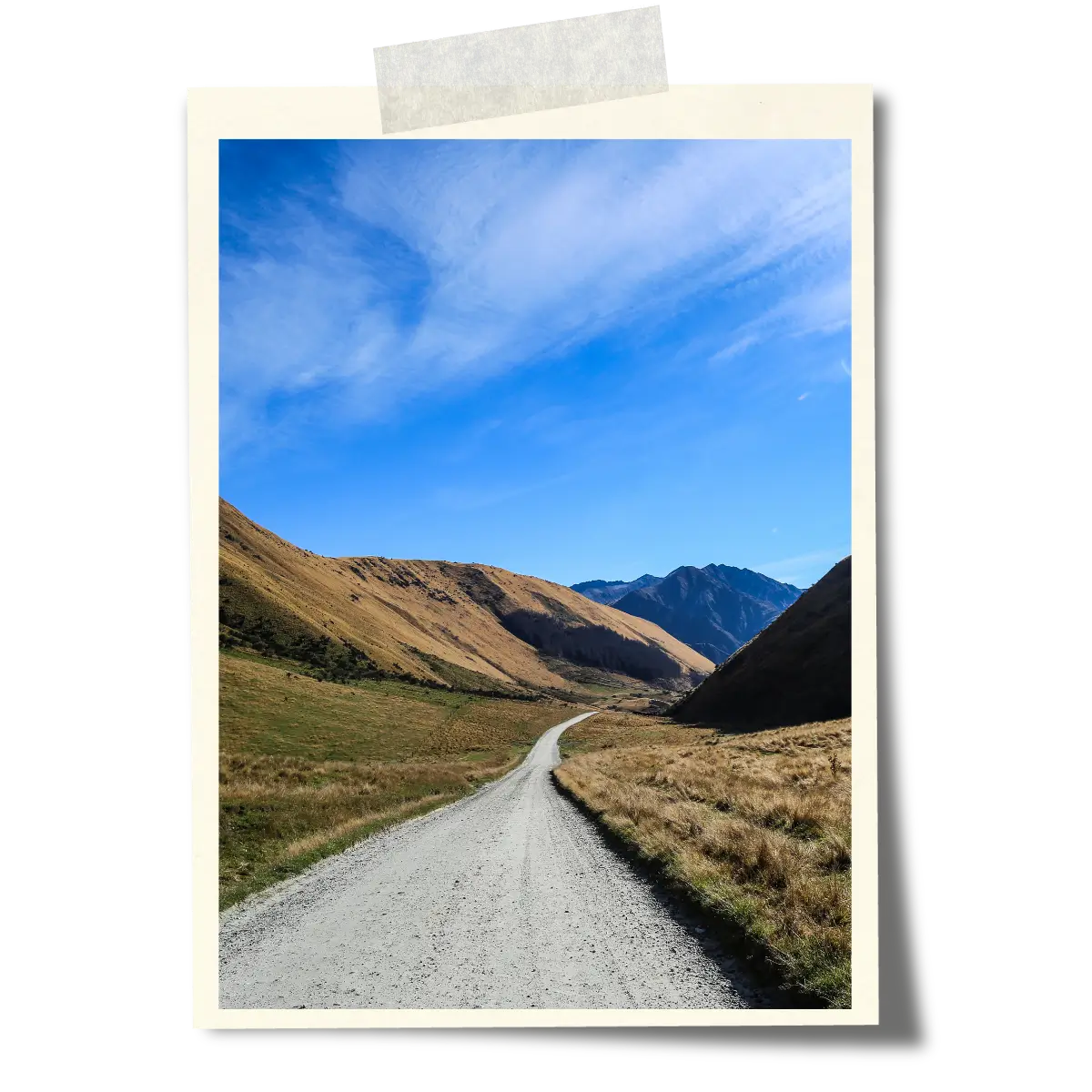
Gravel road winding through a mountain valley under a blue sky on New Zealand’s South Island.

Getting Around New Zealand

Rent a Car for Flexibility

Most visitors explore New Zealand by rental car. A car gives you access to national parks, coastal routes, and smaller towns that public transport rarely reaches.
Book early in summer, as vehicles sell out quickly. Pick a vehicle that suits long drives or mountain roads if that’s in your plan.

Consider a Campervan for Road Trips

Campervans are a popular choice for road trips. They combine transport and accommodation, but you’ll need to plan where to park overnight.
Only certified self-contained vehicles can stay in certain areas, and many regions have restrictions. Reserve holiday parks during peak season.

Use Domestic Flights for Long Distances

Domestic flights connect Auckland, Wellington, Christchurch, Queenstown, and other regional centres.
Flying saves time if you’re short on days or planning to visit both islands.

Take the Cook Strait Ferry Between Islands

If you’re travelling between the North and South Islands with a vehicle, take the Interislander or Bluebridge ferry between Wellington and Picton.
The crossing takes around three and a half hours and carries both passengers and cars. Book ahead in summer and during public holidays.

Use Buses if You Prefer Not to Drive

Intercity buses link major towns and cities across both islands. Services run less often in rural areas, and journeys take longer than driving yourself. Book in advance during busy periods.

Join the
Journey

Sign up for new itineraries, travel notes, and practical guides to help you explore the places I love most.

Portrait of Manu smiling against a neutral background.

I love exploring new places and sharing the travel tips, food finds, and experiences that help you plan your next adventure.

Leave a Comment

Your email address will not be published. Required fields are marked *

Scroll to Top
Ultimate packing checklist travel guide cover with tropical beach background.