Your journey, beautifully planned.

India Travel Guide for Independent Travellers

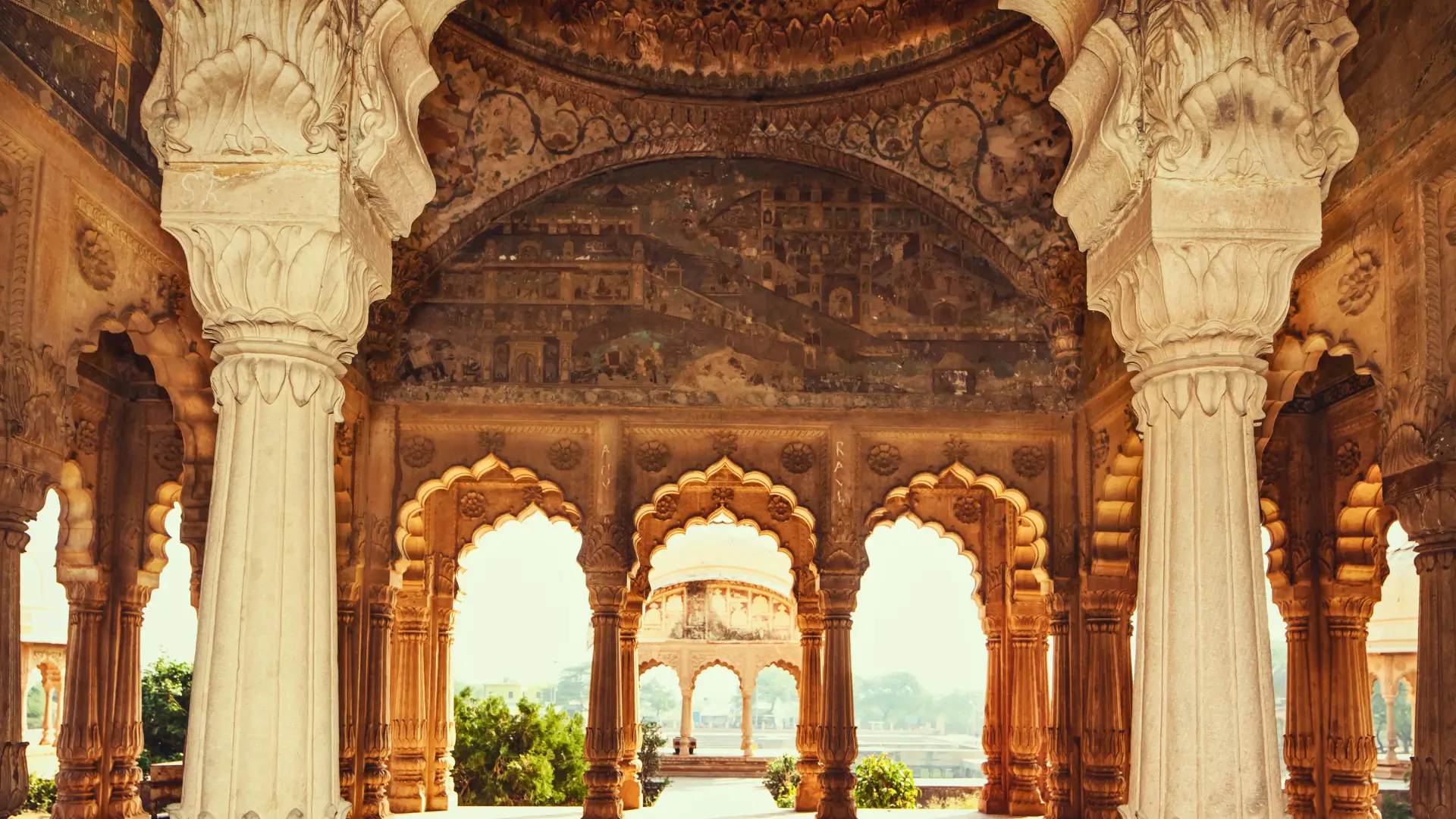
Ornate Mughal architecture with carved stone arches and columns inside a historic palace in India.

India is a major travel destination in South Asia and a common stop for long-term travellers, backpackers, and independent tourists. The country attracts visitors for its historic cities, varied landscapes, and long-standing cultural traditions. Many regions have well-established tourism infrastructure.

One of India’s most recognised landmarks is the Taj Mahal in Agra, a UNESCO World Heritage Site and one of the most visited monuments in the world. Built in the 17th century, it is considered a defining symbol of the country. It is often the first destination for travellers arriving in northern India.
Beyond the major landmarks, popular travel routes include the cities of Rajasthan, the backwaters of Kerala, and the beaches of Goa. Hill regions in the north offer cooler climates and mountain scenery, while southern states provide a slower pace of travel shaped by coastal life and regional cuisine.
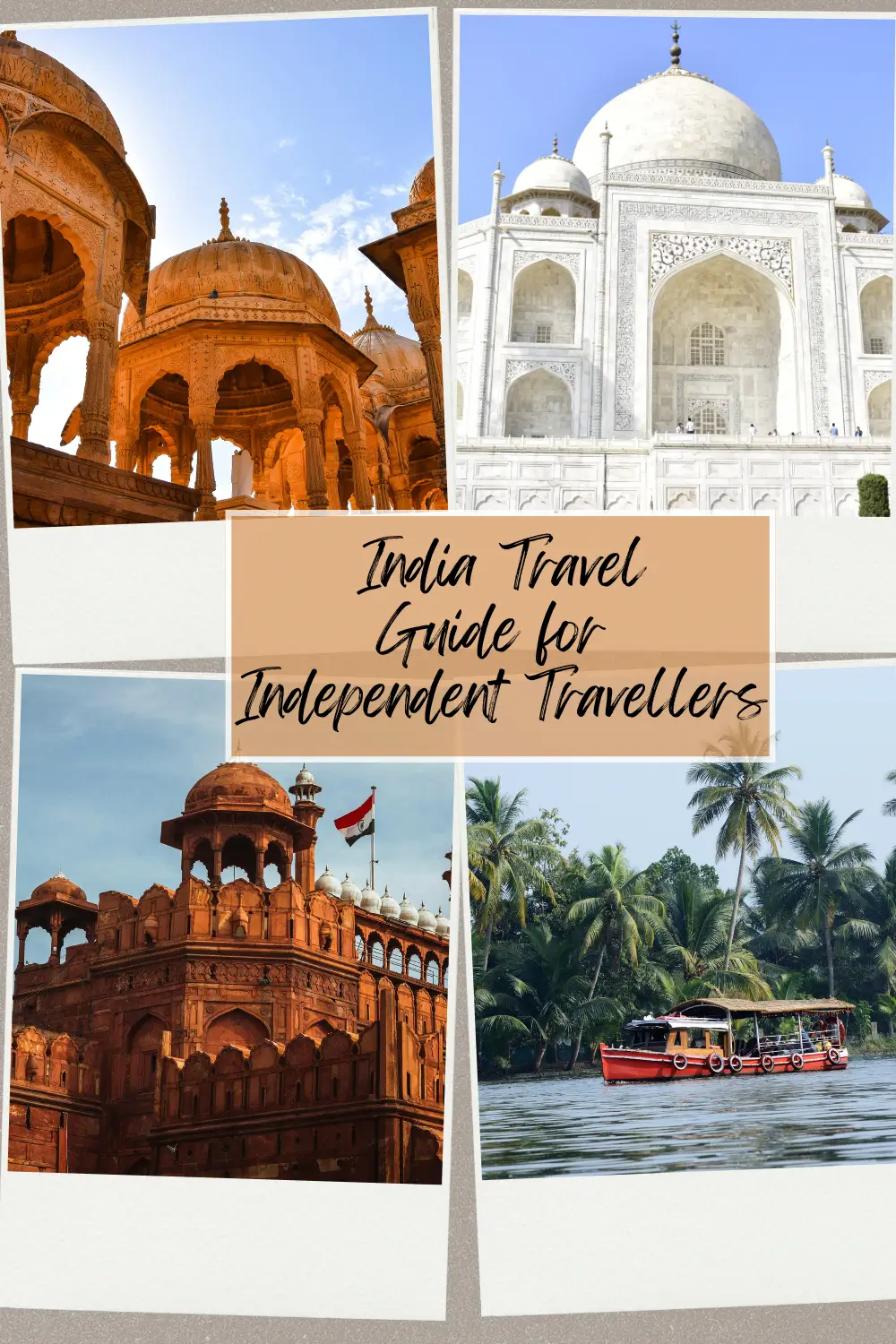
Collage showing iconic landmarks and landscapes in India.

Why Visit India

India attracts travellers for the range and concentration of historic sites, cities, and cultural landmarks found across the country. These include ancient temples and Mughal architecture. Colonial-era districts and active religious centres are also common in many regions. Many of these sites are integrated into everyday urban and regional life. They are not set apart as isolated attractions.
Travel within India offers exposure to distinct regional identities. These are shaped by language, cuisine, and social customs. Many itineraries combine multiple regions in a single trip. This allows visitors to experience contrasting environments and traditions within one country. Established transport and accommodation networks make this possible.

Life Beyond the Landmarks

India often feels familiar and unfamiliar at the same time. Daily life moves through a mix of long-established customs and modern habits, sometimes within the same street or neighbourhood. It is common to see ancient temples beside office buildings, street vendors operating next to global brands, and rituals unfolding alongside busy traffic.
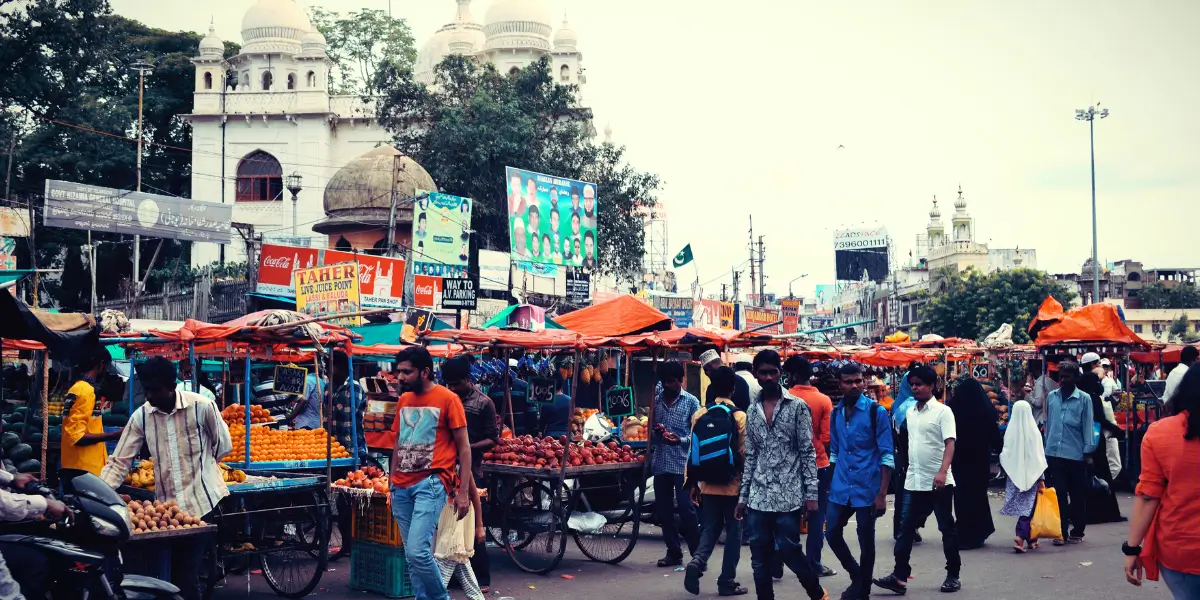
Busy street market in India with fruit vendors, pedestrians, and historic buildings in the background.
Public life is highly visible, with markets, tea stalls, and small shops acting as social spaces rather than just places of transaction. Much of what defines the travel experience comes from observing these everyday moments rather than visiting major attractions alone.

I love exploring new places and sharing the travel tips, food finds, and experiences that help you plan your next adventure.

Join the
Journey

Sign up for new itineraries, travel notes, and practical guides to help you explore the places I love most.

Beige washi tape strip with soft torn edges on a transparent background.

What to Pack

Best Time to Visit India

India can be visited year-round, but the weather changes a lot depending on the season and region. October to March is generally the easiest time to travel, with lower temperatures and more comfortable conditions across much of the country.


From November to February, northern and central India stay warm rather than hot, making it a good time for sightseeing and longer trips. The Himalayan and hill regions are cooler during this period, with snow at higher elevations.


Temperatures climb quickly from March to May, especially in the plains and western regions. June to September brings the monsoon, with heavy rain in many areas, while the south and hill regions can feel more manageable.

Cool Temperate Warm Hot Very Hot Extreme Heat

India at a Glance

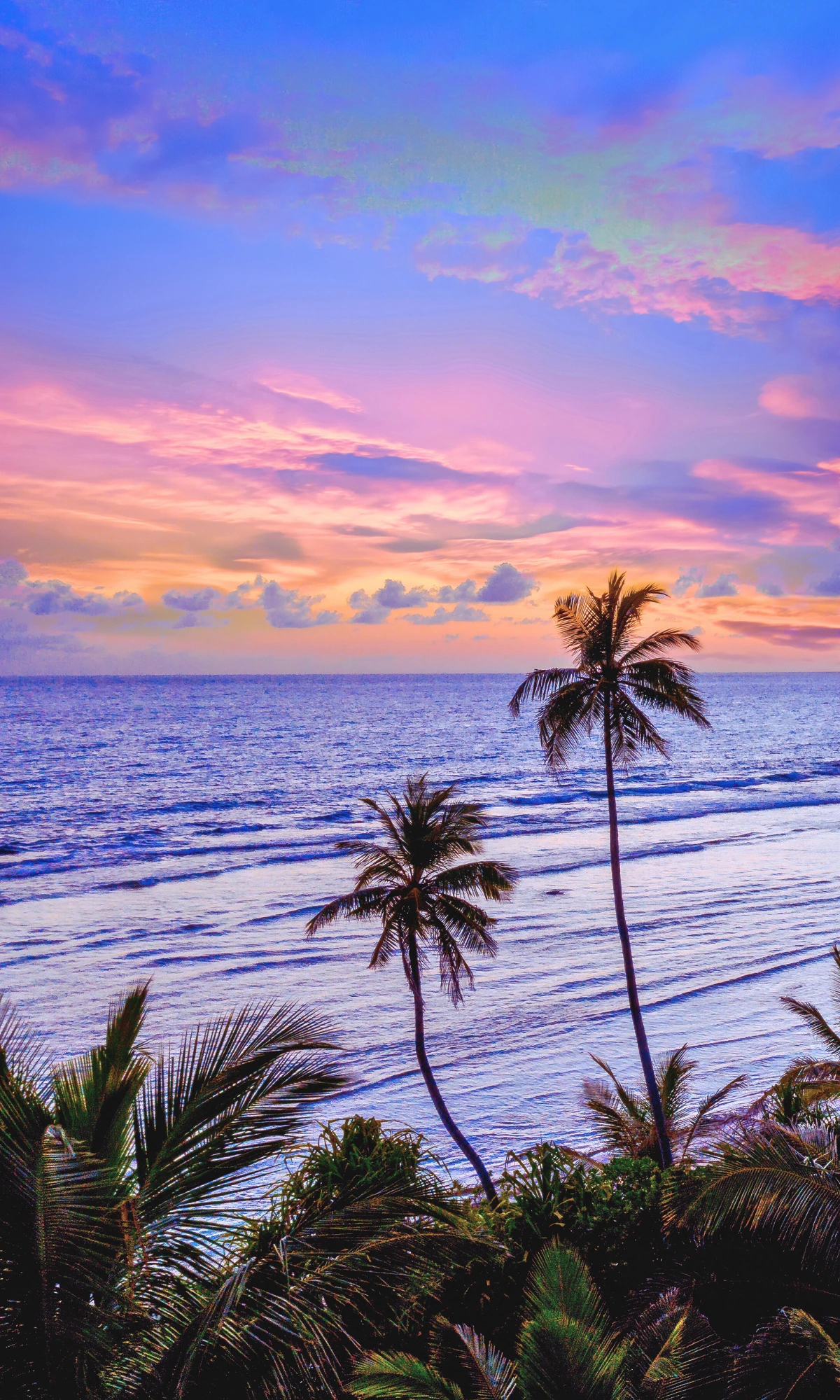
Palm trees overlooking the sea at sunset in Goa, India.
Language selection icon showing two speech bubbles with letter A and Chinese character.

Language

Hindi and English are used officially. English is widely spoken in cities and tourist areas. Regional languages vary by state.

Illustration of a money bag with dollar symbol next to stacked coins.

Currency and Costs

Indian Rupee (INR). Approximate rate: 1 USD ≈ 83 INR. Daily costs are generally affordable, with higher prices in major cities.

Mobile payment icon with credit card and phone showing confirmed payment

Payments

Cash is common for small purchases and local transport. Hotels, restaurants, and larger shops accept cards. Digital payments are widely used.

Hand holding a dollar sign and heart icon representing tipping.

Tipping

Tipping is optional but appreciated. Around 5–10% is common in restaurants if service is not included, with small tips for drivers and hotel staff.

Shield with checkmark and padlock as safety icon.

Safety

Generally safe for visitors using standard precautions. Stay aware in crowded areas and follow local guidance.

Wi-Fi connectivity icon for travel and accommodation.

Connectivity

Strong mobile coverage in cities and towns. Free Wi-Fi is common in hotels and cafés. Local SIM cards are affordable and easy to buy.

A Detailed India Itinerary

This itinerary outlines a balanced route through India, combining major cities, historic landmarks, regional travel, and quieter destinations. 


It is designed as a flexible planning guide, with manageable travel days and a structure that can be adjusted in pace or focus depending on interests and available time.

Day 1: Arrival in Delhi

Arrive in Delhi and settle into your accommodation. Keep the day light to recover from travel and get a first feel for the city.

Suggested Stay: Well-located mid-range hotel or small hotel in South or Central Delhi

Base: Delhi

Day 2: Old Delhi and New Delhi

Explore the contrasting sides of the city. Spend the morning in Old Delhi’s markets and historic streets, then move into New Delhi’s wider avenues and civic areas in the afternoon.

Suggested Stay: Same accommodation in Delhi

Base: Delhi

Highlights

  • Red Fort
  • Jama Masjid
  • Chandni Chowk
  • India Gate

Day 3: Delhi to Agra

Travel to Agra in the morning by train or private transfer. Use the afternoon for a relaxed walk or visit the Taj Mahal at sunset if preferred.

Suggested Stay: Reliable mid-range hotel or guesthouse in Agra

Route: Delhi to Agra

Highlights

  • Agra Fort
  • Views of the Taj Mahal from Mehtab Bagh

Day 4: Agra to Jaipur

Visit the Taj Mahal early in the morning, then continue west toward Jaipur. The route passes through smaller towns and rural areas.

Suggested Stay: Heritage hotel, haveli-style stay, or well-reviewed small hotel

Route: Agra to Jaipur

Highlights

  • Taj Mahal
  • Rural landscapes of Uttar Pradesh and Rajasthan
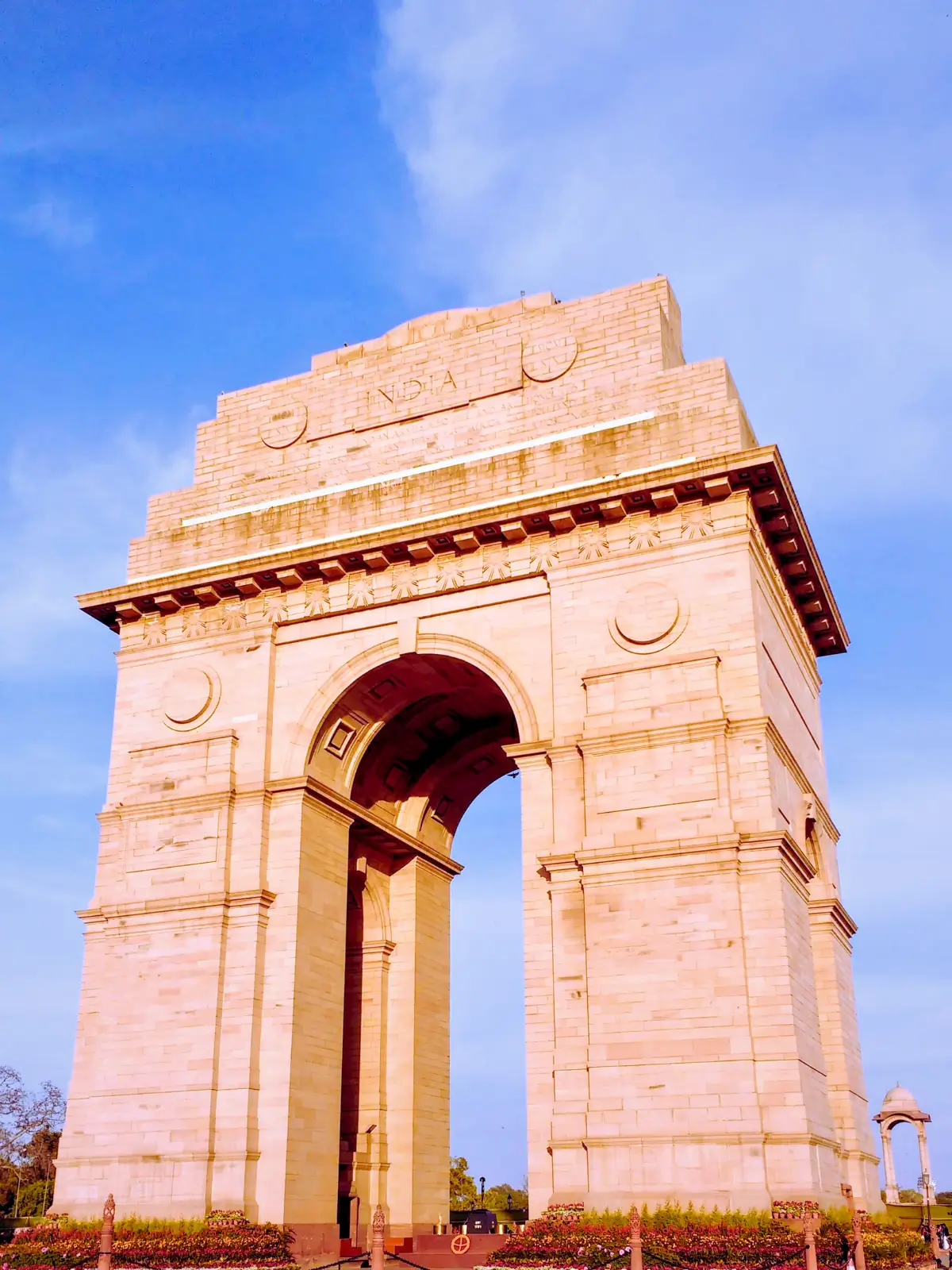
India Gate monument in New Delhi in warm daylight.
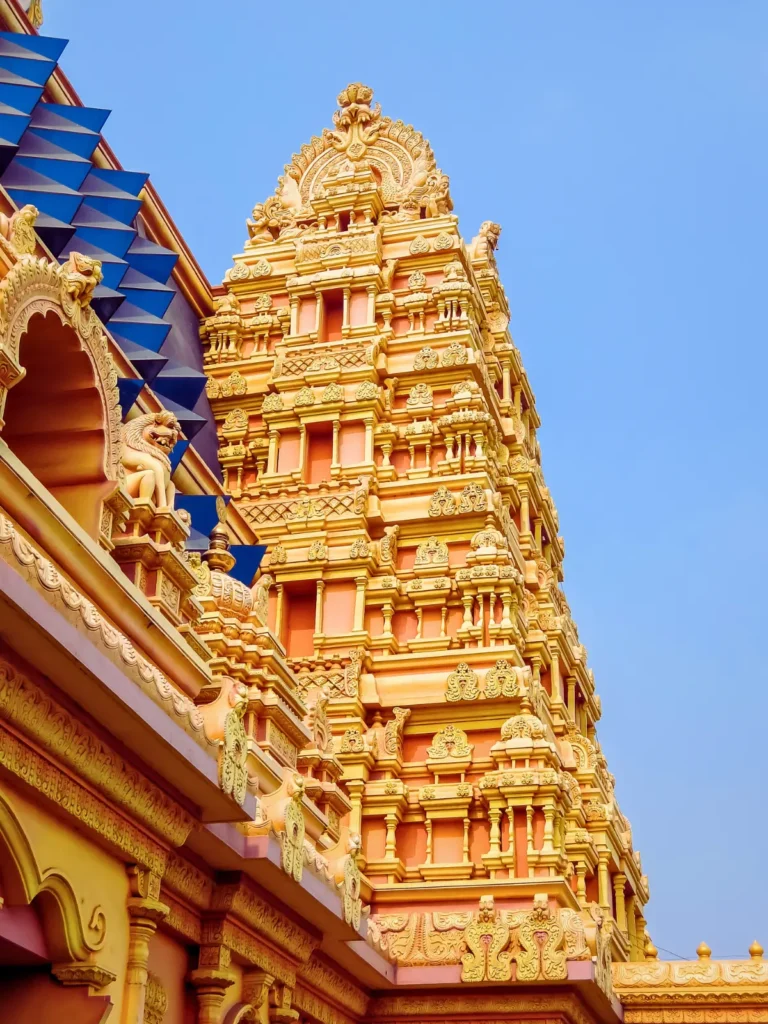
Decorated Hindu temple gopuram rising above the complex in India.

Day 5: Exploring Jaipur

Spend the day exploring Jaipur at a steady pace. Visit forts, palaces, and the old city, and allow time for markets and everyday neighbourhoods.

Suggested Stay: Same accommodation in Jaipur

Base: Jaipur

Highlights

  • Amber Fort
  • City Palace
  • Hawa Mahal
  • Old City markets

Day 6: Jaipur to Udaipur

Travel south to Udaipur by train or domestic flight. This is a longer travel day, with the focus on arrival rather than sightseeing.

Suggested Stay: Heritage hotel or guesthouse near Lake Pichola

Route: Jaipur to Udaipur

Day 7: Udaipur

Spend the day exploring Udaipur. The city is compact and well suited to walking, with time for historic sites and lake views.

Suggested Stay: Same accommodation in Udaipur

Base: Udaipur

Highlights

  • City Palace
  • Lake Pichola
  • Jag Mandir

Day 8: Udaipur to Kerala

Fly from Udaipur to southern India with one domestic connection, commonly via Mumbai or Delhi. Arrive in Kerala and transfer to your accommodation.

Suggested Stay: Backwater guesthouse or small resort

Route: Udaipur to Kerala

Day 9: Kerala Backwaters or Coastal Areas

Spend the day at a slower pace. Options include boat travel through the backwaters, walking through nearby villages, or time along the coast. This portion of the itinerary is intentionally unstructured to allow rest after longer travel days.

Suggested Stay: Same accommodation in Kerala

Base: Kerala

Highlights

  • Kerala backwaters
  • Village canals and waterways
  • Coastal scenery

Day 10: Departure

Travel to the airport for departure. Depending on timing, there may be time for a short walk or final meal before leaving.

Route: Accommodation to airport

Top 8 Things to Know Before Going to India

1. Distances Are Large and Travel Takes Time

India is geographically vast, and moving between regions often takes longer than expected. Even short distances can involve delays due to traffic, weather, or infrastructure. It is important to plan travel days conservatively and avoid overloading itineraries.

2. Regional Differences Are Significant

Language, food, customs, and daily rhythms vary widely from state to state. Experiences in northern cities can feel very different from those in southern or eastern regions. Approaching each area as distinct helps with planning and cultural understanding.

3. Cash Is Still Widely Used

Although digital payments and cards are common in cities, cash remains essential for small shops, markets, local transport, and rural areas. Carrying small denominations is particularly useful for daily expenses.

4. Dress and Behaviour Matter in Many Settings

Modest clothing is recommended, especially at religious sites and in smaller towns. Covering shoulders and knees is generally expected in temples and mosques. Observing local customs, including removing shoes where required, helps avoid unnecessary attention.

5. Food and Water Precautions Are Important

Street food is a central part of daily life, but travellers should choose vendors carefully. Use bottled or filtered water for drinking, and avoid ice unless it comes from a trusted source.cTaking basic precautions reduces the risk of illness.

6. Noise, Crowds, and Sensory Overload Are Common

Cities can be loud, crowded, and visually intense, particularly during peak hours and festivals. This is a normal part of daily life in many areas. Building in quieter locations or rest days can help balance the experience.

7. Transport Systems Are Extensive but Varied

India has an extensive network of trains, domestic flights, buses, and urban transport. Trains are widely used for long-distance travel, while flights are often the most efficient option for crossing regions. Booking in advance is recommended where possible.

8. Flexibility Is Essential

Delays, changes, and unexpected situations are common. Plans often work best when treated as flexible frameworks rather than fixed schedules. Allowing extra time and adjusting expectations contribute to a smoother and more enjoyable trip.

Beige washi tape strip with soft torn edges on a transparent background.

How to Get There

International Flights

India is well connected by air, with major international airports in cities such as Delhi, Mumbai, Bengaluru, Chennai, and Kolkata. These airports receive direct flights from Europe, the Middle East, Southeast Asia, and Australia. They also provide onward connections to other parts of the country. Flight availability and pricing vary by season and point of entry.

Entry Requirements

Most travellers require a valid visa to enter India. Many nationalities can apply for an electronic visa online, which authorities must approve before travel. Travelers generally need passports that remain valid for at least six months beyond the date of arrival. At least two blank pages are usually required for entry stamps.

Arrival Procedures

On arrival, travellers pass through immigration and customs before entering the arrivals area. Processing times vary depending on the airport, time of day, and passenger volume. It is advisable to have accommodation details and visa documentation readily available. Return or onward travel information may also be requested.

What to Expect

A High Level of Human Interaction

Daily life in India is highly social, and travellers should expect frequent interactions in public spaces. Questions about where you are from, where you are going, or how long you are staying are common and usually driven by curiosity rather than intrusion. Personal space norms can differ from those in Western countries, particularly in crowded areas.

A Flexible Approach to Time

Schedules and timings are often treated as approximate rather than fixed. Delays can occur with transport, services, or appointments without much notice. Adopting a flexible mindset helps reduce frustration and makes it easier to adapt to changing plans.

Strong Regional Food Identities

Cuisine varies sharply by region, and menus change accordingly. Staple ingredients, cooking methods, and meal structures differ between north and south, coastal and inland areas. Travellers should expect less uniformity in food options than in many other countries.
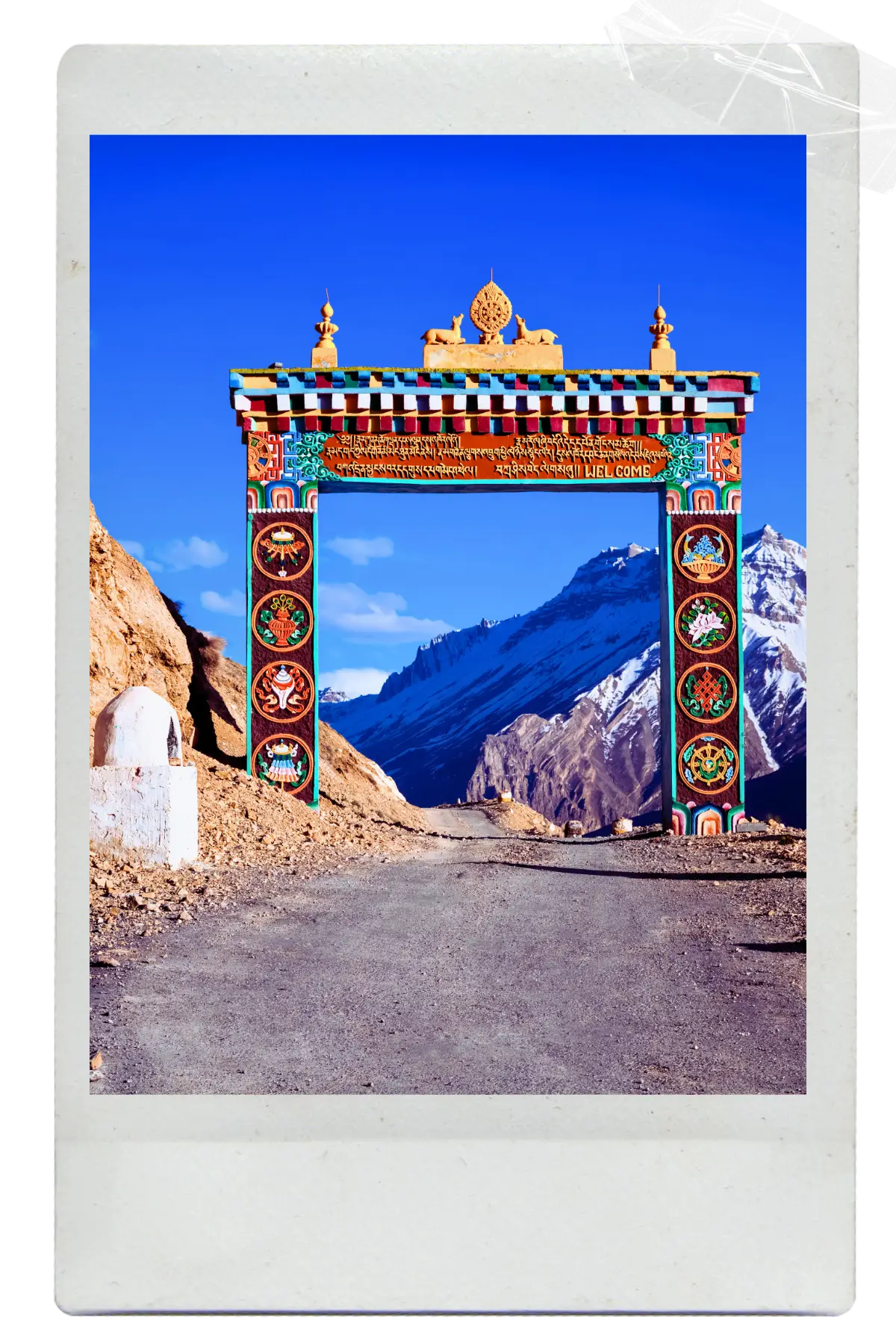
Colourful ceremonial gateway at a Himalayan mountain pass in northern India.
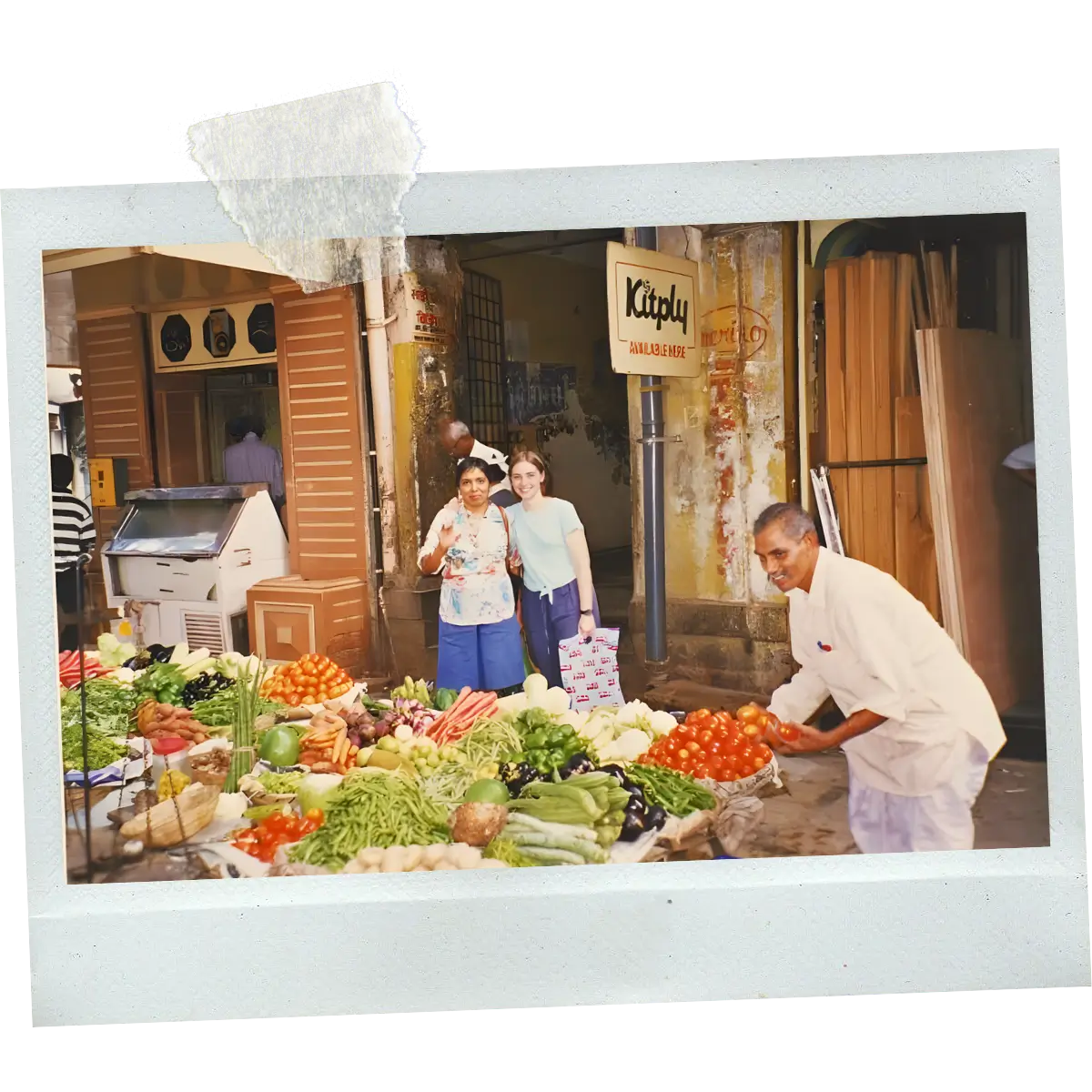
Alt Text Manu visiting a local vegetable market in India.

Getting Around India

Domestic Flights

Domestic flights connect major cities and regions efficiently, especially for moving between distant parts of India. Airlines operate frequent services on routes such as Delhi to Mumbai or Bengaluru to Kochi. Well-known carriers operate across the country and make long distances manageable by air.

Trains

India’s rail network is one of the most extensive in the world, linking cities, towns, and rural destinations across the country. Services range from local passenger trains to long-distance express and overnight options. Reserved seating and sleeper services are common for longer trips, and booking ahead is advisable.

Buses

Buses operate widely between towns and cities and serve regional and local routes. There are basic government services, private intercity coaches, and more comfortable long-distance options. Schedules and comfort levels vary by company and route.

Taxis and Ride-Hailing Services

Taxis and app-based ride-hailing services such as Ola and Uber are widely available in urban areas. They are used for short distances, airport transfers, and point-to-point travel within cities.

Auto-Rickshaws and Local Vehicles

Auto-rickshaws, cycle rickshaws, and similar local vehicles are a common form of transport for short distances. They are widely used in cities and smaller towns. Fares may be metered or negotiated, and these vehicles are practical for navigating crowded streets.

Urban Metro and Rail Systems

Many major Indian cities operate metro or rapid transit systems that provide reliable transport across urban areas. Cities with metro services include Delhi, Mumbai, Chennai, Kolkata, Bengaluru, and others. These systems offer an alternative to road-based travel and can be especially efficient for moving through dense city zones.
Beige washi tape strip with soft torn edges on a transparent background.
What to Pack

Join the Journey

Sign up for new itineraries, travel notes, and practical guides to help you explore the places I love most.

Portrait of Manu smiling against a neutral background.

I love exploring new places and sharing the travel tips, food finds, and experiences that help you plan your next adventure.

Leave a Comment

Your email address will not be published. Required fields are marked *

Scroll to Top
Ultimate packing checklist travel guide cover with tropical beach background.