Your journey, beautifully planned.

The Best Way to Plan a Trip to Chile

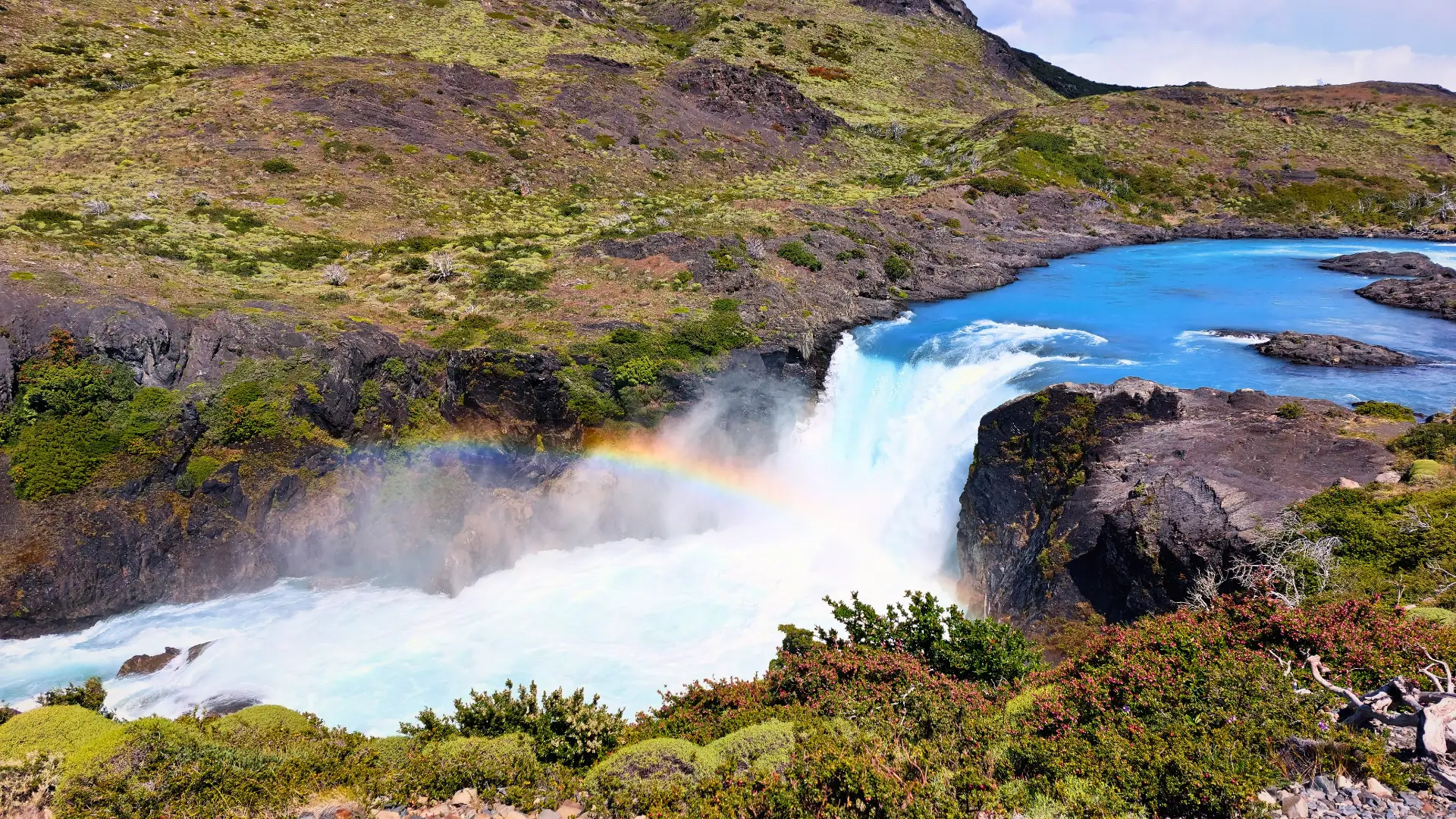
Salto del Laja waterfall with rainbow in central Chile.

Chile runs along the western edge of South America between the Andes Mountains and the Pacific Ocean. The country packs an impressive range of landscapes into one long stretch of land. You’ll find the world’s driest desert in the north, vineyards and coastal cities in the centre, and glaciers and fjords in the far south.

Most trips begin in Santiago, the capital and the country’s main travel hub. From there, it’s easy to reach colourful coastal cities like Valparaíso, explore nearby wine regions, or fly north to the Atacama Desert. Head south and the scenery shifts to forests, lakes, and the dramatic national parks of Patagonia.
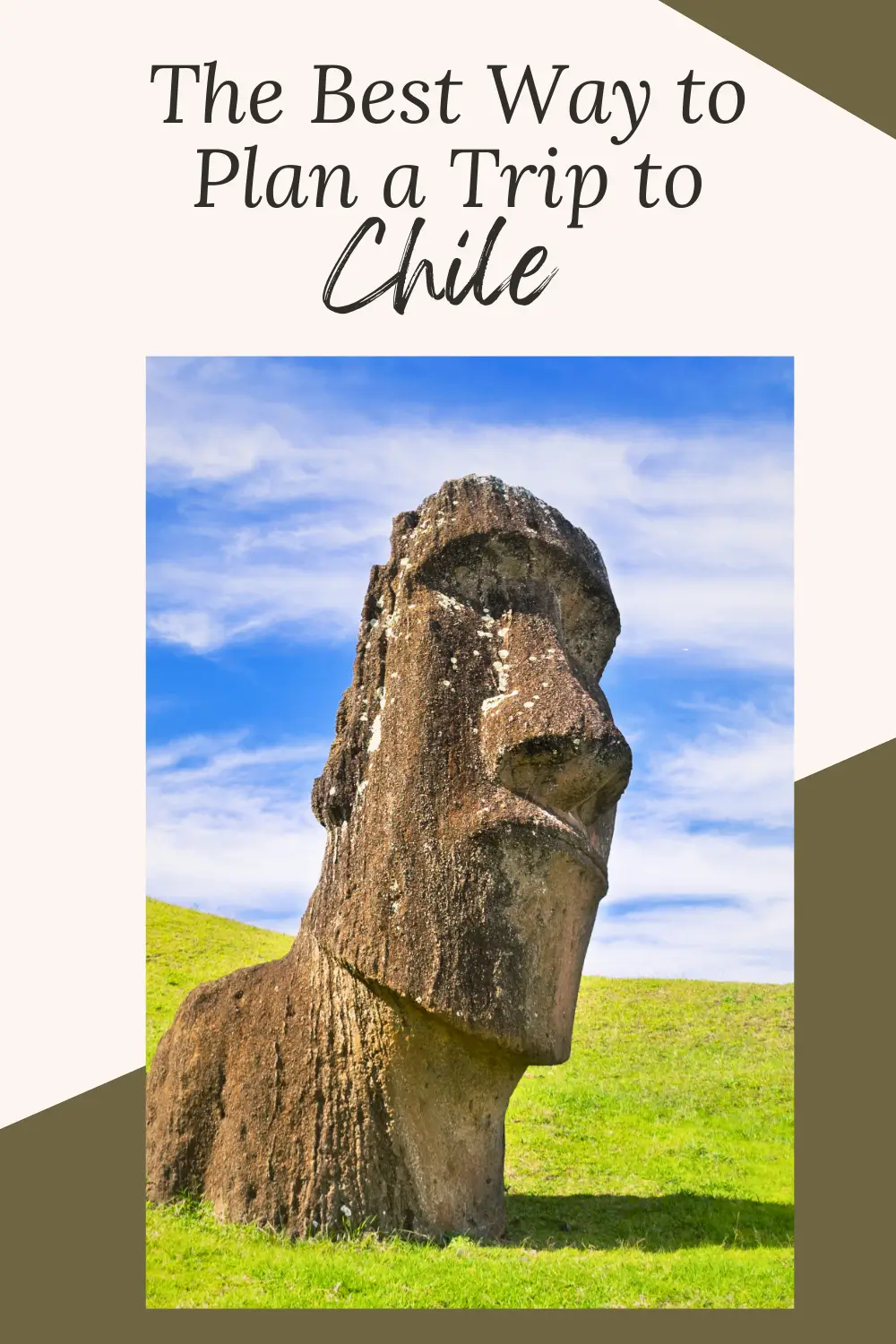
Moai statue on Easter Island used in a Chile travel guide.
Chile is especially popular with travellers who enjoy the outdoors. Hiking trails, stargazing spots, wildlife areas, and wine regions are all easy to add to the same trip, which makes the country feel surprisingly varied despite its narrow shape.

Did You Know?

  • Chile stretches about 4,300 km (2,670 miles) from north to south, making it the longest narrow country in the world. It averages only about 177 km (110 miles) wide.

  • The Atacama Desert in Chile ranks as the driest non-polar desert on Earth. Some weather stations there have never recorded rainfall.

  • Chile hosts many of the world’s most powerful telescopes in the Atacama Desert thanks to its clear skies and extremely dry air.

  • Chile governs Easter Island even though it lies about 3,500 km (2,200 miles) away in the Pacific Ocean. The island features giant stone statues called Moai.

  • Chile produces about one-third of the world’s copper, making it the largest copper producer in the world.

  • A massive earthquake struck Valdivia, Chile, in 1960 and reached a magnitude of 9.5, the strongest earthquake ever recorded.

  • Chile contains over 2,000 volcanoes, and about 90 remain active today.

I love exploring new places and sharing the travel tips, food finds, and experiences that help you plan your next adventure.

Join the
Journey

Sign up for new itineraries, travel notes, and practical guides to help you explore the places I love most.

Best Time to Visit Chile

The best time to visit Chile depends a bit on where you’re going, because the country stretches across so many climates. Chile is in the Southern Hemisphere, so the seasons are opposite those in Europe and North America. Summer runs from December to February, winter from June to August, with spring from September to November and autumn from March to May.

For most travellers, the sweet spot is September to November (spring) and March to May (autumn). During these months, the weather is mild, crowds are smaller, and prices are usually lower than in peak summer. 

If you’re heading to Patagonia in southern Chile, the best window is November through March. Temperatures are warmer during this period and hiking trails are more accessible. Summer also brings longer daylight hours, which makes it a great time to explore national parks and glaciers.
For the Atacama Desert and northern Chile, you can visit almost any time of year thanks to the region’s dry climate. Spring and autumn are still the most comfortable, though, because summer days can get quite hot and winter nights can drop to freezing.
Summer Autumn Winter Spring

Chile At A Glance

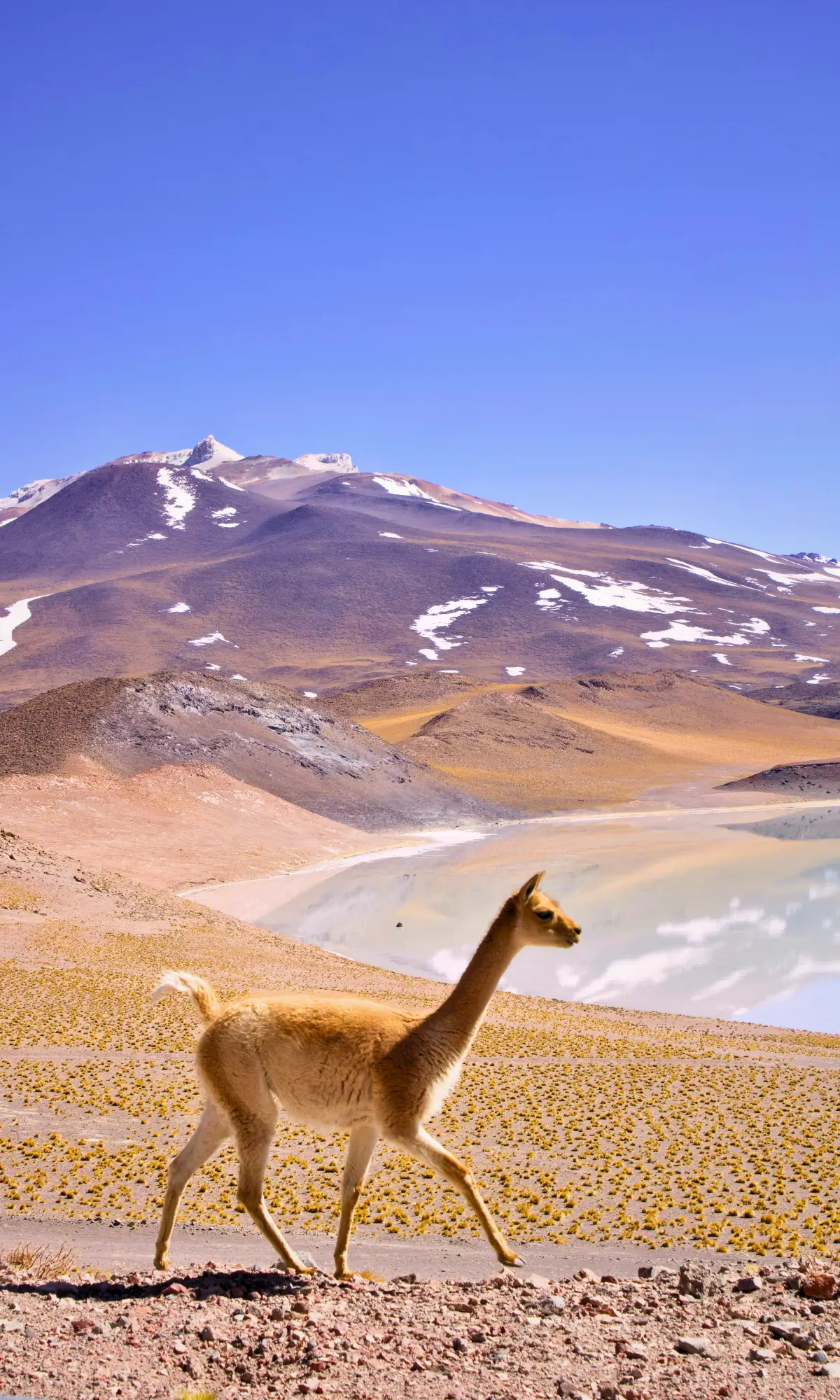
Vicuna walking across the high desert landscape of Chile’s Atacama Altiplano.
Language selection icon showing two speech bubbles with letter A and Chinese character.

Language

Spanish is Chile’s official language, and people speak it nationwide. Some English appears in tourist areas and major hotels, but most daily conversations take place in Spanish.

Illustration of a money bag with dollar symbol next to stacked coins.

Currency and Costs

Chilean Peso (CLP). Approximate rate: 1 USD is roughly 850 to 950 CLP, though exchange rates fluctuate. Expect moderate daily costs, with higher prices in Santiago, Patagonia, and major tourist areas.

Mobile payment icon with credit card and phone showing confirmed payment

Payments

Hotels, restaurants, and larger stores accept credit and debit cards. Many travellers use cards for everyday purchases. Carry some cash for small shops, taxis, and local markets.

Hand holding a dollar sign and heart icon representing tipping.

Tipping

Tipping is common. Many restaurants include a 10% service charge. Additional tips for excellent service are appreciated but not required.

Shield with checkmark and padlock as safety icon.

Safety

Chile is generally safe for travellers. Still, take normal precautions, especially in busy cities and crowded tourist areas.

Wi-Fi connectivity icon for travel and accommodation.

Connectivity

Mobile coverage is strong in cities and towns. Most hotels offer Wi-Fi. Internet access may be limited in remote regions, especially in Patagonia and parts of the Andes.
A Detailed Chile Itinerary

Chile stretches over 4,000 kilometres from north to south, so planning your route matters. This itinerary follows a clear north-to-south path. It starts in Santiago, continues to the Atacama Desert, and finishes in Patagonia.
Domestic flights link the main regions of the country. These flights help reduce long overland journeys and keep travel days manageable.

Accommodation changes are limited where possible. Several locations are explored from one base, so you don’t need to keep packing and moving. The route works best with a combination of domestic flights and short local transfers.

Day 1: Arrival in Santiago

Arrival into Santiago is usually followed by a transfer to accommodation in Providencia or Lastarria. Both districts provide convenient access to restaurants, museums, and central landmarks. The first day should remain light.

Suggested Stay: Hotel or guesthouse in Providencia or Lastarria

Base: Santiago

Highlights

  • Plaza de Armas
  • Santiago Metropolitan Cathedral
  • Lastarria district
  • Santa Lucía Hill viewpoints

Day 2: Santiago and Cerro San Cristóbal

This day focuses on central Santiago and the nearby hills overlooking the city. Most landmarks sit within short distances of each other, making the day manageable without long transfers.

Suggested Stay: Same as previous night

Base: Santiago

Highlights

  • Cerro San Cristóbal viewpoints
  • Parque Metropolitano
  • Bellavista neighbourhood
  • La Chascona museum

Day 3: Valparaíso Day Trip

Valparaíso lies along the Pacific coast about two hours from Santiago and works well as a day trip. The city’s steep hills, murals, and historic funiculars create a distinct contrast with the capital.

Suggested Stay: Same as previous night

Base: Santiago

Highlights

  • Cerro Alegre and Cerro Concepción
  • Valparaíso hillside viewpoints
  • Historic funicular elevators
  • Pacific coastal views

Day 4: Santiago to San Pedro de Atacama

A morning flight connects Santiago with Calama, the nearest airport to San Pedro de Atacama. From Calama, a 1-hour transfer reaches San Pedro de Atacama, the main base for exploring the desert.

Suggested Stay: Desert lodge or boutique hotel in San Pedro de Atacama

Route: Santiago to San Pedro de Atacama

Highlights

  • Atacama Desert landscapes
  • San Pedro village streets
  • Licancabur Volcano views

Day 5: Valle de la Luna and Desert Landscapes

The landscapes surrounding San Pedro are explored through short excursions into the desert. Valle de la Luna is usually visited later in the day when light conditions highlight the rock formations.

Suggested Stay: Same as previous night

Base: San Pedro de Atacama

Highlights

  • Valle de la Luna
  • Cordillera de la Sal
  • Atacama sunset viewpoints
  • Desert salt formations
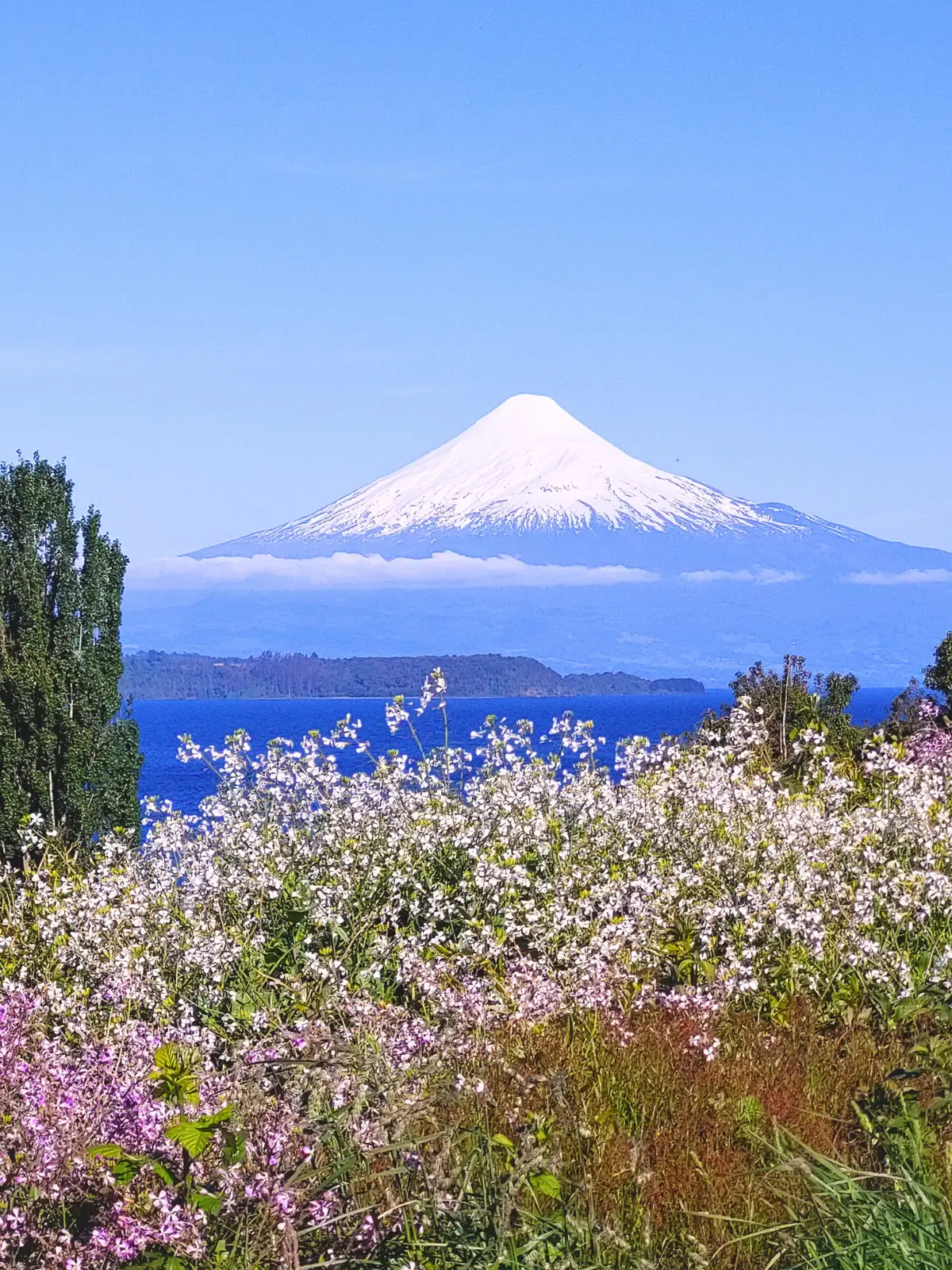
Osorno Volcano rising above Lake Llanquihue in Chile’s Lake District with wildflowers.
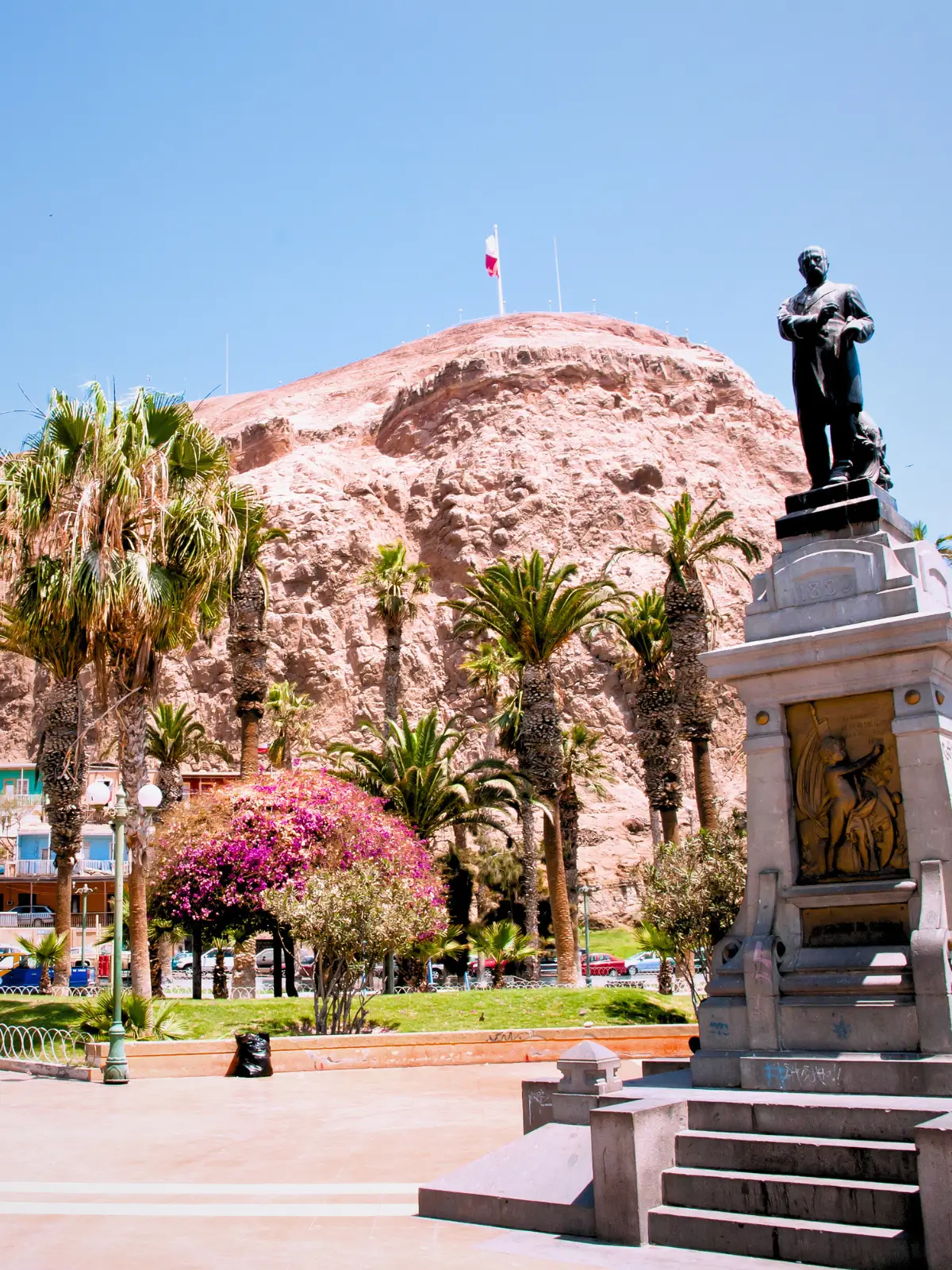
Monument at Morro de Arica hill with Chilean flag overlooking the city in northern Chile.

Day 6: Altiplano Lagoons and Geysers

Early departures lead to the high-altitude lagoons and geothermal fields in the Andes. The area’s elevation and distances make guided excursions the most practical option.

Suggested Stay: Same as previous night

Base: San Pedro de Atacama

Highlights

  • El Tatio geysers
  • Miscanti Lagoon
  • Miñiques Lagoon
  • Salar de Atacama flamingo reserves

Day 7: Atacama to Patagonia

Travel from San Pedro de Atacama to Chilean Patagonia requires a flight connection. Transfer to Calama Airport, then fly via Santiago to either Punta Arenas or Puerto Natales.

This is the longest travel day of the itinerary due to Chile’s length, so expect most of the day to be spent in transit.

Suggested Stay: Hotel or guesthouse in Puerto Natales

Route: San Pedro de Atacama to Puerto Natales

Highlights

  • Patagonian steppe landscapes on arrival
  • Fjord coastline near Puerto Natales

Day 8: Torres del Paine National Park

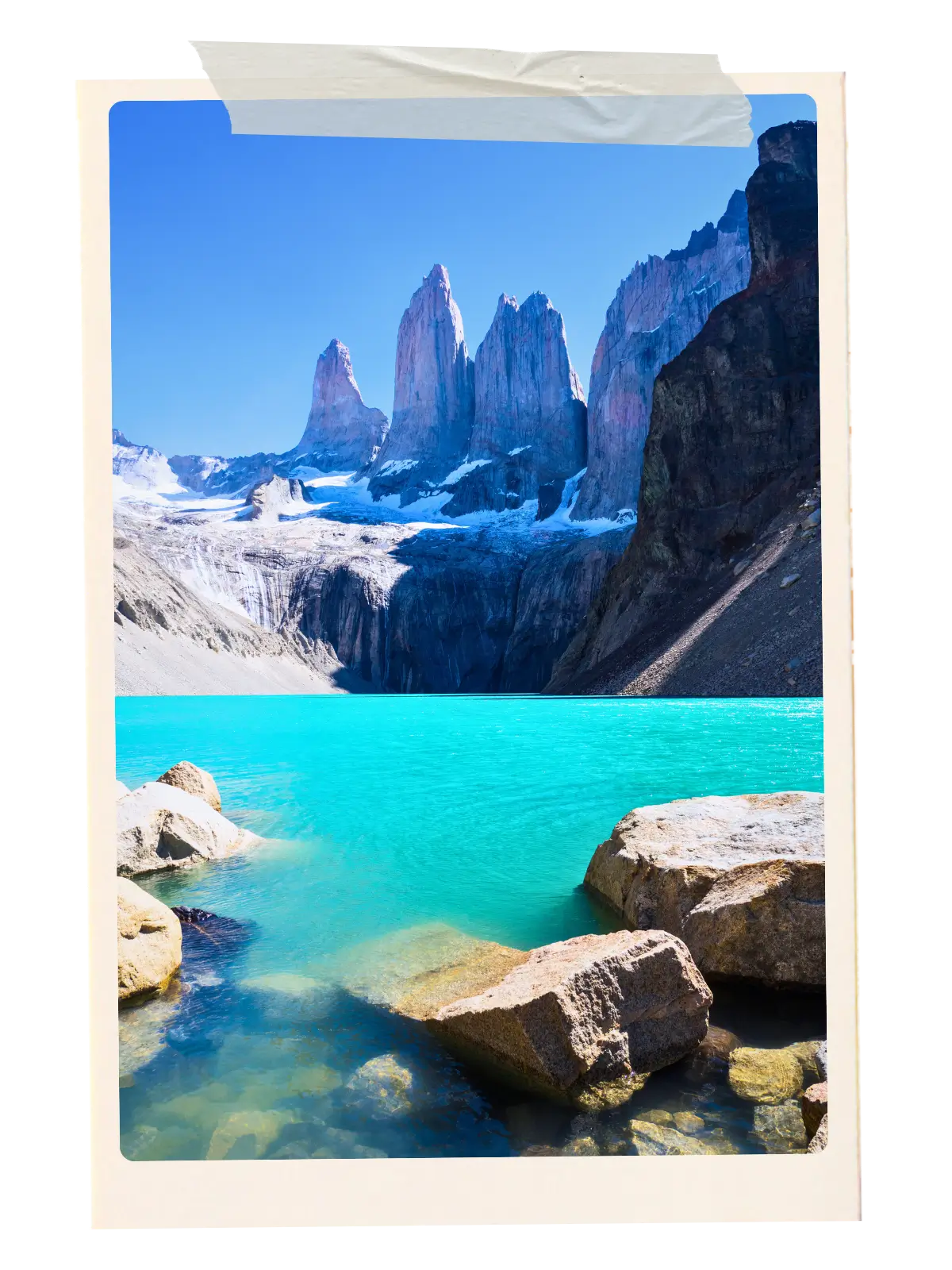
Puerto Natales serves as the gateway to Torres del Paine. A full-day visit allows travellers to explore the park’s lakes, glaciers, and mountain viewpoints.

Suggested Stay: Same as previous night

Base: Puerto Natales

Highlights

  • Torres del Paine massif
  • Lake Pehoé
  • Grey Glacier viewpoints
  • Cuernos del Paine

Day 9: Return to Santiago and Departure

Departure is via Arturo Merino Benítez International Airport in Santiago, Chile’s main international gateway. Allow extra time for airport transfers, especially during peak traffic hours.

Route: Puerto Natales to Santiago

Highlights

  • Andes mountain views from the air
  • Santiago skyline on arrival
Beige washi tape strip with soft torn edges on a transparent background.

Things To Know Before Going to Chile

1. You May Need Reservations for Patagonia Hikes

Some of Chile’s most famous trails now require advance reservations, especially inside Torres del Paine National Park. Campsites and park entries often sell out during peak season. Book permits and accommodation early if you plan to hike.

2. Chile Uses Two Electrical Plug Types

Chile mainly uses Type C and Type L electrical outlets with a 220V supply. Many travellers from North America need a plug adapter and sometimes a voltage converter for certain devices. Check your electronics before your trip to avoid charging problems.

3. Earthquake Preparedness Is Normal in Chile

Chile experiences frequent small earthquakes. Most buildings follow strict seismic safety standards, and locals are used to them. If you feel a minor tremor, stay calm and follow basic safety instructions provided by your accommodation.

4. Public Transportation in Santiago Works Very Well

Santiago’s metro system is modern, efficient, and easy to use. Many locals rely on it daily, and it is one of the fastest ways to move around the city. Pickpocketing can occur during busy hours, so keep bags zipped and valuables secure.

5. Restaurant Service Moves at a Relaxed Pace

Dining in Chile usually takes longer than many visitors expect. Servers give guests time to enjoy their meal and conversation, and they don’t bring the bill automatically. When you are ready to leave, ask for “la cuenta” to request the check.

6. Sun Protection Is Essential in the Andes

If you visit high altitude areas in the Andes, the sun can feel much stronger than expected. Even on cooler days, UV exposure can be intense. Bring sunscreen, sunglasses, and a hat.

How to Get There

International Flights

Most international visitors fly into Arturo Merino Benítez International Airport in Santiago, the country’s largest airport and main entry point. It connects Chile with major cities across North America, Europe, Oceania, and South America.

Santiago also serves as the main hub for domestic flights. From there, travellers can easily continue to destinations such as San Pedro de Atacama, Puerto Montt, or Punta Arenas.

Entry Requirements

Chile sets its own immigration policies, and entry rules depend on your nationality. Many travellers can enter visa-free for short tourist stays, typically up to 90 days.

Your passport should usually remain valid for the duration of your trip, though some airlines recommend at least 6 months of validity.

Immigration officers may ask for proof of onward travel or accommodation.

Arriving Overland

Chile borders Argentina, Peru, and Bolivia, and several land crossings allow travellers to enter by road.
One of the most popular routes connects Mendoza in Argentina with Santiago, crossing the Andes Mountains.
International buses run regularly between Chile and neighbouring countries. Keep in mind that some mountain crossings may close temporarily during winter due to snow or severe weather.

What to Expect

Grocery Stores Don’t Always Stay Open Late

Many supermarkets and neighbourhood stores close earlier than some visitors expect, especially outside major cities. Don’t assume late-night shopping is common everywhere. Buy water, snacks, or supplies earlier in the evening if you might need them.

Some Public Restrooms Charge a Small Fee

Restrooms in bus terminals, markets, and some public areas may charge a small fee. Attendants often manage these facilities. Carry a few Chilean-peso coins so you can use them easily.

Drivers Don’t Always Stop at Crosswalks

Cities have plenty of pedestrian crossings, but drivers don’t always stop automatically. Look carefully before crossing the street, even when you technically have the right of way.

Sandwiches Often Count as Full Meals

Chilean sandwiches are larger and heavier than many visitors expect. Options like chacarero or lomito include meat, avocado, tomato, and sauces inside a large bread roll. Locals often eat them as full meals rather than quick snacks.

Long-Distance Buses Are Comfortable and Widely Used

Chile’s long-distance buses are reliable and widely used for travel between cities. Many offer reclining seats and overnight routes. Don’t assume you need to fly everywhere, since buses can be comfortable and often cost less.
Turquoise lake with the Torres del Paine granite towers rising above Patagonia in Torres del Paine National Park, Chile.
Magellanic penguins standing on rocky ground in Patagonia, Chile.

Getting Around Chile

Domestic Flights

Chile’s long shape makes flying the fastest way to travel between distant regions. Domestic airlines connect Santiago with cities such as Calama, Puerto Montt, and Punta Arenas.
Many travellers use flights to reach places like the Atacama Desert or Patagonia more quickly.

Long Distance Buses

Long-distance buses connect most major cities and towns across Chile. Companies run frequent routes with comfortable seats and overnight options. 

These buses run between cities such as Santiago, Valparaíso, La Serena, and Puerto Montt.

Metro and Public Transit

Santiago’s metro system offers one of the easiest ways to move around the capital. Trains run frequently and connect many neighbourhoods and major attractions.
Buses also operate throughout the city and link areas that the metro does not reach.

Taxis and Ride Apps

Taxis operate in most Chilean cities, and ride apps such as Uber, Cabify, and DiDi are widely used in Santiago and other urban areas.
These options work well for short trips or when public transportation is less convenient.

Renting a Car

Renting a car works well if you want to explore regions like the Lake District, wine valleys, or Patagonia at your own pace.
Roads in most populated areas are well maintained, though mountain routes and rural roads may require extra caution.

Join the
Journey

Sign up for new itineraries, travel notes, and practical guides to help you explore the places I love most.

Portrait of Manu smiling against a neutral background.

I love exploring new places and sharing the travel tips, food finds, and experiences that help you plan your next adventure.

Leave a Comment

Your email address will not be published. Required fields are marked *

Scroll to Top
Ultimate packing checklist travel guide cover with tropical beach background.