
How to Choose the Best Seat on a Plane
The best seat on a plane depends on what matters most to you during the flight. You might want more legroom, a better chance of sleeping, easier aisle access, less noticeable movement during turbulence, or a quicker exit after landing.
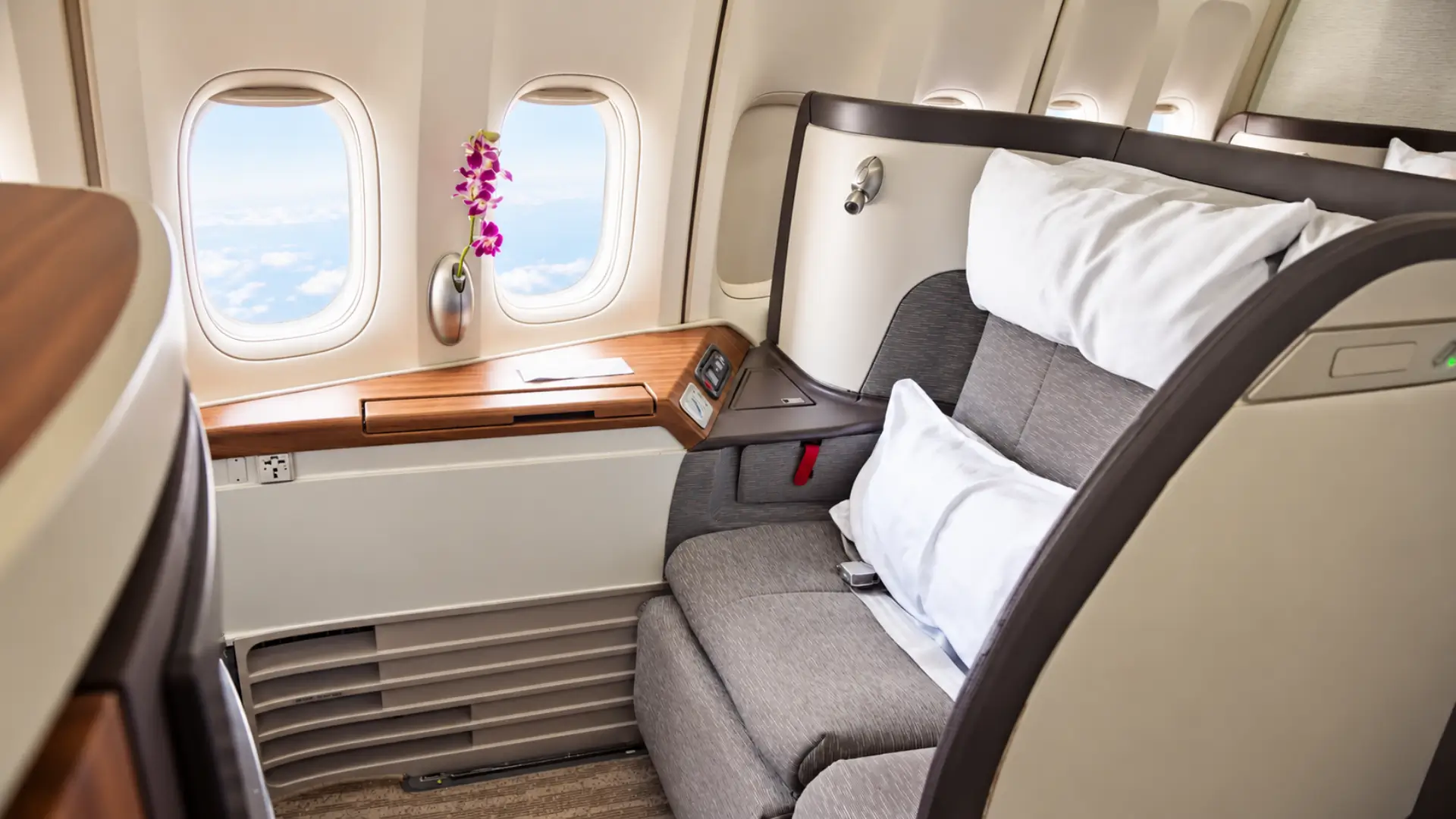
There isn’t one seat that works best for every traveller. The aircraft layout, flight length, and your own priorities all matter.
A seat that feels worth paying for on a 12-hour flight might make little difference on a short trip.
The Best Seat Depends on What Matters Most
| Your Priority | Look For | Why |
|---|---|---|
| More Legroom | Exit row or suitable bulkhead seat | More space in front |
| Better Sleep | Window seat away from toilets and galleys | Somewhere to lean and fewer reasons to get up |
| Less Noticeable Turbulence | Seat around the wing | Less noticeable movement near the aircraft’s centre |
| Faster Exit | Aisle seat near the front | Fewer rows between you and the door |
| Easy Toilet Access | Aisle seat | Easier to get up without asking others to move |
| A View | Window seat away from the wing | Less chance of the wing blocking the view |
Start with the one thing that would make the flight more comfortable for you. Once you know that, it’s much easier to narrow down the seat map.
For more legroom, exit rows and some bulkhead seats are worth considering. Seats around the wing can feel steadier during turbulence, while a window seat often works better for sleeping.
An aisle seat gives you easier access to the cabin, and sitting closer to the front can help when you want to leave the plane quickly.
Use these as a general reference rather than a fixed rule. Airlines use different cabin layouts, and even aircraft of the same type can have different seat configurations.
Choosing Between Different Seat Types
Your seat letter affects the flight just as much as the row. Window and aisle seats each have clear advantages. A middle seat usually makes the most sense when you’re trying to stay beside someone you’re travelling with.
Window Seat
A window seat works well if you want to sleep, enjoy the view, or avoid being disturbed whenever someone else in the row wants to get up. You also have the side of the cabin to lean against.
Aisle access is more limited, since the passengers beside you will need to move when you want to get up or use the toilet. If you’re directly over the wing, part of the view can also be blocked.
Aisle Seat
Choose the aisle if you like to get up regularly, stretch your legs, or reach the toilet without climbing past anyone. It’s often the more practical choice on a long flight if you know you won’t stay seated for hours.
You’ll have more people moving beside you. You might also need to stand when the other passengers in your row want to leave. The aisle gives you less support for sleeping than the window.
Middle Seat
The middle seat gives you less privacy and no direct access to either the window or aisle. It’s rarely the first choice when you’re travelling alone.
It becomes more useful when you’re travelling with a partner, friend, or family member and want to keep your group together. The row location still matters. A middle seat near the front might suit a tight connection better than a window seat at the back.
Where to Sit for a More Comfortable Flight
Comfort depends on the flight and what matters most to you. Extra space can make a difference, but you might prefer a seat that makes it easier to sleep. Your position in the cabin can also affect how much movement and activity you notice.
Extra Legroom
Extra legroom doesn’t always mean a better seat. Some seats have fixed armrests because the tray table or entertainment screen is stored inside them.
Recline can also be limited in certain rows, and you might need to put all bags in the overhead bin during take-off and landing.
Less Noticeable Turbulence
Seats around the wings are generally a better choice if you dislike the feeling of a bumpy flight. This part of the cabin is closer to the aircraft’s centre, where movement tends to feel less pronounced than it does farther back.
No seat removes turbulence. Unexpected bumps can happen even in clear weather. Keep your seat belt fastened whenever you’re seated, even when the sign is off.
Better Sleep
For sleep, a window seat usually has the advantage. You can lean against the side of the cabin, and other passengers won’t need you to move when they want to reach the aisle.
Where you sit in the cabin matters too. Seats near toilets and galleys usually have more people walking past, more light, and more noise. For an overnight flight, a window seat several rows away can help you avoid some of these disturbances.
Exit Row and Bulkhead Seats Aren’t Always Better
Exit rows and bulkhead seats often look like the obvious upgrade because they can provide more space. They also come with details that are easy to miss on a basic seat map.
Passengers in an exit row need to be willing and physically able to help in an emergency. Airlines have eligibility requirements, and cabin crew can move passengers who don’t meet them.
Bulkhead seats are directly behind a wall or cabin divider. There’s no seat in front of you, but you also won’t have under-seat storage there. Some long-haul aircraft use bulkhead areas for bassinets. Families travelling with babies often request these rows.
Look at the exact seat details before paying extra for either option. More legroom doesn’t automatically mean more comfort if the seat has limited recline, fixed armrests, or a layout that doesn’t suit you.
Seats Worth Checking Before You Book
A seat map doesn’t always show the disadvantages of a particular seat. Pay particular attention to:
- The last row can have limited recline on some aircraft.
- Rows beside toilets can have passengers gathering in the aisle.
- Seats near galleys can have more noise and people moving around during meal and drink service.
- Some window seats have a misaligned or partly blocked window.
- Rows over the wing can block part of the view.
- Seats directly in front of an exit row can have restricted recline.
- Some exit-row window seats can have less usable space because of equipment or the door structure.
Seat layouts vary between aircraft. Check the seat map for your flight before ruling out an entire section of the cabin.
Choose a Seat That Fits the Trip
Flight length and who you’re travelling with can change what matters. A seat that works well for a solo traveller on a short flight won’t always be the best choice for an overnight trip or a family.
Long-Haul and Overnight Flights
For a long-haul flight, consider how often you’ll want to stand up and how much you plan to sleep. A window seat gives you more privacy for rest. An aisle seat gives you the freedom to move without disturbing anyone.
Extra-legroom seats become more useful as the hours add up, but look at the recline and storage rules first. Wide-body aircraft have another option to consider. The centre section can offer different seating arrangements from the window-side rows.
Short Connections
A seat near the front can save time after landing when you have a short connection. An aisle seat also lets you stand without waiting for the rest of your row.
Don’t rely on the seat alone when the connection is tight. Arrival gates, immigration, security, terminal changes, and delays can all affect how much time you actually have.
Travelling With Children
For families, sitting together matters more than finding the perfect window or aisle seat. Look at the airline’s family seating policy before you book. This is especially important if your fare doesn’t include advance seat selection.
Bulkhead rows can be useful when travelling with an infant because some aircraft have bassinet positions there. Families with older children might prefer a window and middle seat together, with an adult on the aisle.
Children who don’t meet the airline’s exit-row requirements can’t sit in these seats. Passengers in exit rows must be able to assist in an emergency.
Check the Seat Map for Your Exact Flight
Finding the best seat on a plane takes more than looking at the seat number. Row 20 on one aircraft might be over the wing, while row 20 on another could be beside a toilet or close to the back of the cabin.
Start with the seat map in your airline booking or reservation. Look for exits, bulkheads, toilets, galleys, and the start and end of each cabin. Pay attention to any seat notes the airline provides.
The aircraft type helps, but it still isn’t a guarantee. Airlines can use different layouts for the same aircraft. The layout can also change before departure if the airline switches planes.
Review your reservation when online check-in opens, especially if your seat number or aircraft has changed.
Is It Worth Paying to Choose a Seat?
Paying for seat selection makes the most sense when you’re getting a benefit you’ll actually use. Extra legroom can be worth more on a long flight.
A front-row location can matter when your connection is short. Choosing seats together can also remove uncertainty when you’re travelling as a group.
On a short flight, paying extra for a standard window or aisle seat might not add enough value. Seat fees vary by airline, fare, route, and seat type. Compare the cost with the difference the seat will make to your trip.
Seat fees also affect the real cost of a fare. When you find cheap flights, compare the total price after adding the extras you actually need, not only the fare shown first.
When to Choose Your Seat
The best selection is usually available earlier. This is particularly useful when you want an exit row, extra-legroom seat, or several seats together.
Your fare determines when seat selection becomes available and whether the airline charges for it. If you don’t want to pay, look again when online check-in opens. Some airlines release more standard seats at that point. There’s no guarantee that your preferred location will still be available.
Keep an eye on the reservation after you choose. An aircraft change can move your seat or alter the cabin layout. Looking again gives you a chance to choose another available seat.
Pick the Seat That Works for Your Flight
The best seat on a plane comes down to what matters most on that particular trip. Choose a window for sleep and views or an aisle for easier movement.
Seats around the wing can mean less noticeable turbulence, while those near the front can help you get off more quickly.
Look at the exact aircraft layout before you confirm. Pay attention to the row, nearby facilities, recline, storage, and any extra fees. If this is your first trip by air, these first-time flying tips can help you prepare for what happens at the airport and on board.

I love exploring new places and sharing the travel tips, food finds, and experiences that help you plan your next adventure.
Join the
Journey
Sign up for new itineraries, travel notes, and practical guides to help you explore the places I love most.
I love exploring new places and sharing the travel tips, food finds, and experiences that help you plan your next adventure.
Join the
Journey
Sign up for new itineraries, travel notes, and practical guides to help you explore the places I love most.
