
What Is a Layover and How Connecting Flights Work
A layover is the time between connecting flights when your journey includes more than one flight. You land at another airport on the way to your final destination, spend some time there, then continue on your next flight.
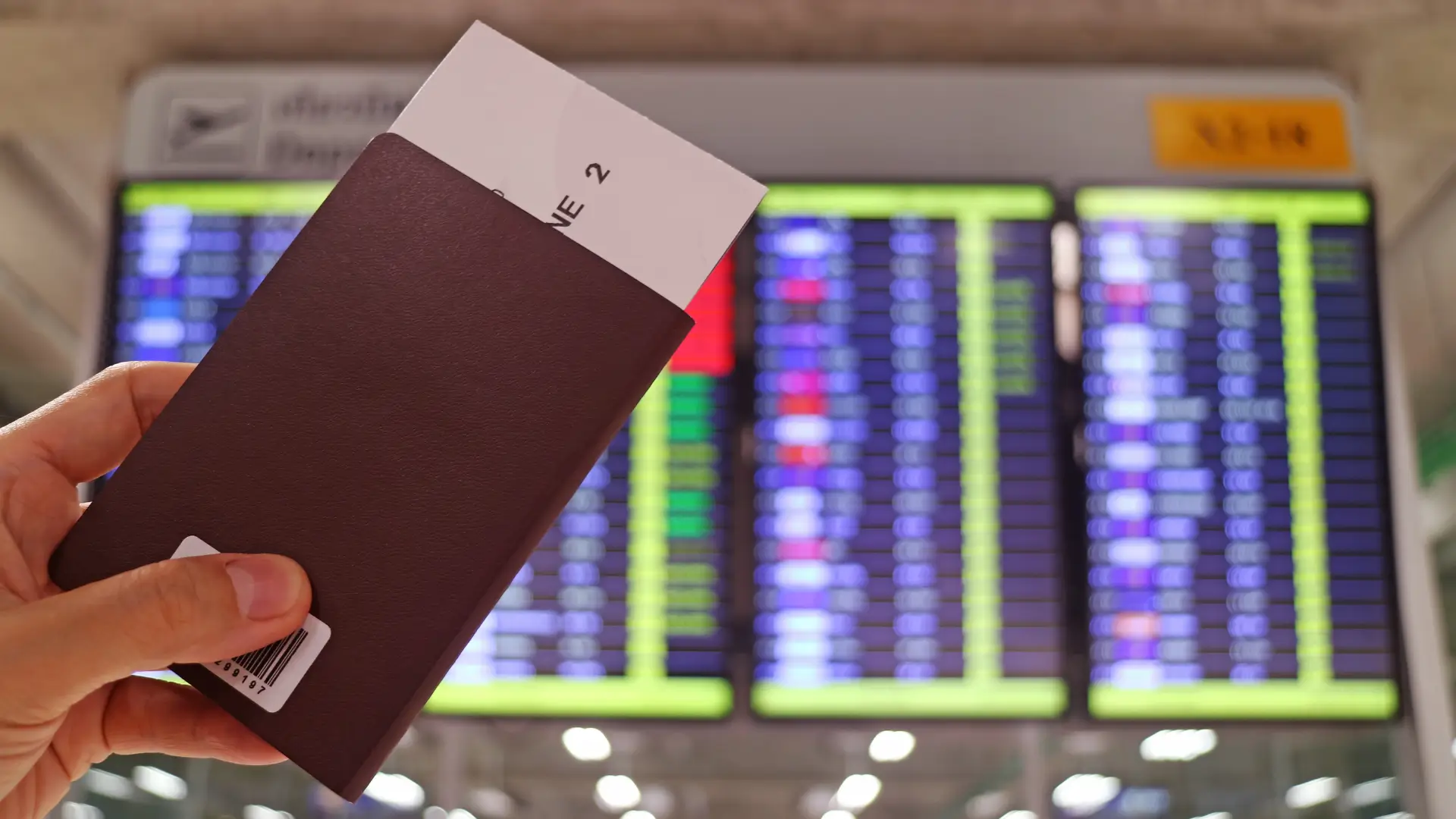
What happens during a layover depends on your route. In some airports, you can get off the plane and go straight to the gate for your next flight. Other connections may require you to change terminals or go through security or passport control.
You may also need to collect and recheck your luggage. This is more common on certain international routes or when your flights are booked separately.
The good news is that you usually don’t have to work everything out once you land. Your booking gives you the basic connection details. Airports also have signs for transfers and connecting flights.
How Layovers Work
When your trip includes a layover, the journey is split into two or more flights. Your first flight takes you to a connecting airport, where you get off before continuing to your final destination on another flight.
Your itinerary will show the connecting airport and the time between the scheduled arrival of one flight and the departure of the next. That gap is your layover.
It could be less than 2 hours, several hours, or even much longer depending on the route you book.
After landing, follow the airport signs for connections or transfers. At a smaller airport, the next gate may only be a short walk away. At a large hub, you might need to take a train or shuttle, move to another terminal, or complete additional airport formalities first.
Making Your Connection
The first thing I’d do after leaving the plane is find the gate for the next flight. Your booking may already show a gate. Have another look at the departure screens or airline app because gates can change.
Once you know where you’re going, you’ll have a better idea of how much free time you actually have. A 3-hour layover can feel quite different when the next gate is in another terminal, or there’s a queue at passport control.
Changing Planes
Most layovers involve changing planes. You leave the first aircraft and board another one for the next part of the journey. The connecting flight will normally have its own flight number, gate, and boarding time.
There are exceptions. Some flights stop at another airport and then continue on the same aircraft. Your itinerary and the airline’s instructions should make it clear whether you’re staying on the same flight or transferring to another one.
If you are changing planes, don’t assume the next gate will be close to where you arrive. Large airports can involve long walks or terminal transfers, which is why I’d find the gate before stopping for food or shopping.
Security and Passport Control
You won’t always go through security again during a layover. At some airports, connecting passengers stay inside the secure area and can continue straight towards the next gate.
Other connections require another security screening. This is particularly common on certain international routes or after a terminal change.
Passport control works in a similar way. You may need to clear immigration at the connecting airport, especially if it’s your first point of entry into a country or travel area.
On other routes, you can remain in international transit without formally entering the country.
Your passport matters too. A transit visa may be required for certain connections, even if you don’t plan to leave the airport. Use the official government or immigration website for the country you’re connecting through. Confirm what applies to your route.
Checked Luggage on a Layover
What happens to your checked luggage is one of the biggest differences between connections. If your flights are booked together, your bag is often transferred to the next flight automatically. You get off the plane and continue through the airport without collecting it.
That isn’t the case on every journey. Customs rules and airline arrangements can mean you need to collect the bag during the connection. The same can apply to separate tickets and self-transfers.
Bags Checked Through to Your Destination
When your bag is checked through, the airline and airport baggage systems move it between flights. You normally collect it when you reach the destination shown on the baggage tag.
Ask at check-in if you’re unsure where you’ll see your suitcase again. The baggage tag will also show the airport it has been checked to.
Keep the baggage receipt or claim information until you’ve collected your luggage at the end of the journey.
Collecting Luggage for Customs
International trips can have additional requirements. On some routes, you need to collect your checked luggage at the first point of entry, even when it has been tagged to your final destination.
You may need to take your luggage through customs before handing it back at a transfer desk or designated bag-drop area. Follow the signs and instructions at the airport, as the process varies by country and route.
Collecting and Rechecking Your Bags
You’re more likely to collect and recheck your luggage when the flights are on separate tickets. The same can happen with a self-transfer.
That means collecting your suitcase from baggage reclaim and taking it to the next airline’s desk or bag drop. You’ll usually need to go through security again.
Allow more time for this type of connection. Waiting for luggage, immigration or customs can take up part of the layover. Changing terminals, reaching the next check-in area, and meeting the airline’s bag-drop deadline can add more time.
Layovers and Stopovers
Layover and stopover both describe a break between flights, but they aren’t always used in exactly the same way.
A stopover generally means a longer break in the journey, while a layover is a shorter connection on the way to your destination.
For international itineraries, 24 hours is commonly used as the point where a connection becomes a stopover. For domestic trips, 4 hours is commonly used. Airline and fare rules can differ.
The difference matters most when you’re looking at how the airline treats the itinerary. You may deliberately add a long stopover to spend time in the connecting city. A layover is usually part of the flight route you’ve chosen.
Domestic and International Layovers
Domestic layovers are often fairly simple. Because you’re staying within the same country, you may only need to get off the plane, find the next gate, and wait for boarding.
International connections can involve more steps. Passport control and immigration may be part of an international layover. You may also need to go through customs or another security check, depending on your route.
An international-to-domestic connection can also be different from one between two international flights. The airport’s transfer information is useful here because it usually explains what connecting passengers need to do.
Choosing Enough Time Between Flights
There isn’t one perfect layover length. An hour might be plenty at a small airport and stressful at a large international hub where you need to change terminals or clear passport control.
Airport size, security, immigration, baggage, and the way your tickets were booked all affect how much time you need.
A self-transfer usually needs a bigger gap because you may have to collect your bags and check in for the next flight yourself.
Airlines can sell connecting flights that meet the minimum connection time for the itinerary. That doesn’t necessarily mean you’ll have plenty of time between flights. A late arrival or a long queue can quickly eat into the time you had.
I’d give myself more time at an unfamiliar airport or when changing terminals. Extra time also helps when travelling with children or using separate tickets. A little extra waiting time is much easier to deal with than rushing through the airport trying to make the next flight.
Leaving the Airport During a Long Layover
A long layover can sometimes give you enough time to leave the airport, but the number of hours on the booking doesn’t tell you the whole story.
You need to allow time for immigration if required and for travel into the city. Leave enough time for the trip back to the airport, security, and getting to the gate before boarding. Some airports have quick links into the city centre, while others are much farther out.
Entry requirements matter as well. Leaving the international transit area can mean formally entering the country. You may need a visa or other permission depending on your passport.
If you decide to leave the airport, make sure you allow enough time to return and go through the departure process again. How early you should arrive at the airport depends on the flight and airport, so factor that into the time you have outside the airport.
Delays and Missed Connections
A delay on your first flight can turn a comfortable layover into a very short one. What happens if you miss the connection depends largely on whether the flights were booked together.
If both flights are on the same ticket, follow the airline’s instructions for rebooking. You can also ask airline staff for help if you’re going to miss your next flight. The help available can vary depending on the airline, route, and reason for the disruption.
Separate tickets are different. The airline operating your second flight may simply see that you didn’t arrive for it, even if another airline caused the delay. That’s one of the reasons I’d leave a much bigger buffer for a self-transfer.
Getting Ready for a Flight With a Layover
Keep the full itinerary somewhere easy to reach and note the airport, terminal, flight number, and connection time for each flight. Knowing whether you need to change terminals is useful too, especially at a large airport.
Find out whether your luggage is going straight to your final destination or needs to be collected during the connection. An international layover may also have transit or entry rules that apply to your passport.
If you haven’t flown much before, these first-time flying tips can help you get familiar with the airport process. For international connections, it also helps to understand the types of travel visas and the rules that may apply to your route.
Once you know where your next gate is and what happens to your luggage, the connection is easier to manage. It also helps to know whether you need to go through security or passport control. The exact process changes from one trip to another, but those are the main details worth knowing before you fly.

I love exploring new places and sharing the travel tips, food finds, and experiences that help you plan your next adventure.
Join the
Journey
Sign up for new itineraries, travel notes, and practical guides to help you explore the places I love most.
I love exploring new places and sharing the travel tips, food finds, and experiences that help you plan your next adventure.
Join the
Journey
Sign up for new itineraries, travel notes, and practical guides to help you explore the places I love most.
