Your journey, beautifully planned.

Understanding Travel in Belize and How to Plan It

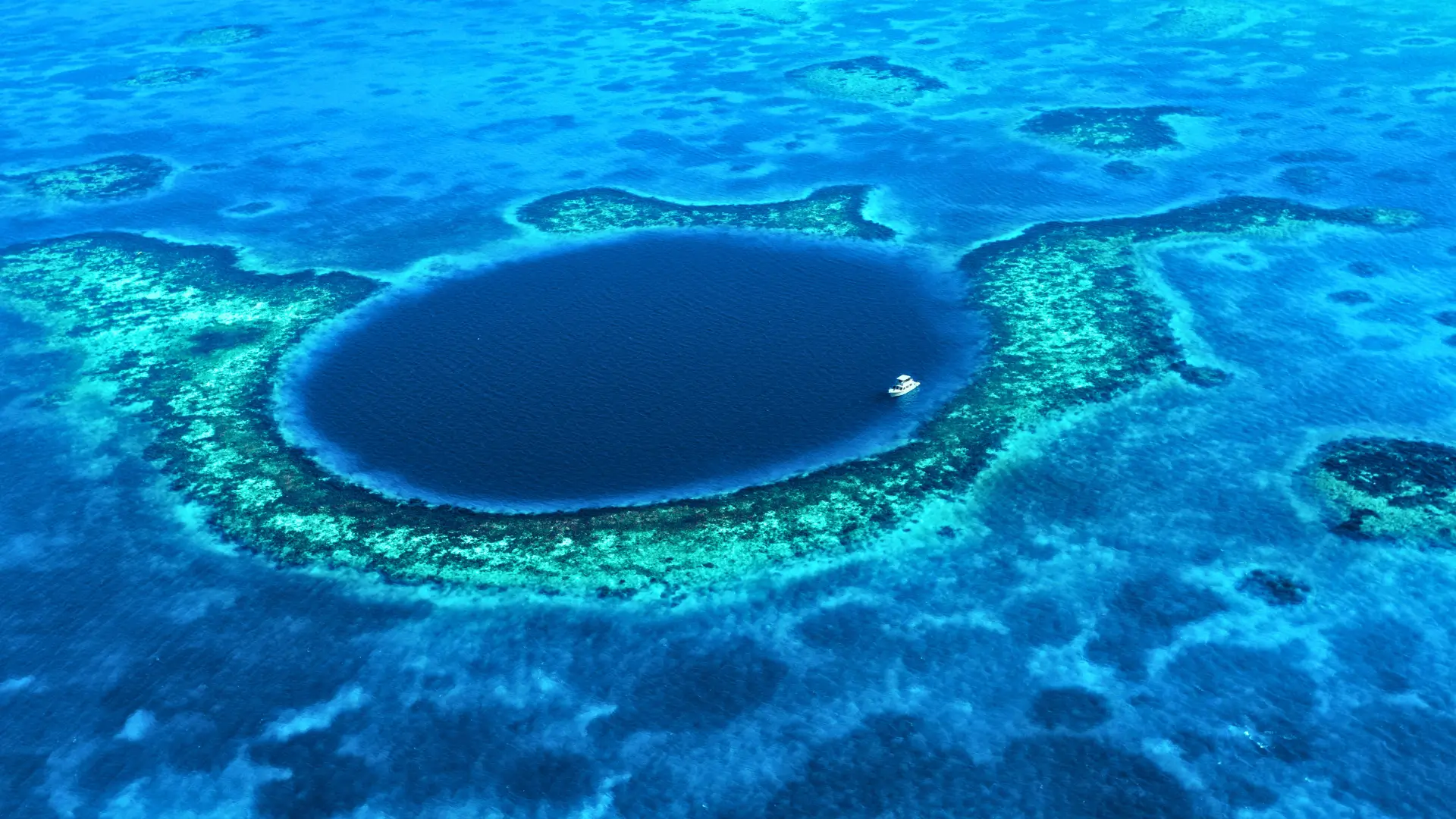
Aerial view of the Great Blue Hole surrounded by coral reef in Belize.
Belize is a small Central American country positioned between Mexico and Guatemala. It has coastlines along the Caribbean Sea and dense rainforest inland.
The country is known for its barrier reef, protected natural areas, and archaeological heritage. Marine and inland environments are accessible within short distances. Travel infrastructure is established but restrained. It supports independent travel without large-scale development.
The geography allows visitors to move easily between coastal settlements, offshore islands, and inland regions. Coral reefs lie close to shore. Rainforest reserves and Maya sites are concentrated in the west and south. English is the official language. This simplifies travel logistics and contributes to Belize’s accessibility.
Collage showing Belize’s coastline, Maya ruins, wildlife, and beaches.

Why Visit Belize

Belize attracts travellers who prefer destinations shaped by natural landscapes rather than large cities or resort corridors. The barrier reef runs close to shore and supports snorkelling and diving in clear water with varied marine life. Inland, rainforest reserves and river systems provide opportunities for hiking and birdwatching. Well-preserved Maya sites add historical context to these natural settings.

Belize’s compact geography makes it easy to travel between coastal towns and inland jungle areas. English is the official language, which simplifies communication. 

Did You Know?

  • Belize is the only country in Central America where English is the official language, a legacy of its history as a former British colony.

  • The Belize Barrier Reef is the second-largest reef system in the world. It includes the Great Blue Hole, one of the region’s most recognisable natural formations.

  • Belize is home to the world’s first jaguar reserve, established to protect the country’s national animal and its surrounding habitat.

  • National parks, wildlife sanctuaries, and marine reserves protect much of Belize’s land area, covering a significant portion of the country

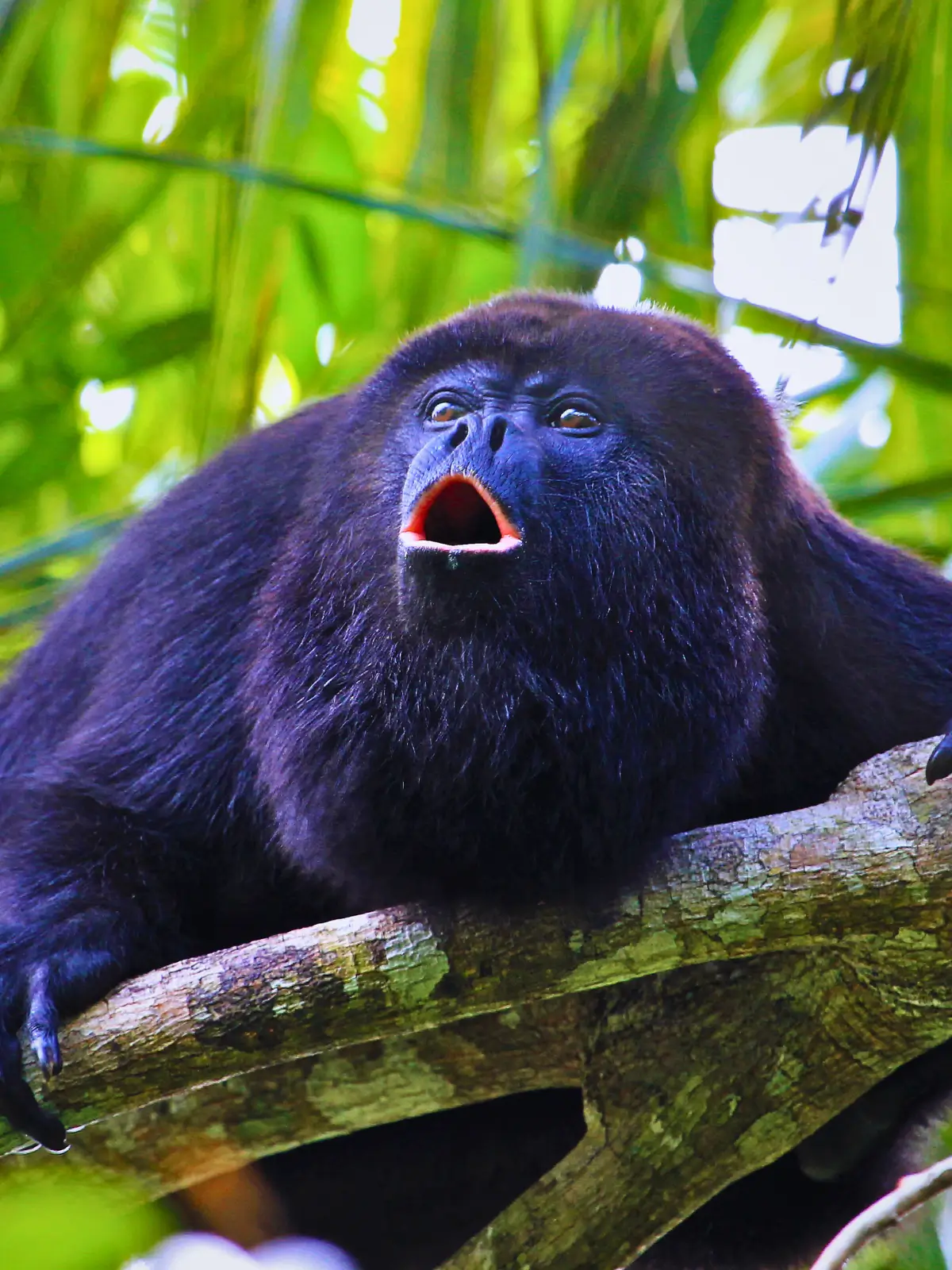
  • Black howler monkeys are commonly heard in Belize’s forests, known for vocal calls that carry several kilometres through the jungle.

I love exploring new places and sharing the travel tips, food finds, and experiences that help you plan your next adventure.

Join the Journey

Sign up for new itineraries, travel notes, and practical guides to help you explore the places I love most.

Beige washi tape strip with soft torn edges on a transparent background.

What to Pack

Best Time to Visit Belize

Dry Season Green / Wet Season

Seasonal conditions shown here are based on long-term averages. Actual weather and water conditions may vary throughout the year.

Belize at a Glance

Black howler monkey resting on a tree branch in the Belize rainforest.
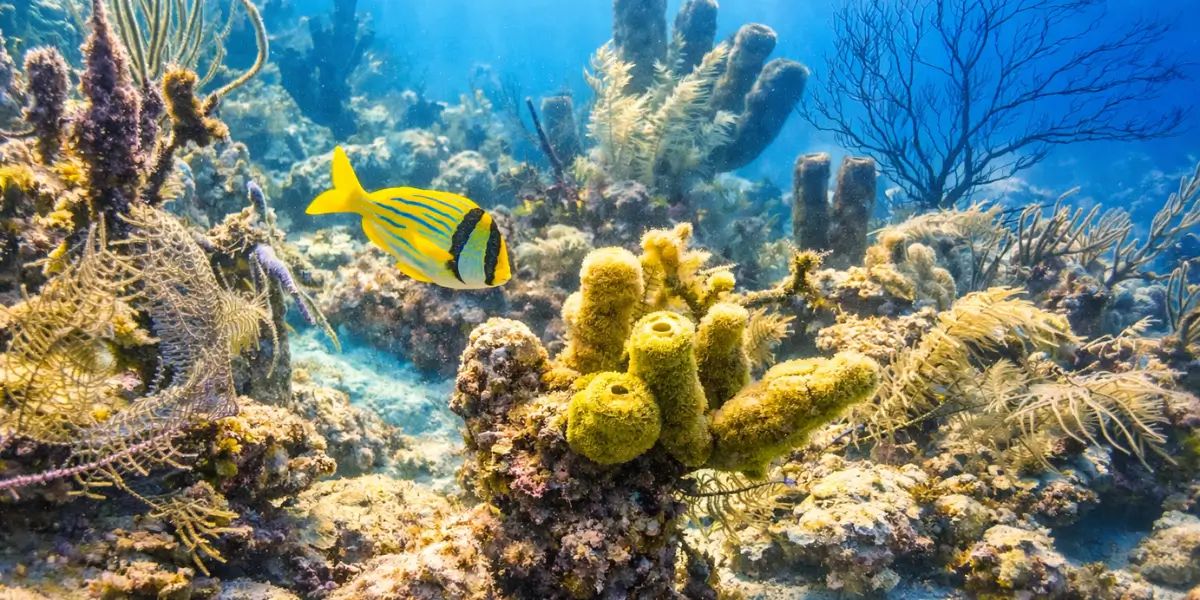
Tropical fish swimming above coral formations on the Belize Barrier Reef.
Language selection icon showing two speech bubbles with letter A and Chinese character.

Language

People use English nationwide as the official language. Many also speak Spanish, particularly near border regions, along with Belizean Creole and several Indigenous languages.

Illustration of a money bag with dollar symbol next to stacked coins.

Currency and Costs

Belize Dollar (BZD). Fixed rate: 1 USD ≈ 2 BZD. United States dollars are widely accepted. Prices vary by location. Offshore islands and organised tours typically cost more than inland travel and everyday expenses.

Mobile payment icon with credit card and phone showing confirmed payment

Payments

Visa and Mastercard are accepted in most hotels, restaurants, and tour operators. Cash remains common for local transport, small businesses, and rural areas.

Hand holding a dollar sign and heart icon representing tipping.

Tipping

Tipping is customary but not obligatory. Around 10% is typical in restaurants when service is not included. Small gratuities for guides and hotel staff are common.

Shield with checkmark and padlock as safety icon.

Safety

Belize is generally safe for visitors in tourist areas, though conditions vary by region. Standard precautions are advised, particularly in urban centres and after dark.

Wi-Fi connectivity icon for travel and accommodation.

Connectivity

Mobile coverage is reliable in towns and tourist areas, with limited service in remote regions. Wi-Fi is widely available, and local SIM cards are easy to obtain.
A Detailed Belize Itinerary

This itinerary follows a north-to-south route through Belize, starting with offshore islands before moving inland and continuing to the southern coast. It reflects common travel patterns, with Belize City serving as the main transport junction between sea and road travel.


You can manage distances easily, and transfer days follow a clear structure. The route works well with a mix of water taxis, road transport, and optional domestic flights. 10 days allow for smooth progression without rushing key travel days.

Day 1: Arrival in Belize City to Ambergris Caye

Arrive in Belize City and continue directly to the islands rather than staying overnight. Transfers to Ambergris Caye operate frequently by water taxi or short flight, making it an efficient first base after arrival.

Suggested Stay: Guesthouse or small hotel near the main town area

Route: Belize City to Ambergris Caye

Highlights

  • Coastal transfer from mainland to island
  • Initial orientation around the town centre

Day 2: Ambergris Caye

Focus on the immediate area around Ambergris Caye. Short distances allow travellers to focus the day on the coastline and nearby reef areas without extensive planning or travel.

Suggested Stay: Guesthouse or small hotel near the main town area

Base: Ambergris Caye

Highlights

  • Beachfront and lagoon areas
  • Nearby reef environments

Day 3: Ambergris Caye to Caye Caulker

Travel south by water taxi to Caye Caulker. The short transfer keeps the day light and avoids unnecessary duplication of island time while introducing a smaller, more compact setting.

Suggested Stay: Guesthouse or small hotel close to the village centre

Route: Ambergris Caye to Caye Caulker

Highlights

  • Inter-island boat transfer
  • Walkable village layout

Day 4: Caye Caulker

Spend the day exploring Caye Caulker on foot. The island’s size supports a slow pace, with coastal paths and village streets forming the focus rather than structured sightseeing.

Suggested Stay: Guesthouse or small hotel close to the village centre

Base: Caye Caulker

Highlights

  • Waterfront areas
  • Shallow swimming spots

Day 5: Caye Caulker to San Ignacio (via Belize City)

Take the water taxi back to Belize City, then travel inland by road to San Ignacio. Plan this day primarily around travel, with minimal activities after arrival

Suggested Stay: Lodge or small hotel near San Ignacio

Route: Caye Caulker to San Ignacio

  • Transition from islands to inland Belize
  • Shift from coastal to forested landscapes
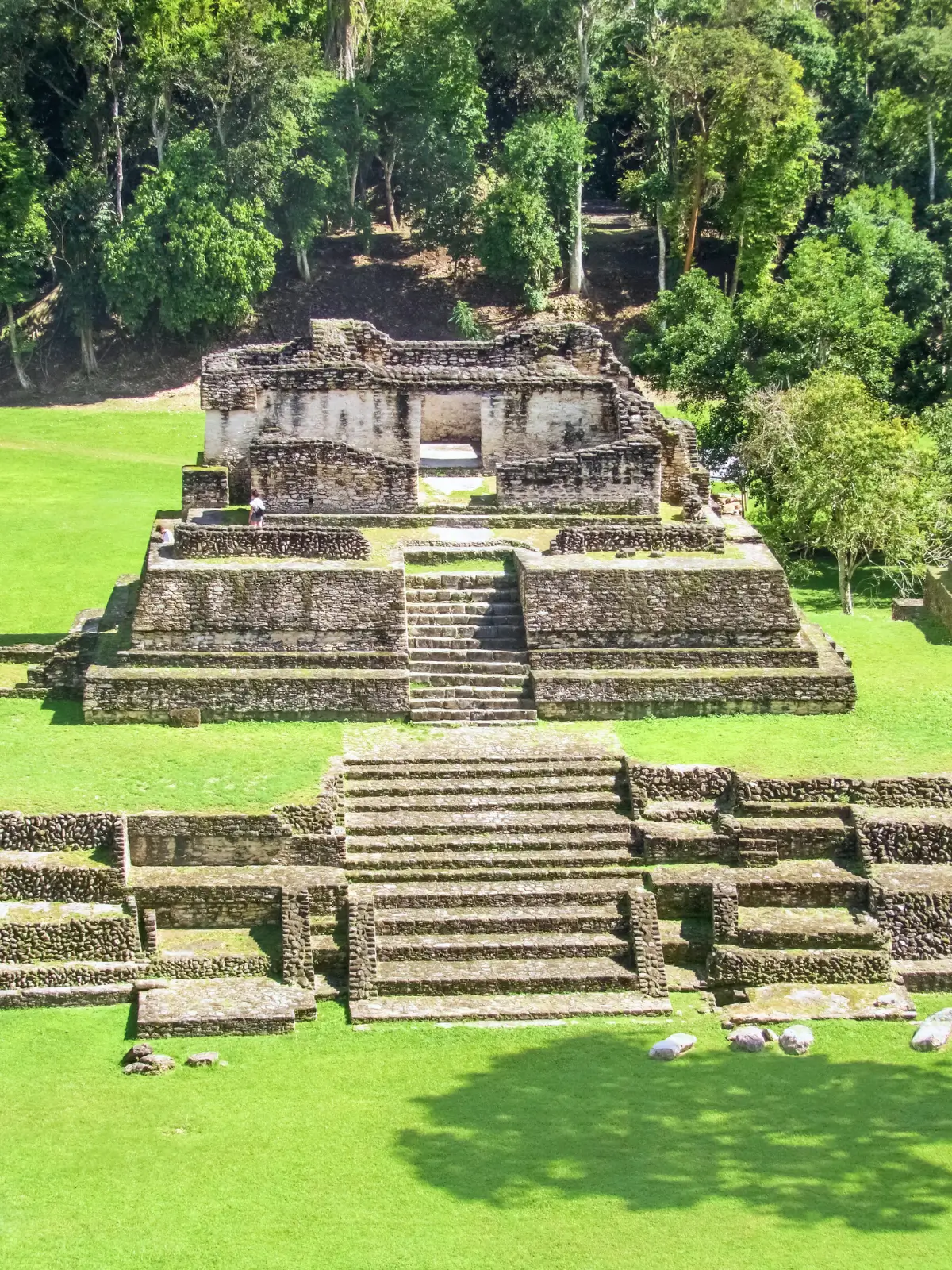
Mayan stone temple ruins surrounded by lush green jungle in Belize.
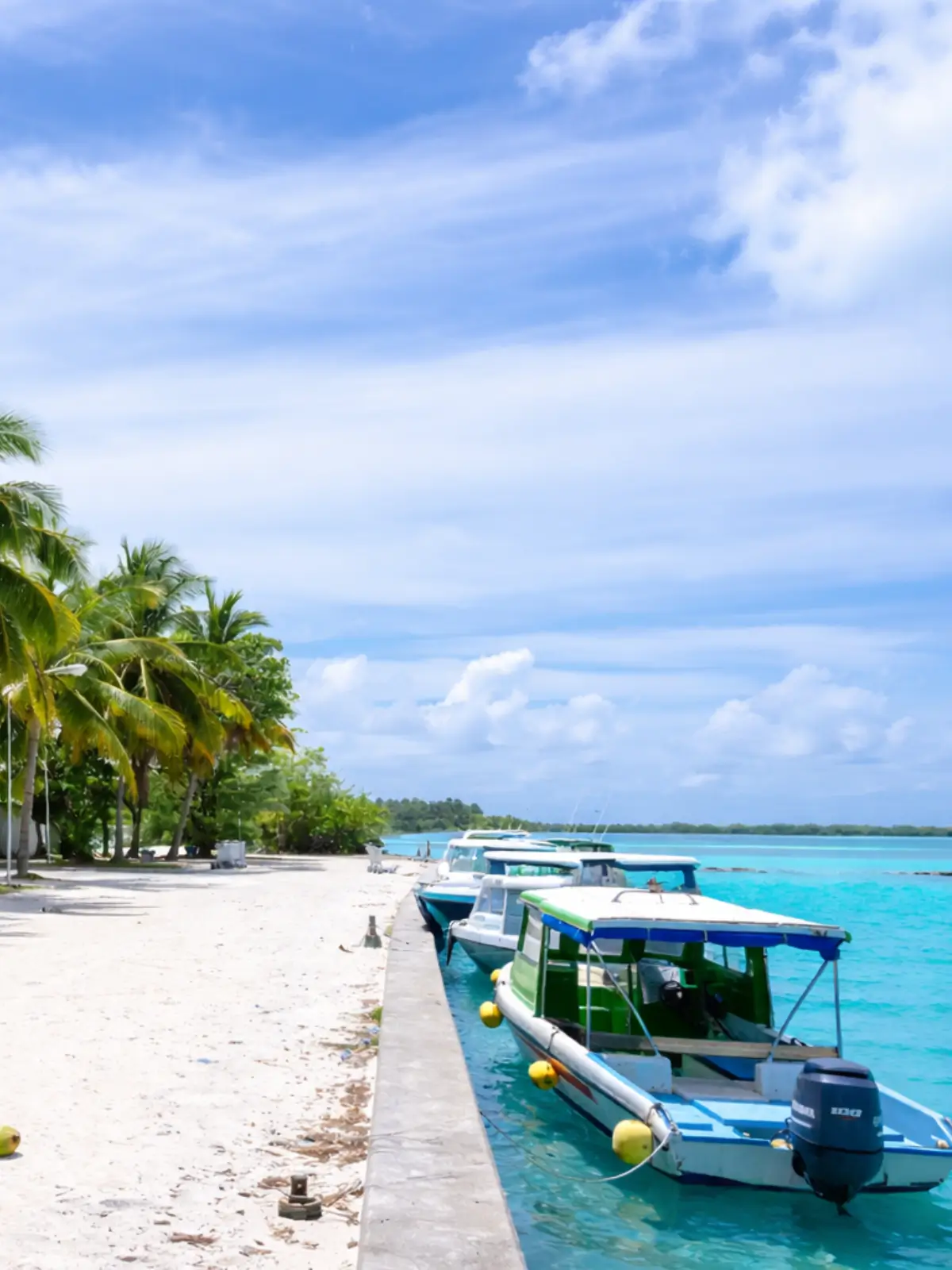
Small boats moored along a sandy beach with turquoise water in Belize.

Day 6: San Ignacio and Surroundings

Use the day to explore the San Ignacio area and nearby western districts. Short drives connect river valleys, forest reserves, and archaeological sites without long distances between stops.

Suggested Stay: Lodge or small hotel near San Ignacio

Base: San Ignacio

  • Inland river landscapes
  • Western Belize archaeological areas

Day 7: San Ignacio to Placencia

Travel south toward the coast, following the main highway network. This is one of the longer road journeys of the itinerary and works best as a single transfer with rest planned on arrival.

Suggested Stay: Guesthouse or small hotel in Placencia Village

Route: San Ignacio to Placencia

Highlights

  • Long inland-to-coast transition
  • Gradual change in scenery

Day 8: Placencia Peninsula

Explore Placencia Peninsula at a local pace. Travellers can cover short distances on foot and stay within the village and nearby beaches without unnecessary travel.

Suggested Stay: Guesthouse or small hotel in Placencia Village

Base: Placencia

  • Peninsula coastline
  • Village streets and beachfront areas

Day 9: Southern Coast or Nearby Inland Areas

Use an additional day in southern Belize for a short coastal or inland excursion. Keeping travel local avoids fatigue and allows for flexibility depending on weather and interests.

Suggested Stay: Guesthouse or small hotel in Placencia Village

Base: Placencia

  • Coastal or nearby inland landscapes
  • Southern Belize atmosphere

Day 10: Placencia to Belize City and Departure

Travel north to Belize City for departure. Flight schedules may make this a full travel day with limited opportunities to stop along the way.

Route: Placencia to Belize City

Top 7 Things to Know Before Visiting Belize

1. Currency Is Used Interchangeably

The Belize Dollar (BZD) is the official currency and is fixed to the US dollar, but US dollars are accepted almost everywhere. Change is often given in Belize dollars, so it is useful to recognise both currencies and check amounts carefully.

2. Travel Takes Longer Than Expected

Distances are short, but travel times can be slow due to road conditions, water crossings, and weather. Journeys between inland regions and the coast often take longer than maps suggest.

3. Belize City Is Mainly a Gateway

Belize City serves primarily as a transport hub rather than a destination. Most travellers continue onward to the cayes or inland areas, where accommodation, activities, and scenery are more appealing.

4. Island Access Depends on Boats and Flights

Offshore islands are reached by water taxi or small aircraft. Services run regularly but can be affected by weather, so flexible scheduling is important when planning transfers.

5. Weather Shapes Daily Schedules

Rain during the wet season often arrives in short, heavy bursts, usually later in the day. Outdoor activities are best planned for mornings, particularly from May to October.

6. Cash Is Still Widely Used

Credit cards are accepted in many hotels and tour operators, but cash is essential for local transport, markets, and smaller towns. ATMs are limited outside major centres.

7. Conservation Rules Are Strictly Enforced

Marine reserves and national parks have clear regulations. Authorities regulate fishing, anchoring, and wildlife interaction, and they may issue fines for violations.

Beige washi tape strip with soft torn edges on a transparent background.

How to Get There

International Flights

Belize has a single main international airport located just outside Belize City. Most travellers arrive via Philip S. W. Goldson International Airport, which handles all scheduled international flights.

Airlines operate a limited number of direct routes, primarily linking Belize to North American cities. Flight schedules are more restricted than in larger hubs, so arrival times often shape onward travel plans.

Entry Airport and Gateway

Philip S. W. Goldson International Airport also acts as the country’s main transport hub. From here, onward travel continues by road, water taxi, or domestic flight.


Belize City itself is rarely used as an overnight base. Most itineraries move directly to Ambergris Caye, Caye Caulker, or inland destinations.

Regional and Overland Entry

Travellers can enter Belize overland from Mexico and Guatemala at official border crossings. This is common on broader Central American routes and is usually straightforward.

Overland arrivals continue by bus or private transfer. Regional flights exist but are limited and often routed through larger hubs.

Entry Requirements

Entry rules depend on nationality. Many travellers receive short-stay permission on arrival, provided passport validity requirements are met.
Visa requirements should be checked before departure, as onward travel details may be requested at immigration.

What to Expect

A Relaxed Pace of Daily Life

Belize operates at an unhurried pace, particularly outside main tourist areas. Services, transport, and meals may take longer than expected. Flexibility is useful, especially when travelling between regions or relying on local schedules.

Small-Scale Development

Accommodation and towns tend to be low-rise and spread out rather than densely built. Large resort complexes are limited, with most stays centred on guesthouses, small hotels, eco-lodges, and locally run properties.

Strong Focus on Nature and Conservation

Many activities take place in protected areas or reserves. Expect clear rules around wildlife interaction, marine access, and land use. Conservation fees are common and usually support local preservation efforts.

Limited Nightlife Outside Tourist Hubs

Evenings are generally quiet, especially in smaller towns and inland areas. Social life often centres on restaurants, beach bars, or small local venues rather than large nightlife districts.

Warm Climate Year-Round

Temperatures remain warm throughout the year, with high humidity in coastal and jungle areas. Light clothing is suitable for most conditions, though rain protection is useful during wetter months.

Variable Infrastructure Between Regions

Road quality, public services, and amenities can differ significantly depending on location. Coastal towns and popular islands are well serviced, while rural and jungle areas may have fewer facilities and limited supplies.
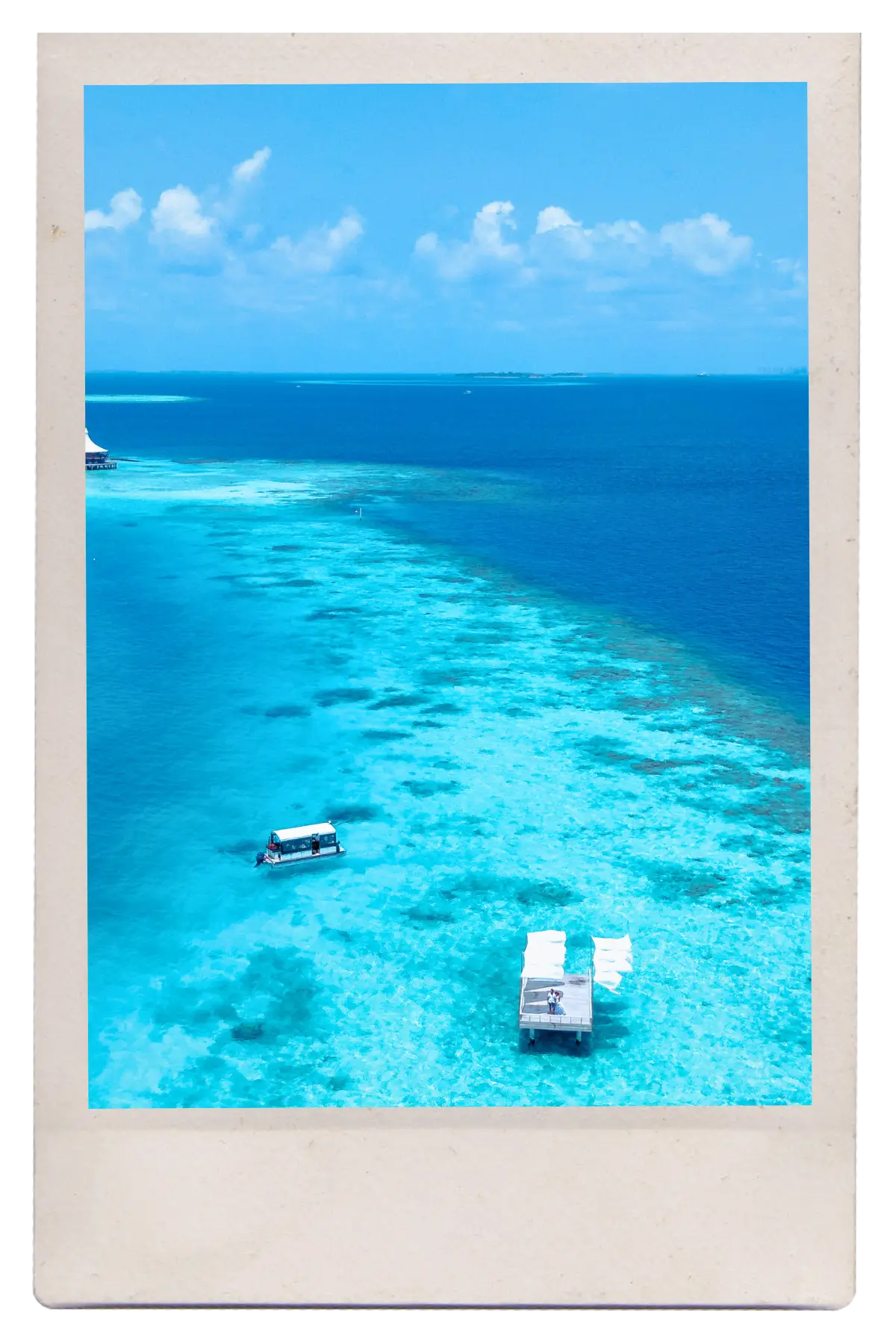
Turquoise waters of the Belize Barrier Reef with a small dock and boat floating above shallow coral.

Getting Around Belize

Buses and Public Transport

Buses are the most common and affordable way to travel between towns. Transport operators connect most populated areas, though they run limited schedules and use basic vehicles.

Travel times are often longer than expected, but buses remain a reliable option for budget travellers.

Car Hire

Car hire provides the most flexibility, particularly for visiting inland regions and remote areas. Roads are generally passable, though conditions vary outside major routes. Driving is on the right, and fuel stations become less frequent in rural areas.

Water Taxis

Water taxis are the main form of transport between coastal towns and offshore islands. Regular services operate between Belize City, Caye Caulker, and Ambergris Caye. Schedules are weather-dependent, and journeys can be rough during choppy conditions.

Domestic Flights

Small aircraft operate frequent short flights between Belize City and popular destinations such as the cayes and southern coastal towns. Flights are quick and convenient, though more expensive than land or sea transport.

Taxis and Local Transfers

Taxis are widely available in towns and tourist areas. Most drivers charge by route rather than by meter, so it’s best to confirm the price before starting the trip. Shuttle services are also common for transfers between airports, towns, and lodges.

Beige washi tape strip with soft torn edges on a transparent background.
What to Pack

Join the Journey

Sign up for new itineraries, travel notes, and practical guides to help you explore the places I love most.

Portrait of Manu smiling against a neutral background.

I love exploring new places and sharing the travel tips, food finds, and experiences that help you plan your next adventure.

Leave a Comment

Your email address will not be published. Required fields are marked *

Scroll to Top
Ultimate packing checklist travel guide cover with tropical beach background.