
Airport Immigration Process for International Travel
Home » Trip Planning » Airport Immigration Process for International Travel
The airport immigration process is part of international travel when you cross a country’s border. It usually begins with your passport and any entry permission required for the destination.
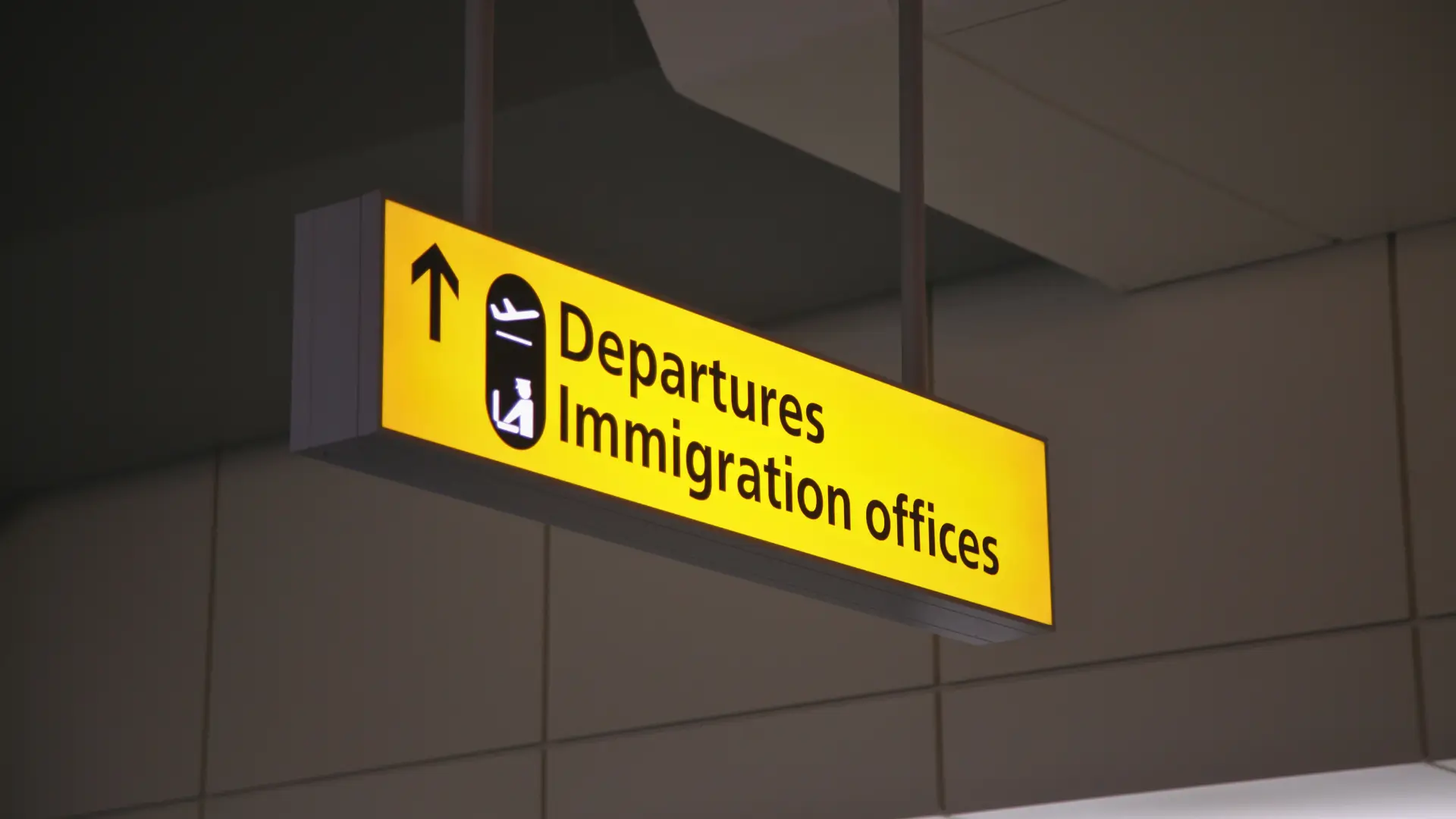
You might also answer questions about your trip or complete a biometric step. The procedure depends on where you’re travelling and the passport you hold.
Immigration is different from airport security. Security deals with passengers and hand luggage before a flight. Immigration is often referred to as passport control or border control at airports. It deals with your permission to cross the border.
How Airport Immigration Works
At immigration, a border officer or automated system reviews your identity and travel documents. Your passport is the main document for most travellers.
Some travellers also need a visa, electronic travel authorisation, or residence permit. The type of visa you need depends on your destination, passport, and reason for travel.
At some airports, you’ll present your passport to a border officer at a staffed desk. Others have electronic gates for eligible passport holders, while some use both.
Depending on the country and your nationality, you may also have your photograph or fingerprints taken as part of a biometric check.
Airport Immigration When You Arrive
After an international flight, signs will direct you to the arrival area. The signs are usually labelled immigration, passport control, or border control. At many international terminals, this step comes before baggage reclaim.
Finding the Correct Immigration Queue
The immigration hall often has several lanes. These can be divided by nationality, passport type, or eligibility for electronic gates. Read the signs above the lanes before joining one. Citizens and residents often have a different queue from other passport holders.
Presenting Your Passport and Travel Documents
Have your passport ready when you reach the desk or gate. Keep it in your hand luggage throughout the flight rather than placing it in checked baggage.
If you need a visa or travel authorisation for the destination, have it ready with your passport when required.
Keep the main details of your trip within reach as well. You might be asked where you’re staying or when you’re leaving. Your accommodation address and onward or return booking can provide those details when requested.
Passport and Biometric Screening
The officer scans your passport to verify your identity. They also review your travel documents to make sure you meet the entry requirements.
An electronic gate handles part of this automatically for eligible passengers. It can compare your face with the biometric data stored in an electronic passport.
The biometric procedure depends on the country. You might have a photograph taken or be asked for fingerprints. Instructions at the desk or gate will show you what to do.
After Passport Control
When you’re cleared to enter, you can continue through the arrivals area. Some countries still stamp passports. Others record the entry electronically. Checked luggage is usually collected after this point on an international arrival.
Occasionally, you could be directed to another officer for additional screening. This involves more questions or a closer review of your travel documents. The border officer will ask for additional information if needed.
Questions You May Be Asked at Immigration
Not every traveller is asked questions, and there isn’t one list used at every border. The officer might ask why you’re visiting and how long you plan to stay. Your accommodation or planned departure date might come up too.
Other questions could cover onward travel or the people travelling with you. Answer using the details of your actual trip. Keep relevant bookings handy in case the officer asks to see them. A long explanation isn’t necessary unless you’re asked for more detail.
Documents to Have Ready
Your passport should be easy to reach before you join the immigration queue. The rest depends on your destination, nationality, and reason for travel. You won’t need to show every item. Keep the relevant details available in case they’re requested.
- Passport
- Visa or electronic travel authorisation, when required
- Residence permit or other immigration document, when relevant
- Hotel or accommodation details
- Return or onward travel information
- Any destination-specific documents required for your trip
Entry requirements can change and aren’t the same for every passport holder. For current information, refer to an official immigration, embassy, or government website for your destination. The rules that apply to your trip depend on your passport and destination.
Immigration When Leaving a Country
Some countries also have immigration on departure. Your passport or travel status is reviewed before you continue towards the gates. In other countries, there isn’t a separate departure immigration desk.
The location of passport control also differs between airports. It can appear at different points in the departure process. Airport signs will direct you through the correct route.
Leave enough time to complete each required step before your flight.
Immigration During a Layover
A layover doesn’t always involve immigration. Connecting passengers often stay inside the international transit area until their next flight, while certain connections require entry into the country. Your route and the airport’s transfer process determine what you’ll need to do.
Staying in the International Transit Area
Some airports let connecting passengers remain airside between international flights. In that situation, passengers don’t always pass through arrival immigration. Your itinerary, nationality, and the airport’s transit rules still matter.
Certain destinations require a transit visa for particular passport holders, even when they aren’t planning to leave the airport. Your nationality and connection airport affect the requirement. Leaving the international transit area can also change the visa rules.
Connections That Require Immigration
You’ll need to clear immigration if your connection requires you to enter the country. This happens when the transfer route takes you outside the secure transit area. At certain airports, connecting passengers also go through the normal arrivals process.
A terminal change doesn’t automatically tell you whether immigration is required. Some transfers keep you inside the international transit area, while others require you to leave it.
Use the connection instructions for the airport on your itinerary.
Checked Luggage During a Connection
On some itineraries, passengers have to collect checked luggage during the connection. Connections that require entry into the country include immigration as part of the transfer process. You could also need to collect and recheck your bags, depending on the itinerary.
Other itineraries send checked luggage directly to the final destination. This can depend on the route and the airlines involved. Ask at the first check-in desk where you’ll next need to collect your bags.
Immigration and Customs Are Different
Immigration and customs are separate parts of an international arrival. Immigration deals with the traveller and permission to cross the border. Customs deals with the goods and belongings entering the country.
At many airports, passport control comes first. Baggage reclaim follows, with customs closer to the exit into the public arrivals area. After customs, you can continue into the public arrivals area.
After You Clear Immigration
Head to baggage reclaim if you have checked luggage. The airport screens will show the carousel for your flight. Once you have your bags, continue towards customs if it forms part of the arrival process.
The public arrivals area comes after the border formalities are complete. From there, follow the signs for the transport you’ve chosen.
This could be a train, bus, taxi, ride-sharing pickup, hotel shuttle, or private transfer. Keep your hotel address and airport to hotel transportation details handy if you need them after leaving the terminal.
The airport immigration process is easier to navigate when you know where it fits into an international journey. Keep the documents relevant to your trip within reach and pay attention to the airport signs.
For rules that apply to your passport and destination, use current information. Refer to the relevant government or border authority.

I love exploring new places and sharing the travel tips, food finds, and experiences that help you plan your next adventure.
Join the
Journey
Sign up for new itineraries, travel notes, and practical guides to help you explore the places I love most.
I love exploring new places and sharing the travel tips, food finds, and experiences that help you plan your next adventure.
Join the
Journey
Sign up for new itineraries, travel notes, and practical guides to help you explore the places I love most.
