
A Traditional Tea Ceremony Experience in Kyoto
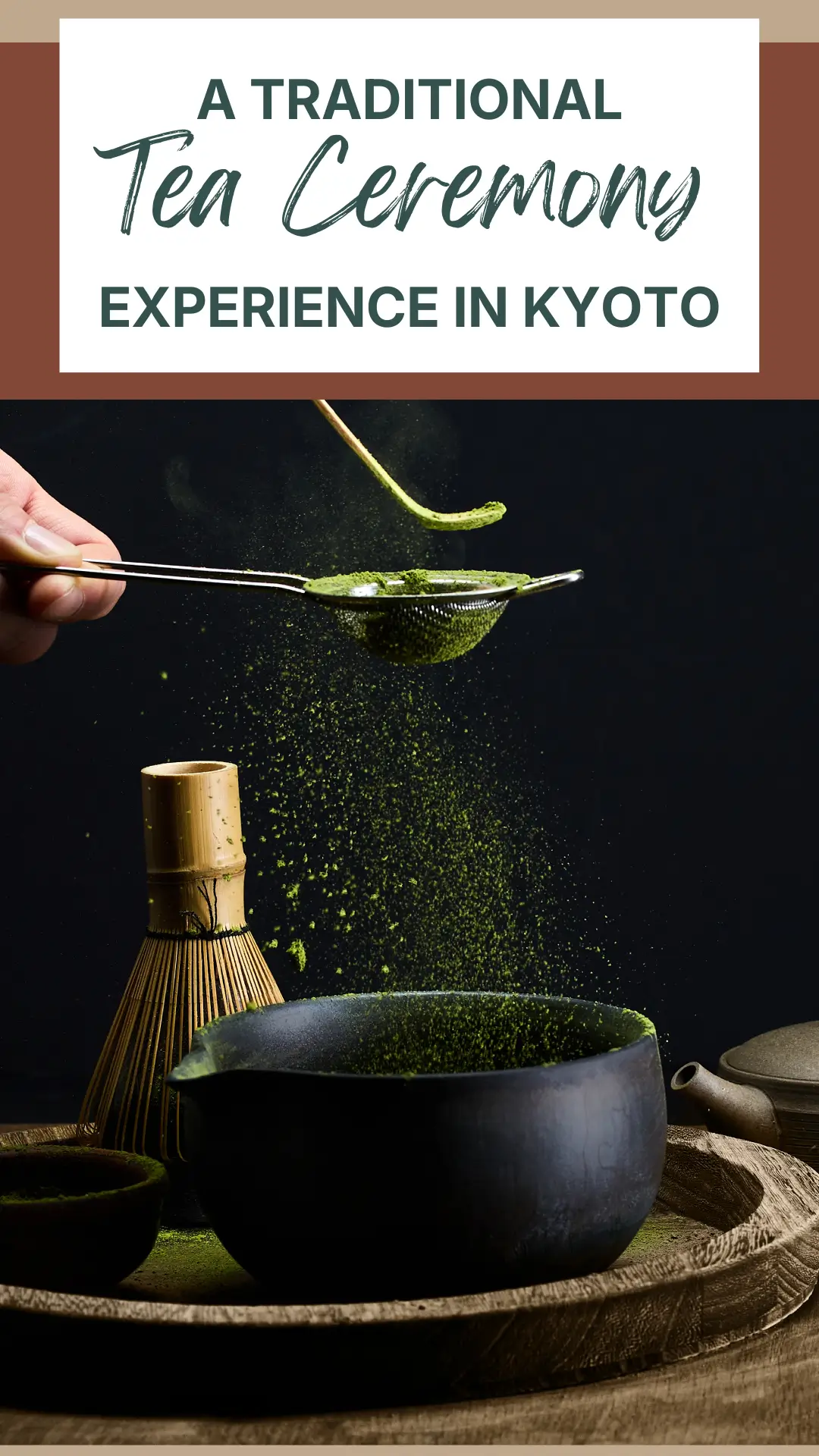
Joining a traditional tea ceremony is one of the best cultural experiences in Kyoto. It gives visitors a closer look at Japanese traditions, matcha culture, and customs that have been part of Japan for centuries.
Kyoto was the capital of Japan for more than 1,000 years. The city’s known for its temples, traditional tea houses, quiet gardens, and historic streets. It’s also one of the best places in Japan to experience a traditional tea ceremony.
A tea ceremony feels completely different from Kyoto’s busy tourist areas. The experience is slower and more personal. Instead of rushing from one attraction to another, you spend time sitting quietly and enjoying a tradition that’s been passed down for generations.
If you’re planning your trip, the Things to Do in Kyoto guide includes more cultural experiences, temples, food spots, and local attractions across the city.

What Is a Traditional Tea Ceremony?
A traditional tea ceremony, called chanoyu or sado in Japanese, is the ritual of preparing and serving matcha green tea.
The ceremony isn’t only about drinking tea. It’s also about calmness, respect, and paying attention to small details. Every part of the process follows traditional steps that have stayed mostly unchanged for centuries.
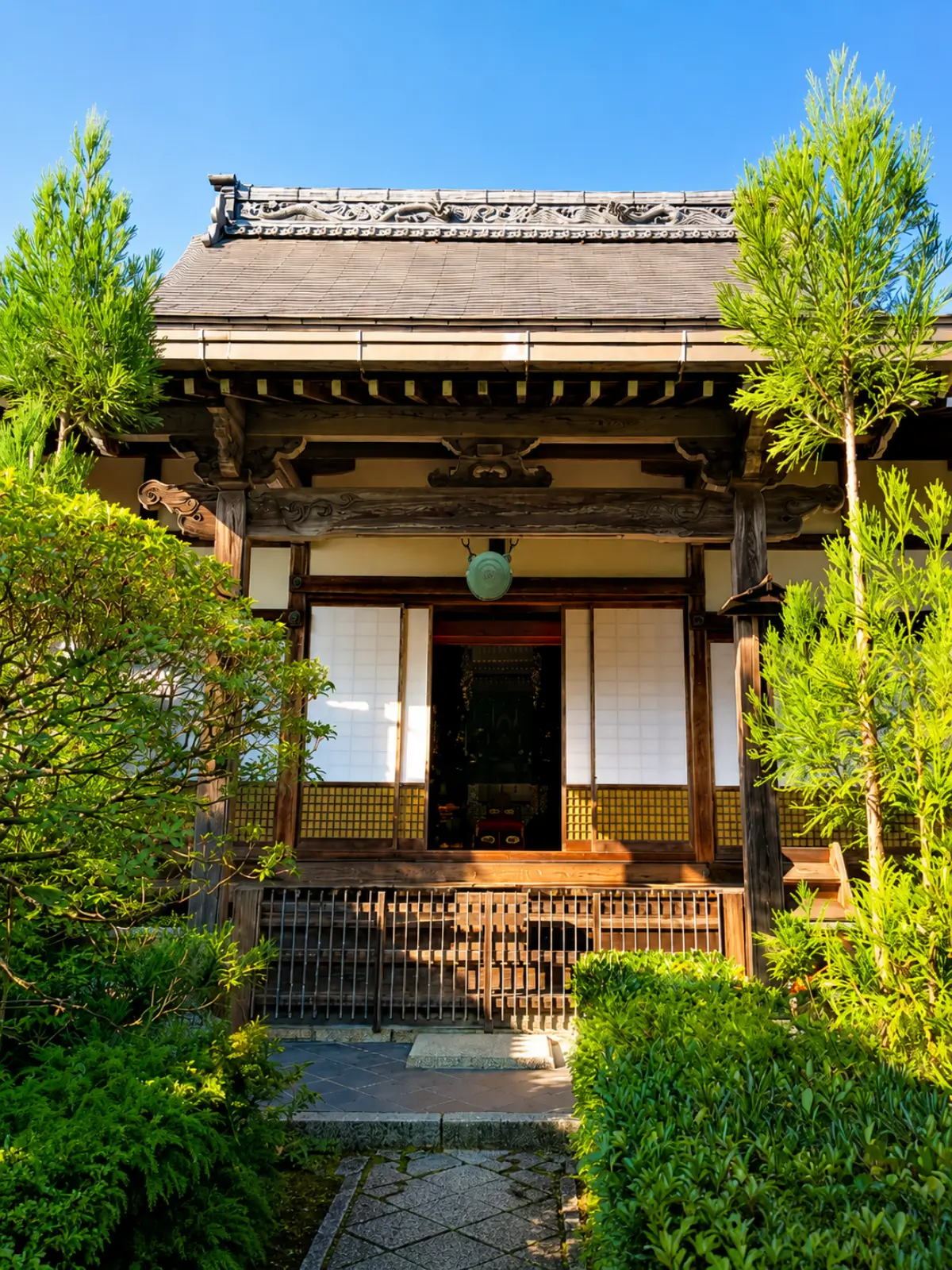
Tea ceremonies usually take place inside traditional tea houses, old Kyoto townhouses, or garden settings. The rooms are simple, with tatami floors, seasonal flowers, and handmade ceramics used during the ceremony.
What Happens During a Tea Ceremony in Kyoto?
Most tea ceremonies begin with guests removing their shoes before entering the tea room. Inside, tatami mats cover the floor and decorations are usually minimal. A small flower arrangement or hanging scroll is often placed at the front of the room.
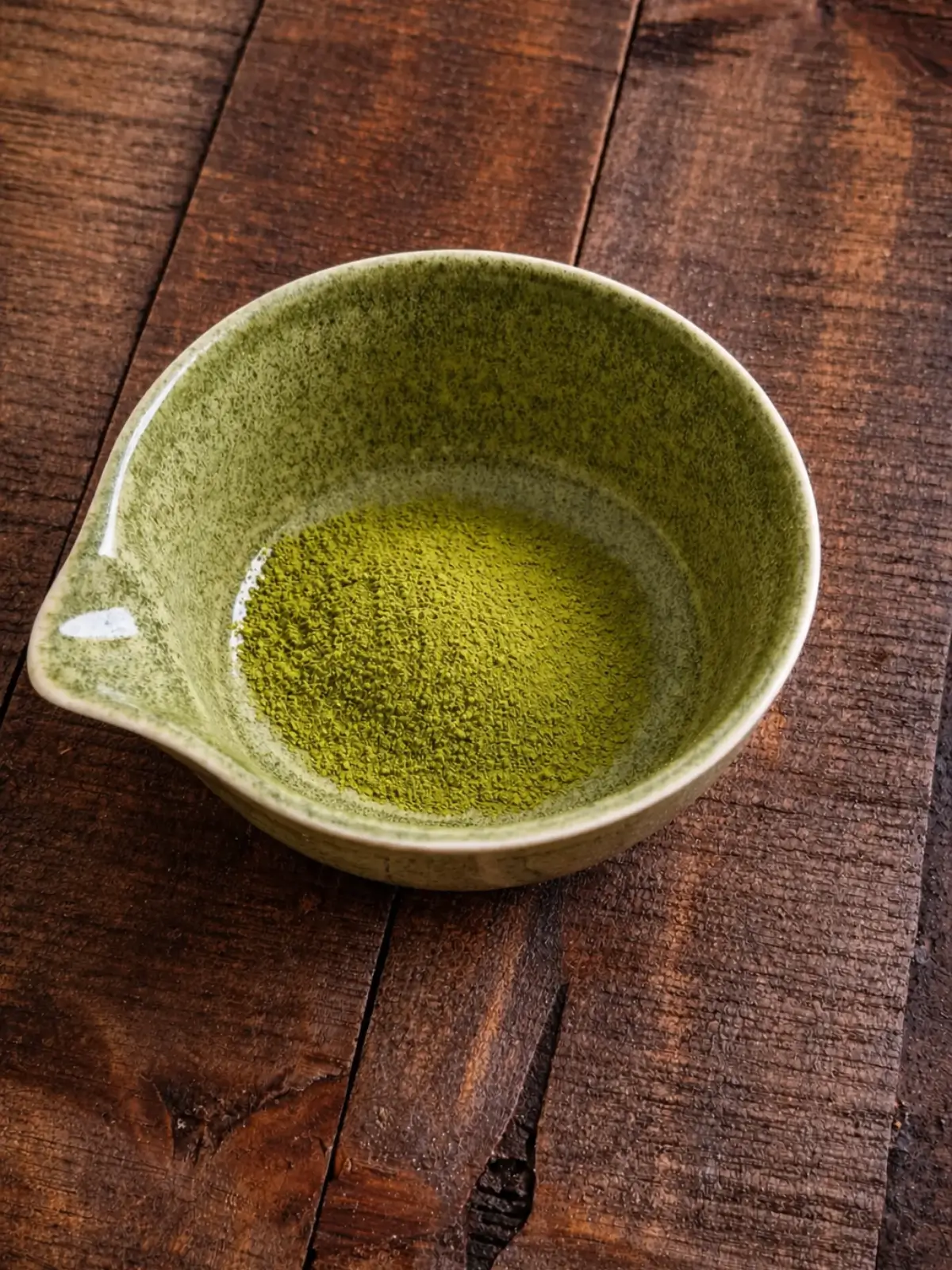
As the ceremony begins, the host prepares the tea using slow, careful movements. Many hosts wear traditional clothing such as a kimono. Guests watch as the tea utensils are cleaned and prepared. Matcha powder is placed into a tea bowl before hot water is added, then whisked with a bamboo whisk until smooth and frothy.
Before the tea is served, guests are usually given a traditional Japanese sweet called wagashi. These sweets are often made with bean paste, rice flour, chestnut, or mochi. The sweetness balances the slightly bitter taste of the matcha.
Seasonal details are also part of the experience, with spring ceremonies sometimes featuring sweets shaped like cherry blossoms, while autumn ceremonies often use colours inspired by maple leaves.
Once the tea is ready, guests gently lift the bowl, turn it slightly, and drink the matcha slowly. The host may also explain the meaning behind certain steps and traditions during the ceremony.
Even first-time visitors usually feel comfortable, as tea ceremony hosts are used to international guests and often guide everyone through the process step by step.
What Does Matcha Taste Like?
Matcha in Kyoto tastes very different from most matcha drinks served outside Japan.
The flavour’s richer, smoother, and more natural. Freshly prepared matcha has an earthy taste with a slight bitterness, but it also has a creamy texture and natural sweetness.
The traditional sweets served before the tea make a big difference too. They balance the flavour and make the matcha taste smoother.
Trying proper Kyoto matcha for the first time often changes the way people think about green tea completely.
Tea Ceremony Etiquette for First-Time Visitors
You don’t need to memorise complicated etiquette rules before joining a tea ceremony in Kyoto. Most tea ceremonies are welcoming to beginners, and hosts usually guide guests through the experience step by step.
Still, knowing a few basic customs beforehand can help you feel more comfortable during the ceremony.
1. Remove Your Shoes Before Entering
Tea ceremonies usually take place inside traditional tea rooms with tatami mat floors. Guests are expected to remove their shoes before entering the space.
Some tea houses provide indoor slippers, while others ask guests to walk directly on the tatami mats in socks or bare feet. Wearing clean socks is usually recommended, especially during colder months.
2. Arrive on Time
Tea ceremonies follow a set sequence, and the experience often begins as soon as guests enter the tea room. Arriving late can interrupt the ceremony and distract other guests.
It’s best to arrive a few minutes early to settle in, store your belongings, and enjoy the atmosphere before the ceremony begins.
3. Speak Softly During the Ceremony
Tea ceremonies are usually calm and slow paced. Guests often speak softly or remain silent while watching the tea being prepared.
The ceremony focuses heavily on small details and quiet observation. Loud conversations or phone notifications can quickly disrupt the atmosphere inside the tea room.
4. Follow the Host’s Instructions
The host guides guests through each step of the ceremony, including when to eat the sweets, how to hold the tea bowl, and when to drink the matcha.
You don’t need to know everything in advance. Watching the host carefully and following along is completely fine, especially during beginner friendly ceremonies designed for visitors.
5. Handle the Tea Bowl Carefully
The tea bowl is an important part of the ceremony. Many bowls are handmade and chosen specially for the season or occasion.
Guests are usually expected to hold the bowl with both hands and turn it slightly before drinking the tea. Some hosts may also explain the design or history behind the ceramics used during the ceremony.
Traditional tea rooms often involve sitting on tatami mats on the floor. Some modern experiences now offer tables and chairs for guests who prefer more comfortable seating.
It’s also a good idea to wear comfortable clothing, especially if the ceremony lasts close to an hour.
Best Places to Experience a Tea Ceremony in Kyoto
Kyoto has many different tea ceremony experiences across the city.
Some follow a very traditional style, while others are designed for visitors trying a tea ceremony for the first time.
Kimono Tea Ceremony at Orizuruya Gion
(Small Groups)
This experience takes place in Gion, Kyoto’s famous geisha district. Guests can wear a kimono while learning about matcha preparation and tea ceremony customs in a smaller group setting.
Tea Ceremony in a Traditional Tea House in Kiyomizu (Small Groups)
Located near the historic streets around Kiyomizu dera, this experience takes place inside a traditional Kyoto tea house with a calm atmosphere.
Table Style Tea Ceremony at a Kyo Machiya (Private Option Available)
This experience is a good option for visitors who prefer table seating instead of sitting on tatami mats. The ceremony takes place inside a restored Kyoto townhouse.
Is a Tea Ceremony in Kyoto Worth It?
A tea ceremony is one of the most unique cultural experiences in Kyoto.
Unlike busy attractions or sightseeing tours, tea ceremonies focus on simple rituals and traditional customs that have been practised in Japan for centuries.
The experience gives visitors a chance to learn more about matcha, Japanese etiquette, and the role tea ceremonies still play in Japanese culture today.
It’s also a good activity for slowing down during a busy Kyoto itinerary, especially after visiting crowded temples or tourist areas.
Tea ceremonies are especially popular with people interested in:
- Japanese culture
- traditional experiences
- matcha and Japanese sweets
- photography
- indoor cultural experiences in Kyoto
Practical Tips Before You Go
Book Early
Tea ceremonies can sell out quickly during cherry blossom season and autumn foliage season, especially in popular areas like Gion and Higashiyama.
Smaller tea houses often have limited seating, and some only accept a few guests per session.
Booking in advance gives you more options for time slots, group size, and locations.
Morning Sessions Usually Have Fewer People
Morning tea ceremonies are often less crowded and feel more relaxed compared to afternoon sessions. Early bookings can also fit more easily into a full day of sightseeing around Kyoto.
Natural lighting is usually softer in the morning as well, which can be helpful for photos.
Wear Comfortable Clothing
Traditional tea ceremonies often involve sitting on tatami mats for part of the experience. Wearing comfortable clothing can make the ceremony more enjoyable, especially during longer sessions.
Avoid tight skirts or restrictive clothing if possible. Clean socks are also recommended since shoes are removed before entering the tea room.
Expect to Spend Around ¥3,000 to ¥6,000
Most basic or small group tea ceremonies cost around ¥3,000 to ¥6,000 per person, which is roughly $20 to $40 USD depending on the exchange rate. Private sessions, kimono rentals, and premium experiences can cost more depending on the location and inclusions.
Most tea ceremonies last between 45 and 60 minutes. Traditional sweets and matcha are usually included in the price.
Photography Rules Vary
Photography rules depend on the tea house and the style of ceremony. Some places allow photos before or after the ceremony, while others allow photography throughout the experience.
Always check with the host before taking photos, especially inside more traditional tea rooms.
Matcha Recipes to Try at Home
Iced Matcha Latte
Cold, creamy, and easy to make at home, this drink is perfect for warm weather.

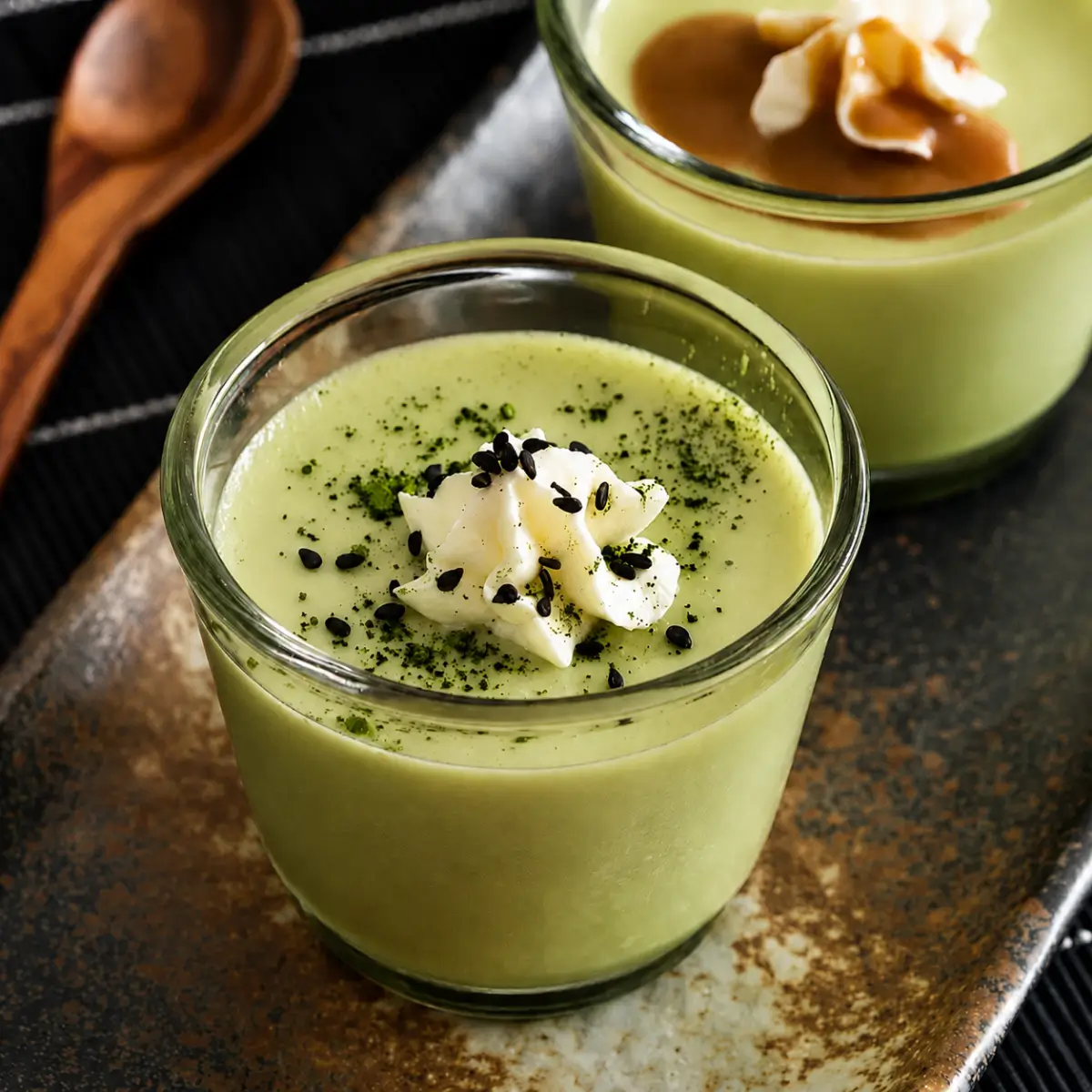
Matcha Panna Cotta
This smooth Italian style dessert pairs creamy panna cotta with delicate matcha flavour.
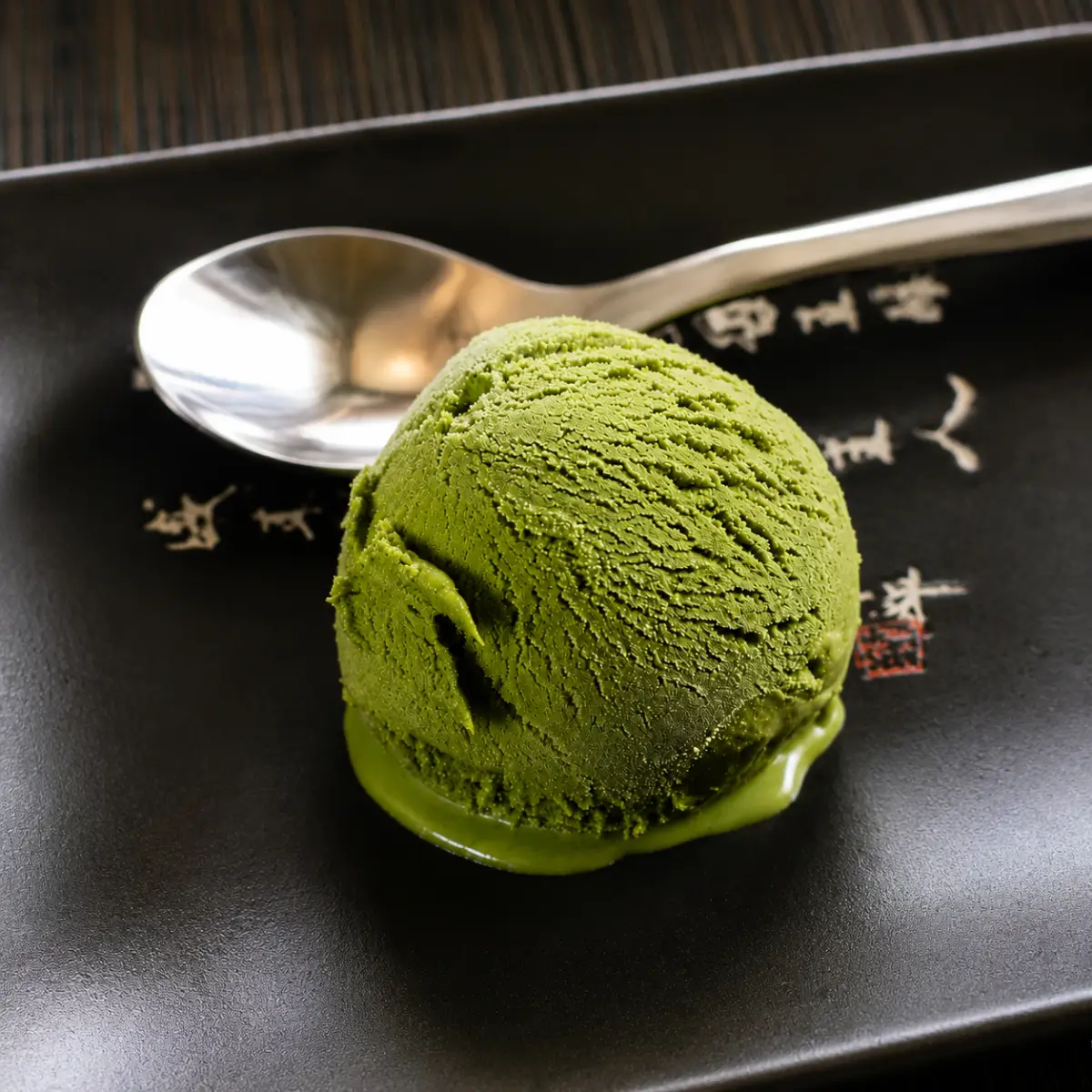
Matcha Ice Cream
One of Japan’s most popular matcha desserts, this ice cream has a rich green tea flavour and creamy texture.

I love exploring new places and sharing the travel tips, food finds, and experiences that help you plan your next adventure.
Join the
Journey
Sign up for new itineraries, travel notes, and practical guides to help you explore the places I love most.

I love exploring new places and sharing the travel tips, food finds, and experiences that help you plan your next adventure.
Join the
Journey
Sign up for new itineraries, travel notes, and practical guides to help you explore the places I love most.
