
Things to Do in Kyoto That Are Actually Worth It
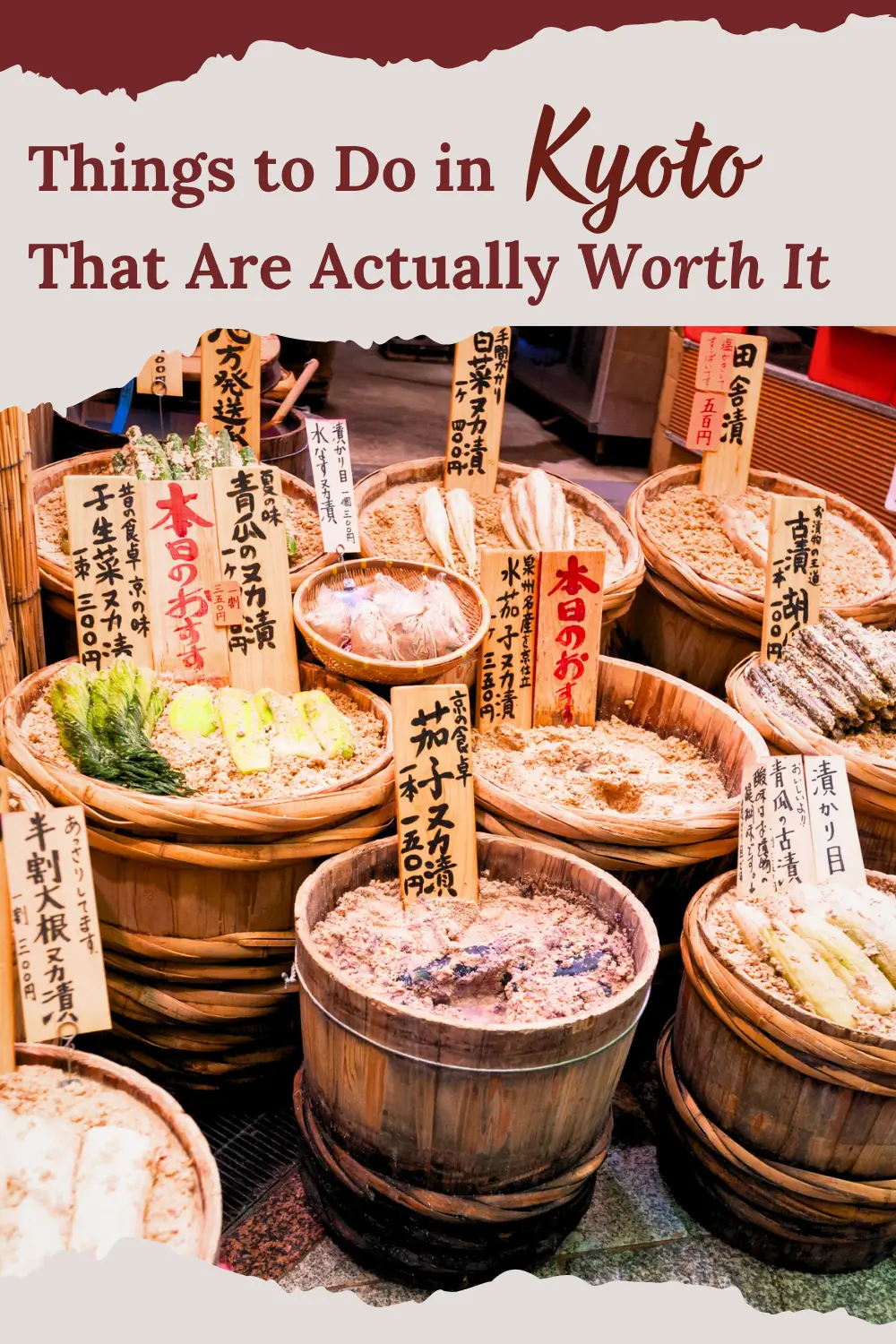
Kyoto can feel overwhelming at first because there’s so much to see, but not everything is worth your time. If you focus on the right places and space them out properly, the trip feels a lot smoother and more enjoyable.
Group 2 to 3 stops in the same area, walk between them when you can, and leave gaps for food and breaks. That’s what keeps the day from feeling messy.
Below is a proper list, ordered from the ones you really shouldn’t skip to the ones you add if you’ve got time.

Things to Do in Kyoto
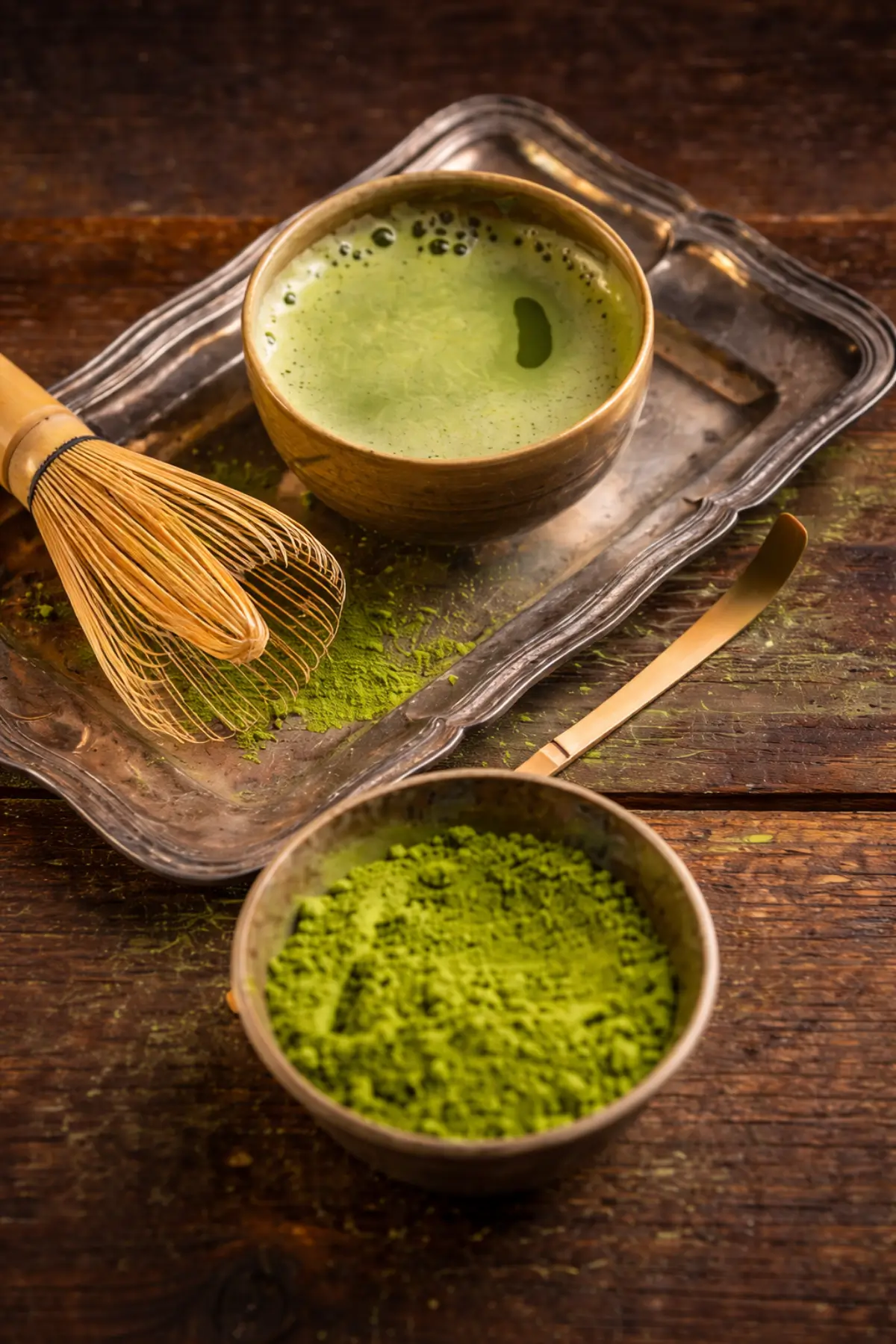
1. Book a Traditional Tea Ceremony
This is one of the few experiences in Kyoto where you slow down and take part in something more structured rather than moving between sights.
You’ll be shown how the process works and guided through the key steps, but the focus is really on the pace and setting rather than the details themselves.
It fits best in the middle of your day, when you can sit down properly and not feel like you’re squeezing it in between other stops.
For a full breakdown, read my A Traditional Tea Ceremony Experience in Kyoto guide.
- Usually lasts around 45 minutes to 1 hour
- Costs roughly ¥2,000 to ¥5,000 (about $13 to $35 USD)
- Commonly held in the Gion or Higashiyama districts
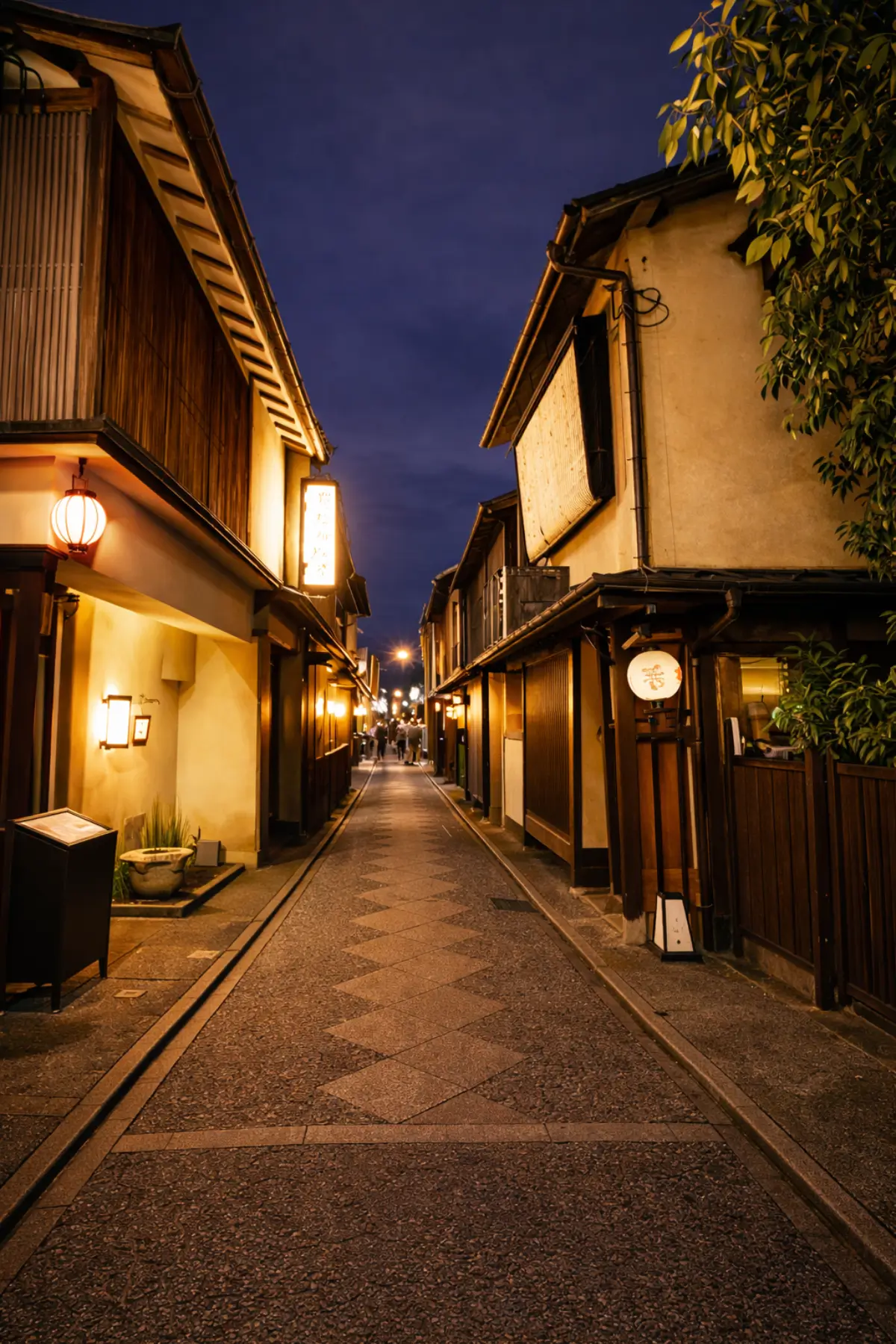
2. Wander Through Gion in the Evening
Gion is one of the few areas where traditional Kyoto has been preserved, with wooden buildings and narrow streets that haven’t been modernised.
In the evening, fewer shops are open, and the lighting is softer, which makes the streets feel closer to how Kyoto used to look.
You may also see a geiko or maiko moving between appointments, as this is still an active district rather than just a tourist area.
- Spending around 1 to 2 hours here is usually enough
- Located in the Gion district in eastern Kyoto
- Completely free and best visited around sunset or early evening
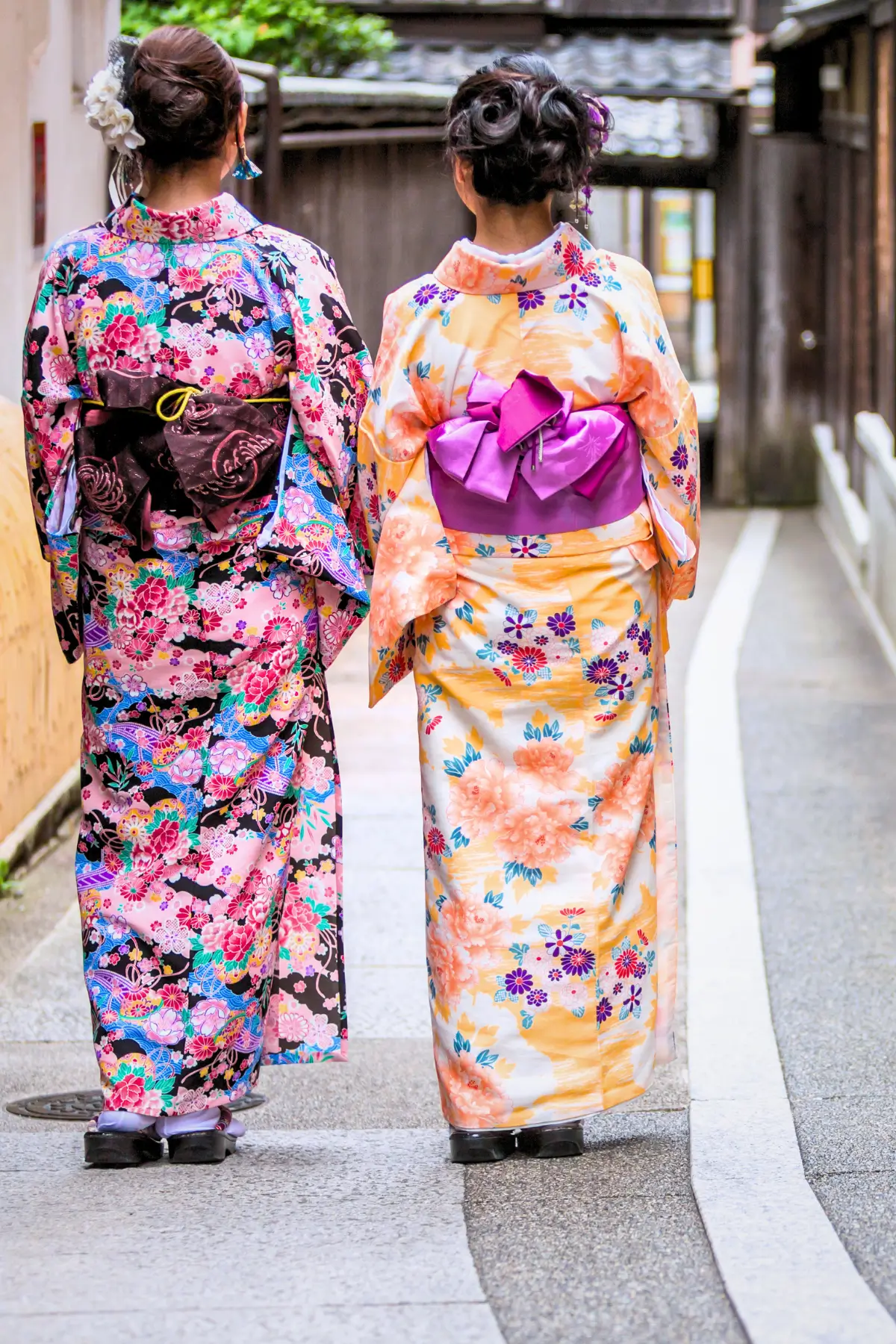
3. Wear a Kimono and Walk Through Kyoto
Kimono rental shops handle the full dressing process, including all layers and the belt, with some offering hair styling as well.
Once dressed, it’s usually worn for a few hours before being returned. It’s often worn while walking through traditional streets where the setting matches the clothing.
- Usually rented for half to a full day
- Costs around ¥3,000 to ¥6,000 (about $20 to $40 USD)
- Commonly worn around Higashiyama or central Kyoto
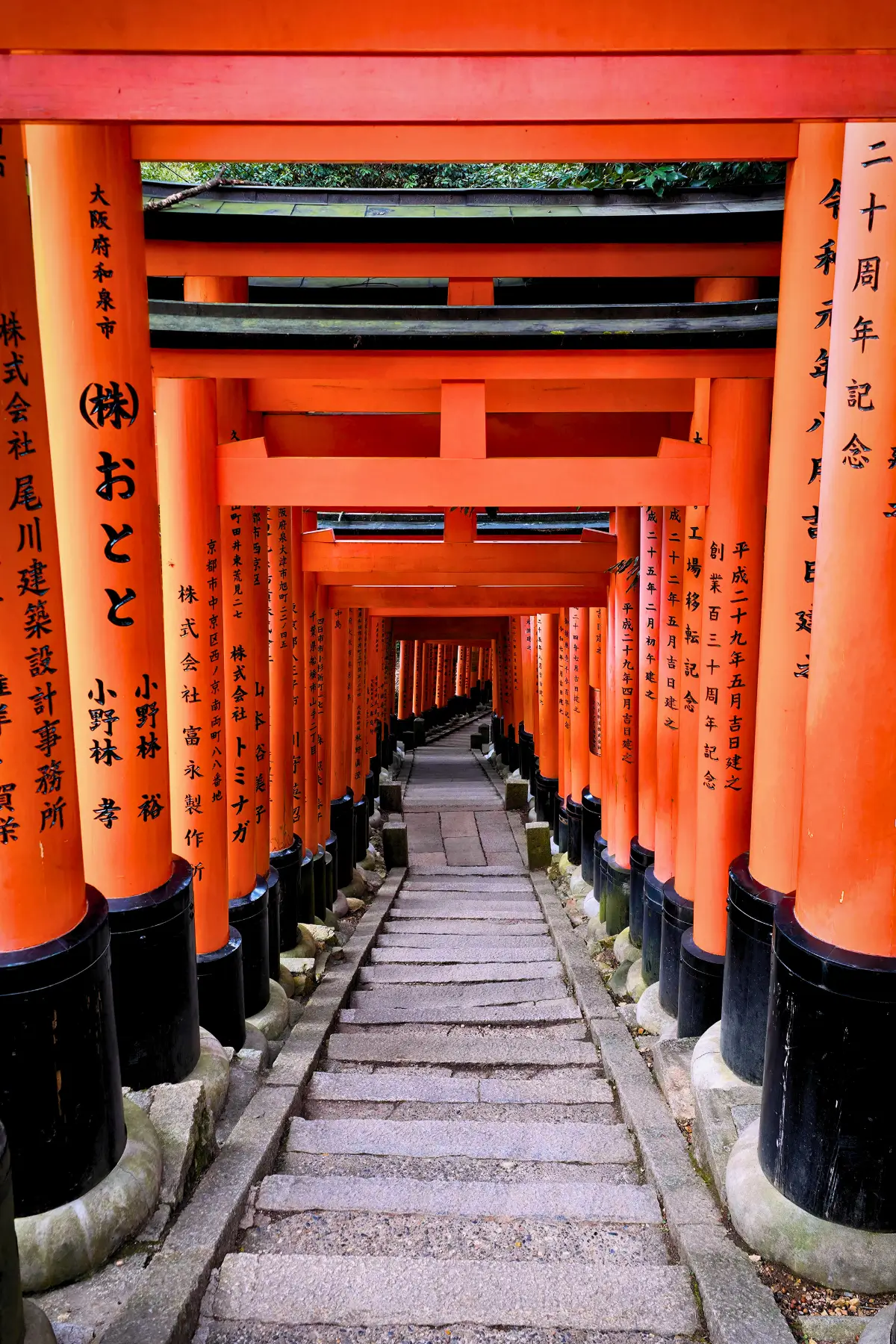
4. Walk Partway Up Fushimi Inari
Fushimi Inari is known for its long trail lined with thousands of torii gates. It’s one of the most recognisable sights in Kyoto.
You walk through the gates as they continue up the mountain. The entrance area is wide and usually crowded.
Within the first 20 to 30 minutes, the number of people drops, and the gates become less tightly packed. After this point, you can walk at a steady pace without stopping.
- Takes around 1 to 2 hours for a partial walk
- Free to enter and open 24 hours
- Located in the Fushimi area in southern Kyoto
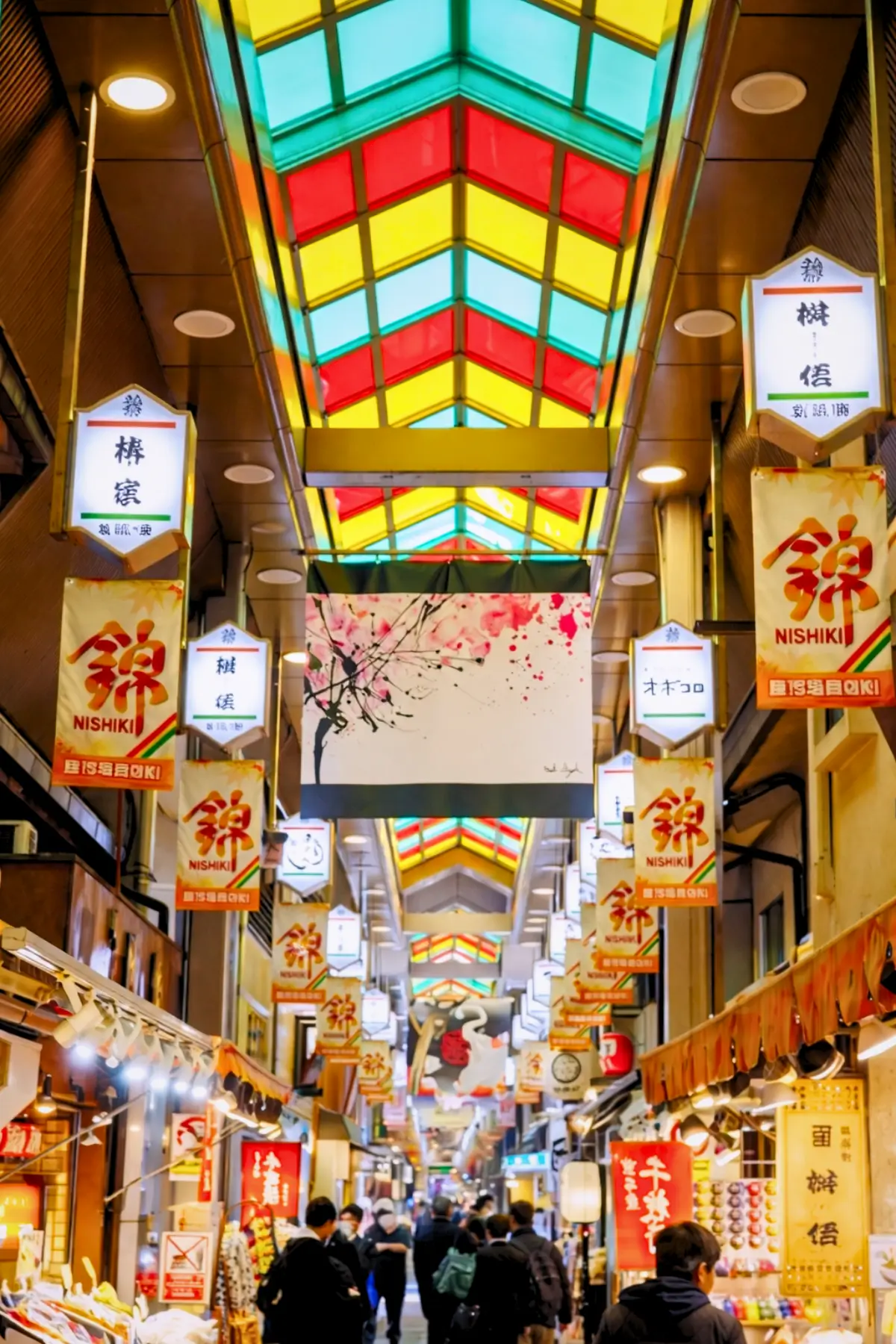
5. Eat Your Way Through Nishiki Market
Nishiki Market is a covered street lined with small food stalls, each focusing on one or two items. A wide range of Kyoto dishes can be found along a single stretch.
Walking from one end to the other works better than staying in one place. Small portions make it easier to try several things instead of committing to a full meal.
Many stalls open from around 9 to 10 am, with most fully active by midday.
- Takes about 1 to 1.5 hours to explore
- Expect to spend around ¥2,000 to ¥4,000 (about $13 to $30 USD)
- Located in central Kyoto near Kawaramachi
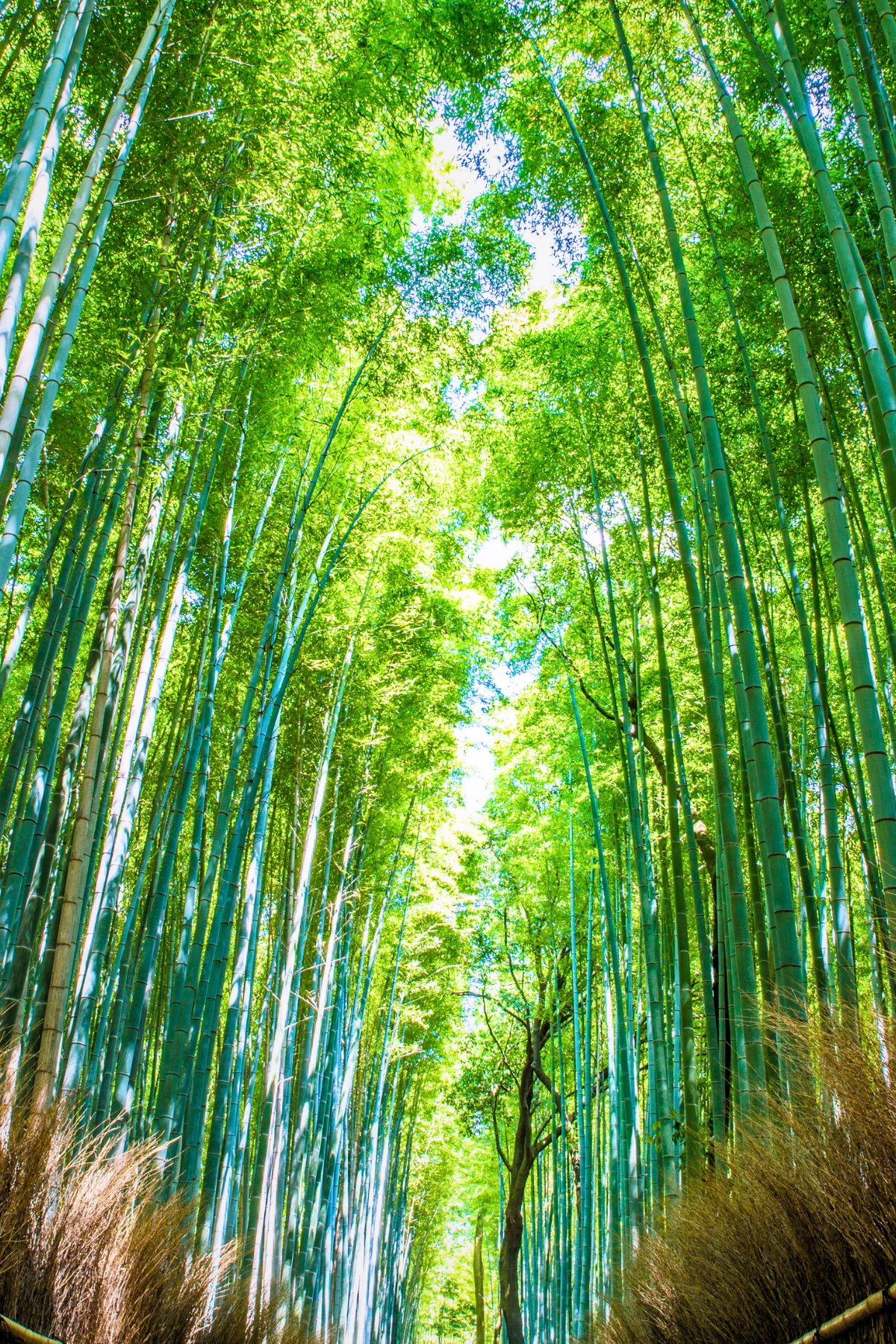
6. Explore Arashiyama Beyond the Bamboo Grove
The bamboo grove is often the main reason people come, though it’s a short path that can be walked through in under 10 minutes and is usually busiest near the entrance.
The rest of the area centres around the river and Togetsukyo Bridge, with paths along the water and open views across the valley.
A short uphill walk leads to the monkey park, which sits above the area and takes around 20 minutes to reach.
- Takes around 2 to 3 hours to explore the area properly
- Monkey park requires a 20-minute uphill walk to reach the top
- Located in Arashiyama in western Kyoto
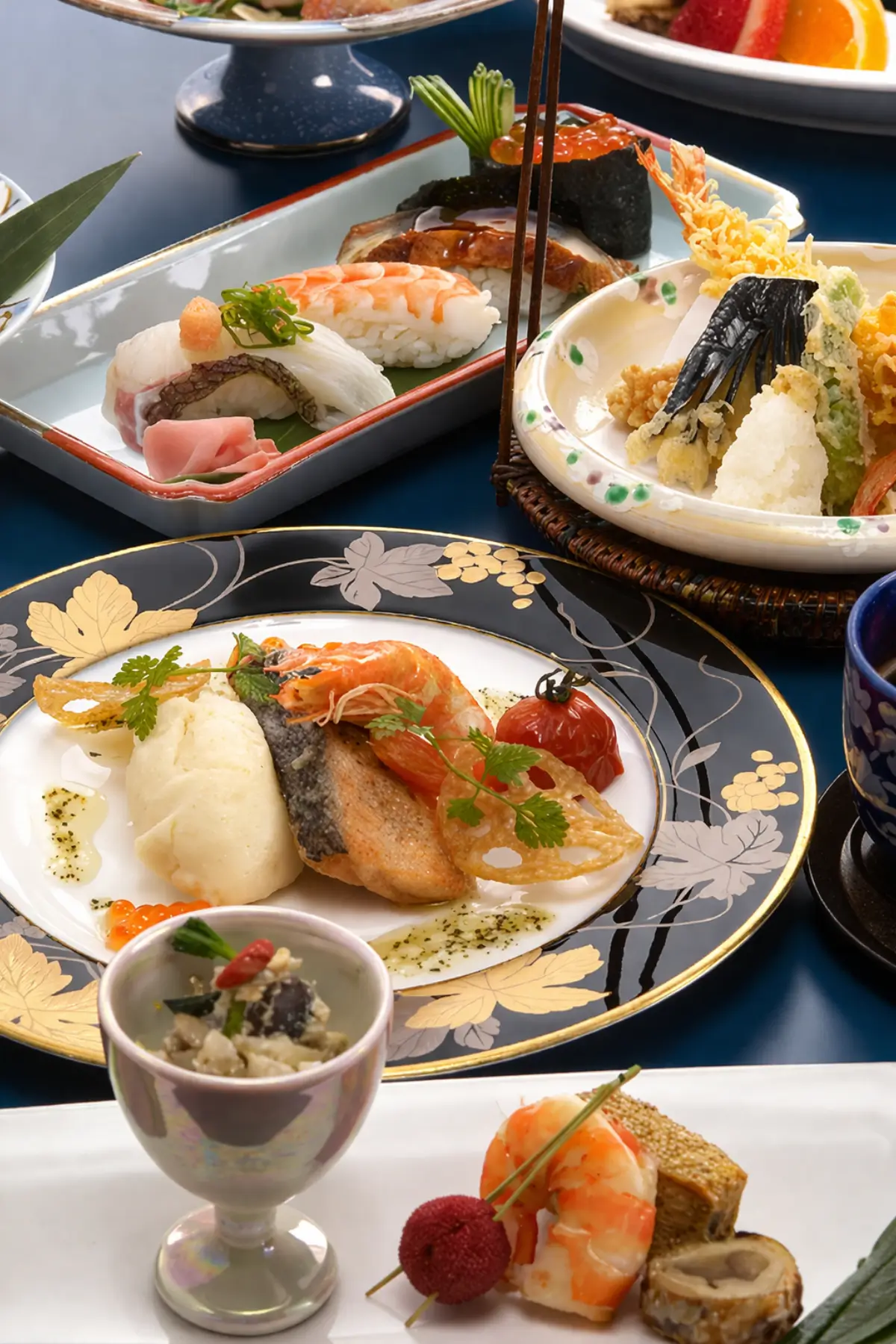
7. Stay in a Ryokan or Try a Kaiseki Meal
Trying a kaiseki meal means going through a full set of courses, brought out one at a time, with dishes changing based on the season.
Instead of ordering one main dish, you try a range of different ingredients in a single meal, including items you might not normally choose.
Food is served gradually rather than all at once, which changes the pace compared to a typical restaurant meal.
- Dinner usually lasts around 1.5 to 2 hours
- Kaiseki meals start from about ¥8,000 (around $55 USD), while ryokan stays begin from ¥15,000 (around $100 USD)
- Found across Kyoto, especially in Gion and Higashiyama
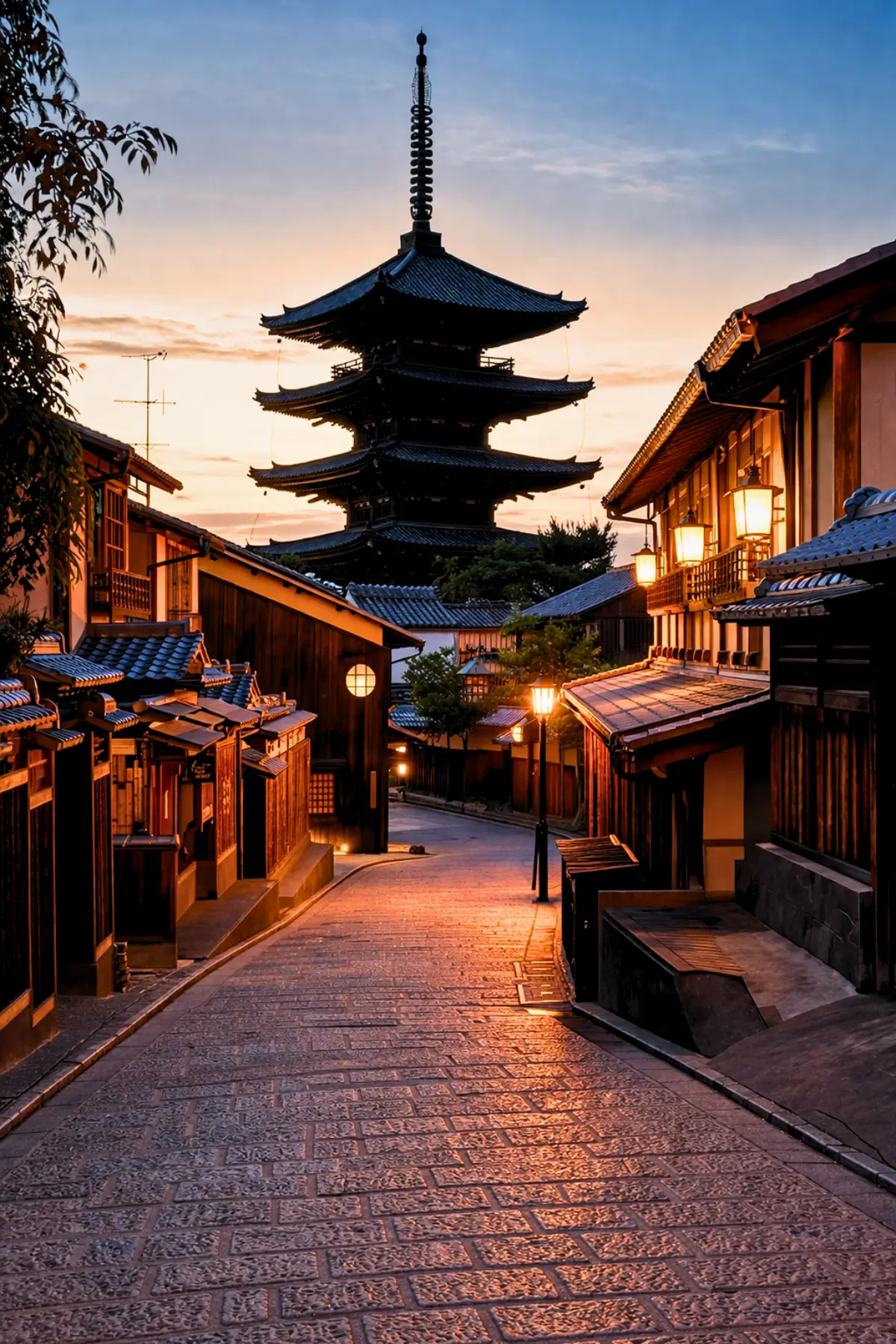
8. Walk Through Higashiyama to Kiyomizu-dera
The streets leading up to Kiyomizu-dera pass through one of Kyoto’s best-preserved historic areas, with traditional buildings and small shops along the route.
Walk this route instead of heading straight to the temple, as it connects the streets directly to the visit. The path slopes uphill on stone-paved streets and becomes more crowded closer to the temple.
Go early in the morning or later in the afternoon to avoid crowds and walk up without stopping for photos or foot traffic.
- Takes around 2 to 3 hours at a steady pace
- Temple entry costs around ¥400 (about $3 USD)
- Located in eastern Kyoto, around the Higashiyama district
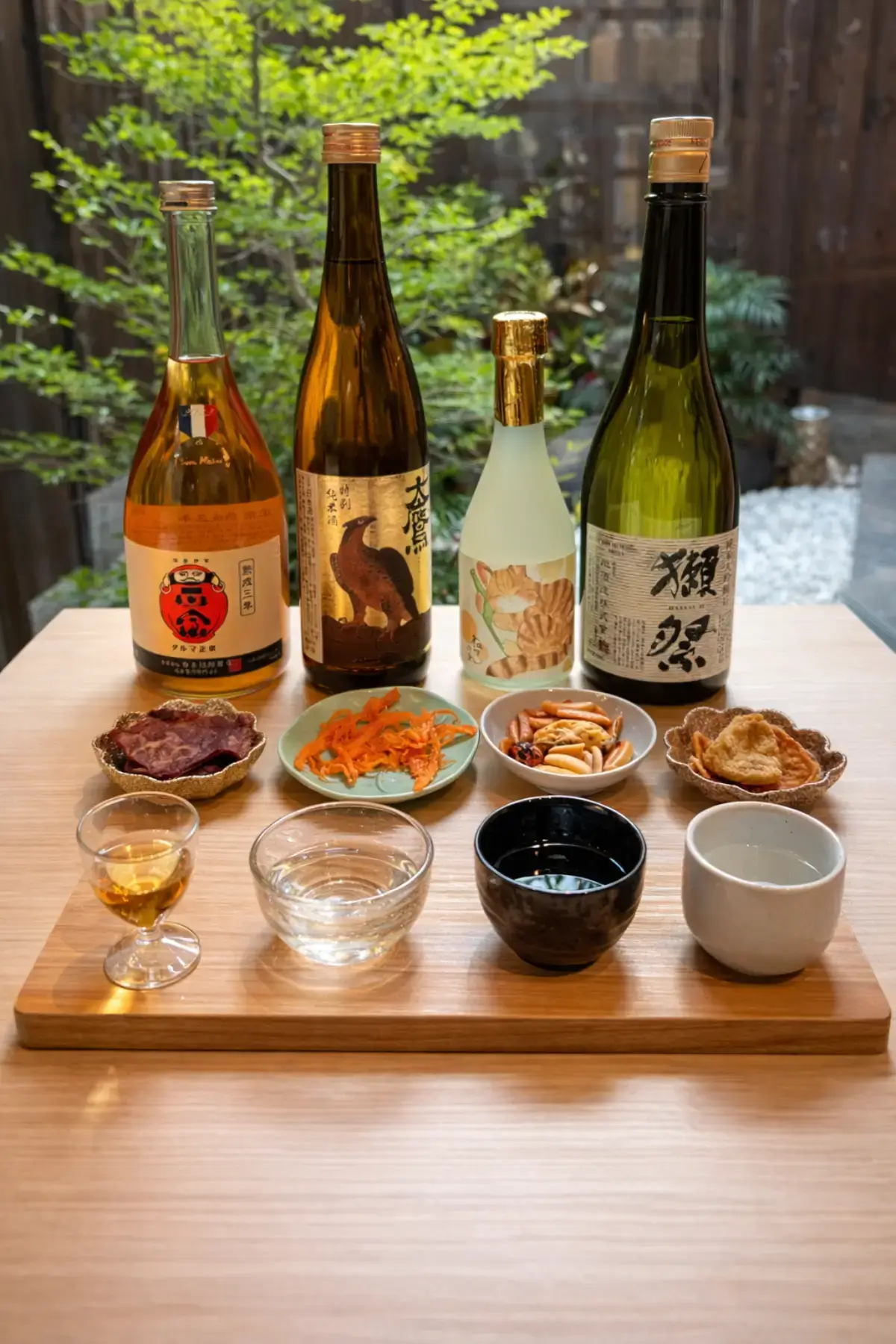
9. Go on a Sake Tasting in Fushimi
Sake tastings in Fushimi give you a chance to try several types of sake, a Japanese rice-based alcoholic drink, served in small pours one after another instead of ordering a full drink. Fushimi is one of Kyoto’s main sake brewing areas, with several breweries in the district.
The tasting moves from one pour to the next, with short explanations in between or a simple focus on the drink itself, depending on the venue. Trying them in sequence makes it easier to notice the differences without ordering multiple drinks.
- Lasts about 1.5 to 2 hours
- Costs around ¥2,000 to ¥4,000 (about $13 to $30 USD)
- Located in the Fushimi sake district in southern Kyoto
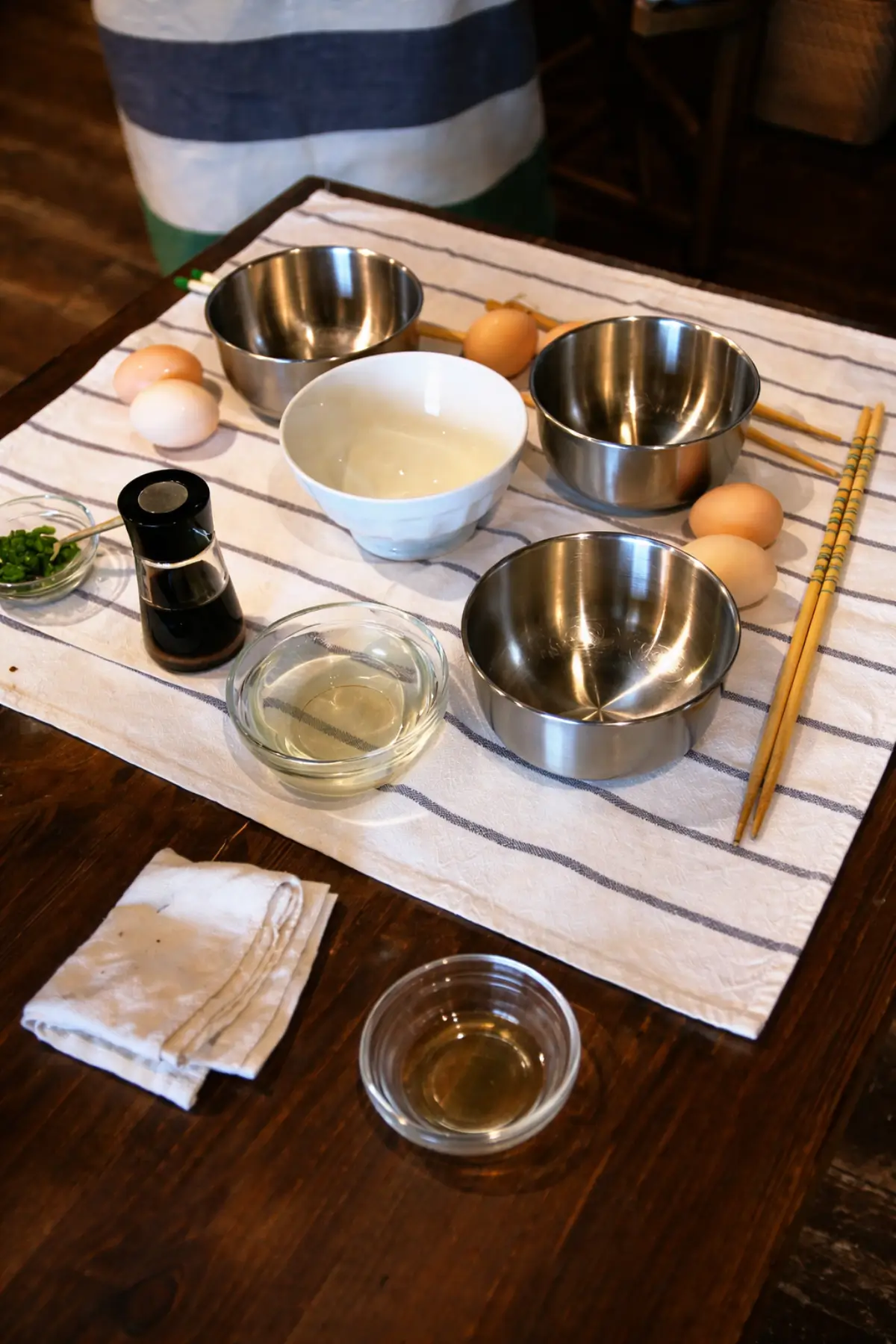
10. Join Haru Cooking Class in Kyoto
If you’re a foodie or just curious how Japanese dishes are made, joining Haru Cooking Class gives you a chance to prepare them yourself.
The class is kept small, with a set menu focused on simple, home-style Japanese dishes. You follow the steps one by one, preparing each part yourself rather than watching from the side.
Most ingredients are already prepared, which keeps the session moving without long pauses. By the end, you have a full dish that you made yourself.
- Takes around 3 to 3.5 hours
- Costs about ¥7,700 to ¥9,800 (around $50 to $70 USD)
- Held in a local home in Kyoto
This list should give you a clearer idea of what to prioritise when planning your days in Kyoto. It’s not meant to be followed exactly, but more as a way to narrow things down and avoid overloading your schedule.
You can adjust it depending on how much time you have and how quickly you move through each area. It’s easier to make small adjustments along the way than trying to follow a strict plan. It also helps to stay realistic with what you can fit into a day, especially when moving between different parts of the city.

I love exploring new places and sharing the travel tips, food finds, and experiences that help you plan your next adventure.
Join the
Journey
Sign up for new itineraries, travel notes, and practical guides to help you explore the places I love most.

I love exploring new places and sharing the travel tips, food finds, and experiences that help you plan your next adventure.
Join the
Journey
Sign up for new itineraries, travel notes, and practical guides to help you explore the places I love most.

This looks like a great guide! I especially like your advice about grouping attractions by area instead of trying to see everything in one day. A traditional tea ceremony and an evening walk through Gion would definitely be at the top of my list when I finally visit Kyoto.