Your journey, beautifully planned.

Kyoto Travel Guide with Practical Details

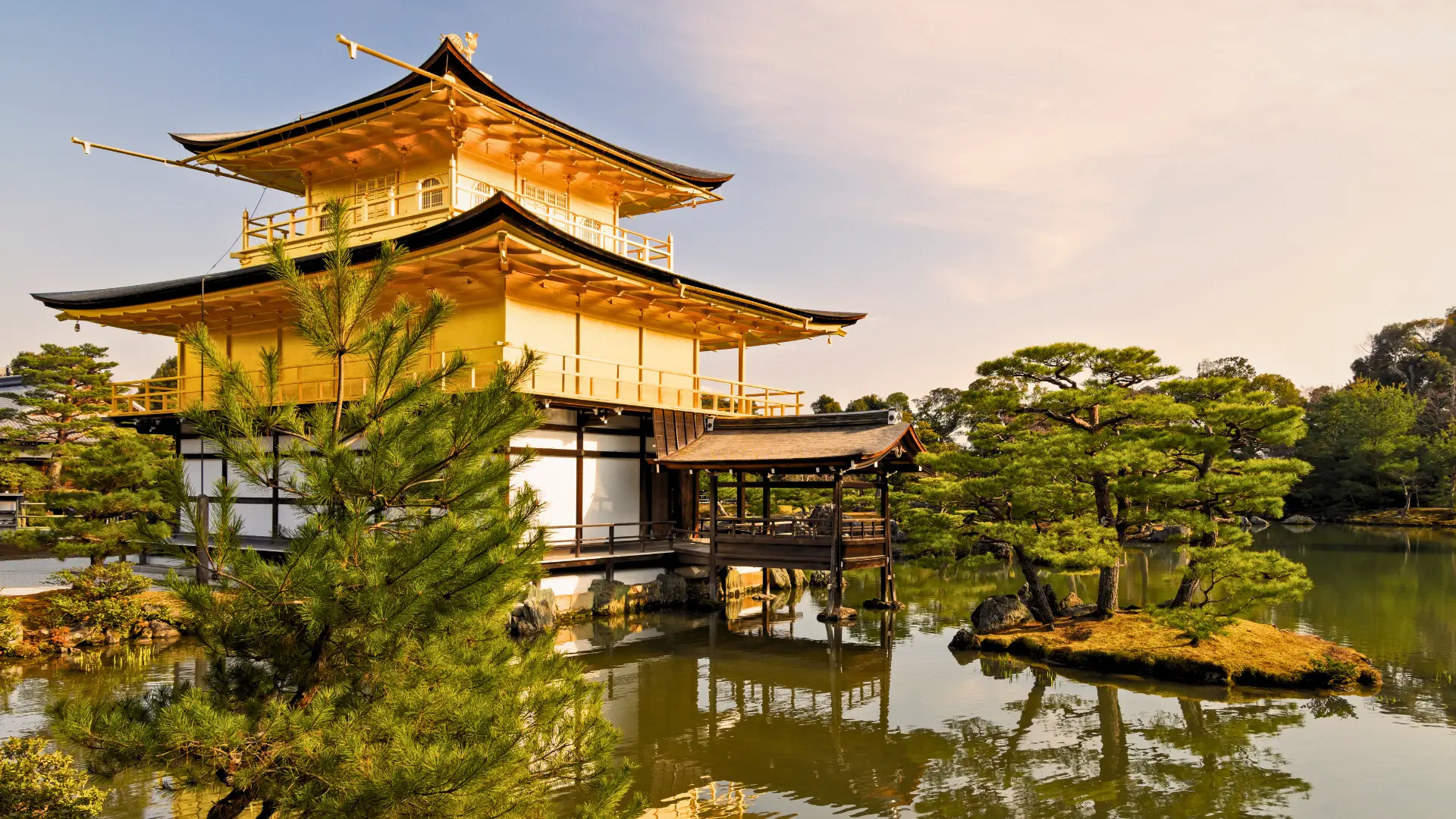
Kinkaku-ji Golden Pavilion beside a calm pond with pine trees.

Kyoto is tied closely to Japan’s past, shaped by over 1,000 years as the imperial capital. Lantern-lit streets, wooden machiya houses, and temples sit alongside modern buildings across the city.

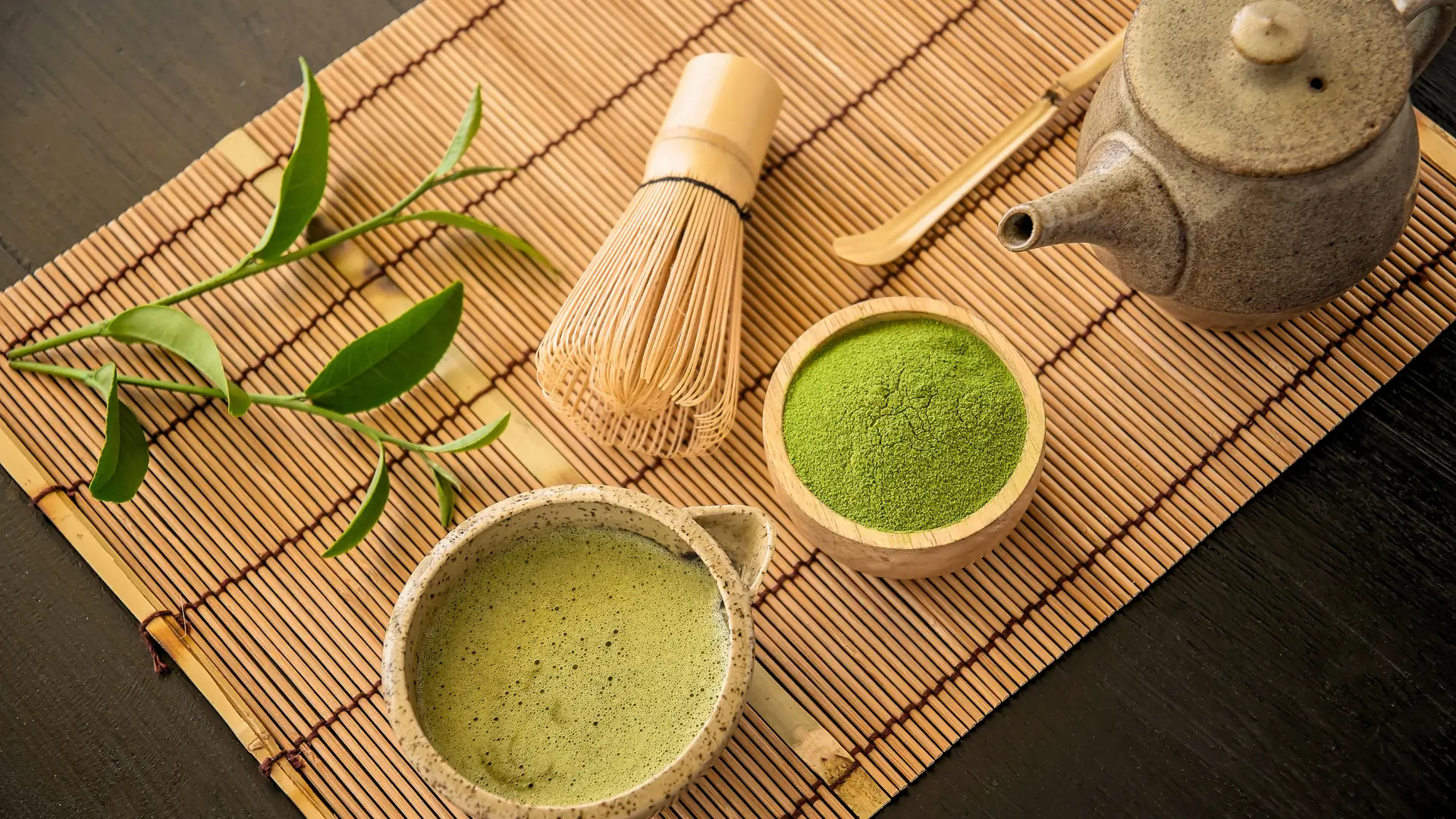
A lot of what defines Kyoto comes from long-standing traditions. Green tea from Uji is part of that and shows up across the city. You can have matcha in a café or take part in a tea ceremony, where everything follows a set process that hasn’t changed much over time.

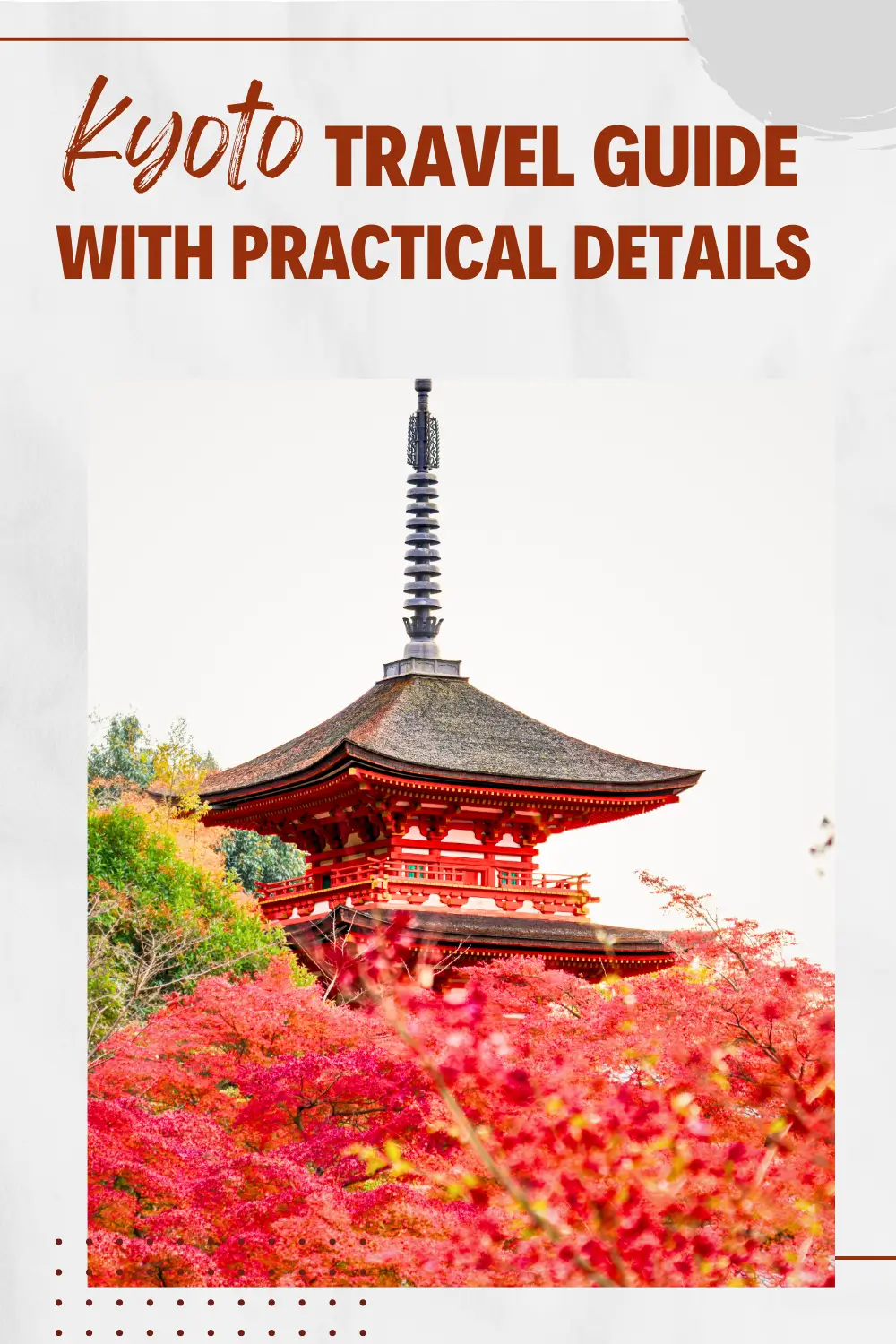
Kiyomizu-dera pagoda surrounded by autumn foliage in Kyoto.

The city is framed by mountains, and temples and shrines are spread across different areas. Kinkaku-ji and Fushimi Inari-taisha stand out, but there are many others that feel just as connected to their surroundings. This is what makes Kyoto one of the most distinctive places to visit in Japan.

Did You Know?

  • Kyoto served as Japan’s imperial capital for over 1,000 years, from 794 to 1868, and shaped much of the country’s traditional culture and architecture.

  • Its traditional festivals have continued for over 1,000 years, with events like Gion Matsuri still following long-established rituals in the same areas of the city.

  • The city has around 2,000 religious sites, including about 1,600 Buddhist temples and 400 Shinto shrines spread across different districts.

  • Historic districts such as Gion still preserve wooden machiya townhouses, strict building rules, and long-standing geisha traditions.

  • The local Kyoto dialect once served as the standard form of Japanese before modern Tokyo-based Japanese became the norm.
Portrait of Manu smiling against a neutral background.

I love exploring new places and sharing the travel tips, food finds, and experiences that help you plan your next adventure.

Join the
Journey

Sign up for new itineraries, travel notes, and practical guides to help you explore the places I love most.

Kyoto At A Glance

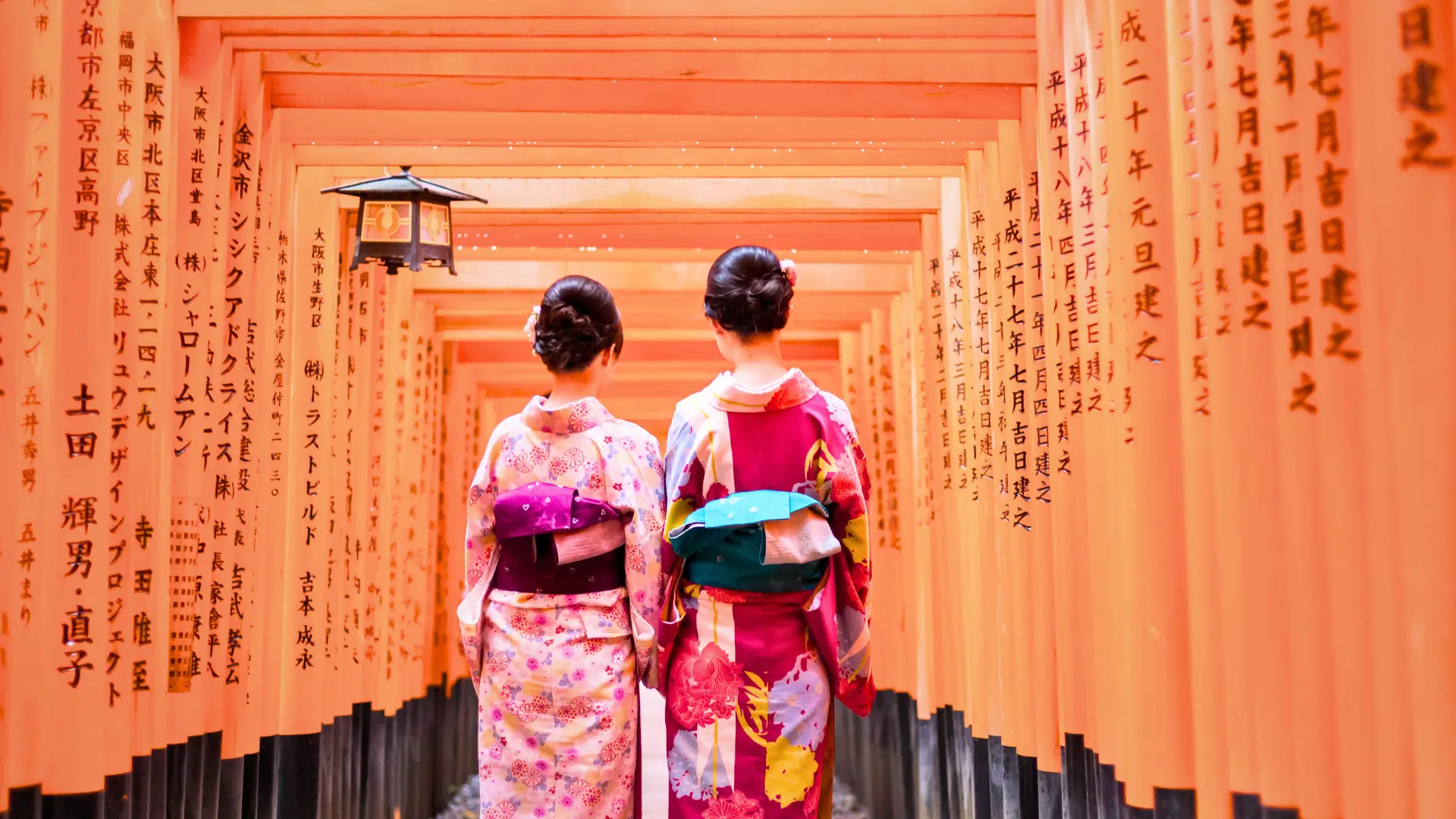
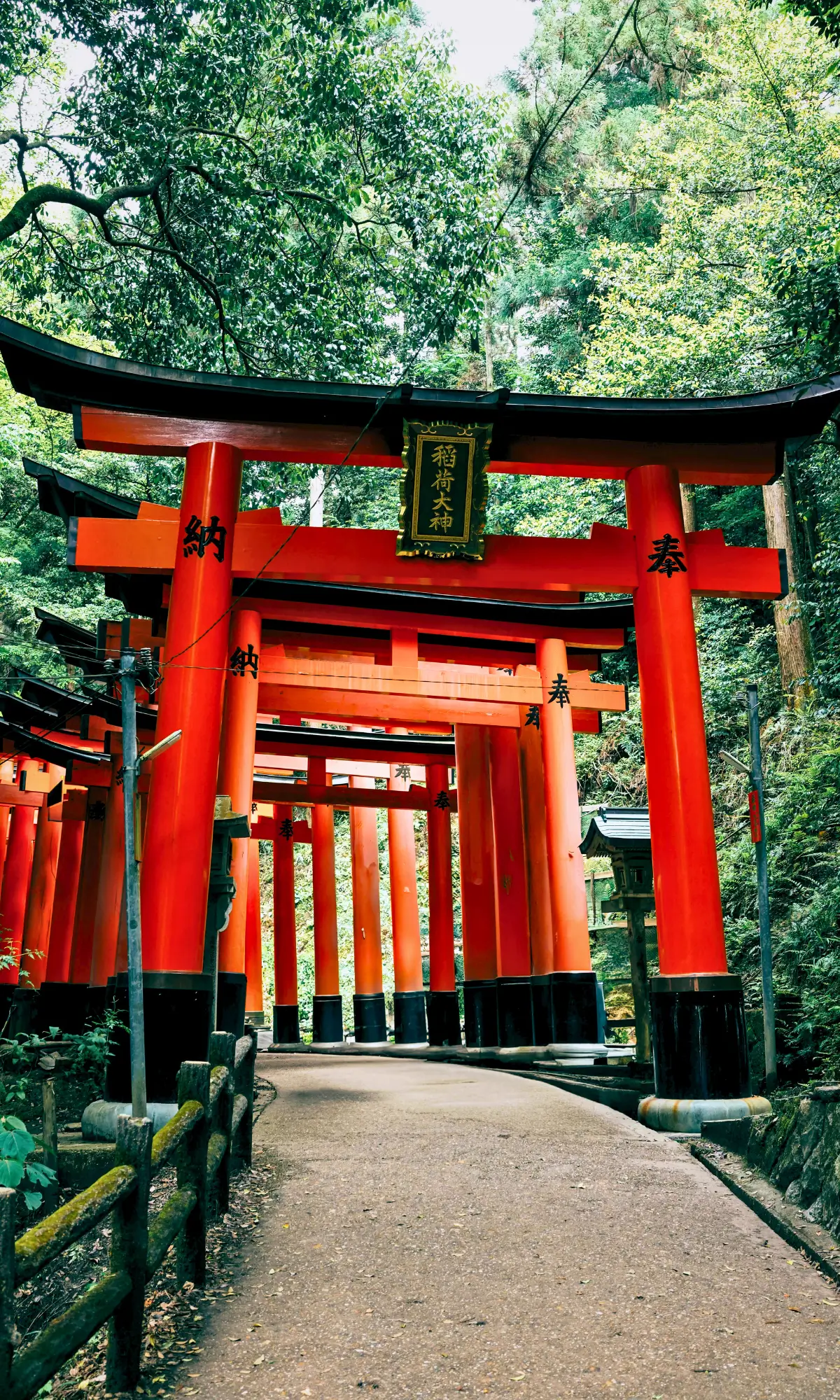
Path lined with red torii gates at Fushimi Inari Taisha in Kyoto.
Language selection icon showing two speech bubbles with letter A and Chinese character.

Language

Japanese is used across Kyoto in everyday situations. English is understood in tourist areas, but outside hotels, major sights, and stations, it can be limited.

Illustration of a money bag with dollar symbol next to stacked coins.

Currency and Costs

Japan uses the Japanese Yen (JPY). Expect higher daily costs, especially around central areas, Gion, and places close to major temples and transport hubs.

Mobile payment icon with credit card and phone showing confirmed payment

Payments

Cards work in most hotels, restaurants, and larger shops. Contactless is common, though smaller spots and local places still rely on cash.

Hand holding a dollar sign and heart icon representing tipping.

Tipping

Tipping isn’t part of the culture. Service is already included, and extra money isn’t expected. In some cases, it can feel awkward or be misunderstood, and staff may try to return it.

Shield with checkmark and padlock as safety icon.

Safety

Kyoto has low crime and feels safe across most areas. Stay aware in busy stations and crowded spots.

Wi-Fi connectivity icon for travel and accommodation.

Connectivity

Mobile signal stays strong across the city. Hotels usually have Wi-Fi, but public connections can be patchy.

How to Get There

Entry Requirements

Japan allows visa-free entry for many nationalities for stays of up to 90 days, depending on your passport. 

You’ll need a valid passport, and it’s best to have at least 6 months validity from your arrival date.

Visas

If your nationality requires a visa, you’ll need to apply in advance through a Japanese embassy or consulate. Entry rules can change, and it’s worth checking the latest requirements before travel.

Main Airports

Kyoto doesn’t have its own airport, and you’ll arrive through a nearby city. 

Kansai International Airport is the main gateway, with direct and connecting routes from across Asia, Europe, and other major hubs. It’s the most common entry point for this area.

Arriving From Other Countries

Flights into Kansai are the most common way to reach Kyoto from abroad. You’ll find direct routes from cities like Seoul, Singapore, Bangkok, London, and Paris. 

If there’s no direct flight, connections through Tokyo or other hubs are easy to arrange.

Travelling Within Japan

Kyoto is well-connected by train and easy to reach from major cities. The Shinkansen runs frequent services from Tokyo, Osaka, and Hiroshima. Trains are fast, reliable, and run throughout the day.

For a more complete overview of entry requirements, flight routes, and how to plan your trip across Japan step by step, take a look at my full Japan travel guide.

What to Expect

Popular Experiences Need Planning

Tea ceremonies, kaiseki meals, and smaller venues have limited slots. Many require advance booking, especially in central areas. Waiting too long can leave you with fewer choices.

Crowds Build Early In Key Areas

Popular districts like Gion and Higashiyama fill up quickly, often before 9am. Narrow streets slow movement once groups build up. This limits how many places you can visit in a day.

Temple Hours Cut Your Day Short

Many temples open early and close around 4 pm to 5 pm. A late start reduces your options fast. Plan your day around opening hours, or you’ll miss key sites.

Walking Adds Up Quickly

Temple districts aren’t fully covered by transport. You’ll walk between stops in areas like Higashiyama and Arashiyama. This affects how much you can fit into a single day.

Seasonal Peaks Affect Availability

Cherry blossom and autumn seasons bring heavy demand. Accommodation fills up fast, and prices rise across the city. Booking late limits your options.

Key Areas Are Spread Out

Kyoto looks small on a map, but major areas are spread across the city. Moving between Arashiyama, Fushimi Inari, and central districts takes time. Poor planning leads to wasted hours in transit.

Bus Travel Can Slow Your Plans

Buses reach most tourist areas, but traffic and crowding affect travel time. Even short routes can take longer than expected. Trains or walking often work better between certain areas.

Beige washi tape strip with soft torn edges on a transparent background.

Where to Eat

Men-ya Inoichi

A small ramen shop known for a lighter, dashi-based broth rather than the usual heavy style. It’s consistently rated highly and often gets long queues, especially at peak hours. It works well if you want something quick but still worth the wait.

Honke Owariya

One of Kyoto’s oldest restaurants, known for traditional soba. It’s been around for centuries and still serves simple, well-prepared dishes without trying to modernise too much. A good choice if you want something rooted in Kyoto’s food history.

Izuu

Known for Kyoto-style sushi, especially sabazushi (pressed mackerel sushi). This is very different from what most people expect from sushi, and it’s more about preservation and flavour than variety. It’s a good stop if you want something specific to Kyoto.

Omen Ginkaku-ji

A long-running spot near Ginkaku-ji known for udon served with dipping broth and vegetables on the side. It’s simple but consistent, and portions are solid. Works well as a break if you’re exploring the eastern side of Kyoto.

Where To Stay In Kyoto

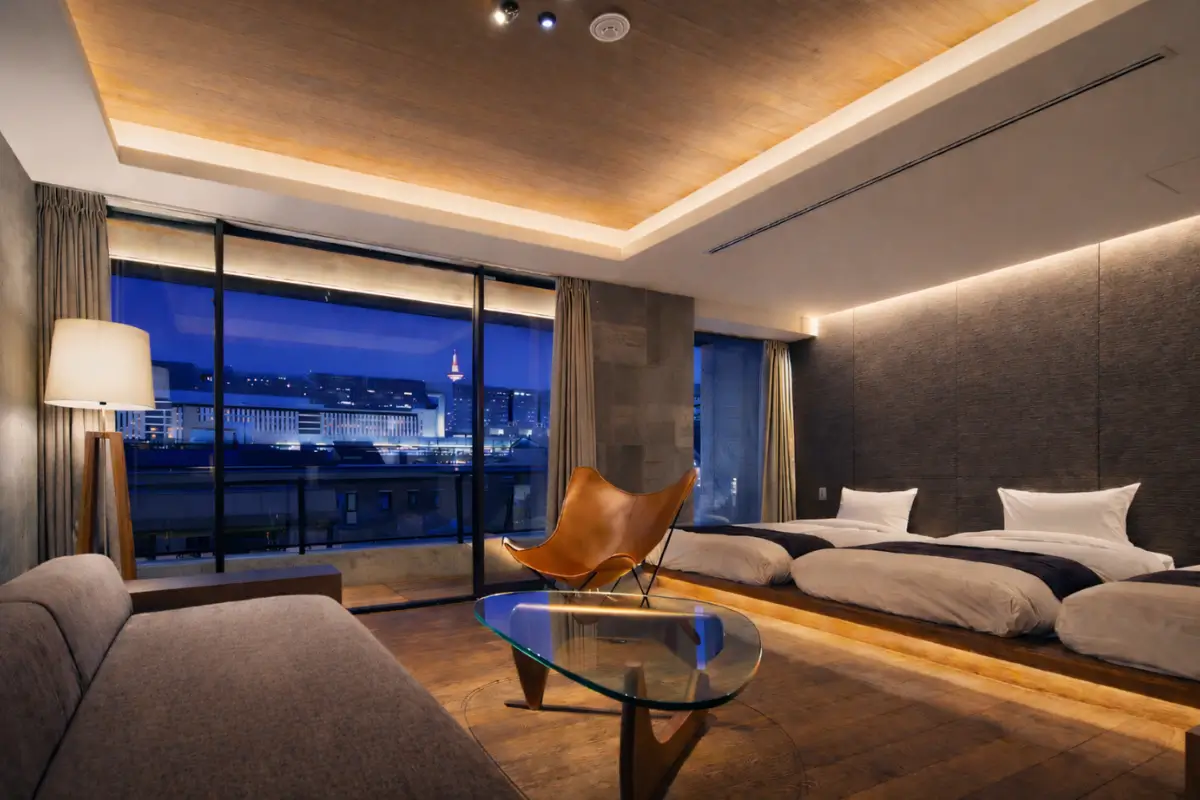
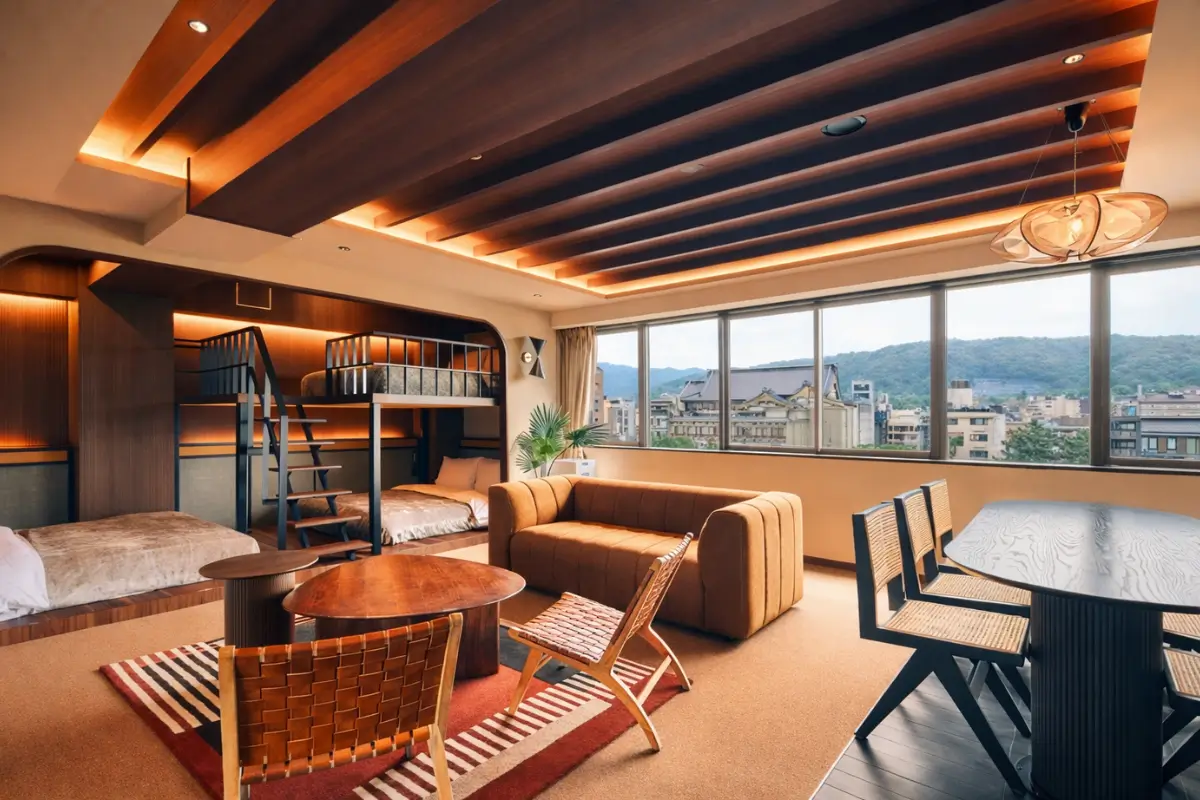
A good pick if you want more space than a typical Kyoto stay. The rooms feel closer to a small apartment, which makes a few nights here more comfortable.

If you’re comparing places around Kyoto Station, Stitch Hotel Kyoto works especially well for couples or travellers staying a bit longer who don’t want to feel cramped, with easy access to transport and central areas.

Location: Kawaramachi Area, Central Kyoto

Price: $$$

Type: Boutique Apartment Hotel

For something simpler, Imu Hotel Kyoto keeps things easy without feeling basic. 

It’s a good fit for solo travellers or couples who just want a comfortable, well-located base without overthinking the stay.

Location: Nakagyo Area, Central Kyoto

Price: $$

Type: Boutique Hotel

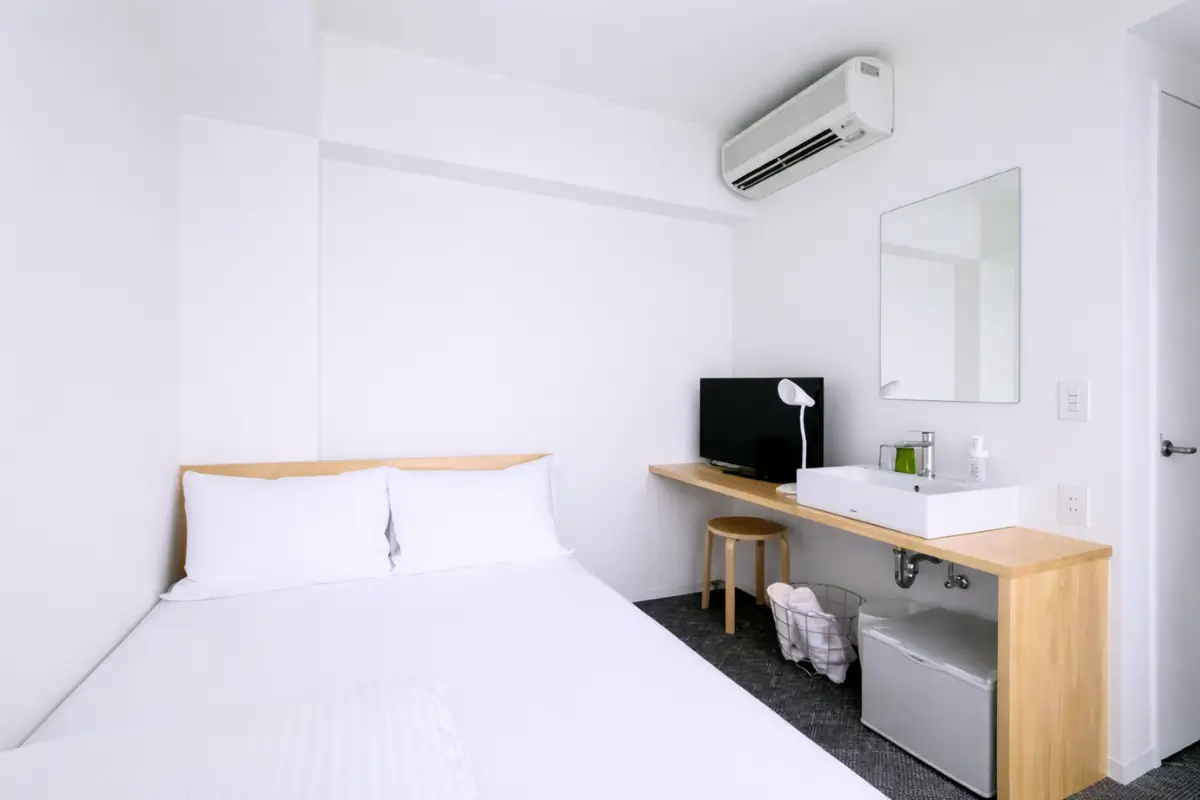
Travelling with family or planning a longer stay, 22 Pieces stands out for the extra space. The rooms feel more like small apartments, which makes a noticeable difference day to day. 

Being close to Kyoto Station also helps if you’re moving around or taking day trips.

Location: Near Kyoto Station

Price: $$$$

Type: Apartment Hotel

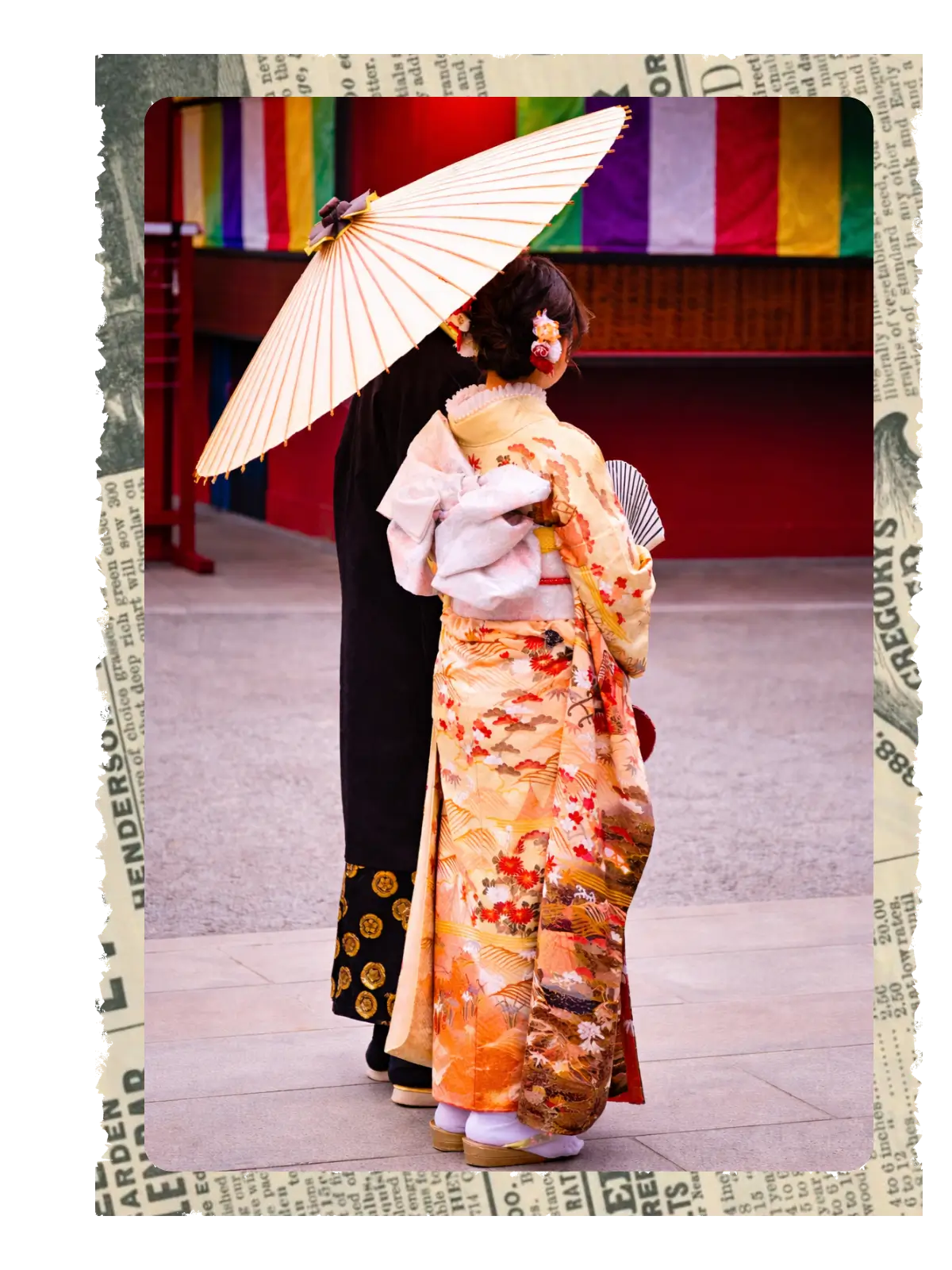
Person in a patterned kimono with a paper parasol standing outside a traditional building
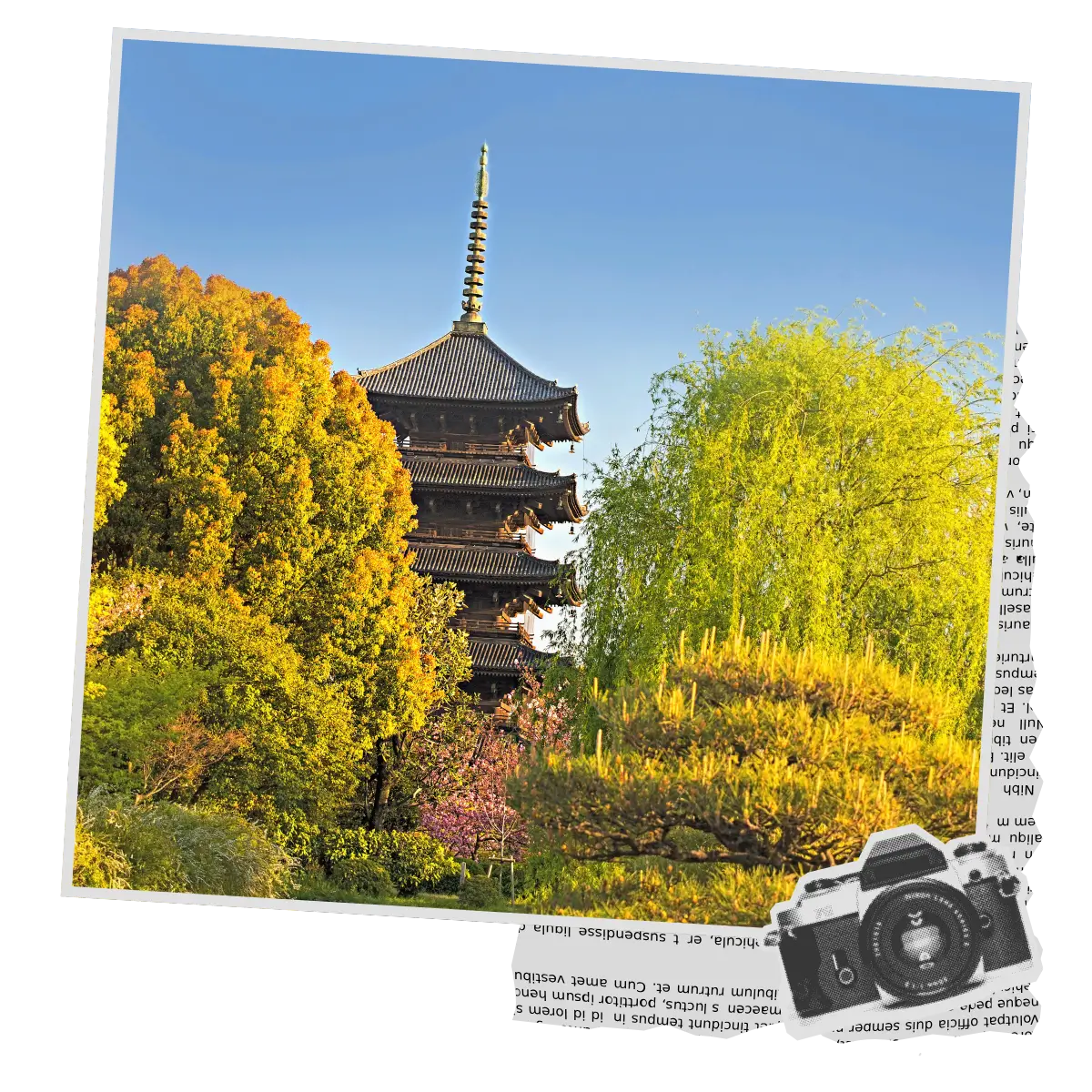
Five-storey pagoda at To-ji Temple surrounded by seasonal trees.

Getting Around Kyoto

Buses

Buses form the main transport network across Kyoto and are the most practical option for sightseeing, connecting major temples, districts, and areas not covered by train lines.

They can be slower during peak hours and often get crowded on popular routes, but remain widely used.

Most city buses use a flat fare of around ¥230 (about $1.50 USD) within central Kyoto. Fares may vary slightly outside this zone, and increases for tourists are being considered.

Board at the back and exit at the front, paying when getting off using cash or an IC card.

Subway

Kyoto has two subway lines forming a simple cross through the city:

  • Karasuma Line (north–south, stopping at Kyoto Station) Runs through the centre, linking Kyoto Station with areas like Shijo and Karasuma, with easy transfers

  • Tozai Line (east–west, connecting key areas across the city) Cuts across the city, useful for reaching places like Nijo Castle and the Higashiyama area

Subways are faster and less crowded than buses, though coverage is limited, so they’re usually combined with buses. Fares start from around ¥220 (about $1.40 USD) depending on distance.

Japan Rail (JR)

JR trains are useful for reaching areas outside central Kyoto and for short regional trips.

They’re especially practical for:

  • Arashiyama – via the JR Sagano Line, a quick and direct option from Kyoto Station

  • Fushimi Inari – via the JR Nara Line, stopping close to the shrine entrance

Fares vary by distance, but short rides typically cost around ¥150–¥240 (about $1 to $1.60 USD).

Leave a Comment

Your email address will not be published. Required fields are marked *

Scroll to Top
Ultimate packing checklist travel guide cover with tropical beach background.