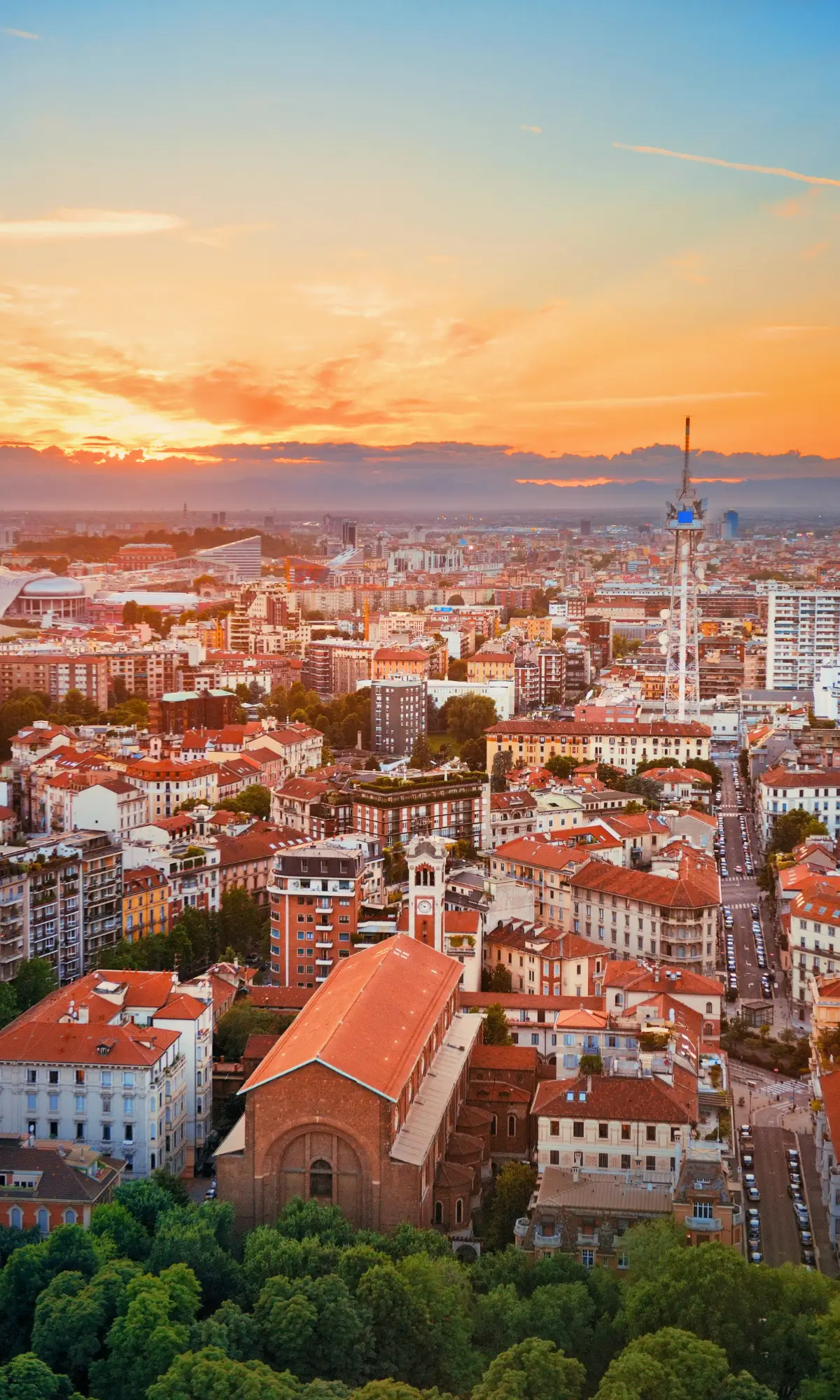
Discovering Milan Through Food Fashion and Culture
Milan is one of Italy’s most dynamic cities, known for its fashion, historic landmarks, elegant architecture, and vibrant food scene. Often seen as Italy’s business and fashion capital, Milan offers much more than luxury shopping and designer boutiques.
The city is home to centuries-old churches, world-famous artworks, lively neighbourhoods, and beautiful aperitivo culture. You’ll also find historic squares, grand galleries, and easy access to nearby lakes and destinations across Northern Italy.
This Milan Travel Guide covers the best things to do in Milan, where to stay, how to get around, what to eat, and practical tips before visiting.
If you’re planning a city break, a longer Italy itinerary, or using Milan as a base to explore Lombardy, this guide will help you organise your trip and make the most of your time in the city.
Did You Know?
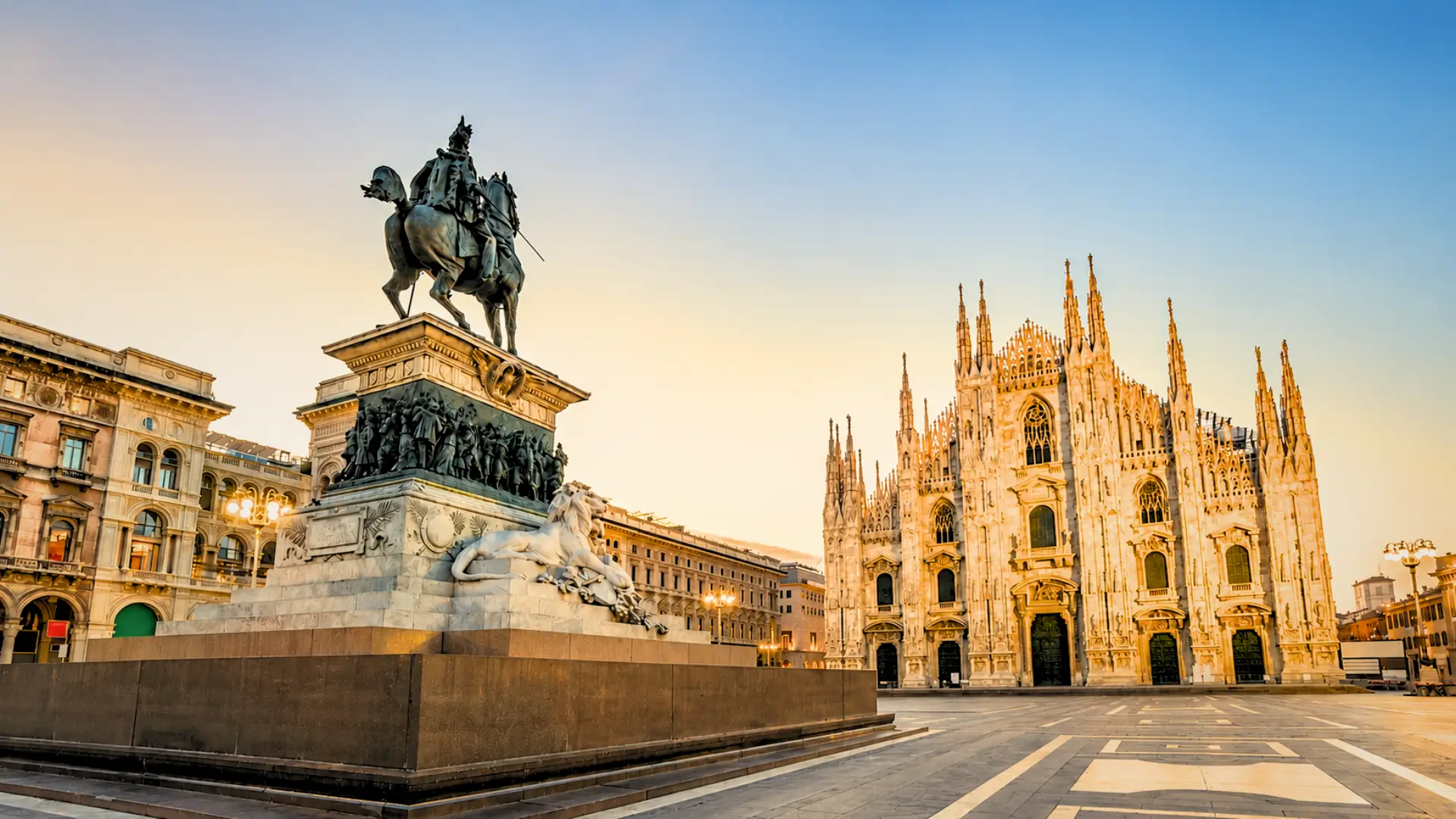
- The Duomo di Milano took nearly 600 years to complete. Construction began in 1386, and workers finished the cathedral in 1965. The Duomo has 135 spires and more than 3,400 statues, making it one of the largest Gothic cathedrals in the world.
- Leonardo da Vinci painted The Last Supper in Milan between 1494 and 1498. You can still see the mural inside Santa Maria delle Grazie.
- The Navigli canals once transported marble used to build the Duomo. Parts of the historic canal system still remain in Milan.
- Milan helped popularise Italy’s aperitivo culture during the early 20th century. Aperitivo remains one of the city’s best-known social traditions.
- Milan hosted the Winter Olympics in 1956 and will host them again in 2026 alongside Cortina d’Ampezzo.
I love exploring new places and sharing the travel tips, food finds, and experiences that help you plan your next adventure.
Join the
Journey
Sign up for new itineraries, travel notes, and practical guides to help you explore the places I love most.
Milan At A Glance

Language
Italian is Italy’s official language, and people speak it across Milan. English is common in hotels, restaurants, tourist areas, and larger shops.

Currency and Costs
Euro (EUR). Approximate rate: 1 USD ≈ 0.85–0.87 EUR, though exchange rates fluctuate. Expect moderate to high daily costs, especially around the Duomo, Brera, and major shopping districts.

Payments
Hotels, restaurants, and most shops accept credit and debit cards. Contactless payment is common, though small cafés, taxis, and local markets may still prefer cash.

Tipping
Tipping isn’t expected in Milan. Some restaurants include service charges, though people often round up or leave small change for excellent service.

Safety
Milan is generally safe for visitors. Still, take normal precautions in busy transport hubs, tourist areas, and crowded shopping streets.

Connectivity
Milan has strong mobile coverage and plenty of Wi-Fi access. The city also runs public Wi-Fi networks across many public spaces, including municipal buildings and libraries.
How to Get There
Flying Into Milan
Milan is served by three main airports. Milan Malpensa Airport is the city’s largest international airport, with direct and connecting flights from across Europe, North America, the Middle East, and Asia.
Milan Linate Airport mainly serves domestic routes and short European flights. Milan Bergamo Airport works as the city’s main low-cost hub and connects Milan with destinations across Europe.
Entry Requirements and Visas
Italy is part of the Schengen Area. Travellers from the EU and Schengen countries can enter with a valid passport or national ID card.
Visitors from countries including the United Kingdom, Australia, Canada, and the United States can usually enter Italy for short tourist stays without a visa.
Your passport should remain valid for at least 3 months beyond your planned departure date from the Schengen Area.
What to Expect
The Last Supper Sells Out Fast
Tickets for Leonardo da Vinci’s The Last Supper often sell out weeks ahead, especially from spring to autumn. Book early if it’s one of your main priorities in Milan.
Metro Stops Don’t Always Sit Near Attractions
Milan’s metro system works well for longer distances, but several popular areas still require extra walking. Brera, Navigli, and parts of the historic centre sit farther from stations than many visitors expect.
Area C Can Lead To Expensive Fines
Milan restricts traffic inside the historic centre through the Area C zone, which works as a congestion-charge area. Drivers must pay to enter during active hours, and some vehicles can’t enter at all.
Fashion Week Pushes Prices Up Fast
Hotel rates rise sharply during Fashion Week, Salone del Mobile, and major trade fairs. Central accommodation often books out much earlier during these periods.
Where to Stay in Milan
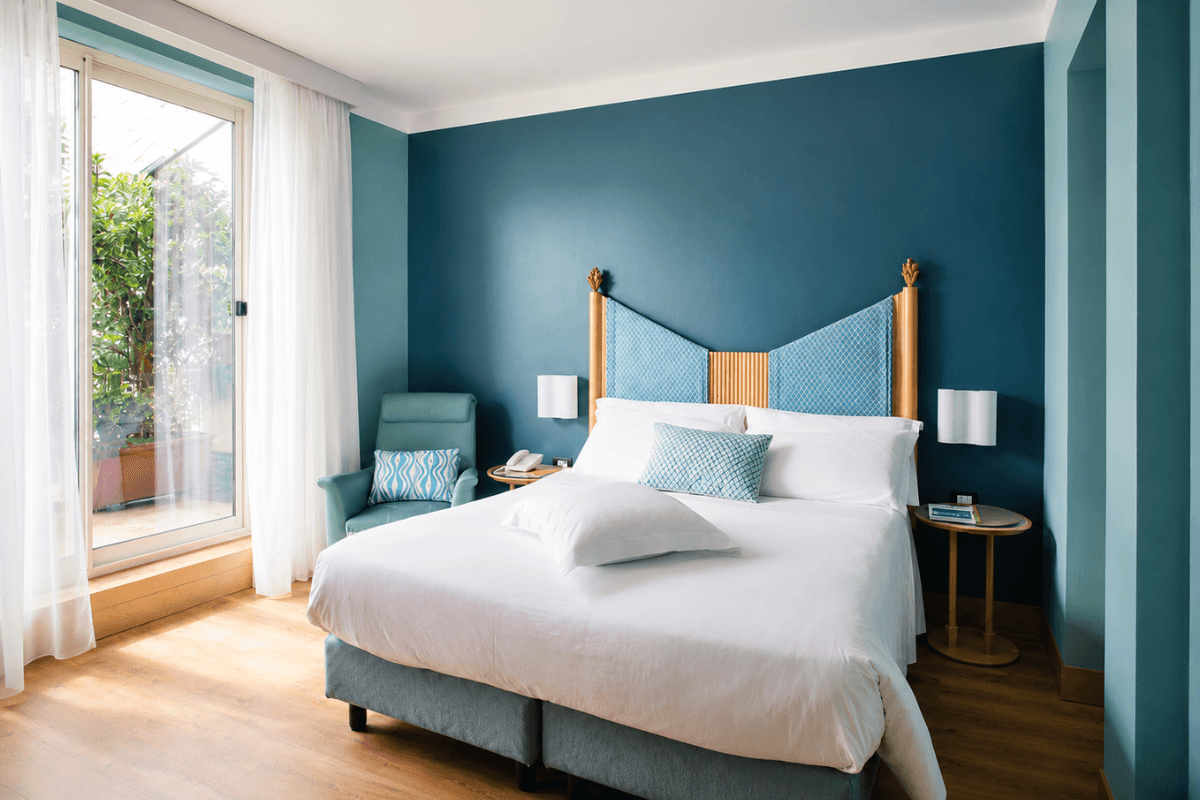
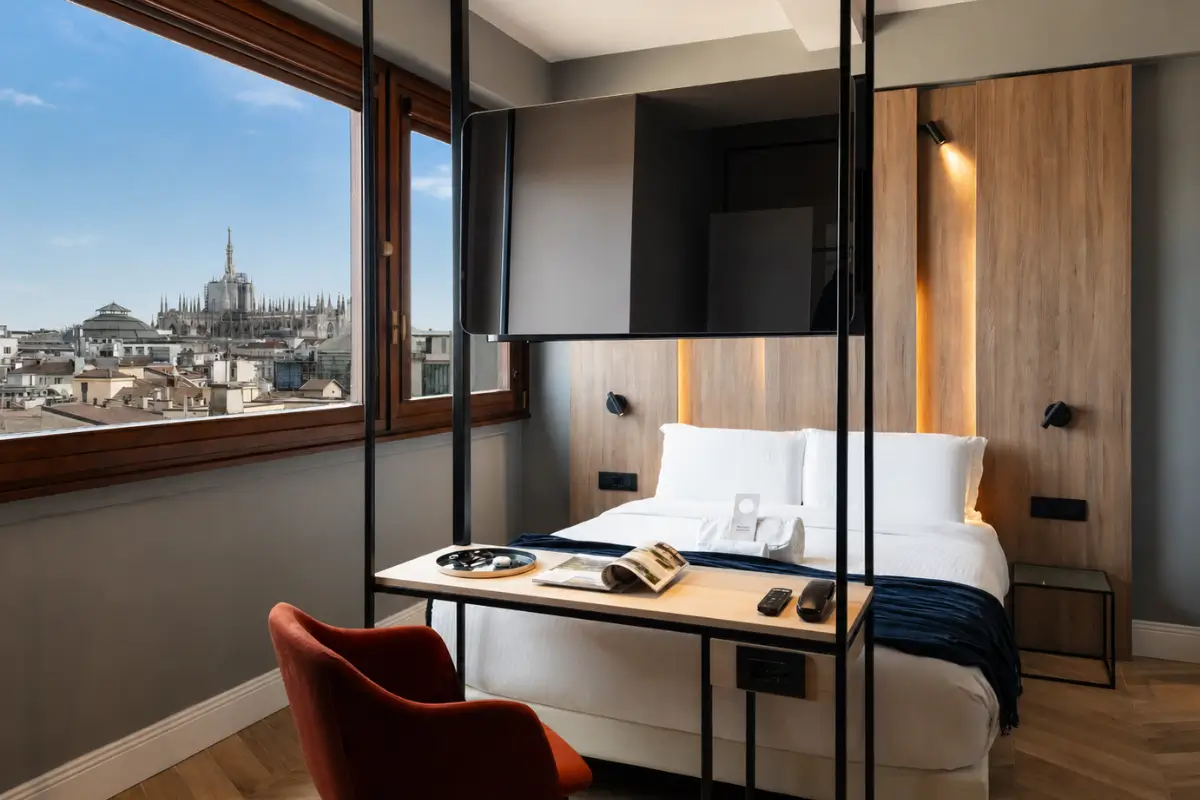
A practical budget stay close to Milan’s historic centre. It’s within walking distance of the Duomo, Galleria Vittorio Emanuele II, and La Scala.
The straightforward rooms work well if you mainly need a central base for sightseeing and shopping. Staying here also keeps Milan’s main metro connections close by.
Location: Centro Storico, Central Milan
Price: $$
Type: Budget Hotel
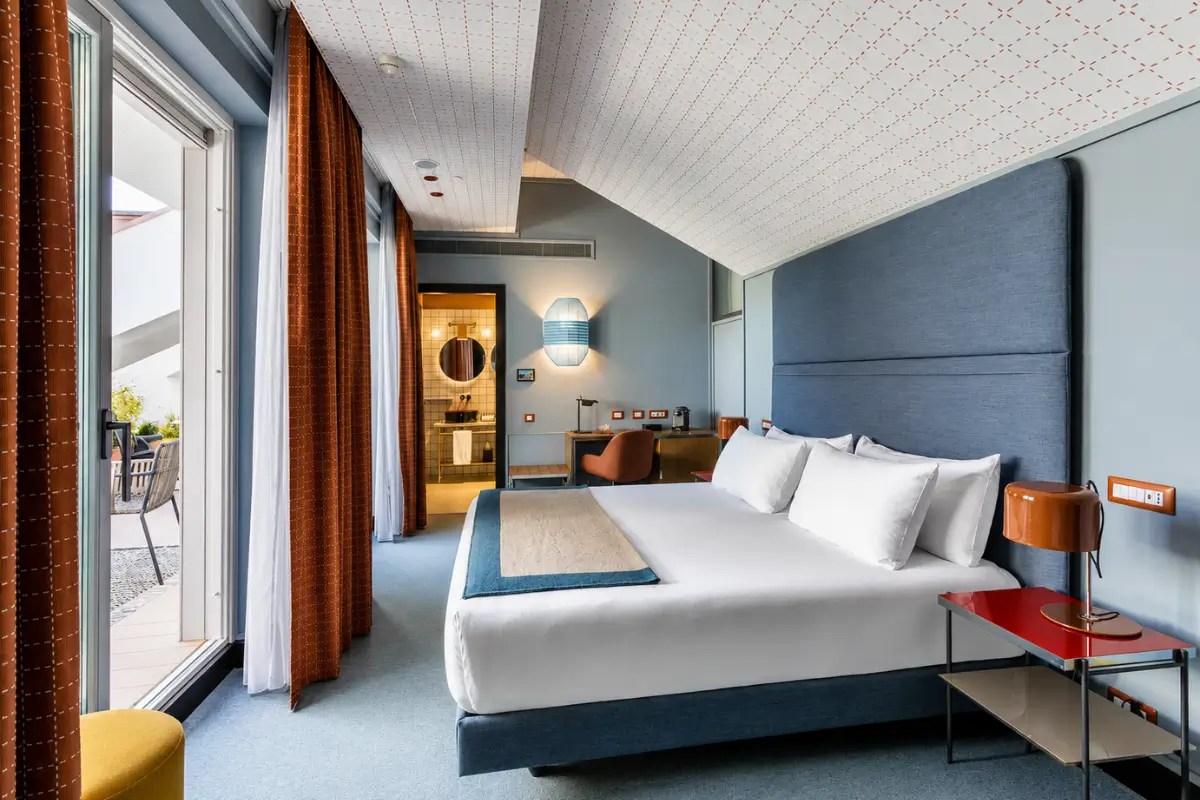
Hotel Spadari Al Duomo sits only a few minutes from Piazza del Duomo. The interiors feel contemporary and art-focused, with a more polished atmosphere than many nearby hotels.
This area works especially well for walking between museums, cafés, shopping streets, and Milan’s main landmarks without relying heavily on transport.
Location: Duomo Area, Historic Centre
Price: $$$$
Type: Boutique Art Hotel
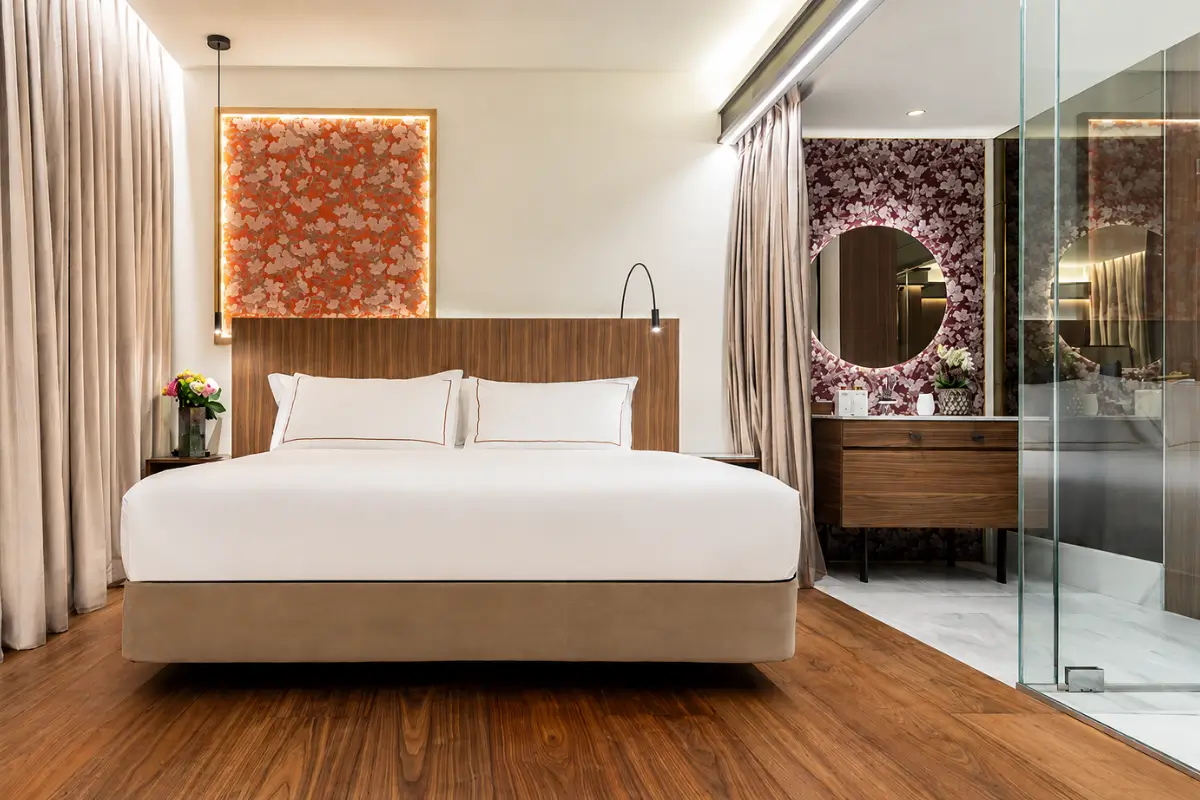
Bold interiors and a modern style give this hotel a very different feel compared to many traditional Milan stays. Larger rooms and a location near the Duomo make it especially convenient for shorter city breaks.
If you prefer modern interiors over more traditional Milanese hotels, this part of central Milan keeps shopping streets, restaurants, and transport connections close by.
Location: Duomo Area, Central Milan
Price: $$$$
Type: Design Hotel
Set near Piazza Cordusio and the fashion district, this luxury hotel combines rooftop dining, spa facilities, and elegant interiors inside a historic building. The location places Milan’s luxury shopping streets and major landmarks within walking distance.
This part of Milan suits travellers who want easy access to designer boutiques, historic architecture, and some of the city’s best-known shopping areas.
Location: Cordusio, Historic Centre
Price: $$$$$
Type: Luxury Hotel
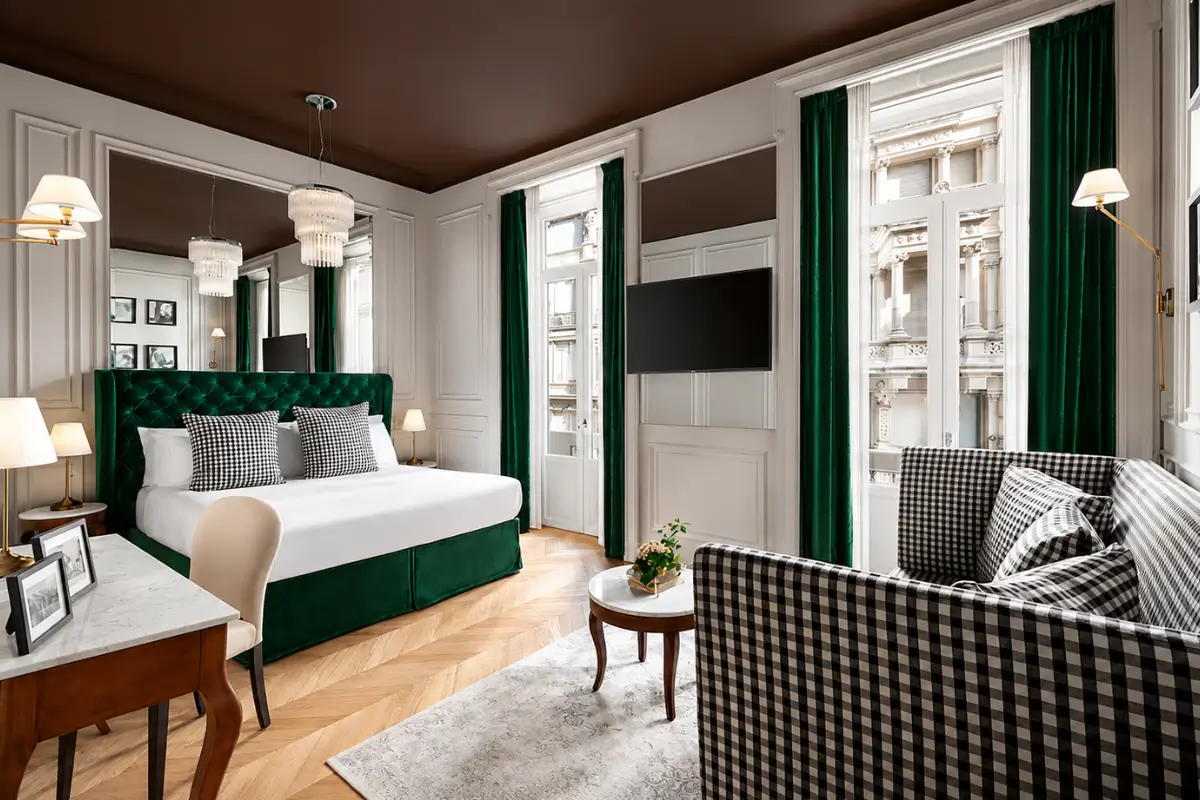
Matilde Boutique Hotel is only a short walk from the Duomo and Galleria Vittorio Emanuele II. The interiors feel refined without becoming overly formal or traditional.
The smaller scale gives the hotel a more private atmosphere compared to many larger luxury properties nearby. It works especially well for couples and shorter luxury city breaks.
Location: Centro Storico, Central Milan
Price: $$$$
Type: Boutique Luxury Hotel
Flavours of Milan
These recipes from Manu’s Menu reflect some of the dishes and flavours you’ll commonly come across around Milan and the wider Lombardy region.
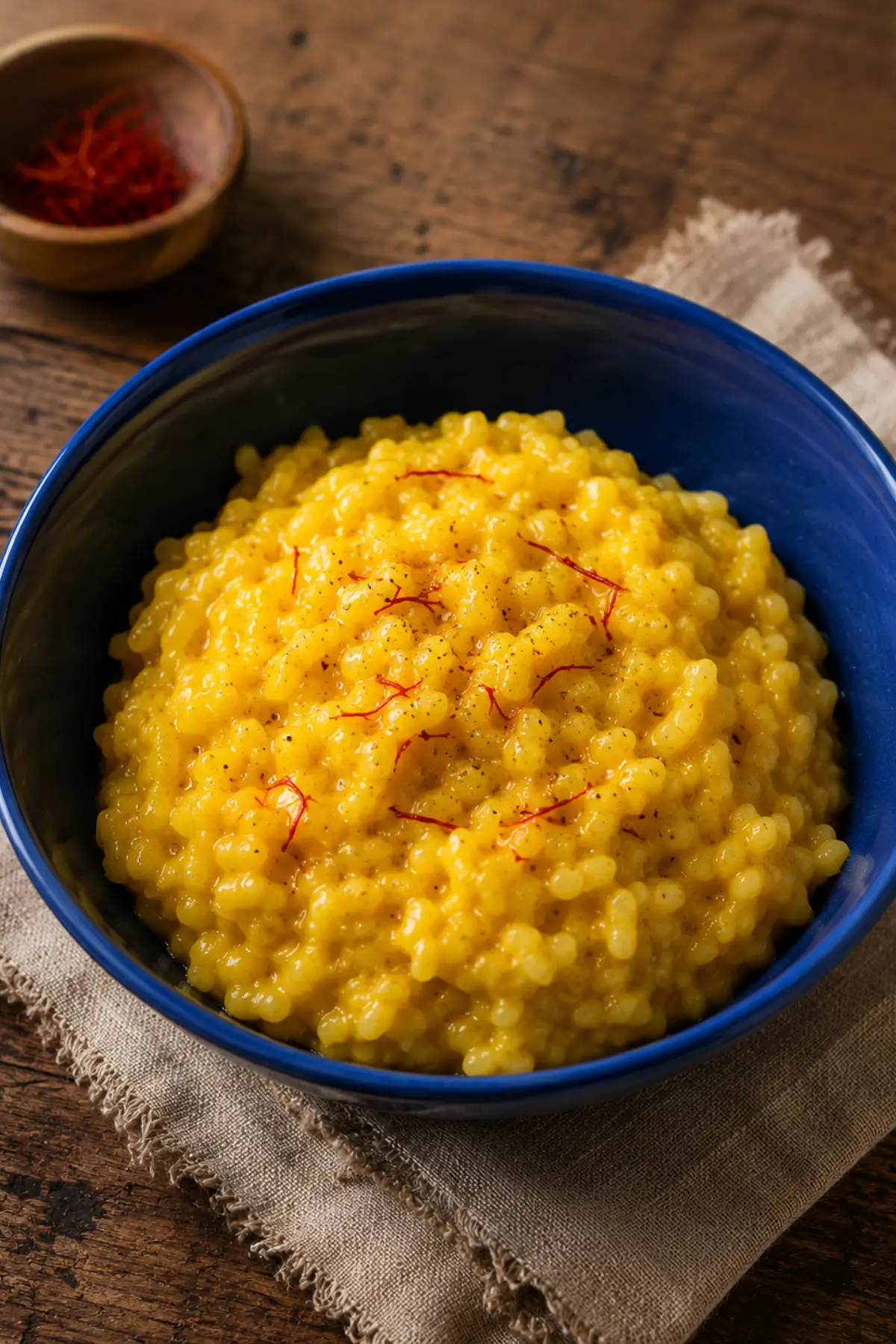
Risotto alla Milanese
One of Milan’s signature dishes, this saffron risotto stands out for its rich golden colour and creamy texture. Many restaurants pair it with slow-cooked meat dishes, especially ossobuco.
Ossobuco alla Milanese
Veal shanks cook slowly with white wine, stock, and gremolata until tender and rich. Traditional Milanese restaurants commonly serve the dish during colder months.
Cotoletta alla Milanese
Milan’s famous breaded veal cutlet fries until crisp and golden on the outside while staying tender inside. Many restaurants serve it simply without heavy sauces or extra toppings.
Cassoeula
Pork and cabbage simmer slowly together in this traditional Lombardy winter stew. The dish remains strongly connected to northern Italian cold-weather cooking and seasonal dining.
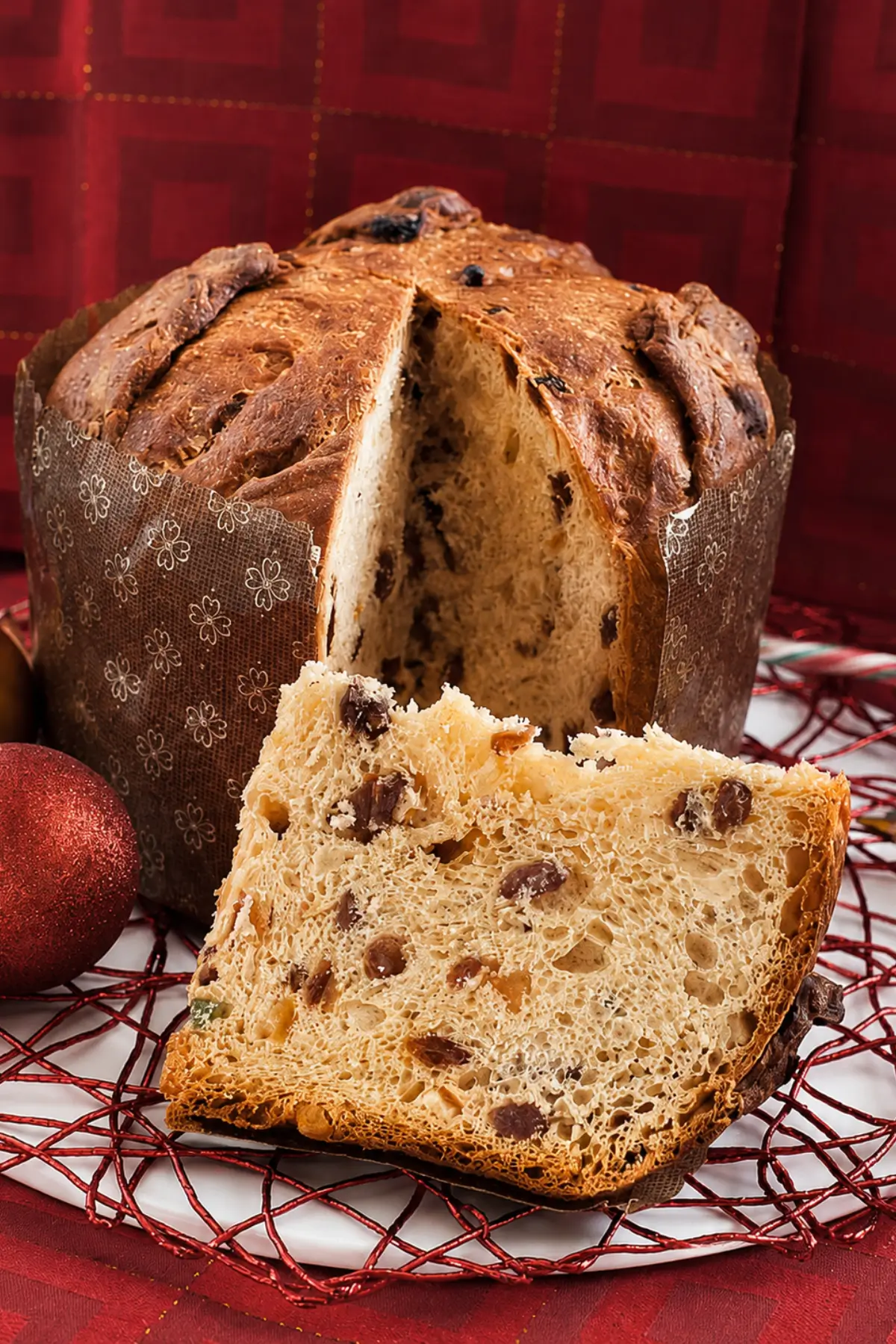
Panettone
Bakeries across Milan fill their shelves with panettone during Christmas and winter celebrations. The sweet bread uses butter, raisins, and candied fruit to create its light texture and rich flavour.
More Milan Food & Drink Guides
Milan’s food scene goes far beyond classic risotto and cotoletta. For canal-side bars, cocktail spots, and local aperitivo culture, see our guide to the best aperitivo bars in Milan.
If you’d rather explore with a local guide, our Milan food and drink tours cover aperitivo experiences, Navigli walks, canal cruises, and traditional Milanese food stops.