Visiting Cortina d’Ampezzo in the Dolomites
Often referred to as the “Queen of the Dolomites,” Cortina d’Ampezzo has a long-established alpine lifestyle shaped by history, culture, and social life.
Set at 1,224 metres, the town sits in a broad, sunlit valley and has drawn visitors for generations. It gained international attention during the 1956 Winter Olympics and is now preparing to host the Milano Cortina 2026 Games.
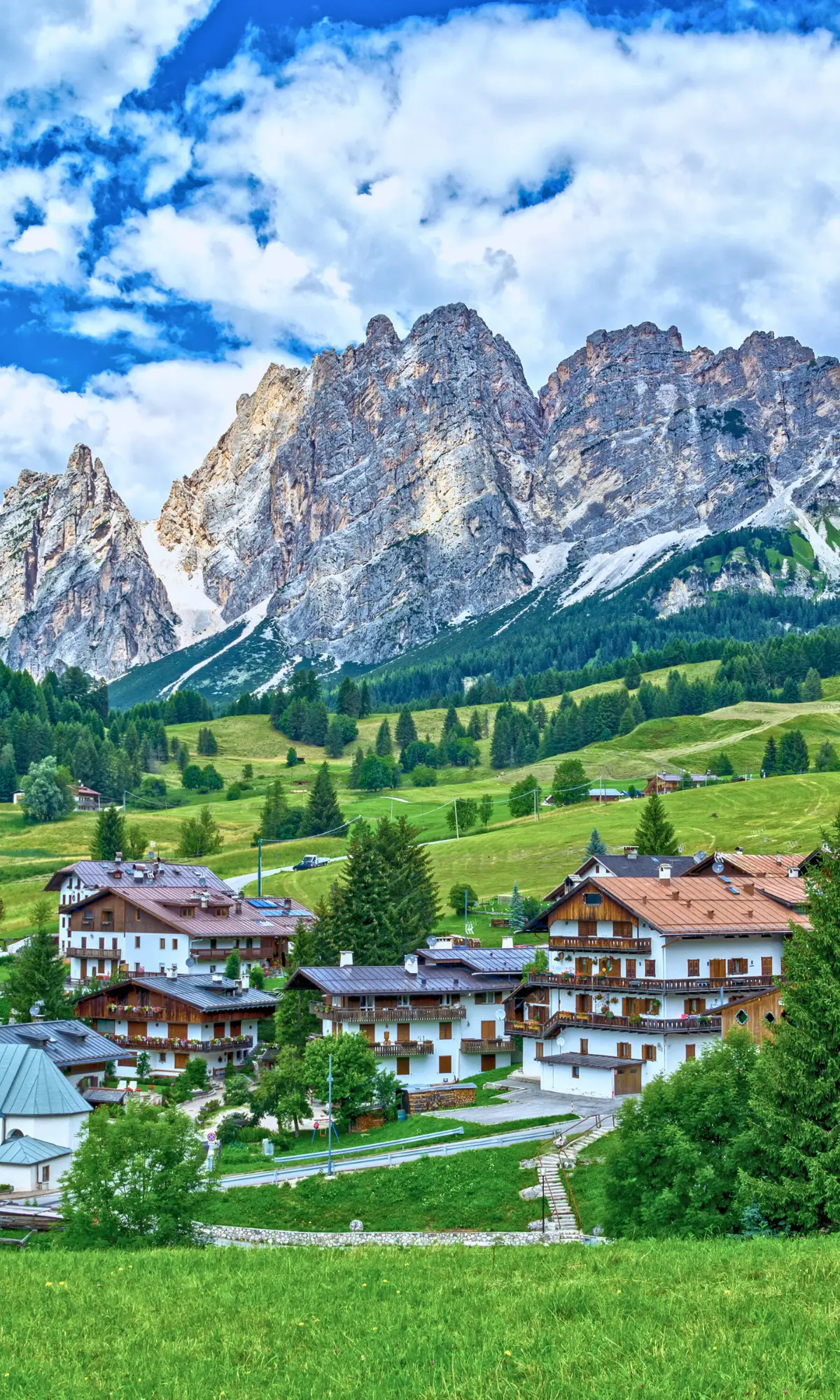
Cortina lies beneath the Tofane and Cristallo peaks. At sunset, the rock faces turn pink in a natural phenomenon known as Enrosadira. The mountains are part of daily life here, not just a backdrop.
Did You Know?
- Cortina will host the Winter Olympics for the second time in 2026, exactly 70 years after the 1956 Games that first put the town on the international map.
- The pink glow on the mountains at sunset is called Enrosadira. It comes from the mineral composition of the Dolomite rock.
- Cortina developed around local life long before it became a ski destination, which is why it feels like a working town rather than a purpose-built resort.
- The Dolomites were once part of a tropical seabed millions of years ago, which explains their distinctive rock formations.
I love exploring new places and sharing the travel tips, food finds, and experiences that help you plan your next adventure.
Join the
Journey
Sign up for new itineraries, travel notes, and practical guides to help you explore the places I love most.
Cortina d’Ampezzo at a Glance

Language
Italian is spoken locally. English is widely used in hotels, restaurants, and ski services. Basic Italian phrases are helpful, especially in smaller shops and mountain huts.

Currency and Costs
Euro (EUR). Exchange rates vary. Cortina is one of the most expensive alpine destinations, particularly during winter and peak travel periods.

Payments
Visa and Mastercard are widely accepted. Contactless payment is common. Cash is useful for small cafés, taxis, and mountain huts.

Tipping
Tipping is not expected. Service charges may already be included. Rounding up or leaving small change is appreciated but optional.

Safety
Generally safe for visitors. Standard precautions apply in busy areas during peak seasons and major events.

Connectivity
Reliable mobile coverage throughout town. Free Wi-Fi is common in hotels and cafés. SIM and eSIM options are easy to find across Italy.
How to Get There
Fly Into Northern Italy
From Venice to Cortina
Arriving by Train
For general entry requirements and overland travel into Italy, see our Italy travel guide.
What to Expect
Lift Bases Are Outside the Main Street
Cortina Is Walkable
Après-Ski Is Low-Key
Mountain Huts May Not Take Cards
Hotel Rates Change by Season
Where to Eat
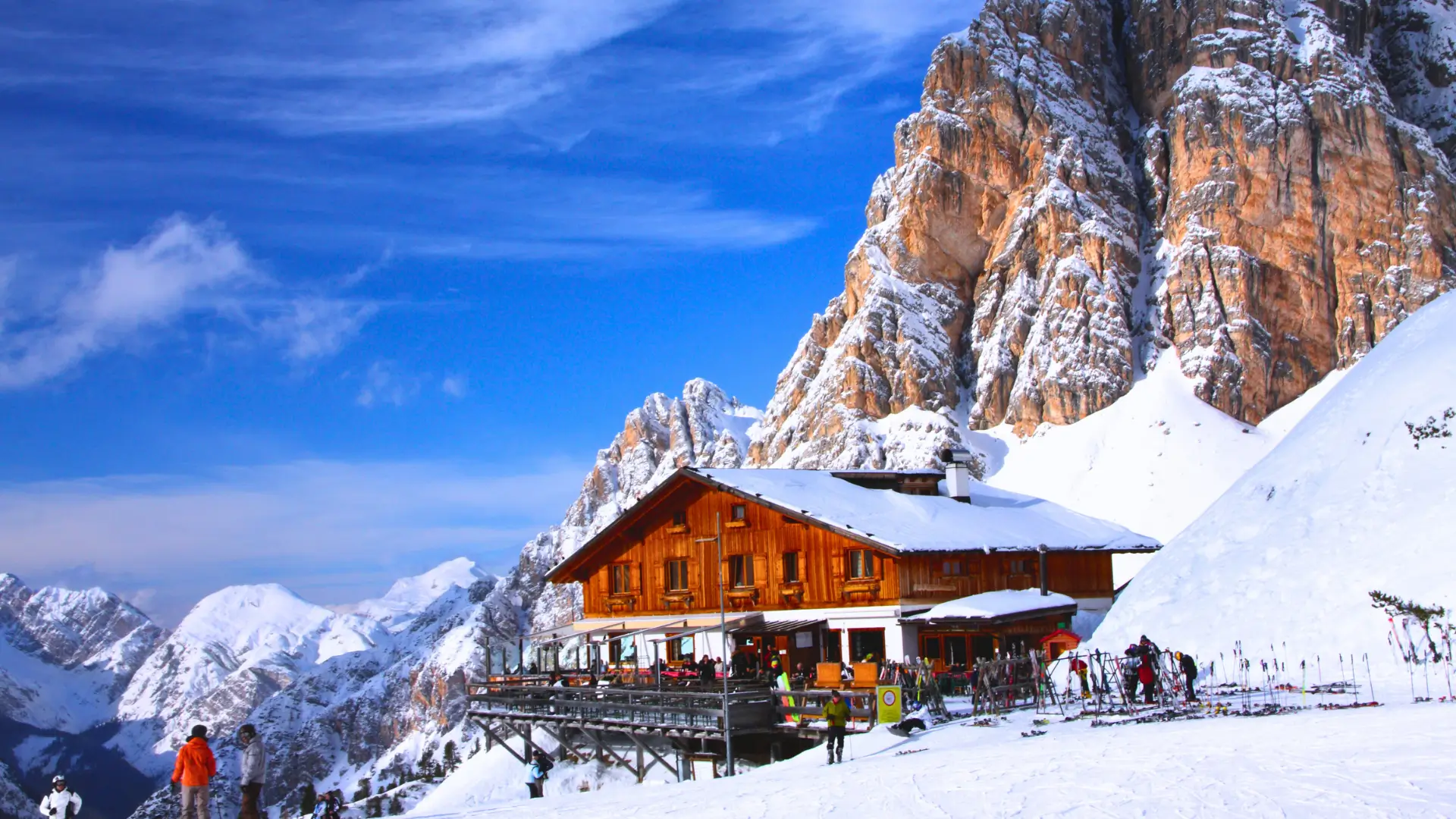
Mountain Huts (Rifugi)
Restaurants in Town
Cafés and Pastry Shops
Local Specialties to Try
Casunziei is a local stuffed pasta, often filled with beetroot or spinach and served with butter and poppy seeds.
Strudel di mele is common, made with thin pastry and spiced apples. You’ll also notice dishes influenced by Tyrolean cooking, including dumplings, smoked meats, and hearty stews.
Where to Stay for a Visit to Cortina d’Ampezzo
Grand Hotel Savoia Cortina d’Ampezzo
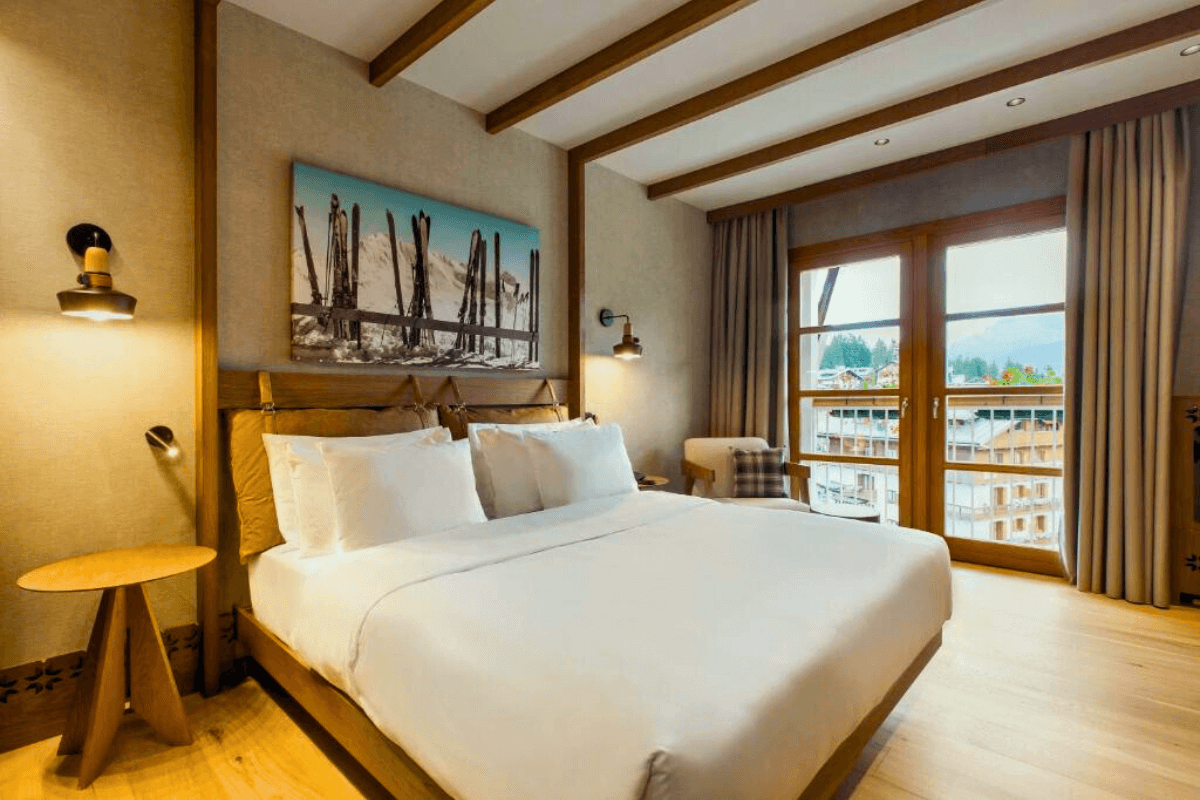
Grand Hotel Savoia is a historic hotel located in the centre of town, close to Corso Italia and the main ski lifts. Rooms follow a classic alpine style.
The property includes a restaurant, bar, spa, and indoor pool.
Location: Corso Italia, central Cortina d’Ampezzo
Price: $$$$
Type: Luxury Hotel
Hotel Tofana Cortina
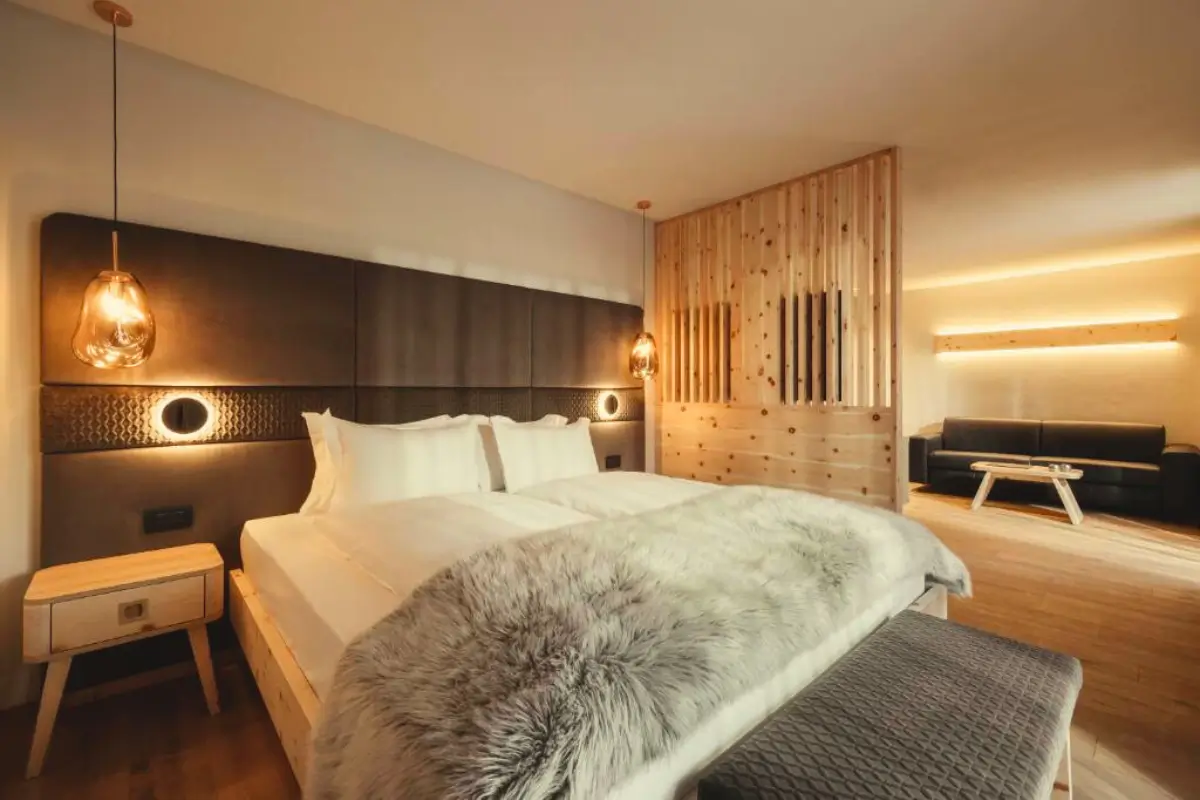
Rooms are modern alpine in design. The hotel includes a wellness area, spa facilities, and an on-site restaurant.
Location: Pocol area, Tofana ski zone
Price: $$$$
Type: Alpine Hotel
Rosapetra Spa Resort
Rosapetra Spa Resort is located in the Zuel di Sopra area, around a five-minute drive from Corso Italia. It’s quieter than staying in the centre and surrounded by forested slopes.
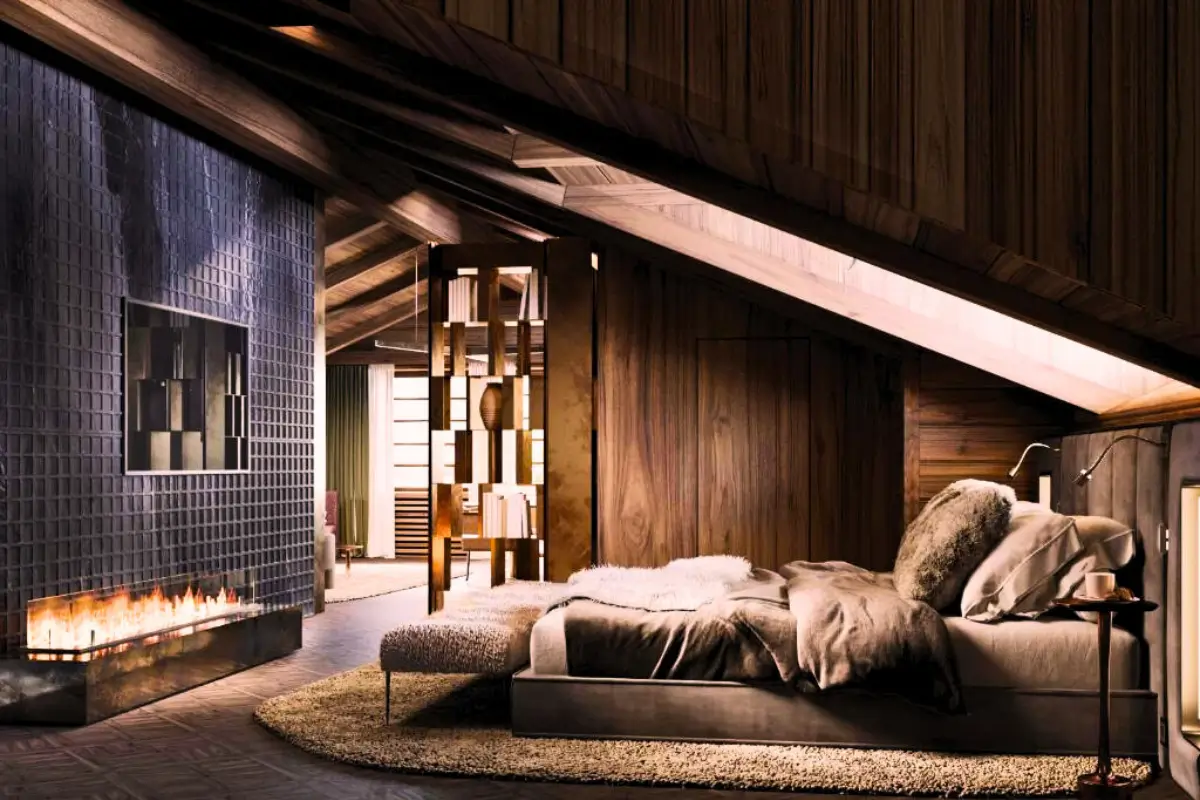
Rooms combine wood and stone finishes. The property includes a spa, indoor pool, and a restaurant focused on regional cuisine.
Location: Zuel di Sopra, just south of town
Price: $$$$
Type: Boutique / Spa Hotel
Flavours of Cortina
If you’d like to recreate some of the dishes you’ll see around Cortina, you can find these recipes on Manu’s Menu, reflecting flavours common across the Dolomites and the surrounding alpine region:
Hot Chocolate
Served thick in many mountain cafés, hot chocolate is often closer to melted chocolate than a standard drink.
Strudel di Mele (Apple Strudel)
Apple Strudel is a thin pastry filled with sliced apples, sugar, cinnamon, and raisins. Found in both mountain huts and town cafés.
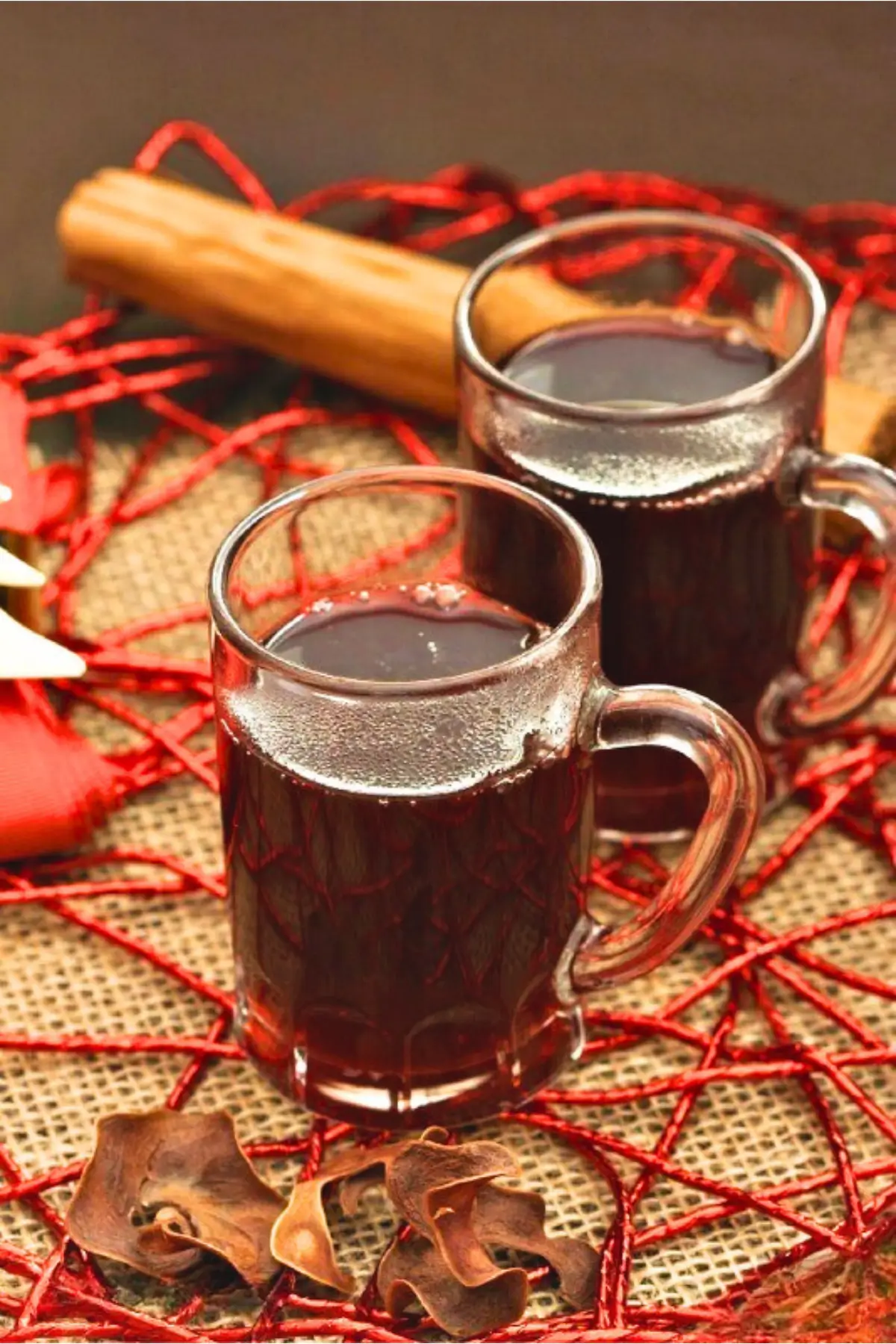
Vin Brûlé
Italian mulled wine made with red wine, citrus peel, cloves, and warming spices. Common during winter markets and ski season.
Kaiserschmarrn
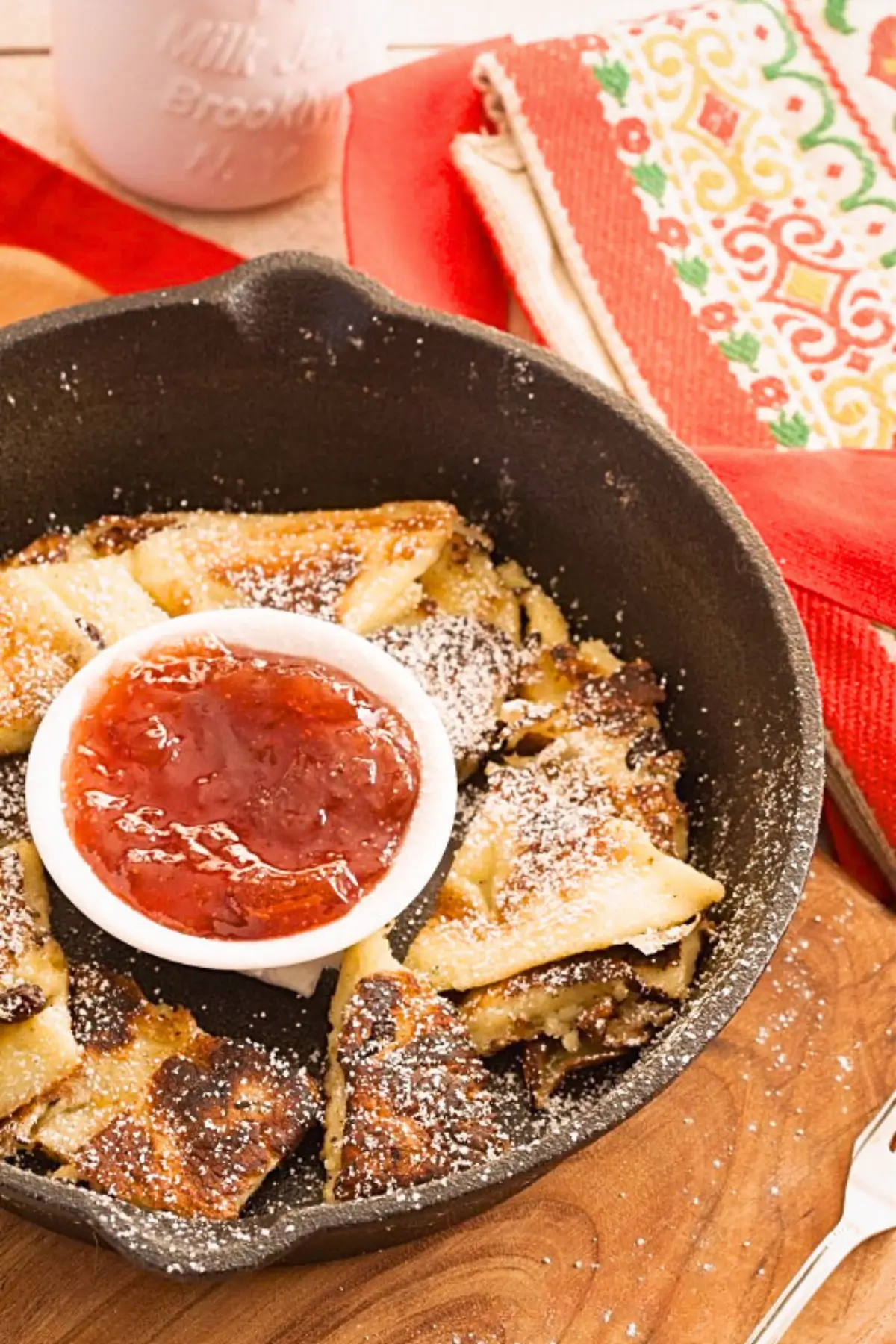
Torn pancakes cooked in butter, lightly caramelised, and served with powdered sugar and jam. Popular across Tyrolean-influenced parts of the Dolomites.