
How to Get Around Without a Car While Travelling
Learning how to get around without a car can make planning much easier, especially in destinations with good public transport.
Understanding the main options before you arrive also helps you decide which ones make sense for your trip.
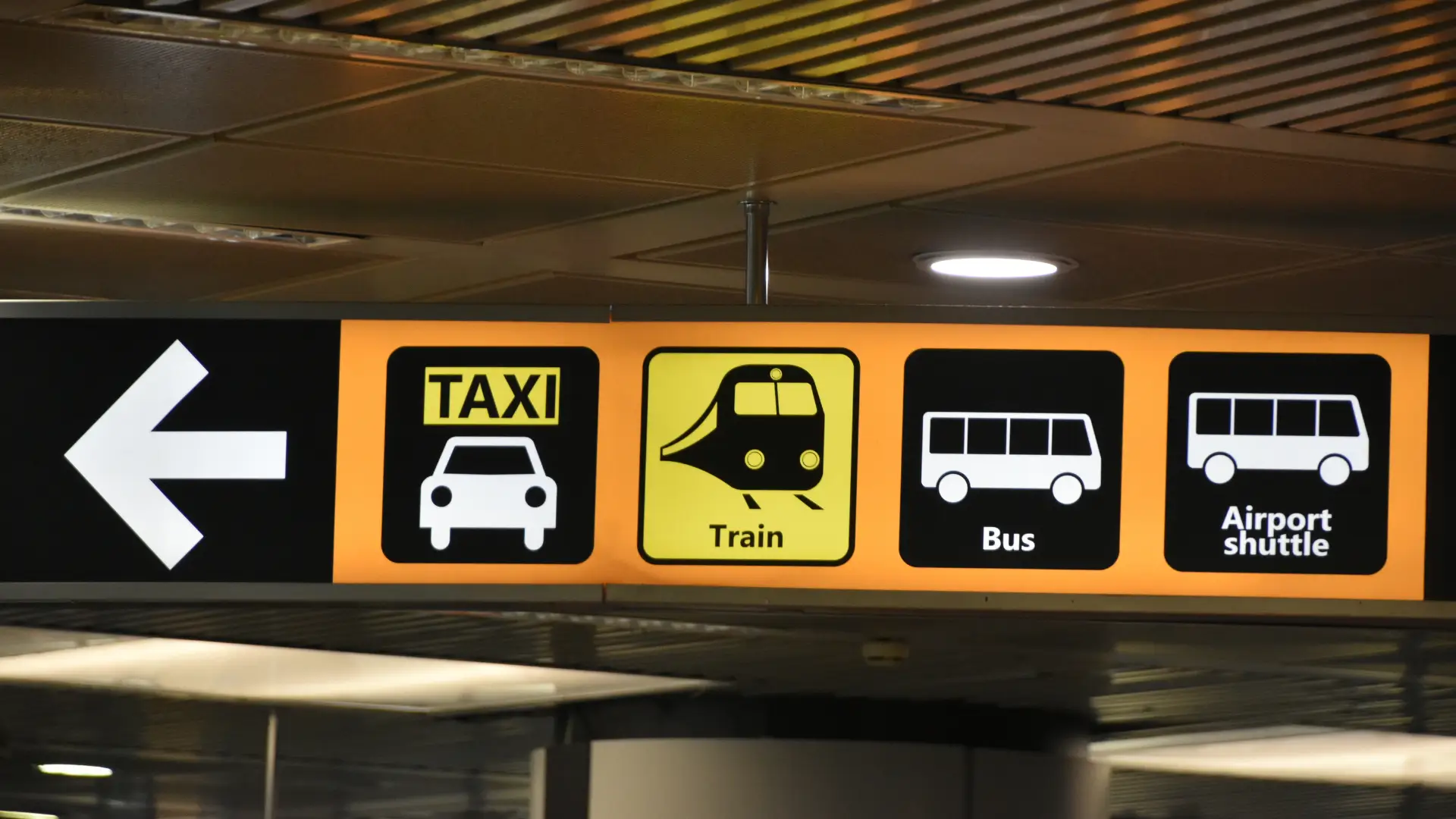
Some cities are easy to explore on foot or by public transport. Other trips may require a combination of trains, buses, taxis, rideshares, or organised transfers.
The best option depends on where you’re staying, what you want to visit, how much luggage you have, and how far you need to travel.
You don’t need to plan every journey before leaving home. Focus on the important connections first, then work out which transport options make sense for the rest of your trip.
Find Out How Easy the Destination Is Without a Car
Before booking accommodation or planning your daily itinerary, find out how people normally get around your destination.
Look at where the main attractions are in relation to each other and where the public transport network runs.
A city with a good metro, tram, or bus network can be easy to explore without a car. Most trips are simpler when the places you want to visit are in or around the city centre.
You might use trains and public transport for most journeys, then take a taxi, transfer, or organised tour for places that are harder to reach.
Choose Accommodation With Transport in Mind
Where you stay can make a significant difference when you’re travelling without a car.
Look at the distance between your accommodation and the nearest useful station, bus stop, or tram line. Being close to transport can reduce unnecessary walking and make early departures or late returns easier.
Don’t judge the location by distance alone. Hills, stairs, busy roads, and difficult station entrances can make a short route less practical, especially with luggage.
Porto is a good example, as its hills can make some routes more difficult on foot. In my Porto Travel Guide, you’ll find information on getting around the city by Metro, taxi, rideshare, and on foot.
Use Walking for Shorter Distances
Walking is often the simplest option when attractions are concentrated in the same part of a city.
Before deciding to walk everywhere, look at the actual route instead of relying only on the distance shown on a map. Steep streets, stairs, large intersections, and limited pedestrian access can change how practical a route is.
Grouping nearby places together can also reduce the amount of transport you need during the day.
Lisbon is a good example. You don’t need a car for the main areas, but the hills can make apparently short journeys more tiring. In my Lisbon Travel Guide, you’ll find information on getting around by walking, tram, bus, taxi, and rideshare.
Learn How the Local Public Transport Works
Public transport can include metros, buses, trams, suburban trains, and ferries, depending on the destination.
You don’t need to understand the entire network before your trip. Start with the routes you’re most likely to use.
Routes and Connections
Find out which types of public transport serve the areas you plan to visit and where you may need to change services.
Focus on the main routes you’re likely to use during your trip.
Tickets and Fares
Find out how tickets are purchased and how fares are calculated. Depending on the destination, you may need a transport card, mobile ticket, paper ticket, or contactless payment.
Tapping and Ticket Validation
Some transport systems require you to validate your ticket before travelling.
Others require you to tap when entering or leaving, so find out how the local system works before your first journey.
Operating Hours
Look at when the first and last services run, particularly when you have an early departure or plan to return late.
Services may also run less frequently in the evening or at weekends.
Official Transport Apps and Websites
Save the official transport website or app for your destination. Use it for current timetables, route changes, service disruptions, fares, and ticket information.
Plan Your First Journey Before You Arrive
One journey is worth working out before most others: how you’ll get from your arrival point to your accommodation.
After a flight or long train journey, navigating an unfamiliar transport system can be harder with luggage. The same route may feel much easier once you know your way around.
Save the route before you leave, including:
- Your arrival terminal or station
- The transport service you need
- Any connections
- The stop nearest your accommodation
- The final walking route
- A backup option
Also look at your scheduled arrival time. A route that works during the day may not operate late at night.
Consider Your Luggage
Carrying luggage can make even a simple journey more difficult. Stairs, long station corridors, crowded services, and multiple connections can all become harder to manage with a suitcase or heavy bag.
When comparing routes, look beyond journey time. Consider the number of changes, walking distance, and accessibility of the stations you’ll use.
For arrival and departure days, paying for a taxi or transfer can sometimes be practical even when you use public transport for the rest of the trip.
Use Trains and Buses Between Cities
Travelling without a car doesn’t mean staying in one place. In many destinations, trains and long-distance buses connect major cities and towns.
Compare the Complete Journey
A train may be faster between stations, but journey time isn’t the only thing to consider. Factor in how you’ll get to the departure station and travel from the arrival station to your accommodation.
The number of connections and the location of each station can also affect which option works best for your trip.
Use Buses Where Trains Don't Reach
Buses can fill gaps in places that aren’t served by the rail network. They can also connect smaller towns and areas outside the main train routes.
Portugal is a good example of why it’s useful to compare transport options by region.
In my Portugal Travel Guide, trains are a useful option for travelling between Lisbon, Coimbra, and Porto.
Bus services can be useful in other parts of the country where train connections are more limited. Other regions require more planning without a car.
Use Taxis and Rideshares for Transport Gaps
You don’t have to choose between using public transport for every journey and renting a car for the entire trip.
Taxis and rideshares can fill specific gaps. They may be useful for:
- Early departures
- Late arrivals
- Journeys with heavy luggage
- Accommodation away from convenient public transport
- Steep or difficult routes
- Short journeys between places that don’t connect easily
Using them selectively can make a car-free trip much easier without paying for private transport every day.
Availability varies by destination. Find out which ride-sharing apps operate locally before relying on them.
Consider Transfers and Organised Tours
Some places are harder to reach without a car, particularly in rural areas or when attractions are spread out.
An airport transfer, hotel transfer, shuttle, or organised day tour can make these journeys easier. You can use them only when needed without hiring a car for your entire stay.
Organised tours can also make sense when several places are included in one day and travelling between them independently would require multiple connections.
Save Important Transport Information Offline
You may not always have internet access while you’re travelling, especially when you’re moving between places.
Saving important transport information in advance means you can still find what you need without relying on mobile data or Wi-Fi.
Before starting your journey, save details such as:
- Route details
- Tickets or booking confirmations
- Station and stop names
- Your accommodation address
- Maps
- Transfer information
It is also useful to have enough battery for navigation and digital tickets throughout the journey.
Leave Extra Time for Unfamiliar Transport
Using an unfamiliar transport system can take longer than expected, even when the journey itself is short.
Large stations can involve long walks between platforms. You may need time to find the correct entrance, understand a ticket machine, or locate a bus stop outside a station.
Connections also deserve some flexibility. Building a route around very tight changes can create unnecessary problems when the first service is delayed.
Leave extra time for important journeys, particularly airport and train connections. A missed service or wrong turn can quickly add time to your journey.
Know When Travelling Without a Car Isn't Practical
A car-free trip isn’t automatically the best option everywhere. A rental car may make more sense when:
- Public transport doesn’t reach the places you want to visit
- Services are very limited or infrequent
- You’re spending significant time in rural areas
- Your itinerary includes several remote stops
- Reaching attractions by public transport requires multiple difficult connections
- Your accommodation is far from useful transport
Knowing how to travel without a car doesn’t mean ruling out a rental car completely. You could spend several days exploring a city without one, then rent a car only for the part of the journey where it becomes useful.
Look at the route and the places you plan to visit before deciding if you need a car. Some trips work well without one, while others are easier with a car for part of the journey.
Have a Backup Option
Transport plans can change during a trip. Services may be delayed, cancelled, or stop running earlier than you expected.
You may also find that a station is farther away than it looked on the map or that a route involves a difficult connection.
For important journeys, have another option in mind in case your original route doesn’t work out.
Have another bus or train route in mind, or save the details of a local taxi or rideshare service. Leaving extra time can also help when you need to wait for the next service.
You don’t need another option for every journey. Focus on airport transfers, late-night travel, and long-distance connections. Have another option ready when missing the last service could leave you stuck.
Before You Travel
Planning your transport before you book everything else can make getting around without a car much easier.
Start with your accommodation, arrival transfer, and the places you most want to visit.
Find out which journeys are easy on foot or by public transport, then identify any gaps that may require a taxi, transfer, tour, or short-term car rental.
You don’t need to use the same transport for your entire trip. Walking, public transport, taxis, and transfers can all work for different parts of the journey.

I love exploring new places and sharing the travel tips, food finds, and experiences that help you plan your next adventure.
Join the
Journey
Sign up for new itineraries, travel notes, and practical guides to help you explore the places I love most.
I love exploring new places and sharing the travel tips, food finds, and experiences that help you plan your next adventure.
Join the
Journey
Sign up for new itineraries, travel notes, and practical guides to help you explore the places I love most.
