Porto Travel Guide
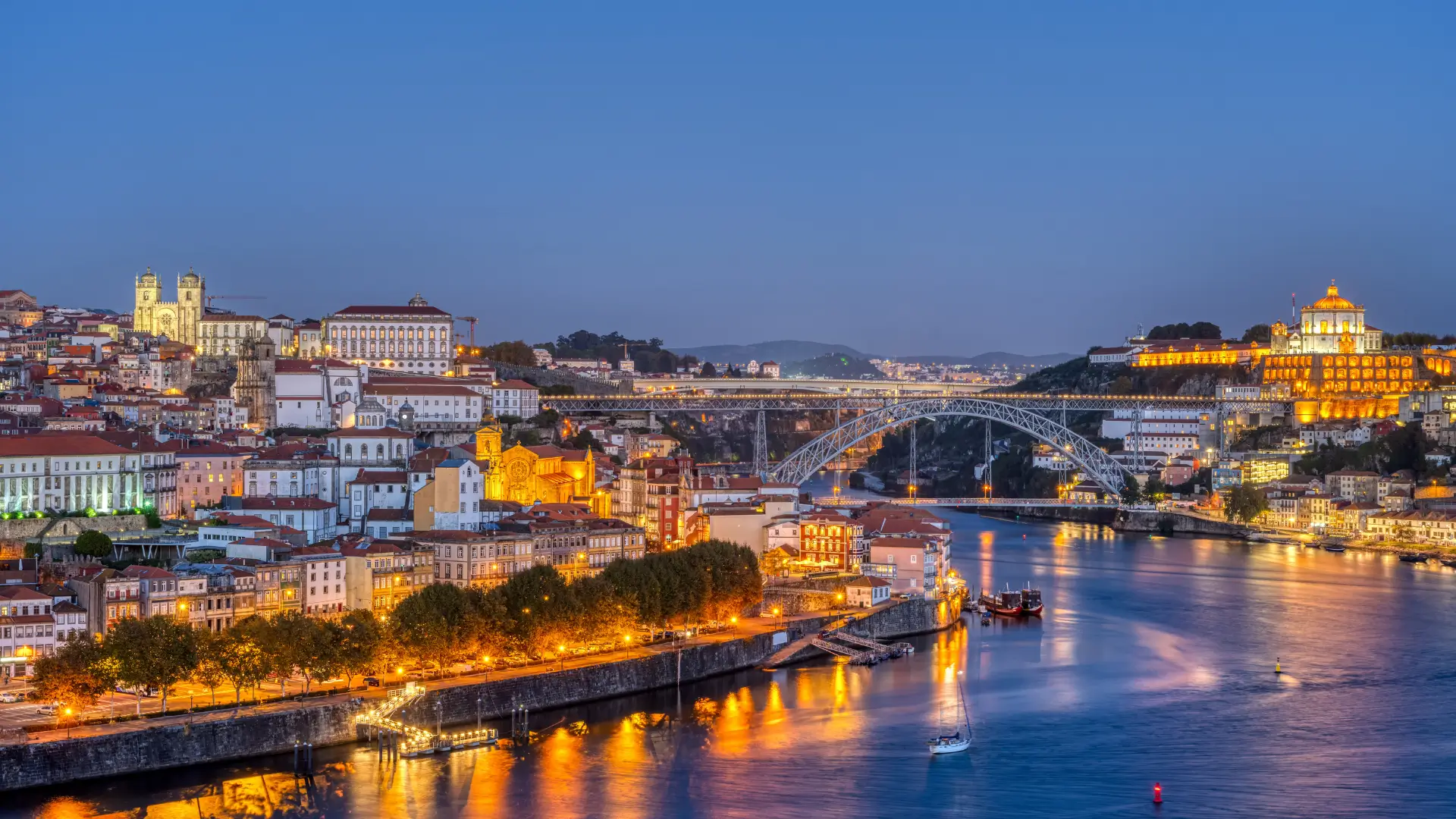
This Porto travel guide gives you the practical details you need to plan your trip, including when to go, where to base yourself, how to move between the riverfront and upper centre, which sights deserve time and which day trips make sense.
Porto’s hills and steps can make short distances take longer than expected. Explore the historic centre, Ribeira, Vila Nova de Gaia and the upper centre in separate blocks to avoid backtracking.
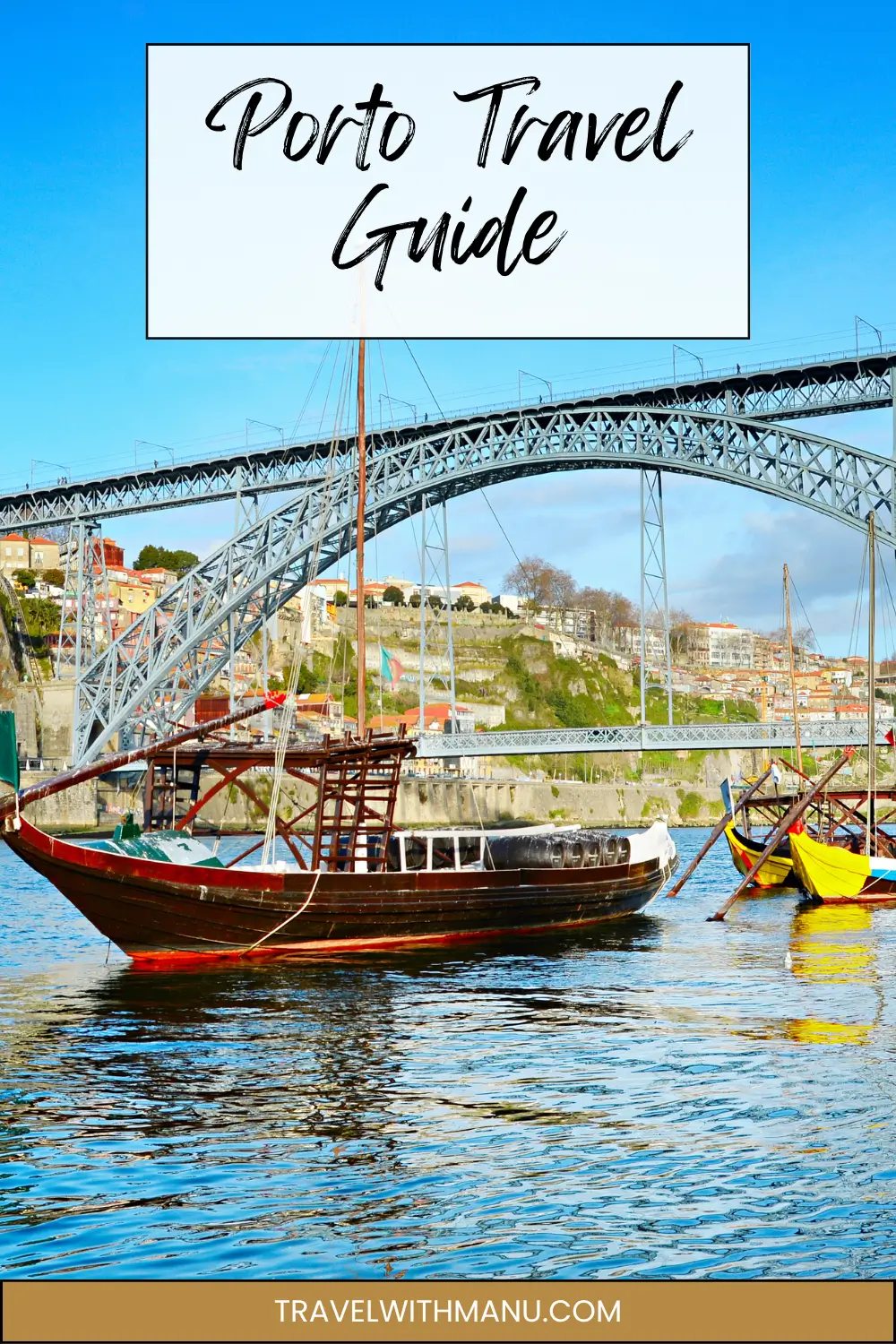
Already know you have two full days? My 2 Days in Porto itinerary gives you the full day-by-day route, including the order of the main sights and what to book ahead.

I love exploring new places and sharing the travel tips, food finds, and experiences that help you plan your next adventure.
Join the
Journey
Sign up for new itineraries, travel notes, and practical guides to help you explore the places I love most.
Best Time to Visit Porto
May, June, September and early October are some of the best months to visit Porto, with comfortable temperatures and plenty of daylight for exploring on foot.
Summer brings warmer, drier weather, making July and August good for riverfront walks and time in Gaia. They are also busier, with greater demand for major attractions and Port wine tours.
By late autumn, rainfall increases and continues through winter. Temperatures remain fairly mild, but shorter days and wetter weather make it useful to keep a few indoor attractions in your plans.
Porto at a Glance
Best Areas to Stay
For a short stay, I’d choose Baixa around Aliados, Bolhão or Trindade, or the historic centre near São Bento and Clérigos. Ribeira puts you beside the Douro but involves more climbing to reach the upper centre.
Getting Around
Central Porto is easy to explore on foot. Use the Metro for longer journeys and the airport, with taxis or rideshares useful for steeper uphill routes.
Main Day Trip
The Douro Valley is the first day trip I would add. Give it a full day rather than treating it as a short extension of a Porto afternoon. Vineyard visits, river stops and the journey into the valley take enough time to justify their own day.
How Much Time to Allow
Two full days cover the historic centre, Ribeira, key monuments and a Port wine visit in Gaia. A third day gives you time for Foz, Serralves or Boavista. Add another full day if the Douro Valley is part of your trip.

Things to Do in Porto
Porto doesn’t need a long checklist. The main attractions are close enough to combine, but the hills and ticketed sites still affect how much you can fit into one day.
I’ve covered more places and experiences in my full guide to things to do in Porto.
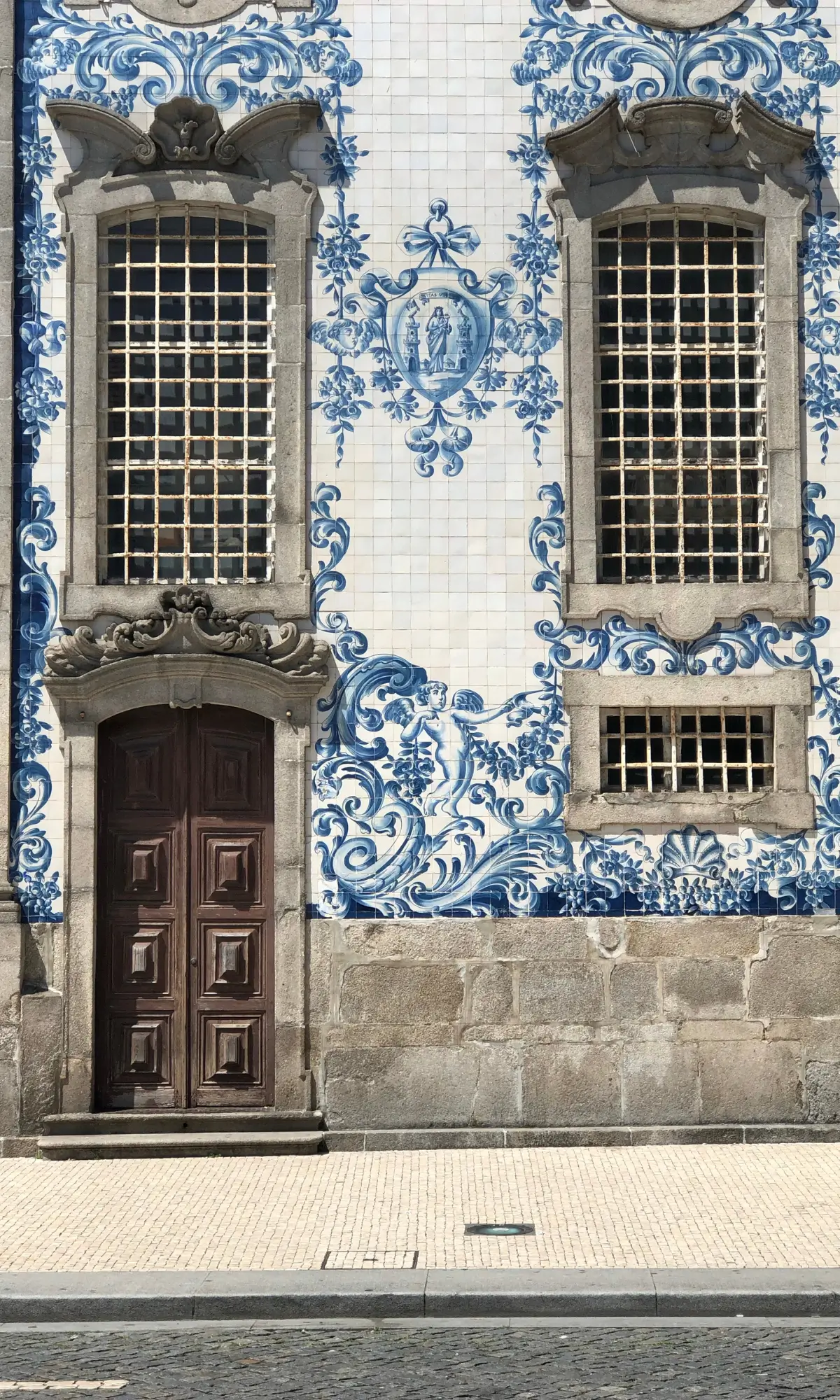
1. See the Azulejos at São Bento and Porto Cathedral
Step inside São Bento Station to see its large azulejo panels, then continue to Porto Cathedral nearby. From the cathedral, you can follow the historic streets downhill towards Ribeira.
2. Walk Down to Ribeira
Ribeira brings you to the Douro, with views across to Gaia and easy access to São Francisco and Palácio da Bolsa.
Approaching from the upper centre also lets you handle more of Porto’s steep streets in the downhill direction.
3. Cross the Dom Luís I Bridge
The Dom Luís I Bridge connects Porto with Vila Nova de Gaia and can be crossed on both the upper and lower levels.
Pick the crossing that works with your route and continue exploring from the opposite riverbank.
4. Try a Port Wine Tasting in Gaia
Many of Porto’s historic Port wine lodges are across the river in Gaia. Guided visits usually explain production and ageing before finishing with a tasting, and some lodges offer several tasting options.
5. Visit Clérigos Tower or Livraria Lello
Clérigos Tower and Livraria Lello are close together in the upper centre. Clérigos is worth considering for its views across Porto, while Livraria Lello is best booked ahead because entry is timed.
6. Combine São Francisco and Palácio da Bolsa
Igreja de São Francisco and Palácio da Bolsa are beside each other near Ribeira, making them straightforward to visit together.
Palácio da Bolsa is seen by guided tour, so check the available times before your visit.
7. Explore Bolhão and Rua de Santa Catarina
Visit Mercado do Bolhão for fresh produce, local products and food stalls, then continue along Rua de Santa Catarina for shops, cafés and landmarks such as Capela das Almas.
The area also connects naturally with Aliados and Clérigos, making it easy to include as part of a central Porto route.
Getting Around Porto
Walking and the Metro
Most of central Porto is easy to cover on foot, but hills, stairs and cobbled streets can make short distances more tiring.
Use the Metro for longer journeys or steep sections. Trindade, Bolhão and São Bento are useful central stations depending on where you are staying.
From Porto Airport
Francisco Sá Carneiro Airport is about 11 km from central Porto. Metro Line E connects the airport with Trindade in around 30 minutes.
A taxi or rideshare may be easier if you have several bags, arrive late or are staying away from a convenient Metro stop.
Porto and Vila Nova de Gaia
Vila Nova de Gaia is directly across the Douro, but the riverfront and upper areas are at different elevations.
Walking works well around the waterfront, while the bridge, Metro, taxis and rideshares can help with steeper sections.
Check the elevation before choosing the shortest-looking route.
What to Expect
The Bridge Level Matters
The Dom Luís I Bridge has upper and lower crossings that connect different elevations. The upper deck works better for Jardim do Morro and Metro Line D, while the lower deck connects the Ribeira and Gaia riverfronts. Choosing the wrong level can add an unnecessary climb.
Bolhão Is Closed on Sundays
Mercado do Bolhão is closed on Sundays and public holidays, with shorter hours on Saturdays. If you want to visit, place it earlier in your itinerary rather than leaving it until the end. Check the current opening hours before planning the rest of that day.
Graham’s Lodge Is Uphill
Graham’s 1890 Lodge is in Vila Nova de Gaia but sits above the riverfront rather than directly beside it. Allow extra time before a reservation if you are walking. A short taxi or rideshare can also save a steep climb from the lower Gaia waterfront.
Palácio da Bolsa Visits Are Guided
Palácio da Bolsa is only open to visitors on guided tours, with languages offered according to availability. If you prefer an English tour, leave enough room in your schedule to wait for a suitable departure.
Day Trips from Porto
Douro Valley
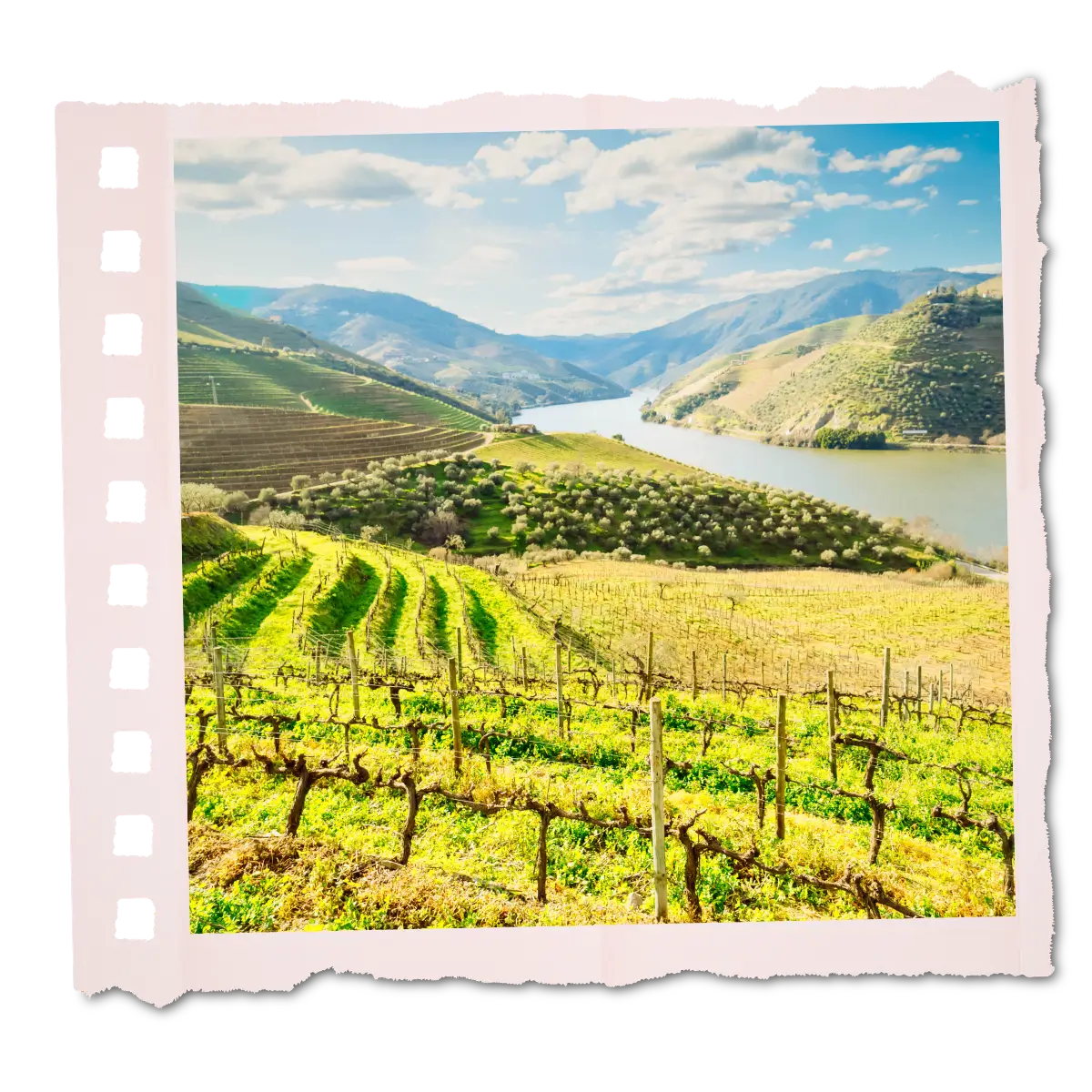
Give the Douro Valley a full day. The journey out of Porto is part of the experience, and once you reach the wine region you still need time for viewpoints, a vineyard or tasting, lunch and the return trip.
A train-based day is possible, especially around Peso da Régua and Pinhão, while a guided tour or car gives you more control over vineyard stops that sit away from the railway.
Choose the transport based on what you actually want to visit rather than assuming one option suits every itinerary.
Guimarães and Braga
Both cities are served by Porto Urban Trains. Guimarães suits a history-focused day around its medieval centre and castle area, while Braga gives you churches, squares and Bom Jesus do Monte.
Aveiro
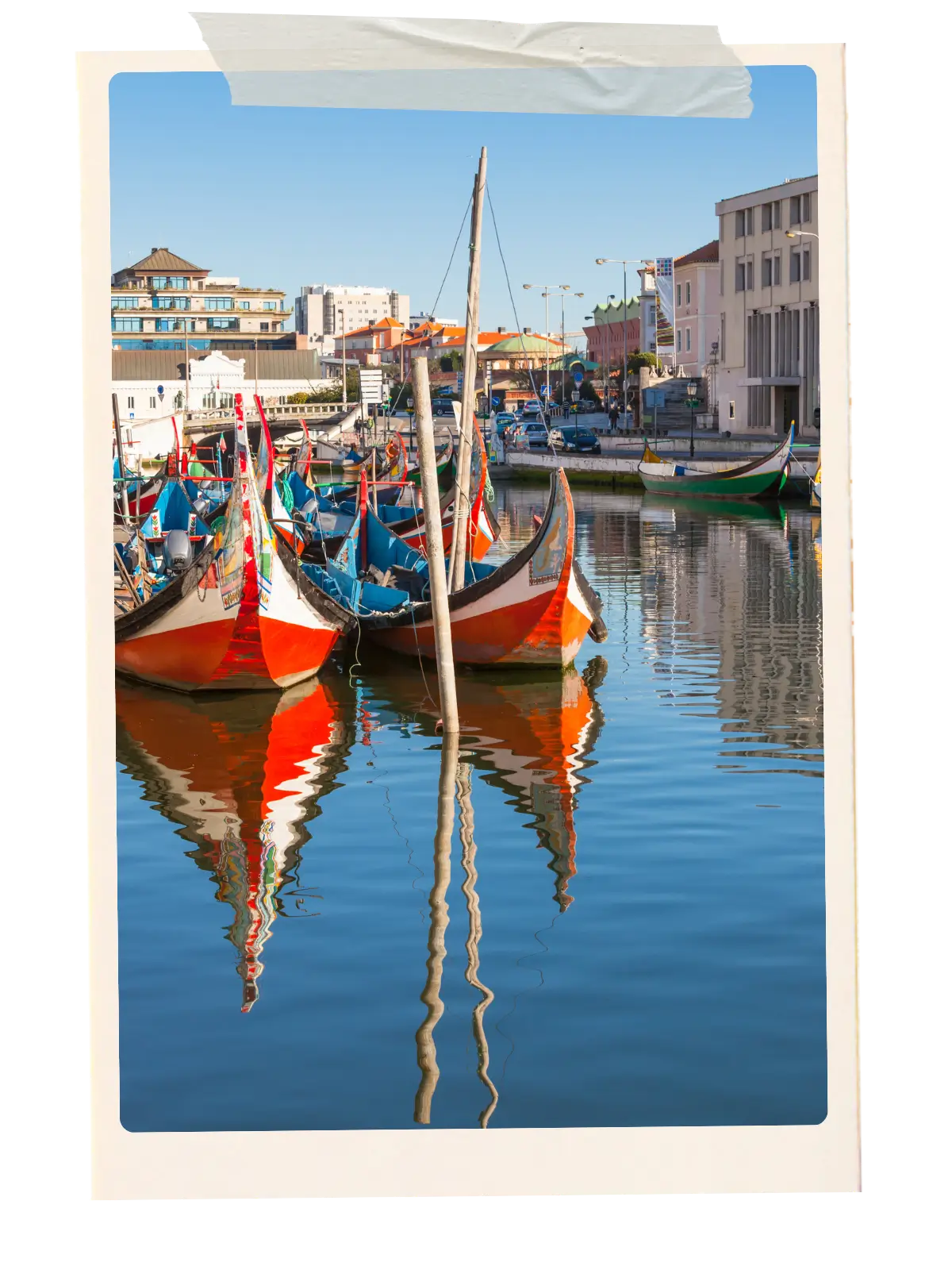
Aveiro is another direct rail option from Porto. The canals, Art Nouveau buildings and historic centre are easy to combine on foot once you arrive.
It is a useful alternative when you want a shorter city-based day outside Porto rather than a vineyard day in the Douro.
How Many Days Do You Need in Porto?
Two full days are enough for Porto’s main sights, including São Bento, Ribeira, Clérigos, Livraria Lello and a Port wine visit in Gaia.
With three days, add Foz, Serralves, more time in Boavista or a longer stretch along the river. A Douro Valley trip needs its own full day, so allow three days for Porto plus the valley, or four if you want more time in the city.
If you want a day-by-day route, my 2 Days in Porto itinerary explains how to group the main sights across two full days.