Things To Do in Milan Beyond the Duomo
Milan combines major landmarks, museums, shopping streets, and aperitivo culture in a fairly compact historic centre. Some experiences work better early in the day, while others make more sense during the evening.
This guide focuses on what attractions are actually like to visit. You’ll also find practical details like timing, prices, locations, and experiences worth planning ahead.
Planning a longer trip? Our Milan Travel Guide also covers where to stay, local food, neighbourhoods, practical tips, and seasonal experiences across the city.

Top 10 Things To Do in Milan
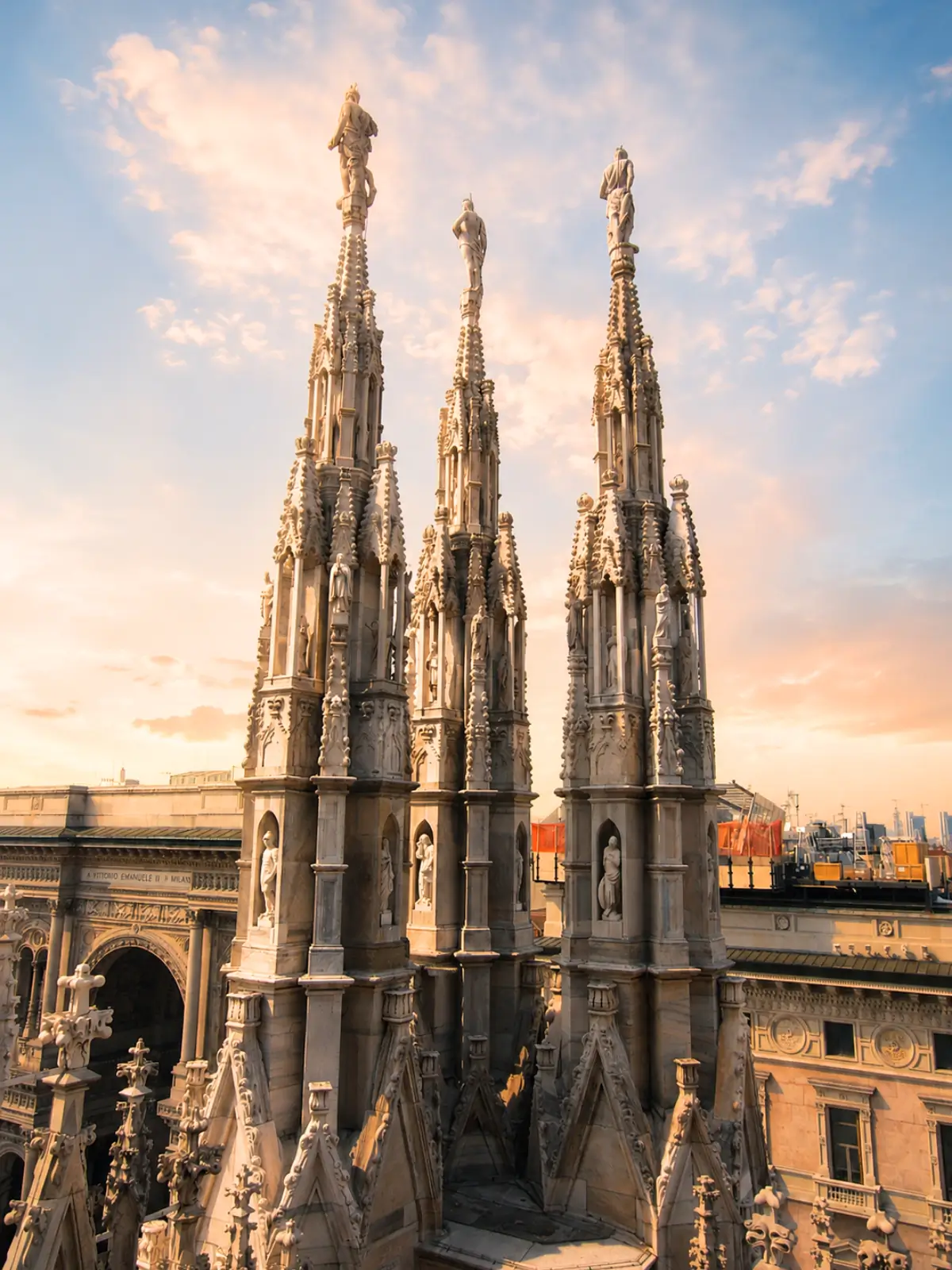
1. Visit the Duomo di Milano
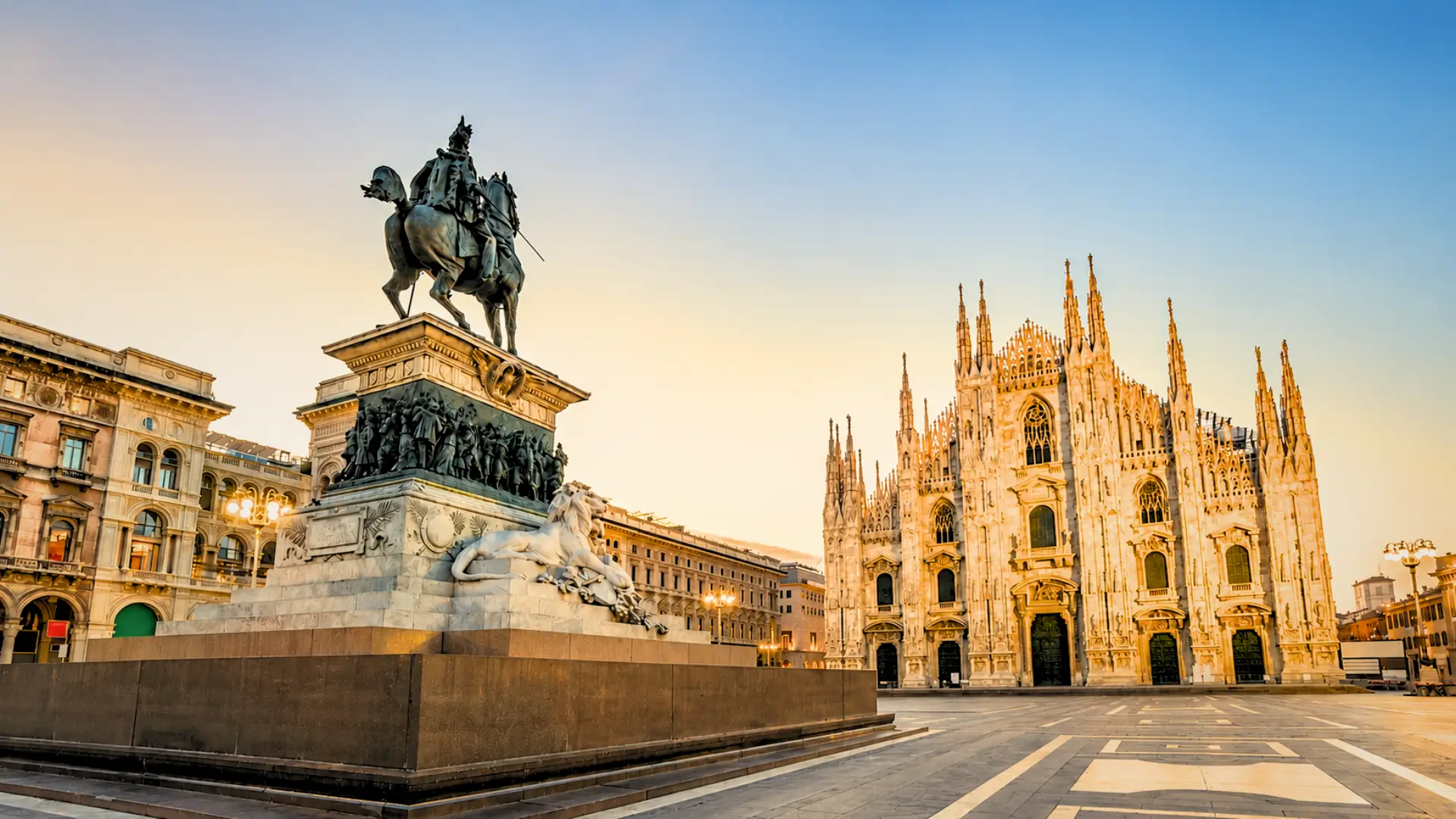
The Duomo is Milan’s biggest landmark and one of the largest Gothic cathedrals in Europe. Most people spend longer on the rooftop terraces than inside the cathedral itself.
The rooftop walk includes stairs, narrow passages, and crowded viewpoints during busy periods. Going early in the morning usually feels much easier than visiting around midday.
You can visit only the cathedral or combine it with rooftop access. Lift tickets cost more but save time and energy, especially during summer.
If you want rooftop access, it’s usually better to book your Duomo rooftop tickets in advance, especially during weekends and peak travel periods.
- Usually takes around 1.5 to 2.5 hours
- Rooftop access usually starts around €20–€25 (about $23–$29 USD)
- Located in Piazza del Duomo in central Milan
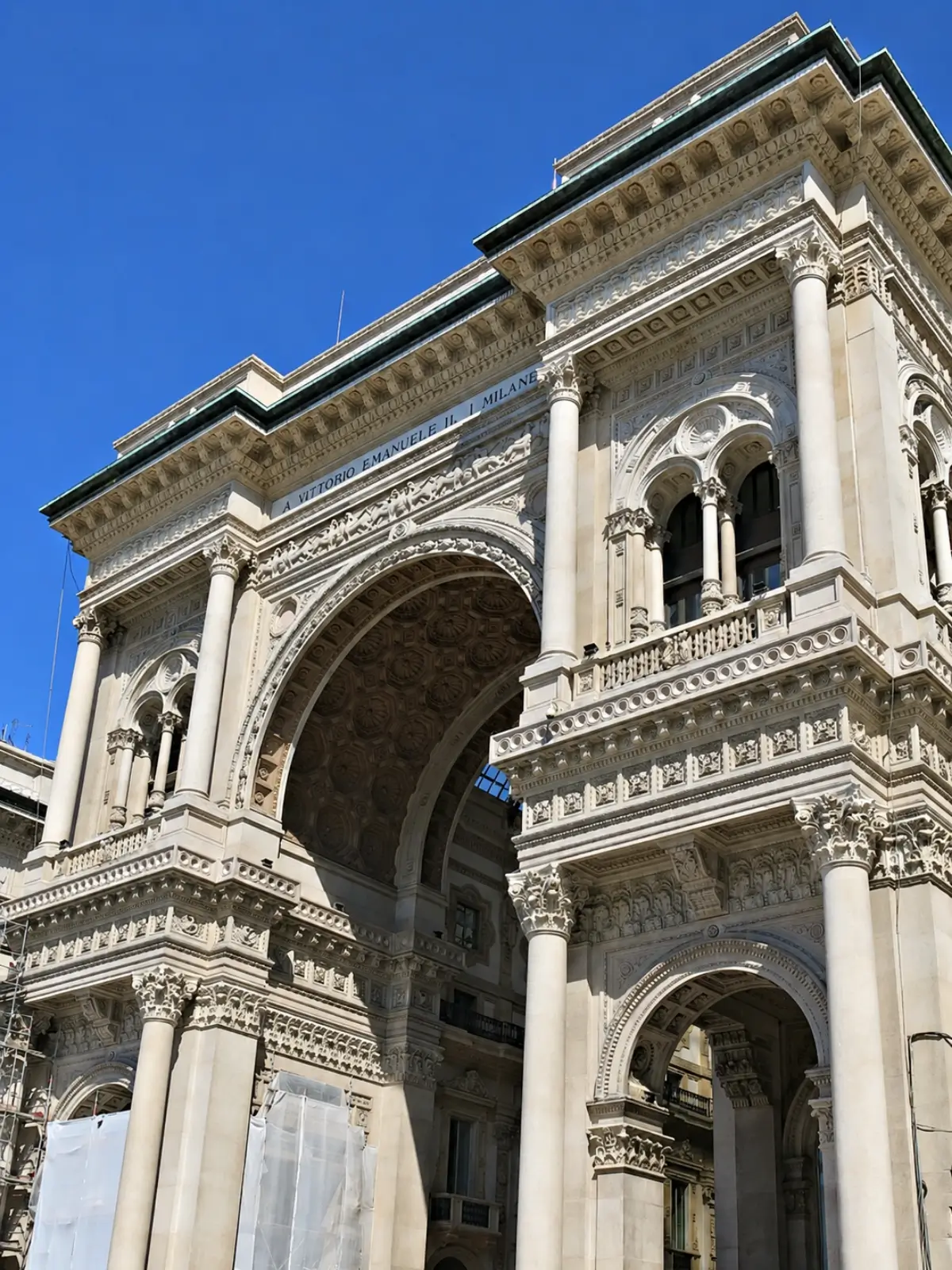
2. Explore Galleria Vittorio Emanuele II
Just beside the Duomo, this historic arcade cuts through the centre of Milan beneath a huge glass roof and ornate archways. The atmosphere changes noticeably during the late afternoon and evening. Cafés become much busier during these hours.
Restaurants and cafés inside the arcade charge far more than places on nearby streets. The setting itself, however, remains part of the experience.
Near the middle of the gallery, the mosaic bull attracts constant attention because of the local good-luck tradition linked to it.
- Usually takes around 20 to 45 minutes
- Free to enter
- Located beside Piazza del Duomo
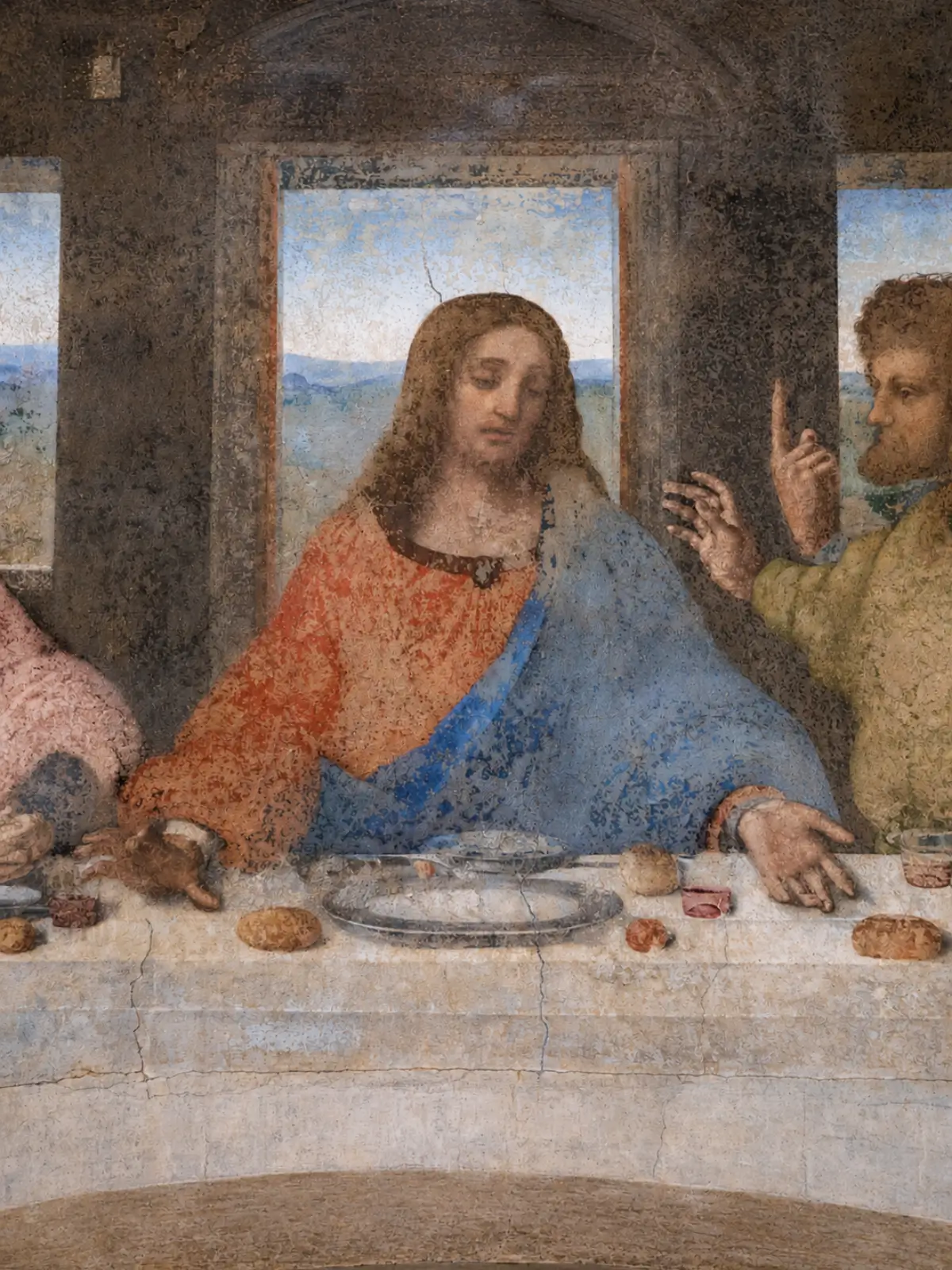
3. See Leonardo da Vinci’s The Last Supper
Small timed groups enter the room at scheduled intervals, creating a far more structured atmosphere than a normal museum visit. Visits also remain relatively short, which makes advance planning especially important.
Leonardo da Vinci’s mural stretches across an entire wall inside Santa Maria delle Grazie. The painting remains one of Milan’s most significant cultural landmarks and one of the city’s highest-priority bookings.
Last Supper tickets often sell out well ahead of time, particularly during spring and summer, so it’s worth reserving timed entry before arriving in Milan.
- Usually takes around 45 minutes to 1 hour including entry procedures
- Standard entry starts around €15–€20 (about $17–$23 USD) before tour fees
- Located at Santa Maria delle Grazie in western Milan
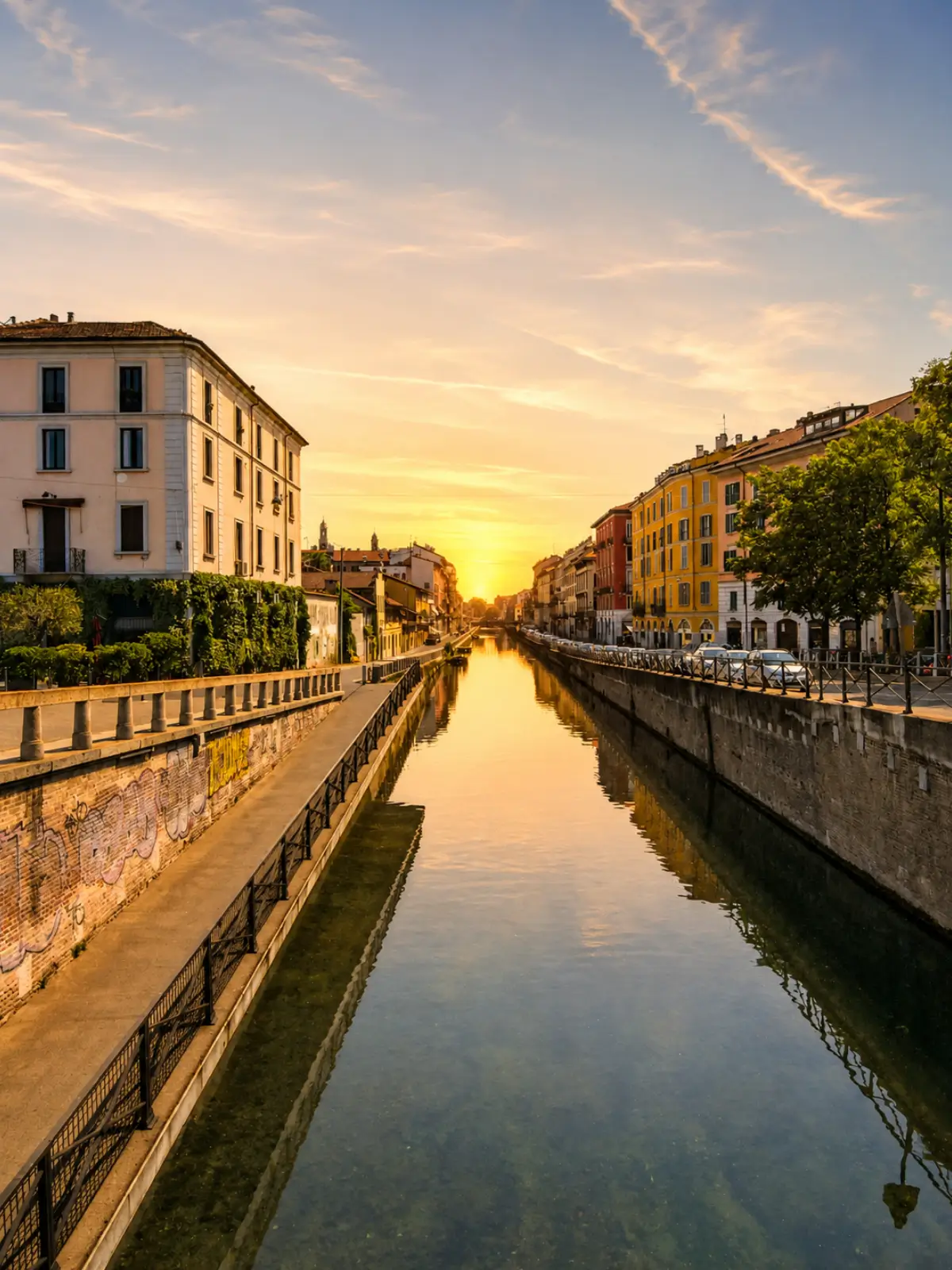
4. Walk Around the Navigli District
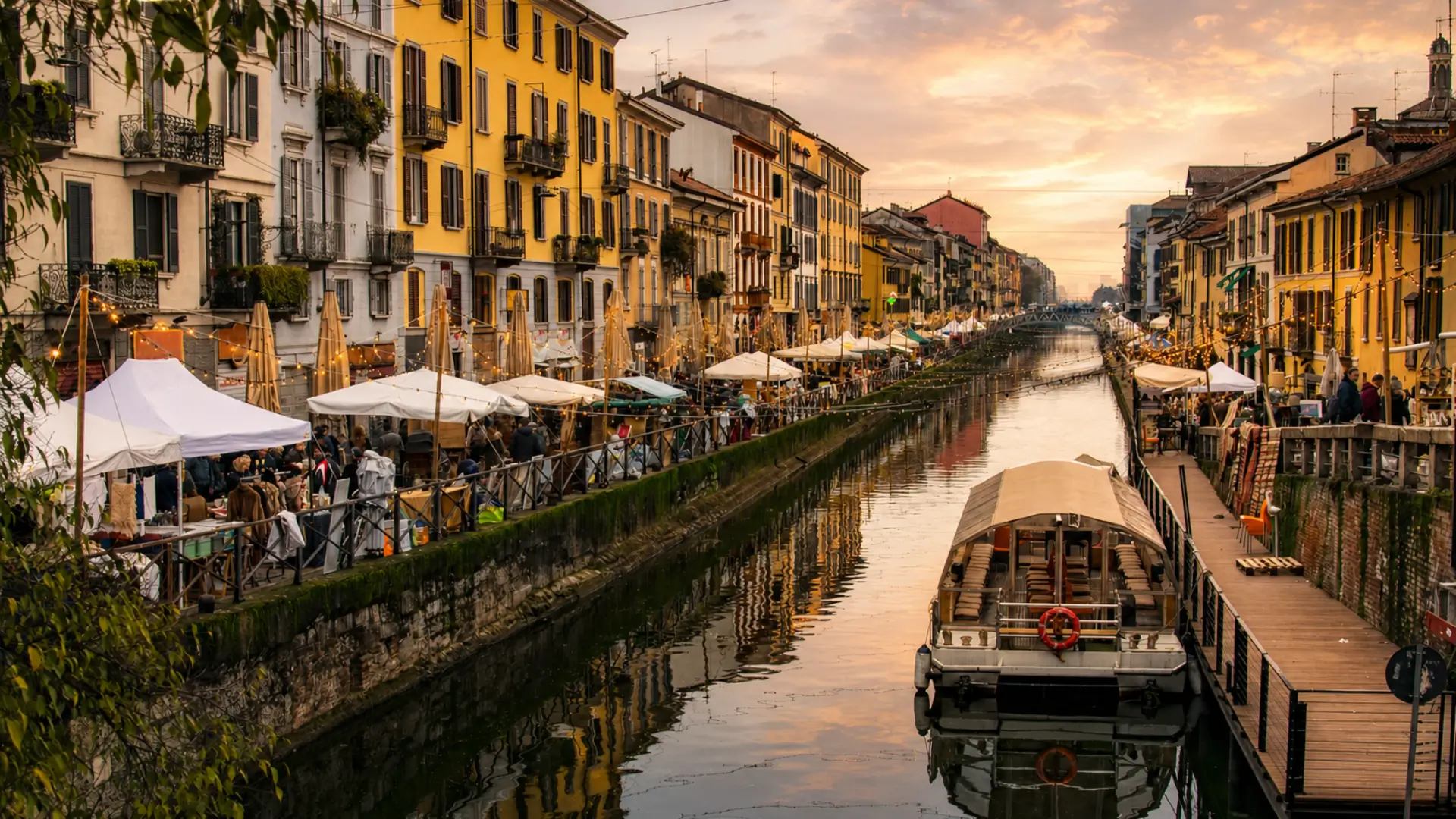
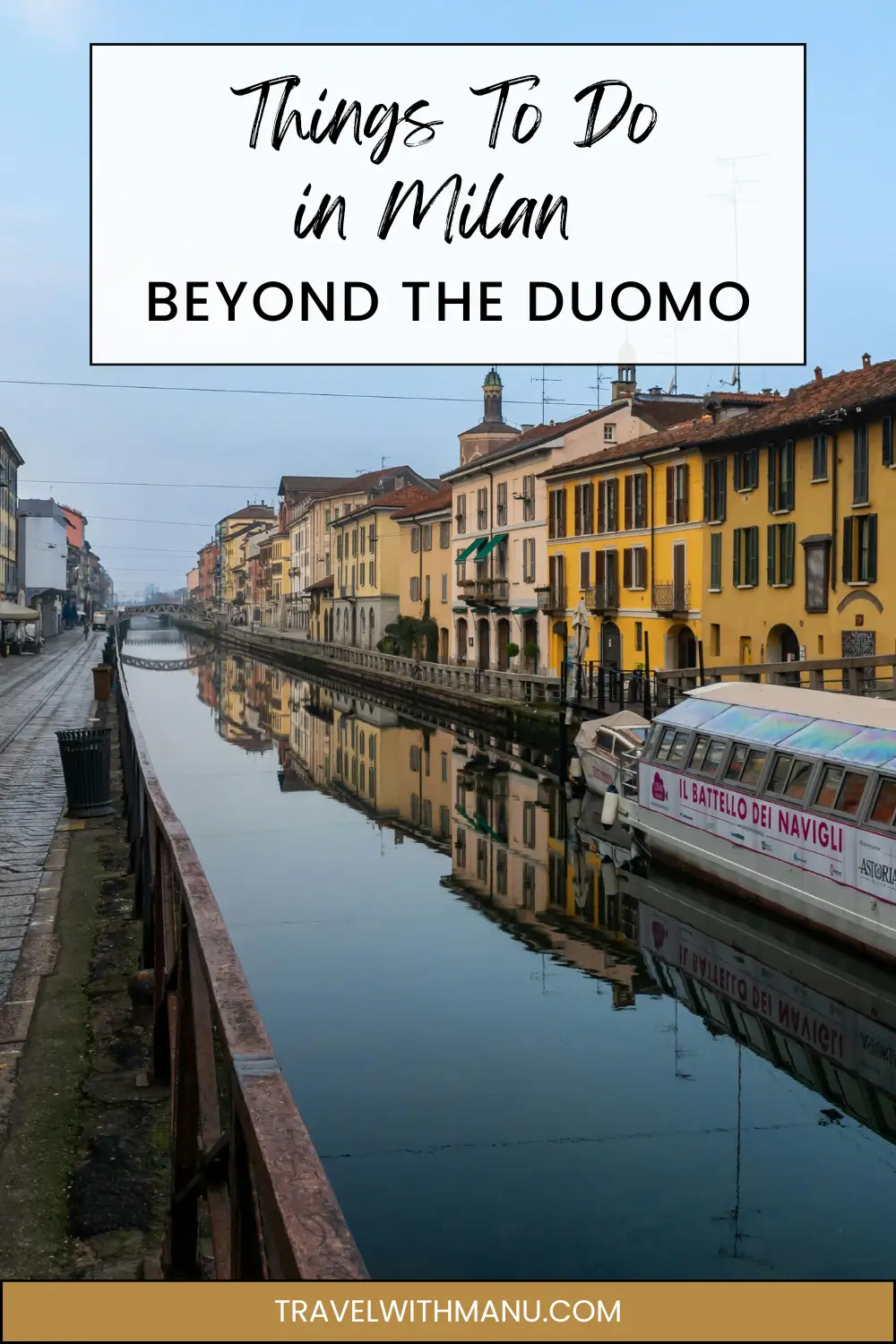
By late afternoon, the canal district starts filling with outdoor drinks, crowded terraces, and evening energy. Bars and restaurants become noticeably busier once aperitivo begins.
The canals themselves are relatively small, though the atmosphere around them gives the district its character. Side streets nearby contain wine bars, vintage shops, smaller cafés, and local restaurants. The area suits a more relaxed pace, especially during the evening.
Navigli also remains one of Milan’s best areas for aperitivo. Our Best Aperitivo Bars in Milan guide highlights canal-side cocktail bars, wine spots, and local venues across the district.
For a more local food-focused evening, this Sunset Navigli food tour includes aperitivo stops, wine tastings, and regional Milanese snacks while exploring the canals during golden hour.
- Usually takes around 2 to 4 hours
- Aperitivo drinks usually cost around €8–€18 (about $9–$21 USD)
- Located around Naviglio Grande and Naviglio Pavese
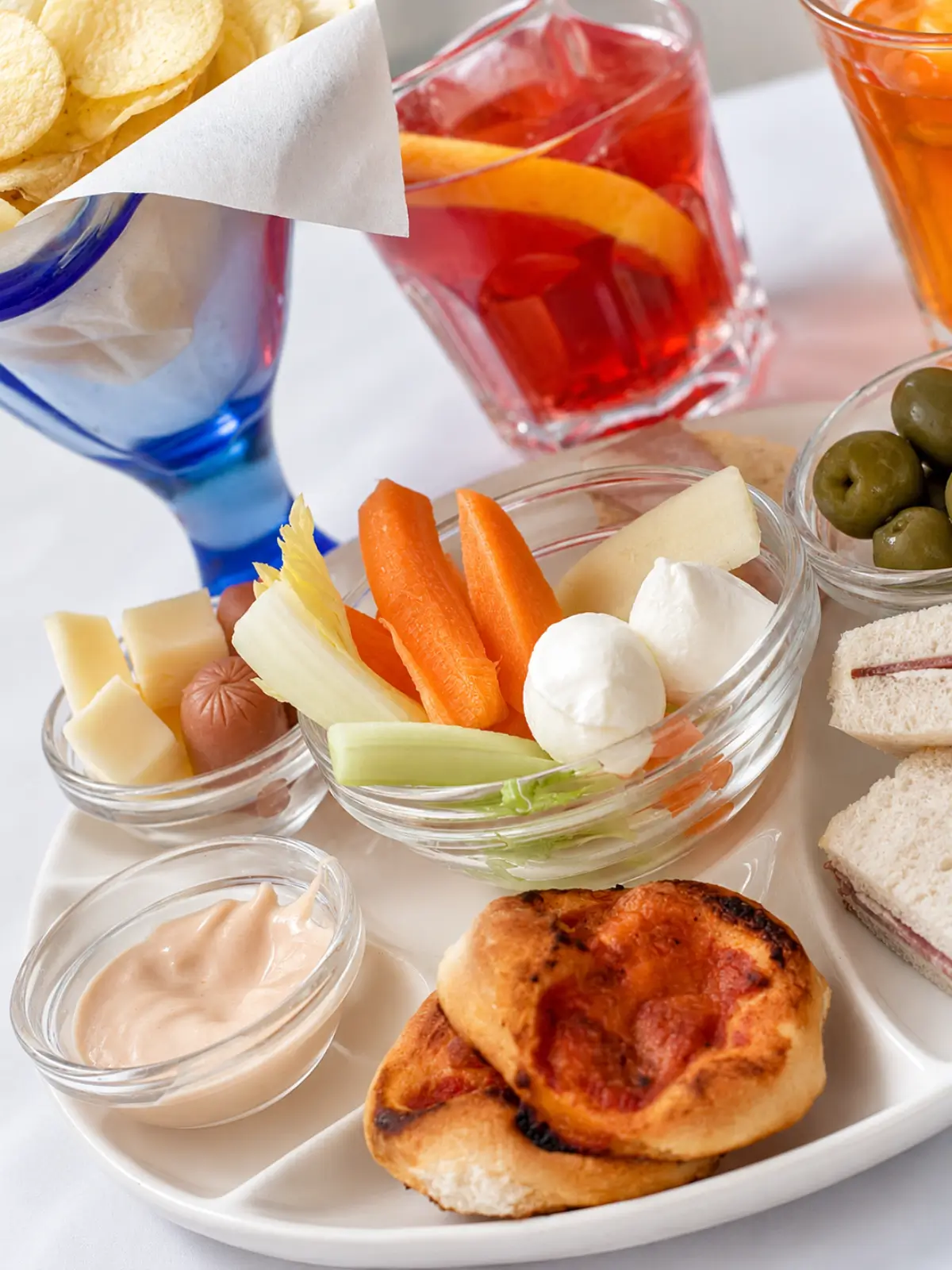
5. Experience Milan’s Aperitivo Culture
Between roughly 6 pm and 8 pm, bars across Milan begin serving drinks alongside snacks and small plates before dinner. Aperitivo shapes much of the city’s evening atmosphere. The tradition becomes especially noticeable around Navigli, Brera, and Porta Venezia.
Some venues keep things fairly simple. Olives, crisps, and smaller bar snacks are common. Other venues prepare larger buffet spreads. These often include focaccia, pasta salads, cheeses, cured meats, and regional dishes included with the drink price.
Navigli usually becomes the busiest area during aperitivo hour. The largest crowds gather around the canals and outdoor terraces. Brera and Porta Venezia often suit a slower evening pace. Smaller wine bars and cocktail spots spread across the surrounding streets.
If you want a more structured experience, this private Milan walking tour with aperitivo combines local drinks, snacks, and historic landmarks across central Milan.
- Usually starts between 6 pm and 8 pm
- Drinks commonly cost around €8–€20 (about $9–$23 USD) with snacks included
- Popular across Navigli, Brera, and Porta Venezia
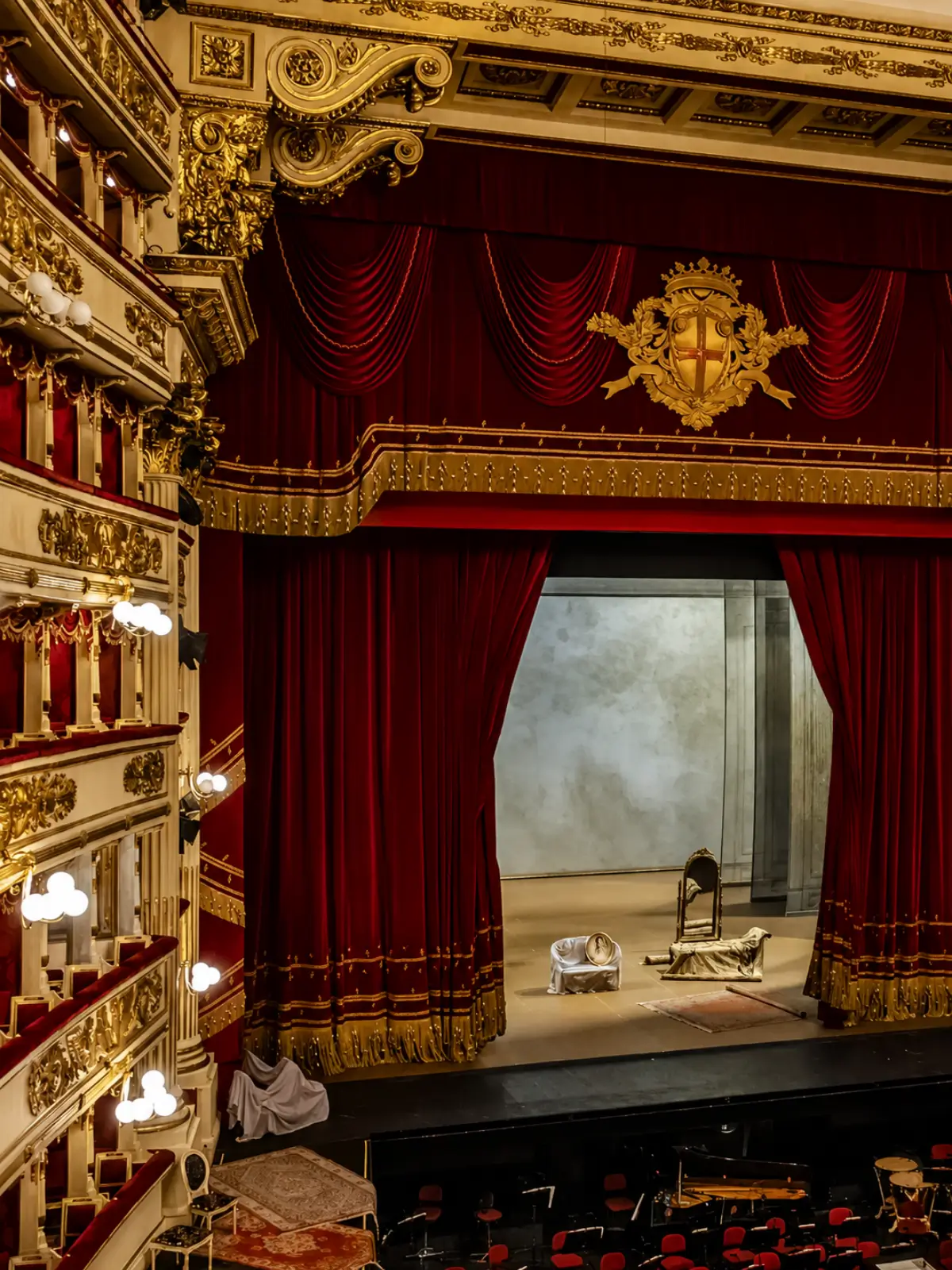
6. Visit Teatro alla Scala
Few theatres carry the same reputation as La Scala. Opera performances have taken place here since the 18th century. The building remains one of Milan’s most important cultural venues.
The museum portion stays fairly compact and works better as a shorter stop near the Duomo. Performance nights create a completely different atmosphere compared to daytime visits.
You can either visit independently with a La Scala theatre tour or book La Scala performance tickets for an opera, ballet, or concert inside the historic theatre itself.
Tickets for opera and ballet productions often require booking well ahead of time.
- Museum visits usually take around 45 minutes to 1 hour
- Museum tickets start around €12–€15 (about $14–$17 USD)
- Located near Piazza della Scala in central Milan
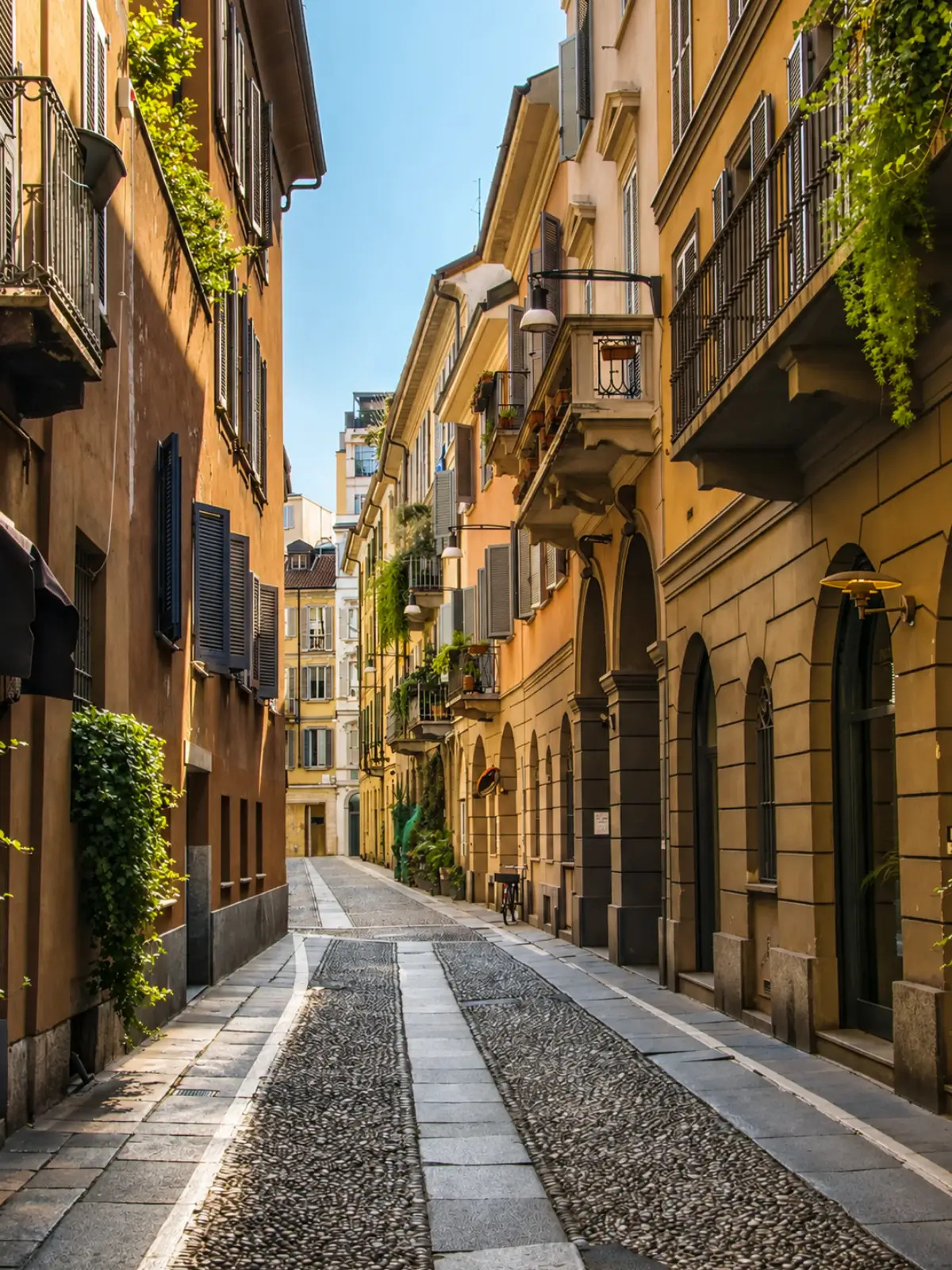
7. Explore the Brera District
Art galleries, wine bars, smaller cafés, and independent boutiques give Brera a more relaxed atmosphere compared to the busy streets around the Duomo.
The Pinacoteca di Brera contains works by Raphael, Caravaggio, and Tintoretto. The museum usually feels calmer and easier to explore than several of Milan’s larger attractions.
Booking Pinacoteca di Brera tickets ahead of time is usually a good idea, especially during weekends and holidays.
Brera works particularly well during the late afternoon and evening. Smaller streets fill with local restaurants, wine bars, and independent shops as the area becomes busier later in the day.
- Usually takes around 2 to 3 hours
- Pinacoteca tickets usually start around €15 (about $17 USD)
- Located in the Brera district north of the Duomo
Our Best Areas To Stay in Milan guide also breaks down which neighbourhoods work best for sightseeing, nightlife, museums, and food.
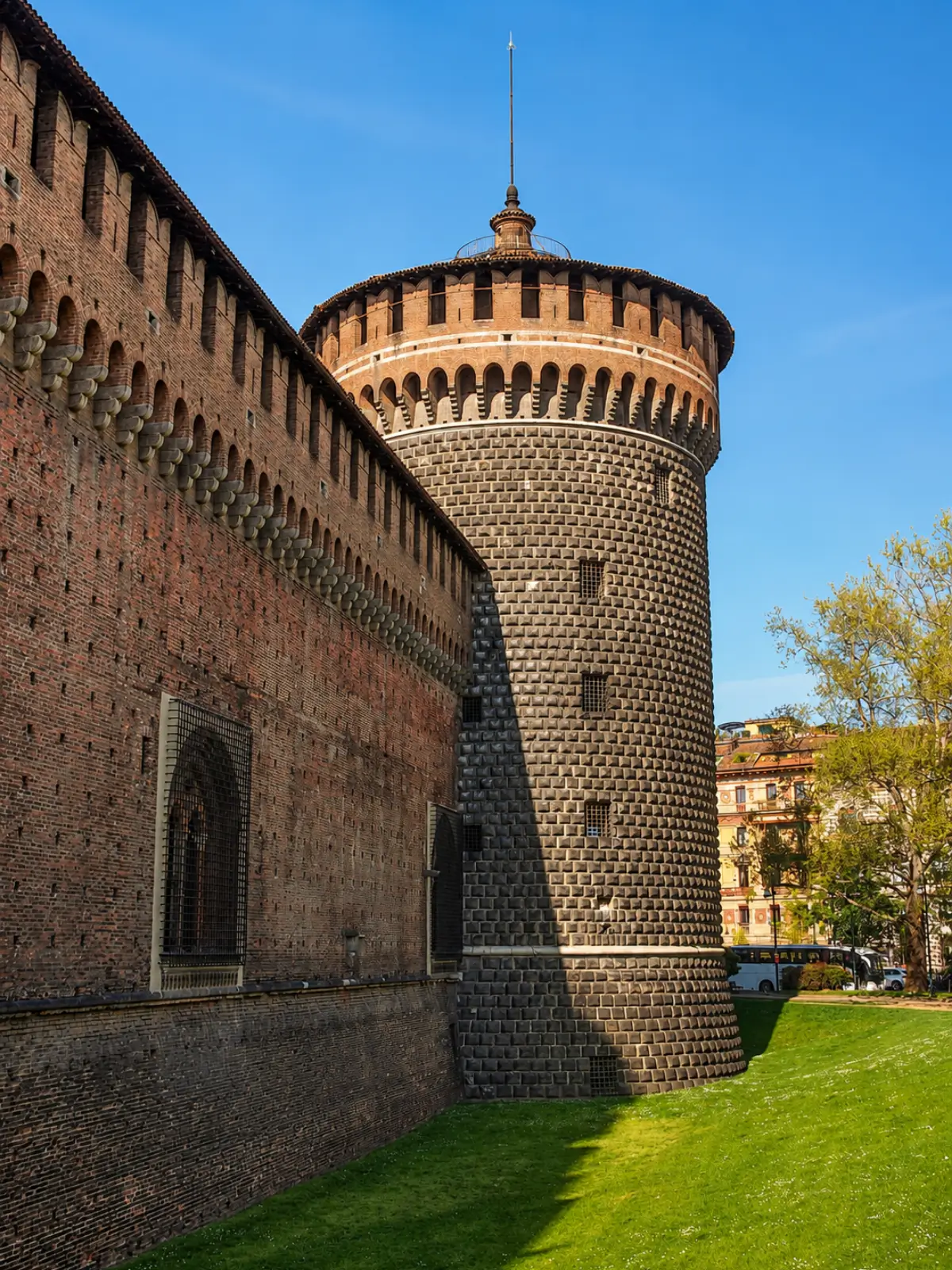
8. Visit Castello Sforzesco
Large courtyards, museums, and open park paths spread across the castle complex behind the historic centre. The scale of the grounds feels much larger once inside.
Parco Sempione connects directly behind the fortress. The area works well for slowing down between busier sightseeing stops.
Several museums operate inside the castle itself. The courtyards and public spaces, however, remain free to access.
A Sforza Castle ticket with audio guide adds more historical context while exploring the museums and fortress interiors. Standard Sforza Castle museum tickets are also available for independent visits.
- Usually takes around 1.5 to 3 hours
- Castle grounds are free, museum tickets vary
- Located between the historic centre and Parco Sempione
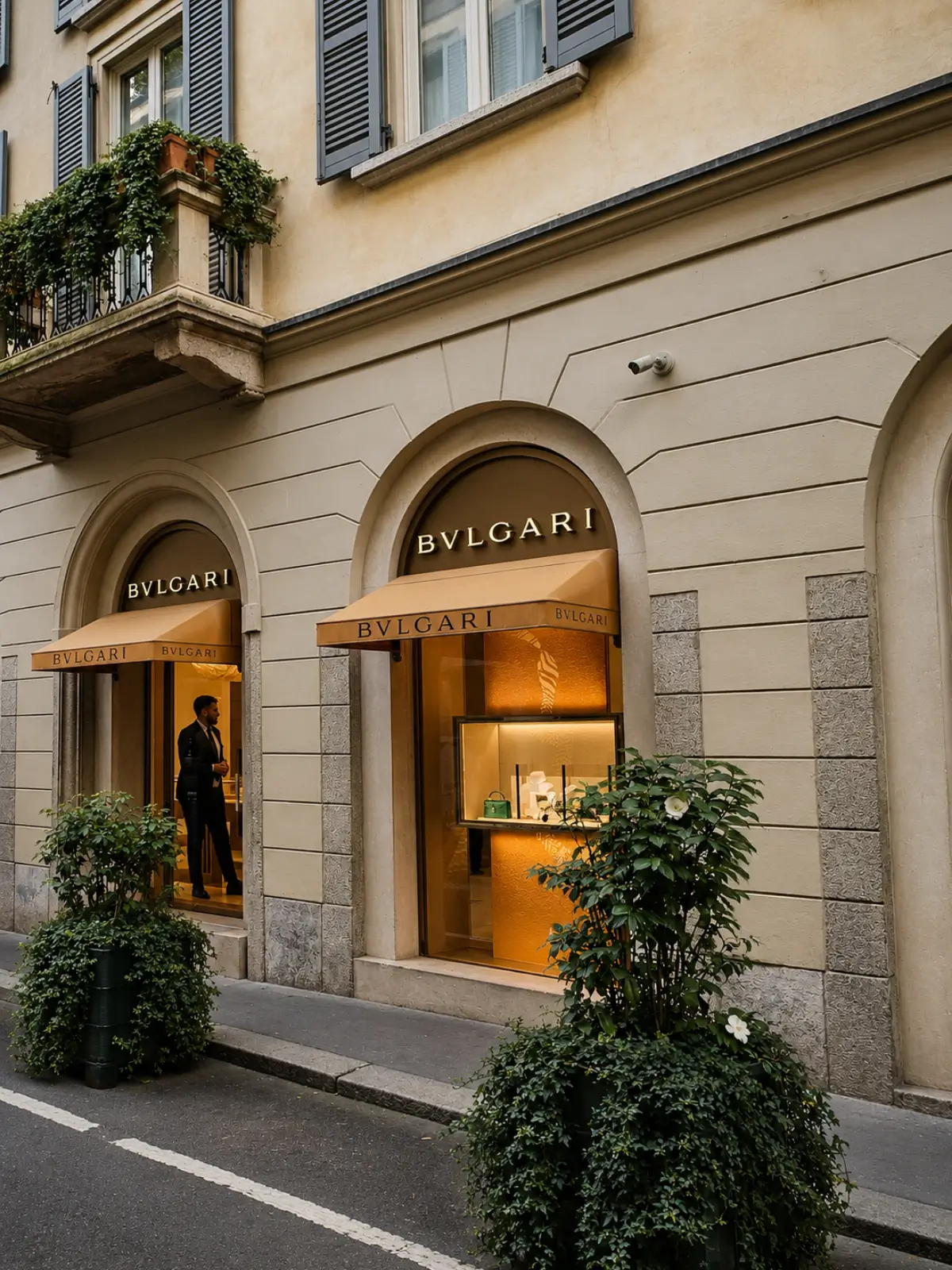
9. Shop Around Quadrilatero della Moda
Luxury storefronts and designer boutiques dominate this part of central Milan. Streets such as Via Montenapoleone and Via della Spiga form the centre of the city’s fashion district.
Even without shopping, the area still works well for architecture, window displays, and atmosphere. During Fashion Week, crowds increase significantly across the district.
Compared to several shopping areas elsewhere in Italy, the streets here feel far more polished and formal.
- Usually takes around 1 to 2 hours
- Free to explore
- Located northeast of the Duomo
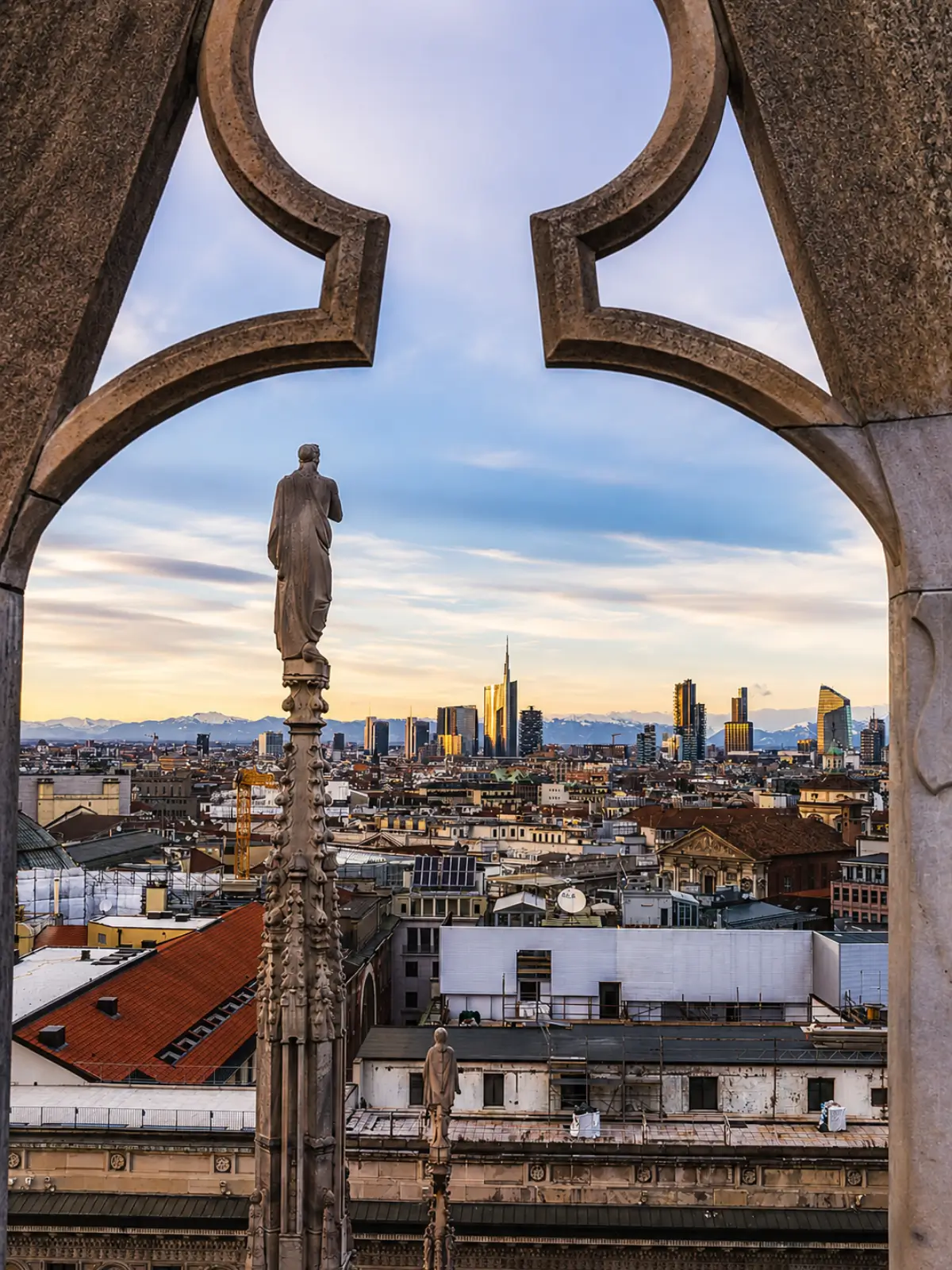
10. Visit Milan’s Rooftops
Above the busy streets below, rooftop terraces across Milan offer skyline views, drinks, and open views across cathedral spires and the historic centre.
The Duomo rooftop remains the best-known viewpoint in the city. Hotel rooftops and terrace bars, however, often feel more relaxed during the evening.
Clear weather during spring and summer usually creates the best conditions for sunset views and photography.
- Usually takes around 1 to 2 hours
- Drinks commonly start around €12–€20 (about $14–$23 USD)
- Most rooftops are located around the historic centre
Take a Food or Aperitivo Tour
Food tours across Milan usually combine local dishes with neighbourhood walks, aperitivo stops, wine tastings, and historic cafés.
Some experiences focus mainly on evening drinks around Navigli. Others move through central Milan with stops for local food and sightseeing along the way.
Our Milan Food and Drink Tours guide also includes canal cruises, guided aperitivo experiences, and local food walks across the city.

I love exploring new places and sharing the travel tips, food finds, and experiences that help you plan your next adventure.