Your journey, beautifully planned.

Prepare For Your Trip With This France Travel Guide

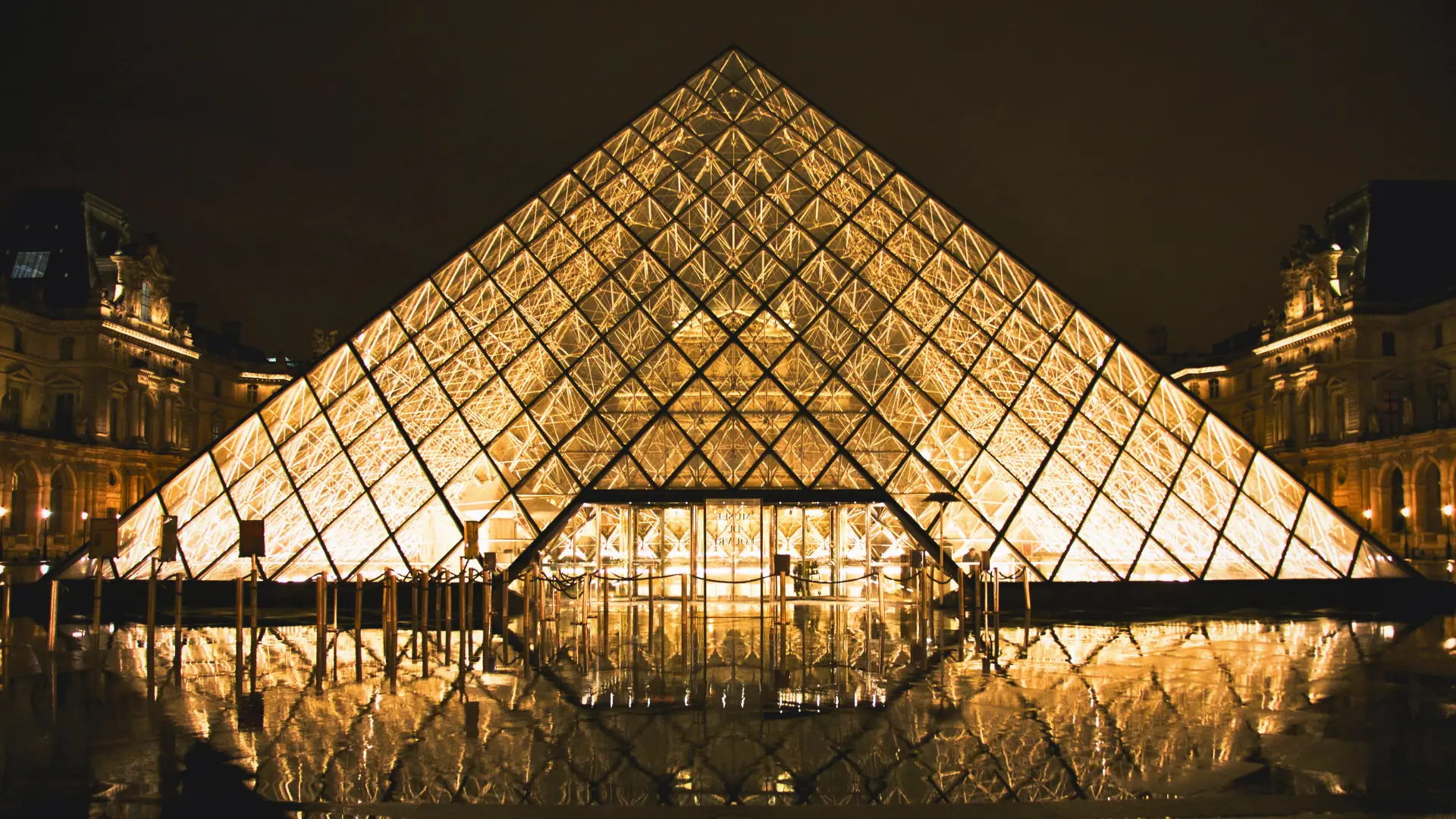
Louvre Pyramid illuminated at night in Paris.

France is a large country in Western Europe known for its food, wine, fashion, art, and well-known landmarks. Paris is usually the first place people think of, with the Eiffel Tower and the Louvre bringing in visitors all year. It’s also known for classic dishes, bakeries, and a food culture people travel for.

But there’s more to France than Paris. The countryside, Provence, Bordeaux, Corsica, and the French Riviera all feel different from one another. Along the Riviera, places like Nice, Cannes, and Monaco follow the Mediterranean coast.

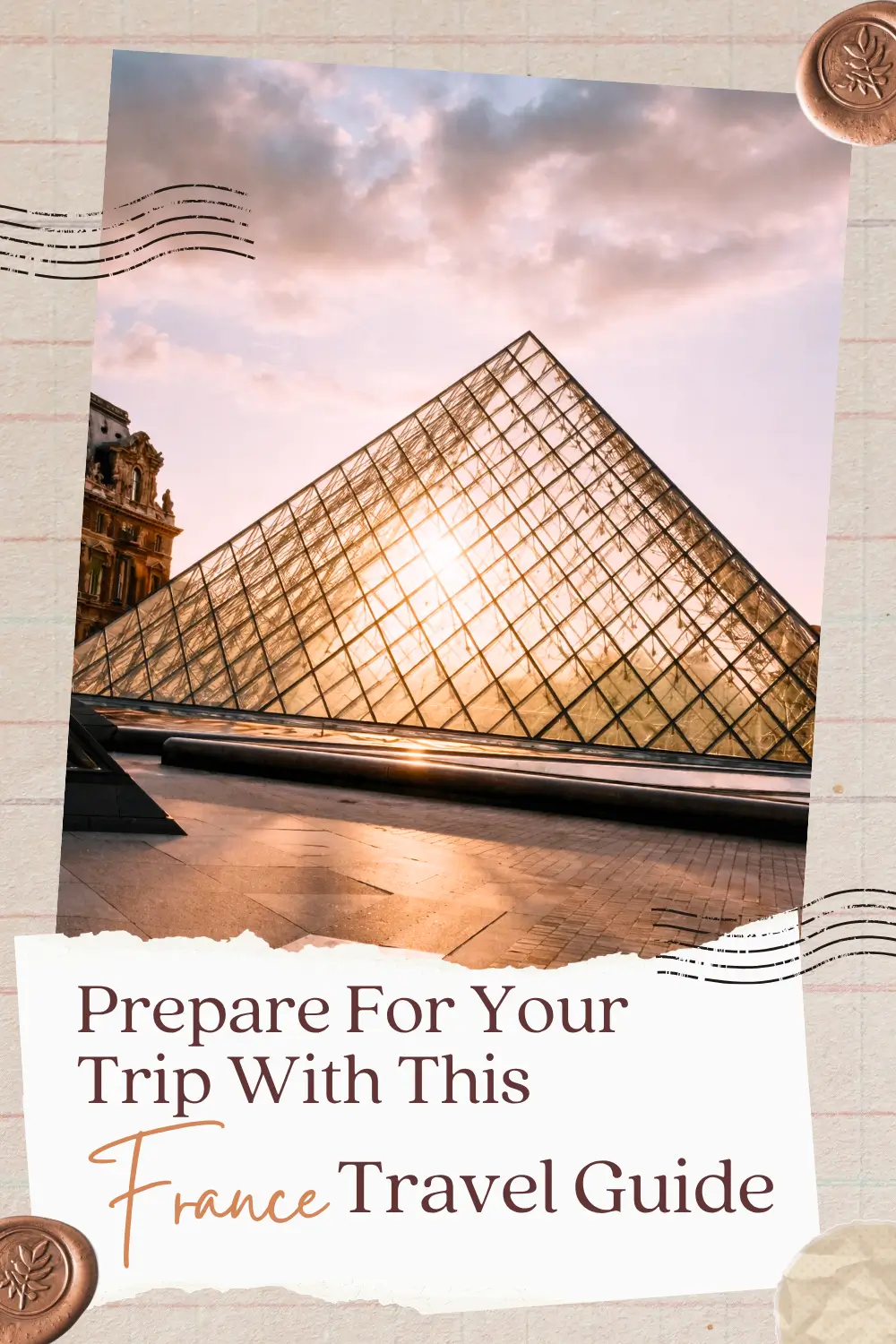
Louvre Pyramid in Paris at sunset featured on a France travel guide cover design.

France is on a lot of bucket lists because of everything it offers in one trip. It’s also known as a romantic place, which is why many people choose it for couples trips or special occasions.

Did You Know?

  • France is the most visited country in the world, with over 100 million international tourists each year.

  • The Louvre Museum is the most visited museum in the world, attracting around 8 to 10 million visitors annually.

  • France produces over 1,000 varieties of cheese, and you could try a different one every day for more than three years.

  • The French rail network spans over 28,000 km, and high-speed trains can reach up to 320 km per hour.

  • France introduced the modern concept of the restaurant in the 18th century, and Paris still has some of the oldest dining establishments.

  • About 30% of France is covered by forests, which makes it one of the most wooded countries in Europe.

  • France has over 50 UNESCO World Heritage Sites, placing it among the countries with the highest number globally.

  • The Eiffel Tower grows by up to 15 cm in summer due to heat expansion in the iron structure.

  • France produces billions of bottles of wine each year and remains one of the largest wine producers in the world.

I love exploring new places and sharing the travel tips, food finds, and experiences that help you plan your next adventure.

Join the
Journey

Sign up for new itineraries, travel notes, and practical guides to help you explore the places I love most.

Beige washi tape strip with soft torn edges on a transparent background.

Basic French Phrases

  • Bonjour (bon-zhoor) – hello
  • Bonsoir (bon-swahr) – good evening, used after 6 pm
  • Merci (mer-see) – thank you
  • S’il vous plaît (see voo play) – please
  • L’addition, s’il vous plaît (lah-diss-yon see voo play) – can I get the bill please
  • Parlez-vous anglais? (par-lay voo ong-lay) – do you speak English
  • Pardon (pahr-dawn) – excuse me when passing by
  • Excusez-moi (ex-kews-ay-mwah) – excuse me to get attention
  • Au revoir (oh rev-war) – goodbye

Best Time To Visit France

Spring, from April to June, offers mild weather and good conditions for sightseeing. Cities feel lively and landscapes are in bloom, while crowds stay lower before peak season. Late May and June can get busy in major destinations.
Summer, from July to August, brings warm days and long daylight hours. It works well for the coast and outdoor plans. Popular areas get very busy, and prices rise across accommodation and transport. August feels different, as many locals leave cities, while tourist areas stay crowded.
Autumn, from September to October, has pleasant temperatures and easier travel conditions. Early September can still feel busy, but it improves as the month goes on. Winter, from November to March, is colder, with snow in the mountains and milder weather in the south. Cities stay active, especially in December.
Warm Months Transitional Months Cool Months

France At A Glance

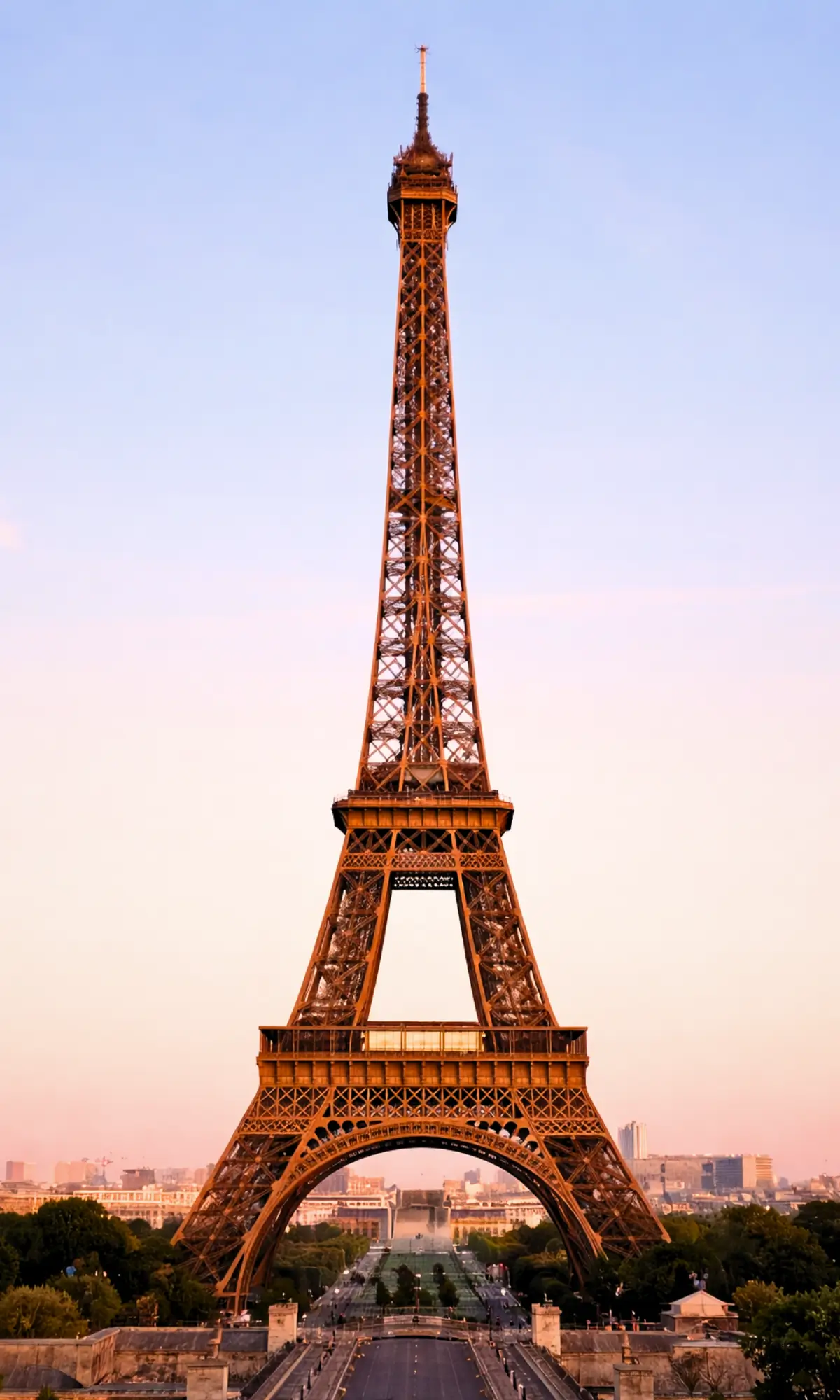
Eiffel Tower in Paris at sunset with city skyline and gardens below.
Language selection icon showing two speech bubbles with letter A and Chinese character.

Language

French is the official language and used nationwide. English is common in cities and tourist areas, but less in smaller towns.

Illustration of a money bag with dollar symbol next to stacked coins.

Currency and Costs

Euro (EUR). Approximate rate: 1 USD ≈ 0.90–0.95 EUR, though exchange rates fluctuate. Expect moderate to high daily costs, especially in Paris and well-known destinations.

Mobile payment icon with credit card and phone showing confirmed payment

Payments

Hotels, restaurants, and larger shops accept cards without issues. Contactless works for most purchases, but keep some cash for small cafés, markets, and rural areas.

Hand holding a dollar sign and heart icon representing tipping.

Tipping

Tipping is not expected, as service is usually included in restaurant bills. Leaving small change or rounding up is appreciated for good service, but never required.

Shield with checkmark and padlock as safety icon.

Safety

France is generally safe, including major cities. Take normal precautions in busy areas like Paris and transport hubs.

Wi-Fi connectivity icon for travel and accommodation.

Connectivity

Mobile coverage is strong across most of the country, with 4G reaching over 99% of the population. Most hotels offer Wi-Fi, but speeds can drop in rural areas or older buildings.

A Detailed France Itinerary

This 7-day route follows a direct path through northern and central France. It starts in Paris, continues southwest to the Loire Valley, then moves southeast to Lyon before returning to Paris. 

The route follows major train lines, which keeps travel time reasonable and avoids unnecessary detours. Paris works as both the arrival and departure point.

Day 1: Arrival in Paris

Arrival into Paris followed by transfer into the central districts. Staying near the Seine or historic centre keeps most landmarks within walking distance on the first day.

Suggested Stay: Hotel in Le Marais or Saint-Germain-des-Prés

Base: Paris

Highlights

  • Eiffel Tower
  • Notre-Dame Cathedral
  • Île de la Cité
  • Seine riverbanks

Day 2: Paris – Historic Centre

The day focuses on central Paris, where major landmarks sit close together. Walking between sights reduces time spent on transport.

Suggested Stay: Hotel in Le Marais or Saint-Germain-des-Prés

Base: Paris

Highlights

  • Louvre Museum
  • Tuileries Garden
  • Champs-Élysées
  • Arc de Triomphe

Day 3: Paris – Montmartre and Left Bank

The route connects Montmartre in the north with the Left Bank. The metro links both areas directly, which keeps travel simple.

Suggested Stay: Hotel in Le Marais or Saint-Germain-des-Prés

Base: Paris

Highlights

  • Sacré-Cœur Basilica
  • Latin Quarter
  • Luxembourg Gardens

Day 4: Paris to Loire Valley

Travel continues southwest to the Loire Valley. The train journey to Tours or Amboise usually takes around 1 to 1.5 hours. This keeps the travel day short.

Suggested Stay: Hotel or guesthouse in Tours old town or Amboise centre

Route: Paris to Loire Valley

Highlights

  • Loire River
  • Tours old town
  • Amboise town centre
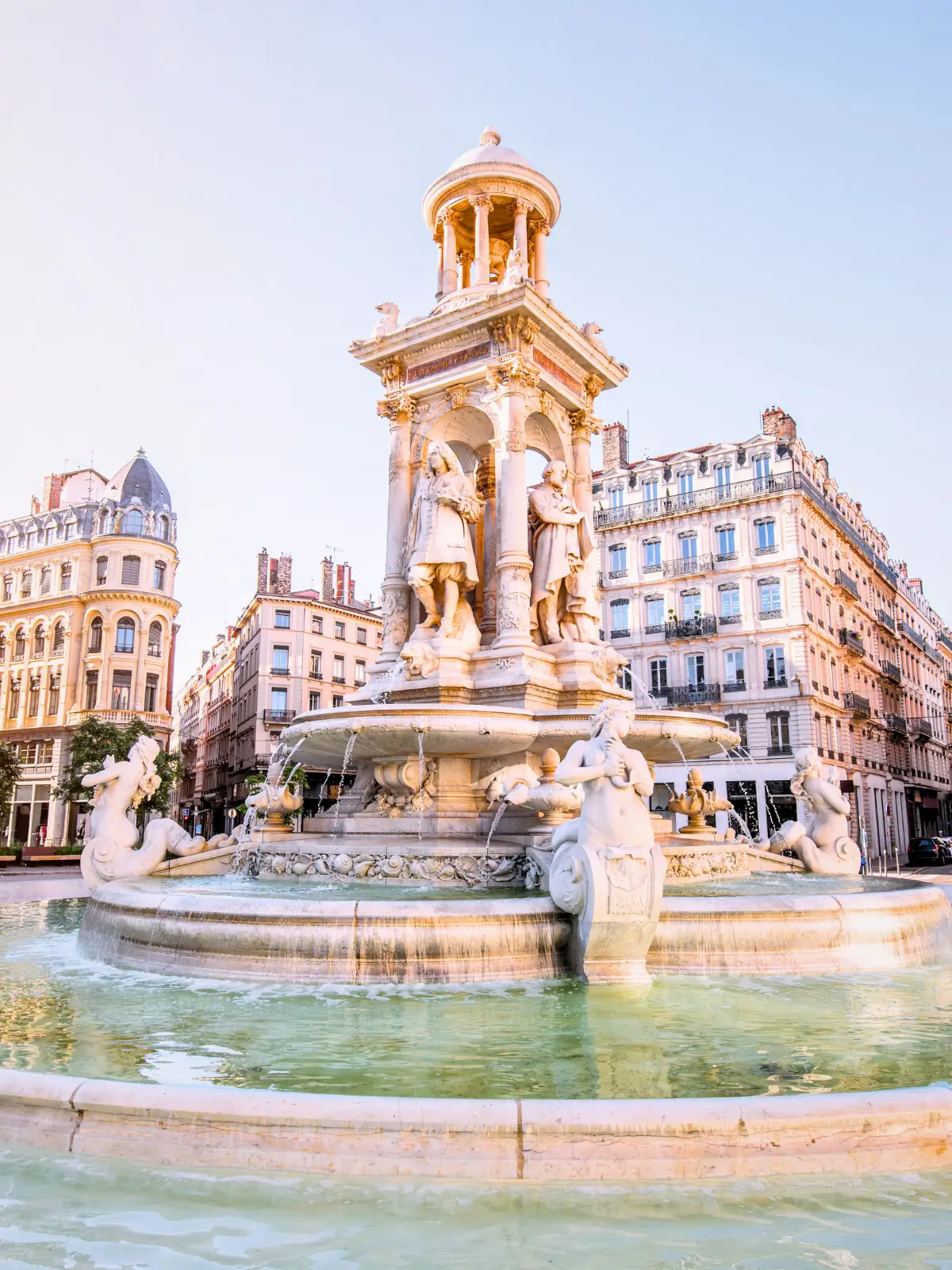
Fountain at Place des Terreaux in Lyon with historic buildings in the background.
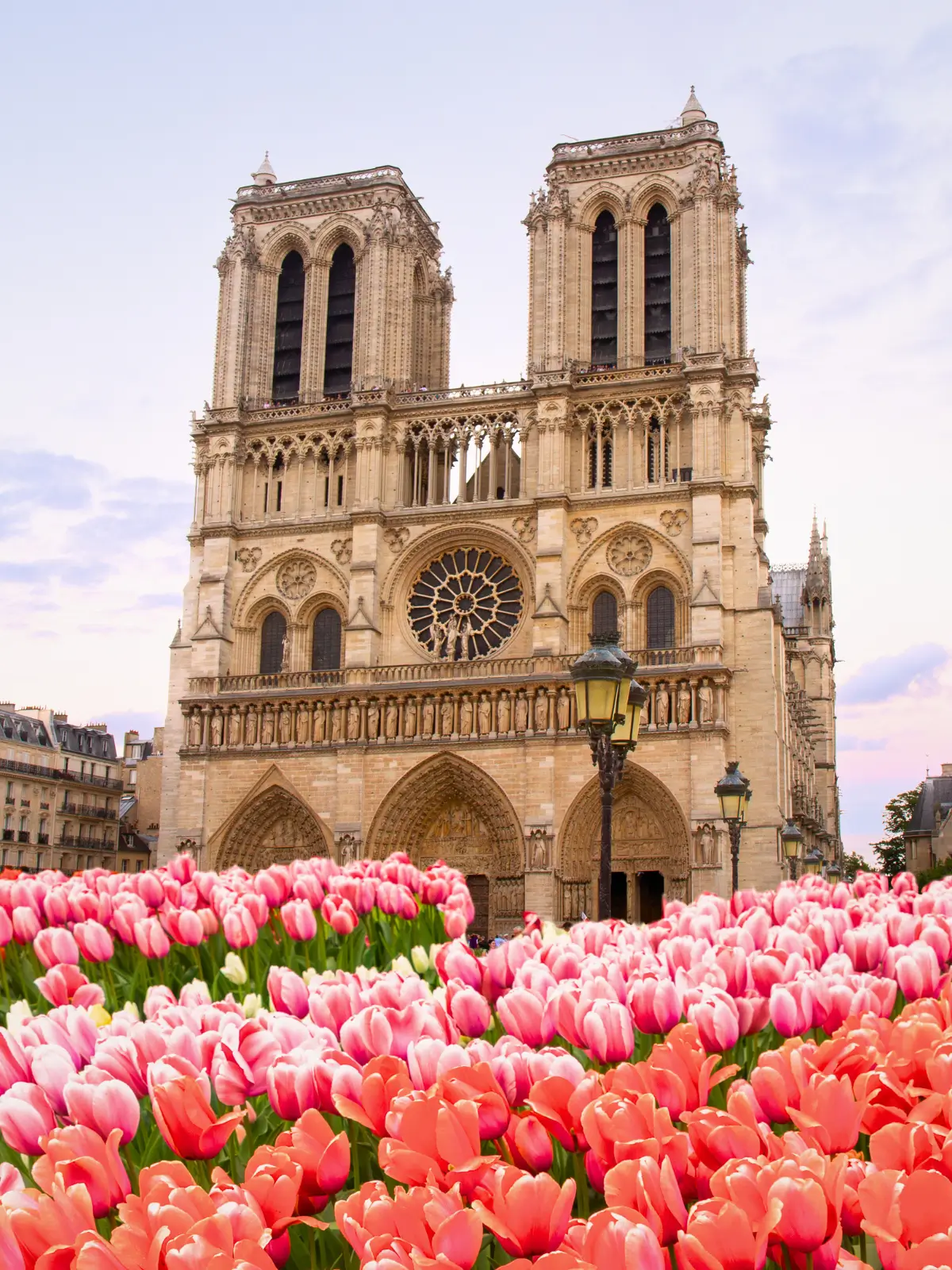
Notre-Dame Cathedral in Paris with pink tulips in the foreground.

Day 5: Loire Valley – Châteaux Region

The day focuses on the château area. Distances between sites are short, but public transport is limited. A car or organised tour works best.

Suggested Stay: Hotel or guesthouse in Tours or Amboise

Base: Loire Valley

Highlights

  • Château de Chambord
  • Château de Chenonceau
  • Château d’Amboise
  • Loire vineyards

Day 6: Loire Valley to Lyon

Travel continues southeast to Lyon. The journey usually takes around 3 to 4 hours by train with one connection. This is the longest travel segment of the trip.

Suggested Stay: Hotel in Vieux Lyon or Presqu’île

Route: Loire Valley to Lyon


Highlights

  • Basilica of Notre-Dame de Fourvière
  • Place Bellecour
  • Rhône and Saône rivers

Day 7: Lyon to Paris Departure

Return to Paris by high-speed train. The journey takes about 2 hours. Staying near a station or the airport keeps departure straightforward.

Suggested Stay: Hotel near Gare de Lyon or airport hotel

Route: Lyon to Paris

Highlights

  • Seine river views
  • Central Paris streets
Beige washi tape strip with soft torn edges on a transparent background.

Things To Know Before Visiting France

1. Always Greet Before Speaking

People expect a greeting before any interaction, even in shops or cafés. Start with “bonjour” or “bonsoir,” or it can come across as rude straight away. 

Staff respond more positively once you greet them properly. Skipping it often leads to colder or more formal interactions.

2. Book Major Attractions Before You Arrive

Top sights like the Eiffel Tower and Louvre sell out or involve long queues without tickets. This wastes hours or blocks entry entirely. Booking ahead saves time and avoids last minute issues.

3. Learn Basic French Phrases Before Your Trip

A simple greeting is expected before any interaction in France. Use it when entering a shop, asking for help, or speaking to staff. Even a few words in French can change how people respond to you.

4. Don’t Buy Train Tickets Last Minute

TGV prices increase sharply as seats sell out. Waiting can double or triple costs on key routes. 

Booking early keeps prices lower and gives more options. Popular routes can sell out completely on weekends and holidays. Seat reservations are required on most high-speed trains.

5. Don’t Try To See Too Much In One Day

Overloaded itineraries don’t work well in France. Travel time, queues, and museum size slow everything down. 

Keeping plans realistic helps you enjoy each stop properly. Large museums like the Louvre can take hours on their own. Spreading activities across days makes the experience less rushed.

6. Understand How The City Is Laid Out

Paris follows a spiral district layout, which affects how you move around. Poor route planning leads to unnecessary backtracking. Grouping nearby sights saves time and effort.

The Seine also divides the city into left and right banks with different routes. Crossing the river often takes longer than expected.

7. Plan Meal Times Or You May Miss Them

Restaurants close between lunch and dinner, and popular places fill up quickly. Arriving at the wrong time can mean no available tables. Planning ahead avoids gaps in your day. 

Lunch usually runs from around 12 pm to 2 pm, and dinner starts after 7 pm. Outside these hours, food options are limited.

8. Stay Somewhere Central If Possible

Staying far from the centre increases travel time and transport costs. Central locations make walking and planning much easier. It also gives you more flexibility during the day. 

You can return easily for breaks without losing time. Early mornings and late evenings become much more convenient.

How to Get There

Entry Requirements and Visas

France is part of the Schengen Area, and entry rules follow Schengen guidelines. You can stay visa-free for up to 90 days within a 180-day period, depending on your passport.
Your passport must be issued within the last 10 years and valid for at least 3 months beyond your departure date.

The EU is rolling out a new Entry Exit System, and you may need to give biometric data like fingerprints when you arrive.

Main Airports

Paris Charles de Gaulle Airport is the main gateway, with direct and connecting routes from across Europe and major global hubs. Paris Orly also handles international and domestic flights. Nice and Lyon are key airports for southern and central France.

Flights and Routes

France has strong air connections with cities across Europe, North America, and the Middle East.

Many routes pass through hubs like Paris, London, Amsterdam, and Frankfurt. Regional airports also handle short-haul flights within Europe.

Trains and Land Borders

France borders Belgium, Germany, Switzerland, Italy, Spain, and Luxembourg. High-speed TGV trains connect Paris with cities like Brussels, Geneva, Milan, and Barcelona. 

Border crossings within Schengen usually don’t involve checks, but they can still happen.

Ferries And Alternative Entry Points

Ferries connect France with the United Kingdom, Ireland, and nearby islands.

Popular routes include Dover to Calais and Portsmouth to Caen or Le Havre. These work well if you’re travelling with a car.

What to Expect

Train Travel Depends On Reservations and Speed Types

High-speed TGV trains are fast, but many routes need a seat reservation. 

Miss one and you may need to wait for the next train. Regional TER trains don’t need reservations, but they run slower and less often.

Rural Transport Is Limited Without a Car

Outside main cities, public transport drops off quickly. Buses can run only a few times a day, and some routes don’t run daily. A car makes it much easier to reach smaller towns, vineyards, and coastal spots.

August Changes How the Country Operates

Many locals take holidays in August, especially in cities like Paris. Some small shops and restaurants close for weeks. Tourist areas stay busy, but local neighbourhoods can feel unusually empty.

Mountain and Coastal Regions Follow Seasonal Cycles

Alpine areas switch between ski season in winter and hiking in summer. Coastal towns are busy in summer but slow down outside peak months. Visiting off-season can mean fewer services and limited access.

Train Tickets Are Time-Specific and Checked On Board

Most long-distance train tickets are tied to a specific departure. Staff check tickets during the journey instead of at gates. You’ll need to carry ID that matches your ticket.

Driving Rules Change in City Centres

Many cities have low-emission zones with vehicle restrictions. You may need a Crit’Air sticker to enter certain areas. Fines apply if you drive in without the right permit.

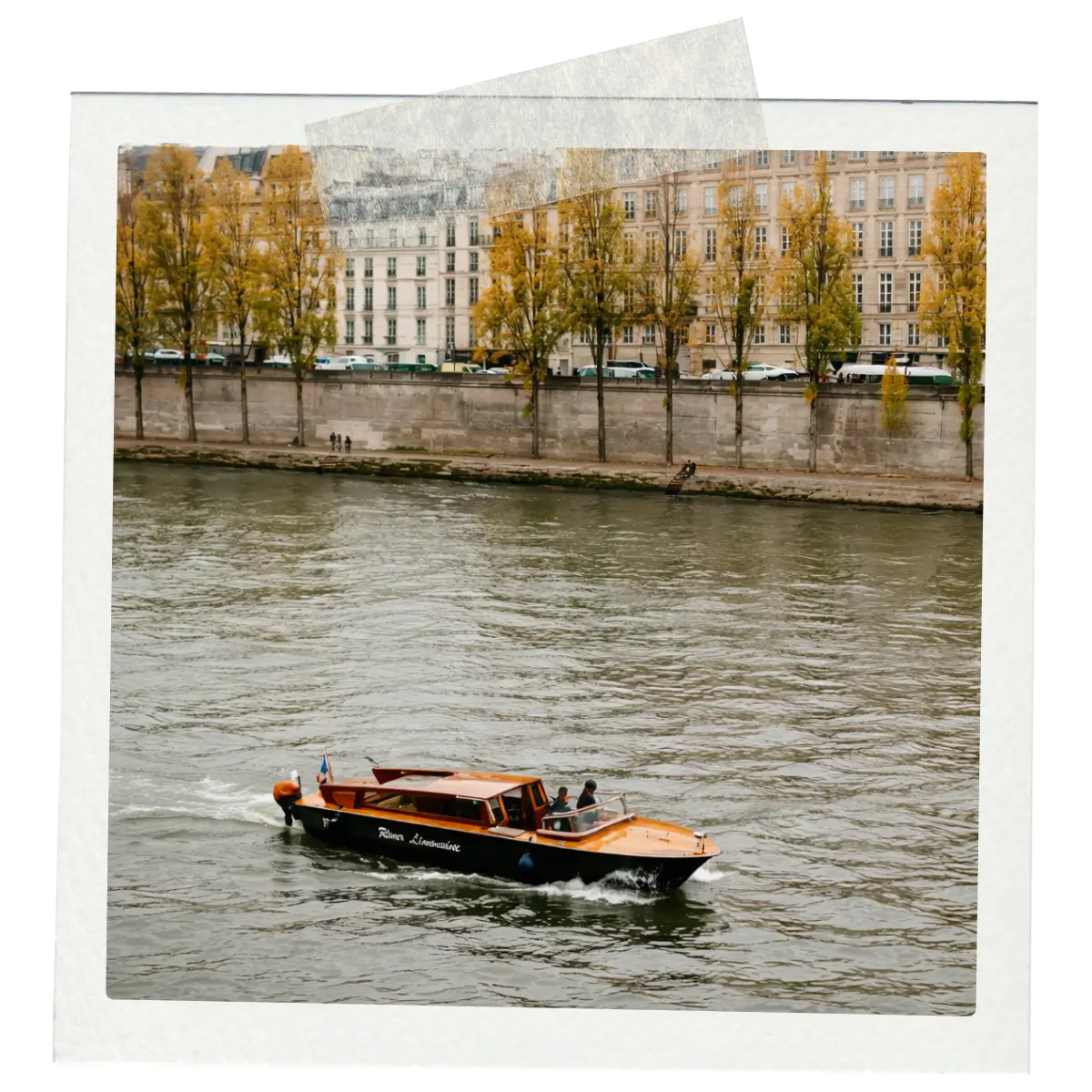
Wooden boat cruising along the Seine River in Paris.
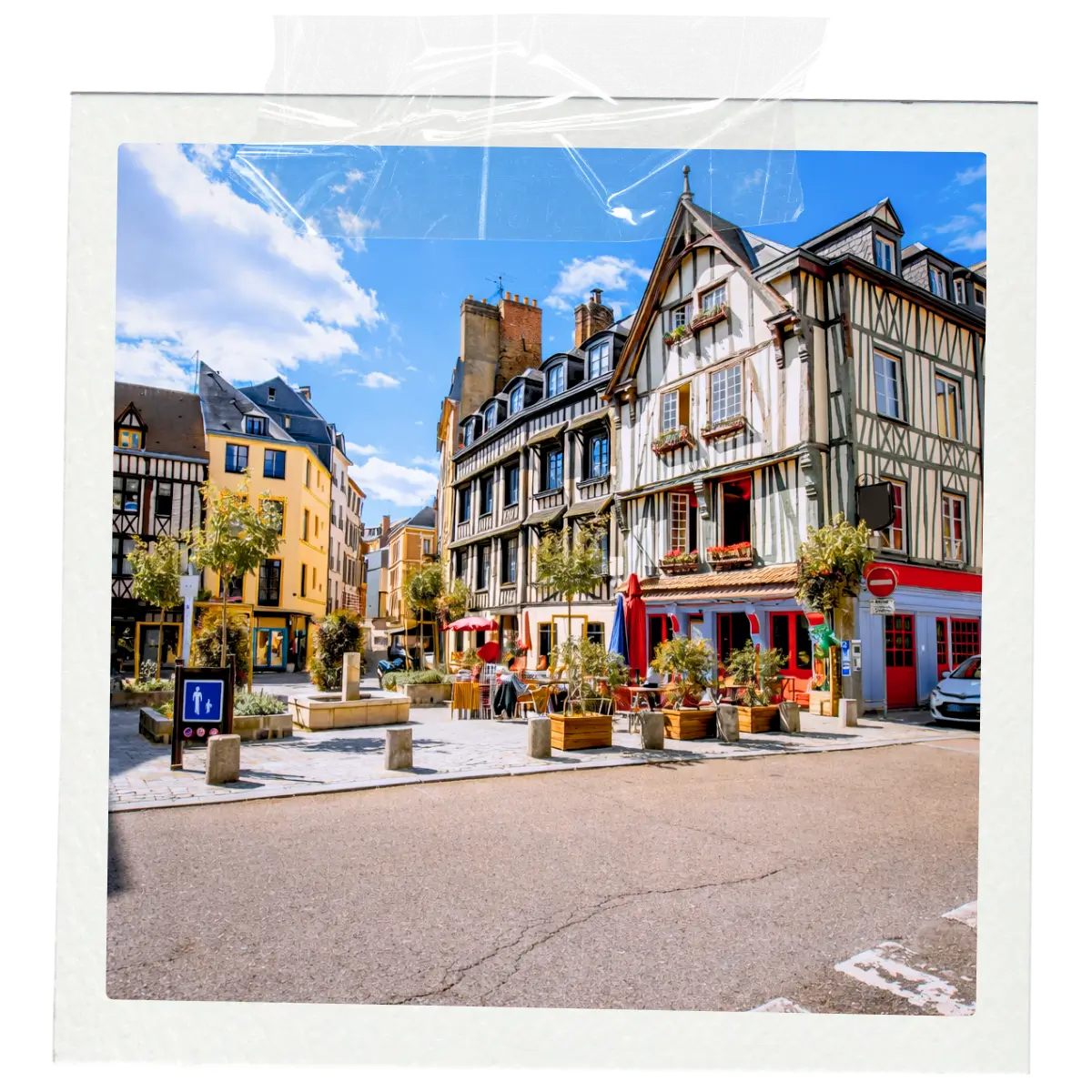
Colourful half-timbered buildings and outdoor cafés in a historic French town square.
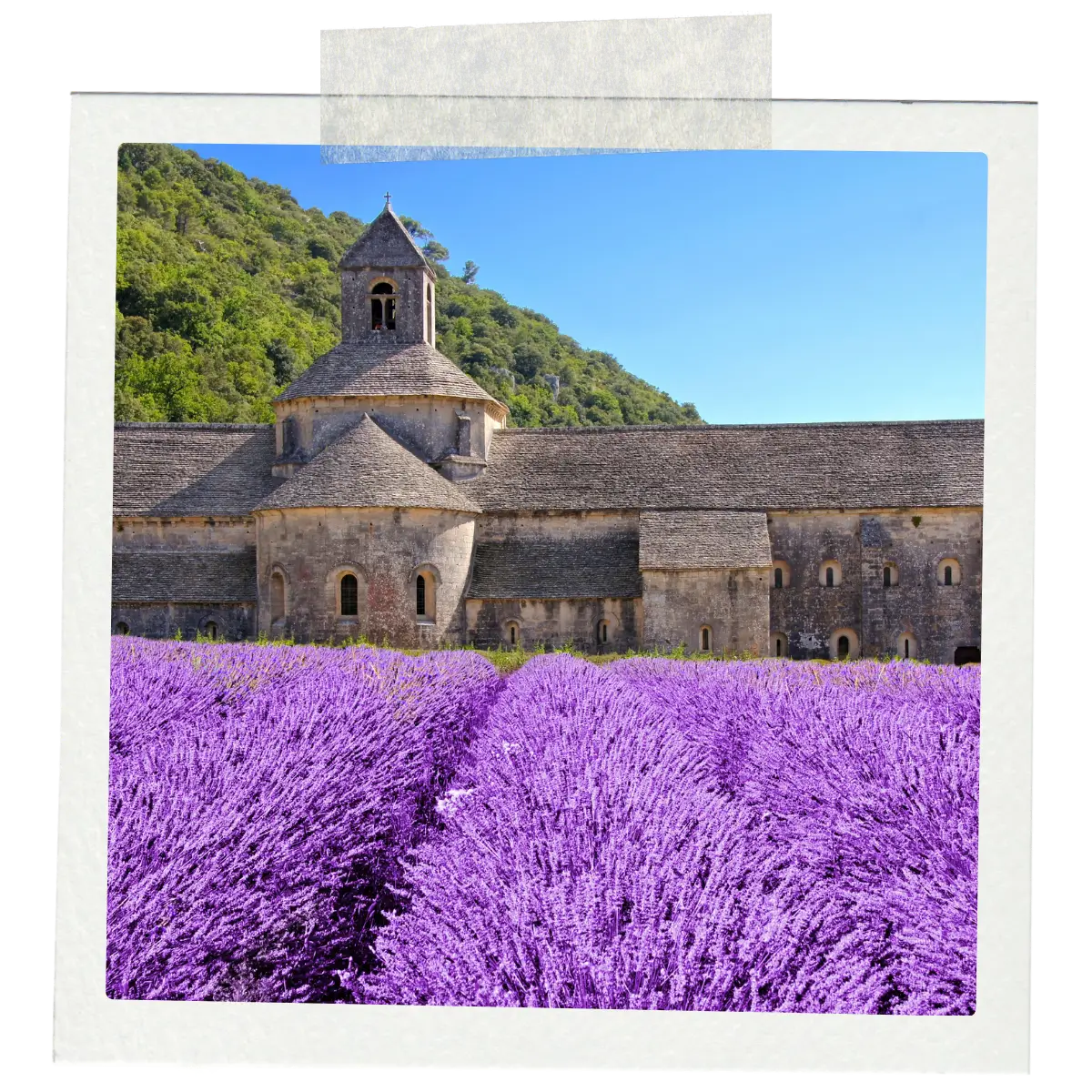
Stone abbey behind purple lavender fields in Provence.

Getting Around France

Trains

Trains are the main way to get around France, especially for longer distances. The rail network links cities like Paris, Lyon, Marseille, Bordeaux, and Lille, and services are generally reliable. 

High-speed TGV trains handle long routes, while standard trains cover regional connections.

Regional Trains

Regional TER trains connect smaller towns and areas not served by high-speed lines. 

Services run less frequently, and some routes only have a few departures each day. They’re slower than TGV trains but useful for reaching local destinations.

Metro and City Transport

Cities like Paris, Lyon, and Marseille have metro, tram, and bus networks. Services run often and cover most urban areas well. Systems can get crowded during peak hours, especially in Paris.

Buses

Buses cover routes where trains don’t operate and connect smaller towns and rural areas. 

Long-distance buses also link major cities at lower prices than trains. Travel times are longer, but they can be useful where rail options are limited.

Domestic Flights

Flights connect cities such as Paris, Nice, Toulouse, and Marseille. They can save time on longer distances, but airport procedures add extra time. 

Trains are often more efficient on routes under a few hours.

Car Rental

A car helps when visiting regions like Provence, Normandy, or the Loire Valley. 

Public transport doesn’t always reach villages, vineyards, or coastal routes. It gives more flexibility with timing and stops.

Driving

Motorways are well maintained, but many require toll payments. Rural roads can be narrow, especially in historic towns and mountain areas.

Traffic builds up in cities and along the coast during peak seasons.

Ferries

Ferries connect mainland France with nearby islands and coastal regions. 

Routes run to places like Corsica and islands along the Atlantic coast. They’re useful if you plan to explore beyond the mainland.

Beige washi tape strip with soft torn edges on a transparent background.

Basic French Phrases

  • Bonjour (bon-zhoor) – hello
  • Bonsoir (bon-swahr) – good evening, used after 6 pm
  • Merci (mer-see) – thank you
  • S’il vous plaît (see voo play) – please
  • L’addition, s’il vous plaît (lah-diss-yon see voo play) – can I get the bill please
  • Parlez-vous anglais? (par-lay voo ong-lay) – do you speak English
  • Pardon (pahr-dawn) – excuse me when passing by
  • Excusez-moi (ex-kews-ay-mwah) – excuse me to get attention
  • Au revoir (oh rev-war) – goodbye

Join the
Journey

Sign up for new itineraries, travel notes, and practical guides to help you explore the places I love most.

Portrait of Manu smiling against a neutral background.

I love exploring new places and sharing the travel tips, food finds, and experiences that help you plan your next adventure.

Leave a Comment

Your email address will not be published. Required fields are marked *

Scroll to Top
Ultimate packing checklist travel guide cover with tropical beach background.